

Why You’ll Love This Pad Thai
This easy homemade Pad Thai recipe brings authentic Thai noodles to your kitchen with minimal effort. You’ll appreciate how quickly it comes together, making it a go-to choice for busy evenings. With its fresh ingredients and customizable options, it’s not just tasty it’s a delightful meal that fits various lifestyles.
One of the standout features is the ease of preparation, as this Pad Thai takes less than 30 minutes from start to finish, using everyday items you might already have. Health benefits include a boost of nutrients from vegetables and proteins, offering vitamins and healthy fats that support your well-being. Plus, its versatility lets you adapt it for vegan or gluten-free diets without losing that signature Pad Thai flavor.
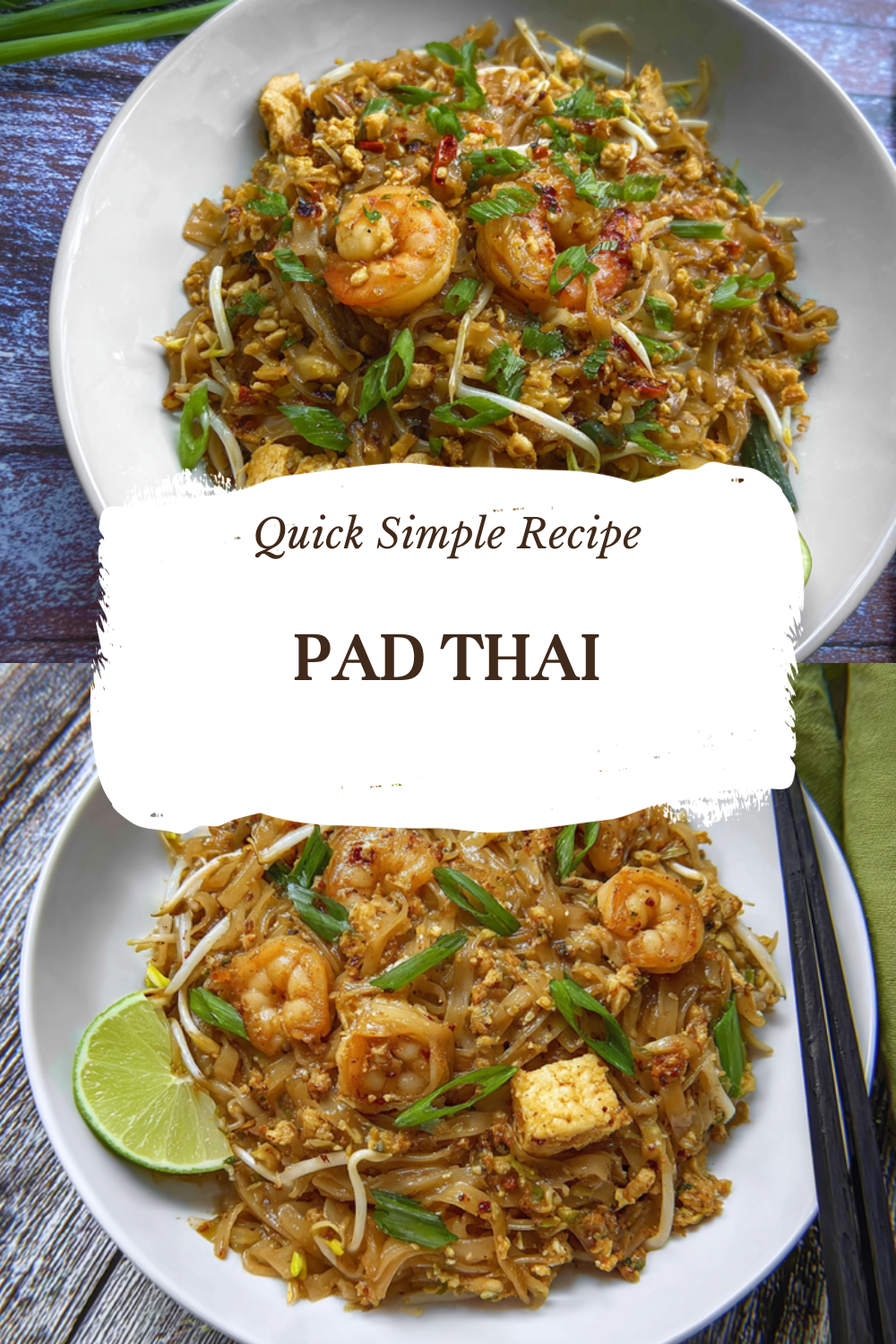
The dish combines rice noodles with options like shrimp, chicken, or tofu, creating a balanced mix of scrambled eggs, bean sprouts, and peanuts in a homemade sauce. Whether you’re a student whipping up a quick dinner or a working professional, this recipe delivers distinctive flavors that evoke the streets of Thailand, making it perfect for food enthusiasts craving an easy homemade Pad Thai recipe.
Key Benefits in Detail
- Ease of preparation: This recipe uses simple steps and requires only about 30 minutes total, ideal for busy parents and home cooks.
- Health benefits: Loaded with fresh veggies, lean proteins, and peanuts, it provides essential nutrients while being adaptable for diet-conscious folks.
- Versatility: Easily make it vegan by swapping proteins or adjust for dietary needs, appealing to travelers and newlyweds exploring new flavors.
- Distinctive flavor: The tangy sauce balances sweet and savory notes, offering traditional Pad Thai flavors that Thai food lovers will enjoy.
Jump to:
- Why You’ll Love This Pad Thai
- Key Benefits in Detail
- Essential Ingredients for Pad Thai
- Main Ingredients
- Sauce Ingredients
- How to Prepare the Perfect Pad Thai: Step-by-Step Guide
- Detailed Cooking Steps
- Dietary Substitutions to Customize Your Pad Thai
- Mastering Pad Thai: Advanced Tips and Variations
- How to Store Pad Thai: Best Practices
- FAQs: Frequently Asked Questions About Pad Thai
- What is Pad Thai and what are its main ingredients?
- How can I make Pad Thai suitable for a vegetarian or vegan diet?
- What can I use if I don’t have tamarind paste for Pad Thai sauce?
- How do I cook the rice noodles for Pad Thai without them sticking together?
- What’s the best way to store and reheat leftover Pad Thai?
- Pad Thai
- Ingredients
- Instructions
- Last Step:
- Notes
- Nutrition
- Did you make this recipe?
Essential Ingredients for Pad Thai
To create this Thai recipe, gathering the right ingredients is key to achieving those traditional Pad Thai flavors. This section lists everything you need, ensuring your homemade version is both authentic and delicious. Start with fresh, quality items for the best results.
Main Ingredients
Below is a comprehensive structured list of all ingredients required for this recipe. I’ve extracted and included every item with precise measurements as provided, making it simple to follow.
- 8 ounces of rice noodles
- 3 tablespoons of oil
- 3 cloves of minced garlic
- 8 ounces of uncooked shrimp, chicken, or tofu cut into small pieces
- 2 eggs
- 1 cup of fresh bean sprouts
- 1 thinly sliced red bell pepper
- 3 chopped green onions
- 1/2 cup of dry roasted peanuts
- 2 limes
- 1/2 cup of chopped fresh cilantro
Sauce Ingredients
For the flavorful homemade sauce that coats everything, mix these together:
- 3 tablespoons of fish sauce
- 1 tablespoon of low-sodium soy sauce
- 5 tablespoons of light brown sugar
- 2 tablespoons of rice vinegar or tamarind paste for a more authentic taste
- 1 tablespoon of Sriracha hot sauce, or more to taste
- Optionally, 2 tablespoons of creamy peanut butter for added creaminess
These ingredients yield about 4 servings, perfect for family meals. For special dietary options, consider substitutes like soy sauce instead of fish sauce for vegetarian versions, as mentioned in our guide to simple Thai sides that pairs well with this dish.
Ingredient Category Examples Dietary Notes Main Components Rice noodles, proteins like shrimp or tofu Use tofu for vegan diets Vegetables and Garnishes Bean sprouts, red bell pepper, cilantro All naturally gluten-free Sauce Elements Fish sauce, brown sugar, Sriracha Substitute for low-sodium options This setup keeps things straightforward for home cooks and baking enthusiasts alike.
How to Prepare the Perfect Pad Thai: Step-by-Step Guide
Making this easy homemade Pad Thai recipe is straightforward and fun, bringing traditional Thai flavors to your table in no time. Start by preparing your ingredients to ensure smooth cooking. The process takes about 30 minutes, yielding 4 servings that everyone will enjoy.
First, cook 8 ounces of rice noodles until just tender, then rinse them under cold water to keep them from sticking. Next, heat 1 1/2 tablespoons of oil in a wok or large pan over medium-high heat and cook your choice of protein such as 8 ounces of shrimp, chicken, or tofu with 3 cloves of minced garlic and 1 thinly sliced red bell pepper until done. Push the ingredients aside, add the remaining oil, and scramble 2 eggs in the pan.
Detailed Cooking Steps
- Add the cooked noodles, sauce, 1 cup of fresh bean sprouts, and most of the 1/2 cup of dry roasted peanuts to the pan; toss everything together for even coating.
- Once mixed, remove from heat and garnish with the remaining peanuts, 3 chopped green onions, 1/2 cup of chopped fresh cilantro, and wedges from 2 limes.
- Serve immediately to enjoy the best texture and flavors. For more Thai recipe ideas, check out our quick Thai soup options that complement this dish perfectly.
For dietary adaptations, swap proteins or skip eggs as needed, keeping it simple for busy parents and students. This method ensures a balanced, tasty meal every time.
Dietary Substitutions to Customize Your Pad Thai
One of the great things about this Pad Thai is how easily you can tweak it for different needs, making it accessible for everyone from diet-conscious individuals to seniors. Whether you’re aiming for vegan options or gluten-free versions, small changes keep the traditional flavors intact.
Protein swaps like firm tofu or tempeh work well for vegan diets, replacing shrimp or chicken. Use soy sauce instead of fish sauce to maintain that savory taste. For low-carb eaters, zucchini noodles can stand in for rice noodles, adding a fresh twist.
- Swap chicken or shrimp for firm tofu or tempeh to make the dish vegan.
- Substitute fish sauce with soy sauce or tamari for vegetarian and gluten-free options.
- Use zucchini noodles or shirataki noodles as a low-carb choice to rice noodles.
- Replace bean sprouts with shredded cabbage or snap peas for seasonal variety.
- Adjust sweetness by opting for honey instead of light brown sugar in the sauce.
These modifications help food enthusiasts and working professionals create meals that suit their preferences.
Mastering Pad Thai: Advanced Tips and Variations
Once you’re comfortable with the basics, dive into advanced techniques to elevate your Pad Thai experience. Using a well-seasoned wok on high heat gives that authentic smoky flavor, known as ‘wok hei.’ Experiment with flavors by adding tamarind paste mixed with pineapple juice for a fruity note.
Presentation matters too top your dish with finely chopped cilantro, lime wedges, and whole peanuts for visual appeal. If you’re prepping ahead, make the sauce and chop veggies in advance, but cook noodles fresh to avoid sogginess. For more on Thai noodles, see how this fits into broader Thai food trends. Add extra Sriracha for spice if you love that kick.
This recipe’s flexibility means it’s perfect for travelers wanting to recreate street food at home try variations like incorporating crushed dried shrimp for an umami boost while keeping prep under 30 minutes.
How to Store Pad Thai: Best Practices
Proper storage keeps your Pad Thai tasting great for leftovers, which is handy for busy schedules. Refrigerate it in an airtight container for up to 3 days to hold onto its freshness. Freezing works but can change the texture, so portion it out for up to a month.
When reheating, use a skillet with a bit of water to keep things moist and prevent drying. For meal prep, cook noodles separately and mix just before eating to maintain that perfect bite. This method suits working professionals and students looking for quick meals during the week.

FAQs: Frequently Asked Questions About Pad Thai
What is Pad Thai and what are its main ingredients?
Pad Thai is a popular Thai stir-fry dish made with rice noodles, commonly cooked with shrimp, chicken, or tofu. The dish typically includes scrambled eggs, bean sprouts, crushed peanuts, and green onions, all tossed in a tangy and slightly sweet sauce made from tamarind paste, fish sauce, sugar, and lime juice. It is often garnished with lime wedges and extra peanuts, offering a balance of savory, sour, sweet, and crunchy flavors.How can I make Pad Thai suitable for a vegetarian or vegan diet?
To prepare vegan or vegetarian Pad Thai, omit the traditional eggs and replace fish sauce with soy sauce or tamari to keep it plant-based. Use tofu or extra vegetables like mushrooms as the protein source. Make sure the noodles are egg-free, and use crushed peanuts and lime juice for added texture and flavor. This version still captures the classic taste while meeting dietary preferences.What can I use if I don’t have tamarind paste for Pad Thai sauce?
If tamarind paste is unavailable, you can substitute it with a mixture of equal parts lime juice and brown sugar or use rice vinegar combined with a little brown sugar. These alternatives help mimic tamarind’s sour and slightly sweet flavor, keeping the sauce balanced. Adjust the amounts to taste for the best flavor in your Pad Thai.How do I cook the rice noodles for Pad Thai without them sticking together?
To cook rice noodles, soak or boil them according to the package instructions until just tender but still firm (al dente). After cooking, rinse the noodles thoroughly with cold water to stop the cooking process and remove excess starch, which prevents them from sticking. Drain well before adding them to the stir-fry to ensure they remain separate and absorb the sauce evenly.What’s the best way to store and reheat leftover Pad Thai?
Store leftover Pad Thai in an airtight container in the refrigerator and consume it within 2 to 3 days for the best quality. When reheating, use a skillet over medium heat and add a splash of water or oil to loosen the noodles and prevent drying out. Avoid microwaving for a long time to keep the texture of the noodles and vegetables intact.
Pad Thai
🍜 Experience authentic Thai street food flavors right in your kitchen with this perfectly balanced stir-fry combining sweet, sour, and savory notes
🥘 Master the art of traditional Pad Thai with this simple recipe that delivers restaurant-quality results in just 30 minutes- Total Time: 30 minutes
- Yield: 4 servings
Ingredients
– 8 ounces rice noodles
– 3 tablespoons oil
– 3 cloves minced garlic
– 8 ounces uncooked shrimp, chicken, or tofu cut into small pieces
– 2 eggs
– 1 cup fresh bean sprouts
– 1 thinly sliced red bell pepper
– 3 chopped green onions
– 1/2 cup dry roasted peanuts
– 2 limes
– 1/2 cup chopped fresh cilantro
– 3 tablespoons fish sauce
– 1 tablespoon low-sodium soy sauce
– 5 tablespoons light brown sugar
– 2 tablespoons rice vinegar or tamarind paste for a more authentic taste
– 1 tablespoon Sriracha hot sauce or more to taste
– 2 tablespoons creamy peanut butter for added creaminess
Instructions
1-Add the cooked noodles, sauce, 1 cup of fresh bean sprouts, and most of the 1/2 cup of dry roasted peanuts to the pan; toss everything together for even coating.
2-Once mixed, remove from heat and garnish with the remaining peanuts, 3 chopped green onions, 1/2 cup of chopped fresh cilantro, and wedges from 2 limes.
3-Serve immediately to enjoy the best texture and flavors. For more Thai recipe ideas, check out our quick Thai soup options that complement this dish perfectly.
Last Step:
Please leave a rating and comment letting us know how you liked this recipe! This helps our business to thrive and continue providing free, high-quality recipes for you.Notes
🍜 Soak rice noodles in warm water for 30 minutes before cooking to prevent them from becoming mushy during stir-frying
🥘 Keep all ingredients prepared and ready before you start cooking – Pad Thai cooks quickly and requires constant stirring
🌶️ Adjust the spice level by adding more or less Sriracha, or serve with extra hot sauce on the side- Prep Time: 15 minutes
- Cook Time: 15 minutes
- Category: Main Dish
- Method: Stir-frying
- Cuisine: Thai
- Diet: Can be vegetarian/vegan with tofu
Nutrition
- Serving Size: 1 serving
- Calories: 420
- Sugar: 18g
- Sodium: 980mg
- Fat: 15g
- Saturated Fat: 3g
- Unsaturated Fat: 10g
- Trans Fat: 0g
- Carbohydrates: 55g
- Fiber: 3g
- Protein: 18g
- Cholesterol: 120mg





This Pad Thai recipe was so easy and tasted restaurant-quality.
I swapped the tofu for shrimp, added extra lime juice and a handful of crushed peanuts for crunch, and it turned out amazing 😊