

Why You’ll Love This Gochujang
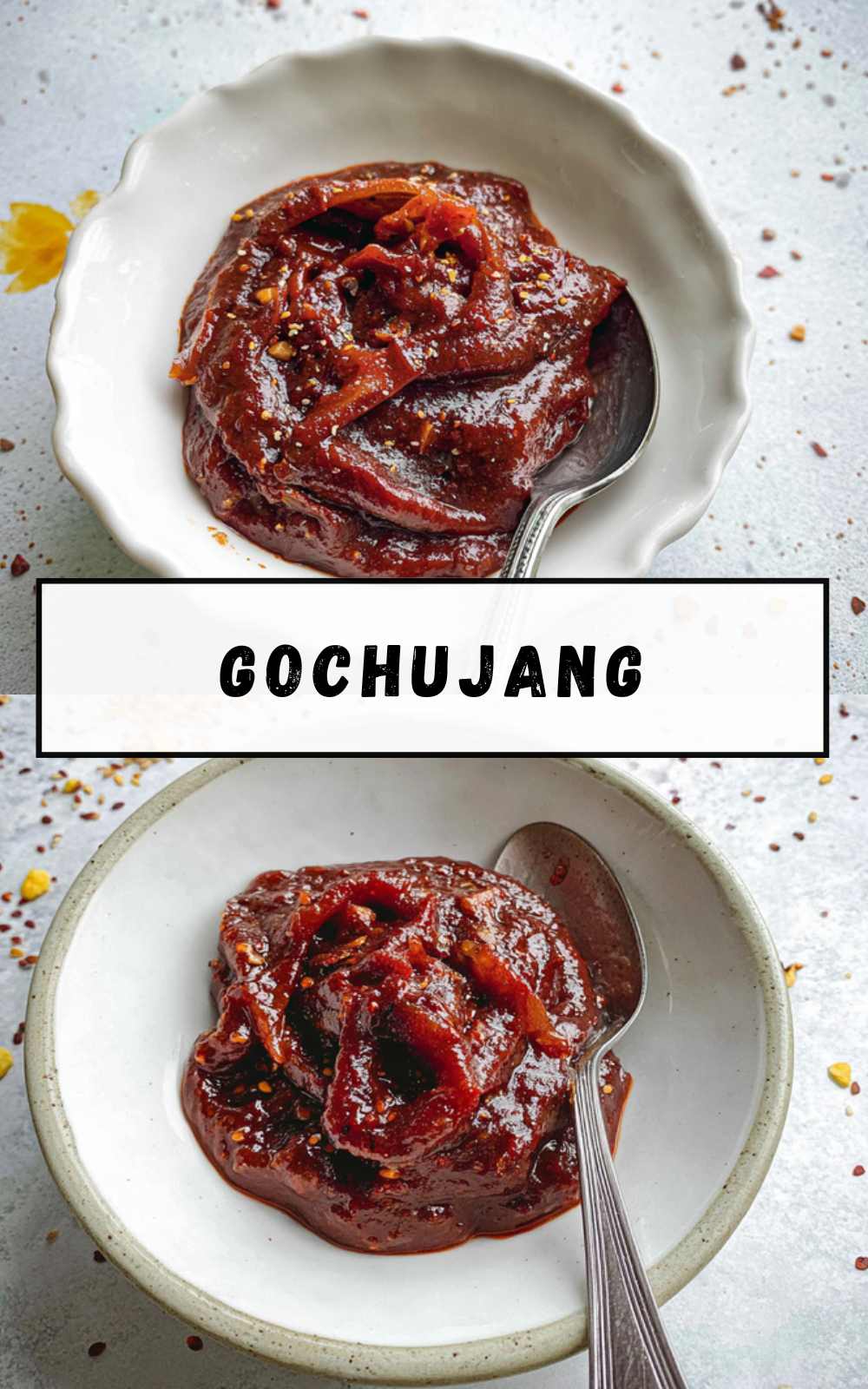
Gochujang is a traditional Korean red chili paste that brings a unique mix of savory, sweet, and spicy flavors to your kitchen. This gochujang recipe stands out for its ease of preparation, taking less than 30 minutes of active cooking time while using minimal ingredients, which makes it ideal for busy parents and working professionals. Beyond its simplicity, gochujang offers health benefits like probiotics and antioxidants that support digestion and overall wellness, appealing to diet-conscious individuals and food enthusiasts.
Its versatility allows it to fit into various dietary needs, such as vegan or gluten-free options, making it a flexible choice for home cooks, students, and seniors. The distinctive flavor comes from a blend of fermented chili powder, glutinous rice, and other key components, creating a bold taste that enhances everyday meals. For those new to Korean cuisine, this paste can transform simple dishes into memorable ones, inspiring travelers and newlyweds to experiment with global flavors.
Key Benefits Highlighted
- Ease of preparation makes it perfect for busy weeknights, requiring just a few steps and common pantry items.
- Health benefits include rich probiotics from fermentation, which aid gut health, and antioxidants that fight inflammation.
- Versatility means it works in vegan, gluten-free, and low-calorie recipes, adapting to diverse preferences.
- Distinctive flavor provides a balance of heat, umami, and sweetness, elevating stews, marinades, and sauces.
Go to our guide to kimchi for more on traditional Korean ingredients that pair well with gochujang.
Jump to:
- Why You’ll Love This Gochujang
- Key Benefits Highlighted
- Essential Ingredients for Gochujang
- Structured Ingredients List
- How to Prepare the Perfect Gochujang: Step-by-Step Guide
- Detailed Preparation Steps
- Dietary Substitutions to Customize Your Gochujang
- Common Substitution Options
- Mastering Gochujang: Advanced Tips and Variations
- Expert Tips for Enhancement
- How to Store Gochujang: Best Practices
- Storage Methods Overview
- FAQs: Frequently Asked Questions About Gochujang
- What is gochujang and how is it used in cooking?
- How should I store gochujang to keep it fresh?
- Can gochujang be used in non-Korean recipes?
- Is gochujang spicy, and how hot is it compared to other chili sauces?
- Are there any health benefits of eating gochujang?
- Gochujang
- Ingredients
- Instructions
- Last Step:
- Notes
- Nutrition
- Did you make this recipe?
Essential Ingredients for Gochujang
Gochujang is made primarily from red chili powder, glutinous rice powder, fermented soybean powder, malt powder, salt, and water, creating its signature savory, sweet, and spicy profile. A typical recipe includes precise measurements to ensure the perfect balance: approximately 25% red chili powder for heat, 22.2% glutinous rice powder for sweetness, 5.5% meju powder (made from 60% cooked soybeans and 40% non-glutinous rice) for umami, 12.8% salt for preservation, 5% malt powder for added depth, and 29% water for consistency.
Variations might incorporate short-grain rice or sweeteners like sugar to adjust sweetness, but the core ingredients remain essential. The sweetness stems from the starch in cooked glutinous rice, which ferments over time through enzymatic activity. Below is a structured list of all ingredients needed, based on the recipe details provided, to help you prepare it accurately.
Structured Ingredients List
- 25% red chili powder (gochugaru) – Provides the spicy heat and deep color.
- 22.2% glutinous rice powder (chapssal) – Supplies the starch that ferments into sweetness.
- 5.5% meju powder – Contains about 60% cooked soybeans and 40% non-glutinous rice for fermented umami.
- 12.8% salt – Acts as a preservative and enhances flavor balance.
- 5% malt powder (yeotgireum) – Adds complexity and aids in fermentation.
- 29% water – Ensures the mixture reaches the right consistency for fermentation.
- 1 cup of fermented chili powder – For additional depth in modern adaptations.
- 1/2 cup of sweet rice flour – Serves as a thickening agent for smooth texture.
- 1/4 cup of soy sauce (or tamari for gluten-free) – Contributes umami richness.
- 2 tablespoons of brown sugar – Balances heat with natural sweetness.
- 1 tablespoon of garlic, minced – Enhances aroma and savory notes.
- 1 tablespoon of ginger, minced – Adds warmth and complexity to the paste.
Special dietary options include using tamari instead of soy sauce for vegan or gluten-free versions, and substituting brown sugar with maple syrup for low-calorie adjustments. For more nutritional details, visit Gochujang Nutrition Information.
How to Prepare the Perfect Gochujang: Step-by-Step Guide
Traditional gochujang preparation involves mixing and fermenting ingredients like red chili powder, glutinous rice powder, and fermented soybean powder in earthenware jars for several years, but modern recipes simplify the process. Start by gathering all ingredients with precise measurements to ensure the paste develops its characteristic dark red color and piquant flavor, influenced by the chili powder’s capsaicin content on the Gochujang Hot-taste Unit scale.
The fermentation process breaks down starch into sugars, enhancing sweetness and umami, typically taking a few hours for initial mixing before maturing. This method is accessible for baking enthusiasts and home cooks, allowing them to create a versatile paste for Korean dishes like stews and marinades.
Detailed Preparation Steps
- Gather and measure all ingredients accurately, preparing your workspace with bowls and utensils for efficiency.
- In a saucepan, combine sweet rice flour and water over medium heat; stir continuously until it thickens into a smooth paste, about 5 minutes.
- Remove from heat and let the paste cool slightly while you prepare the other ingredients like minced garlic and ginger.
- Add fermented chili powder, soy sauce (or tamari), brown sugar, garlic, and ginger into the cooled rice paste; mix thoroughly to blend all flavors.
- Transfer the mixture to a clean jar or container, pressing down to remove air bubbles, then cover it for fermentation.
- Ferment at room temperature for 3-5 days, stirring daily to promote even flavor development from enzymatic activity.
- Refrigerate once the desired flavor is reached; use within 3 months for the best taste, noting adjustments for vegan or gluten-free substitutions.
Explore simple Korean recipes that use this gochujang for everyday meals.

Dietary Substitutions to Customize Your Gochujang
Gochujang’s traditional recipe can be adapted for various dietary needs while maintaining its core flavors of spicy heat, sweetness, and umami from fermented ingredients. For instance, replace fermented chili powder with milder paprika blends to reduce the capsaicin level for those sensitive to spice, making it suitable for seniors or students.
Protein alternatives include swapping soy-based components with coconut aminos for soy-free diets, ensuring the paste remains gluten-free and accessible. These changes allow busy parents and working professionals to customize the recipe easily, incorporating seasonal vegetables or natural sweeteners to align with low-calorie preferences.
Common Substitution Options
- Protein and main component alternatives: Replace traditional fermented chili powder with milder paprika for less heat.
- Swap soy-based elements with coconut aminos to accommodate gluten-free or soy-free diets.
- Vegetable modifications: Use fresh garlic and ginger to adjust aroma, or add roasted peppers for texture variation.
- Sauce and seasoning changes: Substitute brown sugar with monk fruit for low-calorie versions, maintaining sweetness balance.
The fermentation in earthenware jars helps develop these flavors, as highlighted in external resources like How to Make Gochujang at Home.
Mastering Gochujang: Advanced Tips and Variations
To master gochujang, focus on pro cooking techniques like slow fermentation in a controlled environment, which deepens the flavors from its key ingredients such as red chili powder and glutinous rice. Experiment with flavor variations by adding smoked paprika or toasted sesame seeds to create personalized profiles, all while preserving the traditional balance of spicy, sweet, and umami notes.
Presentation tips include serving the paste in decorative ramekins with fresh herbs, making it visually appealing for food enthusiasts and newlyweds hosting dinners. Make-ahead options, like portioning into ice cube trays, offer convenience for busy lifestyles, ensuring you can enjoy this Korean staple in various dishes.
Expert Tips for Enhancement
| Technique | Benefit |
|---|---|
| Slow fermentation | Develops complex, deeper flavors over time. |
| Adding citrus zest | Introduces a fresh twist without losing authenticity. |
| Portioning for storage | Allows easy use in quick meals for working professionals. |
This ancient process, involving natural fermentation on elevated stone platforms, creates a paste that enhances Korean cuisine with its smoky notes and heat.
How to Store Gochujang: Best Practices
Proper storage of gochujang is crucial to preserve its dark red color and piquant flavor, derived from fermented ingredients like red chili powder and glutinous rice. Refrigerate in an airtight container for up to 3 months to maintain freshness and prevent spoilage from ongoing fermentation.
For longer-term needs, freezing in small portions works well, extending shelf life to 6 months while retaining the paste’s unique taste. Always label containers with dates to track quality, making meal prep easier for home cooks and families.
Storage Methods Overview
- Refrigeration: Keeps gochujang fresh for daily use in recipes.
- Freezing: Ideal for batch preparations and future meals.
- Reheating: Warm gently to preserve texture and flavor integrity.
FAQs: Frequently Asked Questions About Gochujang
What is gochujang and how is it used in cooking?
How should I store gochujang to keep it fresh?
Can gochujang be used in non-Korean recipes?
Is gochujang spicy, and how hot is it compared to other chili sauces?
Are there any health benefits of eating gochujang?
Gochujang
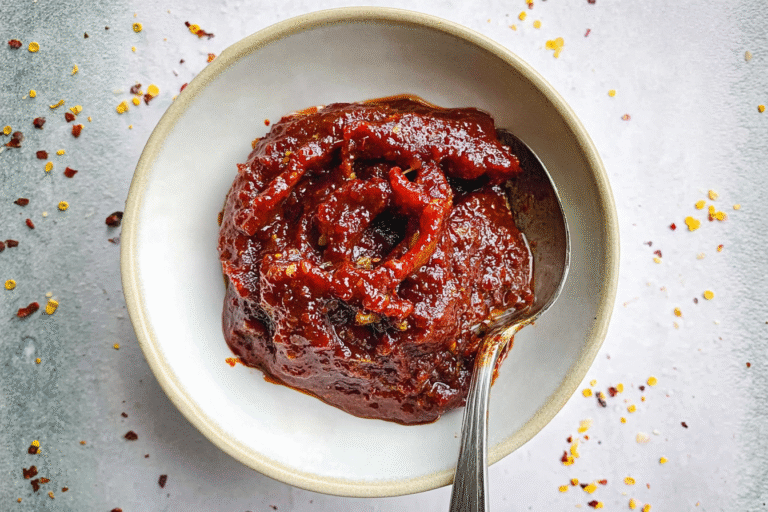
🌶️ Create authentic Korean gochujang at home with this traditional recipe that brings the perfect balance of spicy, sweet, and umami flavors to your dishes
🇰🇷 Master the art of Korean fermentation with this time-honored chili paste that will transform your cooking with its complex, deep flavors and versatility
- Total Time: 3-6 months
- Yield: Approximately 500g of gochujang
Ingredients
– 25% red chili powder (gochugaru) for spicy heat and deep color
– 22.2% glutinous rice powder (chapssal) for starch that ferments into sweetness
– 5.5% meju powder (about 60% cooked soybeans and 40% non-glutinous rice) for fermented umami
– 12.8% salt for preservation and flavor enhancement
– 5% malt powder (yeotgireum) for added complexity and to aid fermentation
– 29% water for consistency during fermentation
– 1 cup fermented chili powder for additional depth
– 1/2 cup sweet rice flour for thickening and smooth texture
– 1/4 cup soy sauce (or tamari for gluten-free) for umami richness
– 2 tablespoons brown sugar to balance heat with natural sweetness
– 1 tablespoon garlic, minced for aroma and savory notes
– 1 tablespoon ginger, minced for warmth and complexity
Instructions
1- Gather and measure all ingredients accurately, preparing your workspace with bowls and utensils for efficiency.
2- In a saucepan, combine sweet rice flour and water over medium heat; stir continuously until it thickens into a smooth paste, about 5 minutes.
3- Remove from heat and let the paste cool slightly while you prepare the other ingredients like minced garlic and ginger.
4- Add fermented chili powder, soy sauce (or tamari), brown sugar, garlic, and ginger into the cooled rice paste; mix thoroughly to blend all flavors.
5- Transfer the mixture to a clean jar or container, pressing down to remove air bubbles, then cover it for fermentation.
6- Ferment at room temperature for 3-5 days, stirring daily to promote even flavor development from enzymatic activity.
7- Refrigerate once the desired flavor is reached; use within 3 months for the best taste, noting adjustments for vegan or gluten-free substitutions.
Last Step:
Please leave a rating and comment letting us know how you liked this recipe! This helps our business to thrive and continue providing free, high-quality recipes for you.Notes
🌡️ Temperature control is crucial – maintain 70-80°F (21-27°C) for optimal fermentation
🥄 Use a clean, dry spoon every time to prevent contamination and extend shelf life
⏰ The longer you ferment, the deeper and more complex the flavor becomes – traditional recipes ferment for years
- Prep Time: 2 hours
- Fermentation Time: 3-6 months
- Cook Time: 1 hour
- Category: Condiment
- Method: Fermentation
- Cuisine: Korean
- Diet: Vegan
Nutrition
- Serving Size: 1 tablespoon
- Calories: 35
- Sugar: 3
- Sodium: 480
- Fat: 1
- Saturated Fat: 0
- Unsaturated Fat: 0.5
- Trans Fat: 0
- Carbohydrates: 7
- Fiber: 1
- Protein: 1
- Cholesterol: 0






This gochujang recipe is brilliant.
I doubled the fermentation time and it gained a deeper, more complex flavor; it was absolutely worth the wait! 😋