
Why You’ll Love This Lemon Curd
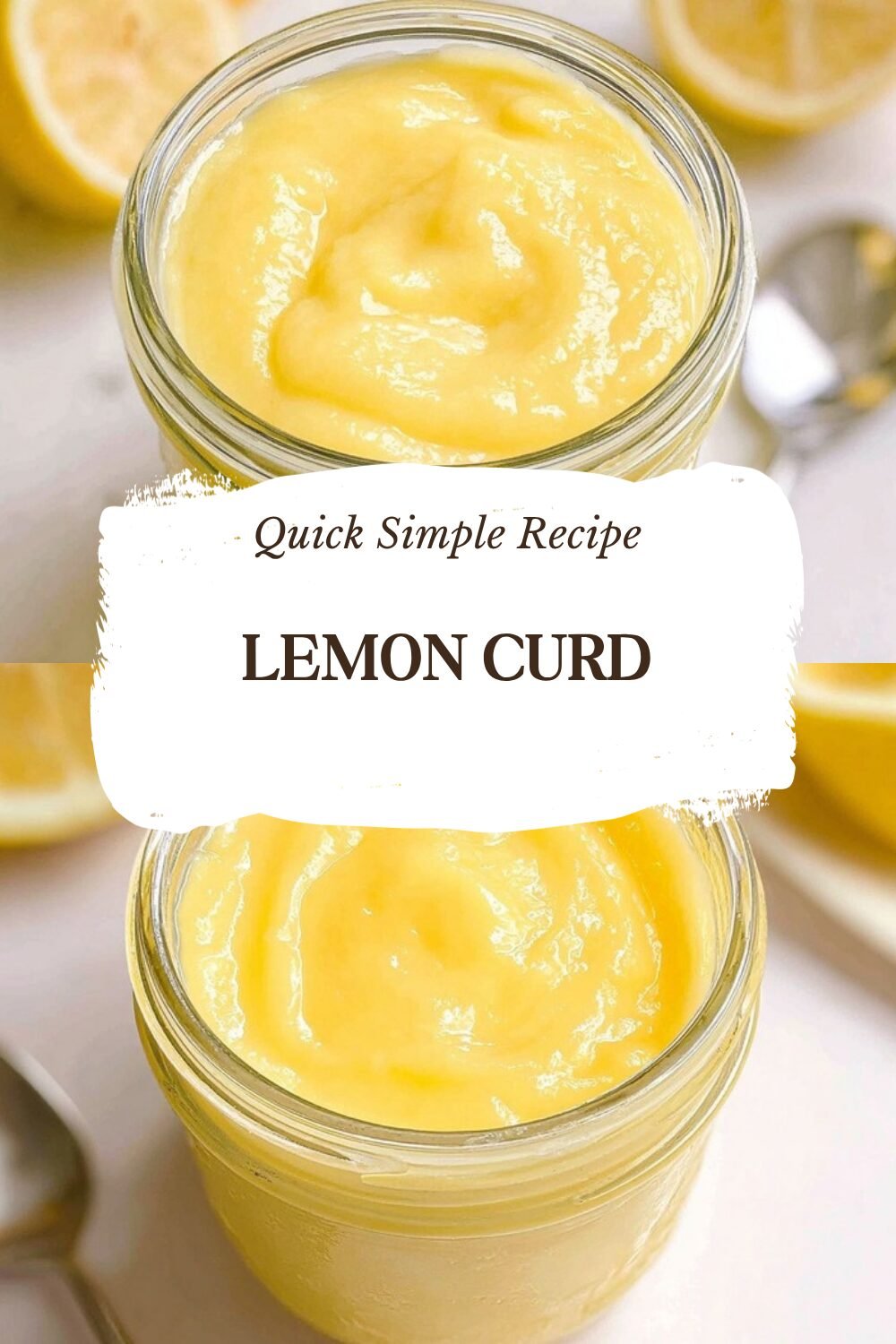
If you have a few lemons and a sweet tooth, this Lemon Curd recipe is about to become your new kitchen sidekick. It is bright, creamy, and just the right amount of tangy, with a silky texture that makes desserts feel extra special without asking for much effort in return.
- Easy to make: You only need 5 minutes of prep and about 10 minutes of cooking. A double boiler and a whisk do most of the work, so this is a friendly recipe for busy parents, students, and anyone who wants a quick homemade treat.
- Fresh and satisfying: Lemon gives you a bold citrus kick, and lemons are also known for vitamin C and other helpful plant compounds. For more on that, see this helpful guide to lemon benefits.
- Flexible for different needs: This lemon curd can be made a little thicker by swapping 2 egg yolks for 1 whole egg, and it can also be made with limes or oranges if that is what you have on hand.
- Bright flavor with many uses: It tastes like sunshine in a jar. Spoon it over yogurt, swirl it into cakes, spread it on toast, or use it as a filling for pies, tarts, and cookies.
Think of this as the dessert world’s little jar of magic. A spoonful can turn plain toast into something that feels bakery-worthy.
It also fits well for home cooks, baking enthusiasts, newlyweds, and seniors who want a dessert filling that feels homemade but not fussy. Since it stores well, it is a handy make-ahead recipe for weeknight treats and weekend baking projects alike.
Jump to:
- Why You’ll Love This Lemon Curd
- Essential Ingredients for Lemon Curd
- Special Dietary Options
- How to Prepare the Perfect Lemon Curd: Step-by-Step Guide
- First Step: Set up the double boiler
- Second Step: Whisk the base ingredients together
- Third Step: Cook slowly and keep whisking
- Fourth Step: Add the butter
- Fifth Step: Strain if needed and cool
- Final Step: Serve and enjoy
- Dietary Substitutions to Customize Your Lemon Curd
- Protein and Main Component Alternatives
- Vegetable, Sauce, and Seasoning Modifications
- Mastering Lemon Curd: Advanced Tips and Variations
- Pro cooking techniques
- Flavor variations
- Presentation tips
- Make-ahead options
- How to Store Lemon Curd: Best Practices
- FAQs: Frequently Asked Questions About Lemon Curd
- What is lemon curd?
- How do you make lemon curd at home?
- How long does lemon curd last in the fridge?
- Can you freeze lemon curd?
- Can I make lemon curd with other citrus fruits?
- Lemon Curd
- Ingredients
- Instructions
- Last Step:
- Notes
- Nutrition
- Did you make this recipe?
Essential Ingredients for Lemon Curd
Below is the full ingredient list for this Lemon Curd recipe. Every item matters, so keep the measurements close by before you start.
- 4 large egg yolks – these give the curd its creamy body and rich custard-like texture. For thicker lemon curd, replace 2 egg yolks with 1 whole egg.
- 2/3 cup (134g) granulated sugar – sweetens the curd and balances the tart lemon juice.
- 1 tablespoon lemon zest, about 1 lemon – adds fragrant citrus oils and makes the flavor pop.
- 1/3 cup (80ml) fresh lemon juice, about 2 to 3 lemons – gives the curd its bright, tangy taste. Fresh juice is best, not bottled.
- 1/8 teaspoon salt – sharpens the flavor and keeps the curd from tasting flat.
- 6 tablespoons (85g) unsalted butter, softened and cut into 6 pieces – makes the curd smooth, glossy, and rich.
Special Dietary Options
- Vegan: Use a plant-based lemon curd recipe made with cornstarch or agar and vegan butter. The texture will be a little different, but still lovely and tangy.
- Gluten-free: This recipe is naturally gluten-free, which makes it great for many dessert tables.
- Low-calorie: Reduce the butter slightly and serve small portions, or use it as a thin layer instead of a thick filling.
| Ingredient | Amount | Purpose |
|---|---|---|
| Egg yolks | 4 large | Create the custard texture |
| Granulated sugar | 2/3 cup (134g) | Balances tartness |
| Lemon zest | 1 tablespoon | Adds citrus aroma |
| Fresh lemon juice | 1/3 cup (80ml) | Provides bright flavor |
| Salt | 1/8 teaspoon | Boosts taste |
| Unsalted butter | 6 tablespoons (85g) | Makes it silky and rich |
How to Prepare the Perfect Lemon Curd: Step-by-Step Guide
First Step: Set up the double boiler
Fill the bottom of a double boiler with 1 to 2 inches of water and bring it to a gentle simmer. You want steam, not a rolling boil. If you do not have a double boiler, a heatproof glass bowl set over a pot works well too.
This gentle heat matters because it helps keep the eggs from scrambling. Lemon curd can be a little bossy if the heat gets too high, so a calm simmer is your friend. A double boiler also helps prevent a burnt taste or a metallic note.
Second Step: Whisk the base ingredients together
Place the 4 large egg yolks, 2/3 cup granulated sugar, 1 tablespoon lemon zest, 1/3 cup fresh lemon juice, and 1/8 teaspoon salt in the top of the double boiler. Whisk everything together right away so the sugar starts dissolving and the mixture looks smooth.
Using fresh lemon juice is important here. Bottled juice can taste dull or a bit off, and this recipe really shines when the citrus flavor is fresh and lively. If you want the curd a little thicker, replace 2 egg yolks with 1 whole egg before you begin.
Third Step: Cook slowly and keep whisking
Set the top of the double boiler over the simmering water. Whisk constantly for about 10 minutes, scraping the sides and bottom often. The mixture will slowly thicken into a texture similar to hollandaise sauce.
Do not walk away during this part. Constant whisking is what helps prevent curdling and keeps the texture smooth. If you stop whisking, the eggs can cook unevenly, and nobody wants lemon scrambled eggs in dessert form. The curd is ready when it coats the back of a spoon and looks creamy, glossy, and thick.
Quick texture tip: if you drag a finger across the back of the spoon and the line stays put, your lemon curd is ready.
Fourth Step: Add the butter
Remove the bowl from the heat once the curd has thickened. Add the 6 tablespoons of softened unsalted butter, one piece at a time, whisking until each piece melts before adding the next. This step makes the curd shiny, smooth, and rich.
If the butter is softened and cut into six pieces, it melts in nicely and blends without clumps. The mixture should look silky and feel creamy when you finish whisking. This is the moment when the kitchen starts smelling like a lemon dessert dream.
Fifth Step: Strain if needed and cool
If you want an extra smooth finish, pour the curd through a fine mesh sieve into a clean bowl or jar. This removes any tiny bits of cooked egg zest or uneven texture. It is optional, but many bakers love this extra step for a polished result.
Press plastic wrap directly onto the surface of the curd. This stops a skin from forming while it cools. Then let it cool, and refrigerate it to thicken further. The total time for this recipe is about 1 hour and 15 minutes, including cooling.
Final Step: Serve and enjoy
Once chilled, your Lemon Curd is ready to use. Spoon it into tarts, layer it in cakes, spread it on scones, or swirl it into plain yogurt. It also makes a lovely filling for cookies, cupcakes, and breakfast pastries.
For the best result, chill the curd until it is fully set. Homemade lemon curd should be smooth, bright, and easy to spread. If it seems a little loose at first, that is normal. Refrigeration does the final thickening.

Dietary Substitutions to Customize Your Lemon Curd
Protein and Main Component Alternatives
If you need to adjust the eggs, there are a few simple paths. For a thicker curd, swap 2 of the egg yolks for 1 whole egg. That small change can give the curd a firmer finish, which is handy for pie fillings and tart shells.
If you are short on lemons, this recipe also works with other citrus fruits. Limes bring a sharper bite, oranges add a sweeter flavor, and grapefruits give a slightly bitter edge. Keep the same method, then taste and adjust the sugar as needed.
Vegetable, Sauce, and Seasoning Modifications
While lemon curd is not a vegetable dish, you can still play with flavors and serving styles. Try adding a little extra zest for a stronger citrus kick, or use it as a topping for roasted fruit, pancakes, or chia pudding. For a lighter feel, serve smaller spoonfuls as a sauce rather than a thick filling.
If you want a dairy-free style, swap butter for a plant-based version made for baking. The flavor stays bright and cheerful, and the texture still works well for spreading. Keep in mind that the result may be slightly softer than the classic version.
Mastering Lemon Curd: Advanced Tips and Variations
Pro cooking techniques
The biggest trick with Lemon Curd is gentle heat. A double boiler is the safest route because it keeps the eggs from cooking too fast. If you use a bowl over a pot, make sure the bowl does not touch the simmering water.
Whisk constantly, and do not let the mixture sit still on the heat. That is the best way to avoid curdling. If you are nervous, use room-temperature egg yolks before cooking, since they blend more smoothly.
Flavor variations
You can switch up the citrus for fun seasonal twists. Lime curd is fantastic in mini pies or layered desserts. Orange curd tastes softer and sweeter, while grapefruit curd brings a grown-up, slightly bitter note that works nicely in holiday baking.
You can also pair lemon curd with vanilla cake, coconut, berries, or shortbread. Each pairing changes the mood a little, which is part of the fun. A tiny pinch of extra zest can also make the citrus flavor more dramatic.
Presentation tips
Serve lemon curd in a pretty glass jar, a small ramekin, or spooned neatly into tart shells. Top it with whipped cream, berries, or a thin lemon slice if you want a polished look. For brunch boards, place it next to scones, muffins, and toast so everyone can help themselves.
It also makes a thoughtful homemade gift. Pour the cooled curd into clean jars, tie on a label, and suddenly you look like the kind of person who has their life beautifully together.
Make-ahead options
This recipe is great for planning ahead. Make it a day before you need it, then chill overnight for the best texture. It is perfect for busy weeks, holiday prep, or baking marathons when you want one less thing to do on the big day.
Because it keeps well, you can batch it for dessert filling, breakfast topping, or snack-time spreading. That makes it a smart pick for working professionals, students, and travelers who like a sweet treat ready to go.
How to Store Lemon Curd: Best Practices
Store homemade Lemon Curd in an airtight jar or container in the refrigerator. Press plastic wrap directly on the surface before sealing to help prevent a skin from forming. It will keep in the fridge for up to 10 days, and many cooks find it best within the first week.
For longer storage, freeze it for 3 to 6 months in freezer-safe containers. Leave a little headspace so the curd can expand. Thaw it overnight in the refrigerator, then stir before using if the texture needs a little wake-up call.
If the curd smells off, shows mold, or starts to separate badly, it is time to let it go. Fresh and safe always wins.
For meal prep, portion the curd into small jars so you can grab just what you need for toast, yogurt, or dessert assembly. That way, you do not have to thaw a whole batch when all you want is a spoonful of sunshine.
FAQs: Frequently Asked Questions About Lemon Curd
What is lemon curd?
How do you make lemon curd at home?
How long does lemon curd last in the fridge?
Can you freeze lemon curd?
Can I make lemon curd with other citrus fruits?
Lemon Curd
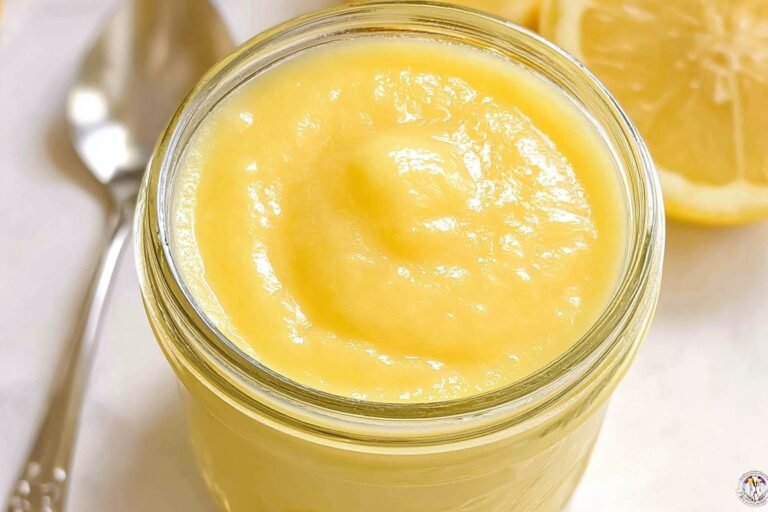
🍋 Velvety creamy curd with bright zesty lemon tang – transforms pies, tarts, cakes into citrus heaven!
🧺 Silky smooth filling ready in 15 minutes – fresh homemade better than store-bought every time!
- Total Time: 1 hour 15 minutes
- Yield: 1 1/2 cups (12 servings)
Ingredients
– 4 large egg yolks create the custard texture
– 2/3 cup (134g) granulated sugar balances tartness
– 1 tablespoon lemon zest adds citrus aroma
– 1/3 cup (80ml) fresh lemon juice provides bright flavor
– 1/8 teaspoon salt boosts taste
– 6 tablespoons (85g) unsalted butter makes it silky and rich
Instructions
1-First Step: Set up the double boiler Fill the bottom of a double boiler with 1 to 2 inches of water and bring it to a gentle simmer. You want steam, not a rolling boil. If you do not have a double boiler, a heatproof glass bowl set over a pot works well too. This gentle heat matters because it helps keep the eggs from scrambling. Lemon curd can be a little bossy if the heat gets too high, so a calm simmer is your friend. A double boiler also helps prevent a burnt taste or a metallic note.
2-Second Step: Whisk the base ingredients together Place the 4 large egg yolks, 2/3 cup granulated sugar, 1 tablespoon lemon zest, 1/3 cup fresh lemon juice, and 1/8 teaspoon salt in the top of the double boiler. Whisk everything together right away so the sugar starts dissolving and the mixture looks smooth. Using fresh lemon juice is important here. Bottled juice can taste dull or a bit off, and this recipe really shines when the citrus flavor is fresh and lively. If you want the curd a little thicker, replace 2 egg yolks with 1 whole egg before you begin.
3-Third Step: Cook slowly and keep whisking Set the top of the double boiler over the simmering water. Whisk constantly for about 10 minutes, scraping the sides and bottom often. The mixture will slowly thicken into a texture similar to hollandaise sauce. Do not walk away during this part. Constant whisking is what helps prevent curdling and keeps the texture smooth. If you stop whisking, the eggs can cook unevenly, and nobody wants lemon scrambled eggs in dessert form. The curd is ready when it coats the back of a spoon and looks creamy, glossy, and thick. Quick texture tip: if you drag a finger across the back of the spoon and the line stays put, your lemon curd is ready.
4-Fourth Step: Add the butter Remove the bowl from the heat once the curd has thickened. Add the 6 tablespoons of softened unsalted butter, one piece at a time, whisking until each piece melts before adding the next. This step makes the curd shiny, smooth, and rich. If the butter is softened and cut into six pieces, it melts in nicely and blends without clumps. The mixture should look silky and feel creamy when you finish whisking. This is the moment when the kitchen starts smelling like a lemon dessert dream.
5-Fifth Step: Strain if needed and cool If you want an extra smooth finish, pour the curd through a fine mesh sieve into a clean bowl or jar. This removes any tiny bits of cooked egg zest or uneven texture. It is optional, but many bakers love this extra step for a polished result. Press plastic wrap directly onto the surface of the curd. This stops a skin from forming while it cools. Then let it cool, and refrigerate it to thicken further. The total time for this recipe is about 1 hour and 15 minutes, including cooling.
6-Final Step: Serve and enjoy Once chilled, your Lemon Curd is ready to use. Spoon it into tarts, layer it in cakes, spread it on scones, or swirl it into plain yogurt. It also makes a lovely filling for cookies, cupcakes, and breakfast pastries. For the best result, chill the curd until it is fully set. Homemade lemon curd should be smooth, bright, and easy to spread. If it seems a little loose at first, that is normal. Refrigeration does the final thickening.
Last Step:
Please leave a rating and comment letting us know how you liked this recipe! This helps our business to thrive and continue providing free, high-quality recipes for you.Notes
🔥 Double boiler prevents eggs curdling or scorching – use heatproof bowl over pot if needed.
🍋 Fresh lemons only for max flavor and natural pectin; zest before juicing.
❄️ Stores fridge 10 days or freeze 3 months; thaw overnight before using.
- Prep Time: 5 minutes
- Chill: 1 hour
- Cook Time: 10 minutes
- Category: Desserts
- Method: Stovetop
- Cuisine: American
- Diet: Vegetarian
Nutrition
- Serving Size: 2 tablespoons
- Calories: 100 kcal
- Sugar: 9 g
- Sodium: 40 mg
- Fat: 6 g
- Saturated Fat: 3.5 g
- Unsaturated Fat: 2 g
- Trans Fat: 0 g
- Carbohydrates: 10 g
- Fiber: 0 g
- Protein: 1 g
- Cholesterol: 70 mg