
Why You’ll Love These Small Batch Refrigerator Pickles
Small Batch Refrigerator Pickles are one of those easy wins that make you feel like a kitchen hero without spending all afternoon cooking. They come together fast, use simple pantry staples, and give you crisp, tangy pickles that taste fresh and bright after a short chill in the fridge. If you love quick snacks, easy side dishes, or a zippy topper for sandwiches and bowls, this recipe is going to be a favorite.
- Easy to make: You only need a few ingredients and about 15 minutes of active time. There is no canning, no water bath, and no special equipment.
- Great for better snacking: Cucumbers are naturally low in calories, and when you make them at home, you can keep the sugar low and skip extra additives.
- Works with many meals: These pickles fit right in with burgers, sandwiches, grain bowls, salads, wraps, and snack plates.
- Big flavor in a small batch: The brine brings a clean tang from the vinegar, a touch of sweetness, and plenty of garlicky dill flavor.
These pickles are the kind of fridge staple that make everyday meals feel a little more fun.
If you like simple homemade favorites, you may also enjoy this easy Cajun seasoning recipe for adding bold flavor to your kitchen routine.
For a look at the health side of pickles, you can also read WebMD’s guide to the benefits of pickles.
Jump to:
- Why You’ll Love These Small Batch Refrigerator Pickles
- Essential Ingredients for Small Batch Refrigerator Pickles
- Main Ingredients
- Special Dietary Options
- How to Prepare the Perfect Small Batch Refrigerator Pickles: Step-by-Step Guide
- First Step: Make the brine
- Second Step: Prep the cucumbers
- Third Step: Pack the jar
- Fourth Step: Pour in the cooled brine
- Final Step: Let them chill and serve
- Dietary Substitutions to Customize Your Small Batch Refrigerator Pickles
- Protein and Main Component Alternatives
- Vegetable, Sauce, and Seasoning Modifications
- Mastering Small Batch Refrigerator Pickles: Advanced Tips and Variations
- Pro cooking techniques
- Flavor variations
- Presentation tips
- Make-ahead options
- How to Store Small Batch Refrigerator Pickles: Best Practices
- Refrigeration
- Freezing
- Reheating
- Meal prep considerations
- FAQs: Frequently Asked Questions About Small Batch Refrigerator Pickles
- How long do small batch refrigerator pickles last in the fridge?
- What containers work best for small batch refrigerator pickles?
- What vinegar to water ratio is best for refrigerator pickles?
- Can you reuse brine for small batch refrigerator pickles?
- How long until small batch refrigerator pickles are ready to eat?
- Small Batch Refrigerator Pickles
- Ingredients
- Instructions
- Last Step:
- Notes
- Nutrition
- Did you make this recipe?
Essential Ingredients for Small Batch Refrigerator Pickles
Here is everything you need for this Small Batch Refrigerator Pickles recipe. The ingredient list is short, which is part of the charm. Every item plays a role in the final crunch and flavor.
Main Ingredients
- 1 cup water – Dilutes the vinegar so the brine tastes balanced and not too sharp.
- 1/2 cup white vinegar – Gives the pickles their tangy pickle flavor and helps preserve them in the fridge.
- 1 teaspoon salt – Brings out flavor and supports the classic pickle taste.
- 1 teaspoon sugar – Softens the vinegar bite and adds a little roundness to the brine.
- 1/2 pound cucumbers – The star of the recipe, best when fresh and firm.
- 3 garlic cloves – Add a bold, savory kick.
- 4 to 5 dill sprigs – Give the pickles their fresh herb flavor.
Special Dietary Options
- Vegan: This recipe is naturally vegan as written.
- Gluten-free: No gluten-containing ingredients are used.
- Low-calorie: Keep the sugar at 1 teaspoon or reduce it slightly if you prefer a sharper brine.
| Ingredient | Amount | Why it matters |
|---|---|---|
| Water | 1 cup | Balances the brine |
| White vinegar | 1/2 cup | Adds tang |
| Salt | 1 teaspoon | Builds pickle flavor |
| Sugar | 1 teaspoon | Rounds out the taste |
| Cucumbers | 1/2 pound | Fresh, crisp base |
| Garlic cloves | 3 | Savory flavor |
| Dill sprigs | 4 to 5 | Classic herb aroma |
How to Prepare the Perfect Small Batch Refrigerator Pickles: Step-by-Step Guide
This recipe is simple, fast, and beginner friendly. The key is to give the brine time to cool before pouring it over the cucumbers. That helps keep the cucumbers crisp and makes the whole jar taste clean and bright. If you are new to making Small Batch Refrigerator Pickles, just follow these steps and you will be in great shape.
First Step: Make the brine
Start by combining 1 cup water, 1/2 cup white vinegar, 1 teaspoon salt, and 1 teaspoon sugar in a small pot. Set it over medium heat and bring the mixture to a boil. Stir a few times so the salt and sugar dissolve fully.
Once the brine reaches a boil, remove it from the heat and let it cool completely. This part matters. If you pour hot brine over the cucumbers, they can soften too much. A cooled brine keeps the texture better and gives you a fresher crunch.
Second Step: Prep the cucumbers
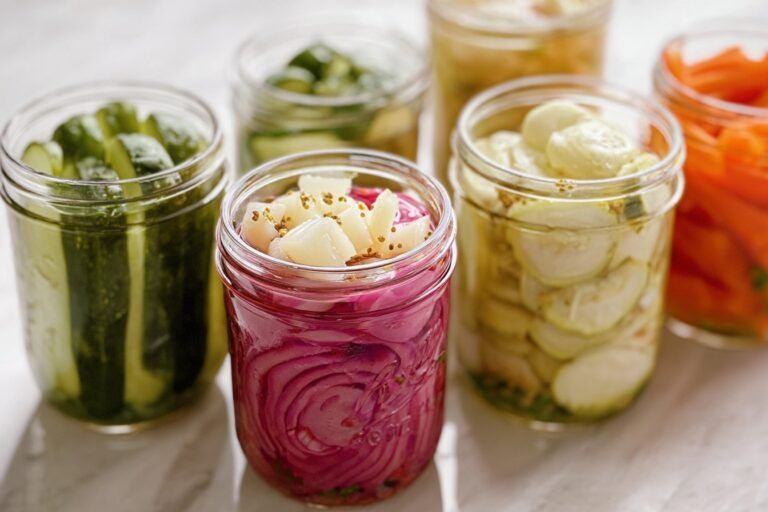
While the brine cools, wash the cucumbers well. For the best results, use pickling cucumbers because they stay crisp and have fewer seeds. Slice them however you like. You can make rounds, spears, or thick slices depending on how you plan to serve them.
If you want faster pickling, cut the cucumbers thinner. If you prefer a more satisfying bite, go with spears. There is no wrong choice here. This is a great recipe for using what you have and shaping the pickles to match your meal plans.
Third Step: Pack the jar
Take a clean jar and add the cucumbers, 3 garlic cloves, and 4 to 5 dill sprigs. You can tuck the garlic cloves in whole or lightly smash them for a stronger garlic flavor. The dill can go in whole sprigs so its flavor slowly infuses the brine.
Try to pack everything in snugly, but do not crush the cucumbers. A snug jar helps the brine surround the vegetables and pickle them more evenly. If you need a little more room, use a larger jar or divide the batch between two smaller containers.
Fourth Step: Pour in the cooled brine
Carefully pour the cooled vinegar mixture over the cucumbers, garlic, and dill. Make sure the vegetables are covered as much as possible. If a few pieces float, that is fine, but the more the cucumbers stay under the brine, the more evenly they will pickle.
Seal the jar with a lid and place it in the refrigerator right away. Because this recipe uses a quick fridge method, the cold temperature is part of the process. There is no need for canning or special sealing tools.
Final Step: Let them chill and serve
Your Small Batch Refrigerator Pickles need at least 24 hours in the fridge before they are ready to eat. That said, the flavor gets even better after 2 to 3 days. If you can wait that long, you will get a deeper garlic dill flavor and a more balanced tang.
After the first day, taste a slice. If you want a stronger pickle flavor, leave them in longer. These pickles are great on sandwiches, burgers, rice bowls, or just eaten straight from the jar.
Best flavor tip: give the jar at least 2 to 3 days in the fridge if you can wait it out.
For another tasty meal idea that pairs well with tangy sides, try serving these pickles with loaded baked potato soup.
You can also check out this guide to Japanese pickled cucumbers if you like comparing different pickle styles and flavors.

Dietary Substitutions to Customize Your Small Batch Refrigerator Pickles
Protein and Main Component Alternatives
Since this recipe is built around cucumbers, there is no protein to swap out. Still, you can change the main vegetable if you want to make the same brine work in a new way. This is one reason Small Batch Refrigerator Pickles are so handy for busy kitchens and small households.
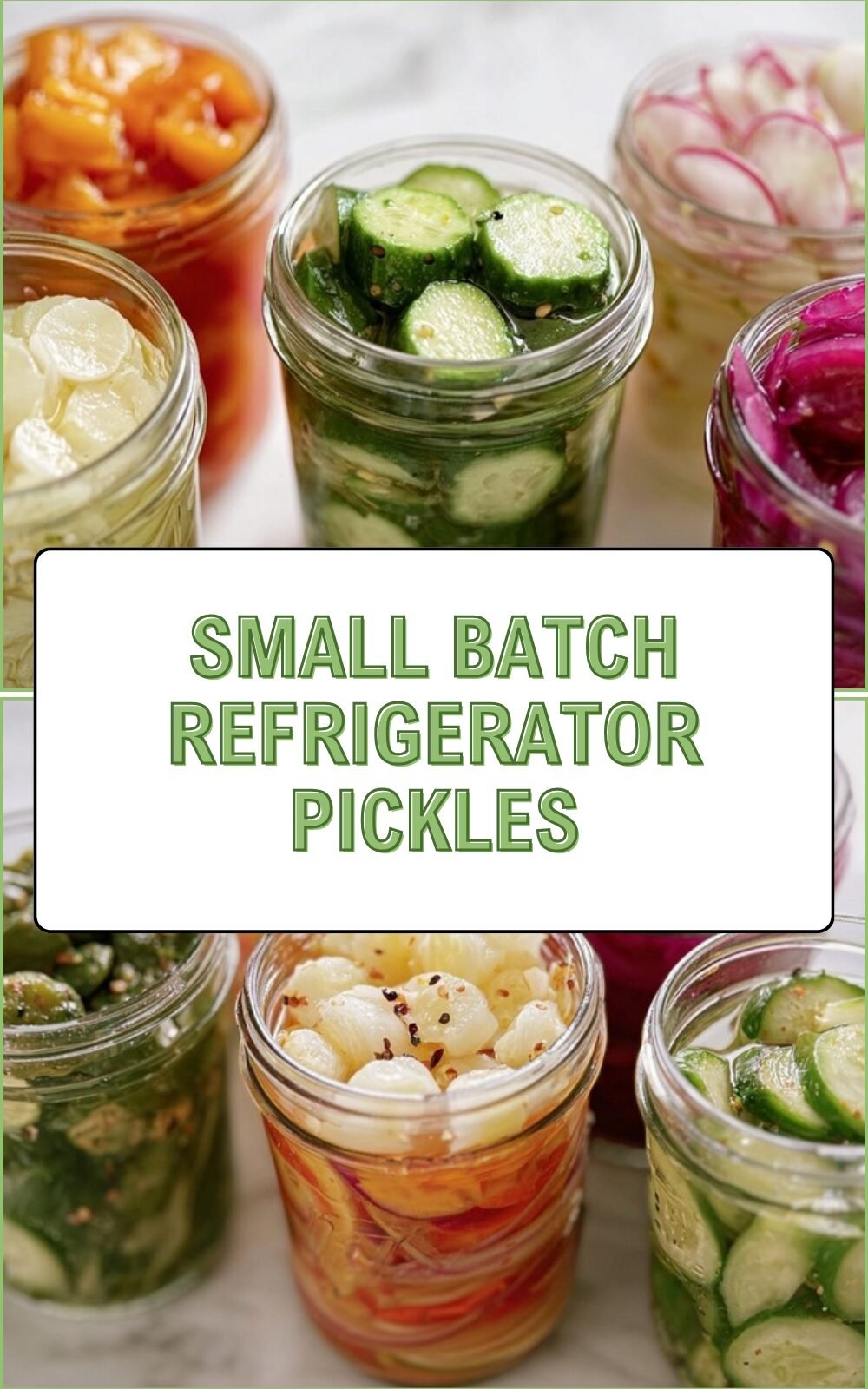
- Carrots: Slice into sticks or coins for a sweet, crisp option.
- Red onions: Great for tacos, sandwiches, and salads.
- Green beans: Give you a snappy, salty snack.
- Radishes: Add a peppery bite and pretty color.
Vegetable, Sauce, and Seasoning Modifications
You can also change the seasonings to match your taste. Add a few peppercorns for gentle heat, or mustard seeds for that classic deli-style flavor. If you like a little more perfume in the jar, try a pinch of coriander seeds or a small slice of fresh chili.
- Milder flavor: Increase the water slightly and keep the sugar at 1 teaspoon.
- Bolder flavor: Use a little more vinegar or add extra garlic.
- Herb twist: Swap some dill for fresh parsley or a little thyme.
If you like flexible family-style recipes, you may also want to browse this chicken rice casserole recipe for another easy weeknight option.
Mastering Small Batch Refrigerator Pickles: Advanced Tips and Variations
Once you make this recipe once, it becomes easy to adjust for your own taste. The best part is that you do not need fancy gear or special cooking skills. A few simple tricks can help you get better crunch, stronger flavor, and a prettier jar every time.
Pro cooking techniques
- Use pickling cucumbers: They have firmer flesh and give you the best crispness.
- Cool the brine fully: This helps the cucumbers stay snappy instead of soft.
- Slice evenly: Similar sizes pickle at the same pace.
- Keep everything clean: Use clean utensils when serving so the brine stays fresh longer.
Flavor variations
Try adding peppercorns, mustard seeds, or a pinch of red pepper flakes for a little heat. You can also change the dill level if you want the flavor to be more herb-forward. If you like sweet pickles, add a touch more sugar. If you prefer sharper pickles, reduce the sugar slightly.
Presentation tips
Serve the pickles in a small glass bowl or right from the jar for a casual meal. A few dill sprigs on top make them look fresh and bright. For sandwiches and burgers, lay the pickles in a neat row so every bite gets some crunch.
Make-ahead options
This recipe is perfect for planning ahead. Make a jar on Sunday, and it will be ready for lunches later in the week. Because the flavor deepens over time, these pickles are actually better after sitting in the fridge for a couple of days. That makes them a smart choice for meal prep and busy schedules.
If you want the best crunch, start with fresh pickling cucumbers and keep the jar cold from the start.
How to Store Small Batch Refrigerator Pickles: Best Practices
Storage is simple, but it matters a lot for taste and safety. Since these are refrigerator pickles, the fridge is their home. Keep the jar sealed and chilled the whole time. For the best quality, use clean utensils every time you scoop them out so you do not introduce extra bacteria into the jar.
Refrigeration
Store the pickles in an airtight container or mason jar in the refrigerator. They are safe for up to 6 months, but the best flavor and crunch usually show up in the first month. Many people find that the ideal eating window is within 1 to 2 weeks, while the flavor is still bright and the cucumbers are firm.
Freezing
Freezing is not a great option for this recipe. Cucumbers lose their crisp texture after freezing, so the result is usually soft and watery. If you need a longer storage option, it is better to keep them refrigerated and make smaller batches as needed.
Reheating
There is no reheating step for Small Batch Refrigerator Pickles. In fact, heat would hurt the texture. Serve them cold, straight from the fridge, for the best bite.
Meal prep considerations
If you are making these for lunches, keep the pickles in a separate small container until mealtime so your bread or salad stays crisp. You can also portion them into smaller jars for grab-and-go snacks during the week.
FAQs: Frequently Asked Questions About Small Batch Refrigerator Pickles
How long do small batch refrigerator pickles last in the fridge?
What containers work best for small batch refrigerator pickles?
What vinegar to water ratio is best for refrigerator pickles?
Can you reuse brine for small batch refrigerator pickles?
How long until small batch refrigerator pickles are ready to eat?
Small Batch Refrigerator Pickles
🥒 Crispy, tangy dill pickles made in small batches without canning – perfect for quick homemade snacking!
🫙 Bursting with fresh garlic and dill flavors, ready in just 24 hours for burgers, salads, or straight from the jar!
- Total Time: 24 hours 15 minutes
- Yield: 1 pint (8 servings)
Ingredients
– 1 cup water for balancing the brine
– 1/2 cup white vinegar for adding tang
– 1 teaspoon salt for building pickle flavor
– 1 teaspoon sugar for rounding out the taste
– 1/2 pound cucumbers for fresh crisp base
– 3 garlic cloves for savory flavor
– 4 to 5 dill sprigs for classic herb aroma
Instructions
1-First Step: Make the brine Start by combining 1 cup water, 1/2 cup white vinegar, 1 teaspoon salt, and 1 teaspoon sugar in a small pot. Set it over medium heat and bring the mixture to a boil. Stir a few times so the salt and sugar dissolve fully. Once the brine reaches a boil, remove it from the heat and let it cool completely. This part matters. If you pour hot brine over the cucumbers, they can soften too much. A cooled brine keeps the texture better and gives you a fresher crunch.
2-Second Step: Prep the cucumbers While the brine cools, wash the cucumbers well. For the best results, use pickling cucumbers because they stay crisp and have fewer seeds. Slice them however you like. You can make rounds, spears, or thick slices depending on how you plan to serve them. If you want faster pickling, cut the cucumbers thinner. If you prefer a more satisfying bite, go with spears. There is no wrong choice here. This is a great recipe for using what you have and shaping the pickles to match your meal plans.
3-Third Step: Pack the jar Take a clean jar and add the cucumbers, 3 garlic cloves, and 4 to 5 dill sprigs. You can tuck the garlic cloves in whole or lightly smash them for a stronger garlic flavor. The dill can go in whole sprigs so its flavor slowly infuses the brine. Try to pack everything in snugly, but do not crush the cucumbers. A snug jar helps the brine surround the vegetables and pickle them more evenly. If you need a little more room, use a larger jar or divide the batch between two smaller containers.
4-Fourth Step: Pour in the cooled brine Carefully pour the cooled vinegar mixture over the cucumbers, garlic, and dill. Make sure the vegetables are covered as much as possible. If a few pieces float, that is fine, but the more the cucumbers stay under the brine, the more evenly they will pickle. Seal the jar with a lid and place it in the refrigerator right away. Because this recipe uses a quick fridge method, the cold temperature is part of the process. There is no need for canning or special sealing tools.
5-Final Step: Let them chill and serve Your Small Batch Refrigerator Pickles need at least 24 hours in the fridge before they are ready to eat. That said, the flavor gets even better after 2 to 3 days. If you can wait that long, you will get a deeper garlic dill flavor and a more balanced tang. After the first day, taste a slice. If you want a stronger pickle flavor, leave them in longer. These pickles are great on sandwiches, burgers, rice bowls, or just eaten straight from the jar.
Last Step:
Please leave a rating and comment letting us know how you liked this recipe! This helps our business to thrive and continue providing free, high-quality recipes for you.Notes
🥒 Use crisp pickling cucumbers (Kirby or Persian) for the best texture and crunch.
🌿 Customize with add-ins like peppercorns, mustard seeds, or red pepper flakes.
❄️ Store in the fridge up to 6 months; best within 1 month for peak flavor.
- Prep Time: 10 minutes
- Chill: 24-72 hours
- Cook Time: 5 minutes
- Category: Condiments
- Method: Pickling
- Cuisine: American
- Diet: Vegan, Gluten-Free
Nutrition
- Serving Size: 1/4 cup
- Calories: 12
- Sugar: 1g
- Sodium: 300mg
- Fat: 0g
- Saturated Fat: 0g
- Unsaturated Fat: 0g
- Trans Fat: 0g
- Carbohydrates: 2g
- Fiber: 1g
- Protein: 0g
- Cholesterol: 0mg