

Why You’ll Love Watermelon Mochi
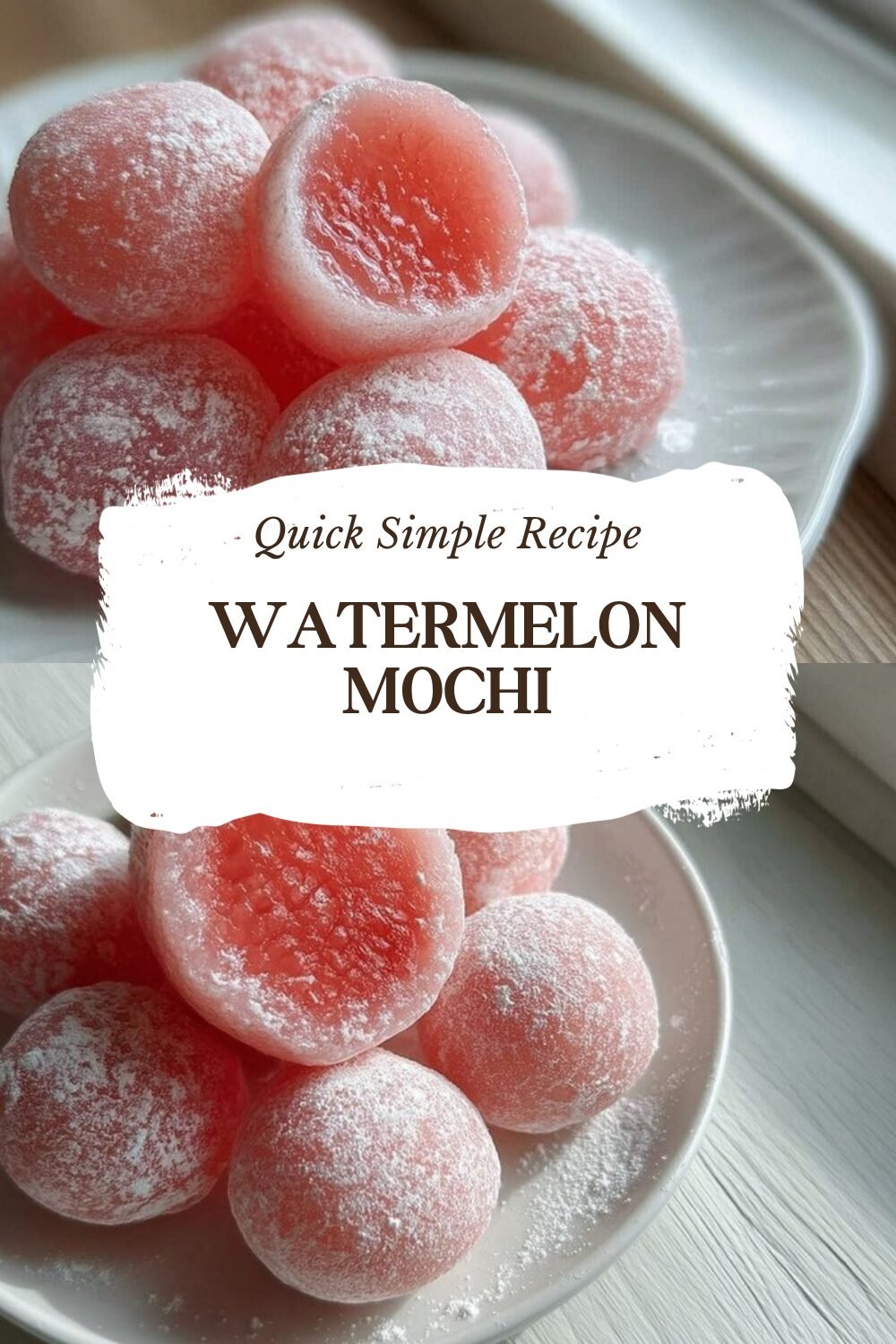
Watermelon Mochi is one of those sweet treats that feels fun, fresh, and a little bit special without being fussy. If you have been looking for a watermelon mochi recipe that fits into a busy day, this one is a great pick. It comes together in about 20 minutes, uses simple pantry ingredients, and gives you that soft, chewy Japanese-style texture people love.
For home cooks, students, and busy parents, this dessert checks a lot of boxes. It is quick, colorful, and easy to portion into 12 pieces, which makes sharing simple. It also works well for warm weather because the watermelon flavor tastes bright and light. If you enjoy fruit mochi or other easy summer desserts, this one is a nice change of pace.
- Easy to make: The method is simple. Blend the watermelon, mix the batter, cook it on the stove, chill, and cut. No special baking skills are needed.
- Fresh summer flavor: The juicy watermelon gives the mochi a naturally sweet, fruity taste that feels perfect on a hot day. For more on the fruit itself, you can read this helpful watermelon health guide.
- Flexible for many diets: This recipe is naturally gluten-free and vegan when made as written, which makes it useful for many households.
- Pretty and fun: The soft pink color and chewy bite make it a lovely dessert for snacks, parties, picnics, or lunchbox treats.
When I tried this mochi recipe on a hot summer day, it turned out so refreshingly sweet and chewy that I couldn’t wait to share it with everyone!
If you like simple desserts with a playful texture, you may also enjoy other easy recipes on Kitchen Cooking, especially if you like homemade treats that feel comforting and easy to make.
Jump to:
- Why You’ll Love Watermelon Mochi
- Essential Ingredients for Watermelon Mochi
- Structured ingredient list
- Ingredient notes and smart swaps
- Special dietary options
- How to Prepare the Perfect Watermelon Mochi: Step-by-Step Guide
- First Step: Prepare the watermelon juice
- Second Step: Mix the dry ingredients
- Third Step: Add the watermelon juice and oil
- Fourth Step: Cook the mochi mixture
- Fifth Step: Shape and chill the dough
- Final Step: Dust, cut, and serve
- Dietary Substitutions to Customize Your Watermelon Mochi
- Protein and main component alternatives
- Vegetable, sauce, and seasoning modifications
- Mastering Watermelon Mochi: Advanced Tips and Variations
- Pro cooking techniques
- Flavor variations
- Presentation tips
- Make-ahead options
- How to Store Watermelon Mochi: Best Practices
- Refrigeration
- Freezing
- Reheating
- Meal prep considerations
- FAQs: Frequently Asked Questions About Watermelon Mochi
- How long does watermelon mochi last?
- Is watermelon mochi gluten-free and vegan?
- Why is my watermelon mochi hard and how do I fix it?
- Why is my watermelon mochi sticky and what should I do?
- Can you freeze watermelon mochi and how?
- Watermelon Mochi
- Ingredients
- Instructions
- Last Step:
- Notes
- Nutrition
- Did you make this recipe?
Essential Ingredients for Watermelon Mochi
This homemade watermelon mochi uses just five main ingredients, and each one plays an important role in the final texture. For the best result, measure everything carefully. Mochi dough can be sensitive, so small changes in liquid or starch can affect how chewy or sticky it becomes.
| Ingredient | Amount | Why It Matters |
|---|---|---|
| Glutinous rice flour | 200g | This creates the chewy mochi texture. It is the main structure of the recipe. |
| Granulated sugar | 65g | Adds sweetness and helps balance the natural fruit flavor. |
| Corn starch | 40g | Helps the dough set and also keeps the finished pieces from sticking. |
| Strained watermelon juice | 240ml | Provides moisture, color, and fresh watermelon flavor. |
| Vegetable oil | 1 1/2 tablespoons | Gives the dough a smoother feel and helps reduce stickiness. |
Structured ingredient list
- 200g glutinous rice flour
- 65g granulated sugar
- 40g corn starch
- 240ml strained watermelon juice
- 1 1/2 tablespoons vegetable oil
Ingredient notes and smart swaps
- Use ripe watermelon: A deep-red melon gives you better natural pink color and a sweeter taste.
- Make the juice fresh: Blend the watermelon and strain it well so the mochi stays smooth instead of watery.
- Adjust sweetness: If your watermelon is very sweet, you can slightly reduce the sugar next time.
- Allergy-friendly swap: You can replace corn starch with tapioca starch or arrowroot if needed.
- Lower-sugar option: Maple sugar or coconut sugar can work, though the color and flavor will change a little.
Special dietary options
Vegan: This recipe is already vegan because it uses plant-based ingredients only.
Gluten-free: Glutinous rice flour is naturally gluten-free, even though the name can be confusing. Just check labels for cross-contact if needed.
Low-calorie: You can reduce the sugar slightly or use a lighter sweetener, but keep in mind that texture may change a bit.
For another comforting kitchen idea, try these high-protein breakfast burritos when you want an easy savory meal before dessert time.
How to Prepare the Perfect Watermelon Mochi: Step-by-Step Guide
If you want to know how to make watermelon mochi without stress, follow these steps in order. The process is quick, but it helps to stay close to the stove because the mixture thickens fast. The total time is about 20 minutes, with 5 minutes for prep and 15 minutes for cooking and chilling setup.
First Step: Prepare the watermelon juice
Start with fresh watermelon. Cut it into chunks, blend until smooth, then strain it through a fine sieve. You need 240ml of strained juice for this fresh watermelon mochi recipe. This step matters because it removes pulp and gives the mochi a smooth finish.
Choose a ripe, deep-red watermelon for the best color. The more vibrant the fruit, the prettier the final mochi will look. If you have extra juice, save it for a smoothie or a chilled drink.
Second Step: Mix the dry ingredients
In a medium bowl, combine 200g glutinous rice flour, 65g granulated sugar, and 40g corn starch. Whisk them together so there are no lumps. This helps the batter cook evenly and keeps the texture smooth.
If you are using tapioca starch or arrowroot instead of corn starch, mix them in the same way. The dry ingredients should look evenly blended before you add any liquid.
Third Step: Add the watermelon juice and oil
Pour in the 240ml strained watermelon juice and 1 1/2 tablespoons vegetable oil. Whisk until the batter looks smooth and fluid. It should be thin at this stage, and that is normal. Try to remove any dry pockets from the bottom of the bowl.
If your watermelon is very sweet, this is the point where you can decide whether the batter needs all the sugar. For a sweeter melon, you may like a slightly lighter sweetness. For a less sweet melon, keep the recipe as written.
Fourth Step: Cook the mochi mixture
Set a pan over medium heat and pour in the batter. Stir constantly with a spatula or whisk. After about 5 to 8 minutes, the mixture will thicken and start turning translucent. This is the sign that the starch is cooking properly and the mochi is forming.
Keep stirring so the mixture does not stick to the pan. If you stop too early, the bottom may cook unevenly. The dough should look glossy, thick, and slightly stretchy when it is ready. If you want a faster method, you can also microwave it in 1-minute intervals, stirring between each round.
Good mochi starts with steady stirring. If the mixture looks lumpy at first, keep going. It usually comes together once the starch cooks fully.
Fifth Step: Shape and chill the dough
Line a square mold with parchment paper, then pour the cooked mochi mixture inside. Flatten the top with a spoon or spatula. Smooth the surface so the pieces will cut neatly later. Let it cool slightly, then place it in the fridge for 1 to 2 hours.
This chilling step is important because it makes the mochi easier to cut and handle. If you are in a hurry, aim for the full 2 hours if possible. A colder slab gives cleaner edges and less sticking.
Final Step: Dust, cut, and serve
Once chilled, dust the surface with corn starch. Also dust your hands and knife so the mochi does not stick. Cut the slab into 12 pieces. For the neatest shape, chill the cut pieces a little longer before serving.
Serve them plain, or enjoy them with a cup of tea, iced coffee, or a light fruit snack. The texture should be soft, chewy, and lightly springy. That is exactly what makes this watermelon mochi summer treat so satisfying.

Dietary Substitutions to Customize Your Watermelon Mochi
Protein and main component alternatives
Even though this recipe is already plant-based, you can still change the main starch ingredients based on what you have at home. If you cannot find glutinous rice flour, try sweet rice flour, which is the same thing in many stores. For the thickening starch, tapioca starch or arrowroot can stand in for corn starch, especially if you need a corn-free dessert.
To lower the sugar, replace granulated sugar with maple sugar or coconut sugar. The flavor becomes slightly deeper and more caramel-like. Just keep in mind that darker sugars may mute the bright pink color a little.
Vegetable, sauce, and seasoning modifications
This recipe does not use vegetables or sauce in the usual sense, but you can still play with flavor. Add a little lime zest for a tangy finish, or mix in a tiny bit of mint for a cool summer taste. Some cooks like to add a touch of butter-style flavoring for a richer dessert feel, though that is optional.
Fruit lovers can also blend in a small amount of other fruits, such as strawberry or peach, for a mixed fruit mochi version. If you want a softer final texture, try steaming the dough instead of cooking it only on the stovetop. No matter which version you choose, keep the liquid ratio close to the original so the mochi stays chewy and not gummy.
Mastering Watermelon Mochi: Advanced Tips and Variations
Once you have made this easy watermelon mochi once, you will probably want to make it again with a few personal touches. Small changes can make a big difference in texture and flavor, so here are some simple ways to get even better results.
Pro cooking techniques
Stir constantly while the mixture cooks so it heats evenly. This keeps the bottom from sticking and helps the dough turn translucent at the right time. If the dough seems too loose, keep cooking for another minute or two, but do not walk away. Mochi can go from perfect to overdone quickly.
Dust your work surface generously with starch before you cut or shape the pieces. If you want a softer texture, steam the mixture instead of pan-cooking. And if your kitchen is warm or humid, work quickly so the dough does not get sticky.
Flavor variations
- Add a little lime zest for a bright citrus note.
- Mix in mint for a cool summer taste.
- Use a splash of another fruit juice for a mixed-fruit version.
- Try a light butter flavor for a richer dessert style.
Presentation tips
Serve the squares on a chilled plate for a fresh look. A light dusting of starch on top keeps them tidy, and a few tiny watermelon cubes on the side make the plate look cheerful. If you are serving guests, arrange the 12 pieces in neat rows so the pink color stands out.
For a sweet breakfast or snack day, you can pair these with another easy comfort food like a simple brekky bowl and keep the menu casual and fun.
Make-ahead options
You can make the mochi slab ahead of time, chill it, and cut it later when you are ready to serve. This is especially handy for parties or family gatherings. If you need to prep it the night before, keep the cut pieces tightly covered so they do not dry out.
How to Store Watermelon Mochi: Best Practices
Watermelon mochi tastes best fresh, but leftovers can still be kept for a short time if you store them properly. Because mochi has a soft, high-moisture texture, the goal is to keep it from drying out or getting too firm.
Refrigeration
Place leftovers in an airtight container and store them in the refrigerator for up to 2 days. Keep the pieces separated if possible so they do not stick together. If they firm up in the fridge, let them sit at room temperature for a few minutes or warm them briefly.
Freezing
Yes, you can freeze watermelon mochi for up to 1 month. Wrap each piece in parchment paper, then place them in a freezer-safe bag with the air pressed out. This helps prevent freezer burn and ice crystals.
Reheating
To soften chilled mochi, microwave individual pieces for 20 to 30 seconds on low power. If frozen, thaw overnight in the refrigerator first, then warm gently. A short steam can also bring back softness.
Meal prep considerations
If you plan to make a batch ahead for snacks or lunchboxes, chill the pieces well before storing. That helps them keep their shape. For the best texture, do not leave them at room temperature longer than 1 to 2 hours.
FAQs: Frequently Asked Questions About Watermelon Mochi
How long does watermelon mochi last?
Is watermelon mochi gluten-free and vegan?
Why is my watermelon mochi hard and how do I fix it?
Why is my watermelon mochi sticky and what should I do?
Can you freeze watermelon mochi and how?

Watermelon Mochi
🍉 Dive into chewy, refreshing watermelon mochi bursting with natural summer sweetness and vibrant pink hue.
🌸 Simple stovetop treat that’s gluten-free, vegan, and perfect for cooling down on hot days.
- Total Time: 2 hours
- Yield: 12 pieces
Ingredients
– 200g glutinous rice flour for chewy mochi texture
– 65g granulated sugar for sweetness
– 40g corn starch for setting dough and preventing sticking
– 240ml strained watermelon juice for moisture color and flavor
– 1 1/2 tablespoons vegetable oil for smoother feel and reducing stickiness
Instructions
1-First Step: Prepare the watermelon juice Start with fresh watermelon. Cut it into chunks, blend until smooth, then strain it through a fine sieve. You need 240ml of strained juice for this fresh watermelon mochi recipe. This step matters because it removes pulp and gives the mochi a smooth finish. Choose a ripe, deep-red watermelon for the best color. The more vibrant the fruit, the prettier the final mochi will look. If you have extra juice, save it for a smoothie or a chilled drink.
2-Second Step: Mix the dry ingredients In a medium bowl, combine 200g glutinous rice flour, 65g granulated sugar, and 40g corn starch. Whisk them together so there are no lumps. This helps the batter cook evenly and keeps the texture smooth. If you are using tapioca starch or arrowroot instead of corn starch, mix them in the same way. The dry ingredients should look evenly blended before you add any liquid.
3-Third Step: Add the watermelon juice and oil Pour in the 240ml strained watermelon juice and 1 1/2 tablespoons vegetable oil. Whisk until the batter looks smooth and fluid. It should be thin at this stage, and that is normal. Try to remove any dry pockets from the bottom of the bowl. If your watermelon is very sweet, this is the point where you can decide whether the batter needs all the sugar. For a sweeter melon, you may like a slightly lighter sweetness. For a less sweet melon, keep the recipe as written.
4-Fourth Step: Cook the mochi mixture Set a pan over medium heat and pour in the batter. Stir constantly with a spatula or whisk. After about 5 to 8 minutes, the mixture will thicken and start turning translucent. This is the sign that the starch is cooking properly and the mochi is forming. Keep stirring so the mixture does not stick to the pan. If you stop too early, the bottom may cook unevenly. The dough should look glossy, thick, and slightly stretchy when it is ready. If you want a faster method, you can also microwave it in 1-minute intervals, stirring between each round. Good mochi starts with steady stirring. If the mixture looks lumpy at first, keep going. It usually comes together once the starch cooks fully.
5-Fifth Step: Shape and chill the dough Line a square mold with parchment paper, then pour the cooked mochi mixture inside. Flatten the top with a spoon or spatula. Smooth the surface so the pieces will cut neatly later. Let it cool slightly, then place it in the fridge for 1 to 2 hours. This chilling step is important because it makes the mochi easier to cut and handle. If you are in a hurry, aim for the full 2 hours if possible. A colder slab gives cleaner edges and less sticking.
6-Final Step: Dust, cut, and serve Once chilled, dust the surface with corn starch. Also dust your hands and knife so the mochi does not stick. Cut the slab into 12 pieces. For the neatest shape, chill the cut pieces a little longer before serving. Serve them plain, or enjoy them with a cup of tea, iced coffee, or a light fruit snack. The texture should be soft, chewy, and lightly springy. That is exactly what makes this watermelon mochi summer treat so satisfying.
Last Step:
Please leave a rating and comment letting us know how you liked this recipe! This helps our business to thrive and continue providing free, high-quality recipes for you.Notes
🍉 Use ripe, deep-red watermelon for the best natural color and sweetest juice.
🤲 Dust your hands, knife, and surface generously with corn starch to prevent sticking.
⏳ Chill the mochi for at least 1-2 hours to make cutting easier and maintain shape.
- Prep Time: 15 minutes
- Chill Time: 1-2 hours
- Cook Time: 8 minutes
- Category: Desserts
- Method: Stovetop
- Cuisine: Japanese
- Diet: Vegan, Gluten-Free
Nutrition
- Serving Size: 1 piece
- Calories: 120
- Sugar: 11g
- Sodium: 5mg
- Fat: 2g
- Saturated Fat: 0g
- Unsaturated Fat: 2g
- Trans Fat: 0g
- Carbohydrates: 25g
- Fiber: 1g
- Protein: 1g
- Cholesterol: 0mg