

Why this recipe works
These Chocolate Crinkle Cookies are everything I want in a chocolate cookie: rich, deeply fudgy centers with a soft, brownie like chew, and a beautiful crackled white coating on the outside. They look fancy but the process is wonderfully simple. The dough comes together quickly with basic pantry ingredients, and because we use vegetable oil instead of butter, this recipe is naturally dairy free without any extra effort. No special butter substitutes, no fussing.
Dutch process cocoa powder gives the cookies a dark, almost black color and a smooth, mellow chocolate flavor. A little bit of cornstarch keeps the centers extra soft and thick, while baking powder provides a gentle lift. The real magic happens during the chill step and the double sugar coating, which creates that signature crackled top as they bake. I have tested these many times and they have never let me down, whether I am baking for a holiday tray or a quiet afternoon at home. If you want to explore a slightly different technique, I also have an Easy Chocolate Crinkle Cookies version that is just as reliable.

The most important step? Chill the dough for at least 2 hours. It makes the dough easy to handle and gives you that beautiful crackled top.
Jump to:
- Why this recipe works
- Ingredients
- Instructions
- Expert Tips
- Faq’s
- Why are my chocolate crinkle cookies flat?
- How long do you need to chill chocolate crinkle cookie dough?
- Can you freeze chocolate crinkle cookie dough?
- How do you get the crinkled top on chocolate crinkle cookies?
- What is the difference between Dutch cocoa and natural cocoa for crinkle cookies?
- How many calories are in a chocolate crinkle cookie?
- Storing
- Freezing
- Substitutions
- Variations
- Making these ahead of time
- Chocolate Crinkle Cookies
- Ingredients
- Instructions
- Last Step:
- Notes
- Nutrition
- Did you make this recipe?
Ingredients
These ingredients are all easy to find, and you probably have most of them in your kitchen already. Here is what you will need to make about 24 cookies.
- Vegetable oil: keeps the cookies dairy free and gives them a soft, tender crumb. Any neutral oil like canola or sunflower works well.
- Granulated sugar: both in the dough and for the first rolling step.
- Eggs: use large eggs at room temperature so they blend smoothly.
- Vanilla extract: a generous splash for warmth.
- Dutch process cocoa powder: gives the cookies their intense dark color and deep chocolate taste.
- All purpose flour: measured correctly by spooning and leveling so you do not add too much.
- Cornstarch: the secret to a soft, thick center that stays tender for days.
- Baking powder: make sure you use baking powder, not baking soda.
- Salt: a small amount to balance the sweetness.
- Espresso powder (optional): it does not make the cookies taste like coffee; it just deepens the chocolate flavor.
- Powdered sugar: for that snowy, crackled coating.
Instructions
Follow these steps carefully and you will be rewarded with gorgeous, fudgy cookies. I like to take my time and enjoy the process.
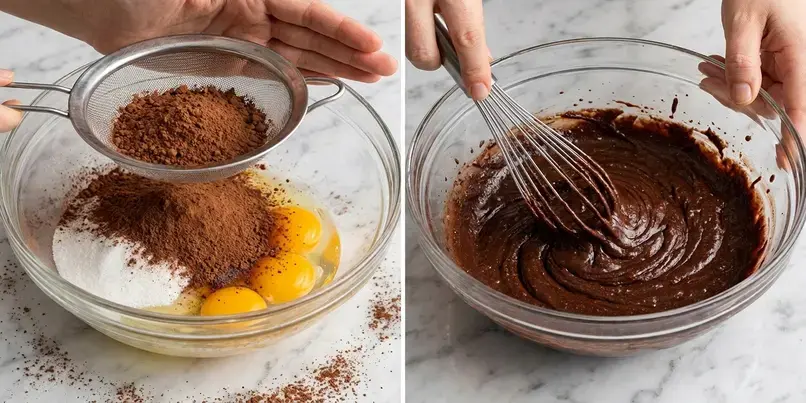
- Mix the wet ingredients. In a large bowl, whisk together the vegetable oil, granulated sugar, eggs, and vanilla until smooth and slightly thickened, about 1 minute.
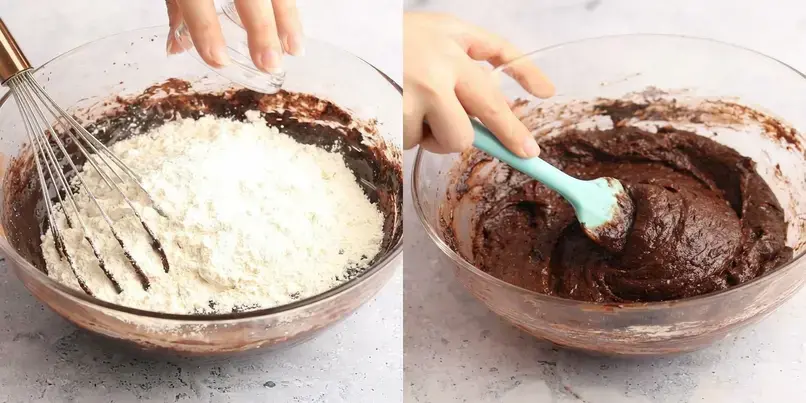
- Add the dry ingredients. In a separate bowl, sift together the cocoa powder, flour, cornstarch, baking powder, salt, and espresso powder if using. Gradually stir the dry mixture into the wet mixture just until combined. Do not overmix; stop as soon as you no longer see streaks of flour.
- Chill the dough. Cover the bowl tightly and refrigerate the dough for at least 2 hours. Overnight is even better. Chilled dough is much less sticky and far easier to shape.
- Preheat and prep. When you are ready to bake, preheat the oven to 350°F (180°C). Line two baking sheets with parchment paper.
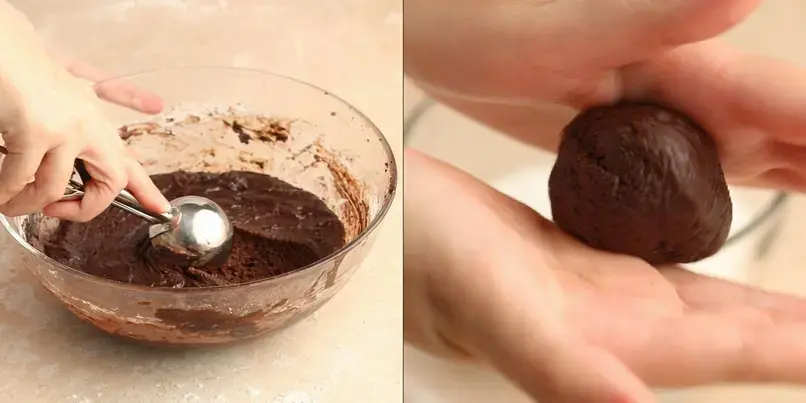
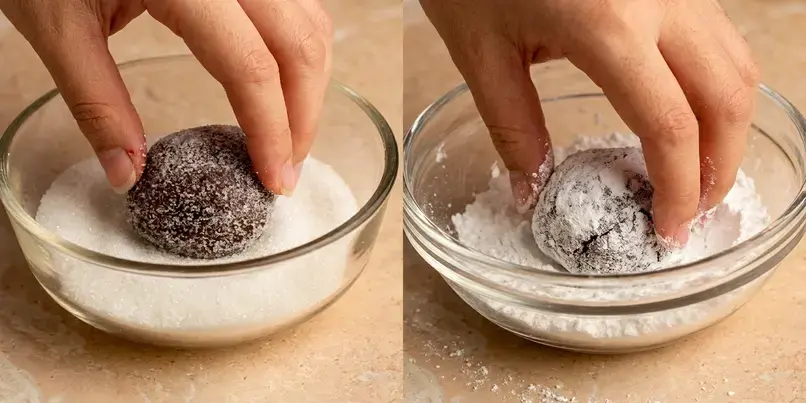
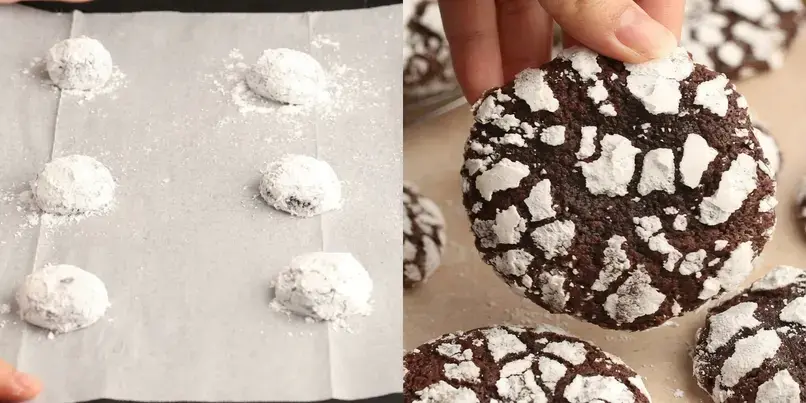
- Scoop and roll. Use a cookie scoop to portion the dough into 1.5 tablespoon balls. Roll each ball first in a shallow bowl of granulated sugar, then coat generously in a bowl of powdered sugar. Do not skimp on the powdered sugar; a thick layer is what creates the dramatic cracks.
- Bake. Place the coated dough balls on the prepared baking sheets, leaving about 2 inches of space between each one. Bake for 10 to 12 minutes. The cookies should look slightly underbaked and soft in the very center when you pull them out. They will continue to set as they cool.
- Cool. Let the cookies rest on the baking sheet for 5 minutes, then transfer them to a wire rack to cool completely. This short rest helps them hold their shape.
Expert Tips
Over the years I have learned a few small tricks that make a big difference with chocolate crinkle cookies. Keep these in mind, and you will avoid the most common pitfalls.
- Always use room temperature eggs. Cold eggs can cause the dough to seize and become difficult to work with.
- Measure flour by spooning it into the measuring cup and leveling the top with a flat edge. Adding too much flour is the main reason cookies do not spread properly.
- Do not overmix the dough once the flour goes in. Mix just until combined to keep the cookies tender instead of dense.
- Line your baking sheets with parchment paper; it prevents sticking and helps the cookies bake evenly.
- Chill the dough for at least 2 hours. This is not a step to skip. A well chilled dough holds its shape and gives you those gorgeous cracks.
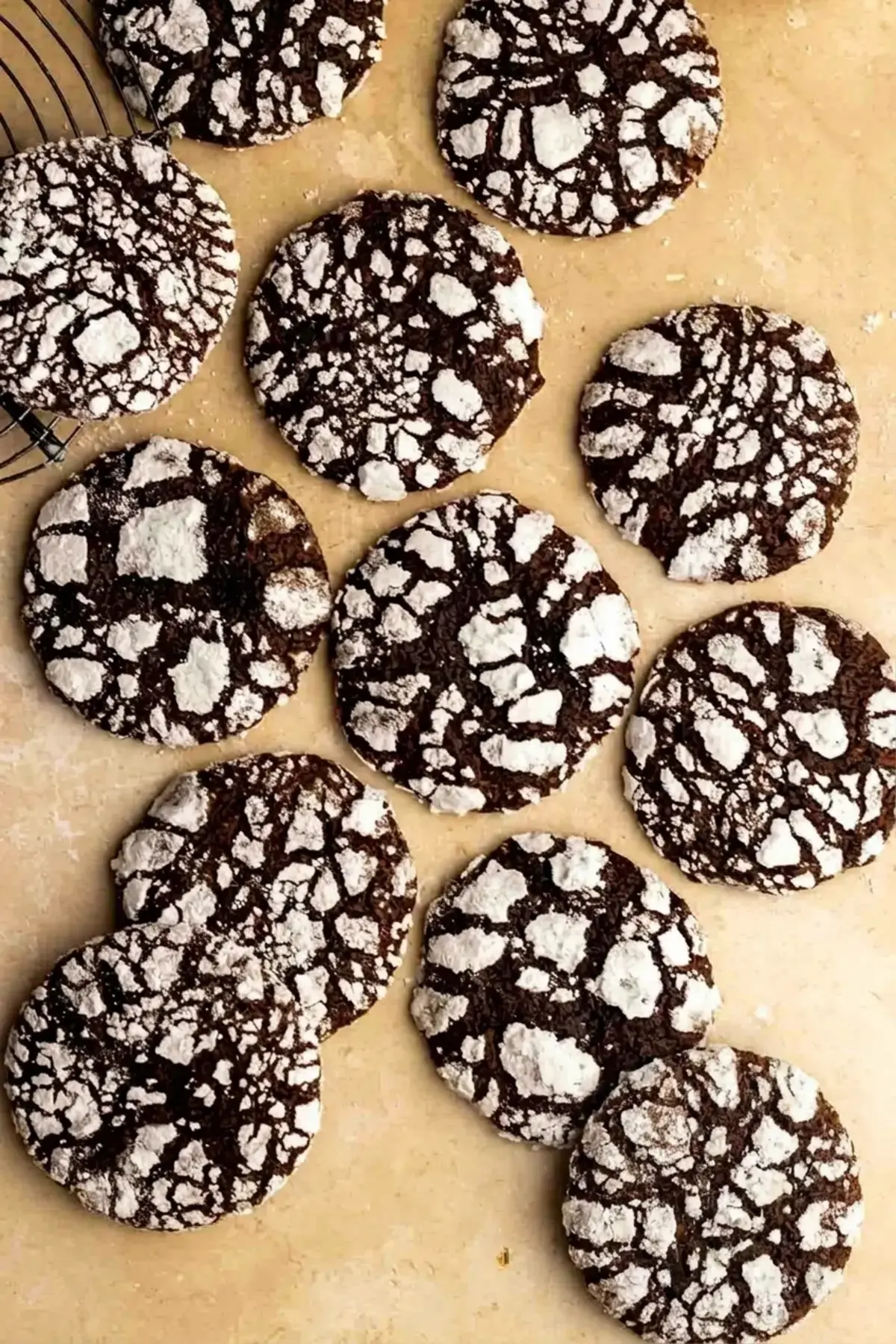
- Roll the dough balls in granulated sugar first, then powdered sugar. The granulated sugar creates a little barrier so the powdered sugar does not dissolve into the dough.
- Cool the cookies on the baking sheet for 5 full minutes before moving them. They are delicate right out of the oven.
If you want the full printable measurements and a step by step visual guide, you can always visit my Chocolate Crinkle Cookies recipe page for extra support.
Faq’s
Why are my chocolate crinkle cookies flat?
How long do you need to chill chocolate crinkle cookie dough?
Can you freeze chocolate crinkle cookie dough?
How do you get the crinkled top on chocolate crinkle cookies?
What is the difference between Dutch cocoa and natural cocoa for crinkle cookies?
How many calories are in a chocolate crinkle cookie?
Storing
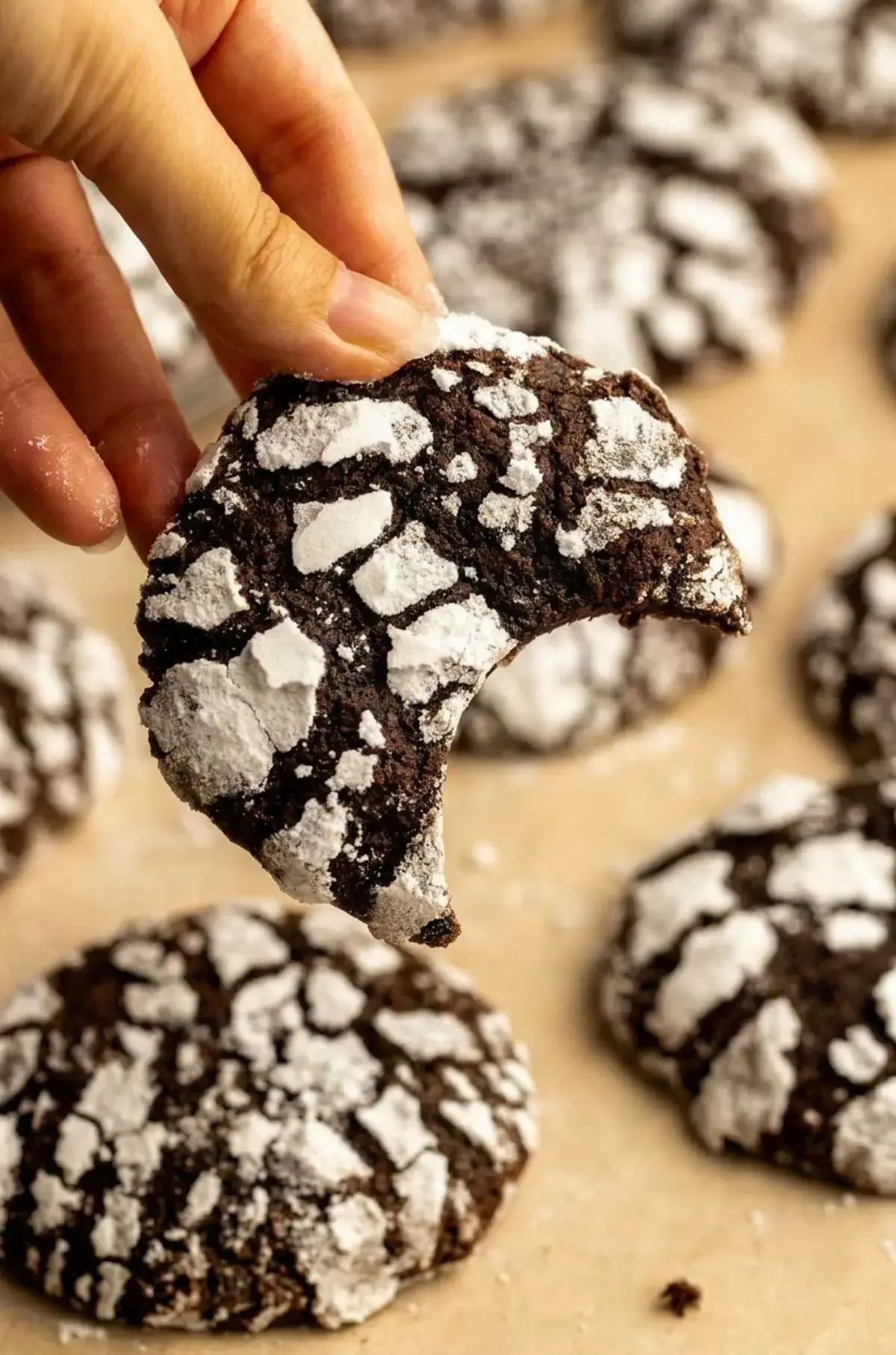
These cookies keep beautifully at room temperature, making them perfect for baking a day or two ahead of when you need them. Place the completely cooled cookies in an airtight container with a sheet of parchment paper between layers so the powdered sugar coating stays pristine. Stored this way, they will stay soft and fudgy for up to 5 days.
If you live in a humid climate, the powdered sugar may absorb a little moisture and become slightly translucent after a couple of days. That is perfectly normal and does not affect the taste at all, but if you want them to look as snowy as the moment they were baked, you can give them a light fresh dusting of powdered sugar just before serving. I find the flavor actually improves on day two, when the chocolate notes have had time to deepen and the centers become even more tender.
Do not store these cookies in the refrigerator, as the cold air tends to dry them out and can make the powdered sugar coating turn sticky. If you need to keep them longer than 5 days, freezing is the better route, which I cover in the next section.
Freezing
Freezing is a lifesaver when you want to get ahead or save extras. You have two good options: freezing the unbaked dough balls or freezing the baked cookies.
To freeze unbaked dough: Scoop the dough into balls and place them on a parchment lined baking sheet. Do not roll them in sugar yet. Freeze the tray until the balls are firm, about 1 hour. Then transfer the frozen dough balls to a zip top freezer bag and keep them frozen for up to 3 months. When you are ready to bake, remove only as many as you need, let them sit on the counter for about 10 minutes just so the outer surface warms slightly, then roll them in granulated sugar and powdered sugar and bake as directed. You may need to add 1 to 2 extra minutes to the baking time.
To freeze baked cookies: Let the cookies cool completely after baking. Arrange them in a single layer in an airtight container or freezer bag, with parchment paper between layers to protect the sugared tops. They will keep well in the freezer for up to 2 months. To serve, simply remove them and let them thaw at room temperature on a wire rack. If you like, you can warm them in a 300°F oven for 3 to 5 minutes to restore that freshly baked softness.
I always have a stash of frozen dough balls in my freezer, especially around the holidays. There is something so satisfying about pulling out a handful and having warm, fresh cookies in under 15 minutes.
Substitutions
This recipe is already dairy free, but I know many of you also bake for friends or family who avoid gluten. The easiest swap is to replace the all purpose flour with a high quality 1:1 gluten free flour blend. I have had great results with Bob’s Red Mill 1 to 1 Gluten Free Flour because it already contains xanthan gum, which helps with structure. The dough will feel a little stickier than the regular version, so be extra generous with the powdered sugar coating and do not skip the full 2 hour chill. The baked cookies will be slightly more delicate, but they still deliver that fudgy center and crinkled top that make these so special.
If you cannot find Dutch process cocoa, you can use natural unsweetened cocoa powder in a pinch. The cookies will have a lighter brown color and a slightly sharper, more acidic chocolate note. They will still taste delicious, just a bit different in character. For the best results with natural cocoa, make sure your baking powder is fresh because you lose a little of the leavening reaction that Dutch cocoa does not provide.
Variations
Once you have the basic recipe down, it is so much fun to play with different flavors and add ins. Here are a few of my favorite twists on chocolate crinkle cookies.
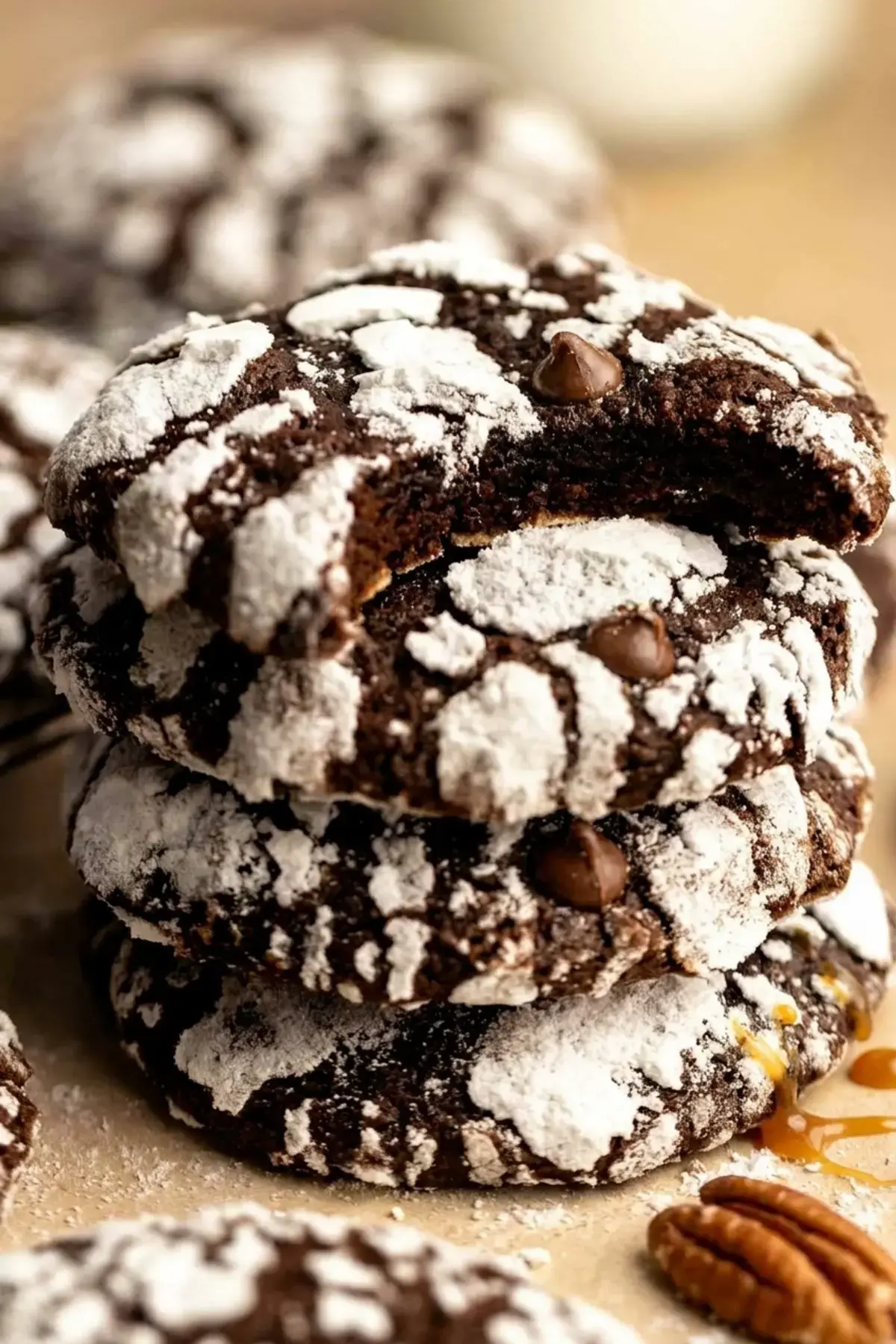
- Double chocolate: Fold 1 cup of semi sweet chocolate chips into the dough right after mixing. Each bite gets an extra burst of melted chocolate.
- Kiss topped crinkles: As soon as the cookies come out of the oven, press a Hershey’s kiss gently into the center of each one. Let them cool completely before moving.
- Extra fudgy centers: Add an extra egg yolk to the wet ingredients. This small change makes the middle even richer and chewier.
- Nutty crunch: Roll the sugar coated dough balls in finely chopped walnuts or hazelnuts before the final powdered sugar dip. The nuts add a lovely toasty crunch.
- Holiday drizzle: After the cookies have cooled, drizzle them with a little melted caramel sauce or white chocolate. It looks beautiful on a holiday cookie tray.
- Peppermint twist: Add 1/4 teaspoon of peppermint extract to the dough and sprinkle crushed candy canes on top right after baking for a festive winter treat.
Do not be afraid to get creative. The base dough is very forgiving and welcomes all kinds of personal touches. I would love to hear about your own variations; feel free to let me know in the comments which one becomes your favorite.
Making these ahead of time
If you love the idea of fresh baked cookies with almost no last minute work, this recipe is a dream. The unbaked dough balls freeze beautifully, as I mentioned above, but I often use this ahead of time method for parties, bake sales, or just busy weeks when I want a quick homemade treat.
Follow the recipe all the way through shaping the dough into balls, but stop before rolling them in sugar. Place the plain dough balls on a parchment lined tray and freeze them solid, then pack them into a freezer bag. The night before you plan to bake, move the number of dough balls you need to the refrigerator to thaw gently. Once thawed, roll them in the granulated sugar and then the powdered sugar, and bake as usual. You can also bake them straight from the freezer; just remember to add 1 to 2 minutes to the bake time.
This method means you can have a batch of warm, crackly cookies on the table in the time it takes to preheat the oven and set out a glass of milk. It is my secret weapon for impromptu guests, and it makes the holiday season so much more relaxed. No rushing, no last minute mixing bowls; just the simple pleasure of a cookie that tastes like you spent all day on it.
Print
Chocolate Crinkle Cookies
🍪 Rich, deeply fudgy chocolate cookies with a beautiful crackled powdered sugar coating that look stunning yet come together effortlessly with basic pantry staples.
🌱 Naturally dairy-free thanks to vegetable oil, these cookies have brownie-like centers that stay soft, thick, and tender for days.
- Total Time: 2 hours 27 minutes
- Yield: 24 cookies
Ingredients
Vegetable oil
Granulated sugar
Eggs
Vanilla extract
Dutch process cocoa powder
All purpose flour
Cornstarch
Baking powder
Salt
Espresso powder
Powdered sugar
Instructions
1-Mix the wet ingredients: In a large bowl, whisk together vegetable oil, granulated sugar, eggs, and vanilla until smooth and slightly thickened, about 1 minute.
2-Add the dry ingredients: Sift together cocoa powder, flour, cornstarch, baking powder, salt, and espresso powder (if using); gradually stir into the wet mixture just until combined—do not overmix.
3-Chill the dough: Cover and refrigerate the dough for at least 2 hours (overnight is better) to make it less sticky and easier to shape.
4-Preheat and prep: Preheat oven to 350°F (180°C) and line two baking sheets with parchment paper.
5-Scoop and roll: Portion dough into 1.5 tablespoon balls; roll each first in granulated sugar, then coat generously in powdered sugar (thick layer creates the cracks).
6-Bake: Place coated balls on sheets 2 inches apart and bake for 10–12 minutes, until slightly underbaked and soft in the center.
7-Cool: Let cookies rest on the baking sheet for 5 minutes, then transfer to a wire rack to cool completely.
Last Step:
Please leave a rating and comment letting us know how you liked this recipe! This helps our business to thrive and continue providing free, high-quality recipes for you.Notes
🧊 Chill the dough for at least 2 hours—skipping this step will cause flat cookies without the signature crackled top.
🍬 Roll dough balls in granulated sugar before the powdered sugar to create a barrier that keeps the white coating from dissolving into the dough.
❄️ Freeze shaped, uncoated dough balls on a tray, transfer to a zip-top bag, and store for up to 3 months; roll in sugars and bake straight from frozen, adding 1 to 2 extra minutes.
- Prep Time: 15 minutes
- Chill Time: 2 hours
- Cook Time: 12 minutes
- Category: Desserts
- Method: Baking
- Cuisine: American
- Diet: Dairy Free
Nutrition
- Serving Size: 1 cookie
- Calories: 130
- Sugar: 16g
- Sodium: 55mg
- Fat: 5g
- Saturated Fat: 1g
- Unsaturated Fat: 4g
- Trans Fat: 0g
- Carbohydrates: 20g
- Fiber: 1g
- Protein: 2g
- Cholesterol: 16mg