

What Are Portuguese Coconut Cakes?
I still remember the first time I baked these little coconut gems. The scent of toasted coconut drifted through my small kitchen, sweet and nutty, and within minutes my family gathered around, peeking into the oven and asking when they could have one.
Portuguese Coconut Cakes, or Bolos de Coco, are light, fluffy little cakes that taste like a warm tropical hug. They are made with simple pantry ingredients, yet they deliver a wonderfully rich coconut flavor that feels special enough for a weekend treat yet easy enough for a busy weeknight.
These individual cakes are not overly sweet, making them perfect for breakfast with coffee, an afternoon pick me up, or a light dessert after dinner.

The star ingredients are creamy coconut milk and tender shredded coconut, which give each bite a moist crumb and subtle chew. Because the recipe uses basic baking staples like flour, sugar, eggs, and baking powder, you probably have everything you need at home right now.
In Portugal, these little cakes are often served at family gatherings and cafés, but you do not need a ticket to Lisbon to enjoy them.
You can whip up a batch in about forty minutes, and the reward is a golden, fragrant treat that disappears almost as quickly as you can pull them from the oven.
Jump to:
- What Are Portuguese Coconut Cakes?
- Why Are Portuguese Coconut Cakes Special?
- Portuguese Coconut Cakes Ingredients
- Step by Step Instructions
- Expert Tips for Perfect Cakes
- How to Store and Freeze
- Portuguese Coconut Cakes Variations
- Make Ahead Options
- What to Serve with Portuguese Coconut Cakes
- FAQs
- How do I ensure my Portuguese coconut cakes turn out light and fluffy?
- Can I make these coconut cakes dairy-free or vegan?
- How should I store leftover Portuguese coconut cakes, and can I freeze them?
- What is the best way to serve bolos de coco?
- Deliciously Light Portuguese Coconut Cakes You’ll Love
- Ingredients
- Instructions
- Last Step:
- Nutrition
- Did you make this recipe?
Why Are Portuguese Coconut Cakes Special?
There is something truly delightful about a dessert that feels fancy without any fuss. These coconut cakes check all the boxes for busy home cooks like me.
First, they call for a short list of everyday ingredients, so you will not be scrambling for exotic items. Second, the coconut flavor is deep and satisfying because you use both coconut milk and shredded coconut.
That double dose of coconut makes each cake taste richer than you might expect from such a humble recipe.
Another reason these cakes are a household favorite is their flexibility. You can enjoy them warm right out of the oven, when the edges are slightly crisp and the center is pillowy soft.
Or you can let them cool to room temperature, and they develop an even more pronounced coconut scent. They fit so many occasions too.
Set a plateful on the brunch table, pack one in a lunchbox, or serve them with fresh fruit for a simple dessert. Plus, the basic recipe is a blank canvas for creative twists such as citrus zest, chocolate chips, or a drizzle of coconut syrup.
Finally, they come together quickly. The prep takes only about ten minutes, and they bake in roughly twenty five minutes. When you want to make something homemade and heartwarming in under an hour, this recipe is a real winner.
Whether you are a new baker or a seasoned pro, you will feel confident from the first whisk to the last crumb.
Portuguese Coconut Cakes Ingredients
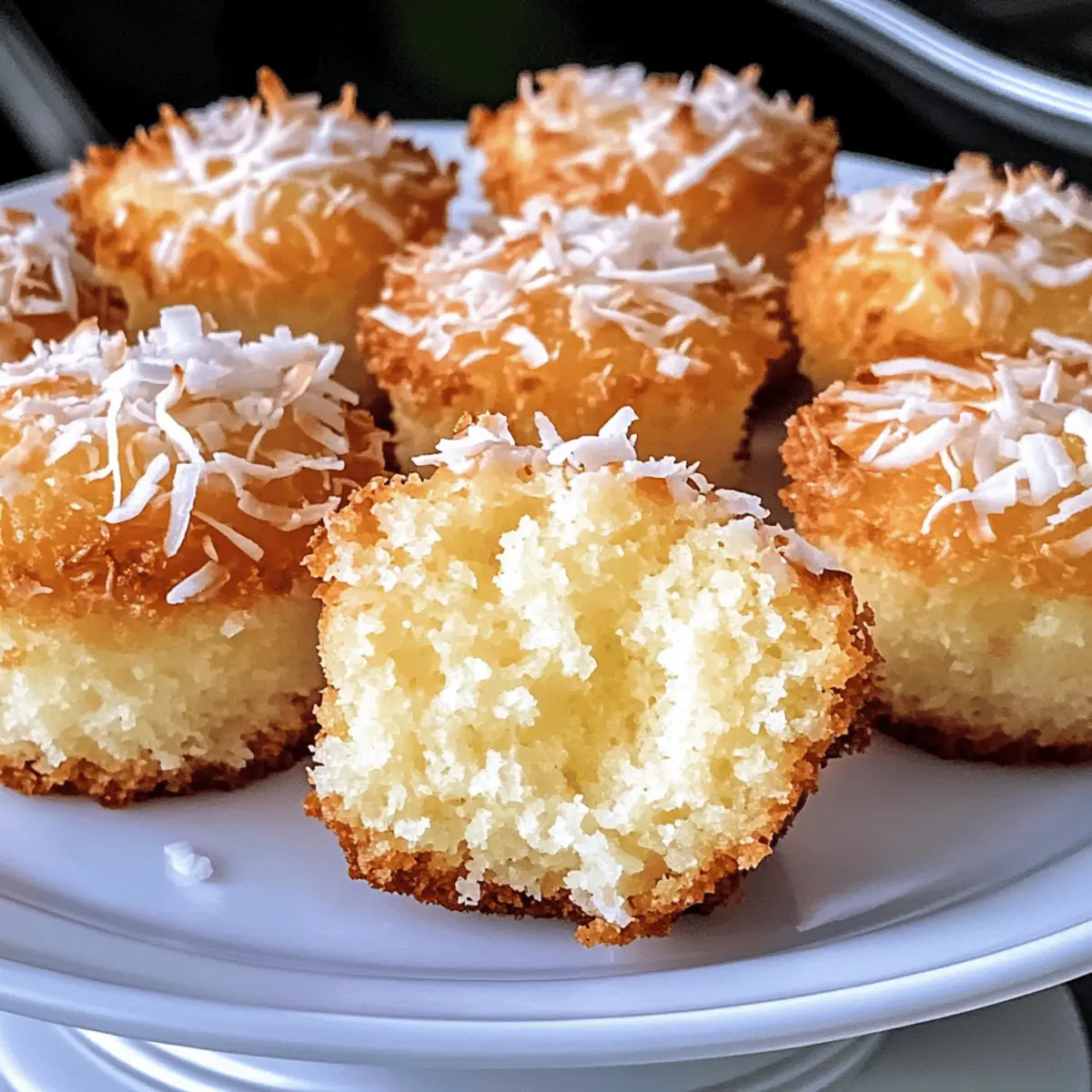
Here is everything you need to make twelve tender coconut cakes. Each ingredient plays an important role, and I have included a few handy swaps that the recipe supports. I like to use full fat coconut milk for the best flavor and texture, but a lighter version also works.
| Ingredient | Quantity | Notes & Substitutions |
|---|---|---|
| Coconut Milk | 1 cup | Provides moisture and tropical flavor. You can use almond milk for a dairy free option, though the coconut taste will be milder. |
| Shredded Coconut | 1 cup | Adds texture and flavor. Unsweetened coconut reduces sweetness if you prefer a less sugary cake. |
| Sugar | 3/4 cup | Sweetens and helps structure. Feel free to cut back to 1/2 cup for a lighter sweetness. |
| Eggs (large) | 2 | Bind the batter together. For a vegan version, substitute with flaxseed meal mixed with water. |
| All Purpose Flour | 1 cup | Forms the base structure. A gluten free flour blend can be used instead. |
| Baking Powder | 1 teaspoon | Helps the cakes rise. Make sure it is fresh for the fluffiest results. |
Before you start, take a moment to check that your baking powder is not expired. Old leavening is often the hidden reason behind flat cakes. Also, give your coconut milk can a good shake or stir because the cream and liquid tend to separate.
Step by Step Instructions
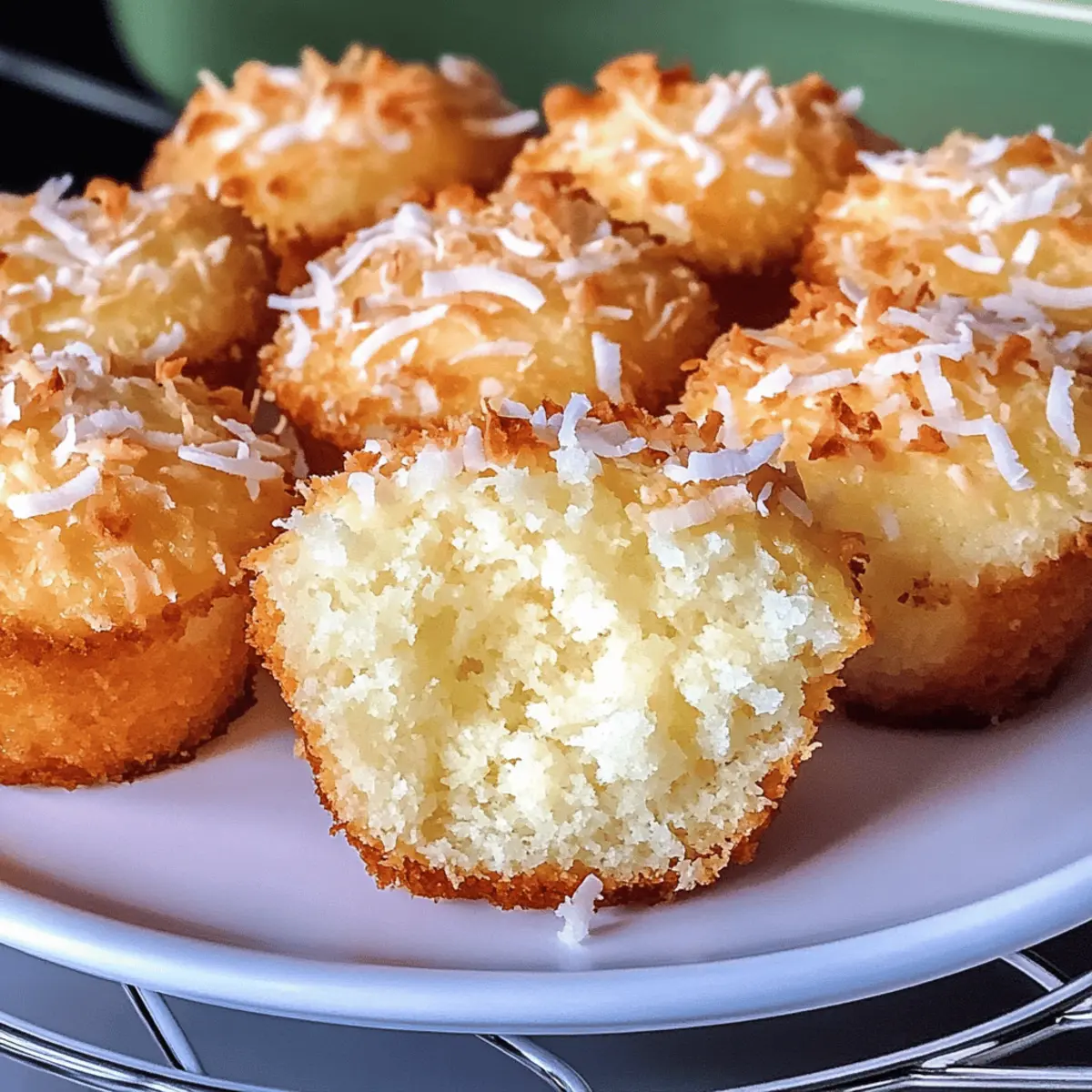
Baking these Bolos de Coco is a gentle, rewarding process. I find it relaxing to measure the ingredients, listen to the whisk, and then let the oven work its magic. Follow these steps, and you will have a dozen golden cakes before you know it.
- Preheat the oven. Set your oven to 350°F (175°C) and lightly grease a 12 cup muffin tin or small cake molds. Gathering your ingredients while the oven heats up saves time.
- Mix the wet ingredients. In a mixing bowl, combine the coconut milk, eggs, and sugar. Whisk until the sugar dissolves and the mixture looks smooth. You want no gritty sugar grains at the bottom.
- Combine the dry ingredients. In a separate bowl, whisk together the flour, shredded coconut, and baking powder. This step ensures the leavening and coconut are evenly distributed, so every cake bakes consistently.
- Fold wet and dry together. Gradually add the dry mixture into the wet bowl, stirring gently with a spatula or wooden spoon. Stop as soon as you no longer see streaks of flour. A few small lumps are perfectly fine. Overmixing can make the cakes tough, so a light hand is key.
- Fill and bake. Spoon the batter into the prepared molds, filling each one about two thirds full. This gives the cakes room to rise. Bake for about 25 minutes, until the tops turn golden and a toothpick inserted in the center of a cake comes out clean.
- Cool slightly and enjoy. Let the cakes rest in their molds for about 5 minutes. This brief pause helps them hold their shape when you turn them out. Transfer to a wire rack to cool completely or serve warm. They are delicious either way.
This recipe yields 12 cakes, with a total time of around 40 minutes. Each little cake comes in at about 180 calories, so they make a reasonably light sweet fix.
Expert Tips for Perfect Cakes
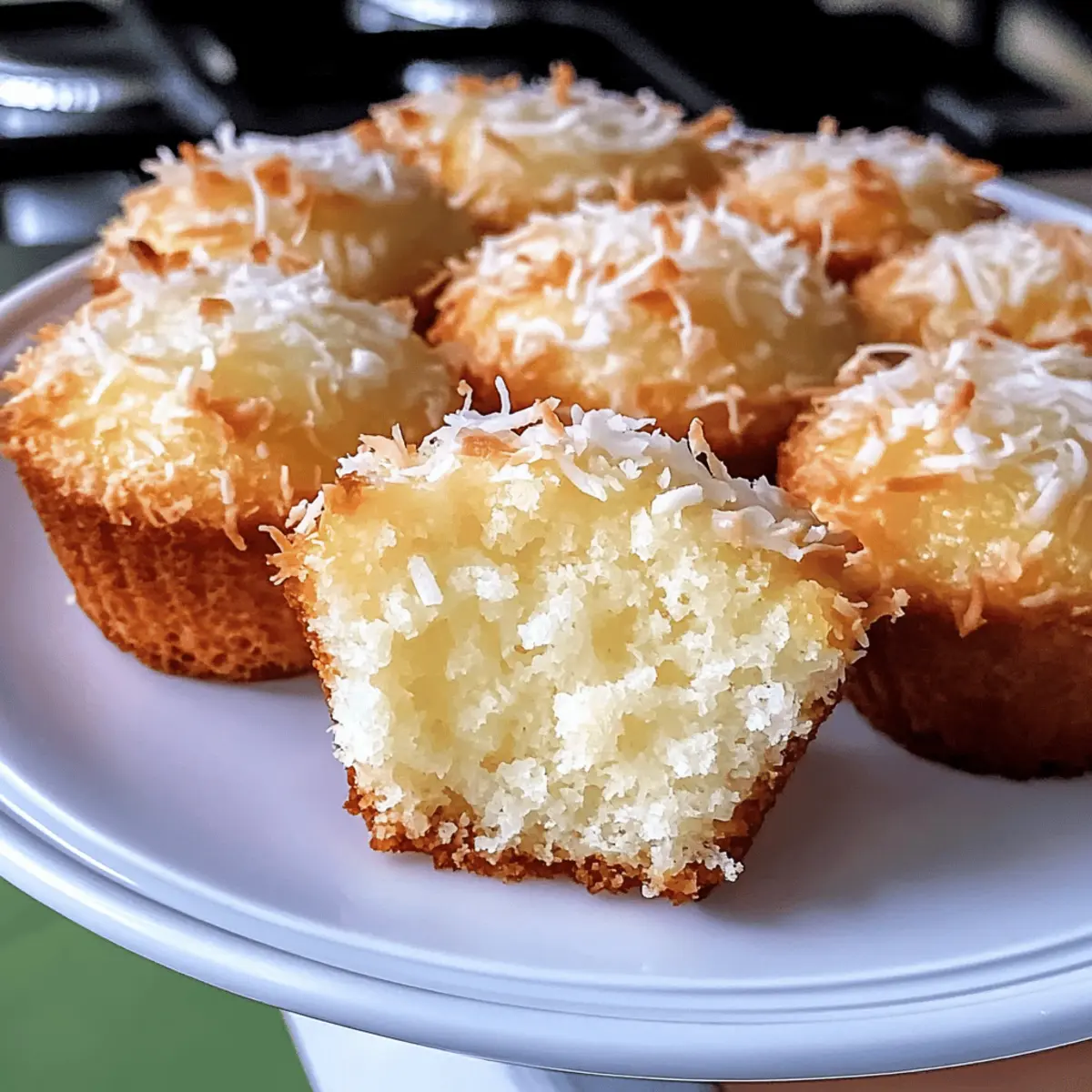
Over the years, I have learned a few tricks that make these coconut cakes turn out beautifully every time. The first one sounds tiny but makes a big difference: always stir or shake your can of coconut milk well before measuring.
The thick cream tends to settle at the top, and you want that rich goodness in every drop you pour.
Another crucial point is to treat your batter kindly. Once the flour goes in, stir just until everything comes together. Overmixing activates the gluten, and instead of fluffy little cakes you might end up with dense, chewy disappointments. If you see a few lumps, do not panic. They will dissolve during baking and actually help keep the crumb tender.
Fresh baking powder is non negotiable. I swap mine out every six months because even a slightly stale leavening can leave you with flat cakes. And when the cakes come out of the oven, resist the temptation to immediately pop them out of the molds.
Giving them those five minutes to settle means they will slide out cleanly and keep their pretty domed tops.
How to Store and Freeze
If you have any leftovers, which rarely happens in my house, you can keep these coconut cakes fresh by placing them in an airtight container at room temperature. They will stay soft and moist for up to three days.
For longer storage, wrap each cake individually in plastic wrap, then place them in a freezer safe bag or container. They freeze beautifully for up to a month.
When you are ready to enjoy a frozen cake, simply let it thaw at room temperature for about an hour.
You can also give it a quick warm up in the microwave for ten to fifteen seconds, or pop it into a 350°F oven for five to seven minutes until heated through. The reheated cake tastes almost as fresh as the day you baked it.
Portuguese Coconut Cakes Variations
Once you have mastered the basic recipe, it is so much fun to play with flavors. These little cakes are a wonderful blank canvas, and I have tried several twists that my family loves.
- Dairy Free Version. Swap the coconut milk for unsweetened almond milk. The texture stays light, though the coconut flavor softens a bit.
- Gluten Free Cakes. Use a quality one to one gluten free flour blend in place of the all purpose flour. The cakes may be a little more delicate, but just as tasty.
- Less Sweet Option. Reduce the sugar to 1/2 cup for a lighter, more breakfast friendly cake. The coconut still carries plenty of natural sweetness.
- Citrus Zest. Stir in the zest of one lemon or orange when you mix the wet ingredients. The bright citrus lifts the coconut and makes the whole kitchen smell incredible.
- Chocolate Delight. Fold a handful of mini chocolate chips into the batter. The melted pockets of chocolate are a hit with kids and adults alike.
- Nutty Crunch. Add a couple of tablespoons of chopped almonds or walnuts for extra texture and a subtle toasty flavor.
- Coconut Syrup Drizzle. While the cakes are still warm, brush them with a simple syrup made from sugar and a splash of coconut milk. It gives a gorgeous gloss and an extra boost of coconut.
- Tropical Fruit Topping. Serve the cakes topped with diced fresh mango or pineapple for a vibrant, juicy finish.
Make Ahead Options
Busy weeknights and last minute guests are no match for a little advance planning. You can prepare the wet mixture and the dry mixture separately up to 24 hours ahead of time.
Store the wet mixture in a covered bowl in the refrigerator and keep the dry mix in a sealed container on the counter. When you are ready to bake, simply combine the two and fill your molds.
This two bowl approach means you do all the measuring and whisking when you have a free moment, and then bake fresh cakes with practically zero fuss.
What to Serve with Portuguese Coconut Cakes
These versatile cakes pair beautifully with so many drinks and sides. When I serve them for a casual brunch, I like to set out a platter along with a few simple accompaniments so everyone can customize their plate.
- A scoop of creamy coconut ice cream turns a warm cake into a dessert worthy of company.
- A fresh tropical fruit salad with pineapple, mango, and a squeeze of lime adds juicy brightness.
- Hot espresso or strong coffee balances the gentle sweetness. It reminds me of a Portuguese café stop.
- A drizzle of coconut syrup or a dollop of lightly sweetened whipped cream makes each cake feel extra special.
- For a tea time treat, serve them with a handful of crisp biscotti on the side.
- On a warm day, a glass of sparkling lemonade or chilled mint tea is wonderfully refreshing alongside a coconut cake.
FAQs
How do I ensure my Portuguese coconut cakes turn out light and fluffy?
Can I make these coconut cakes dairy-free or vegan?
How should I store leftover Portuguese coconut cakes, and can I freeze them?
What is the best way to serve bolos de coco?
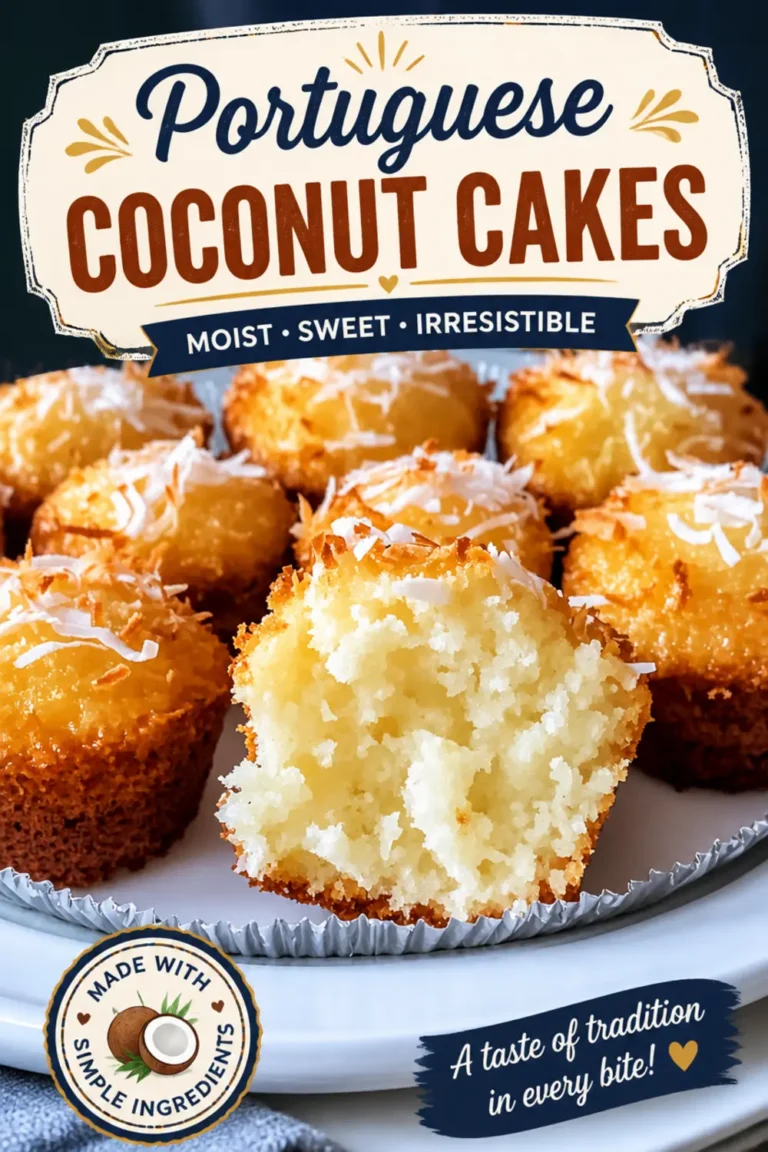
Deliciously Light Portuguese Coconut Cakes You’ll Love
What Are Portuguese Coconut Cakes? I still remember the first time I baked these little coconut gems.
- Total Time: 40 min
- Yield: 12 cakes 1x
Ingredients
For the Batter
1 cup Coconut Milk, Substitute with almond milk for non-dairy option
1 cup Shredded Coconut, Use unsweetened coconut to reduce sweetness
3/4 cup Sugar, Consider reducing the amount for less sweetness
2 large Eggs, Substitute with flaxseed meal mixed with water for vegan option
1 cup All-Purpose Flour, Can use gluten-free flour blend
1 tsp Baking Powder, Ensure freshness for best results
Instructions
Method
1-Preheat your oven to 350°F (175°C): Preheat your oven to 350°F (175°C). Gather your ingredients while the oven warms up.
2-In a mixing bowl, combine coconut milk,: In a mixing bowl, combine coconut milk, eggs, and sugar. Whisk until well blended.
3-In a separate bowl, whisk together all-purpose: In a separate bowl, whisk together all-purpose flour, shredded coconut, and baking powder.
4-Gradually add the dry ingredients into the: Gradually add the dry ingredients into the wet mixture, stirring gently until just incorporated.
5-Pour the batter into greased muffin tins: Pour the batter into greased muffin tins or small cake molds, filling them two-thirds full. Bake for about 25 minutes.
6-Allow the cakes to cool slightly in: Allow the cakes to cool slightly in their molds for about 5 minutes before removing them and letting them cool on a wire rack.
Last Step:
Please leave a rating and comment letting us know how you liked this recipe! This helps our business to thrive and continue providing free, high-quality recipes for you.- Prep Time: 10 min
- Cook Time: 25 min
- Method: Step-by-Step Instructions
Nutrition
- Serving Size: 1 cake
- Calories: 180kcal
- Sugar: 10g
- Sodium: 150mg
- Fat: 8g
- Saturated Fat: 6g
- Carbohydrates: 22g
- Fiber: 1g
- Protein: 3g
- Cholesterol: 50mg