


Why You’ll Love This Beef Bulgogi
Beef Bulgogi is a beloved Korean dish that brings bold flavors to your table with minimal effort. It’s made from thinly sliced beef, such as ribeye or top sirloin, marinated in a sweet and savory mix that tenderizes and infuses every bite with deliciousness. This recipe uses 1 ½ pounds of boneless ribeye steak sliced thin, combined with fresh ingredients like ½ small peeled and coarsely grated pear for natural sweetness, making it a go-to for home cooks looking for something exciting yet simple.
One of the best things about this Beef Bulgogi is its ease of preparation. It requires minimal ingredients and cooks quickly, ideal for busy parents or working professionals juggling tight schedules. You’ll appreciate how freezing the steak briefly helps with slicing it thin, ensuring tender results after marinating for at least 2 hours or overnight. Plus, the dish offers health benefits like high protein from the beef, which supports muscle growth, and healthy fats from sesame and vegetable oils.
This recipe shines with its versatility for different dietary needs. You can adapt it for gluten-free options by swapping soy sauce for tamari, or make it vegan with plant-based substitutes. The unique blend of flavors from garlic, ginger, and gochujang gives Beef Bulgogi its standout appeal, perfect for food enthusiasts exploring new tastes. Whether you’re a student whipping up a quick meal or a newlywed hosting a dinner, this dish creates memorable moments with its caramelized finish and optional garnishes like sliced green onions and sesame seeds.
Beef Bulgogi also supports overall wellness with its nutritional profile. It’s packed with lean protein and some carbohydrates from brown sugar and fruit, while the toasted sesame oil adds nutty richness. Serve it with rice, kimchi, perilla leaves, or cucumber slices for a complete meal that feels both comforting and exotic. This makes it a favorite among diet-conscious individuals who want flavor without overdoing calories.
Jump to:
- Why You’ll Love This Beef Bulgogi
- Essential Ingredients for Beef Bulgogi
- Main Ingredients
- Special Dietary Options
- How to Prepare the Perfect Beef Bulgogi: Step-by-Step Guide
- Dietary Substitutions to Customize Your Beef Bulgogi
- Mastering Beef Bulgogi: Advanced Tips and Variations
- Pro Cooking Techniques
- How to Store Beef Bulgogi: Best Practices
- FAQs: Frequently Asked Questions About Beef Bulgogi
- What cuts of beef work best for making bulgogi?
- Can I use fruits other than Asian pear in the bulgogi marinade?
- What is gochujang, and where can I buy it?
- How do I cook bulgogi without a cast iron grill pan?
- What are common side dishes served with bulgogi?
- Beef Bulgogi
- Ingredients
- Instructions
- Last Step:
- Notes
- Nutrition
- Did you make this recipe?
Essential Ingredients for Beef Bulgogi
Gathering the right ingredients is key to making authentic Beef Bulgogi. This section lists everything you need, based on the tried-and-true recipe that tenderizes and flavors the meat perfectly. By using these precise measurements, you’ll ensure a balanced dish that’s sweet, savory, and full of umami.
Main Ingredients
- 1 ½ pounds boneless ribeye steak sliced thin – This provides the tender, flavorful protein base.
- ½ small peeled and coarsely grated pear (or Fuji apple as a substitute) – Adds natural sweetness and helps tenderize the meat.
- ¼ cup soy sauce (preferably reduced sodium) – Brings savory depth and umami to the marinade.
- 2 tablespoons brown sugar – Balances the flavors with a touch of sweetness.
- 2 tablespoons toasted sesame oil – Contributes nutty richness and healthy fats.
- 3 cloves minced garlic – Enhances the aroma and overall flavor profile.
- 1 tablespoon freshly grated ginger – Provides a subtle spiciness and warmth.
- 1 tablespoon gochujang (Korean red chili paste) – Adds a spicy-sweet kick to the marinade.
- 2 tablespoons vegetable oil (divided) – Used for searing the beef in batches to achieve caramelization.
- 2 thinly sliced green onions – Garnishes the dish for a fresh, mild onion flavor.
- 1 teaspoon sesame seeds (optional) – Adds a nutty finish and visual appeal.
Special Dietary Options
For those with specific needs, here are some easy swaps to customize your Beef Bulgogi:
- Vegan: Use plant-based beef substitutes such as seitan or tofu, and swap soy sauce for gluten-free tamari.
- Gluten-free: Substitute regular soy sauce with tamari or coconut aminos to keep the umami without gluten.
- Low-calorie: Opt for lean cuts of beef or replace with mushrooms, and reduce the brown sugar quantity for a lighter version.
This structured list ensures you have every item needed, making it straightforward to shop and prepare. Remember, freezing the steak briefly makes slicing easier, which is a simple tip for getting those thin pieces just right.
How to Prepare the Perfect Beef Bulgogi: Step-by-Step Guide
Getting Beef Bulgogi right involves a few straightforward steps that lead to a mouthwatering result. Start by preparing your ingredients, including thinly slicing 1 ½ pounds of boneless ribeye steak against the grain for tenderness. This method, along with marinating for-camara at least 2 hours, helps the flavors from soy sauce, garlic, and gochujang really sink in. For more on storing your leftovers, check out our guide on storing Beef Bulgogi properly to keep it fresh.
First, gather and prep all ingredients. Thinly slice the beef ribeye and set aside the garlic, ginger, and green onions to make the process smooth. Then, in a large mixing bowl, combine ¼ cup soy sauce, 2 tablespoons brown sugar, 3 cloves minced garlic, 1 tablespoon freshly grated ginger, 2 tablespoons toasted sesame oil, and 1 tablespoon gochujang to create the marinade. This mix not only flavors but also tenderizes the meat, drawing from traditional Korean techniques.
Next, add the sliced beef to the marinade and mix until every piece is coated. Let it sit in the fridge for at least 2 hours or overnight for deeper flavor this step is crucial for that authentic taste. If you’re adapting for dietary needs, swap in tofu or mushrooms here. Preheat a heavy-bottomed or cast iron pan over medium-high heat, then add 1 tablespoon of the divided vegetable oil.
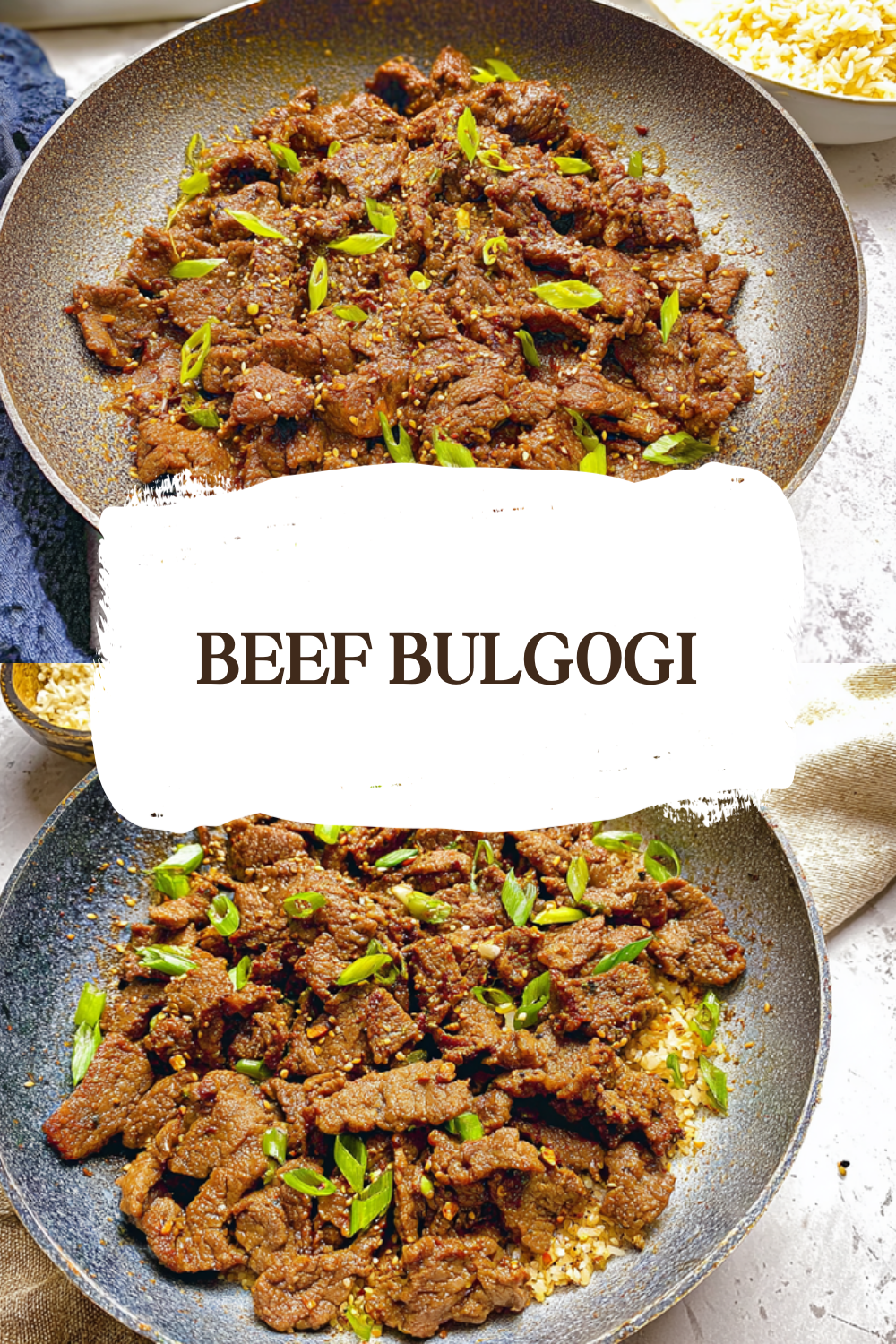
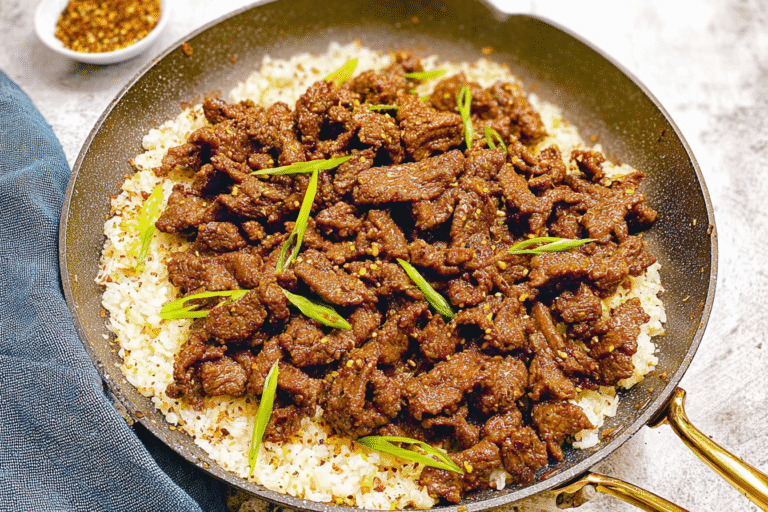
Cook the marinated beef in batches for 2-3 minutes per side to get that nice caramelization without steaming. Avoid overcrowding the pan to keep the meat juicy and flavorful. In the last minute, toss in the chopped green onions for a fresh touch. Finally, remove from heat, garnish with the remaining sliced green onions and optional sesame seeds, and serve hot with rice or lettuce wraps.
This approach ensures your Beef Bulgogi turns out perfectly every time. It’s a great way for busy parents or students to enjoy a homemade Korean classic without fuss for an external perspective on Korean BBQ, visit this detailed Beef Bulgogi guide.

Dietary Substitutions to Customize Your Beef Bulgogi
Beef Bulgogi is incredibly flexible, allowing you to tweak it for various preferences while keeping its core flavors intact. For instance, the marinade with 1 ½ pounds of thinly sliced ribeye and ingredients like grated pear and gochujang can be adjusted easily. This makes it suitable for diet-conscious individuals or those with restrictions, all while maintaining the high protein and healthy fats from sesame oil.
| Original Ingredient | Substitution Option | Reason for Change |
|---|---|---|
| 1 ½ pounds boneless ribeye steak | Thinly sliced chicken or tempeh | For lower fat or vegan alternatives |
| ¼ cup soy sauce | Tamari or coconut aminos | To make it gluten-free |
| 2 tablespoons brown sugar | Honey or maple syrup | For a different sweetness profile |
Protein alternatives include replacing beef with mushrooms or jackfruit for a vegan twist. Vegetable modifications might involve adding bell peppers or zucchini for extra nutrition. These changes keep the dish versatile for everyone from seniors to baking enthusiasts exploring new flavors.
Mastering Beef Bulgogi: Advanced Tips and Variations
Once you’re comfortable with the basics, dive into advanced techniques to elevate your Beef Bulgogi. Using a cast iron skillet ensures even heat for searing the marinated beef, and briefly broiling it afterwards adds extra caramelization. Remember, the marinade with pear, garlic, and gochujang works wonders when left(by) overnight, enhancing the tenderizing effect on the ribeye.
Pro Cooking Techniques
- Use high heat and cook in batches to avoid steaming the beef.
- Experiment with grilling outdoors if you don’t have a cast iron pan.
- Add pear puree for natural sweetness that complements the brown sugar.
Flavor variations can include a splash of Korean chili paste for more heat. Presentation tips involve serving on fresh greens with pickled vegetables. For make-ahead options, marinate overnight and store portions for weekly meals, tying into the healthy fats and proteins that make this dish so nutritious.
How to Store Beef Bulgogi: Best Practices
Proper storage keeps your Beef Bulgogi tasty and safe to eat later. After cooking the marinated beef with its caramelized finish, cool it quickly before storing. This dish, rich in protein from the ribeye and flavors from ginger and sesame oil, holds up well with the right methods.
- Refrigerate cooked Beef Bulgogi in an airtight container for up to 3-4 days.
- Freeze in portioned bags for up to 2 months to preserve its texture.
- Reheat gently in a skillet, adding a splash of water if needed.
Meal prep by separating the beef from rice and veggies for the best results. This way, you can enjoy Beef Bulgogi’s sweet-savory profile anytime, making it perfect for travelers or working professionals.
FAQs: Frequently Asked Questions About Beef Bulgogi
What cuts of beef work best for making bulgogi?
Can I use fruits other than Asian pear in the bulgogi marinade?
What is gochujang, and where can I buy it?
How do I cook bulgogi without a cast iron grill pan?
What are common side dishes served with bulgogi?
Beef Bulgogi
🥩 Experience the authentic taste of Korea with tender, marinated beef that melts in your mouth with every bite
🌟 Master the perfect balance of sweet and savory flavors in this classic bulgogi that will impress family and friends
- Total Time: 2 hours 35 minutes
- Yield: 4 servings
Ingredients
– 1 ½ pounds boneless ribeye steak sliced thin for tender, flavorful protein base
– ½ small peeled and coarsely grated pear (or Fuji apple as a substitute) for natural sweetness and tenderizing
– ¼ cup soy sauce (preferably reduced sodium) for savory depth and umami to the marinade
– 2 tablespoons brown sugar for balancing flavors and adding sweetness
– 2 tablespoons toasted sesame oil for nutty richness
– 3 cloves minced garlic for aroma and flavor
– 1 tablespoon freshly grated ginger for subtle spiciness and warmth
– 1 tablespoon gochujang (Korean red chili paste) for a spicy-sweet kick
– 2 tablespoons vegetable oil (divided) for searing the beef and achieving caramelization
– 2 thinly sliced green onions for garnish and mild onion flavor
– 1 teaspoon sesame seeds (optional) for nutty finish and visual appeal
– seitan
– tofu
– tamari
– coconut aminos
– lean cuts of beef
– mushrooms
Instructions
1-Getting Beef Bulgogi right involves a few straightforward steps that lead to a mouthwatering result. Start by preparing your ingredients, including thinly slicing 1 ½ pounds of boneless ribeye steak against the grain for tenderness. This method, along with marinating for-camara at least 2 hours, helps the flavors from soy sauce, garlic, and gochujang really sink in. For more on storing your leftovers, check out our guide on storing Beef Bulgogi properly to keep it fresh.
2-First, gather and prep all ingredients. Thinly slice the beef ribeye and set aside the garlic, ginger, and green onions to make the process smooth. Then, in a large mixing bowl, combine ¼ cup soy sauce, 2 tablespoons brown sugar, 3 cloves minced garlic, 1 tablespoon freshly grated ginger, 2 tablespoons toasted sesame oil, and 1 tablespoon gochujang to create the marinade. This mix not only flavors but also tenderizes the meat, drawing from traditional Korean techniques.
3-Next, add the sliced beef to the marinade and mix until every piece is coated. Let it sit in the fridge for at least 2 hours or overnight for deeper flavor this step is crucial for that authentic taste. If you’re adapting for dietary needs, swap in tofu or mushrooms here. Preheat a heavy-bottomed or cast iron pan over medium-high heat, then add 1 tablespoon of the divided vegetable oil.
4-Cook the marinated beef in batches for 2-3 minutes per side to get that nice caramelization without steaming. Avoid overcrowding the pan to keep the meat juicy and flavorful. In the last minute, toss in the chopped green onions for a fresh touch. Finally, remove from heat, garnish with the remaining sliced green onions and optional sesame seeds, and serve hot with rice or lettuce wraps.
Last Step:
Please leave a rating and comment letting us know how you liked this recipe! This helps our business to thrive and continue providing free, high-quality recipes for you.Notes
🔪 For the most tender bulgogi, slice the beef as thinly as possible against the grain – partially freezing makes this much easier
🍐 The natural enzymes in the pear (or apple) act as a meat tenderizer and add subtle sweetness to the marinade
🍳 Cook in batches and don’t overcrowd the pan to achieve that perfect caramelized exterior instead of steaming the meat
- Prep Time: 20 minutes
- Marinating Time: 2 hours minimum
- Cook Time: 15 minutes
- Category: Main Course
- Method: Pan-frying
- Cuisine: Korean
- Diet: Gluten-Free (use tamari instead of soy sauce)
Nutrition
- Serving Size: 1 serving
- Calories: 380
- Sugar: 12
- Sodium: 920
- Fat: 18
- Saturated Fat: 6
- Unsaturated Fat: 10
- Trans Fat: 0
- Carbohydrates: 22
- Fiber: 1
- Protein: 28
- Cholesterol: 75



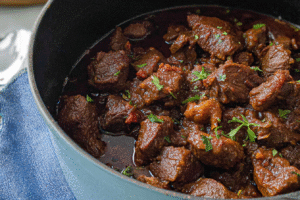
Made this Beef Bulgogi last night and it was a hit with my roommates.
I swapped the sugar for honey and added a splash of sesame oil at the end, and it came out caramelized and delicious 😊