

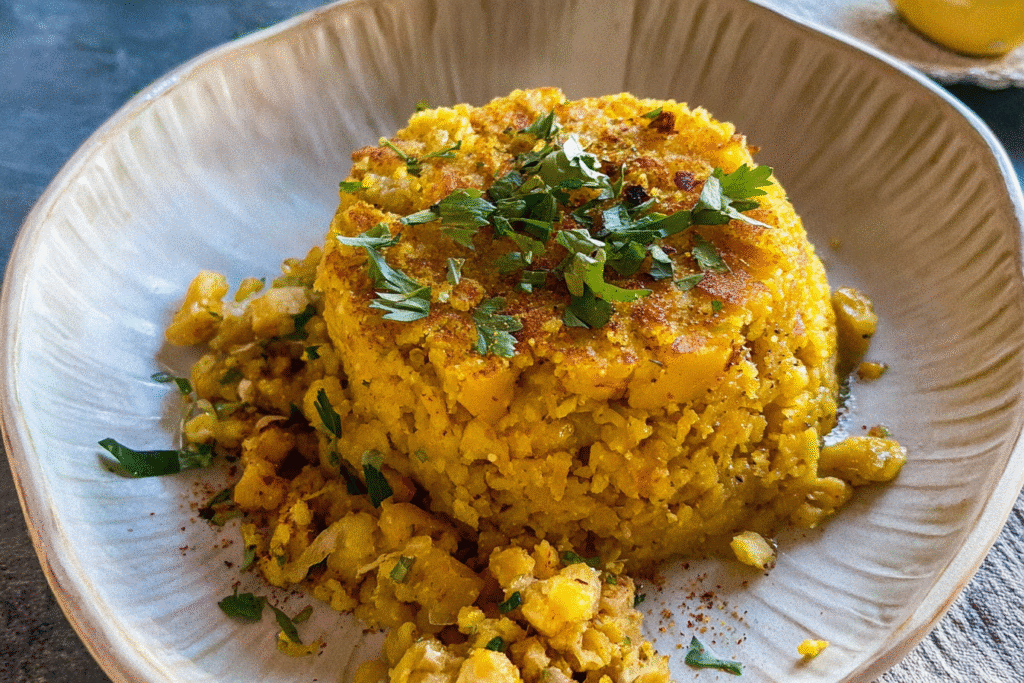
Why You’ll Love This Mofongo
Mofongo stands as a cornerstone of Puerto Rican cuisine, offering a delightful blend of textures and flavors that captivate food enthusiasts. Its preparation involves using green plantains as the base, typically 3 large ones that are fried, boiled, or roasted until tender, then mashed with garlic, pork, and fats in a wooden mortar to form a dense ball. Mofongo can be customized for various dietary preferences, making it a versatile dish that absorbs the essence of broths and sauces while providing nutritional benefits from its carbohydrates and proteins.
The dish appeals due to its straightforward process, requiring minimal ingredients that deliver maximum satisfaction. Its nutritional profile includes fiber and potassium from plantains, along with proteins from pork, which supports wellness for different lifestyles. Whether enjoyed as a quick meal or a cultural staple, mofongo remains a go-to option for those seeking authentic flavors in their cooking adventures.
- Ease of preparation: This mofongo recipe requires simple steps and common ingredients, allowing home cooks to prepare a satisfying meal in under an hour.
- Health benefits: Rich in dietary fiber and potassium from plantains, mofongo promotes heart health when made with healthy fats like olive oil.
- Versatility: Adaptable to vegan, gluten-free, or low-calorie diets by substituting proteins and seasonings, it suits busy parents and diet-conscious individuals alike.
- Distinctive flavor: The fusion of fried plantains, garlic, and savory pork creates a bold taste that elevates everyday meals for food enthusiasts and travelers.
This traditional dish is served hot as a main course, embodying the rich heritage of Puerto Rico with elements like chicharrón or bacon adding savory depth. Preparation time ranges from 30 minutes to an hour, depending on the method, such as frying for a crusty texture or roasting for tenderness, making it ideal for working professionals and seniors seeking nutritious options.
Jump to:
- Why You’ll Love This Mofongo
- Essential Ingredients for Mofongo
- Traditional Ingredients List
- Special Dietary Options
- How to Prepare the Perfect Mofongo: Step-by-Step Guide
- Dietary Substitutions to Customize Your Mofongo
- Protein and Main Component Alternatives
- Vegetable, Sauce, and Seasoning Modifications
- Mastering Mofongo: Advanced Tips and Variations
- Pro Cooking Techniques
- Flavor Variations
- How to Store Mofongo: Best Practices
- FAQs: Frequently Asked Questions About Mofongo
- What ingredients do I need to make traditional Puerto Rican mofongo?
- How do you prepare mofongo step-by-step at home?
- What are some popular variations of mofongo I can try?
- Where does mofongo come from and why is it so important in Puerto Rican culture?
- Can mofongo be made gluten-free and what should I watch out for?
- Mofongo
- Ingredients
- Instructions
- Last Step:
- Notes
- Nutrition
- Did you make this recipe?
Essential Ingredients for Mofongo
In crafting mofongo, selecting the right ingredients ensures authenticity and flavor. The core components include green plantains, garlic, pork, broth, and oils, which come together to form the dish’s signature texture and taste. Below is a comprehensive list of ingredients, drawing from traditional recipes to provide precise measurements for accurate preparation.
Traditional Ingredients List
- 3 large green plantains – Serve as the starchy base for the dish.
- 2-3 garlic cloves – Add aromatic depth to the mashed mixture.
- 150-200 grams pork such as bacon, chicharrón, or pork scraps – Contribute protein and fats for richness.
- 1 cup (240 ml) broth, commonly chicken or veal-based – Used to moisten and enhance the flavors of the plantains.
- 2-3 tablespoons olive oil or other fats – Essential for frying or roasting the plantains to achieve a crusty texture.
- Salt to taste – Balances the overall flavor of the dish.
This structured list covers every item needed, ensuring home cooks can follow along with exact quantities. Optional additions like sofrito or spices can enhance the dish further, accommodating various tastes and dietary needs. For instance, easy plantain recipes on our site can inspire additional tweaks.
Special Dietary Options
- Vegan: Substitute pork with sautéed mushrooms or fried tempeh to maintain the savory element.
- Gluten-free: The recipe uses naturally gluten-free ingredients, but confirm the broth is gluten-free.
- Low-calorie: Use avocado oil sparingly and replace pork with roasted chickpeas or vegetables.
Mofongo’s components are rich in carbohydrates from plantains and proteins from pork, offering a balanced meal for students and newlyweds. As highlighted by external sources, visiting plantain nutrition benefits can provide more insight into its health advantages.
How to Prepare the Perfect Mofongo: Step-by-Step Guide
Mastering mofongo begins with understanding its traditional preparation, which typically involves frying or roasting green plantains to create a crusty exterior before mashing. The plantains are peeled and cut into pieces, then cooked until tender, followed by mashing with garlic, pork, and fats in a pilón to form a dense ball. This method, which takes 30 minutes to an hour, ensures the dish soaks up flavors from broths or sauces for a satisfying main course.
- Peel and slice 3 large green plantains into 1-inch pieces. Prepare 2-3 garlic cloves by peeling and crushing them to release their aroma.
- Heat 2-3 tablespoons of olive oil in a large skillet over medium heat. Fry the plantain slices until golden and tender, which takes about 5-7 minutes, then drain excess oil.
- In a pilón or mixing bowl, mash the fried plantains with the garlic, 150-200 grams of pork such as chicharrón, salt to taste, and fats. Gradually add 1 cup of chicken broth to achieve a creamy consistency that holds shape.
- Taste and adjust seasoning as needed, incorporating optional sofrito or spices for enhanced flavor profiles.
- Shape the mixture into balls or mounds, then serve hot alongside meats, seafood, or broths.
For dietary adaptations, swap pork with vegan options like tempeh. Variations include stuffing with shrimp for camarofongo, as seen in Puerto Rican cooking guide resources. This step-by-step process highlights the dish’s evolution from Taíno, African, and Spanish influences.

Dietary Substitutions to Customize Your Mofongo
Customizing mofongo allows for flexibility to meet diverse needs, building on its core ingredients like green plantains and pork. By incorporating substitutions, individuals can adapt the recipe for vegan, low-fat, or other preferences while maintaining the dish’s dense texture and flavorful profile. These changes ensure mofongo remains a viable option for baking enthusiasts and busy parents alike.
Protein and Main Component Alternatives
- Replace 150-200 grams of pork with fried tofu or tempeh for a plant-based protein source.
- Use sautéed shrimp or chicken instead of pork to create high-protein variations like camarofongo.
- Opt for roasted vegetables or legumes to reduce fats, aligning with low-calorie diets.
Vegetable, Sauce, and Seasoning Modifications
- Swap garlic with roasted versions for a milder taste, enhancing the overall aroma.
- Incorporate herbs like cilantro or oregano to add freshness and seasonal flair.
- Adjust with hot sauces or tomato-based dressings to diversify flavors, catering to spice preferences.
These modifications highlight mofongo’s versatility, including bifongo or trifongo with starches like cassava, and support its role in Puerto Rican culture as a nutritious staple.
Mastering Mofongo: Advanced Tips and Variations
Advanced techniques elevate mofongo from a simple dish to a culinary art, drawing on traditional methods like using a pilón for authentic texture. Frying plantains twice enhances crispiness, while incorporating roasted garlic boosts aroma, resulting in a dish rich in carbohydrates and proteins. Variations such as bifongo, combining two starches, or trifongo with three, allow for creative expression in Puerto Rican cooking.
Pro Cooking Techniques
Employ a pilón to mash ingredients effectively, ensuring a dense consistency. For extra crispiness, fry plantains twice before mashing, and use broth to maintain moisture during preparation.
Flavor Variations
| Variation | Description |
|---|---|
| Bifongo | Mixes plantains with cassava for added texture |
| Trifongo | Incorporates three starches like sweet potatoes and breadfruit |
| Camarofongo | Stuffed with shrimp for a seafood twist |
Presentation tips include garnishing with herbs or avocado, while make-ahead options involve refrigerating the base for later use, ideal for meal prep.
How to Store Mofongo: Best Practices
Proper storage preserves mofongo’s texture and flavor, preventing it from drying out after preparation. As a dish made with perishable ingredients like pork and plantains, it requires refrigeration to maintain freshness. Following these guidelines ensures it remains enjoyable for up to several days.
- Refrigerate leftovers in an airtight container for up to 3 days to retain moisture.
- Freeze portions for longer storage, up to 1 month, and thaw in the refrigerator before reheating.
- Reheat gently in a skillet with added broth to preserve the dish’s dense ball shape and flavors.
This practice supports meal planning for working professionals and families, emphasizing mofongo’s role as a practical, nutritious option.

FAQs: Frequently Asked Questions About Mofongo
What ingredients do I need to make traditional Puerto Rican mofongo?
How do you prepare mofongo step-by-step at home?
What are some popular variations of mofongo I can try?
Where does mofongo come from and why is it so important in Puerto Rican culture?
Can mofongo be made gluten-free and what should I watch out for?
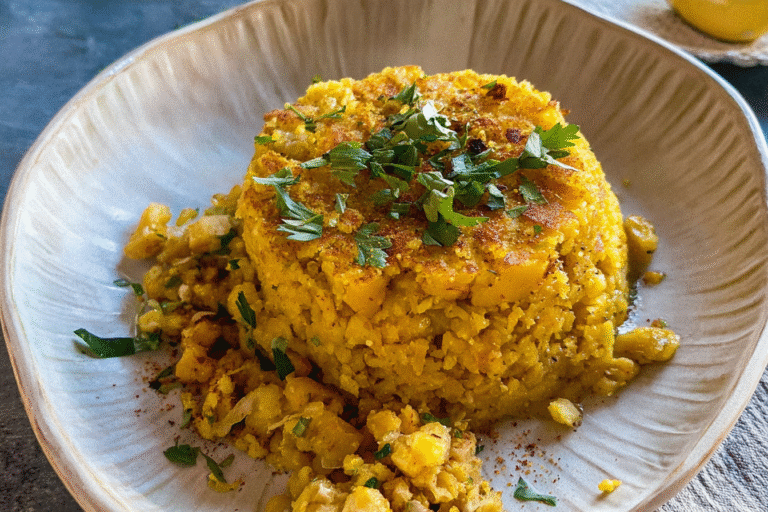
Mofongo
🍌 Experience the authentic taste of Puerto Rico with this traditional mofongo that brings together crispy plantains, savory pork, and aromatic garlic in every bite
🌿 Master this classic Caribbean dish that’s incredibly versatile – serve it as a main course or stuff it with your favorite proteins for a complete meal
- Total Time: 45 minutes
- Yield: 4 servings
Ingredients
– 3 large green plantains for the starchy base
– 2-3 garlic cloves for aromatic depth
– 150-200 grams pork such as bacon, chicharrón, or pork scraps for protein and fats
– 1 cup (240 ml) broth, commonly chicken or veal-based to moisten and enhance flavors
– 2-3 tablespoons olive oil or other fats for frying or roasting the plantains
– Salt to taste for balancing the overall flavor
– sofrito
– spices
– sautéed mushrooms
– fried tempeh
– roasted chickpeas
– vegetables
– avocado oil
Instructions
1- Peel and slice 3 large green plantains into 1-inch pieces. Prepare 2-3 garlic cloves by peeling and crushing them to release their aroma.
2- Heat 2-3 tablespoons of olive oil in a large skillet over medium heat. Fry the plantain slices until golden and tender, which takes about 5-7 minutes, then drain excess oil.
3- In a pilón or mixing bowl, mash the fried plantains with the garlic, 150-200 grams of pork such as chicharrón, salt to taste, and fats. Gradually add 1 cup of chicken broth to achieve a creamy consistency that holds shape.
4- Taste and adjust seasoning as needed, incorporating optional sofrito or spices for enhanced flavor profiles.
5- Shape the mixture into balls or mounds, then serve hot alongside meats, seafood, or broths.
Last Step:
Please leave a rating and comment letting us know how you liked this recipe! This helps our business to thrive and continue providing free, high-quality recipes for you.Notes
🍌 Choose plantains that are firm and green – yellow plantains will be too sweet and soft for traditional mofongo
🥘 A traditional wooden mortar (pilón) gives the best texture, but a heavy bowl and potato masher work well as alternatives
🌊 Make extra broth to serve alongside mofongo – the dense texture pairs perfectly with additional liquid for soaking
- Prep Time: 20 minutes
- Cook Time: 25 minutes
- Category: Main Dish
- Method: Frying and Mashing
- Cuisine: Puerto Rican
- Diet: Not vegetarian/vegan
Nutrition
- Serving Size: 1 mofongo ball
- Calories: 380
- Sugar: 8g
- Sodium: 680mg
- Fat: 18g
- Saturated Fat: 5g
- Unsaturated Fat: 11g
- Trans Fat: 0g
- Carbohydrates: 48g
- Fiber: 3g
- Protein: 12g
- Cholesterol: 35mg

Such a comforting mofongo recipe, it reminded me of family dinners 😊.
I used a mix of roasted garlic and olive oil instead of butter and it made the flavor pop.
Do you have tips for making it ahead for a dinner party?