
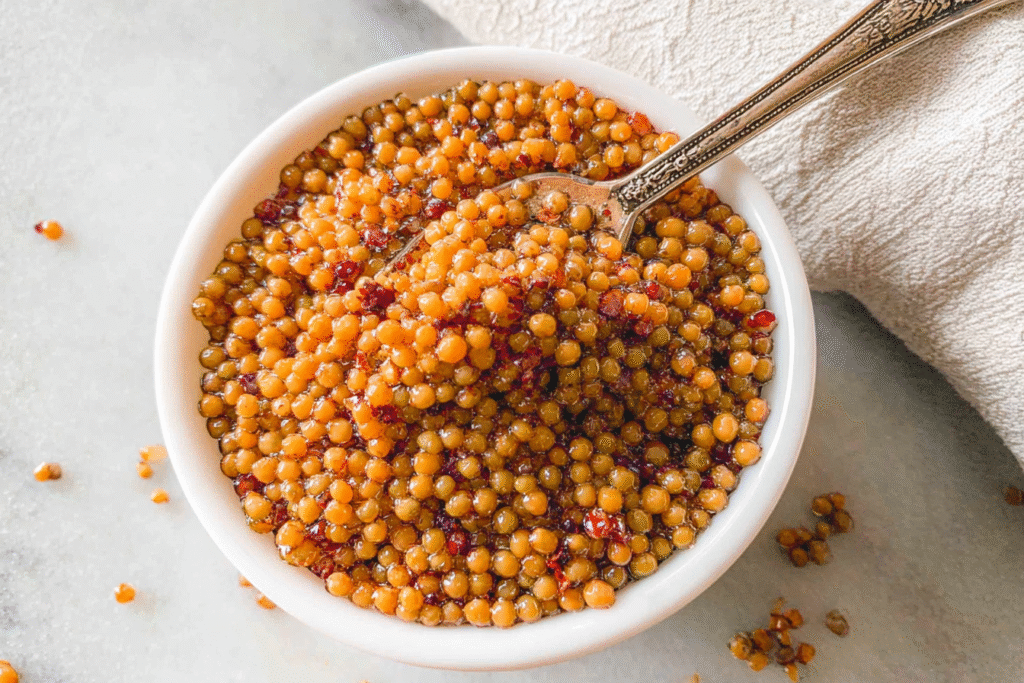
Why You’ll Love This Pickled Mustard Seeds
Pickled mustard seeds are a simple way to add that zesty punch to your meals, and this homemade pickled mustard seeds recipe makes it easier than ever. Imagine tiny seeds soaking up tangy flavors to create a burst of taste that brightens up everything from salads to sandwiches. With just a short prep time, you can whip up a batch that fits right into your busy routine, whether you’re a parent juggling dinner or a student experimenting in the kitchen.
One reason you’ll adore this recipe is its ease of preparation it only takes about 37 minutes total, from start to finish, making it perfect for anyone looking for quick kitchen wins. Plus, pickled mustard seeds bring health benefits like antioxidants and vitamins that support digestion and overall wellness, which is great news for diet-conscious folks. This versatile option adapts to various needs, being naturally vegan, gluten-free, and low-calorie if you tweak the sugar, so it works for busy parents, travelers, or seniors watching their intake.
More than that, the distinctive flavor of pickled mustard seeds adds a bold, tangy kick that elevates everyday dishes without overwhelming them. Picture them as tiny flavor bombs that bring excitement to your plate, inspiring you to explore new tastes with joy. Whether you’re a food enthusiast trying something new or a baking lover adding texture to treats, this recipe promises memorable moments around the table. For more on how to pickle mustard seeds for tangy flavor, check out our Quick Pickles Recipe on the site.
Jump to:
- Why You’ll Love This Pickled Mustard Seeds
- Essential Ingredients for Pickled Mustard Seeds
- Required Ingredients
- How to Prepare the Perfect Pickled Mustard Seeds: Step-by-Step Guide
- Getting Started with the Basics
- Cooking and Pickling Process
- Dietary Substitutions to Customize Your Pickled Mustard Seeds
- Mastering Pickled Mustard Seeds: Advanced Tips and Variations
- Flavor Boosts and Presentation Ideas
- How to Store Pickled Mustard Seeds: Best Practices
- FAQs: Frequently Asked Questions About Pickled Mustard Seeds
- What are pickled mustard seeds made from?
- How do pickled mustard seeds differ from regular mustard seeds?
- Are pickled mustard seeds healthy to eat?
- Which type of mustard seeds work best for pickling?
- How can I use pickled mustard seeds in recipes?
- Pickled Mustard Seeds
- Ingredients
- Instructions
- Last Step:
- Notes
- Nutrition
- Did you make this recipe?
Essential Ingredients for Pickled Mustard Seeds
Gathering the right ingredients is key to making pickled mustard seeds that turn out just right, and you’ll love how straightforward they are. Start with basic pantry staples like mustard seeds, which give this homemade pickled mustard seeds recipe its signature texture and taste. Keep things balanced with vinegar for that essential tang, and a touch of sugar and salt to round out the flavors.
Required Ingredients
- 4 ounces (about 113 grams) yellow mustard seeds
- 1 cup (240 ml) rice vinegar
- 2 tablespoons sugar (white or brown)
- 3 teaspoons kosher salt (reduce to 1.5 teaspoons if using table salt)
- 2 cloves garlic, peeled and lightly smashed (optional)
These ingredients form the base of your pickled mustard seeds, ensuring each one is packed with just the right amount of zing and sweetness. Remember, yellow mustard seeds provide a mild flavor that works wonders in this pickling process, while rice vinegar adds a gentle acidity.
Beyond the basics, this recipe is naturally vegan and gluten-free, making it a hit for various dietary needs. If you’re watching calories, simply cut back on the sugar to keep things light. For those curious about mustard seed benefits, learn more from this resource on mustard seed health.
How to Prepare the Perfect Pickled Mustard Seeds: Step-by-Step Guide
Diving into this homemade pickled mustard seeds recipe is a fun and rewarding process that anyone can master with a few simple steps. First, you’ll start by preparing your mustard seeds, which helps remove any bitterness and sets the stage for their tangy transformation. By the end, you’ll have a jar of flavorful seeds ready to enhance your favorite dishes in just 37 minutes total.
Getting Started with the Basics
Begin by rinsing the mustard seeds under cold water to clean them, then drain well this keeps your final product fresh and impurity-free. Next, in a saucepan, mix together the vinegar, sugar, and salt to create the brine that will give your seeds their signature pickling mustard seeds zing. Once boiling, let it simmer until everything dissolves smoothly, making sure the flavors blend just right.
Cooking and Pickling Process
Now, blanch the seeds by placing them in a pot of cold water, bringing it to a boil, and then draining them through a fine mesh strainer to reduce bitterness. Add the drained seeds to your jar along with any optional garlic for extra depth. Pour the hot vinegar mixture over the top, let it cool for about 30 minutes, seal the jar, and pop it in the fridge.
After refrigerating for 2 to 3 days, your pickled mustard seeds will be plump and ready to use, stored safely for up to 2 weeks. For adaptations, this recipe stays vegan and gluten-free as is, but you can reduce sugar for a low-calorie twist or adjust seasonings to fit your taste. If you’re exploring more pickling ideas, our Homemade Vinegar Guide offers great tips to expand your skills.
| Step | Action | Time Needed |
|---|---|---|
| 1 | Place seeds and garlic in jar | 2 minutes |
| 2 | Prepare and simmer brine | 5 minutes |
| 3 | Blanch and add seeds | 5 minutes |
| 4 | Cool and refrigerate | 30 minutes + 2-3 days |

Dietary Substitutions to Customize Your Pickled Mustard Seeds
One of the best parts of this pickled mustard seeds recipe is how easy it is to tweak for different tastes and needs, making it ideal for busy professionals or newlyweds starting out. You can swap ingredients to fit your diet without losing that tangy flavor we all love. Let’s look at some simple changes that keep things fresh and exciting.
- Switch yellow mustard seeds with black ones for a bolder taste, depending on what you have on hand.
- Use low-sodium vegetable broth in place of water to add more depth to the brine.
- Incorporate sliced chili peppers or garlic for an extra kick that spices things up.
- Opt for apple cider vinegar instead of rice vinegar to give a fruitier twist.
- Add herbs like dill to bring in new flavors that match seasonal ingredients.
These swaps help maintain the core of pickled mustard seeds while catering to vegan, gluten-free, or low-calorie preferences. For more on nutrition, check out this guide to mustard nutrition.
Mastering Pickled Mustard Seeds: Advanced Tips and Variations
Once you’re comfortable with the basics of pickling mustard seeds, you can level up with some pro techniques that make your homemade version even better. Toasting the seeds lightly before you start adds a nutty depth that takes the flavor to the next level. Pay close attention to simmering times to keep the seeds from getting too soft, preserving that satisfying pop in every bite.
Flavor Boosts and Presentation Ideas
Try swapping sugar for honey to create a sweeter variation, or toss in spices like star anise for an exotic touch. When it comes to serving, scatter pickled mustard seeds on salads or charcuterie boards for a fun texture that wows your guests. For make-ahead options, prepare larger batches and let them sit in the fridge to mature flavors over a week or more.
This approach lets you enjoy the unique zing of pickled mustard seeds in new ways, turning everyday meals into something special.
How to Store Pickled Mustard Seeds: Best Practices
Proper storage is crucial to keep your pickled mustard seeds tasting great and lasting longer, so let’s cover the essentials. Keep them in an airtight jar in the fridge for up to 4 weeks to lock in freshness. Avoid freezing, as it can make the texture go soft and alter the flavor we love so much.
- Use tightly sealed containers to prevent any fridge odors from sneaking in.
- Serve them cold or at room temperature for the best crunch.
- Prep in advance by dividing into smaller jars for easy weeknight use.
FAQs: Frequently Asked Questions About Pickled Mustard Seeds
What are pickled mustard seeds made from?
How do pickled mustard seeds differ from regular mustard seeds?
Are pickled mustard seeds healthy to eat?
Which type of mustard seeds work best for pickling?
How can I use pickled mustard seeds in recipes?

Pickled Mustard Seeds
🌱 Elevate your culinary creations with these homemade pickled mustard seeds that deliver a perfect balance of tangy, slightly sweet flavor and delightful texture to any dish
🥄 Master the art of gourmet condiment making with this simple recipe that transforms humble mustard seeds into a sophisticated topping perfect for charcuterie boards, sandwiches, and cheese plates
- Total Time: 37 minutes
- Yield: About 1 cup
Ingredients
– 4 ounces (about 113 grams) yellow mustard seeds
– 1 cup (240 ml) rice vinegar
– 2 tablespoons sugar (white or brown)
– 3 teaspoons kosher salt (reduce to 1.5 teaspoons if using table salt)
– 2 cloves garlic, peeled and lightly smashed (optional)
Instructions
1-Place seeds and garlic in jar
2-Prepare and simmer brine
3-Blanch and add seeds
4-Cool and refrigerate
Last Step:
Please leave a rating and comment letting us know how you liked this recipe! This helps our business to thrive and continue providing free, high-quality recipes for you.Notes
🌡️ Blanching the mustard seeds before pickling helps reduce bitterness and ensures they plump up properly in the brine
🌶️ Add heat by including hot pepper slices or red pepper flakes before pouring in the brine for a spicy variation
⏰ The seeds are ready when softened and plump with absorbed tangy flavor – this typically takes 2-3 days in the refrigerator
- Prep Time: 2 minutes
- Cooling time: 30 minutes
- Cook Time: 5 minutes
- Category: Condiment
- Method: Pickling/Blanching
- Cuisine: International
- Diet: Vegan/Vegetarian/Gluten-Free
Nutrition
- Serving Size: 1 tablespoon
- Calories: 81
- Sugar: 4g
- Sodium: 874mg
- Fat: 5g
- Saturated Fat: 0.2g
- Unsaturated Fat: 4g
- Trans Fat: 0g
- Carbohydrates: 7g
- Fiber: 2g
- Protein: 3g
- Cholesterol: 0mg
Absolutely loved this pickled mustard seeds recipe, the seeds are so crunchy and add a little zing to sandwiches and roasted veggies.
How long do you recommend letting them rest before using for peak flavor?
I tried a small jar with apple cider vinegar and a touch of honey and it turned out amazing 😊