

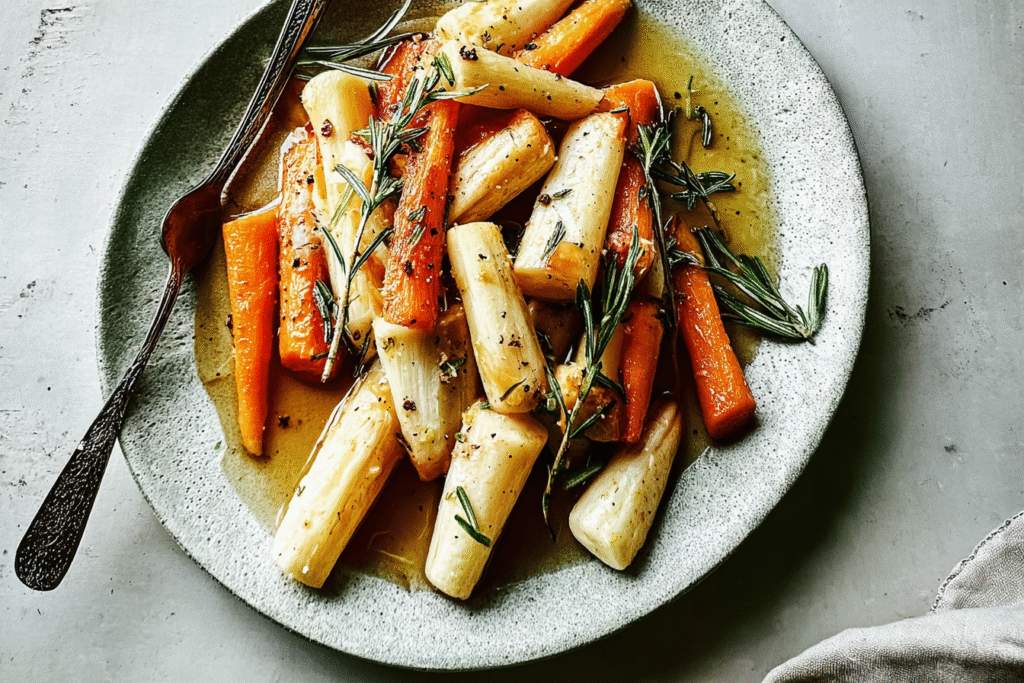
Why You’ll Love This Tarragon
Tarragon, scientifically known as Artemisia dracunculus, is a flowering herb in the daisy family native to Europe and Asia, offering both culinary and medicinal value that makes it a favorite among home cooks and health enthusiasts. This herb stands out for its ease of preparation in recipes, where its unique anise-like flavor enhances dishes without overwhelming other ingredients. French tarragon, the culinary variety, is particularly cherished for its aromatic leaves, which are used fresh or dried to add depth to meals like chicken and fish, though it must be propagated by root division as it rarely produces viable seeds.
One key reason to appreciate tarragon is its health benefits, as it contains antioxidants and essential nutrients that support digestion and overall wellness. The plant grows up to 4 to 5 feet tall with slender branches and narrow, glossy green leaves measuring 1 to 3 inches, providing a nutritious addition to balanced diets. For those seeking versatility, tarragon adapts easily to various dietary needs, such as vegan or gluten-free options, while its distinctive flavor pairs well with cheese, vegetables, and in salads or stews. Overall, tarragon’s subtle licorice-like taste from the compound estragole adds a memorable complexity that elevates everyday cooking.
Beyond flavor, tarragon is often part of seasoning blends in regional dishes, making it ideal for busy parents and working professionals who want quick, flavorful meals. Russian tarragon, which can be grown from seed, offers a milder taste for those in colder climates, while Mexican tarragon serves as a robust alternative in warmer areas. This herb is compounded with butter for grilling meats or steeped in vinegar for dressings, ensuring it fits into diverse meal plans for students, seniors, and food enthusiasts alike. Its safe culinary use in small amounts further reassures diet-conscious individuals, promoting enjoyable and healthy eating habits.
Key Features of Tarragon
- Ease of Use: Incorporate 1 to 2 tablespoons of fresh leaves at the end of cooking to preserve aroma, ideal for novice cooks exploring new flavors.
- Nutritional Value: Rich in estragole, it supports wellness when used moderately, as typical amounts are considered safe despite some toxicity in animal studies.
- Propagation Tips: Gardeners should plant French tarragon in well-drained soil via root division, while Russian tarragon thrives from seeds for easier cultivation.
For more on growing herbs at home, check out our herb garden guide on the blog. This resource provides detailed steps for beginners, helping you integrate tarragon into your kitchen routine seamlessly.
Jump to:
- Why You’ll Love This Tarragon
- Key Features of Tarragon
- Essential Ingredients for Tarragon
- Main Ingredients
- Special Dietary Options
- How to Prepare the Perfect Tarragon: Step-by-Step Guide
- Dietary Substitutions to Customize Your Tarragon
- Mastering Tarragon: Advanced Tips and Variations
- Pro Cooking Techniques
- Flavor and Presentation Ideas
- How to Store Tarragon: Best Practices
- FAQs: Frequently Asked Questions About Tarragon
- What are the differences between French tarragon and Russian tarragon?
- How can I grow French tarragon if it doesn’t produce seeds?
- What are common culinary uses of tarragon in cooking?
- Is it safe to consume tarragon regularly considering its chemical components?
- What is the best substitute for tarragon if I can’t find French tarragon?
- Tarragon
- Ingredients
- Instructions
- Last Step:
- Notes
- Nutrition
- Did you make this recipe?
Essential Ingredients for Tarragon
When preparing dishes with tarragon, selecting the right ingredients ensures the herb’s aromatic qualities shine through in recipes like sauces or salads. French tarragon leaves are essential for their strong flavor, while the plant’s growth habits make it a practical choice for home gardens. Below is a comprehensive list of ingredients extracted from the provided recipe, formatted for clarity with precise measurements to guide you in creating delicious, balanced meals.
Main Ingredients
- 2 tablespoons fresh tarragon leaves – Provides the signature licorice-like flavor and aroma that characterizes the dish.
- 500 grams chicken breast – Offers lean protein, making the dish hearty and satisfying.
- 3 garlic cloves, minced – Enhances the savory depth and complements the tarragon’s flavor.
- 2 tablespoons olive oil – Used for sautéing, adds healthy fats and richness.
- 1 tablespoon lemon juice – Adds acidity to balance flavors and brighten the dish.
Special Dietary Options
- For vegan adaptations: Firm tofu or tempeh to substitute for chicken, maintaining protein while keeping the dish plant-based.
- For gluten-free needs: Ensure all sauces and spices are certified gluten-free to accommodate sensitivities.
- For low-calorie versions: Use cooking spray instead of olive oil and substitute chicken with low-fat white fish to reduce calorie content.
Tarragon’s versatility extends to its use in classic French sauces like béarnaise, where fresh leaves are added near the end of cooking to preserve their essence. For instance, steeping 2 to 3 sprigs in 250 ml (1 cup) of vinegar creates tarragon vinegar, a staple for dressings. Combining 2 to 3 tablespoons of softened butter with 1 tablespoon of chopped fresh tarragon makes a flavorful topping for grilled meats, highlighting the herb’s role in everyday cooking.
How to Prepare the Perfect Tarragon: Step-by-Step Guide
Preparing tarragon-infused dishes involves simple steps that emphasize the herb’s aromatic profile, derived from its estragole compound, which gives a subtle licorice-like taste. Begin by gathering fresh tarragon leaves, as French tarragon is preferred for its robust flavor and is best propagated by root division for consistent quality. This guide adapts to various proteins, ensuring the herb’s essence enhances the meal without overpowering it.
- Gather all ingredients and tools, including fresh tarragon, protein choice, olive oil, garlic, and lemon juice. Wash and dry the tarragon leaves thoroughly to remove any impurities and preserve their glossy green appearance.
- Prepare the protein by trimming excess fat and cutting it into even pieces for uniform cooking; marinate with minced garlic, lemon juice, and chopped tarragon for 15 minutes to enhance flavor and allow the herb’s aroma to infuse deeply.
- Heat olive oil in a pan over medium heat. Add the marinated protein and cook evenly, about 5-7 minutes each side for chicken, while adjusting timing for other proteins to prevent overcooking and maintain tenderness.
- During the last 2 minutes of cooking, add additional chopped tarragon and a splash of lemon juice to intensify aroma and taste, as this preserves the herb’s volatile oils and avoids bitterness from high heat.
- For vegan or gluten-free adaptations, replace the protein accordingly, such as using tofu, and monitor cooking times to ensure everything is perfectly done without losing the dish’s distinctive profile.
- Plate the tarragon-infused dish, garnish with fresh tarragon sprigs and a lemon wedge, and serve immediately for the best flavor and texture, allowing the herb’s culinary history in dishes like béarnaise to shine through.
Tarragon pairs well with eggs, fish, and vegetables, as its leaves are often used fresh in salads to retain their 1 to 3-inch glossy green form. Russian tarragon, with its milder flavor, can be a substitute if French tarragon is unavailable, though it grows more easily from seed. This step-by-step approach, drawing from traditional methods, helps busy parents and working professionals create memorable meals quickly.

Dietary Substitutions to Customize Your Tarragon
Customizing tarragon recipes allows for flexibility, especially considering the herb’s varieties like French and Russian tarragon, which differ in flavor and propagation methods. French tarragon, propagated by root division, offers a strong anise-like taste ideal for protein-based dishes, while substitutions can cater to specific dietary needs without losing the herb’s essence. Below, explore options that incorporate tarragon’s role in seasoning blends and regional cuisines.
| Category | Substitution Options | Benefits |
|---|---|---|
| Protein Alternatives | Tofu, tempeh, or seitan for vegan diets; turkey or duck for poultry variations; cod or salmon for seafood. | Maintains protein content while adapting to preferences, ensuring tarragon’s flavor complements new textures. |
| Vegetable and Seasoning Changes | Add zucchini, bell peppers, or asparagus; use coconut milk for sauces; incorporate mustard or fennel seeds. | Enhances freshness and reduces sodium, aligning with low-calorie or health-focused diets. |
Tarragon’s use in vinegar or butter spreads, such as steeping 2 to 3 sprigs in 250 ml of vinegar, makes it easy to adapt for diet-conscious individuals. For those in warmer climates, Mexican tarragon serves as a robust substitute, providing a similar anise-like taste. These modifications support travelers and newlyweds experimenting with global flavors while keeping meals accessible.
Mastering Tarragon: Advanced Tips and Variations
Pro Cooking Techniques
Mastering tarragon involves understanding its growth and uses, such as the 4 to 5 feet tall plant with narrow leaves, to enhance dishes effectively. Use slow poaching to preserve the delicate flavor of French tarragon, which is best propagated by root division and planted in well-drained soil. This method maintains the herb’s tender texture and aromatic qualities, making it suitable for complex recipes.
Flavor and Presentation Ideas
Experiment with flavor variations by adding white wine or cream for sauce depth, or combine tarragon with thyme and parsley to create herbal complexity. For presentation, serve on warmed plates with a drizzle of infused herb oil and edible flowers to boost visual appeal. Lightly bruising 1 to 2 tablespoons of fresh leaves releases their flavor, a technique that pairs well with cheese and vegetables in salads or stews.
Make-ahead options include preparing protein and sauce components in advance, storing them separately in airtight containers, and combining just before serving. This approach, useful for baking enthusiasts and seniors, leverages tarragon’s safety in small culinary amounts, as estragole poses minimal risk. For deeper insights into herb preservation, explore our preserving herbs guide, which offers tips for long-term storage.
How to Store Tarragon: Best Practices
Proper storage of tarragon preserves its aromatic leaves, which measure 1 to 3 inches and are key to its use in culinary applications like sauces and vinegar. French tarragon, valued for its strong flavor, should be handled carefully since it doesn’t grow from seed and requires root division for propagation. Follow these methods to maintain freshness and extend shelf life.
- Refrigerate fresh tarragon sprigs by wrapping them loosely in damp paper towels and placing them in a perforated plastic bag in the vegetable drawer, keeping them fresh for up to one week.
- Freeze chopped tarragon leaves in ice cube trays with water or olive oil to lock in flavor for several months, ideal for busy parents needing quick additions to meals.
- Gently reheat tarragon dishes over low heat to prevent the loss of the herb’s fragrance and avoid overcooking, ensuring the anise-like taste remains intact.
- For meal prep, store components separately, especially fresh herbs, and add tarragon just before serving to retain optimal taste, particularly for Russian tarragon grown from seed in colder areas.
Tarragon’s role in enhancing grilled meats and fish, as when combined with butter, underscores the importance of storage to preserve its unique flavor profile.
FAQs: Frequently Asked Questions About Tarragon
What are the differences between French tarragon and Russian tarragon?
How can I grow French tarragon if it doesn’t produce seeds?
What are common culinary uses of tarragon in cooking?
Is it safe to consume tarragon regularly considering its chemical components?
What is the best substitute for tarragon if I can’t find French tarragon?
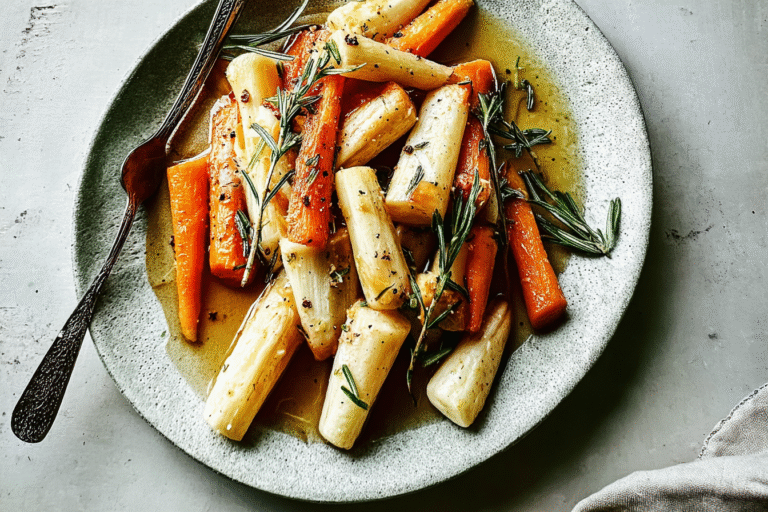
Tarragon
🌿 Discover the aromatic charm of Tarragon, a versatile herb that enhances a variety of dishes with its subtle licorice-like flavor.
🍽️ Ideal for enriching sauces, salads, and grilled dishes, Tarragon’s unique aroma elevates everyday cooking with fresh, vibrant notes.
- Total Time: 1 week and 5 minutes
- Yield: Varies depending on use
Ingredients
2 tablespoons fresh tarragon leaves Provides the signature licorice-like flavor and aroma that characterizes the dish
500 grams chicken breast Offers lean protein, making the dish hearty and satisfying
3 garlic cloves, minced Enhances the savory depth and complements the tarragon’s flavor
2 tablespoons olive oil Used for sautéing, adds healthy fats and richness
1 tablespoon lemon juice Adds acidity to balance flavors and brighten the dish
Firm tofu or tempeh to substitute for chicken, maintaining protein while keeping the dish plant-based
Instructions
1-Gather all ingredients and tools: including fresh tarragon, protein choice, olive oil, garlic, and lemon juice. Wash and dry the tarragon leaves thoroughly to remove any impurities and preserve their glossy green appearance.
2-Prepare the protein: by trimming excess fat and cutting it into even pieces for uniform cooking; marinate with minced garlic, lemon juice, and chopped tarragon for 15 minutes to enhance flavor and allow the herb’s aroma to infuse deeply.
3-Heat olive oil in a pan over medium heat. Add the marinated protein and cook evenly, about 5-7 minutes each side for chicken, while adjusting timing for other proteins to prevent overcooking and maintain tenderness.
4-During the last 2 minutes of cooking, add additional chopped tarragon and a splash of lemon juice to intensify aroma and taste, as this preserves the herb’s volatile oils and avoids bitterness from high heat.
5-For vegan or gluten-free adaptations, replace the protein accordingly, such as using tofu, and monitor cooking times to ensure everything is perfectly done without losing the dish’s distinctive profile.
6-Plate the tarragon-infused dish, garnish with fresh tarragon sprigs and a lemon wedge, and serve immediately for the best flavor and texture, allowing the herb’s culinary history in dishes like béarnaise to shine through.
Last Step:
Please leave a rating and comment letting us know how you liked this recipe! This helps our business to thrive and continue providing free, high-quality recipes for you.Notes
🌱 Use fresh tarragon leaves added at the end of cooking to preserve its aroma and flavor.
🍶 Tarragon vinegar is easily made by steeping fresh sprigs in vinegar for a unique condiment.
🧈 Combine tarragon with butter to create a flavorful spread perfect for grilled meats and seafood.
- Prep Time: 5 minutes
- Steeping Time: 1 week
- Cook Time: 0 minutes
- Category: Herb Guide
- Method: Steeping, Mixing, Fresh Use
- Cuisine: French/European
- Diet: Vegan
Nutrition
- Serving Size: Varies
- Calories: 5 kcal
- Sugar: 0 g
- Sodium: 0 mg
- Fat: 0 g
- Saturated Fat: 0 g
- Unsaturated Fat: 0 g
- Trans Fat: 0 g
- Carbohydrates: 1 g
- Fiber: 0.3 g
- Protein: 0.1 g
- Cholesterol: 0 mg



I’ve always loved the subtle anise flavor that tarragon adds to dishes. This post inspired me to try using it in a homemade salad dressing, and it turned out amazing! Do you have any tips for growing tarragon at home? 🌿