

What is kimchi?
Traditional Napa Cabbage Kimchi, known as baechu kimchi in Korean, is the country’s national dish and a staple of nearly every Korean meal. Kimchi refers to a broad category of fermented vegetables, but the most iconic version uses napa cabbage as the base. The process relies on lacto fermentation, where naturally present bacteria convert sugars into lactic acid, giving kimchi its signature tangy, funky flavor and preserving it naturally.
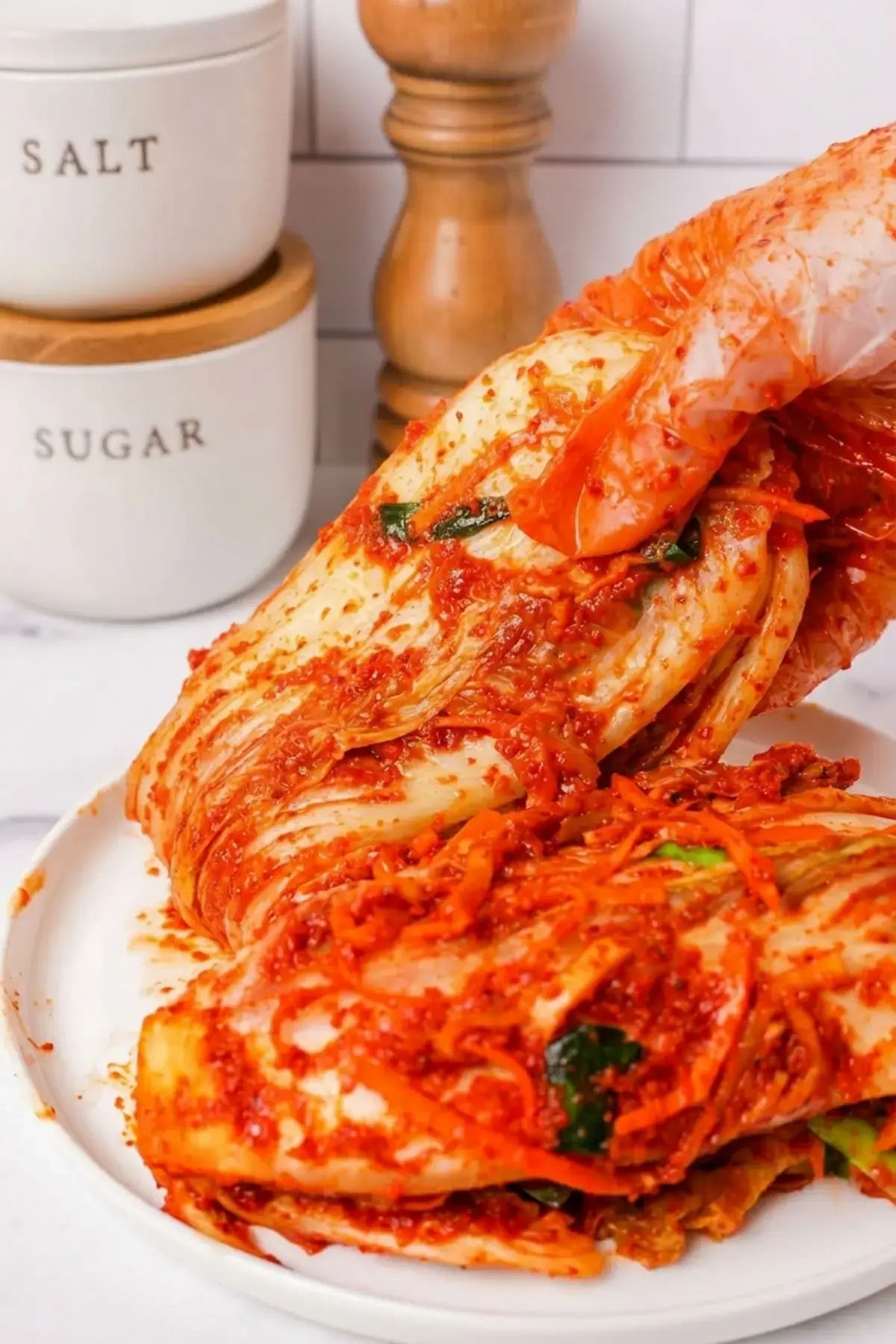
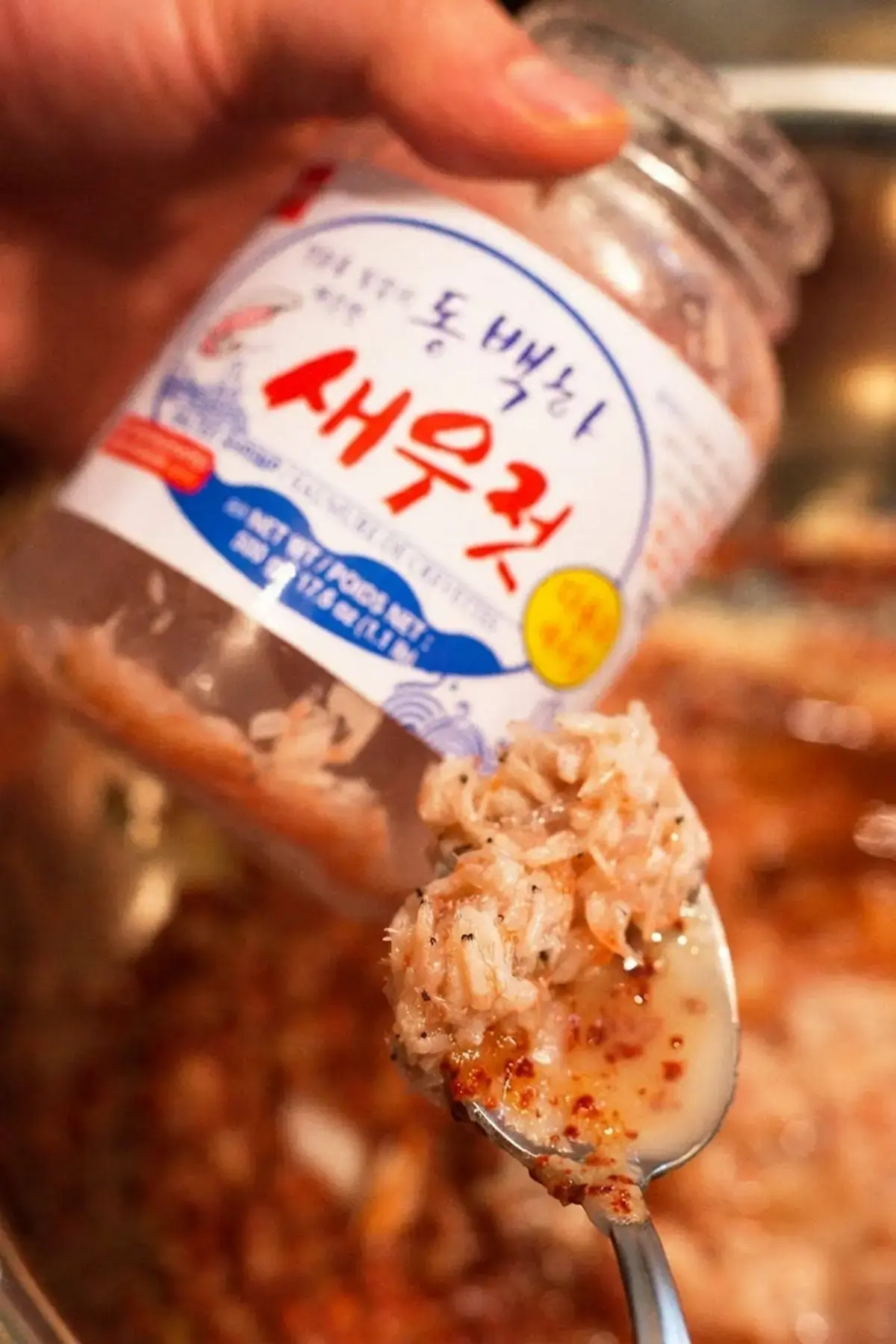
To make traditional napa cabbage kimchi, the cabbage is first salted to draw out excess water and soften the leaves. After rinsing, each leaf is coated in a thick, spicy seasoning paste made with gochugaru (Korean red pepper flakes), garlic, ginger, fish sauce or salted shrimp (saeujeot), and often a rice flour paste that helps the seasoning stick and feeds the good bacteria. Julienned Korean radish, carrot, and Asian chives are mixed into the paste for crunch and color. The result is a vibrant red, crunchy, and deeply flavorful side dish that improves with age.

If you’re new to making kimchi at home, start with a small batch to get comfortable with the salting and fermentation times. For more inspiration, check out our Crispy Cucumber Kimchi for a quick variation.
Jump to:
- What is kimchi?
- How to eat kimchi and what to do with it
- Ingredients and substitutions
- For the bulk of the kimchi:
- For the kimchi marinade:
- How to pick the best napa cabbage and Korean radish
- How to make authentic kimchi
- Clean and cut the napa cabbage:
- Salt the napa cabbage:
- Make the kimchi marinade:
- Rinse the napa cabbage:
- Marinate the napa cabbage:
- Recipe tips
- Storage
- How to sterilize jars
- FAQ
- What is traditional napa cabbage kimchi?
- How do you make traditional napa cabbage kimchi?
- How long does kimchi need to ferment at room temperature?
- How do you store homemade kimchi long term?
- Is kimchi good for probiotics?
- Can I make traditional kimchi vegan?
- Traditional Napa Cabbage Kimchi
- Ingredients
- Instructions
- Last Step:
- Notes
- Nutrition
- Did you make this recipe?
How to eat kimchi and what to do with it
Kimchi is incredibly versatile. Fresh, unfermented kimchi (called geotjeori) is mild, slightly sweet, and crunchy, perfect for wrapping in lettuce leaves with grilled meats (bossam) or enjoying as a refreshing salad. Once fermented, the flavor becomes tangier and more complex. Use it as a side dish (banchan) alongside rice and other Korean dishes, or cook with it to add depth and acidity to your meals.
Here are some favorite ways to use fermented kimchi:
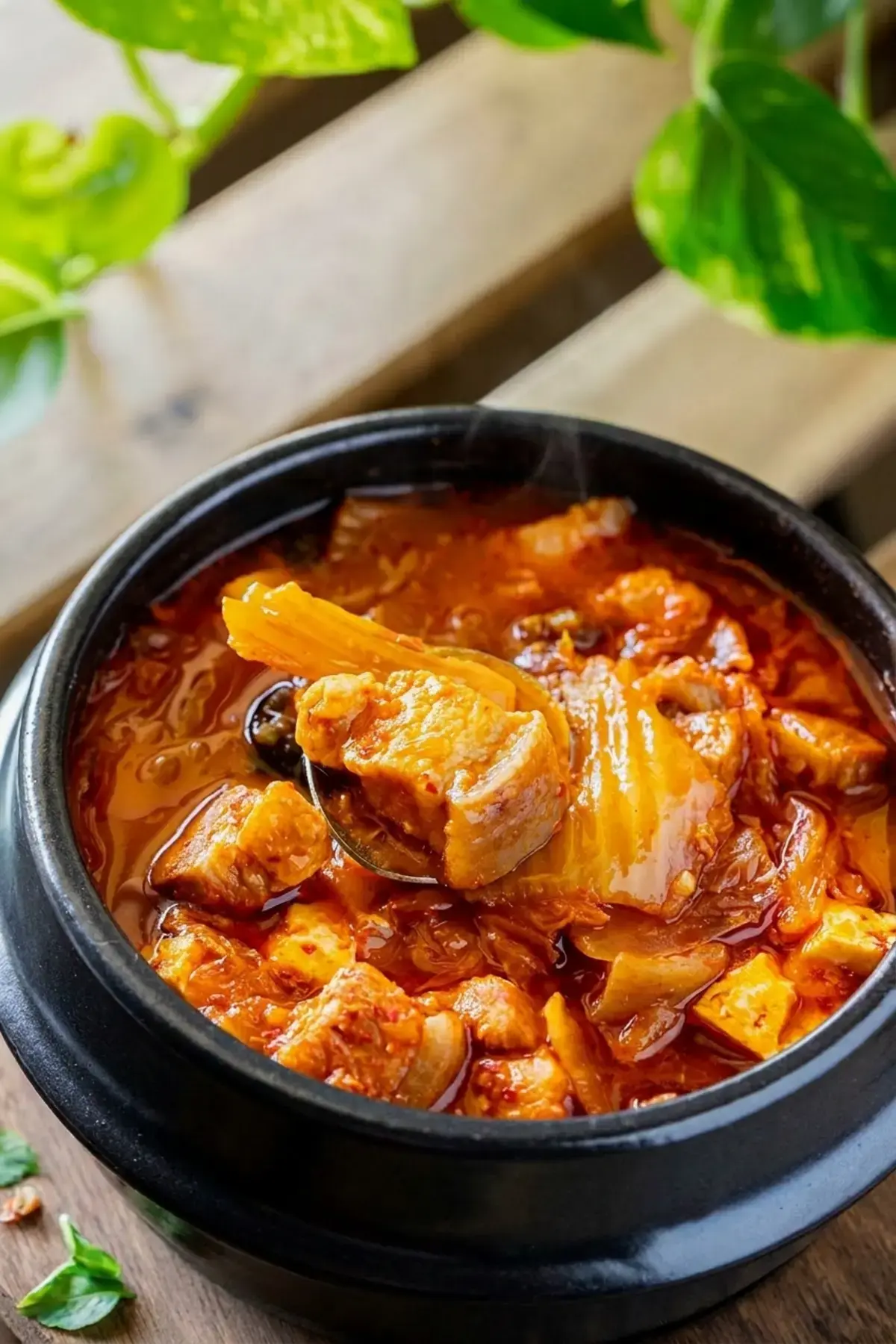
- Kimchi fried rice (kimchi bokkeumbap)
- Kimchi stew (kimchi jjigae)
- Kimchi pancakes (kimchi jeon)
- Kimchi mac and cheese or grilled cheese sandwiches
- Kimchi topped on hot dogs or burgers for a Korean American fusion twist
The brine inside the jar (kimchi juice) is also a flavor booster for salad dressings, marinades, and soups. Keep a jar handy for quick umami!

Ingredients and substitutions
For the bulk of the kimchi:
- Napa cabbage (8 pounds, about 2 heads)
- Coarse kosher or sea salt (about 2 cups for salting; non iodized)
- Korean radish (mu, 1 pound, julienned) or daikon radish as substitute
- Carrot (6 ounces, julienned)
- Asian chives (4 ounces, cut into 1 inch pieces) or substitute with green onions
For the kimchi marinade:
The marinade is the heart of the flavor. Here are the exact ingredients for this recipe:
| Ingredient | Amount | Notes / Substitutions |
|---|---|---|
| Water | 1.5 cups | For rice flour paste |
| Rice flour (regular or glutinous) | 1/3 cup | Helps paste stick and feeds fermentation |
| Apple (Fuji or Honeycrisp) | 1 large | Blended; or use Korean pear for sweetness |
| Onion | 1 large | Blended |
| Garlic cloves | 20 | Peeled |
| Fresh ginger | 2 inch knob | Peeled |
| Fish sauce | 1/2 cup | Or use 3/4 cup salted shrimp (saeujeot) |
| Coarse gochugaru (Korean red pepper flakes) | 2 cups, divided | Do not substitute regular red pepper flakes |
Vegan option: Replace fish sauce and saeujeot with soy sauce or tamari, plus a little miso or kelp powder for umami. The flavor will be different but still delicious.
How to pick the best napa cabbage and Korean radish
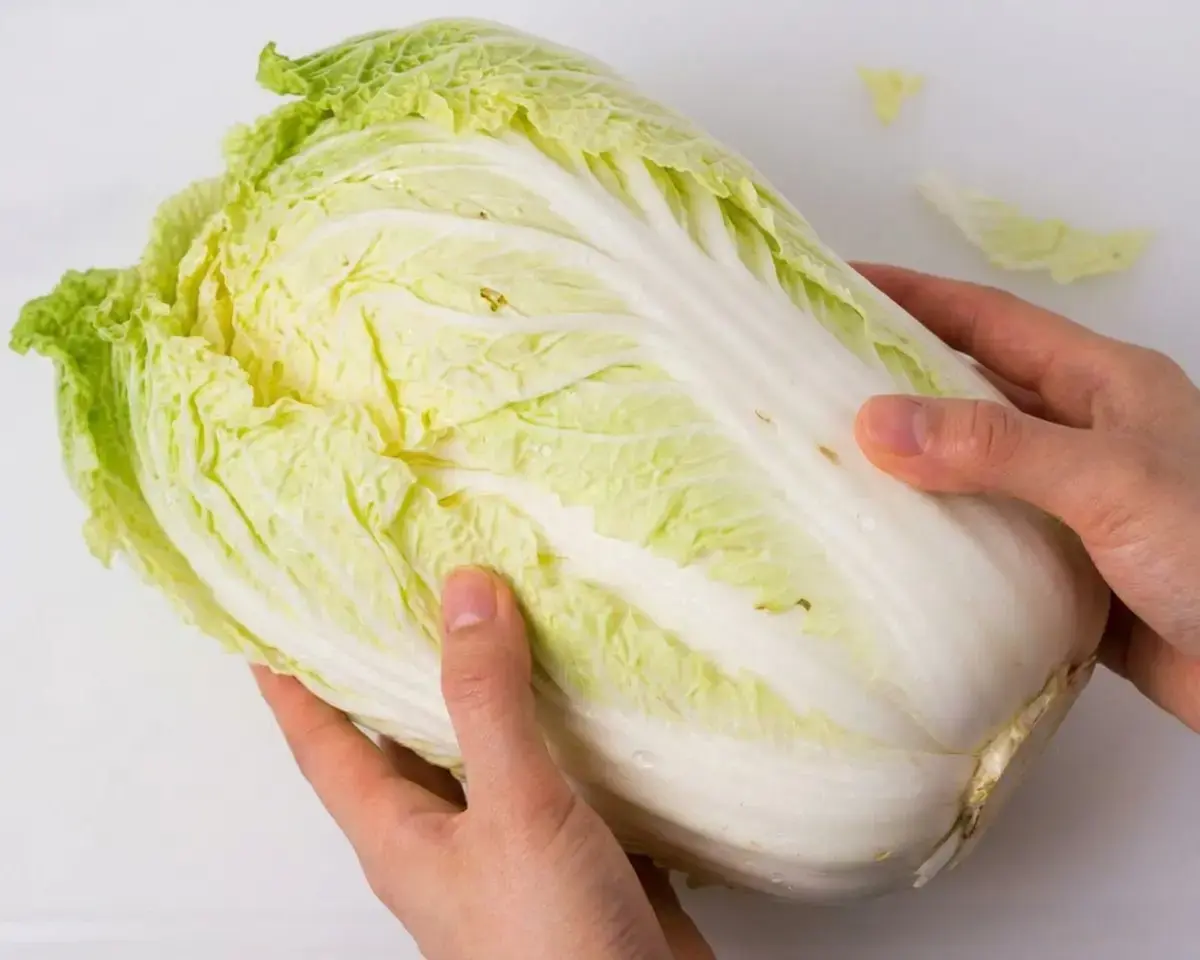
For the best texture, choose napa cabbages that feel heavy for their size with tightly packed, crisp leaves near the core. Avoid any with wilted outer leaves or blemishes. The cabbage should be dense, not fluffy. Korean radish (mu) should be firm and heavy; heavier radishes have higher moisture content, which gives kimchi a better crunch. Both are most abundant and flavorful in fall and winter, but you can find good quality year round at many grocery stores.
How to make authentic kimchi
Clean and cut the napa cabbage:
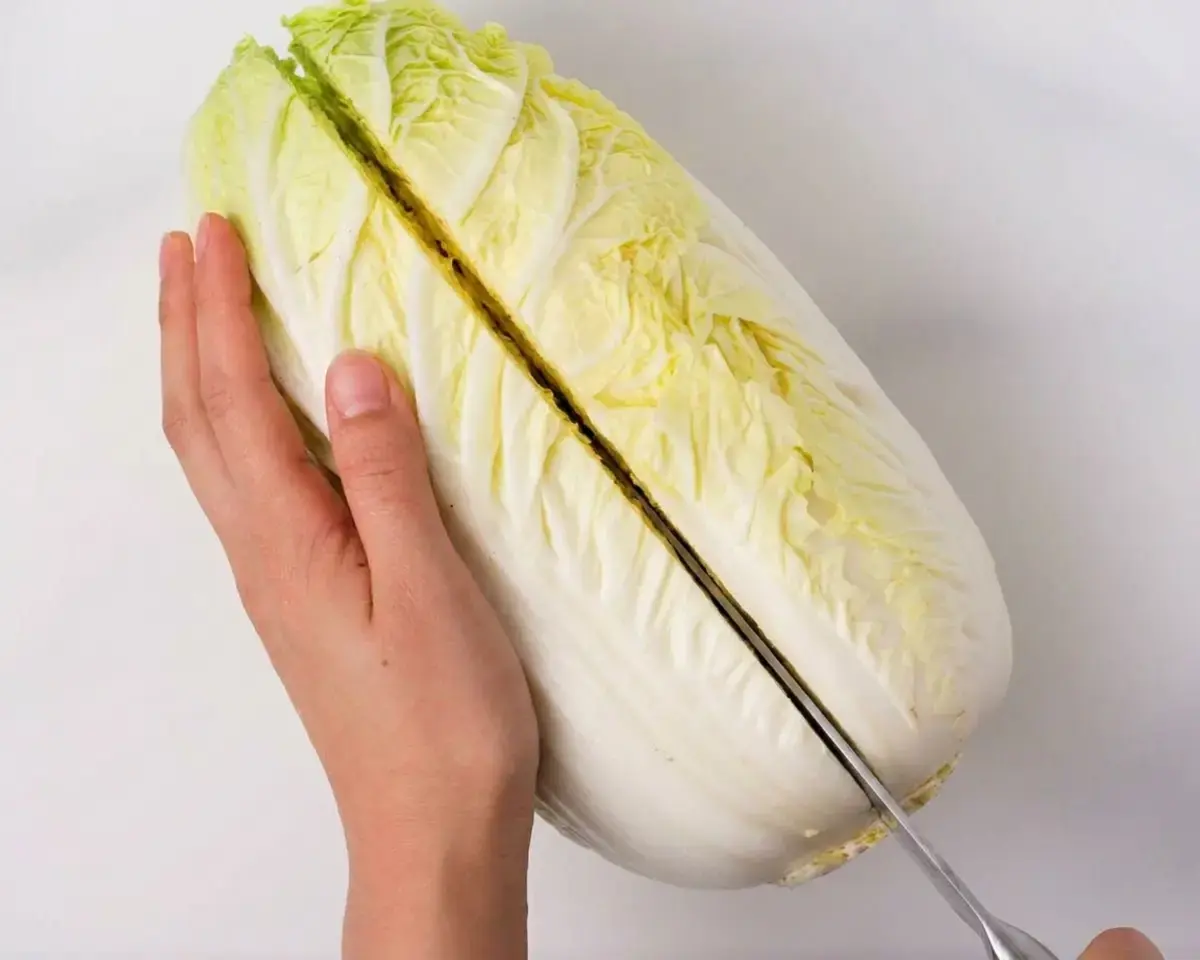
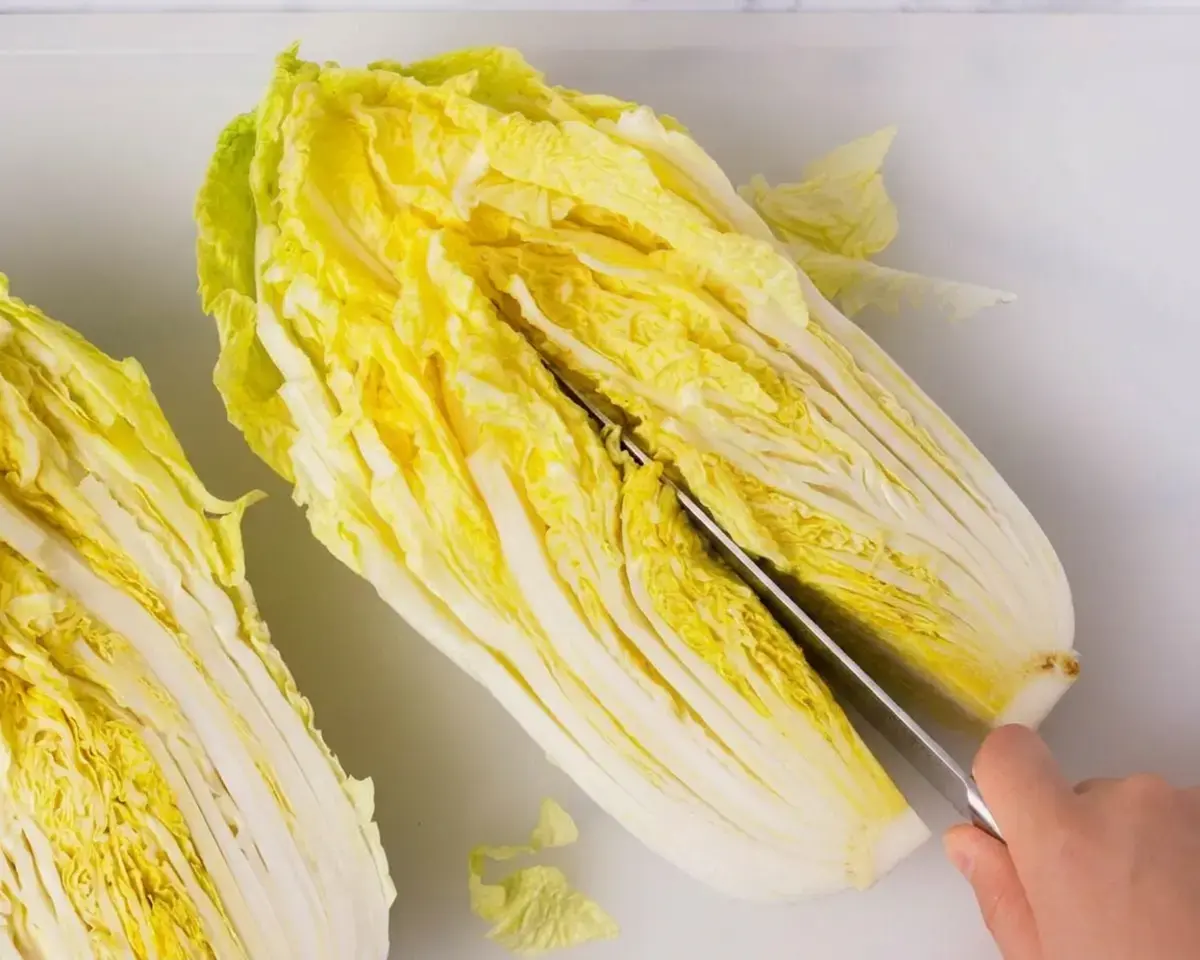
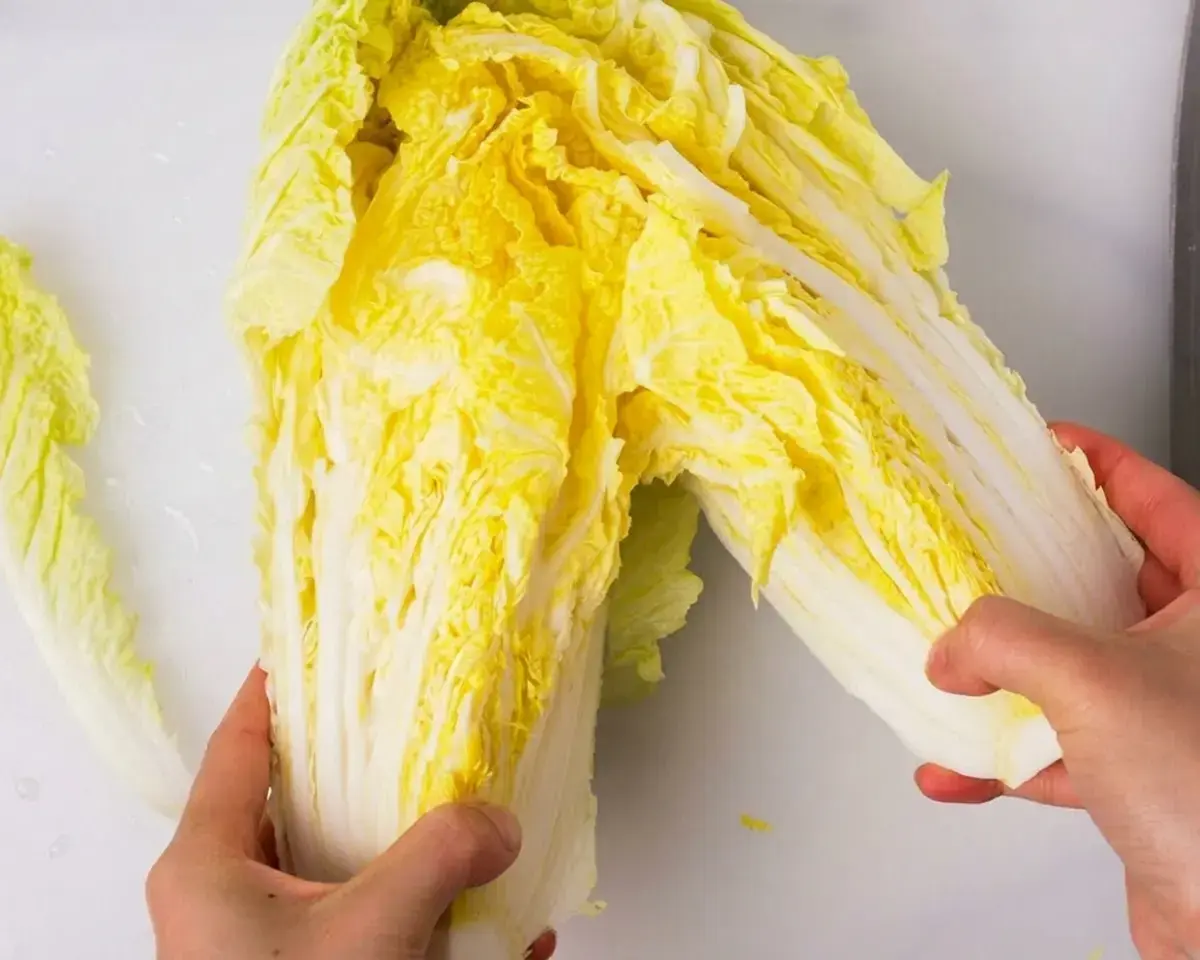
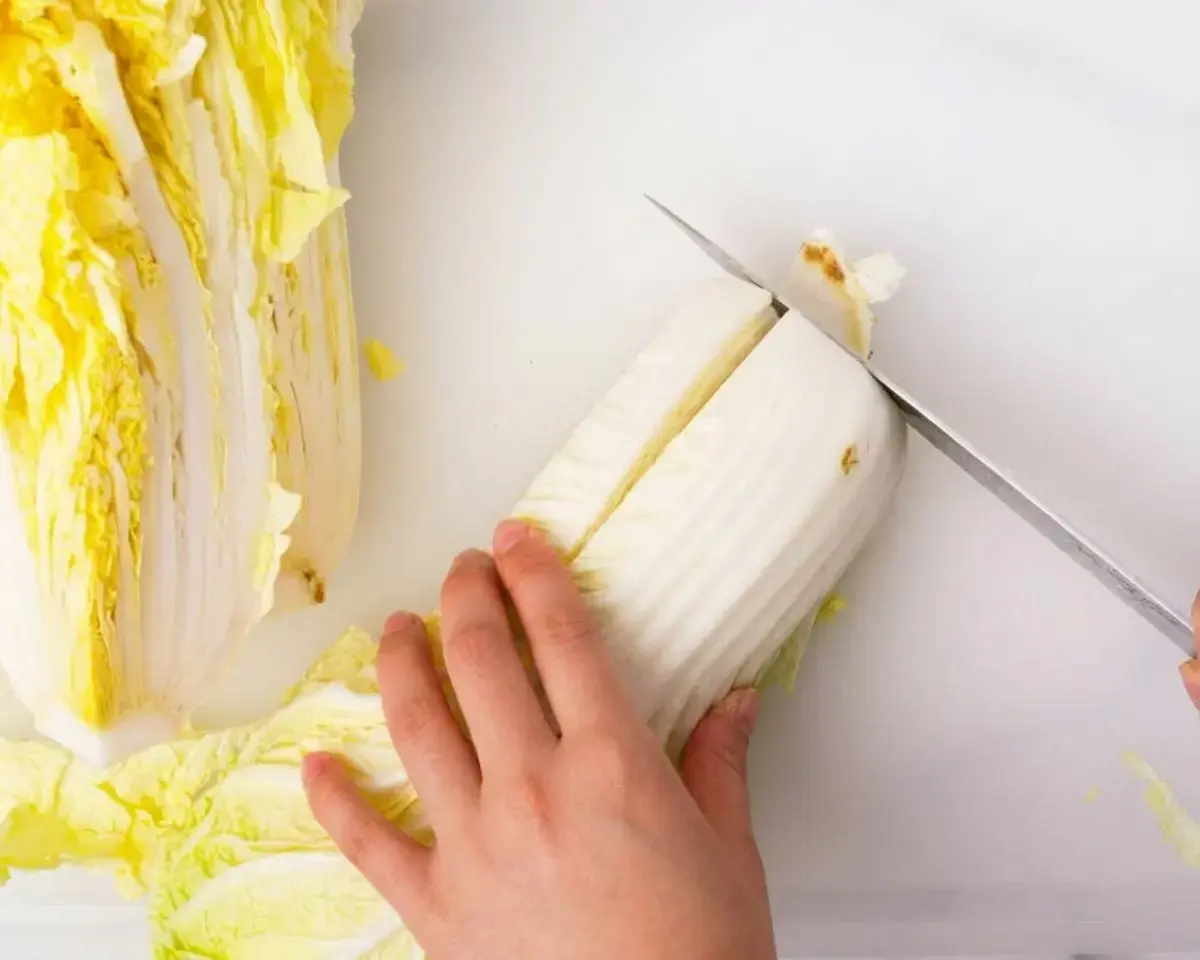
Remove any tough or discolored outer leaves. Cut each head lengthwise into quarters, keeping the core attached so the leaves stay together. Trim about an inch off the core end. Rinse the quarters under cold water, gently separating the leaves to wash away any dirt. Shake off excess water but do not spin dry.
Salt the napa cabbage:
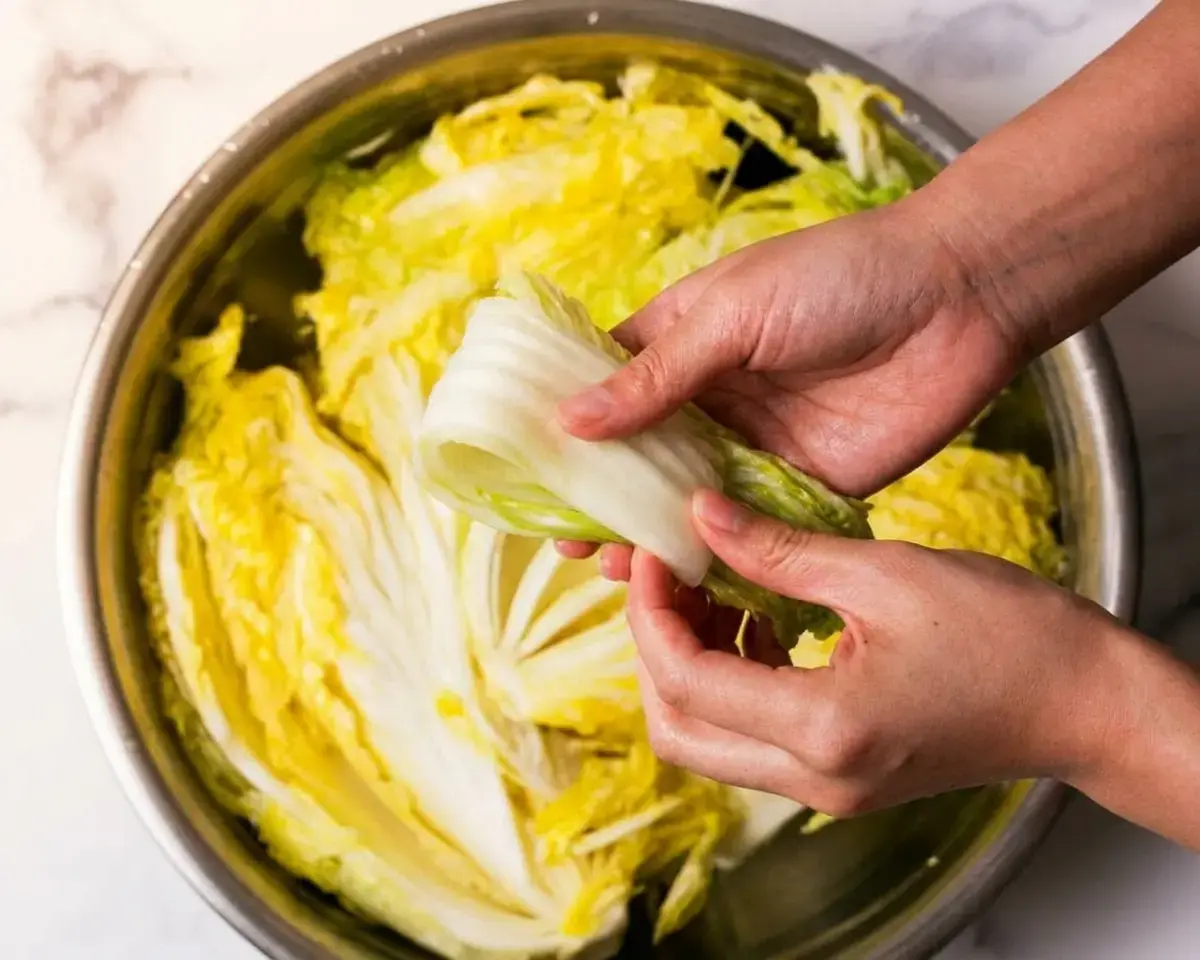
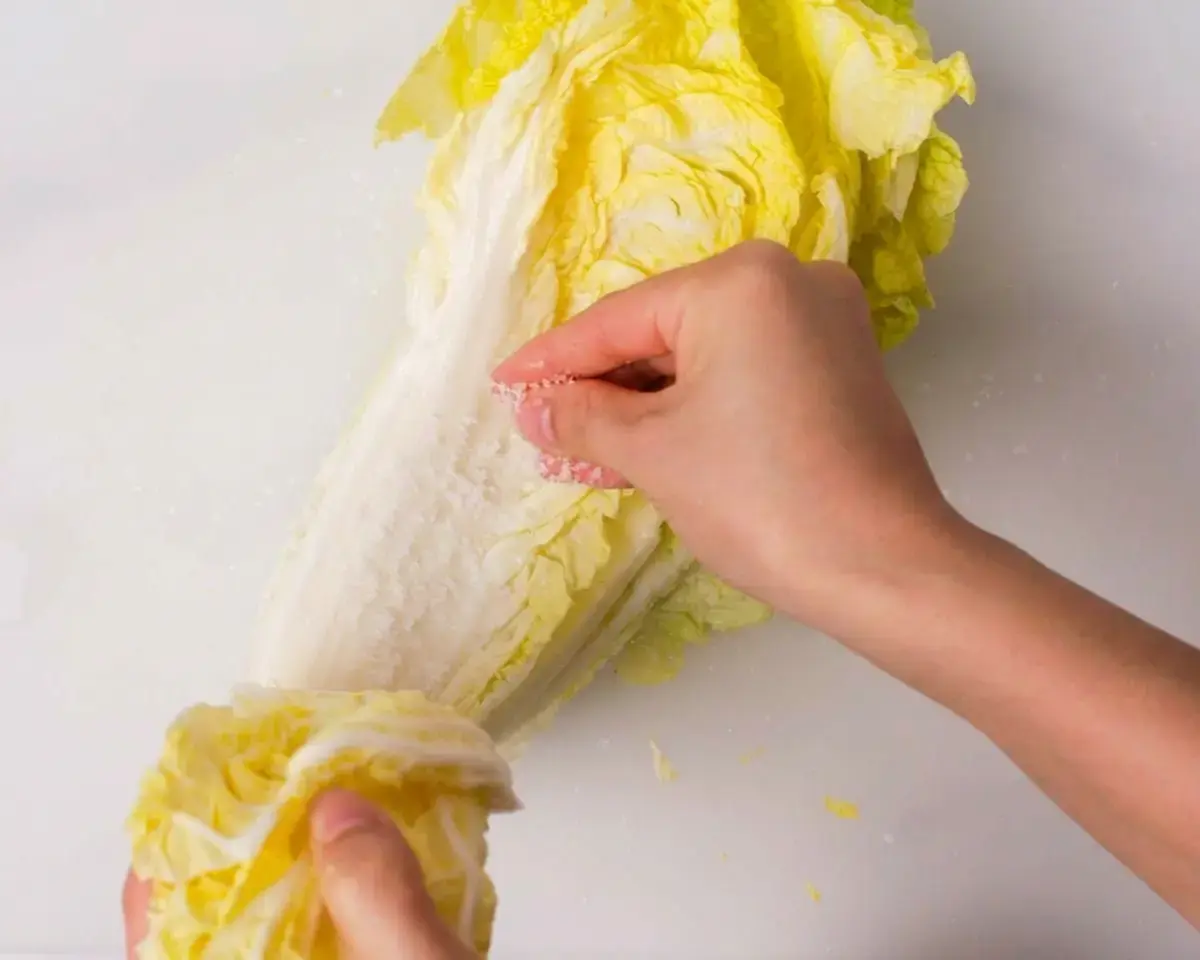
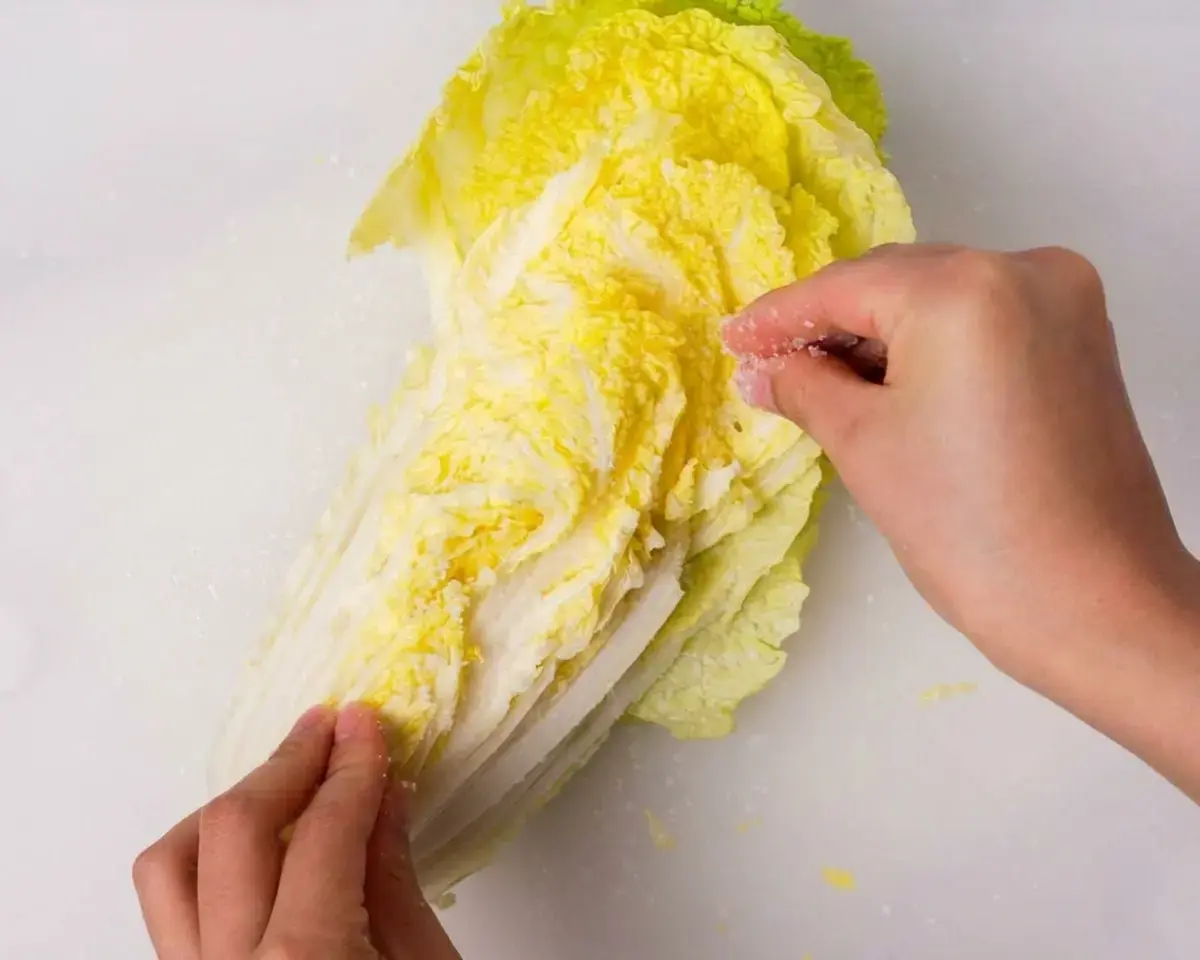
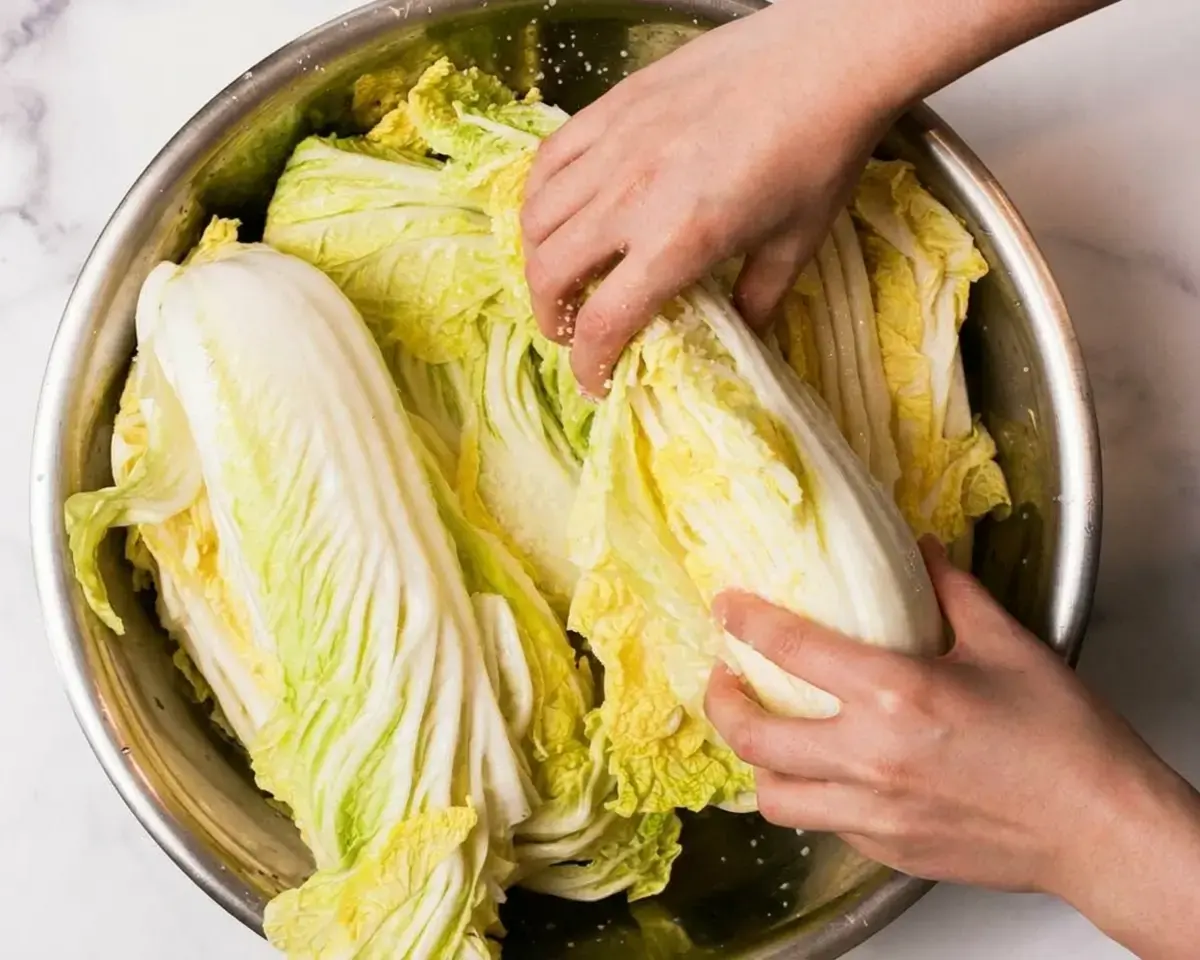
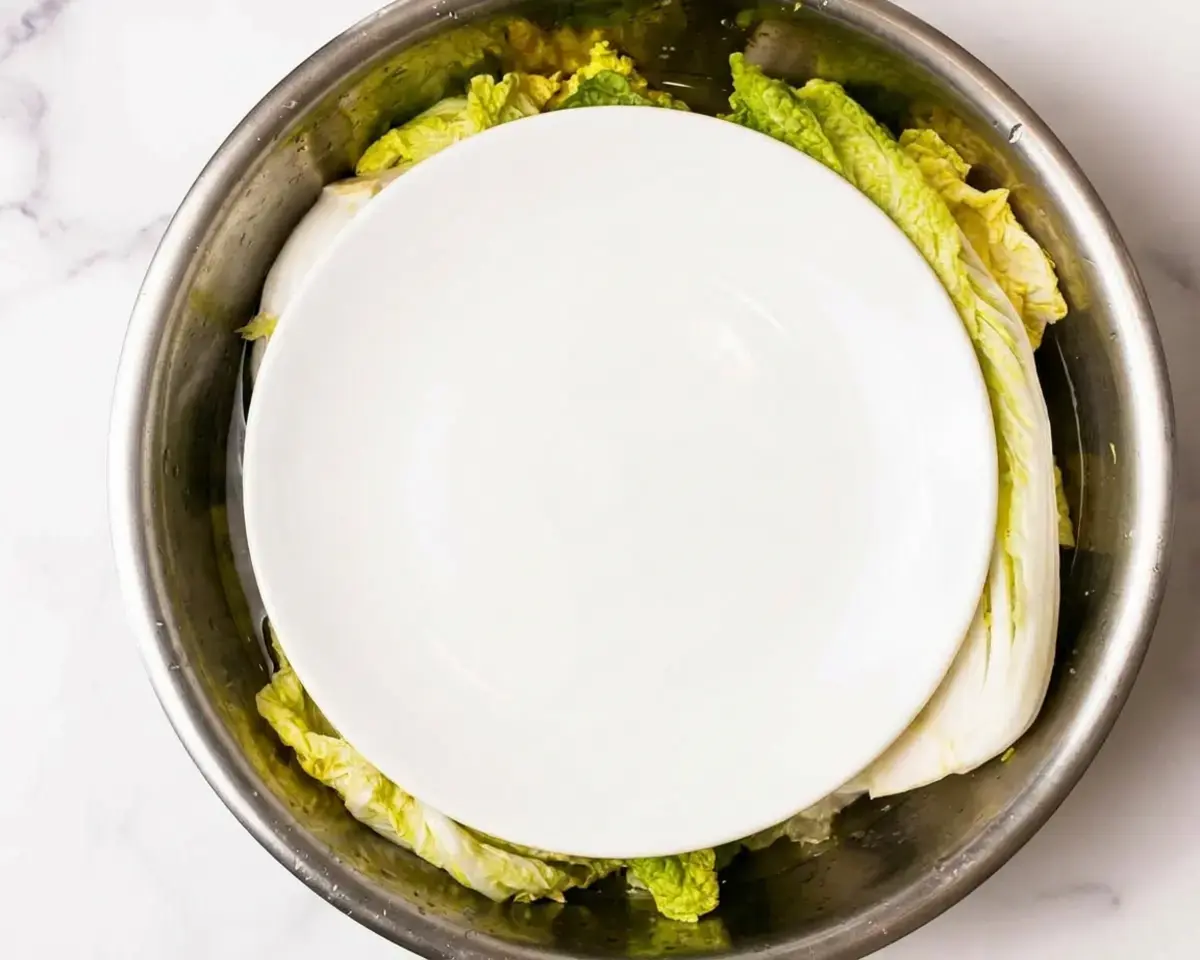
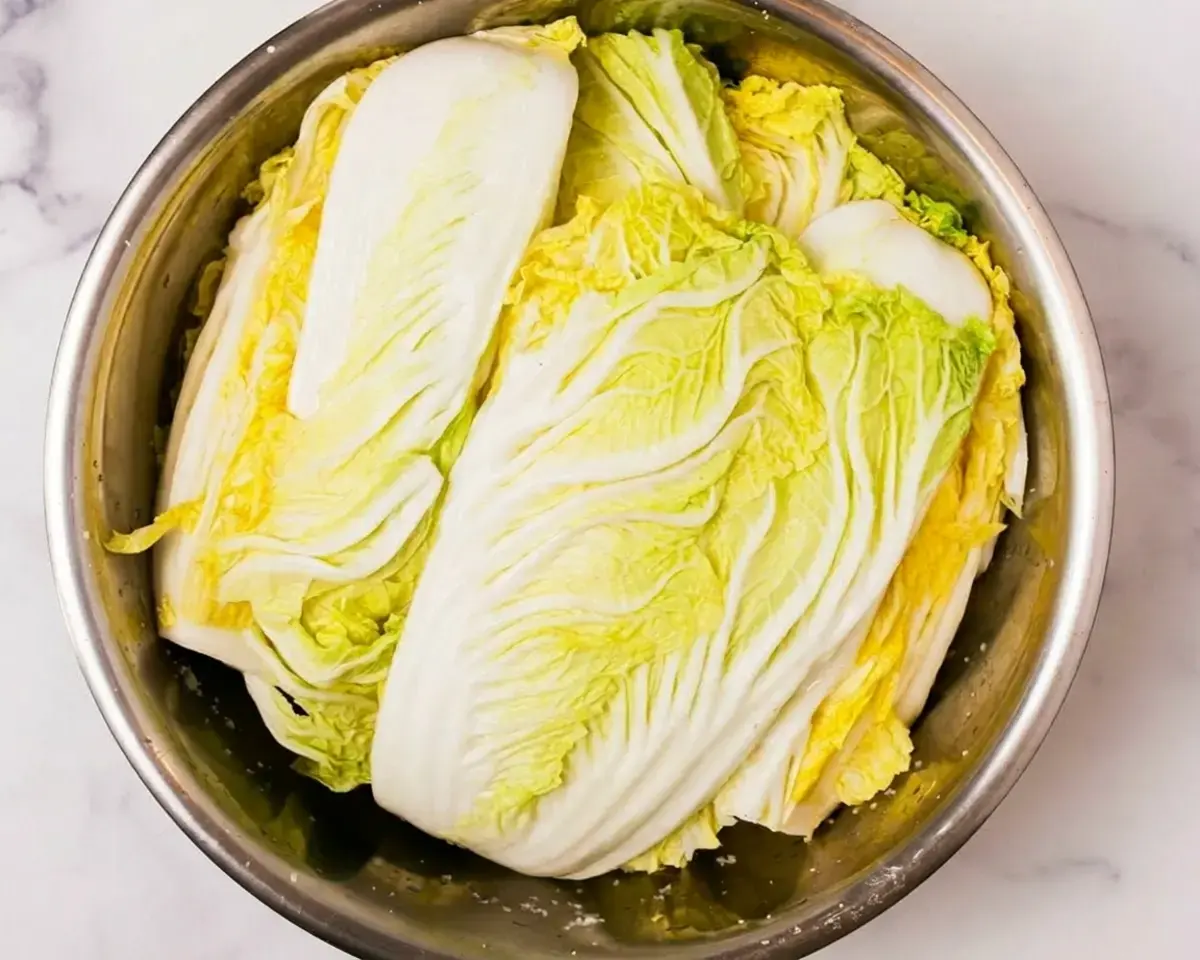
Place a cabbage quarter in a large bowl. Sprinkle coarse salt generously between every leaf, paying extra attention to the thick white stems (they need more time to season). Use about 1/4 cup kosher salt per large cabbage. Repeat with all quarters. Let sit for 1.5 to 2 hours, rotating the pieces every 30 minutes. To help draw out water, place a weight (like a heavy plate) on top. After salting, the stems should bend easily without snapping, and a rinsed small leaf should taste pleasantly salty, not overpowering.
Make the kimchi marinade:
While the cabbage sits, prepare the marinade.
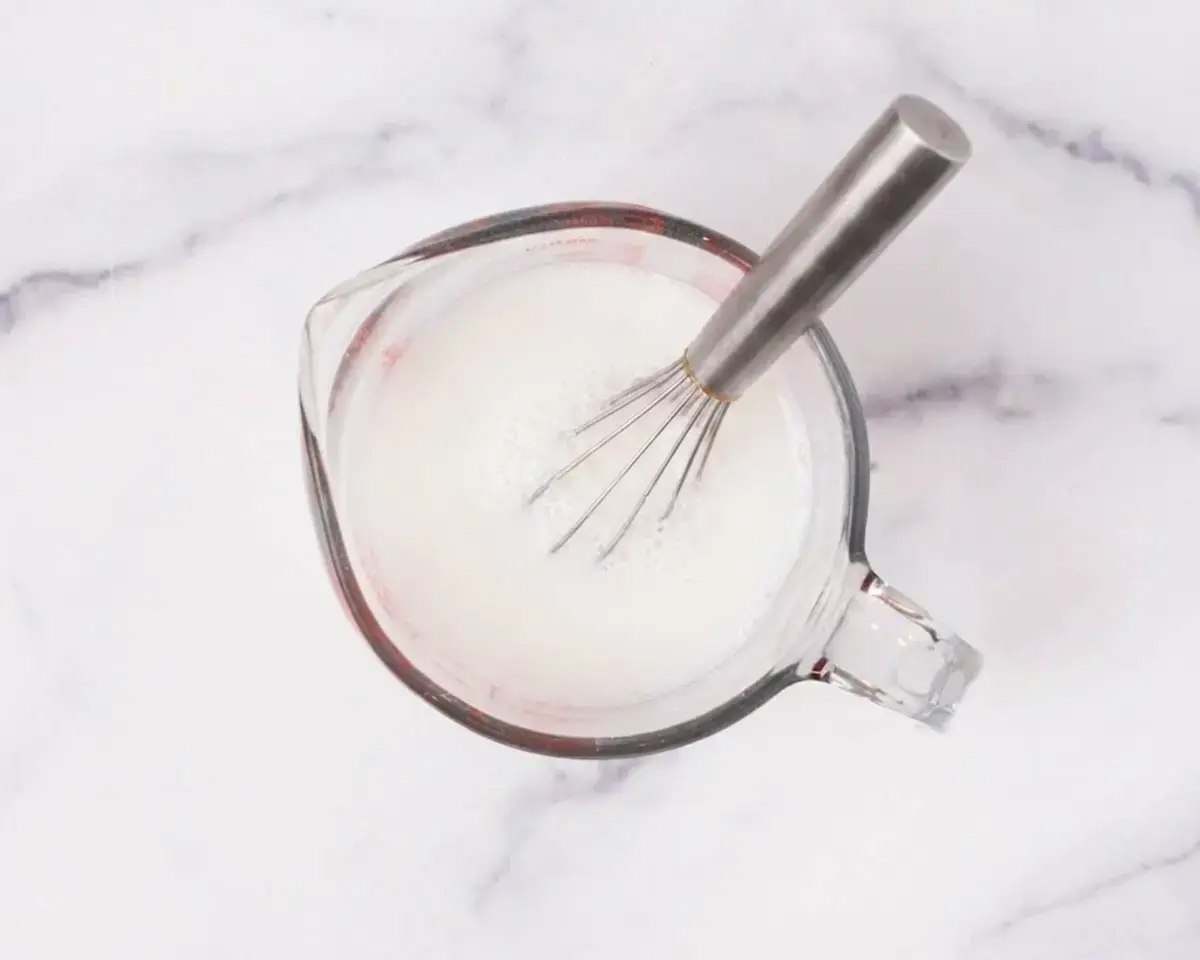
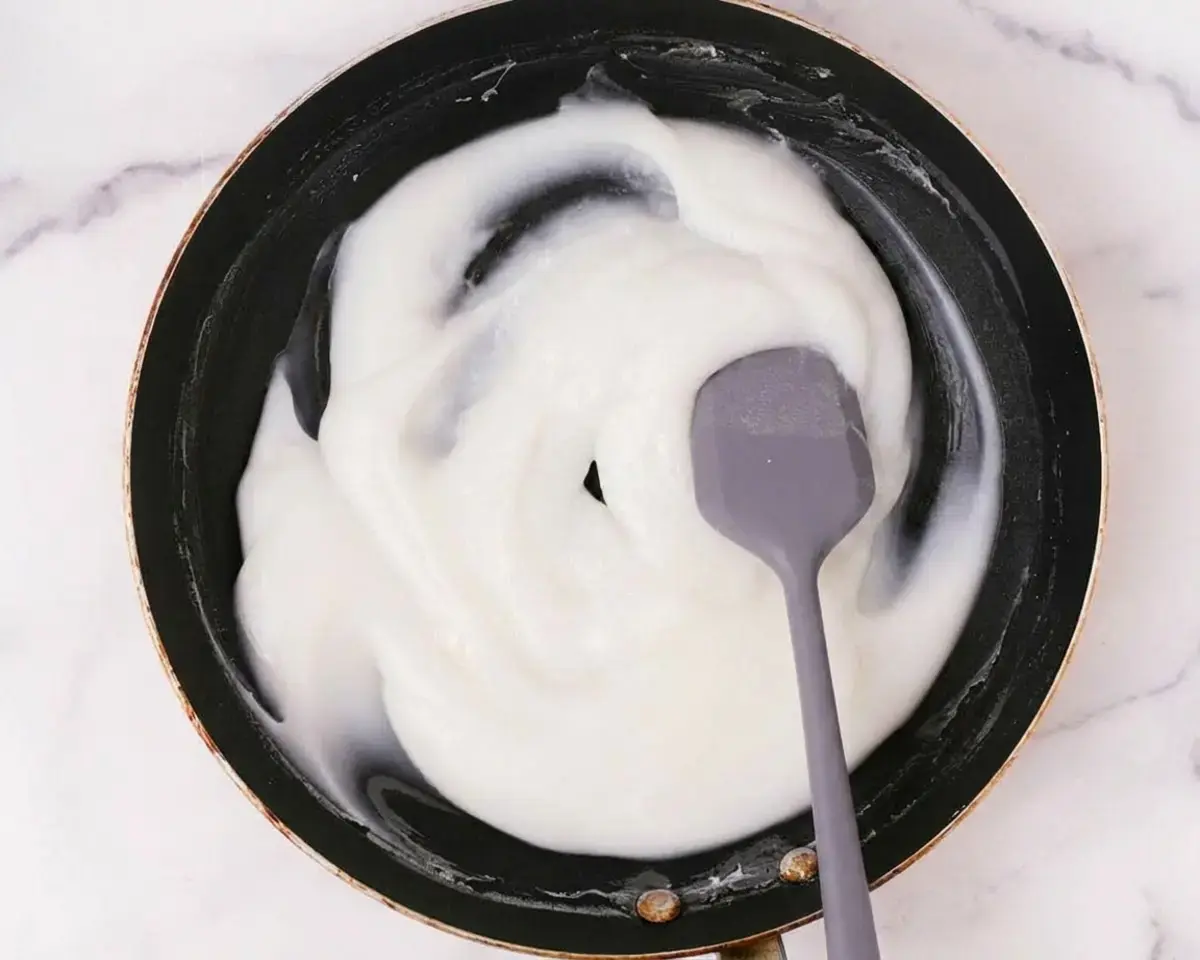
In a small saucepan, whisk together 1.5 cups water and 1/3 cup rice flour. Cook over medium heat, stirring constantly, until it thickens and turns translucent (about 3 5 minutes).
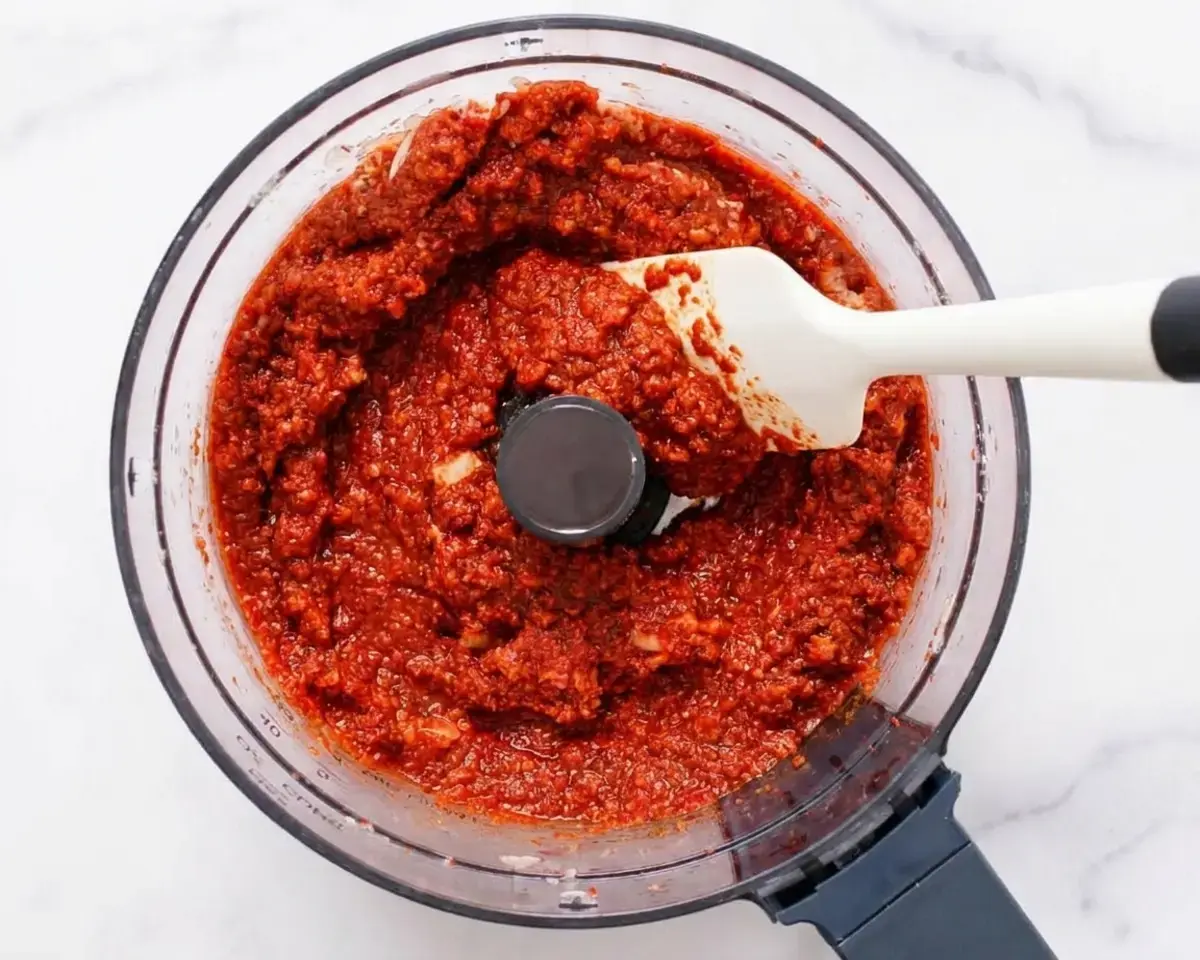
Remove from heat and let cool completely. In a blender, combine the apple, onion, garlic, ginger, and fish sauce (or saeujeot).
Blend until smooth. Add half (1 cup) of the gochugaru and pulse to mix.
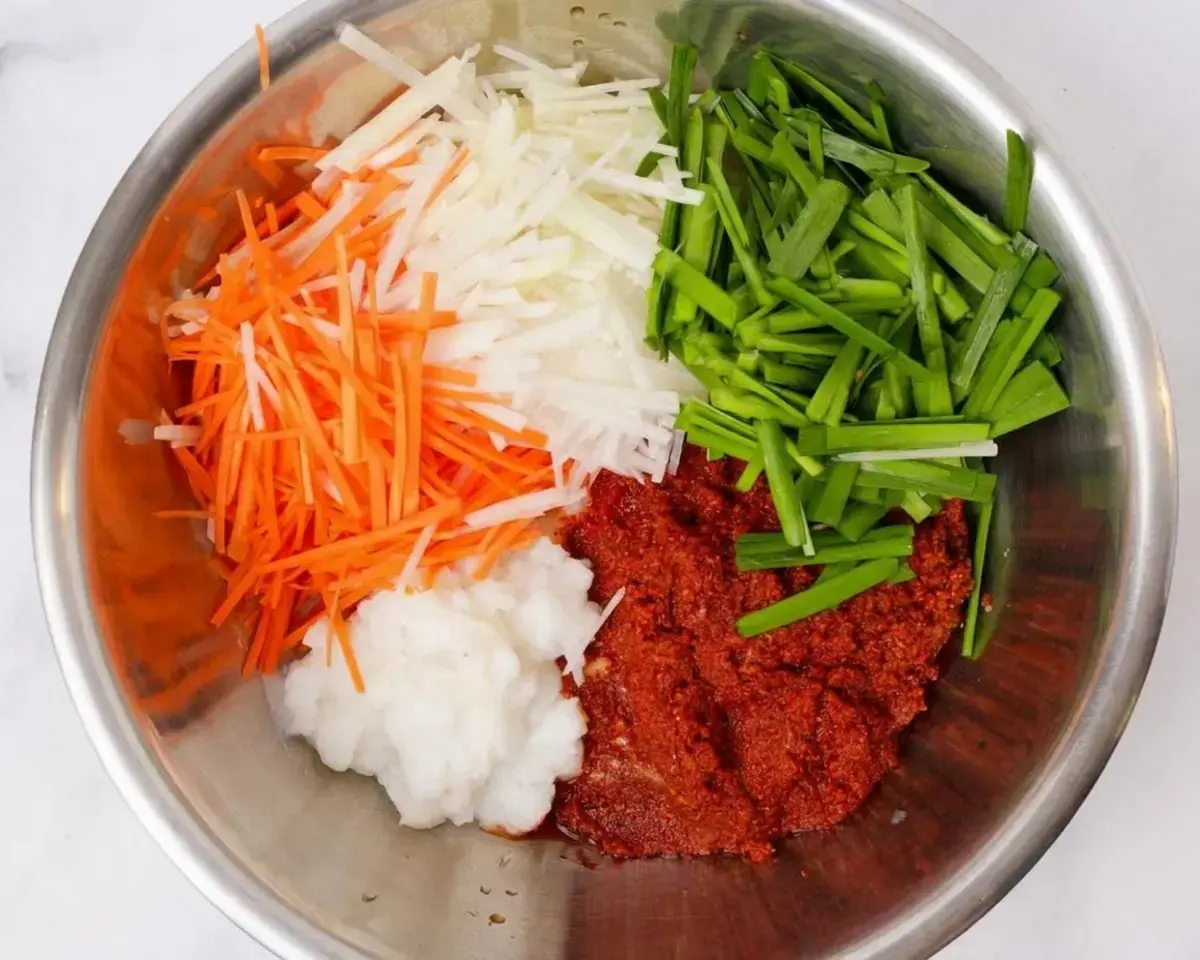
Transfer the blended mixture to a large bowl. Add the cooled rice flour paste and the remaining cup of gochugaru.
Stir to combine. Then fold in the julienned radish, carrot, and chives.
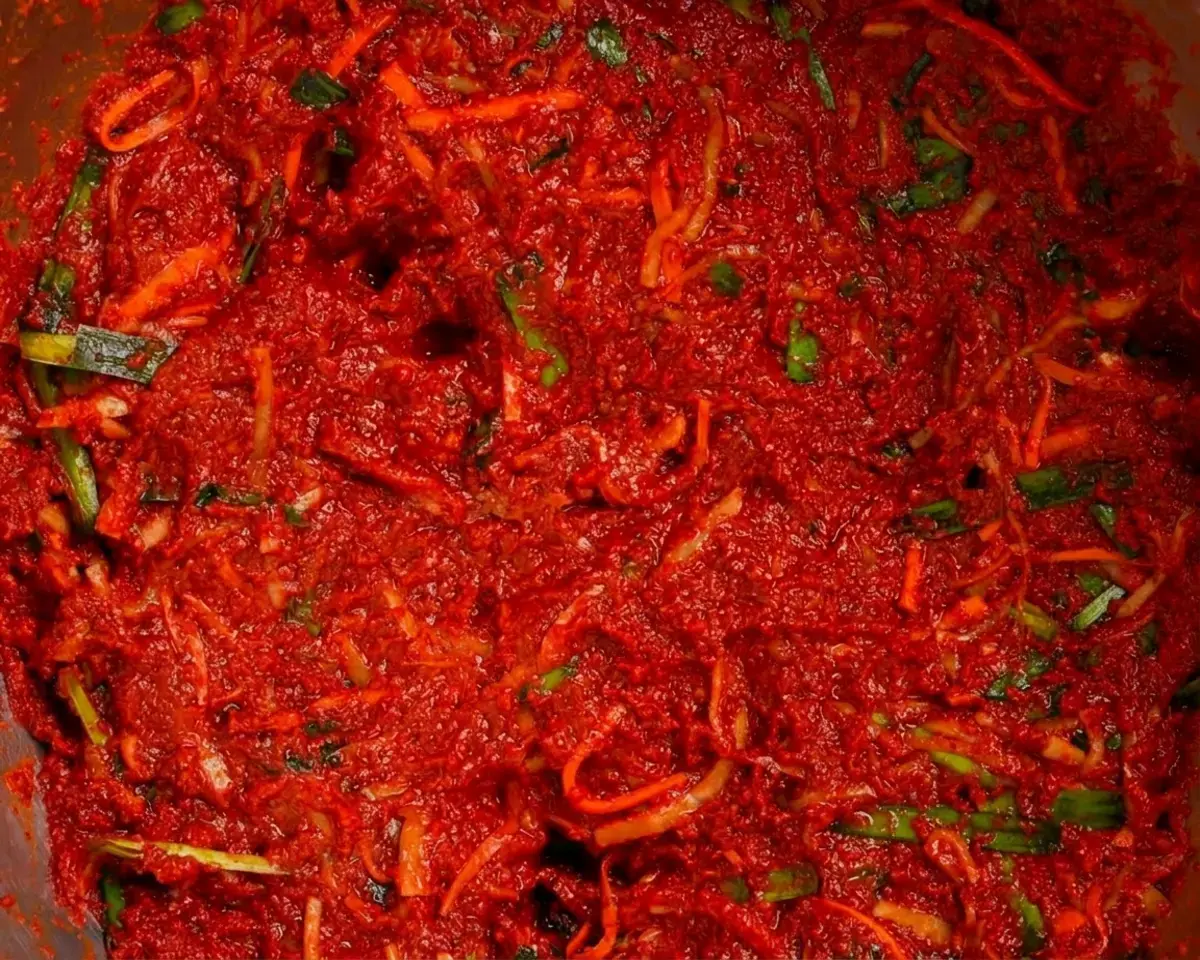
Mix well. The paste should be thick and bright red.
Rinse the napa cabbage:
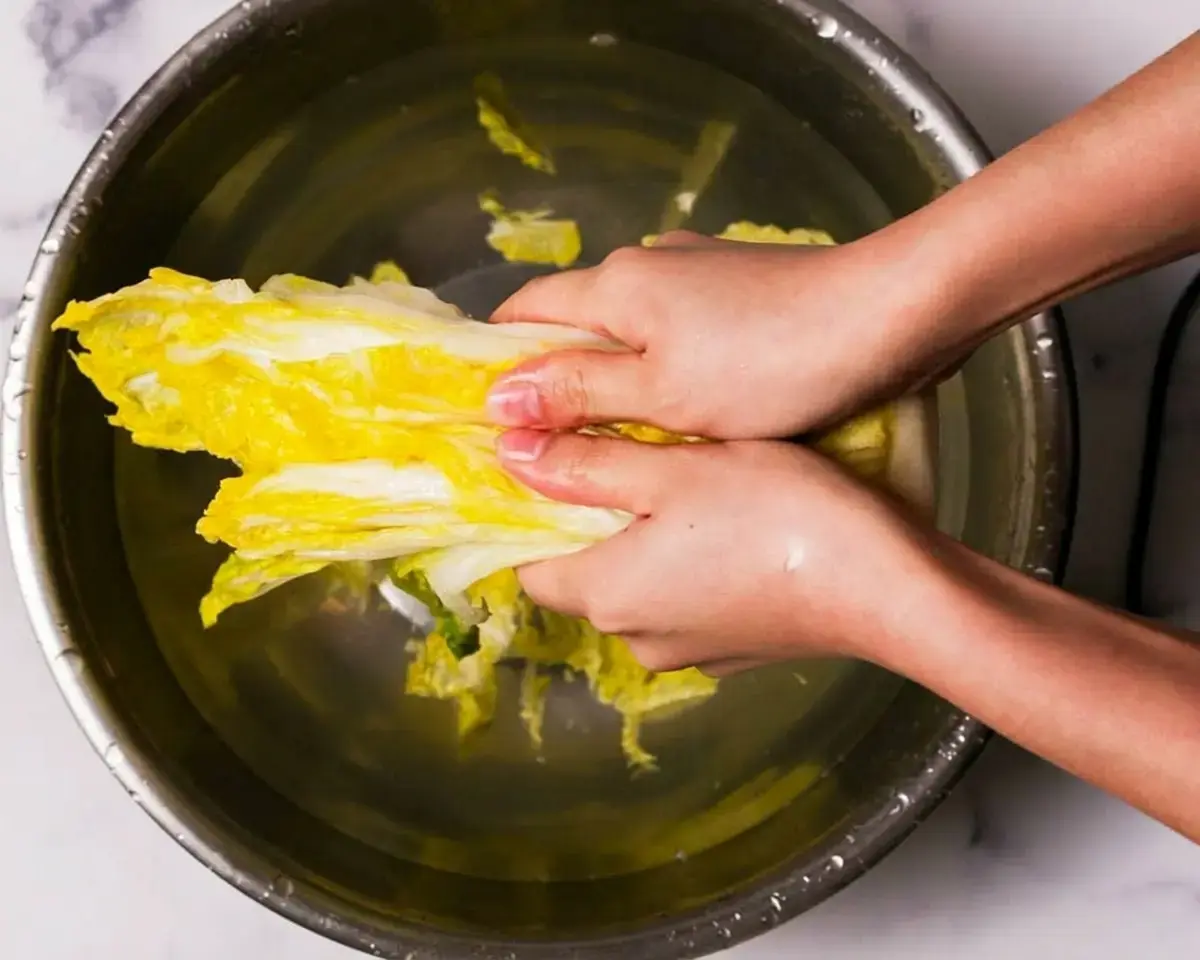
Once the cabbage is properly salted, rinse each quarter thoroughly under cold running water, lifting the leaves to remove salt, repeating 2 3 times.
Taste a piece of stem; it should be seasoned but not briny.
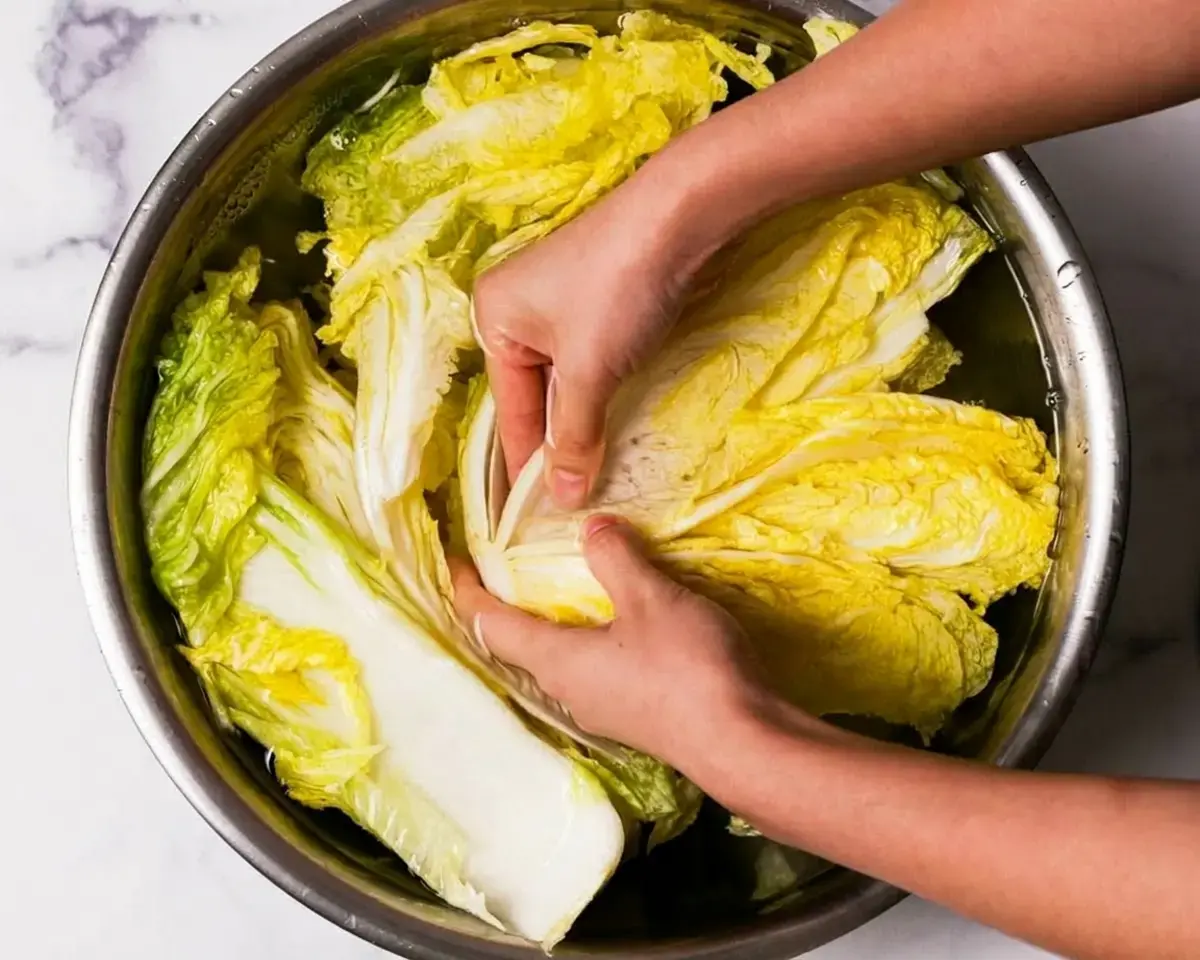
Gently squeeze each quarter to remove excess water, being careful not to tear the leaves.
Set aside.
Marinate the napa cabbage:
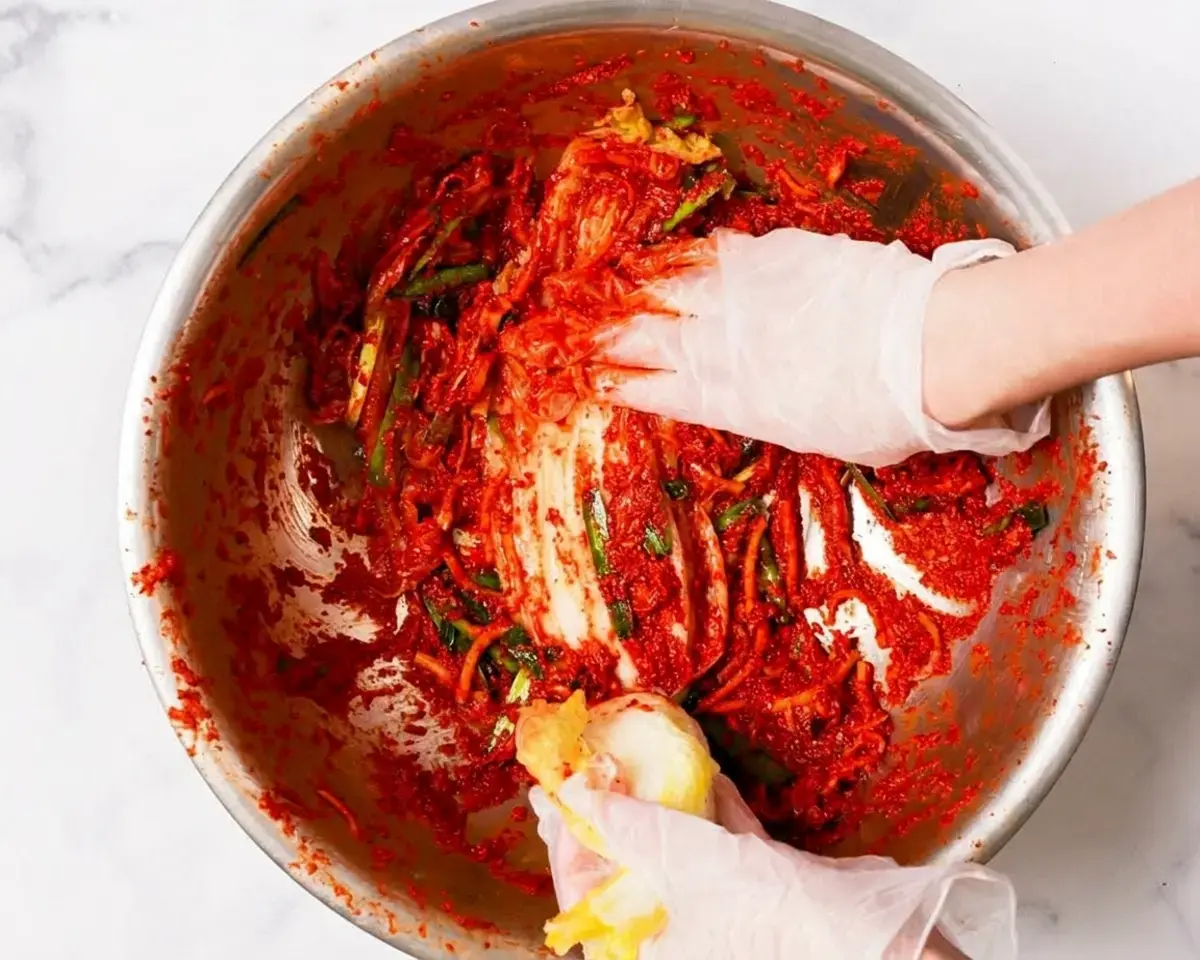
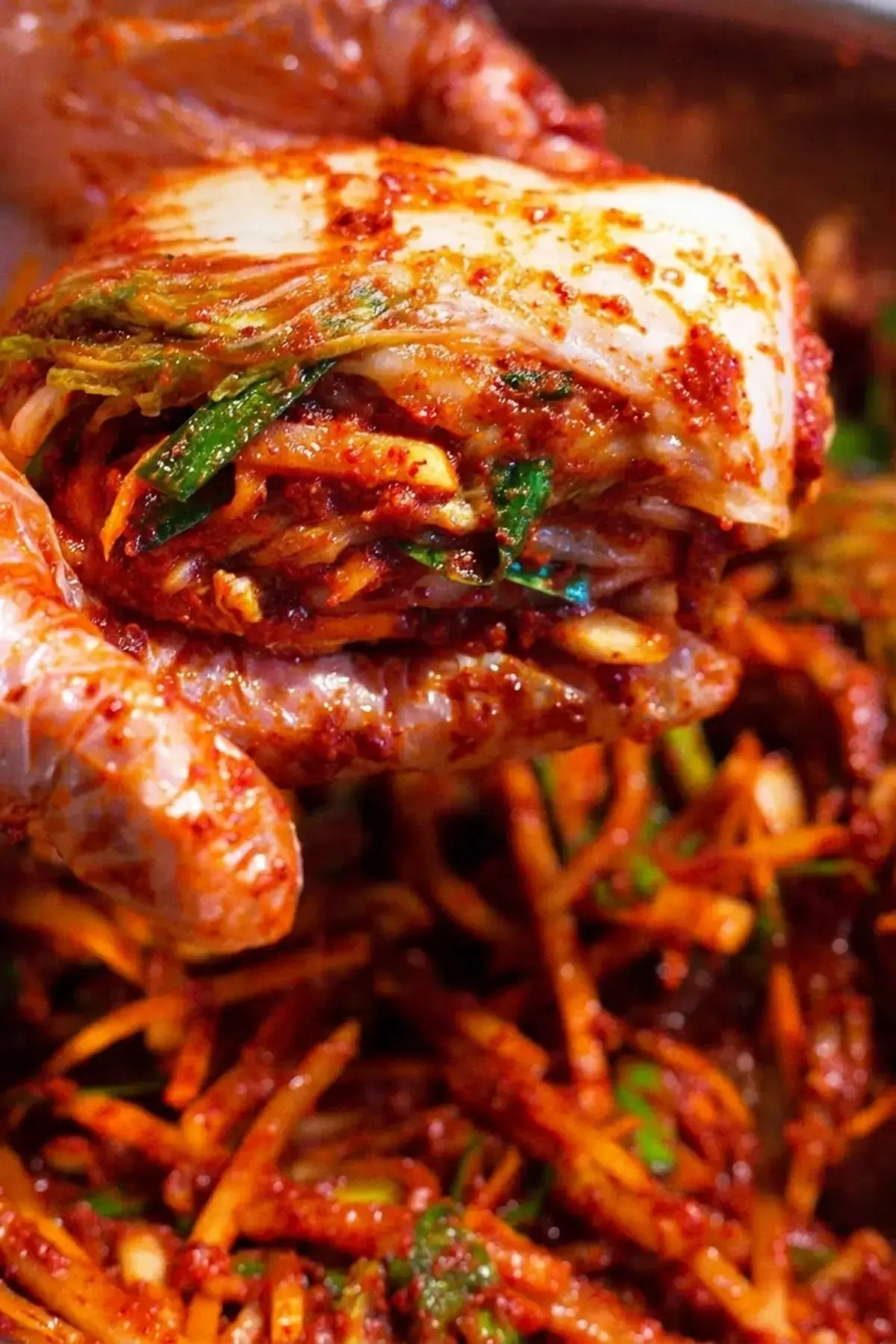
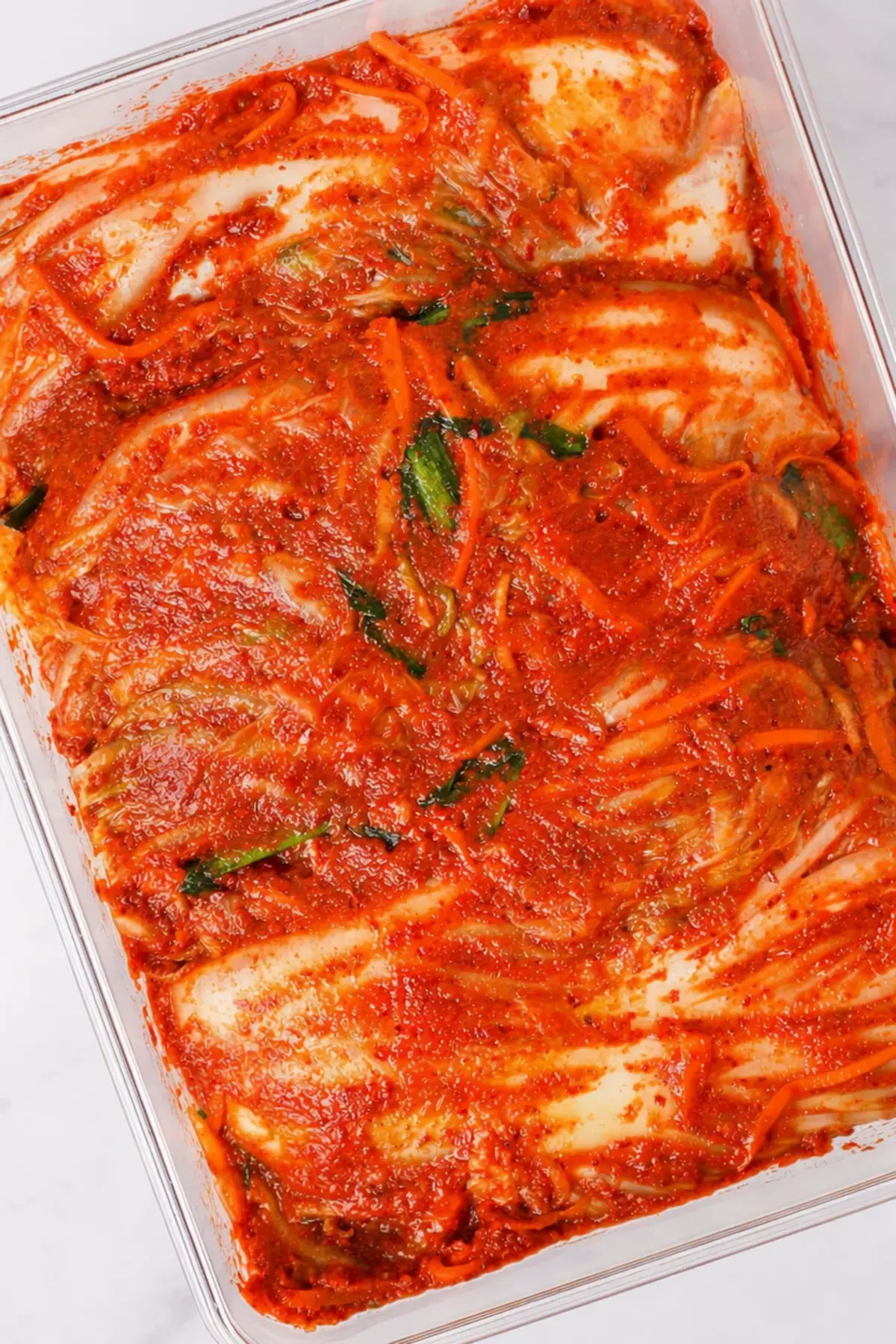
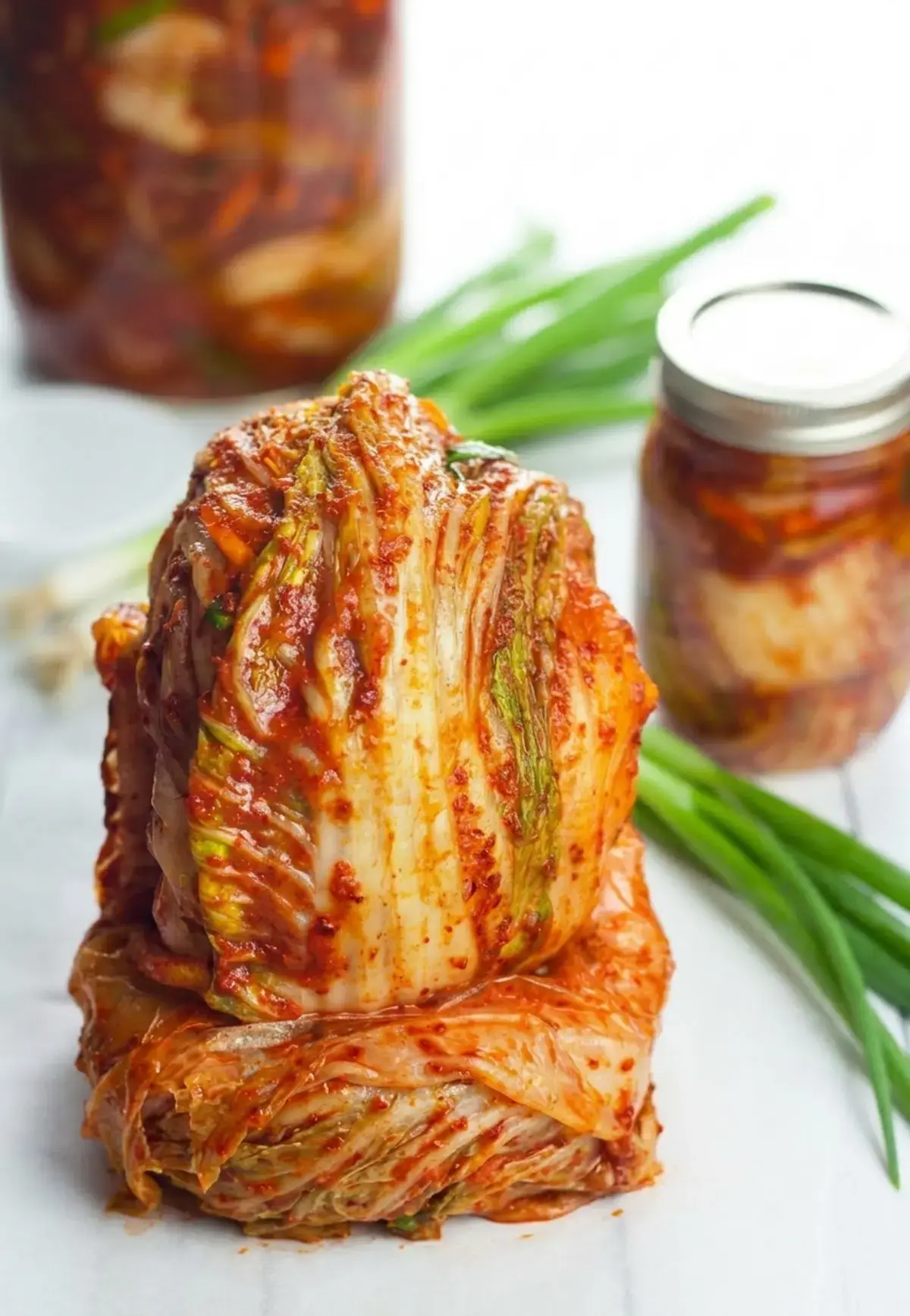
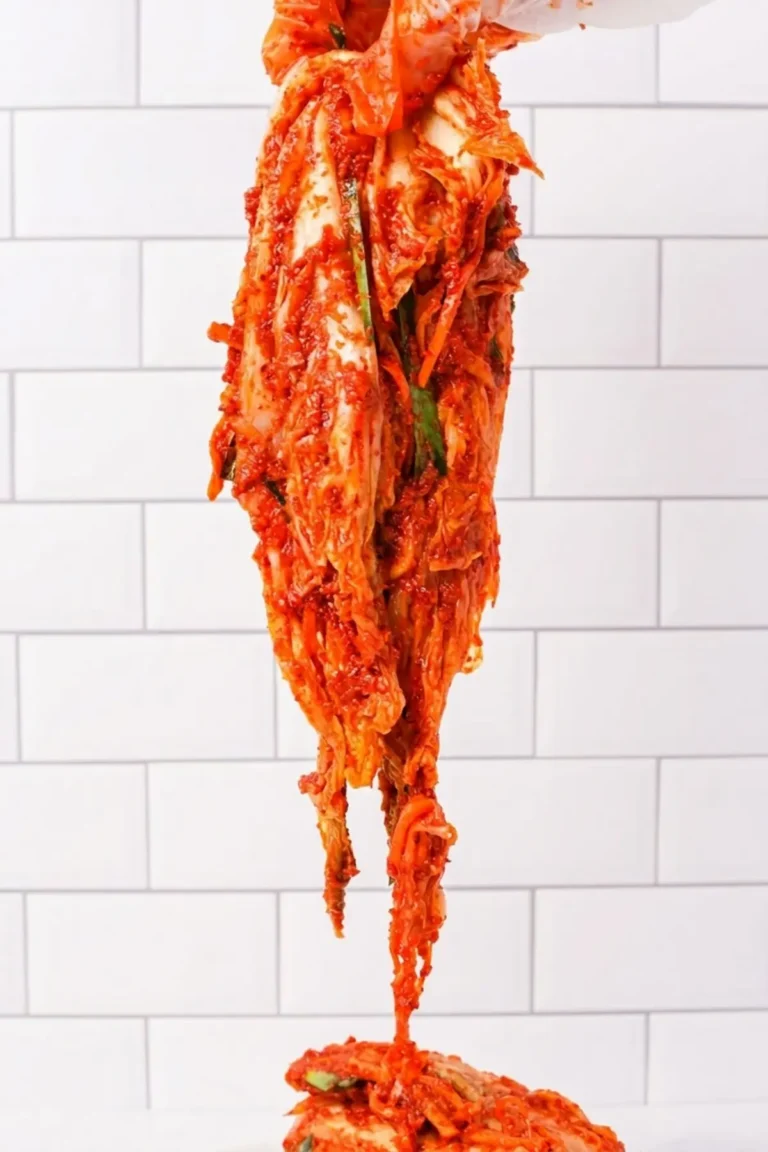
Wearing gloves to prevent chili burn, take one cabbage quarter and spread the marinade between every leaf, coating both sides generously.
Start from the outermost leaves and work inward. Once coated, fold the quarter into a neat bundle and place it into a sterilized jar.
Repeat with remaining quarters.
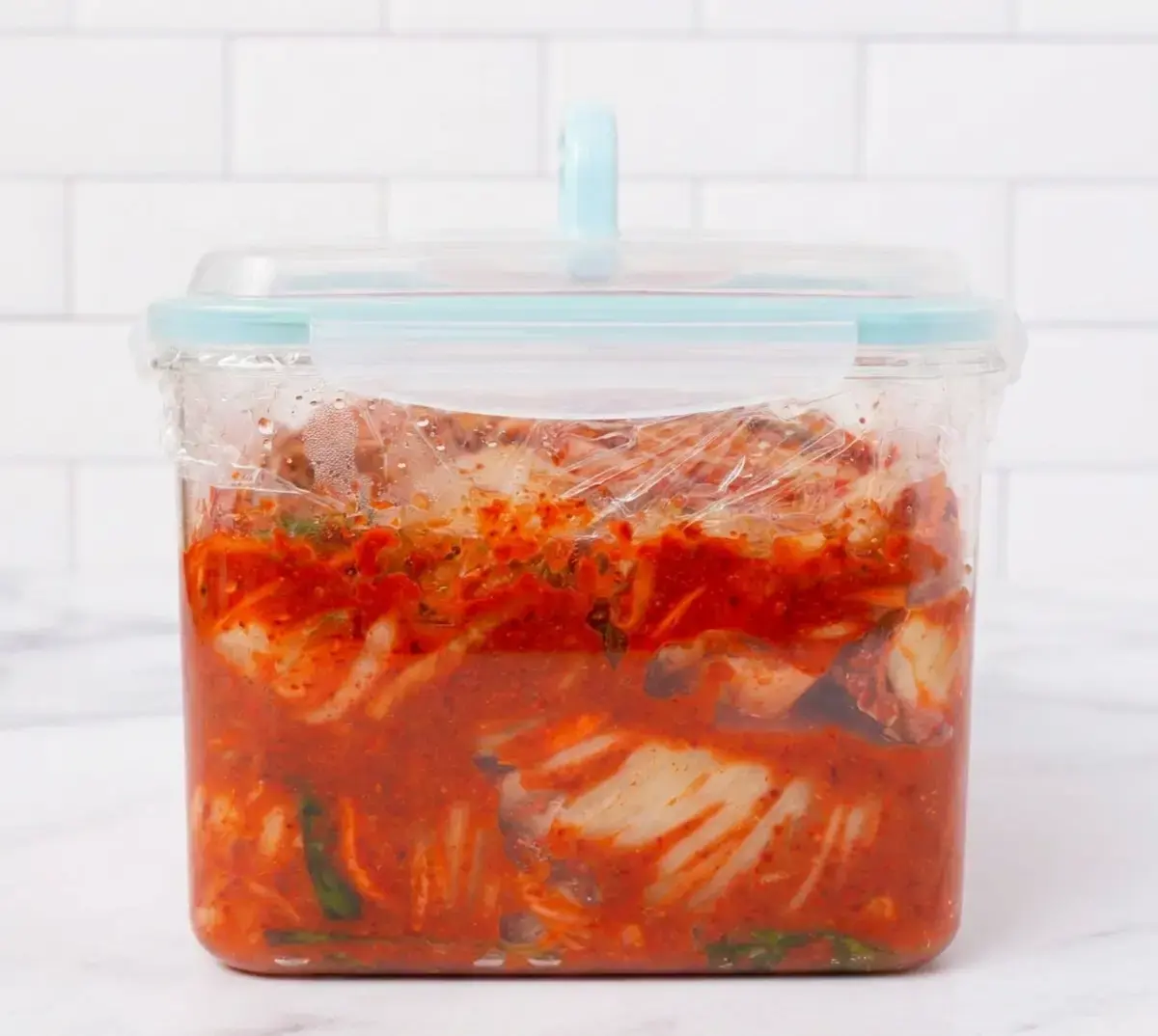
Pack the kimchi tightly to remove air pockets, but leave at least 1 inch of headspace. Press down firmly with a clean spoon or your gloved hand.
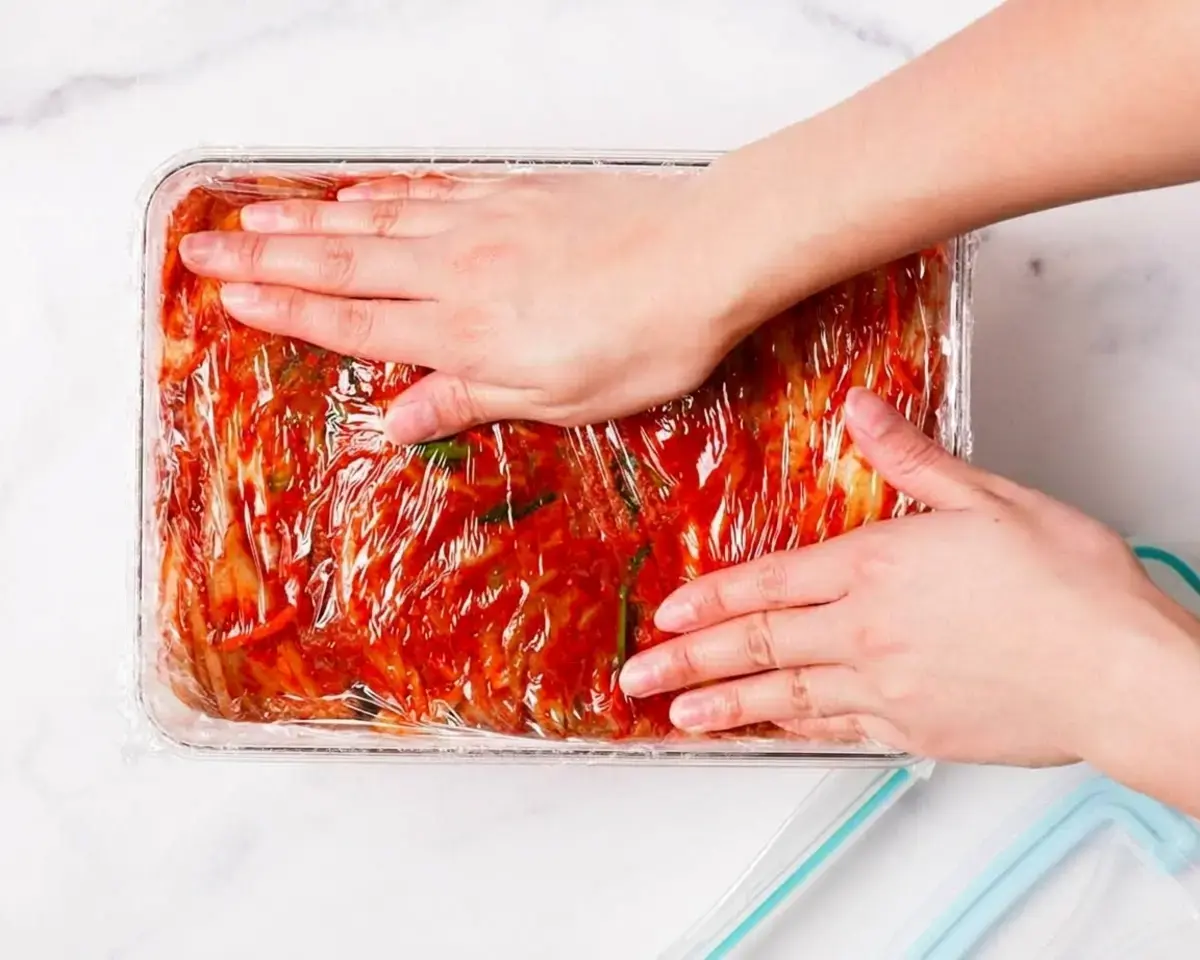
If you plan to eat it fresh (non fermented), you can enjoy it right away. For a tangier fermented flavor, leave the jar at room temperature (60 70°F) for 1 2 days, then refrigerate.
Recipe tips
- Use coarse salt: It dissolves slower and gives you more control over the salting process. Avoid iodized salt, which can discolor the cabbage and hinder fermentation.
- Wear gloves: Gochugaru stains skin and can cause a burning sensation. Gloves also protect your hands when mixing.
- Weigh down the cabbage while salting: A heavy plate or a sealed bag of water helps extract moisture evenly.
- Leave headspace: Fermentation produces carbon dioxide; 1 inch of space prevents jars from bursting.
- Taste as you go: Sample a piece of salted cabbage and the marinade to adjust salt and spice to your liking.
- Press down kimchi daily: After transferring to the fridge, press the kimchi under the brine with a clean spoon to keep it submerged and prevent mold.
For an even crunchier batch, consider adding a small batch of Crunchy Asian Cabbage Slaw for a fresh, non fermented alternative.
Storage
Once your kimchi has reached your preferred level of sourness (usually after 1 2 days at room temperature), move it to the refrigerator. Refrigerated kimchi will continue to ferment slowly and can last up to 6 months if stored properly. Always use clean, dry utensils when serving to avoid contamination. Press the kimchi down each time you open the jar to reduce oxygen exposure. If you notice any mold or dark discoloration on the surface, discard the entire batch. To contain the strong odor, wrap the jar in a plastic bag or store it in a dedicated fridge section.
Kimchi can also be frozen, but the texture softens, so frozen kimchi is best reserved for cooking (like stews or fried rice).
How to sterilize jars
For long term storage, always use sterilized jars. Wash jars and lids in hot soapy water, then rinse well.
Place jars in a large pot, cover with water, and boil for 10 minutes (add 1 minute per 1,000 feet above sea level). Alternatively, steam gallon jars upside down for 15 minutes.
Allow jars to cool and dry completely before filling. Use plastic or non metal lids, as metal can corrode during fermentation.
FAQ
What is traditional napa cabbage kimchi?
How do you make traditional napa cabbage kimchi?
How long does kimchi need to ferment at room temperature?
How do you store homemade kimchi long term?
Is kimchi good for probiotics?
Can I make traditional kimchi vegan?
Traditional Napa Cabbage Kimchi
🥬 Master the art of Korea’s national dish with this authentic baechu kimchi recipe, featuring a bold gochugaru paste and crunchy vegetables. 🌶️ Lacto-fermented for that signature tangy, funky depth, this versatile staple transforms every meal from simple rice to stews and pancakes.
- Total Time: 3 hours 5 minutes
- Yield: About 3 quarts
Ingredients
Napa cabbage (8 pounds, about 2 heads)
Coarse kosher or sea salt (about 2 cups for salting; non iodized)
Korean radish (mu, 1 pound, julienned)
Carrot (6 ounces, julienned)
Asian chives (4 ounces, cut into 1 inch pieces)
Water (1.5 cups)
Rice flour (regular or glutinous) (1/3 cup)
Apple (Fuji or Honeycrisp) (1 large)
Onion (1 large)
Garlic cloves (20)
Fresh ginger (2 inch knob)
Fish sauce (1/2 cup)
Coarse gochugaru (Korean red pepper flakes) (2 cups, divided)
Instructions
1-Clean and cut the napa cabbage: Remove tough outer leaves, cut each head lengthwise into quarters with core attached, trim about an inch off the core end, rinse under cold water gently separating leaves, and shake off excess water.
2-Salt the napa cabbage: Place quarters in a large bowl, generously sprinkle 1/4 cup kosher salt per cabbage between every leaf focusing on thick stems, let sit 1.5–2 hours rotating every 30 minutes with a weight on top until stems bend easily and a rinsed leaf tastes seasoned.
3-Make the kimchi marinade: Cook 1.5 cups water and 1/3 cup rice flour over medium heat until thickened and translucent, then cool completely. Blend apple, onion, garlic, ginger, and fish sauce until smooth; add 1 cup gochugaru and pulse. Transfer to a large bowl, stir in the cooled paste and remaining gochugaru, then fold in julienned radish, carrot, and chives to form a thick red paste.
4-Rinse the napa cabbage: Rinse each quarter thoroughly under cold running water 2–3 times lifting leaves to remove salt, taste a stem piece (should be seasoned not briny), then gently squeeze out excess water without tearing.
5-Marinate the napa cabbage: Wearing gloves, spread marinade between every leaf coating both sides starting from outer leaves. Fold each quarter into a bundle, pack tightly into a sterilized jar leaving 1 inch headspace, and press down. Eat fresh or ferment at 60–70°F for 1–2 days before refrigerating.
Last Step:
Please leave a rating and comment letting us know how you liked this recipe! This helps our business to thrive and continue providing free, high-quality recipes for you.Notes
🧤 Always wear disposable gloves when coating the cabbage with the gochugaru paste to protect your hands from chili burn and staining.
⏳ For fresh, mild kimchi (geotjeori), enjoy immediately; for tangy, fully fermented kimchi, leave at room temperature 1–2 days then refrigerate and taste weekly until it reaches your preferred sourness.
🌱 To make a vegan version, replace the fish sauce with an equal amount of soy sauce or tamari plus 1 tablespoon of miso paste for umami depth.
- Prep Time: 1 hour
- Salting: 2 hours
- Cook Time: 5 minutes
- Category: Side Dish
- Method: Fermenting
- Cuisine: Korean
- Diet: Low Calorie, Low Fat
Nutrition
- Serving Size: 1/4 cup (60g)
- Calories: 24
- Sugar: 1g
- Sodium: 380mg
- Fat: 0.5g
- Saturated Fat: 0.1g
- Unsaturated Fat: 0.3g
- Trans Fat: 0g
- Carbohydrates: 4g
- Fiber: 1g
- Protein: 1g
- Cholesterol: 0mg