


Why You’ll Love This Turkey Brine
Taking the time to brine your turkey can turn an ordinary holiday meal into something truly special, especially if you’re after that perfect, juicy bird everyone raves about. Turkey brine isn’t just a trend; it’s a simple technique that locks in flavors and moisture, pretty much like a magic potion for your meat. In this section, I’ll share why this particular turkey brine recipe stands out for home cooks like you, busy parents juggling schedules, or even baking enthusiasts experimenting with new flavors.
One of the biggest perks is how easy it is to whip up. This turkey brine recipe is designed for simplicity and speed, allowing even novice cooks to achieve juicy, flavorful turkey with minimal effort. The quick soaking time accelerates the cooking process, ensuring tender meat without lengthy marination, which is a game-changer for busy families. Plus, it packs in health benefits like essential minerals and moderate sodium levels, helping retain moisture while keeping things balanced with natural herbs and spices that skip artificial additives.
No kitchen adventure is complete without a bit of flexibility, and this brine delivers just that. It’s adaptable to various dietary preferences, including low-sodium, gluten-free, and organic options, making it ideal for diet-conscious individuals or seniors watching their intake. What really makes it shine is the distinctive flavor from a blend of herbs, citrus, and spices that brings out the turkey’s natural taste in a fresh, savory way. Imagine serving up a meal that not only tastes amazing but also impresses food enthusiasts and newlyweds alike with its versatility for different turkey cuts or even other poultry.
Real Benefits for Everyday Cooking
If you’ve never brined a turkey before, just think of it as giving your bird a salty spa day, and trust me, the results will have everyone asking for seconds. For working professionals, this means less stress on the big day, as the brine does most of the work overnight. For more on how this fits into a healthy lifestyle, check out health benefits of turkey, which explains why ingredients like fresh rosemary and garlic can boost your meal’s nutrition. Overall, this turkey brine is a reliable favorite that adds joy to cooking without complicating things.
Jump to:
- Why You’ll Love This Turkey Brine
- Real Benefits for Everyday Cooking
- Essential Ingredients for Turkey Brine
- The Complete Ingredient List
- How to Prepare the Perfect Turkey Brine: Step-by-Step Guide
- Tips for Smooth Preparation
- Dietary Substitutions to Customize Your Turkey Brine
- Mastering Turkey Brine: Advanced Tips and Variations
- How to Store Turkey Brine: Best Practices
- FAQs: Frequently Asked Questions About Turkey Brine
- Is brining a turkey necessary for juicy meat?
- Can I brine a frozen turkey, and how should I prepare it?
- How long should I brine my turkey for optimal flavor without making it too salty?
- Should I rinse the turkey after brining, and how do I handle food safety?
- Is it better to cook stuffing inside or outside a brined turkey?
- Turkey Brine
- Ingredients
- Instructions
- Last Step:
- Notes
- Nutrition
- Did you make this recipe?
Essential Ingredients for Turkey Brine
Getting the ingredients right is key to making a turkey brine that infuses your bird with amazing flavor and moisture. This recipe focuses on fresh, simple items that are easy to find, turning your turkey into a standout dish for home cooks and family gatherings. Below, I’ll list out everything youkega need, based on a tried-and-true formula that balances spice, sweetness, and tang.
The Complete Ingredient List
- 3 cups of apple juice or apple cider – Adds natural sweetness and acidity for flavor balance.
- 2 gallons of cold water – Serves as the base to dissolve salt and sugar while hydrating the turkey thoroughly.
- 4 tablespoons of fresh rosemary leaves – Brings a fragrant, earthy aroma to the mix.
- 5 cloves of garlic, minced – Provides aromatic depth and savory notes for a robust taste.
- 1 1/2 cups of kosher salt – Essential for moisture retention and enhancing the turkey’s flavor.
- 2 cups of brown sugar – Balances the saltiness and promotes caramelization during cooking.
- 3 tablespoons of peppercorns – Introduces subtle heat and spice to the brine.
- 5 whole bay leaves – Imparts herbal undertones that complement the other flavors.
- the peel of three large oranges – Offers a bright, citrusy freshness that elevates the overall profile.
For special dietary twists, you can tweak this list easily. If you’re going vegan, swap the base with vegetable broth for extra richness. Everything here is naturally gluten-free, but double-check for cross-contamination if that’s a concern. If you’re watching calories, consider using a natural sweetener instead of brown sugar to keep things light without losing that tasty edge. Remember, for more creative recipe ideas on your site, take a look at our top turkey recipes to see how this brine pairs with other dishes.
How to Prepare the Perfect Turkey Brine: Step-by-Step Guide
Brining a turkey might sound fancy, but it’s really straightforward once you break it down into simple steps. This guide walks you through the process, making it simple for beginners like students or busy parents to get juicy results every time. Start by gathering your ingredients and noting how this method uses turkey brine to enhance the meat’s texture and taste from the inside out.
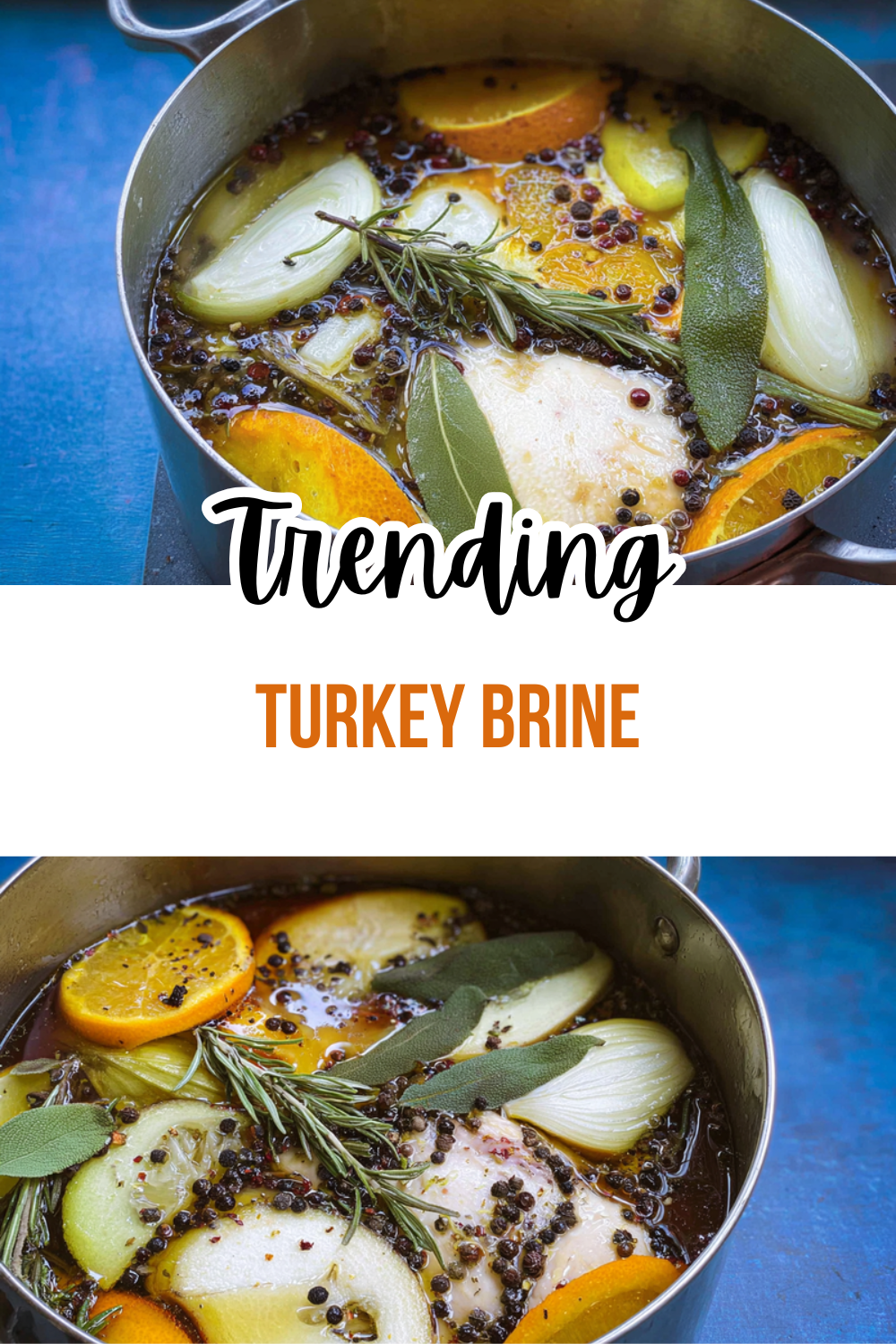
First, measure out the water, kosher salt, brown sugar, and all the herbs and spices to ensure you’re ready to go. Make sure your turkey is fully thawed so the brine can work its magic evenly. In a large pot, combine the 2 gallons of cold water, 1 1/2 cups of kosher salt, 2 cups of brown sugar, 3 cups of apple juice or apple cider, 4 tablespoons of fresh rosemary leaves, 5 cloves of garlic minced, 3 tablespoons of peppercorns, 5 whole bay leaves, and the peel of three large oranges.
Next, bring the mixture to a boil over medium heat, stirring until the salt and sugar dissolve completely for a smooth brine. Once it reaches a boil, turn off the heat, cover the pot, and let it cool completely before using to avoid any cooking mishaps with the turkey. Then, submerge the turkey fully in the cooled brine, using a heavy plate if needed to keep it under the liquid, and pop it in the fridge for 12 to 24 hours depending on the bird’s size.
Tips for Smooth Preparation
For dietary adaptations, feel free to reduce the salt or swap herbs like using thyme for a milder taste. After the brining time is up, remove the turkey, rinse it under cold water, and pat it dry before moving on to roasting. This step helps even out the flavors, and for more on safe cooking practices, check out benefits of brining to see how it can improve your meals overall.

Dietary Substitutions to Customize Your Turkey Brine
Everyone’s got different needs in the kitchen, whether you’re a food enthusiast experimenting or a diet-conscious individual cutting back. Customizing your turkey brine is a fun way to make it fit your lifestyle while keeping that juicy flavor intact. Let’s look at simple swaps that keep things flexible and tasty.
For protein options, try swapping turkey with chicken breast for something leaner, or go with firm tofu for a vegan-friendly twist. If you’re in the mood for something bolder, game birds like duck or quail can add a richer taste. On the vegetable and seasoning side, replace rosemary with thyme or sage if that’s what you have on hand, or add low-sodium soy sauce for an extra savory kick.
Including seasonal items like carrots or celery can bring in more aroma without much effort. These changes ensure your turkey brine stays versatile for various diets, all while maintaining the core benefits of moisture and flavor.
Mastering Turkey Brine: Advanced Tips and Variations
| Technique | Tips |
|---|---|
| Pro Cooking Methods | Score the turkey skin lightly before brining to help flavors seep in deeper, and try vacuum-sealing for faster results. |
| Flavor Ideas | Add orange or lemon peels for a zesty boost, or mix in smoked paprika for a smoky hint that complements the original recipe. |
| Presentation Hacks | Garnish with fresh herbs and citrus slices to make your turkey look as good as it tastes at the table. |
| Make-Ahead Strategies | Prep the brine a day early and chill it in the fridge so flavors blend, saving you time on busy days. |
These tips can take your turkey brine to the next level, perfect for travelers trying new twists or baking enthusiasts getting creative. Remember, small changes like these keep the fun in cooking.
How to Store Turkey Brine: Best Practices
Proper storage keeps your turkey brine safe and effective, especially if you’re meal prepping for the week. Think of it as giving your ingredients a little vacation in the fridge so they’re ready when you are. Here are the basics to follow for travelers, working professionals, or anyone stocking up ahead of time.
Start with refrigeration: Keep unused brine in an airtight container in the fridge for up to one week to avoid any bacterial issues. If you’re planning ahead, freezing is a great option store it in sealed containers or freezer bags for up to three months, then thaw in the fridge before using. Avoid reheating old brine directly; it’s smarter to ditch it after one use to stay on the safe side.
For meal prep, always label your containers with dates and use them within the recommended time. This way, you maintain quality and make cooking easier for busy parents or seniors.
FAQs: Frequently Asked Questions About Turkey Brine
Is brining a turkey necessary for juicy meat?
Can I brine a frozen turkey, and how should I prepare it?
How long should I brine my turkey for optimal flavor without making it too salty?
Should I rinse the turkey after brining, and how do I handle food safety?
Is it better to cook stuffing inside or outside a brined turkey?

Turkey Brine
🦃 Transform your holiday turkey into an incredibly juicy and flavorful centerpiece that will have everyone asking for your secret to perfectly moist meat
🍊 Master the art of brining with this aromatic blend of apple cider, fresh herbs, and citrus that guarantees tender, seasoned turkey from skin to bone every single time
- Total Time: 15 minutes plus cooling time
- Yield: Enough for 1 turkey (12-20 pounds)
Ingredients
– 3 cups apple juice or apple cider for natural sweetness and acidity and flavor balance.
– 2 gallons cold water for dissolving salt and sugar and hydrating the turkey.
– 4 tablespoons fresh rosemary leaves for a fragrant, earthy aroma.
– 5 cloves garlic, minced for aromatic depth and savory notes.
– 1 1/2 cups kosher salt for moisture retention and enhancing the turkey’s flavor.
– 2 cups brown sugar for balancing the saltiness and promoting caramelization during cooking.
– 3 tablespoons peppercorns for subtle heat and spice.
– 5 whole bay leaves for herbal undertones.
– the peel of three large oranges for bright, citrusy freshness.
Instructions
1-First, measure out the water, kosher salt, brown sugar, and all the herbs and spices to ensure you’re ready to go. Make sure your turkey is fully thawed so the brine can work its magic evenly. In a large pot, combine the 2 gallons of cold water, 1 1/2 cups of kosher salt, 2 cups of brown sugar, 3 cups of apple juice or apple cider, 4 tablespoons of fresh rosemary leaves, 5 cloves of garlic minced, 3 tablespoons of peppercorns, 5 whole bay leaves, and the peel of three large oranges.
2-Next, bring the mixture to a boil over medium heat, stirring until the salt and sugar dissolve completely for a smooth brine. Once it reaches a boil, turn off the heat, cover the pot, and let it cool completely before using to avoid any cooking mishaps with the turkey. Then, submerge the turkey fully in the cooled brine, using a heavy plate if needed to keep it under the liquid, and pop it in the fridge for 12 to 24 hours depending on the bird’s size.
3-For dietary adaptations, feel free to reduce the salt or swap herbs like using thyme for a milder taste. After the brining time is up, remove the turkey, rinse it under cold water, and pat it dry before moving on to roasting. This step helps even out the flavors, and for more on safe cooking practices, check out benefits of brining to see how it can improve your meals overall.
Last Step:
Please leave a rating and comment letting us know how you liked this recipe! This helps our business to thrive and continue providing free, high-quality recipes for you.Notes
🧊 Always cool the brine completely before submerging your turkey – hot brine can start cooking the meat and create food safety issues
⏰ Plan ahead – most turkeys need 12-24 hours in the brine, so start this process the day before you plan to cook
🦃 After brining, always rinse the turkey thoroughly and pat it completely dry to ensure crispy skin and prevent oversalting
- Prep Time: 15 minutes
- Cooling Time: 2 hours
- Cook Time: 0 minutes
- Category: Preparation
- Method: Brining
- Cuisine: American
- Diet: Gluten-Free
Nutrition
- Serving Size: N/A (preparation method)
- Calories: 0
- Sugar: 0g
- Sodium: 0g
- Fat: 0g
- Saturated Fat: 0g
- Unsaturated Fat: 0g
- Trans Fat: 0g
- Carbohydrates: 0g
- Fiber: 0g
- Protein: 0g
- Cholesterol: 0mg



Thanks, this turkey brine was so easy to follow and the flavor was incredible 🍗.
Quick question: can I double the recipe for a 20 lb bird and just increase the brining time by a few hours?