
Why You’ll Love This Vanilla Layer Cake
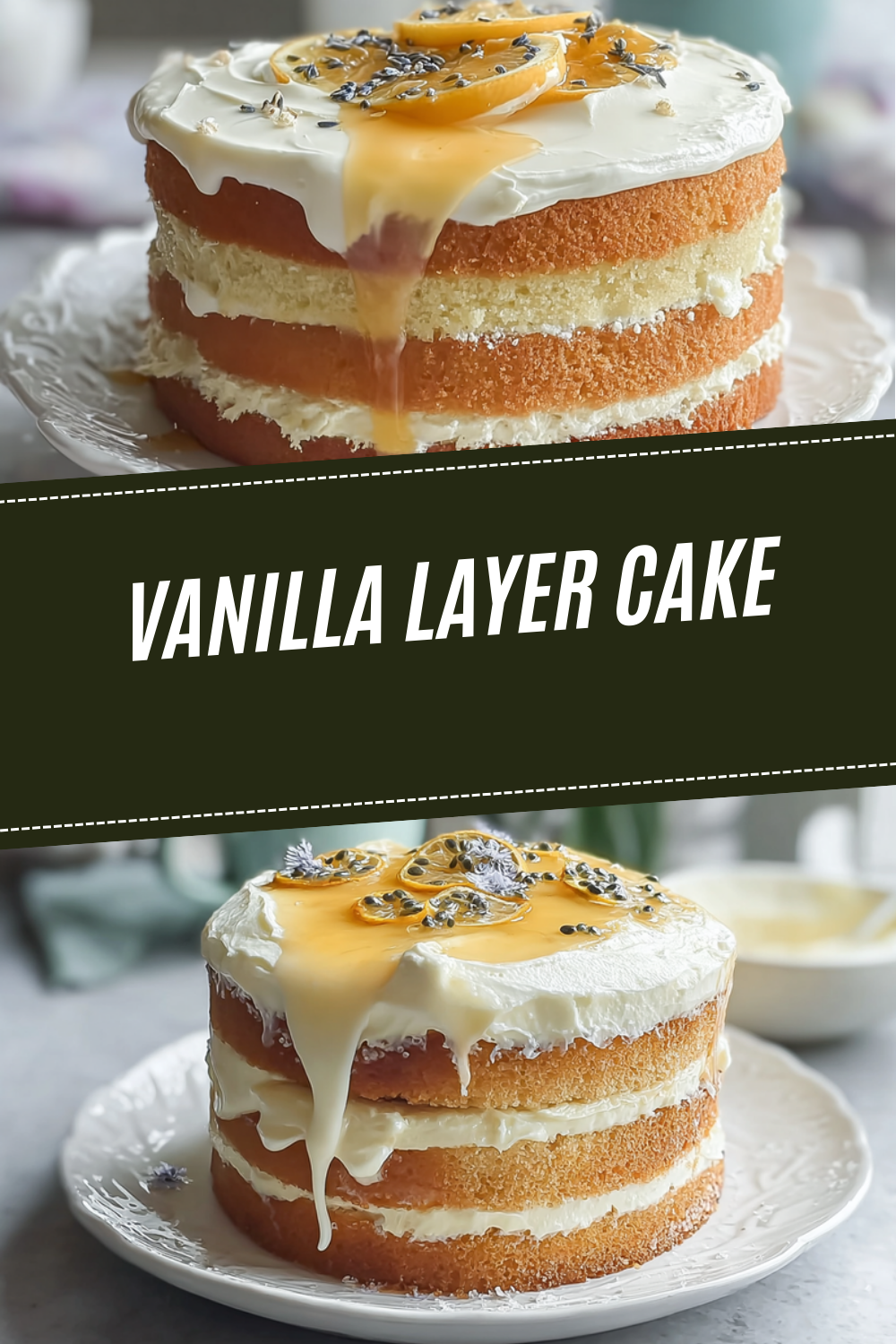
This vanilla layer cake is a go-to recipe for anyone wanting a treat that feels just right for everyday moments or special gatherings. With its soft texture and lasting freshness, it brings together simple steps that even new bakers can follow without stress. You’ll find it easy to whip up, and the natural flavors make every bite feel rewarding.
One of the best parts is how it uses basic kitchen staples, turning them into something truly delicious. Whether you’re baking for a birthday or just to enjoy with coffee, this cake offers a balance of sweetness and lightness that keeps things light-hearted. Plus, it stays moist for days, making mealtime prep a breeze for busy families.
Drawing from a mix of Japanese sponge cake techniques and Western butter cake methods, this recipe creates a plush and stable base that’s perfect for layering. However, to learn more about essential baking tools, check out our guide on baking basics that can help you get started. It saves time in the kitchen and works well for all skill levels, from busy parents to baking enthusiasts. The rich vanilla taste comes from good-quality extract, adding a warm aroma that everyone enjoys.
Jump to:
- Why You’ll Love This Vanilla Layer Cake
- Essential Ingredients for Vanilla Layer Cake
- Cake Ingredients
- Vanilla Buttercream Frosting Ingredients
- How to Prepare the Perfect Vanilla Layer Cake: Step-by-Step Guide
- Dietary Substitutions to Customize Your Vanilla Layer Cake
- Mastering Vanilla Layer Cake: Advanced Tips and Variations
- Flavor Variations
- Presentation Tips
- How to Store Vanilla Layer Cake: Best Practices
- FAQs: Frequently Asked Questions About Vanilla Layer Cake
- How long should I bake vanilla layer cakes in standard 8-inch pans?
- Can I stack 3 or 4 layers of this vanilla cake without it collapsing?
- What type of flour is best for making vanilla layer cakes to get a moist and tender crumb?
- Why is using room temperature eggs important for this vanilla cake recipe?
- How should I store a vanilla layer cake if I’m not frosting it immediately?
- Vanilla Layer Cake
- Ingredients
- Instructions
- Last Step:
- Notes
- Nutrition
- Did you make this recipe?
Essential Ingredients for Vanilla Layer Cake
When it comes to making this vanilla layer cake, choosing the right ingredients is key to getting that perfect moist and fluffy result. Start with high-quality items to ensure your cake turns out just as planned. Below is a complete list of everything you need, pulled straight from the recipe for accuracy.
Cake Ingredients
- 2 cups plain/all-purpose flour
- 2 1/2 teaspoons baking powder
- 1/4 teaspoon kosher salt
- 4 large eggs (50-55g each), at room temperature
- 1 1/2 cups caster/superfine sugar
- 115g unsalted butter, cut into small cubes
- 1 cup full-fat milk
- 3 teaspoons vanilla extract
- 3 teaspoons vegetable or canola oil
Vanilla Buttercream Frosting Ingredients
- 225g unsalted butter, softened
- 500g sifted icing/powdered sugar
- 3 teaspoons vanilla extract
- 2 to 4 tablespoons milk
These ingredients work together to create a cake that’s both tender and full of flavor. For those curious about the health side, explore health benefits of vanilla to see how it adds more than just taste.
How to Prepare the Perfect Vanilla Layer Cake: Step-by-Step Guide
Getting ready to bake this vanilla layer cake is straightforward and fun, even if you’re new to the kitchen. Begin by gathering all your tools and ingredients to make the process smooth. Follow these steps closely for the best results, as they blend techniques for a moist and even texture.
- Preheat oven to 180°C (350°F), or use 160°C if you have a fan oven, and do this for 20 minutes. Make sure to position the oven rack in the middle for even baking.
- Grease two 20cm (8 inch) cake pans and line them with parchment paper. It’s best to use pans without loose bases to avoid leaks.
- Whisk together the flour, baking powder, and salt in a large bowl until well combined.
- In a stand mixer with a whisk attachment, beat the room temperature eggs on speed 6 for 30 seconds to start.
- Gradually add the sugar over 45 seconds while the mixer is running, then increase to speed 8 and beat for 7 minutes until the mixture is thick, glossy, tripled in volume, and pale.
- Melt the butter in the milk until it’s combined and hot but not boiling, then set it aside.
- Add the dry ingredients to the egg mixture in three additions, mixing briefly on low speed just until combined; be careful not to over mix.
- Temper the hot milk-butter mixture by stirring a bit of the egg batter into it, then slowly pour it back into the main batter while mixing on low speed. Scrape the bowls and beat for 10 seconds until smooth and pourable.
- Pour the batter into the prepared pans and gently tap each pan three times on the counter to remove large air bubbles.
- Bake for 30 minutes or until golden and a toothpick inserted in the center comes out clean.
- Cool the cakes in the pans for 15 minutes, then turn them out onto wire racks. Cool them upside down to flatten any slight domes for level layers.
- Once completely cooled, frost with the prepared vanilla buttercream.
For the buttercream, beat the softened butter for about 3 minutes until it’s fluffy and pale. Gradually add the sifted powdered sugar in three parts, mixing slowly, then beat on high speed for 3 minutes. Add the vanilla extract and 2 to 4 tablespoons of milk to adjust the texture, and beat for another 30 seconds. Use it right away or refrigerate and re-whip before frosting. This method draws from reliable sources like egg nutrition tips, which highlight how eggs add structure.

Dietary Substitutions to Customize Your Vanilla Layer Cake
Making this vanilla layer cake fit your needs is simple with a few smart swaps. Whether you’re avoiding certain ingredients or trying something new, these changes keep the cake tasty and moist. They help everyone from students to seniors enjoy a slice without worry.
- Replace eggs with flax or chia seed eggs (1 tbsp seeds + 3 tbsp water per egg) for vegan baking.
- Use aquafaba as an egg white substitute to keep that fluffy rise.
- Swap dairy butter with plant-based options for a dairy-free version.
- Use almond, soy, or oat milk instead of full-fat milk for lactose-free needs.
- Opt for coconut sugar or stevia in place of caster sugar to cut calories.
These tweaks maintain the cake’s core appeal while adapting to various diets. For instance, if you’re focused on health, these options align with general wellness advice.
Mastering Vanilla Layer Cake: Advanced Tips and Variations
Once you’re comfortable with the basics, try these advanced tips to elevate your vanilla layer cake game. Using room temperature ingredients helps everything blend smoothly for a consistent batter. Sift the dry ingredients a few times to add air, which leads to a lighter crumb that feels just right.
Flavor Variations
Add citrus zest or a touch of espresso powder to mix things up, creating unique tastes for different occasions. You could also include fresh berries for a burst of color and texture, but remember to follow the recipe closely to avoid issues like sinking mix-ins.
Presentation Tips
Apply a crumb coat before the final frosting to get a neat finish, and garnish with simple items like powdered sugar. These steps make your cake look as good as it tastes, perfect for food enthusiasts or newlyweds hosting a dinner.
For more ideas, check our post on chocolate cake variations that can inspire your next bake. Always use fresh baking powder and avoid overmixing to keep that rise just right.
How to Store Vanilla Layer Cake: Best Practices
Keeping your vanilla layer cake fresh is easy with the right storage methods. Store it in an airtight container or wrapped tightly to hold in moisture for up to 4 days. In warmer weather, pop it in the fridge to maintain that soft texture.
| Storage Method | Duration | Tips |
|---|---|---|
| Refrigeration | 3-4 days | Cover well and let it come to room temperature before serving. |
| Freezing | Up to 2 months | Wrap layers tightly and thaw in the fridge overnight. |
| Reheating | As needed | Warm in a low oven for a few minutes to refresh. |
This keeps the cake enjoyable throughout the week, ideal for working professionals.
FAQs: Frequently Asked Questions About Vanilla Layer Cake
How long should I bake vanilla layer cakes in standard 8-inch pans?
Can I stack 3 or 4 layers of this vanilla cake without it collapsing?
What type of flour is best for making vanilla layer cakes to get a moist and tender crumb?
Why is using room temperature eggs important for this vanilla cake recipe?
How should I store a vanilla layer cake if I’m not frosting it immediately?
Vanilla Layer Cake
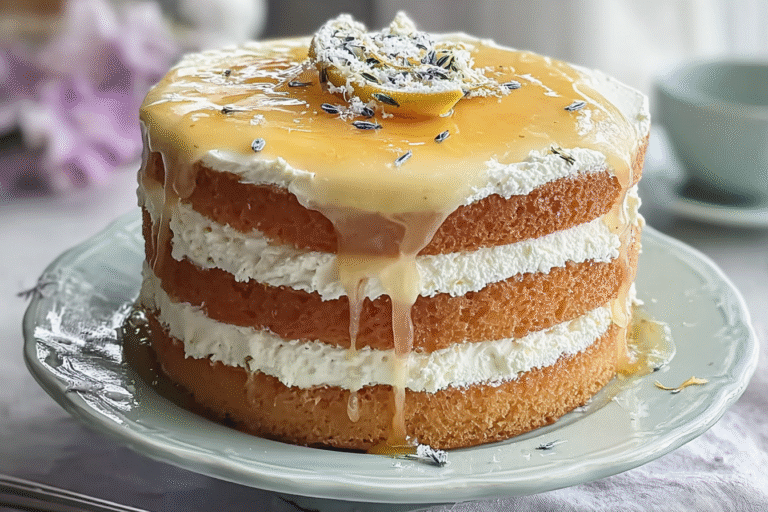
🎂 Enjoy a moist and fresh Vanilla Cake that stays soft for days, perfect for birthdays and special occasions.
🌿 This recipe blends Japanese sponge and Western butter cake techniques for a rich yet plush texture that delights every bite.
- Total Time: 2 hours 50 minutes
- Yield: 10 servings 1x
Ingredients
2 cups plain/all-purpose flour
2 1/2 teaspoons baking powder
1/4 teaspoon kosher salt
4 large eggs (50-55g each)
1 1/2 cups caster/superfine sugar
115g unsalted butter, cut into small cubes
1 cup full-fat milk
3 teaspoons vanilla extract
3 teaspoons vegetable or canola oil
225g unsalted butter, softened
500g sifted icing/powdered sugar
3 teaspoons vanilla extract
2 to 4 tablespoons milk
Instructions
1-Preheat oven to 180°C (350°F), or use 160°C if you have a fan oven, and do this for 20 minutes. Make sure to position the oven rack in the middle for even baking.
2-Grease two 20cm (8 inch) cake pans and line them with parchment paper. It’s best to use pans without loose bases to avoid leaks.
3-Whisk together the flour, baking powder, and salt in a large bowl until well combined.
4-In a stand mixer with a whisk attachment, beat the room temperature eggs on speed 6 for 30 seconds to start.
5-Gradually add the sugar over 45 seconds while the mixer is running, then increase to speed 8 and beat for 7 minutes until the mixture is thick, glossy, tripled in volume, and pale.
6-Melt the butter in the milk until it’s combined and hot but not boiling, then set it aside.
7-Add the dry ingredients to the egg mixture in three additions, mixing briefly on low speed just until combined; be careful not to over mix.
8-Temper the hot milk-butter mixture by stirring a bit of the egg batter into it, then slowly pour it back into the main batter while mixing on low speed. Scrape the bowls and beat for 10 seconds until smooth and pourable.
9-Pour the batter into the prepared pans and gently tap each pan three times on the counter to remove large air bubbles.
10-Bake for 30 minutes or until golden and a toothpick inserted in the center comes out clean.
11-Cool the cakes in the pans for 15 minutes, then turn them out onto wire racks. Cool them upside down to flatten any slight domes for level layers.
12-Once completely cooled, frost with the prepared vanilla buttercream.
Last Step:
Please leave a rating and comment letting us know how you liked this recipe! This helps our business to thrive and continue providing free, high-quality recipes for you.Notes
🍳 Use room temperature eggs to optimize volume and rise.
🔥 Use hot (not boiling) milk with melted butter for moist texture.
🎂 Cool cake layers upside down to flatten domes ensuring even stacking.
- Prep Time: 20 minutes
- Cooling Time: 2 hours
- Cook Time: 30 minutes
- Category: Dessert
- Method: Baking
- Cuisine: Fusion (Japanese and Western)
- Diet: Contains Eggs and Dairy
Nutrition
- Serving Size: 1 slice
- Calories: 339 kcal
- Sugar: 31 g
- Sodium: 97 mg
- Fat: 13 g
- Saturated Fat: 7 g
- Unsaturated Fat: 5 g
- Trans Fat: 0 g
- Carbohydrates: 51 g
- Fiber: 1 g
- Protein: 6 g
- Cholesterol: 91 mg
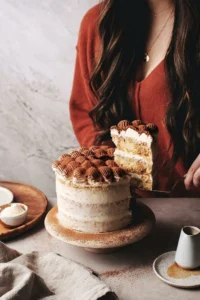

I just made this vanilla layer cake for my sister’s birthday and it turned out absolutely perfect! The layers were so soft and the vanilla flavor was just right—not too sweet. I’m thinking of trying a lemon glaze next time for a little twist 🍋. Thanks for the wonderful recipe!