


Why You’ll Love This Yakamein
Imagine sitting down to a bowl of warm, satisfying soup that brings a piece of New Orleans right to your kitchen table. This Yakamein recipe stands out for its ease of preparation, which lets you whip up a tasty meal in no time at all. It’s perfect whether you’re a first-time cook or someone juggling a busy schedule, as the steps flow smoothly from start to finish.
Beyond its simplicity, Yakamein packs health benefits that make it a smart choice for your meals. With protein from beef and eggs, along with vitamins from fresh vegetables, it’s a nourishing option that keeps you energized throughout the day. Plus, its versatility means you can tweak it to fit various dietary needs, making it inclusive for everyone in your family.
What really sets Yakamein apart is its rich, distinctive flavor that combines savory spices and hearty ingredients. Originating from New Orleans, this dish holds cultural significance in the local African American community, turning every bite into a celebration of tradition. It’s more than just food it’s a comforting staple valued as a hearty meal that serves 8 people and blends carbohydrates from spaghetti with nutrients from veggies for a balanced experience.
Jump to:
- Why You’ll Love This Yakamein
- Essential Ingredients for Yakamein
- How to Prepare the Perfect Yakamein: Step-by-Step Guide
- Dietary Substitutions to Customize Your Yakamein
- Mastering Yakamein: Advanced Tips and Variations
- How to Store Yakamein: Best Practices
- FAQs: Frequently Asked Questions About Yakamein
- What is yakamein and what are its main ingredients?
- Where did yakamein originate and how did it become popular?
- How can I make an authentic yakamein broth at home?
- What are common garnishes and toppings for yakamein?
- Is yakamein considered a healthy meal option?
- Yakamein
- Ingredients
- Instructions
- Last Step:
- Notes
- Nutrition
- Did you make this recipe?
Essential Ingredients for Yakamein
Gathering the right ingredients is key to capturing the authentic Southern flavor of Yakamein. This traditional beef noodle soup from New Orleans relies on simple yet flavorful components that highlight its cultural roots in the African American community. Let’s break down the essential items you’ll need, based on classic preparations.
- 1 pound boneless chuck roast – for tender protein that forms the heart of the dish
- 1 pound cooked spaghetti – provides the hearty noodle base
- 2 bunches chopped green onions – adds fresh brightness as a garnish
- 4 hard-cooked eggs, peeled and quartered – offers creamy texture and extra protein
- Broth seasoned with a blend of spices – the flavorful liquid foundation
- 1 teaspoon Creole seasoning – part of the spice mix for authentic taste
- 3 tablespoons beef base – used as a substitute in the seasoning to enhance the broth
Don’t forget the optional garnishes that let you personalize your bowl: boiled shrimp, hot sauce, ketchup, boiled cauliflower, boiled broccoli, and boiled carrots. These additions bring extra layers of flavor and nutrition, making Yakamein a versatile comfort food.
| Ingredient Category | Examples | Purpose |
|---|---|---|
| Main Proteins | Boneless chuck roast, hard-cooked eggs | Provides essential protein for a filling meal |
| Noodles and Base | Cooked spaghetti, seasoned broth | Forms the comforting structure of the soup |
| Garnishes | Chopped green onions, optional veggies | Adds freshness and customization |
This structured list ensures you have every item with precise measurements, making it easy to shop and cook.
How to Prepare the Perfect Yakamein: Step-by-Step Guide
Getting started with Yakamein is as straightforward as it gets, and you’ll love how quickly it comes together. Begin by simmering the chuck roast in water until it’s fully cooked, which takes about 15 minutes, then reserve the flavorful broth for the next steps. This method pulls out the rich tastes that make this New Orleans favorite so special.
Once the beef is ready, combine the broth with your seasoning blend and let it simmer for another 5 minutes to deepen the flavors. Chop the cooked beef into bite-sized pieces to make it easy to eat, and divide the cooked spaghetti evenly into 8 bowls for serving. Top each bowl with the beef pieces, chopped green onions, and 2 quarters of the hard-cooked eggs before ladling in about 1 cup of the seasoned broth.
Finish it off with a dash of soy sauce for that extra umami kick, and add any optional garnishes like boiled shrimp or vegetables as you like. This approach not only honors the dish’s origins in the African American community of New Orleans but also creates a nourishing meal that combines protein, carbs, and veggies. For more ideas on adapting recipes, check out our guide to Creole seasoning on the blog.

Dietary Substitutions to Customize Your Yakamein
One of the best things about Yakamein is how easy it is to make it your own, especially with dietary needs in mind. If you’re looking to swap out proteins, try using tofu or seitan instead of the beef brisket to create a vegan version that still packs a punch. For those wanting lighter options, chicken breast or shrimp can step in nicely while keeping the dish hearty and full of flavor.
When it comes to vegetables and sauces, feel free to replace green onions with chives or leeks if that’s what you have on hand. To keep things gluten-free, swap soy sauce for tamari and use rice noodles in place of spaghetti for a smooth adaptation. These changes help maintain the cultural essence of Yakamein while making it accessible for everyone, from busy parents to health-focused folks.
Remember, adjusting seasonings is a great way to match your taste preferences, such as adding ginger for a twist or cutting back on salt. This flexibility turns Yakamein into a go-to comfort food that combines nutrients from vegetables with proteins from various sources, ensuring it’s both flavorful and nourishing for groups like students or seniors.
Mastering Yakamein: Advanced Tips and Variations
Taking your Yakamein to the next level starts with smart cooking techniques that enhance its depth. Sear the chuck roast before simmering to lock in juices and build a richer broth, drawing from the traditional New Orleans style that highlights its African American roots. Using homemade broth can add even more umami, making every bowl feel like a true taste of history.
Experiment with flavor variations to keep things exciting, such as mixing in miso paste for an extra layer or a splash of sesame oil for nuttiness. Presentation matters too top your bowls with fresh cilantro or sliced red chili to make them look as good as they taste, turning a simple meal into something special for food enthusiasts. These tips ensure Yakamein remains a versatile dish that serves 8 and delivers a mix of proteins, carbs, and veggies.
For make-ahead options, prepare the broth and beef in advance, then store them separately to keep everything fresh. This method is perfect for working professionals or newlyweds looking to save time without losing that authentic Southern flavor. Explore our collection of easy soup recipes for more inspiration on the blog.
How to Store Yakamein: Best Practices
Keeping your Yakamein fresh is simple with the right storage tricks, so you can enjoy it later without losing its comforting quality. Put leftovers in airtight containers and keep them in the fridge, where they’ll stay good for up to 3 days. This helps preserve the flavors from the beef, eggs, and veggies that make this New Orleans classic so special.
If you want to store it longer, freeze the broth and cooked meat in separate freezer-safe containers for up to 3 months. Noodles don’t freeze well, so it’s best to cook them fresh when you’re ready to eat. When reheating, use low heat to maintain the texture of the beef and prevent the broth from becoming too thin.
Meal prep is a breeze with Yakamein just portion out the components ahead of time for quick assembly on busy days. This approach keeps the dish’s nutritional balance intact, offering protein from beef and eggs along with carbs and nutrients, making it ideal for travelers or baking enthusiasts who need a reliable meal option.

FAQs: Frequently Asked Questions About Yakamein
What is yakamein and what are its main ingredients?
Where did yakamein originate and how did it become popular?
How can I make an authentic yakamein broth at home?
What are common garnishes and toppings for yakamein?
Is yakamein considered a healthy meal option?
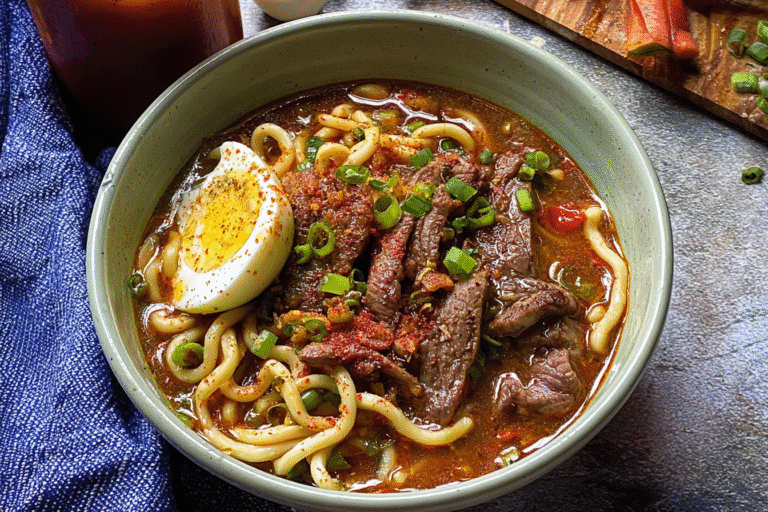
Yakamein
🍜 Experience the authentic taste of New Orleans with this classic Ya-Ka-Mein that combines tender beef, hearty noodles, and rich broth in one comforting bowl
🥚 Discover the perfect hangover remedy and soul-warming dish that brings together Southern flavors and cultural heritage in every spoonful
- Total Time: 35 minutes
- Yield: 8 servings
Ingredients
– 1 pound boneless chuck roast for tender protein that forms the heart of the dish
– 1 pound cooked spaghetti provides the hearty noodle base
– 2 bunches chopped green onions adds fresh brightness as a garnish
– 4 hard-cooked eggs, peeled and quartered offers creamy texture and extra protein
– Broth seasoned with a blend of spices the flavorful liquid foundation
– 1 teaspoon Creole seasoning part of the spice mix for authentic taste
– 3 tablespoons beef base used as a substitute in the seasoning to enhance the broth
– boiled shrimp
– hot sauce
– ketchup
– boiled cauliflower
– boiled broccoli
– boiled carrots
Instructions
1-Getting started with Yakamein is as straightforward as it gets, and you’ll love how quickly it comes together. Begin by simmering the chuck roast in water until it’s fully cooked, which takes about 15 minutes, then reserve the flavorful broth for the next steps. This method pulls out the rich tastes that make this New Orleans favorite so special.
2-Once the beef is ready, combine the broth with your seasoning blend and let it simmer for another 5 minutes to deepen the flavors. Chop the cooked beef into bite-sized pieces to make it easy to eat, and divide the cooked spaghetti evenly into 8 bowls for serving. Top each bowl with the beef pieces, chopped green onions, and 2 quarters of the hard-cooked eggs before ladling in about 1 cup of the seasoned broth.
3-Finish it off with a dash of soy sauce for that extra umami kick, and add any optional garnishes like boiled shrimp or vegetables as you like. This approach not only honors the dish’s origins in the African American community of New Orleans but also creates a nourishing meal that combines protein, carbs, and veggies. For more ideas on adapting recipes, check out our guide to Creole seasoning on the blog.
Last Step:
Please leave a rating and comment letting us know how you liked this recipe! This helps our business to thrive and continue providing free, high-quality recipes for you.Notes
🥩 For more tender beef, you can simmer the chuck roast longer (30-45 minutes) until it easily shreds with a fork
🍜 Cook the spaghetti al dente so it doesn’t become mushy when the hot broth is added
🌶️ Adjust the seasoning to your taste – add more Creole seasoning for extra spice or more beef base for richer flavor
- Prep Time: 15 minutes
- Cook Time: 20 minutes
- Category: Soup
- Method: Simmering
- Cuisine: Southern/New Orleans
- Diet: Gluten-Free (with gluten-free pasta)
Nutrition
- Serving Size: 1 bowl
- Calories: 238
- Sugar: 2
- Sodium: 680
- Fat: 12
- Saturated Fat: 5
- Unsaturated Fat: 6
- Trans Fat: 0
- Carbohydrates: 28
- Fiber: 2
- Protein: 18
- Cholesterol: 95




Love this Yakamein recipe, it took me back to family gatherings.
I added a splash of oyster sauce, swapped in ramen noodles, and topped it with a soft-boiled egg and scallions.
Turned out amazing! 🍜