
8 Great Garlic Scape Recipes for Seasonal Cooking
These 8 Great Garlic Scape Recipes turn a short-season garden ingredient into pesto, hummus, pizza toppings, simple vegetable sides, salad, flavored butter, and soup. Some entries include measured facts, while others are flexible preparation ideas. The distinctions are kept clear so you can use the source guidance without mistaking every suggestion for a complete tested recipe.
Garlic scapes are the flowering stalks produced by hardneck garlic. They appear before the bulbs are ready for harvest and develop a distinctive curl. The University of Minnesota guide to growing garlic confirms that scapes can be removed shortly after curling and eaten.

Scapes have a fresh garlic character and can be used raw or cooked, depending on their tenderness and the dish. Younger pieces are often easier to chop and chew. If part of a stalk seems tough or fibrous, trim that section rather than forcing it into a raw preparation.
Jump to:
Preparing Garlic Scapes
Choose green, firm stalks that are not badly wilted or slimy. Rinse them under running water, paying attention to the curled areas, and dry them with a clean towel. The FDA fresh produce safety guide recommends clean hands, clean utensils, and separation from raw meat and its preparation surfaces.
For raw uses, mince the scapes finely so their flavor is evenly distributed and their texture does not dominate. For cooking, they may be left long, cut into one- to two-inch pieces, or sliced thinly. The source allows several approaches, so use the cut specified within each idea.
These preparations are not interchangeable recipes. The measured hummus, for example, has a specific quantity of tahini and lemon juice, while the pizza and soup entries provide no exact amounts. Keep those boundaries in mind when scaling or serving to guests.
1. Garlic Scape Pesto
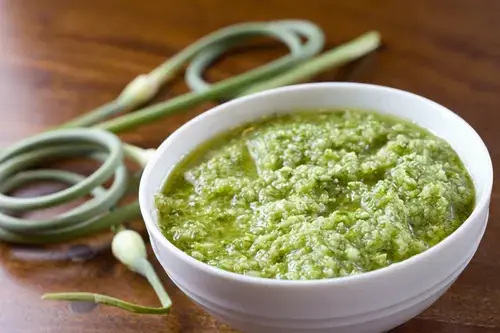
Garlic scapes can replace basil in pesto, or they can be combined with basil in a half-and-half mixture. The source describes a simple direction rather than a measured formula: process scapes, basil if using, olive oil, toasted pine nuts, lemon juice, salt, and pepper until the texture suits the intended use.
A food processor produces a quick, relatively uniform pesto. A mortar and pestle gives more manual control, while very fine chopping followed by stirring creates a coarser result. Because no quantities are published in the roundup, begin with a separate tested pesto recipe when exact proportions or storage guidance matter.
Ways to Use Scape Pesto
Toss the pesto with hot pasta, adding it gradually so the green garlic flavor does not overwhelm the dish. It can also be spread on bread, spooned onto vegetables, or stirred into a sauce. Its thickness can be adjusted only after tasting, since the roundup does not prescribe an oil ratio.
The source also mentions spreading pesto on chicken breasts, wrapping them in prosciutto, and baking at 400°F for about 25 to 30 minutes. Those facts belong to that separate chicken suggestion. Confirm doneness with an appropriate food thermometer rather than relying only on the stated time.
2. Garlic Scape Hummus
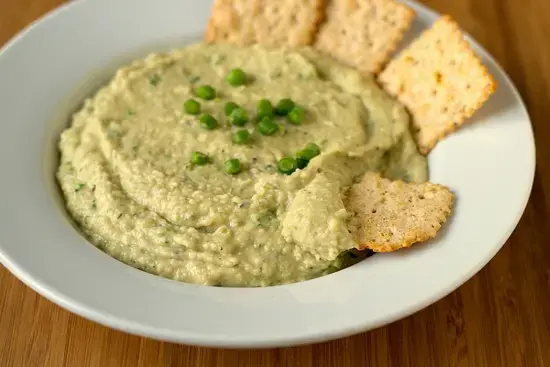
This is the most measured idea in the collection. It blends chickpeas, tahini, olive oil, lemon juice, and chopped scapes into a thick paste. Salt, pepper, and curry are added to taste, so their quantities remain intentionally unspecified.
- 2 cans chickpeas or garbanzo beans, drained
- 1 cup tahini
- 3 tablespoons olive oil
- 1/3 cup lemon juice
- 1/2 cup chopped garlic scapes
- Salt, pepper, and curry to taste
Place the measured ingredients in a food processor and blend them into a thick paste. Stop the machine before scraping the bowl, then continue until the scapes are finely distributed. Taste before seasoning because tahini, canned chickpeas, and added salt can vary.
Bean Variation
The source notes that some versions replace chickpeas with white beans. That change affects texture and flavor, so it should be treated as a variation rather than the original measured hummus. Drain the beans and follow a tested white-bean version if a precise final consistency is important.
Serve the hummus with vegetables, bread, or crackers. Refrigerate a homemade dip promptly in a clean covered container and use clean utensils when serving. The roundup does not publish a refrigerator limit, so it would be inaccurate to invent one here.
3. Scape Pizza
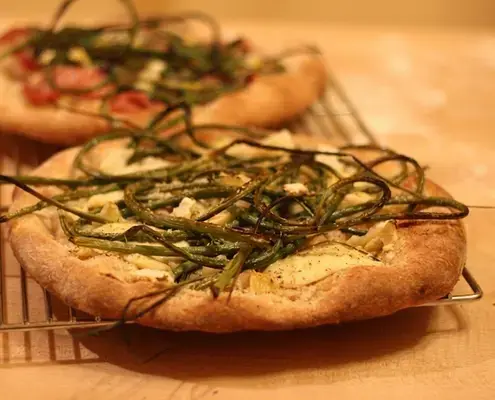
Scapes may be chopped or thinly sliced and scattered over pizza much like onions. This approach places small pieces throughout the cheese and other toppings. Fine slices are particularly helpful when the stalks are assertive or when the pizza will cook quickly.
Another source-backed approach is to sauté the scapes lightly while they are whole, then place them on the dough with cheese. Pre-cooking begins to soften the stalks and can make the curls easier to arrange. No amount of oil, pan temperature, pizza temperature, or baking time is given in the roundup.
Use a tested pizza dough and baking method for the base, then add the scapes as the seasonal topping. Avoid copying the chicken temperature from the pesto suggestion, since it does not establish a pizza-baking instruction.
4. Sauteed Scapes
Garlic scapes can be sautéed in a manner similar to asparagus. Leave tender stalks long for a dramatic presentation or cut them into one- to two-inch pieces for easier stirring and eating. The source also mentions tying long scapes together to make them easier to maneuver in the pan.
Add only enough cooking fat for the chosen pan and quantity, then cook until the texture suits the stalks. Because the roundup gives no universal heat level or duration, use visual and tactile cues rather than an invented number. Older scapes may remain more fibrous than young ones even after cooking.
Serve the sautéed scapes as a vegetable side, fold them into eggs, or add them to pasta after cooking. Season after tasting, especially when they will accompany a salty sauce or cheese.
5. Grilled Scapes
For grilling, the source says to toss scapes with olive oil, salt, and pepper. It contains an obvious “live oil” typo, corrected here to olive oil. Place the coated stalks on the grill for a few minutes, flip once, and remove them when they show a little char.
The phrase “a few minutes” is source wording, not a precise guarantee. Grill heat, stalk thickness, and tenderness all affect the result. Watch continuously because slender ends can darken quickly, and use long tools to keep hands away from the hot grate.
Finish the grilled scapes with salt or lemon zest. The citrus zest brightens their savory flavor without adding liquid. Serve them whole when tender, or cut them into smaller pieces after grilling for easier sharing.
6. Scape Salad
Raw scapes bring a sharper garlic note than cooked ones. The source suggests chopping them and mixing them into salad in the same way you might use scallions. Fine pieces distribute the flavor more evenly and prevent one bite from receiving a long, chewy section.
Begin with a modest amount and taste the salad before adding more. The roundup gives no measured dressing or scape quantity, so the appropriate balance depends on the greens and other ingredients. Tender scapes are the best choice for this raw use.
Wash and dry the stalks before cutting them on a clean board. Add them shortly before serving if you want their texture to remain crisp. Any prepared salad containing perishable ingredients should be handled according to the storage requirements of those ingredients.
7. Scape Butter
The source’s simple butter idea starts with one-quarter cup of butter, melted, mixed with chopped raw scapes to taste. Thyme or other herbs may also be added. Because the scape quantity is not specified, mince it finely and add gradually rather than assuming a fixed ratio.
This melted version can be brushed over bread or used when assembling homemade garlic bread. It can also be spooned over cooked vegetables. Keep the mixture away from raw meat utensils, and refrigerate unused flavored butter promptly because fresh plant material has been added.
Do not confuse this brief roundup suggestion with a separate compound-butter recipe that uses softened butter and exact scape measurements. Both can be useful, but their textures, ratios, and storage instructions are not automatically the same.
8. Scape Soup
The final idea is to add scapes to soups that ordinarily call for garlic. They may contribute fresh garlic flavor to a vegetable soup, bean soup, or blended preparation. The source also notes that their versatility extends to different soups and dips.
No specific soup ingredients, quantity, cooking time, or method are published in the roundup. Choose a tested soup recipe and substitute or add scapes only where that recipe allows. Slice them thinly for visible pieces, or chop them more finely when they should blend into the base.
Add tender pieces according to the texture you want. Earlier addition allows more cooking and softening, while a later addition preserves a fresher flavor. These are general choices, not a replacement for the directions of the selected soup recipe.
Choosing the Right Scape Idea
Use tender scapes raw in salad, pesto, hummus, or butter when you want a pronounced green-garlic note. Sautéing and grilling suit scapes that need softening, while pizza and soup integrate them into a larger dish. The measured hummus is the best starting point when you want quantities directly from the roundup.
Each of the eight ideas has a different level of detail. Preserve the published measurements for hummus, the quarter-cup butter fact, the one- to two-inch sauté cut, and the pesto-chicken temperature and time. For everything else, rely on a tested base recipe instead of filling gaps with invented numbers.
This collection shows how one seasonal stalk can move from dip to side dish without pretending that every entry is a complete recipe. Start with fresh scapes, prepare them cleanly, and select the method that fits their tenderness and the meal you are already making.