

Why You’ll Love The Best Chicken Marinade Recipe
The Best Chicken Marinade Recipe is one of those easy kitchen wins that busy home cooks keep coming back to. It uses simple pantry ingredients, takes just a few minutes to mix, and gives chicken a big boost of flavor without a lot of fuss. If you want a chicken marinade that works for weeknights, meal prep, or a last-minute dinner plan, this one fits the bill.
- Easy to make: This chicken marinade comes together fast with everyday ingredients like olive oil, balsamic vinegar, soy sauce, and brown sugar. Just whisk, pour, and let the chicken soak up the flavor.
- Great for busy schedules: The marinade recipe can be mixed ahead of time and stored until you are ready to cook. That makes it a smart choice for working professionals, students, and parents who need dinner on the table without stress.
- Full of bold flavor: The mix of sweet, tangy, savory, and herby notes gives this best chicken marinade recipe its signature taste. Garlic powder, rosemary, Dijon mustard, and Worcestershire sauce work together for a rich, balanced finish.
- Flexible for many meals: You can use this chicken marinade recipe for grilling, baking, pan-searing, or meal prep. It works well with different cuts of chicken and can fit into many eating styles with small swaps.
When a marinade has the right balance of acid, fat, salt, and sweetness, even a simple chicken dinner can taste like something special.
For readers who like simple, trusted recipes, this one also pairs well with other easy meal ideas on Kitchen Cooking for a full family-friendly menu. If you want to compare flavor ideas, you can also check this chicken marinade recipe from Mom on Timeout for another popular take on the same classic style.
Jump to:
- Why You’ll Love The Best Chicken Marinade Recipe
- Essential Ingredients for The Best Chicken Marinade Recipe
- Ingredient Notes and Smart Swaps
- Special Dietary Options
- How to Prepare The Best Chicken Marinade Recipe: Step-by-Step Guide
- First Step: Mix the marinade
- Second Step: Prep the chicken
- Third Step: Coat the chicken well
- Fourth Step: Marinate safely
- Fifth Step: Choose your cooking method
- Final Step: Serve and enjoy
- Dietary Substitutions to Customize Your The Best Chicken Marinade Recipe
- Protein and Main Component Alternatives
- Vegetable, Sauce, and Seasoning Modifications
- Mastering The Best Chicken Marinade Recipe: Advanced Tips and Variations
- Pro cooking techniques
- Flavor variations
- Presentation tips
- Make-ahead options
- How to Store The Best Chicken Marinade Recipe: Best Practices
- Refrigeration
- Freezing
- Reheating
- Meal prep considerations
- FAQs: Frequently Asked Questions About The Best Chicken Marinade Recipe
- What types of chicken work with a chicken marinade recipe?
- How long should you marinate chicken?
- Can you freeze chicken in marinade?
- How do you cook chicken after marinating?
- What if I marinate chicken too long?
- The Best Chicken Marinade Recipe
- Ingredients
- Instructions
- Last Step:
- Notes
- Nutrition
- Did you make this recipe?
Essential Ingredients for The Best Chicken Marinade Recipe
Here is the full ingredient list for this chicken marinade recipe, with each item doing an important job. Together, they create a marinade that is savory, slightly sweet, tangy, and full of depth.
- 1/2 cup extra virgin olive oil – Helps coat the chicken and lock in moisture while carrying the flavor of the other ingredients.
- 1/2 cup balsamic vinegar or other vinegar – Adds tang and helps tenderize the chicken.
- 1/4 cup low-sodium soy sauce – Brings savory depth and saltiness without going too heavy.
- 1/4 cup Worcestershire sauce – Adds rich umami flavor and helps round out the marinade.
- 1/8 cup lemon juice – Gives the marinade a bright citrus note that wakes up the flavor.
- 3/4 cup brown sugar – Balances the acid with sweetness and helps the chicken caramelize as it cooks.
- 2 teaspoons dried rosemary – Adds an earthy, woodsy herb flavor that works especially well with chicken.
- 2 tablespoons Dijon mustard or spicy brown mustard – Adds sharpness and helps the marinade cling to the chicken.
- 1 1/2 teaspoons salt – Boosts all the other flavors and seasons the chicken evenly.
- 1 teaspoon ground black pepper – Adds gentle heat and a classic savory finish.
- 2 teaspoons garlic powder – Gives the marinade a warm, familiar garlic flavor that pairs well with everything else.
- 6 chicken breasts or 3.5 pounds of chicken – The main protein for this recipe, ready to soak up all that flavor.
Ingredient Notes and Smart Swaps
| Ingredient | What It Does | Easy Swap |
|---|---|---|
| Vinegar | Adds tang and tenderizes | Apple cider vinegar or red wine vinegar |
| Soy sauce | Builds savory flavor | Use coconut aminos for a soy-free option |
| Brown sugar | Balances acidity and helps browning | Use honey or maple syrup in a pinch |
| Dijon mustard | Adds sharp, tangy depth | Spicy brown mustard works well too |
Special Dietary Options
- Vegan: Use the same marinade for tofu, tempeh, seitan, or mushrooms instead of chicken.
- Gluten-free: Swap the soy sauce for gluten-free tamari or coconut aminos and check your Worcestershire sauce label.
- Low-calorie: Reduce the brown sugar slightly and use a lean cut of chicken breast with a shorter marinating time.
How to Prepare The Best Chicken Marinade Recipe: Step-by-Step Guide
First Step: Mix the marinade
Start by adding the olive oil, balsamic vinegar, soy sauce, Worcestershire sauce, lemon juice, brown sugar, dried rosemary, Dijon mustard, salt, black pepper, and garlic powder to a medium bowl or large measuring cup. Whisk until the sugar starts to dissolve and the mixture looks smooth. If you like a stronger herb flavor, let the bowl sit for 5 minutes before adding the chicken so the rosemary can soften a bit.
This is the point where the marinade recipe really comes together. The oil helps the seasonings coat the chicken, while the vinegar and lemon juice brighten the flavor. If you are cooking for a family with different tastes, keep the base the same and plan to serve the chicken with mild side dishes or sauce options later.
Second Step: Prep the chicken
Place the 6 chicken breasts, or about 3.5 pounds of chicken, into a large resealable bag, shallow dish, or glass container. If the pieces are thick, lightly pound them to even thickness so they cook more evenly. This is especially helpful for chicken breasts, which can dry out if one side is much thicker than the other.
For bone-in pieces, trim any excess skin or fat if needed, but keep enough on for flavor if that is your style. For tenders, wings, or thighs, the same chicken marinade recipe works well, but the cooking time will change later. If you are using a bag, lay it flat so the marinade covers the chicken more evenly and saves space in the fridge.
Third Step: Coat the chicken well
Pour the marinade over the chicken and turn the pieces until every surface is covered. Press out as much air as you can if using a bag, then seal it tightly. If using a dish, cover it well so the chicken stays protected while it marinates in the refrigerator.
Flip the bag or stir the chicken once or twice during marinating if you have time. That little extra step helps the flavor reach every part of the meat. For the best chicken marinade recipe results, let the chicken marinate for at least 30 minutes. If you have more time, 4 to 12 hours in the fridge gives deeper flavor and better tenderness.
Fourth Step: Marinate safely
Always marinate chicken in the refrigerator, not on the counter, unless you are only letting it sit briefly before cooking. A sealed container helps prevent spills and keeps the chicken at a safe temperature. If you are meal prepping, you can even portion the chicken into smaller bags so each one is ready for a different meal later in the week.
Do not let chicken sit in the marinade too long. The acids in the vinegar and lemon juice can break down the meat too much if you leave it for more than 24 hours. That can lead to a mushy texture instead of juicy, tender chicken. If you need a more detailed food-safety reference, the health benefits of chicken on WebMD is a useful read for home cooks who want both flavor and nutrition.
Fifth Step: Choose your cooking method
Once the chicken is ready, take it out of the marinade and let the excess drip off. You can grill it over medium-high heat, bake it in the oven, or cook it in a skillet on the stove. For grilled chicken, aim for 375 to 450°F and cook 6 to 8 minutes per side depending on thickness. For baking, set the oven to 425°F and cook for about 20 to 25 minutes. For pan-searing, heat a little oil in a skillet over medium heat and cook for about 5 to 7 minutes per side.
Whichever method you choose, use a meat thermometer and cook until the internal temperature reaches 165°F. That is the safest way to know your chicken is done without overcooking it. Let the chicken rest for 5 minutes before slicing so the juices stay inside the meat. If you are making dinner for a crowd, this step helps every serving stay moist and tender.
Final Step: Serve and enjoy
Slice the chicken and serve it with rice, roasted vegetables, salad, potatoes, or tucked into wraps and sandwiches. The flavor is bold enough to stand alone, but it also works well with simple sides. If you want a complete meal plan, this marinade recipe can anchor a quick weeknight dinner, Sunday meal prep, or a weekend cookout.
Leftover chicken can also be sliced cold for salads, grain bowls, pasta, or lunch wraps. That makes this the best chicken marinade recipe for anyone who wants a dish that stretches across more than one meal. A good chicken marinade should save time, cut stress, and make dinner feel easy again.

Dietary Substitutions to Customize Your The Best Chicken Marinade Recipe
Protein and Main Component Alternatives
This chicken marinade recipe is flexible enough to work with different proteins if chicken is not what you have on hand. Use the same marinade for boneless pork chops, turkey cutlets, or firm tofu. For tofu, press it first so it absorbs more flavor. For pork, marinate for less time if the pieces are thin.
If you want a lighter meal, use chicken tenders or thin-sliced chicken breasts. If you prefer richer flavor, try thighs or drumsticks, since they stay juicy and handle longer marinating times well. This is one of the reasons the best chicken marinade recipe is so handy for families with changing schedules and different food preferences.
Vegetable, Sauce, and Seasoning Modifications
For a gluten-free version, use tamari or coconut aminos instead of soy sauce. If you want less sugar, cut the brown sugar back a little and add extra Dijon mustard for a sharper taste. You can also swap balsamic vinegar for apple cider vinegar, red wine vinegar, or white wine vinegar depending on what you have in the pantry.
To make the flavor more herby, add thyme, oregano, or parsley. For more heat, use a little cayenne or crushed red pepper. If you are serving picky eaters, keep the marinade recipe as written and let each person add hot sauce or extra pepper at the table. That way the whole meal stays easy and family friendly.
Mastering The Best Chicken Marinade Recipe: Advanced Tips and Variations
Pro cooking techniques
For the juiciest result, pat the chicken lightly before cooking so the surface browns better. Too much marinade on the outside can make the meat steam instead of sear. If grilling, oil the grates lightly and let the chicken sit for a few minutes before flipping so it releases naturally.
Another smart move is to reserve a small portion of fresh marinade before it touches raw chicken. Use that reserved portion for brushing during the last few minutes of cooking or drizzling over the finished chicken. Never reuse marinade that contacted raw poultry unless you boil it first. This simple habit keeps your chicken marinade recipe safer and tastier.
Flavor variations
You can change the flavor in easy ways without rebuilding the whole recipe. Swap rosemary for Italian seasoning, add smoked paprika for a deeper flavor, or use honey instead of part of the brown sugar for a softer sweetness. For a brighter taste, add a little orange juice or lime juice.
If you like a bold savory profile, increase the Worcestershire sauce slightly and pair the chicken with roasted potatoes and green beans. For a lighter summer dinner, serve it with a crisp salad and grilled corn. The best chicken marinade recipe should fit the season, your mood, and whatever is already in your kitchen.
Presentation tips
Slice the chicken against the grain for a cleaner bite and a nicer look on the plate. Sprinkle chopped parsley or a few rosemary leaves on top for color. A squeeze of fresh lemon at the table also adds a fresh finish that brings the marinade flavors forward.
If you are serving guests, arrange the chicken on a platter with lemon wedges, rice, and a colorful vegetable side. It looks thoughtful without needing much extra work. That kind of simple presentation is perfect for newlyweds, busy parents, or anyone who wants dinner to feel special without a lot of extra steps.
Make-ahead options
This chicken marinade recipe works well for meal prep. Mix the marinade up to 3 days ahead and keep it in the refrigerator. You can also portion chicken into freezer bags with the marinade and freeze it for later. This is a great way to handle busy school nights, workdays, or travel weeks when you want dinner ready fast.
A little planning up front can turn this best chicken marinade recipe into several easy meals later in the week.
How to Store The Best Chicken Marinade Recipe: Best Practices
Refrigeration
Store unused marinade in a sealed jar or container in the refrigerator for up to 3 days if it has not touched raw chicken. Once chicken has been added, keep it refrigerated and cook within 24 hours for the best texture. Leftover cooked chicken should also go into an airtight container and be chilled within 2 hours.
Freezing
You can freeze chicken in the marinade for up to 3 to 6 months in a freezer-safe resealable bag. Remove as much air as possible before sealing to help prevent freezer burn. Label the bag with the date and what is inside so dinner planning stays simple later.
Reheating
To reheat cooked chicken, warm it gently in the oven at 325°F, in a covered skillet, or in the microwave in short bursts. Add a splash of broth or water if needed to keep it from drying out. Reheat only until hot, not until overcooked, so the texture stays tender.
Meal prep considerations
If you are making several meals at once, divide the chicken into portions before marinating. That makes it easier to thaw, cook, and serve only what you need. The best chicken marinade recipe is especially useful for batch cooking because it saves time without sacrificing flavor.

FAQs: Frequently Asked Questions About The Best Chicken Marinade Recipe
What types of chicken work with a chicken marinade recipe?
How long should you marinate chicken?
Can you freeze chicken in marinade?
How do you cook chicken after marinating?
What if I marinate chicken too long?
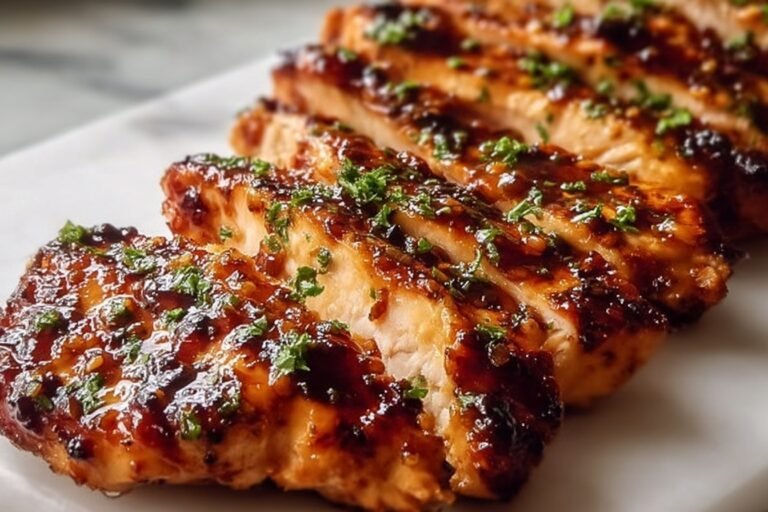
The Best Chicken Marinade Recipe
🐔🔥 World’s best chicken marinade with balsamic-soy magic tenderizes for ultra-juicy, flavorful grilled perfection every time!
🍗 10-minute whisk-up elevates breasts, thighs, or drumsticks – versatile crowd-pleaser for BBQs, meal prep, or weeknights.
- Total Time: 4 hours 30 minutes
- Yield: 6 servings
Ingredients
– 1/2 cup extra virgin olive oil
– 1/2 cup balsamic vinegar or other vinegar
– 1/4 cup low-sodium soy sauce
– 1/4 cup Worcestershire sauce
– 1/8 cup lemon juice
– 3/4 cup brown sugar
– 2 teaspoons dried rosemary
– 2 tablespoons Dijon mustard or spicy brown mustard
– 1 1/2 teaspoons salt
– 1 teaspoon ground black pepper
– 2 teaspoons garlic powder
– 6 chicken breasts or 3.5 pounds of chicken
Instructions
1-First Step: Mix the marinade Start by adding the olive oil, balsamic vinegar, soy sauce, Worcestershire sauce, lemon juice, brown sugar, dried rosemary, Dijon mustard, salt, black pepper, and garlic powder to a medium bowl or large measuring cup. Whisk until the sugar starts to dissolve and the mixture looks smooth. If you like a stronger herb flavor, let the bowl sit for 5 minutes before adding the chicken so the rosemary can soften a bit. This is the point where the marinade recipe really comes together. The oil helps the seasonings coat the chicken, while the vinegar and lemon juice brighten the flavor. If you are cooking for a family with different tastes, keep the base the same and plan to serve the chicken with mild side dishes or sauce options later.
2-Second Step: Prep the chicken Place the 6 chicken breasts, or about 3.5 pounds of chicken, into a large resealable bag, shallow dish, or glass container. If the pieces are thick, lightly pound them to even thickness so they cook more evenly. This is especially helpful for chicken breasts, which can dry out if one side is much thicker than the other. For bone-in pieces, trim any excess skin or fat if needed, but keep enough on for flavor if that is your style. For tenders, wings, or thighs, the same chicken marinade recipe works well, but the cooking time will change later. If you are using a bag, lay it flat so the marinade covers the chicken more evenly and saves space in the fridge.
3-Third Step: Coat the chicken well Pour the marinade over the chicken and turn the pieces until every surface is covered. Press out as much air as you can if using a bag, then seal it tightly. If using a dish, cover it well so the chicken stays protected while it marinates in the refrigerator. Flip the bag or stir the chicken once or twice during marinating if you have time. That little extra step helps the flavor reach every part of the meat. For the best chicken marinade recipe results, let the chicken marinate for at least 30 minutes. If you have more time, 4 to 12 hours in the fridge gives deeper flavor and better tenderness.
4-Fourth Step: Marinate safely Always marinate chicken in the refrigerator, not on the counter, unless you are only letting it sit briefly before cooking. A sealed container helps prevent spills and keeps the chicken at a safe temperature. If you are meal prepping, you can even portion the chicken into smaller bags so each one is ready for a different meal later in the week. Do not let chicken sit in the marinade too long. The acids in the vinegar and lemon juice can break down the meat too much if you leave it for more than 24 hours. That can lead to a mushy texture instead of juicy, tender chicken. If you need a more detailed food-safety reference, the health benefits of chicken on WebMD is a useful read for home cooks who want both flavor and nutrition.
5-Fifth Step: Choose your cooking method Once the chicken is ready, take it out of the marinade and let the excess drip off. You can grill it over medium-high heat, bake it in the oven, or cook it in a skillet on the stove. For grilled chicken, aim for 375 to 450°F and cook 6 to 8 minutes per side depending on thickness. For baking, set the oven to 425°F and cook for about 20 to 25 minutes. For pan-searing, heat a little oil in a skillet over medium heat and cook for about 5 to 7 minutes per side. Whichever method you choose, use a meat thermometer and cook until the internal temperature reaches 165°F. That is the safest way to know your chicken is done without overcooking it. Let the chicken rest for 5 minutes before slicing so the juices stay inside the meat. If you are making dinner for a crowd, this step helps every serving stay moist and tender.
6-Final Step: Serve and enjoy Slice the chicken and serve it with rice, roasted vegetables, salad, potatoes, or tucked into wraps and sandwiches. The flavor is bold enough to stand alone, but it also works well with simple sides. If you want a complete meal plan, this marinade recipe can anchor a quick weeknight dinner, Sunday meal prep, or a weekend cookout. Leftover chicken can also be sliced cold for salads, grain bowls, pasta, or lunch wraps. That makes this the best chicken marinade recipe for anyone who wants a dish that stretches across more than one meal. A good chicken marinade should save time, cut stress, and make dinner feel easy again.
Last Step:
Please leave a rating and comment letting us know how you liked this recipe! This helps our business to thrive and continue providing free, high-quality recipes for you.Notes
🧂 Pat chicken dry before marinating for better absorption.
⏱️ Marinate 4-6 hours max for breasts to avoid mushiness from acid.
🔥 Grill over medium-high; baste with boiled marinade last 2 minutes.
- Prep Time: 10 minutes
- Marinate: 4-8 hours
- Cook Time: Varies (15-20 min grill)
- Category: Condiment
- Method: Marinating
- Cuisine: American
Nutrition
- Serving Size: about ¼ cup marinade per breast
- Calories: 120 kcal (marinade per 2 tbsp)
- Sugar: 10g
- Sodium: 450mg
- Fat: 8g
- Saturated Fat: 1g
- Unsaturated Fat: 7g
- Trans Fat: 0g
- Carbohydrates: 12g
- Fiber: 0g
- Protein: 0g
- Cholesterol: 0mg