
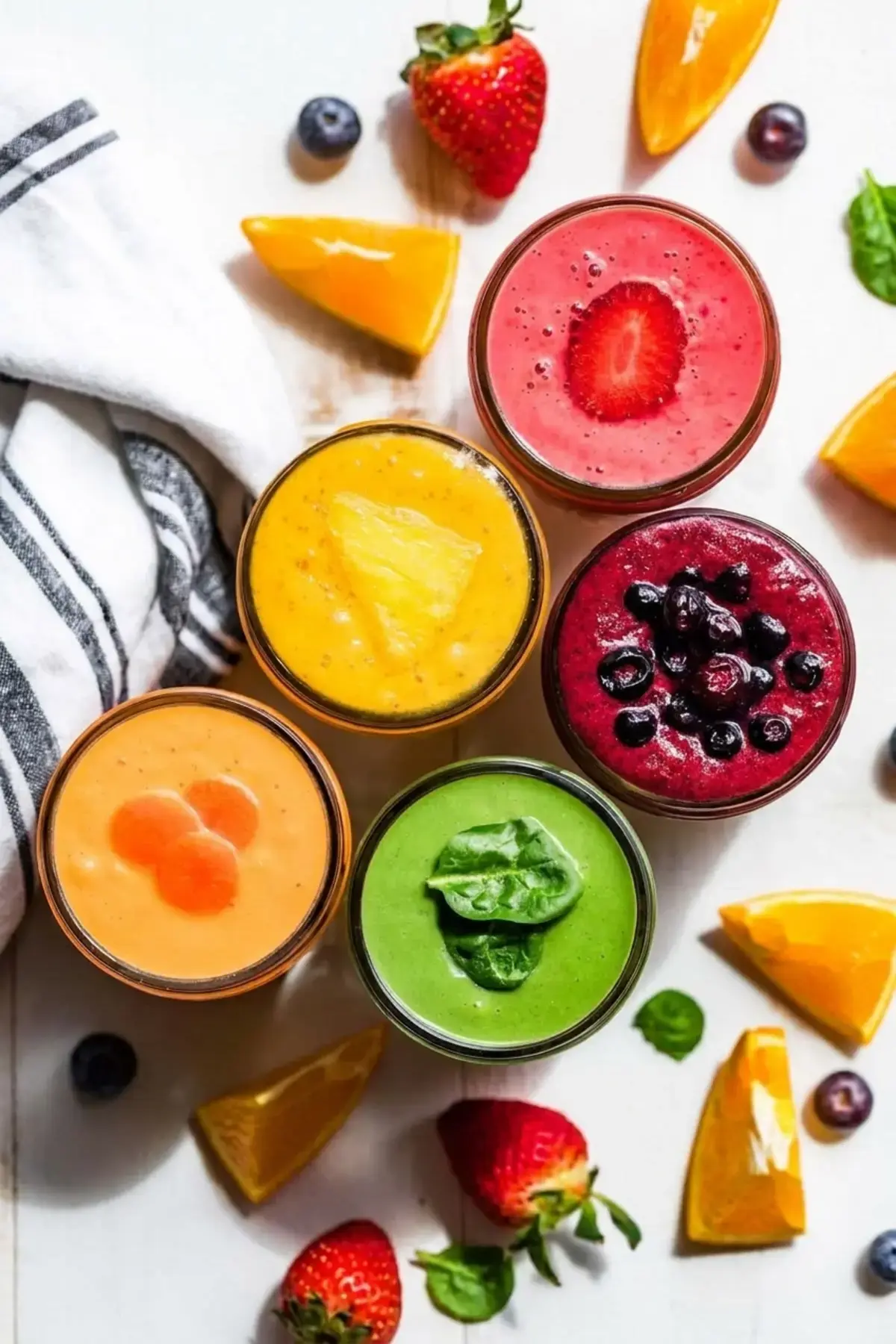
How to Make a Smoothie with 35+ Fresh Ideas
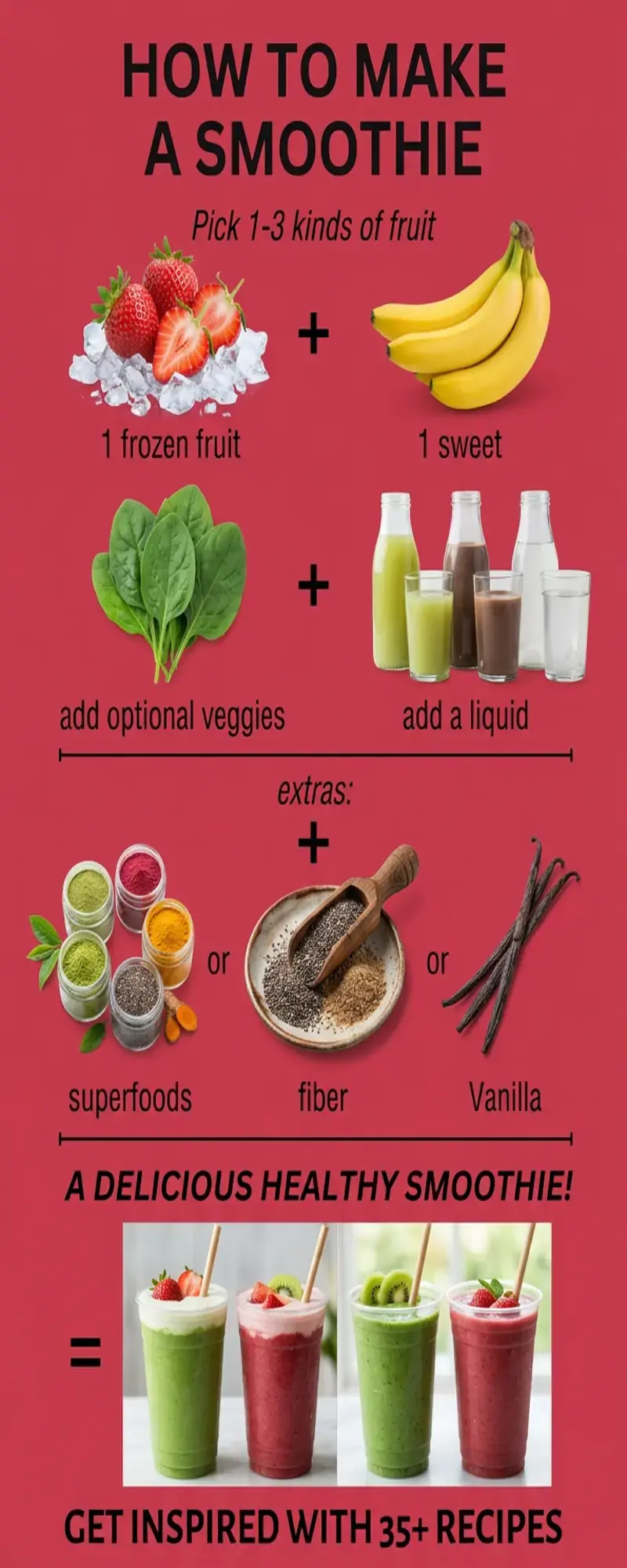
Learning how to make a smoothie is easier when you think in components instead of piling random ingredients into the blender. Start with flavorful fruit, choose a liquid that supports the flavor, add vegetables or extras carefully, and keep enough of the mixture frozen for a cold, creamy texture.

This guide brings together 35 fruit, no-banana, and green smoothie ideas, followed by six smoothie bowls. The recipe names come from the source collection, while the practical method explains how to control thickness, sweetness, and blending order without inventing one universal ratio.
Wash whole produce under running water before cutting, including fruit with a peel you will discard. The FDA produce safety guidance advises against washing fruit with soap or detergent. Refrigerate cut fruit and other perishables at 40°F or below.
Jump to:
- How to Make a Smoothie with 35+ Fresh Ideas
- What Ingredients Go into a Smoothie?
- A Flexible Smoothie Formula
- How to Make a Smoothie Step by Step
- 1. Portion the ingredients
- 2. Choose the liquid and extras
- 3. Load the blender in order
- 4. Blend until fully smooth
- 5. Correct the texture gradually
- 12 Fruit Smoothie Recipes
- 1. Strawberry Banana Smoothie
- 2. Pineapple Orange Banana Smoothie
- 3. Blushing Mango Protein Breakfast Smoothie
- 4. Turmeric Morning Glory Smoothie
- 5. Golden Milk Tropical Turmeric Smoothie
- 6. Peanut Butter Jelly Protein Smoothie
- 7. Glowing Berry Beet Smoothie
- 8. Mango Blackberry Smoothie
- 9. Acai Berry Smoothie
- 10. Banana Cream Pie Smoothie
- 11. Tropical Passion Berry Smoothie
- 12. Strawberries and Cream Smoothie
- 10 No-Banana Smoothie Recipes
- 13. Mango Madness
- 14. Orange Creamsicle Smoothie
- 15. Chocolate Covered Cherry Smoothie
- 16. Vitamin C Booster Cranberry Orange Smoothie
- 17. Protein Mandarin Green Smoothie
- 18. Strawberry Watermelon Smoothie
- 19. Tropical Strawberry Bliss Smoothie
- 20. Blueberry Peaches and Cream Smoothie
- 21. Huckleberry Frosty
- 22. Caribbean Citrus Pina Colada Smoothie
- 13 Green Smoothie Recipes
- 23. Strawberry Banana Green Smoothie
- 24. Superfood Tropical Green Smoothie
- 25. Protein Mandarin Green Smoothie
- 26. Pina Colada Green Smoothie
- 27. Mango Lime Green Smoothie
- 28. Ginger Peach Green Smoothie
- 29. Pineapple Orange Banana Green Smoothie
- 30. Pink Grapefruit Green Smoothie
- 31. Minty Pineapple Cucumber Green Smoothie
- 32. Ginger Pear Green Smoothie
- 33. Holiday Detox Green Smoothie
- 34. Lean Green Smoothie
- 35. Berry Green Smoothie
- Bonus Smoothie Bowl Ideas
- Top Tips for Better Smoothies
What Ingredients Go into a Smoothie?
A balanced smoothie does not need every possible add-in. Choose a small number of ingredients that work together, then adjust one element at a time. Too many competing fruits, spices, powders, and extracts can produce a muddy flavor.
- Fruit: Use fresh fruit, frozen fruit, or a combination. Frozen fruit chills and thickens the drink without diluting it with ice.
- Vegetables and greens: Spinach, kale, cucumber, carrots, and frozen zucchini are options found in the source approach. Add them with a clear flavor plan.
- Creamy liquids: Almond milk, coconut milk, dairy milk, Greek yogurt, or another milk can supply the blending liquid and influence richness.
- Brighter liquids: Kombucha or fruit juice can add a sharper flavor. Juice also increases the amount of fruit sugar, so it should be chosen intentionally.
- Flavor accents: Vanilla, almond extract, cinnamon, cardamom, or turmeric can give a simple fruit combination more character.
- Fiber additions: The source commonly uses 1 to 2 tablespoons of ground flaxseed or chia seeds, depending on the individual recipe.
- Optional powders: Spirulina, beet powder, protein powder, and similar additions change flavor, color, texture, and nutritional content. Follow the product label rather than guessing a serving.
Supplements are not automatically appropriate for every person. If you are pregnant, nursing, taking medication, or managing a health condition, review the FDA information for supplement users and ask a qualified professional about unfamiliar products.
A Flexible Smoothie Formula
The source formula is simple: frozen fruit, optional vegetables or greens, a creamy liquid, fiber, and optional extras. It is a component checklist rather than a fixed set of measurements. Exact amounts belong to each individual recipe because watermelon, banana, berries, yogurt, and protein powder all behave differently.
Start with the recipe’s measured liquid. Add more only in small amounts if the blender cannot move the mixture. For a thicker drink, increase frozen fruit rather than ice. For a smoothie bowl, use less liquid so the result can support toppings.
Freeze ripe fruit in separate pieces so it does not become one solid block. The University of Minnesota fruit-freezing guide explains tray packing, where fruit is frozen in a single layer before being transferred to a freezer container.
How to Make a Smoothie Step by Step
1. Portion the ingredients
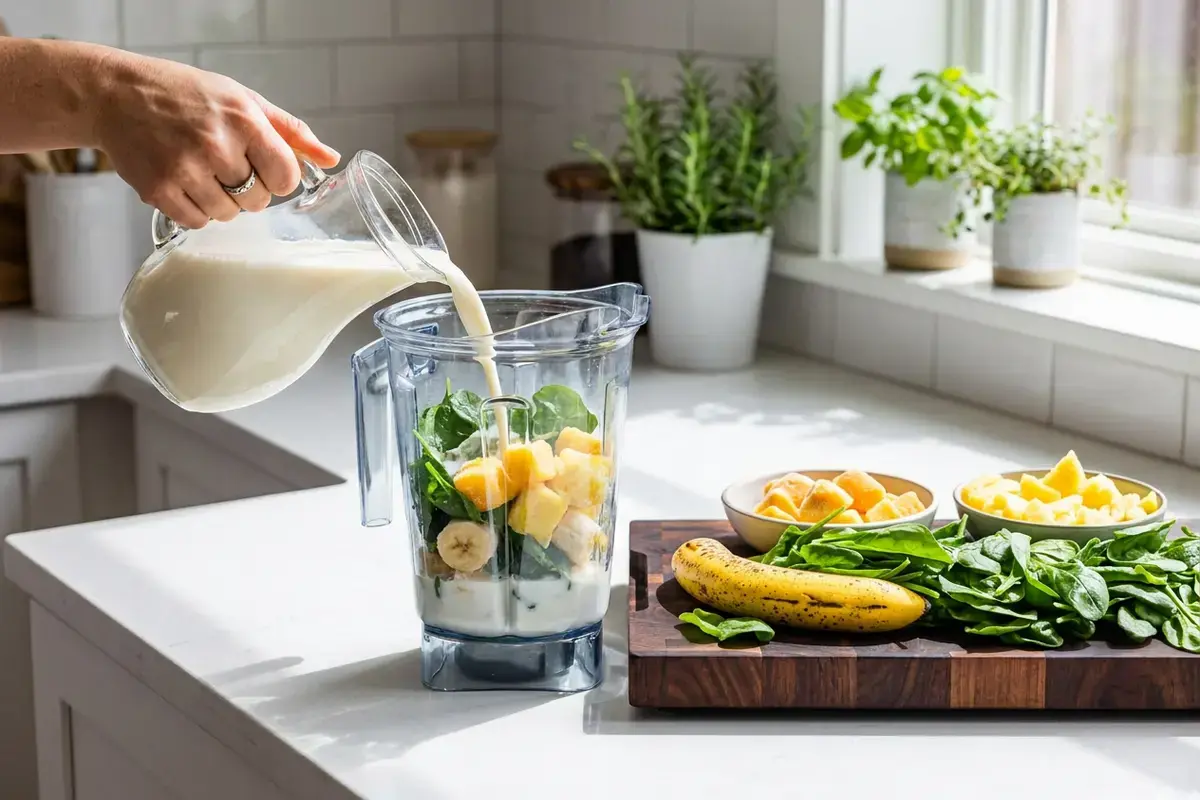
Measure every ingredient before blending. This prevents one strong addition from taking over the drink. The source demonstration uses mango, pineapple, banana, and pre-washed greens, but the same preparation habit works with any of the linked combinations.
2. Choose the liquid and extras
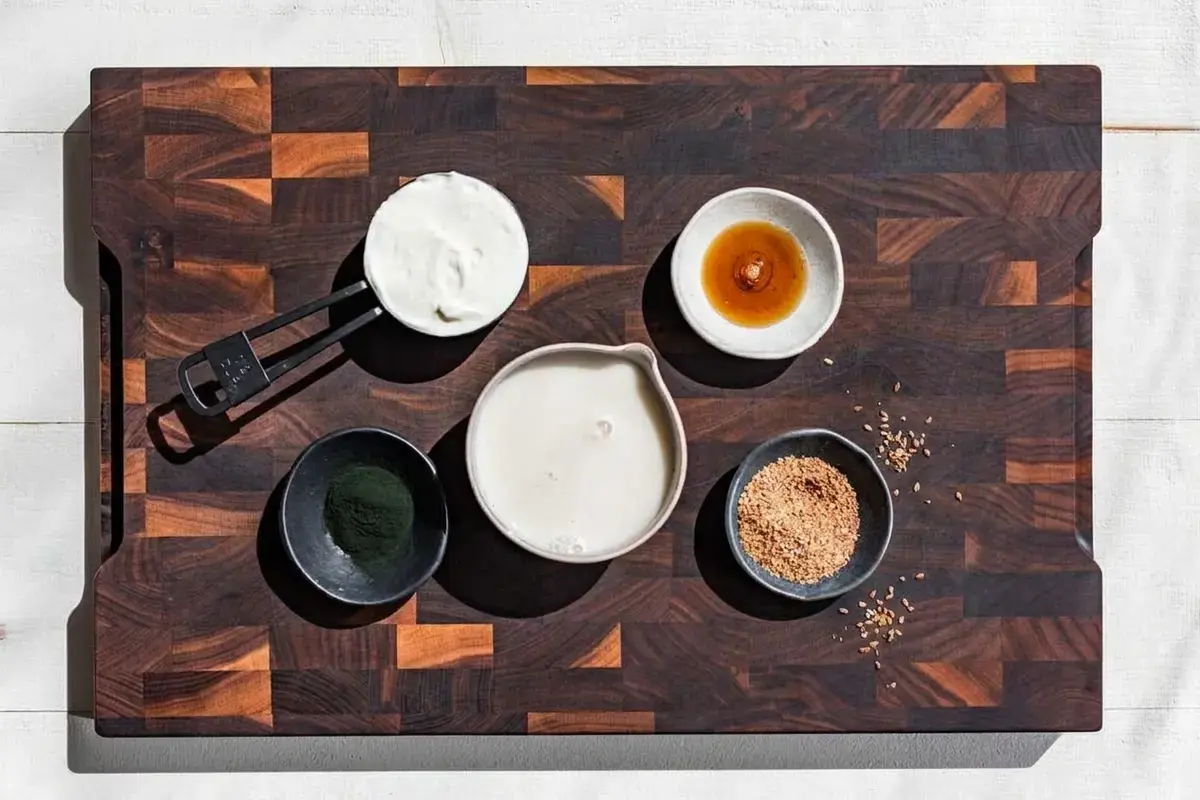
Select a liquid that matches the fruit. In the demonstration, Greek yogurt and almond milk replace coconut milk and coconut water. Ground flaxseed, vanilla, and spirulina are added in controlled amounts. These are variations, not mandatory ingredients for every smoothie.
3. Load the blender in order
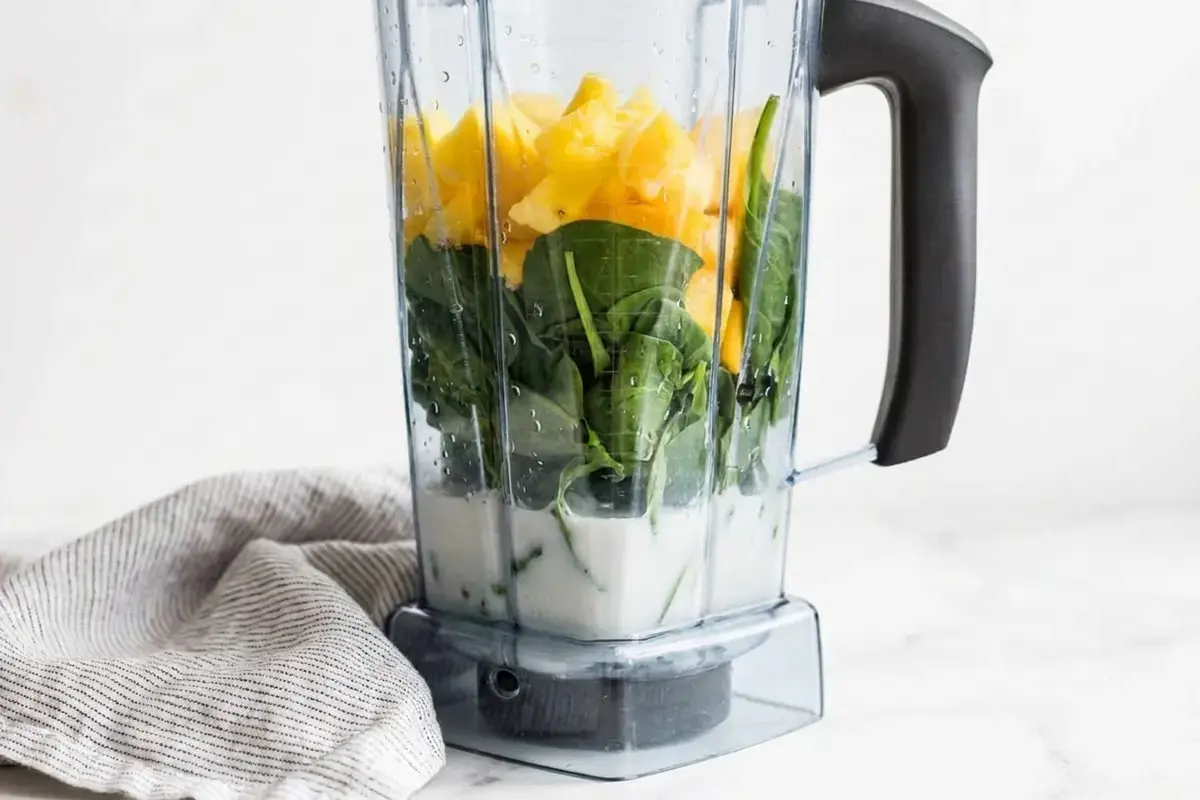
Add liquids and fiber first. Follow with powders or other extras, then greens, and place frozen fruit on top. This order gives the blades access to liquid at the bottom and helps the heavier frozen pieces push lighter ingredients downward.
4. Blend until fully smooth
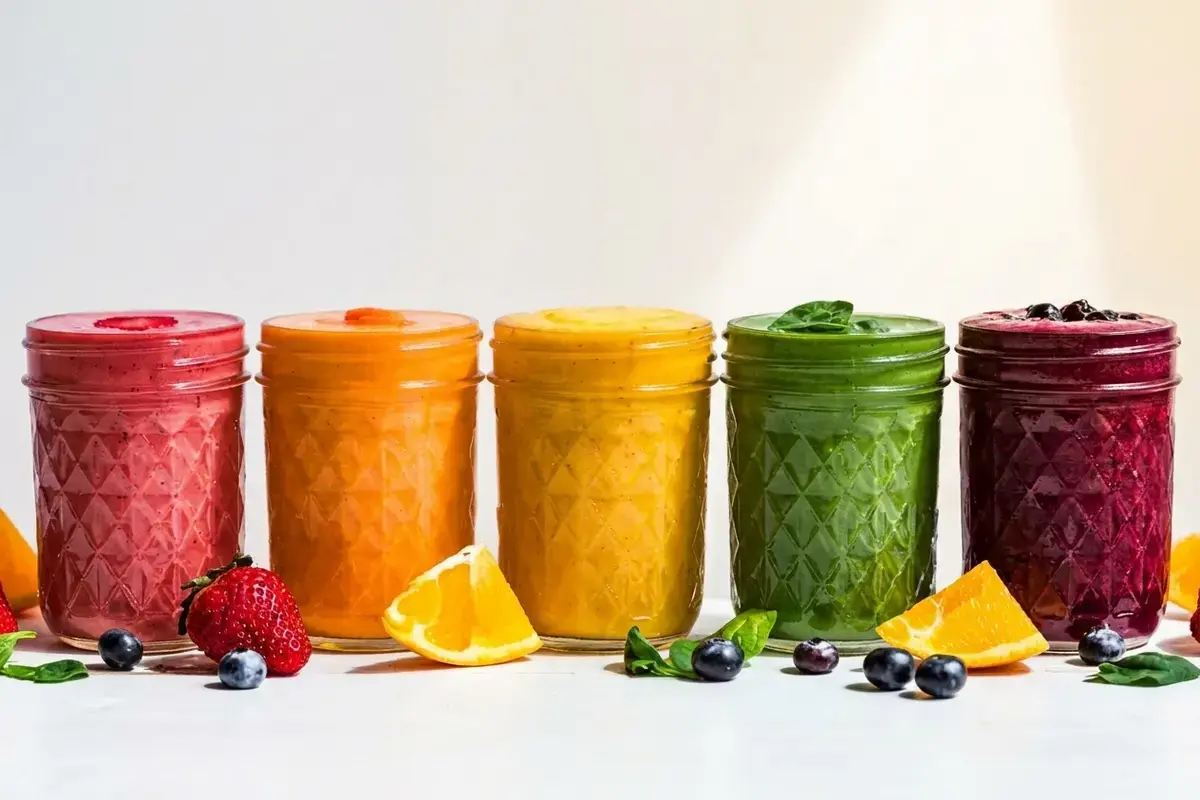
Blend longer than a quick visual check might suggest. The source recommends trying one full minute to see how creamy the texture becomes. Stop sooner if your blender manufacturer gives different operating limits, and never place utensils into the jar while the blades can move.
5. Correct the texture gradually
If the drink is too thick, add a small splash of liquid and blend again. If it is too thin, add a little frozen fruit. If it tastes flat, improve the fruit balance before adding sweetener. Ripe banana, mango, pineapple, or a Medjool date can contribute sweetness.
12 Fruit Smoothie Recipes
These ideas focus on fruit-forward combinations. Follow the linked recipe measurements from the original source rather than treating the titles as complete formulas.
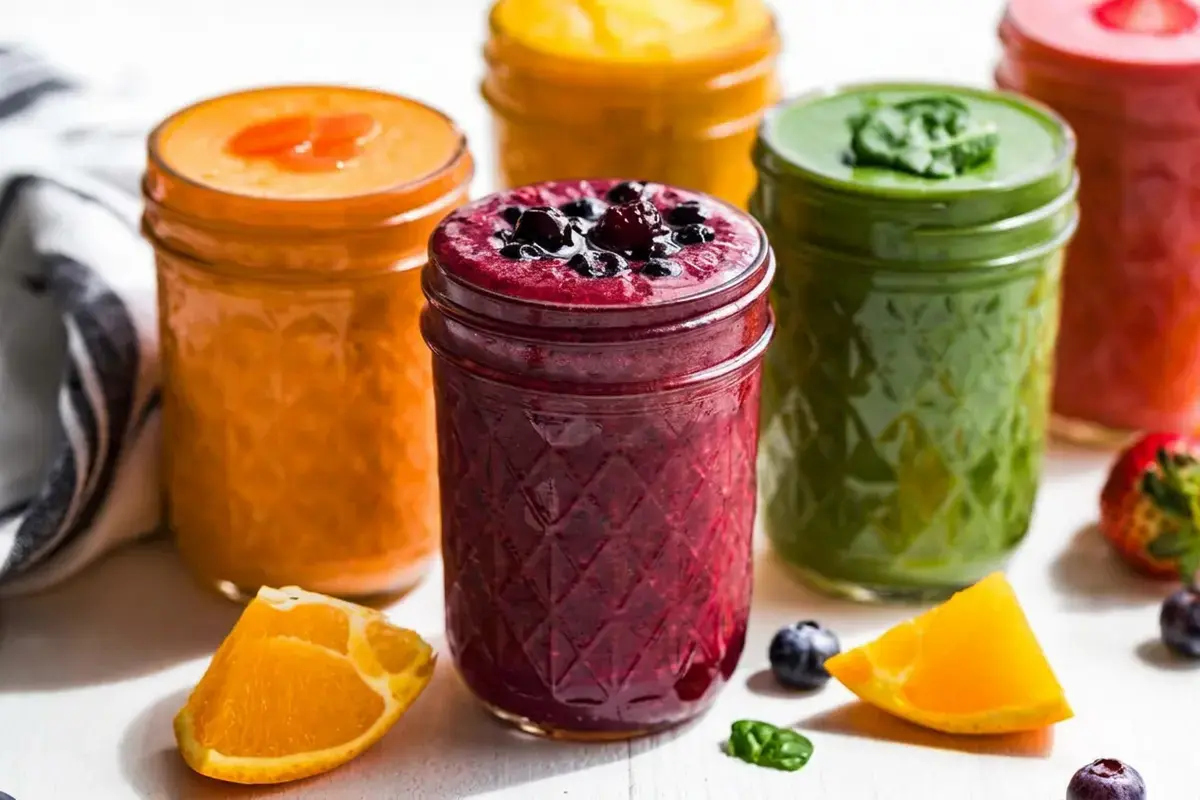
1. Strawberry Banana Smoothie
A familiar pairing of berries and banana. It is a useful starting point for learning how frozen fruit and creamy ingredients affect thickness.
2. Pineapple Orange Banana Smoothie
Pineapple and orange provide a bright tropical direction, while banana contributes body and sweetness. Use the individual recipe for the proper liquid amount.
3. Blushing Mango Protein Breakfast Smoothie
This mango-based option includes a protein component. Protein powders vary widely, so use the specified product amount or follow the label.
4. Turmeric Morning Glory Smoothie
Carrots and turmeric distinguish this combination from a standard fruit drink. Measure spices carefully because turmeric can quickly dominate mild fruit.
5. Golden Milk Tropical Turmeric Smoothie
Tropical fruit meets the warm spice profile associated with golden milk. Keep the smoothie recipe’s measurements rather than estimating the turmeric.
6. Peanut Butter Jelly Protein Smoothie
This idea takes inspiration from peanut butter and jelly while adding protein. Check nut allergies before serving and keep portions separate when necessary.
7. Glowing Berry Beet Smoothie
Berries and beet create a strong color and earthy-fruity flavor. Beet is a deliberate ingredient here, not a universal addition to berry smoothies.
8. Mango Blackberry Smoothie
Sweet mango and darker blackberries create contrast in both flavor and color. Frozen fruit can make this pairing available beyond its fresh season.
9. Acai Berry Smoothie
This berry option uses acai as its defining ingredient. Follow the recipe for the correct form and quantity of acai rather than substituting blindly.
10. Banana Cream Pie Smoothie
Banana and creamy flavors shape a dessert-inspired profile. The title describes the flavor direction and does not imply that pie ingredients can be added without measurement.
11. Tropical Passion Berry Smoothie
This recipe combines tropical notes with berries. It offers a different direction when a plain berry blend feels too familiar.
12. Strawberries and Cream Smoothie
Strawberries remain the main flavor while a creamy component rounds the drink. Keep enough fruit frozen to avoid relying on flavor-diluting ice.
10 No-Banana Smoothie Recipes
Banana is convenient, but it is not required. Mango, pineapple, dates, yogurt, and other ingredients can supply sweetness or body depending on the recipe.
13. Mango Madness
A mango-centered choice for anyone who wants a thick fruit base without banana. Frozen mango is especially useful for body.
14. Orange Creamsicle Smoothie
Orange and creamy flavors create the familiar creamsicle direction. Use the recipe’s dairy or dairy-free option rather than assuming they blend identically.
15. Chocolate Covered Cherry Smoothie
Cherry and chocolate form the central pairing. Cocoa and similar ingredients can be bitter, so exact recipe amounts matter.
16. Vitamin C Booster Cranberry Orange Smoothie
Cranberry and orange give this recipe a tart citrus profile. Its source title is not a promise to prevent or treat illness.
17. Protein Mandarin Green Smoothie
Mandarin, greens, and a protein addition provide the defining structure. Select a protein powder whose flavor works with citrus.
18. Strawberry Watermelon Smoothie
Watermelon contributes substantial liquid, so this combination may need less added milk or juice than a frozen berry smoothie.
19. Tropical Strawberry Bliss Smoothie
Strawberries combine with tropical fruit for a brighter variation. Keep the number of added flavors limited so the fruit remains clear.
20. Blueberry Peaches and Cream Smoothie
Blueberry and peach supply two distinct fruit notes, while the creamy component softens their contrast.
21. Huckleberry Frosty
Huckleberry defines this cold fruit blend. Use the source recipe for substitutions if huckleberries are unavailable in your area.
22. Caribbean Citrus Pina Colada Smoothie
Citrus and pina colada flavors make this a tropical no-banana choice. Follow the measured liquids to keep the result from becoming thin.
13 Green Smoothie Recipes
Green smoothies pair fruit with leafy greens or other vegetables. A berry version can be a comfortable starting point because its darker color may visually soften the green.
23. Strawberry Banana Green Smoothie
The classic strawberry-banana base introduces greens through familiar fruit flavors. Blend long enough to break down the leaves.
24. Superfood Tropical Green Smoothie
Tropical fruit, greens, and optional powdered additions define this combination. Limit extras so they do not overwhelm the fruit.
25. Protein Mandarin Green Smoothie
This citrus-green option also appears in the no-banana group. Its placement reflects both useful categories rather than a separate new recipe.
26. Pina Colada Green Smoothie
Pina colada flavors provide a tropical base for greens. The source uses this style to demonstrate ingredient order and controlled substitutions.
27. Mango Lime Green Smoothie
Mango adds body while lime supplies acidity. Add lime according to the recipe so it brightens rather than dominates the drink.
28. Ginger Peach Green Smoothie
Peach and ginger create a fruit-and-spice combination around the greens. Ginger is potent, making measured amounts important.
29. Pineapple Orange Banana Green Smoothie
Pineapple, orange, and banana form a tropical fruit base for leafy greens. Frozen fruit keeps it cold without extra ice.
30. Pink Grapefruit Green Smoothie
Grapefruit brings tartness and slight bitterness. Anyone taking medication should check whether grapefruit is appropriate for them.
31. Minty Pineapple Cucumber Green Smoothie
Pineapple, cucumber, and mint give this green smoothie a fresh profile. Use mint sparingly because it can cover more delicate flavors.
32. Ginger Pear Green Smoothie
Pear provides mild sweetness while ginger adds warmth. A ripe pear can improve flavor without requiring much added sweetener.
33. Holiday Detox Green Smoothie
This is the source recipe title. Treat it as a flavor name, not evidence that the drink removes toxins or replaces medical care.
34. Lean Green Smoothie
This source title identifies another green option. Use its exact recipe and avoid attaching unsupported weight-loss promises to the name.
35. Berry Green Smoothie
Berries can turn a green smoothie purple, making this a visually approachable first choice for someone new to leafy drinks.
Bonus Smoothie Bowl Ideas
Smoothie bowls need a thicker texture than drinks. Start with less liquid, use frozen fruit, and add more liquid only when the blender needs help.
- Chunky Monkey Smoothie Bowls: a dessert-inspired bowl direction with a thick spoonable base.
- Cherry Berry Acai Bowls: cherries, berries, and acai shape the fruit profile.
- Cinnamon Crunch Apple Smoothie Bowls: apple and cinnamon provide the defining flavor.
- Green Smoothie Breakfast Bowls: a thicker way to serve a green smoothie with toppings.
- Acai Berry Bliss Bowls: acai and berries form the bowl’s main fruit character.
- Cranberry Orange Bowls: cranberry and citrus create a tart seasonal combination.
Top Tips for Better Smoothies
- Make at least half of the fruit frozen when the recipe supports it. This keeps the drink cold without watering down its flavor with ice.
- Use Greek yogurt, canned coconut milk, nut butter, or the recipe’s measured avocado when you want a richer texture. Check dietary needs and allergies first.
- Add protein only when it suits the recipe and the person drinking it. Powdered products change flavor and thickness as well as nutrition.
- Begin with less liquid for a thick result. Fresh watermelon and other juicy fruit may supply much of the liquid the blender needs.
- Limit extras. One fiber addition and one optional powder are easier to balance than several competing add-ins.
For more combinations, compare these morning breakfast smoothie ideas and this collection of smoothie flavor ideas. Choose recipes for taste and ingredients rather than relying on detox, instant-energy, or weight-loss promises.