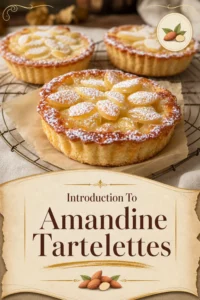
Introduction to Amandine Tartelettes
Amandine Tartelettes are a classic French dessert built from three simple parts: a crisp, buttery shortcrust pastry, a rich almond cream called frangipane, and a scattering of sliced almonds on top.
They bake to a light golden finish and are dusted with powdered sugar before serving. These delicate mini tarts pair a crisp, buttery crust with a soft, nutty filling, which makes them just as fitting for an afternoon tea as for a fancy dinner party.
Learning to make them is genuinely rewarding. They belong to the French patisserie tradition, and once the pastry and the almond cream come together, the process feels calm and repeatable.
This guide follows the original Amandine Tartelettes recipe, whose recipe card credits Souzan and lists 20 minutes of prep, 25 minutes of cooking, and 45 minutes in total, plus chilling time.
| Recipe at a glance | Details |
|---|---|
| Prep time | 20 minutes |
| Cook time | 25 minutes |
| Total time | 45 minutes, plus chilling time |
| Yield | 6 tartlets |
| Method | Baking |
| Cuisine | French |
| Category | Dessert, vegetarian |
Jump to:
- Introduction to Amandine Tartelettes
- A Brief History of Amandine Tartelettes
- Why Amandine Tartelettes Are a French Baking Favorite
- What Makes Amandine Tartelettes Special?
- A Dessert That Elevates Any Occasion
- Understanding the Ingredients for Amandine Tartelettes
- Shortcrust Pastry Ingredients: The Foundation of a Perfect Tartlet
- Almond Cream (Frangipane) Ingredients: The Heart of the Tartlet
- Decoration Ingredients: The Finishing Touch
- Substitutions for Dietary Preferences
- Step by Step Instructions for Amandine Tartelettes
- Step 1: Preparing the Shortcrust Pastry
- How to Make the Dough:
- Tips for Handling Butter for a Flaky Crust:
- Step 2: Baking the Tartlet Shells
- How to Blind Bake:
- Why Blind Baking is Essential:
- Step 3: Making the Almond Cream (Frangipane)
- How to Make Frangipane:
- Tips for a Perfect Frangipane Filling:
- Step 4: Assembling & Baking the Tartlets
- How to Fill and Bake the Tartlets:
- Baking Time Adjustments:
- Tips for the Perfect Amandine Tartelettes
- How to Avoid a Dry Filling
- Ensuring an Evenly Baked Tartlet Crust
- Enhancing Flavor with Additional Ingredients
- Tips for the Perfect Amandine Tartelettes
- How to Avoid a Dry Filling
- Ensuring an Evenly Baked Tartlet Crust
- Enhancing Flavor with Additional Ingredients
- Common Mistakes and How to Fix Them
- Overworking the Pastry
- Using Too Much Liquid in the Dough
- Not Baking the Crust Long Enough
- Undercooking or Overbaking the Filling
- FAQs
- What are Amandine Tartelettes?
- What is the difference between frangipane and marzipan?
- Can I use store-bought shortcrust pastry for Amandine Tartelettes?
- How should I store leftover Amandine Tartelettes?
- Final Thoughts & Recipe Variations
- Experimenting with Different Nuts
- Adding Fruit Fillings
- Using Different Pastry Bases
- Amandine Tartelettes
- Ingredients
- Instructions
- Last Step:
- Nutrition
- Did you make this recipe?
A Brief History of Amandine Tartelettes
The name comes from amande, the French word for almond, which tells you exactly where the flavor comes from. Almond based desserts have appeared for centuries in both French and Italian cooking traditions. The refined version, with a delicate tart shell and a smooth frangipane filling, became popular in French baking during the 19th century.
Amandine tartelettes belong to the wider family of frangipane tarts, and the filling itself carries a much older story. It is linked to the 16th century Italian nobleman Marquis Muzio Frangipani, who introduced almond scented perfumes in France. That aroma eventually found its way into pastry making, and the rich, nutty almond cream we know today took his name.
Why Amandine Tartelettes Are a French Baking Favorite
Balance is the reason these tartlets hold their place in French baking. The crisp shortcrust gives way to a soft, slightly chewy almond filling, so every bite has contrast. Ground almonds, butter, and vanilla build a flavor that is rich yet delicate and never overly sweet.
They are also flexible about how they are served. You can enjoy them warm from the oven, at room temperature, or chilled, and they pair beautifully with a strong espresso, a cup of Earl Grey tea, or a glass of dessert wine.
There is a practical reason home bakers keep coming back to them as well. They are easier to master than macarons or croissants, both of which have a steep learning curve, yet the finished tartlets still look and taste like proper pastry shop work.
Making a good tart crust is a fundamental baking skill, and this recipe is a friendly place to practice it.
What Makes Amandine Tartelettes Special?
Compared with other almond desserts such as Bakewell tarts or marzipan confections, these tartlets stand out for their simplicity and refinement. The shortcrust is light but sturdy enough to hold the filling without turning soggy, and the frangipane bakes into a smooth, custard like texture that is rich in butter and almond.
Sliced almonds on top toast during baking, adding a golden finish and a light crunch, and the final dusting of powdered sugar improves both the look and the taste. The recipe is also highly adaptable. Beyond the classic almond version, you can work with hazelnuts or pistachios, or add fruit such as pears, apricots, or raspberries.
A Dessert That Elevates Any Occasion
These tartlets fit an elegant dinner party and a simple afternoon snack equally well. Their delicate appearance, balanced richness, and buttery crust do the work for you, which is why they are worth trying for anyone who enjoys French baking.
The rest of this guide covers the essential ingredients, the step by step method, and the tips that help you get them right.
Understanding the Ingredients for Amandine Tartelettes
Good ingredients are the starting point for this pastry, and every component has a job. The delicate, buttery shortcrust and the rich, nutty almond cream work together to create the balance that defines this classic French dessert.
Shortcrust Pastry Ingredients: The Foundation of a Perfect Tartlet
The base is pâte sucrée, a crisp yet tender and lightly sweet shortcrust that contrasts with the rich frangipane. If you want a closer look at the dough technique behind it, the guide to Pate Sablee French Tart Crust walks through it in detail.
- All purpose flour, 150 g: provides structure. A fine, low protein flour gives a delicate, flaky crust, and a small amount of cornstarch can be added for extra crispness.
- Powdered sugar, 50 g: sweetens the dough while keeping it light, and it blends smoothly into the butter. Granulated sugar can leave a coarser texture.
- Salt, 1 pinch: balances the sweetness and keeps the flavor from tasting flat.
- Cold butter, 90 g, cubed: essential for flakiness. Work it into the flour without overmixing so the crust stays tender.
- Egg yolk, 1: adds richness and binds the dough without making it tough.
- Cold water, 1 to 2 tablespoons: hydrates the flour just enough to bring the dough together. Ice cold water helps stop the butter from melting too soon.
A well made pastry should be tender, crisp, and easy to handle, and the dough should be chilled before rolling to prevent shrinkage and give you a good shell.
Almond Cream (Frangipane) Ingredients: The Heart of the Tartlet
The filling is frangipane, a luscious almond cream that is simple to make yet deeply flavorful, with a rich and slightly custardy texture once baked.
- Soft butter, 90 g: gives the cream its smooth consistency and richness. Room temperature butter mixes easily and evenly.
- Granulated sugar, 90 g: sweetens the filling and helps it hold structure, giving more body than powdered sugar would.
- Egg, 1 large: binds the mixture and creates the custard like texture in the oven.
- Ground almonds, 90 g: the star ingredient, providing the signature nutty flavor and a texture that is smooth when finely ground.
- Vanilla extract, 1 teaspoon: adds depth and balances the nuttiness of the almonds.
- Flour, 1 tablespoon: stabilizes the filling so it bakes evenly without becoming too dense.
Properly mixed frangipane should be smooth and spreadable, ready to fill the tartlet shells before baking.

Decoration Ingredients: The Finishing Touch
Sliced almonds go on top and toast during baking, which adds a light crunch and a stronger almond flavor. After the tartlets bake and cool, a dusting of powdered sugar gives them a refined, patisserie style appearance.
Substitutions for Dietary Preferences
Simple swaps make the recipe more flexible. For a gluten free version, use a gluten free flour blend in place of the all purpose flour in the shortcrust and add 1 teaspoon of xanthan gum to help mimic the elasticity of regular dough. In the frangipane, use a gluten free alternative such as almond flour or oat flour.
For a vegan version, replace the butter with vegan butter or solid coconut oil. Replace the pastry egg yolk with 2 tablespoons of applesauce or a flaxseed egg made from 1 tablespoon of flaxseed meal plus 2.5 tablespoons of water.
In the frangipane, swap the egg for 3 tablespoons of unsweetened applesauce or an aquafaba egg replacement. These changes slightly alter the texture, but they still produce flaky, rich tartlets.
For reference, the source nutrition per tartlet is listed below.
| Nutrient | Per tartlet |
|---|---|
| Calories | 290 kcal |
| Carbohydrates | 28 g |
| Sugar | 12 g |
| Fiber | 2 g |
| Protein | 5 g |
| Fat | 18 g |
| Saturated fat | 9 g |
| Sodium | 80 mg |
| Cholesterol | 50 mg |
Step by Step Instructions for Amandine Tartelettes
Making Amandine Tartelettes combines careful technique with good ingredients. Follow the steps in order and the tartlets come out crisp, rich, and full of flavor.
Step 1: Preparing the Shortcrust Pastry
The first step is the shortcrust pastry, pâte sucrée, which forms the foundation of the tartlets. A well made version should be buttery, crisp, and tender, never tough or crumbly.
How to Make the Dough:
Combine 150 g of all purpose flour, 50 g of powdered sugar, and a pinch of salt in a large bowl. Rub in 90 g of cold butter, cut into cubes, using your fingertips or a pastry cutter until the mixture looks like coarse breadcrumbs.
Add 1 egg yolk and 1 to 2 tablespoons of cold water, then knead gently just until the dough holds together. Shape it into a disk, wrap it, and chill for at least 30 minutes.
Tips for Handling Butter for a Flaky Crust:
Keep the butter cold so it does not melt into the flour too early, because that is what creates delicate, flaky layers. Work quickly and avoid overhandling the dough, since the warmth of your hands softens the butter and produces a dense crust.
Chilling the dough before rolling firms it up, makes it easier to roll, and reduces the chance of shrinkage in the oven.
Step 2: Baking the Tartlet Shells
Before the filling goes in, the shortcrust shells need to be blind baked. This step prevents a soggy base and helps the crust stay crisp.
How to Blind Bake:
Preheat the oven to 180°C (350°F). On a lightly floured surface, roll out the chilled dough and cut 6 circles sized to fit 8 to 10 cm tartlet pans. Press the dough gently into the pans and trim any excess.
Prick the bases with a fork, line each shell with parchment paper, and fill with baking weights or dried beans. Bake for 10 minutes, then remove the weights and the parchment and bake for another 5 minutes, until the shells are lightly golden.
Why Blind Baking is Essential:
Blind baking cooks the crust fully so it stays crisp before the moist frangipane is added. It also stops the shell from turning soggy as it absorbs moisture during the second bake.
Blind baking is the step that protects the crust. Skip it and the moist almond filling will soften the base.
Step 3: Making the Almond Cream (Frangipane)
A smooth, fluffy almond cream is essential to the rich, nutty flavor of the tartelettes.
How to Make Frangipane:
Cream 90 g of soft butter with 90 g of granulated sugar until the mixture is light and fluffy. Beat in 1 egg and 1 teaspoon of vanilla extract. Fold in 90 g of ground almonds and 1 tablespoon of flour, and stir until everything is fully combined.
Tips for a Perfect Frangipane Filling:
Use room temperature butter so the cream comes together smoothly without lumps. Avoid overmixing, since too much agitation can make the filling dense instead of light.
Step 4: Assembling & Baking the Tartlets
Once the shells are prebaked and the frangipane is ready, the tartlets can be assembled and returned to the oven.
How to Fill and Bake the Tartlets:
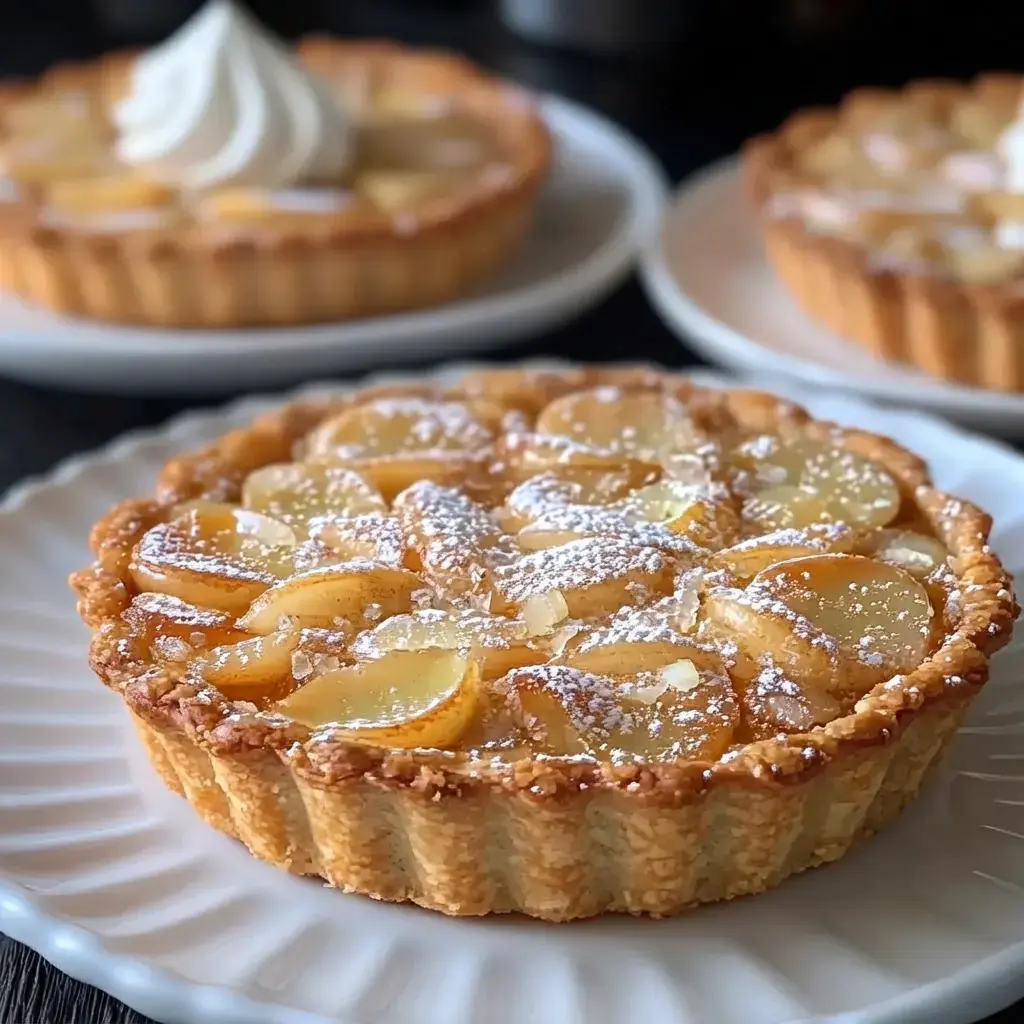
Spoon the almond cream into the cooled shells, filling each about three quarters full, then smooth the tops with a spatula. Scatter sliced almonds over the surface for a toasted, crunchy finish.
Bake at 180°C (350°F) for 15 to 20 minutes, until the filling has puffed up and turned golden brown. Let the tartlets cool completely before dusting them with powdered sugar.
Baking Time Adjustments:
If you use a fan assisted oven, reduce the temperature to 170°C (340°F) so the tops do not color too quickly.
Should the almonds start browning before the filling is set, cover the tartlets loosely with foil and continue baking until the cream is set.
Tips for the Perfect Amandine Tartelettes
Tartlets that are buttery, rich, and evenly baked come down to a few details. These tips help you get the texture and the flavor right.
How to Avoid a Dry Filling
A good frangipane should stay moist, light, and slightly custardy. Bake it only until it is golden and puffed, since overbaking makes it dense and dry.
Room temperature ingredients produce a smoother texture that bakes evenly, and it helps to keep the flour in the frangipane at the 1 tablespoon the recipe calls for. Flour gives structure, but too much of it dries the filling out.
Ensuring an Evenly Baked Tartlet Crust
Chill the dough before rolling it out to prevent shrinkage and protect the crisp texture. Blind bake with baking weights or dried beans so the shells hold their shape and bake evenly. Pricking the dough with a fork releases steam and prevents the air pockets that lead to uneven baking.
Enhancing Flavor with Additional Ingredients
The classic version is delicious on its own, and small additions take it further. Orange or lemon zest stirred into the frangipane brightens the almond flavor. A teaspoon of dark rum or amaretto deepens the filling. Melted dark chocolate drizzled over the baked tartlets adds an elegant finishing touch.
Tips for the Perfect Amandine Tartelettes
Amandine Tartelettes are straightforward to make, but small mistakes affect texture and flavor. These pointers help you land a tartlet that is properly baked, moist, and flavorful.
How to Avoid a Dry Filling
Frangipane turns dry or dense when it stays in the oven too long. Stop baking when the filling is golden brown and slightly puffed but still soft in the center, because extra time drives out moisture.
Room temperature butter gives a smooth, creamy filling that holds moisture better. A teaspoon of rum, orange liqueur, or almond extract can also add flavor while helping the filling stay tender.
Ensuring an Evenly Baked Tartlet Crust
Blind bake the shells properly with baking weights or dried beans so they stay crisp and do not puff unevenly. Roll the dough to a uniform thickness, aiming for about 2 to 3 mm, since uneven areas can lead to burnt edges or undercooked centers. Refrigerating the dough before baking prevents shrinking and gives you a crisp, even result.
Enhancing Flavor with Additional Ingredients
These tartlets are naturally rich and nutty, and a few additions deepen that character. Orange or lemon zest brightens the almond taste, a teaspoon of dark rum or brandy adds warmth and depth to the frangipane, and a drizzle of melted dark chocolate after baking finishes them elegantly.
Try one variation at a time to find the version you like best.
Common Mistakes and How to Fix Them
Even experienced bakers run into a few common problems with Amandine Tartelettes. Knowing what causes them makes each one easy to fix.
Overworking the Pastry
Kneading the dough too much develops gluten, which turns a tender, flaky crust into a tough one. Work the dough as little as possible and stop as soon as it holds together. Chilling it before rolling also helps preserve its delicacy.
Using Too Much Liquid in the Dough
Extra water makes the pastry sticky and hard to roll out. Add cold water one tablespoon at a time and use only as much as the dough needs to hold together. If it still feels too wet, sprinkle in a little extra flour.
Not Baking the Crust Long Enough
A pale, underbaked crust turns soggy once the filling is added. Blind bake the pastry until it is lightly golden before filling it, and if you are unsure, lean toward a slightly longer bake.
Undercooking or Overbaking the Filling
Frangipane that is underbaked stays wet in the center, while an overbaked filling turns dry and crumbly. Bake until the top is puffed and golden brown and the middle is still slightly soft. If the surface browns too quickly, cover the tartlets with foil.
FAQs
What are Amandine Tartelettes?
What is the difference between frangipane and marzipan?
Can I use store-bought shortcrust pastry for Amandine Tartelettes?
How should I store leftover Amandine Tartelettes?
Final Thoughts & Recipe Variations
Amandine Tartelettes are a lovely way to explore classic French baking, and they are just as enjoyable to adapt. Once the base recipe is working for you, the variations below are easy to try.
Experimenting with Different Nuts
Almonds can be swapped for hazelnuts, pistachios, or walnuts for a different take on the tradition. Toasting the nuts before grinding them gives the filling a deeper, richer flavor.
Adding Fruit Fillings
Fresh raspberries, poached pears, or apricot slices can be layered on top of the frangipane before baking. The fruit adds natural sweetness and balances the richness of the almond cream. If you enjoy the combination of fruit and almond, the recipe for Mini Raspberry Almond Tarts is a natural next step.
Using Different Pastry Bases
A puff pastry base gives a lighter, flakier texture, while a chocolate tart shell creates a more decadent variation that pairs well with almonds. Either option lets you shape the tartlets to your own taste.
Print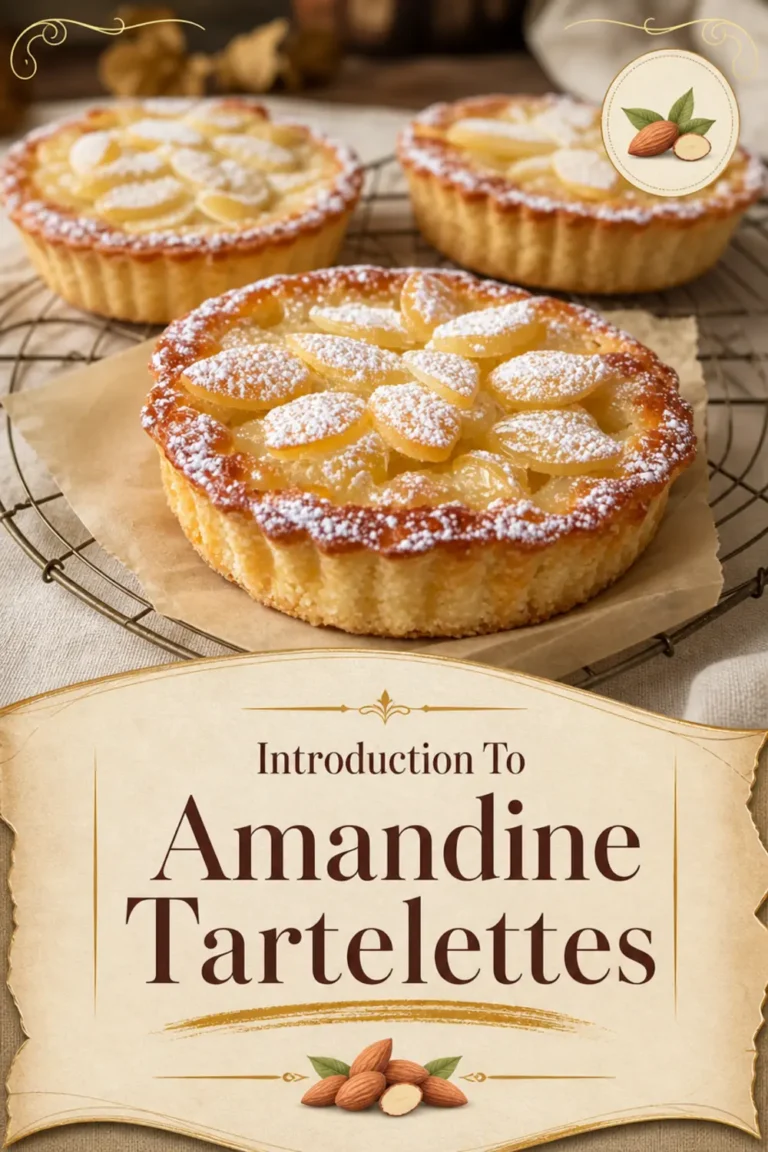
Amandine Tartelettes
Introduction to Amandine Tartelettes Amandine Tartelettes are a classic French dessert built from three simple parts: a crisp, buttery shortcrust pastry, a rich almond cream called frangipane , and a scattering of sliced almonds on top. They bake to a light golden finish and are dusted with powdered sugar before serving.
- Total Time: 45 min
- Yield: 6 tartlets 1x
Ingredients
For the Shortcrust Pastry
150 g all-purpose flour
50 g powdered sugar
1 pinch salt
90 g cold butter, cubed
1 egg yolk
1–2 tablespoon cold water
For the Almond Cream (Frangipane)
90 g soft butter
90 g sugar
1 egg
90 g ground almonds
1 teaspoon vanilla extract
1 tablespoon flour
For Decoration
sliced almonds
powdered sugar, for dusting
Instructions
Prepare the Shortcrust Pastry
1-Mix flour, powdered sugar, and salt: Mix flour, powdered sugar, and salt.
2-Rub in cold butter until crumbly: Rub in cold butter until crumbly.
3-Add egg yolk and cold water, knead: Add egg yolk and cold water, knead into a smooth dough.
4-Wrap and refrigerate for 30 minutes: Wrap and refrigerate for 30 minutes.
Bake the Tartlet Shells
5-Preheat oven to 180°C (350°F): Preheat oven to 180°C (350°F).
6-Roll out the dough, cut into 6: Roll out the dough, cut into 6 circles, and fit into tartlet pans.
7-Prick with a fork, blind bake for: Prick with a fork, blind bake for 10 minutes, then bake for another 5 minutes.
Make the Frangipane
8-Cream butter and sugar until fluffy: Cream butter and sugar until fluffy.
9-Mix in the egg and vanilla extract: Mix in the egg and vanilla extract.
10-Fold in ground almonds and flour: Fold in ground almonds and flour.
Assemble & Bake
11-Fill tartlet shells with frangipane, smooth the: Fill tartlet shells with frangipane, smooth the tops.
12-Sprinkle with sliced almonds: Sprinkle with sliced almonds.
13-Bake for 15-20 minutes until golden brown: Bake for 15-20 minutes until golden brown.
Final Touches
14-Let cool completely before dusting with powdered: Let cool completely before dusting with powdered sugar.
Last Step:
Please leave a rating and comment letting us know how you liked this recipe! This helps our business to thrive and continue providing free, high-quality recipes for you.- Prep Time: 20 min
- Cook Time: 25 min
- Method: bake
Nutrition
- Calories: 290 kcal
- Sugar: 12g
- Sodium: 80mg
- Fat: 18g
- Saturated Fat: 9g
- Carbohydrates: 28g
- Fiber: 2g
- Protein: 5g
- Cholesterol: 50mg