

What Is Fresh Kimchi Geotjeori?
Fresh Kimchi Geotjeori is napa cabbage kimchi made to be eaten without a required fermentation period. Unlike long-fermented kimchi, it keeps the cabbage crisp and lightly sweet while a savory paste brings garlic, ginger, gochugaru, fish sauce, and salted shrimp.

The appeal is the contrast between fresh cabbage and vivid seasoning. Salting softens the leaves enough to coat, but the cabbage should retain texture. Careful rinsing then removes excess surface salt, while squeezing out water keeps the finished paste from becoming diluted.
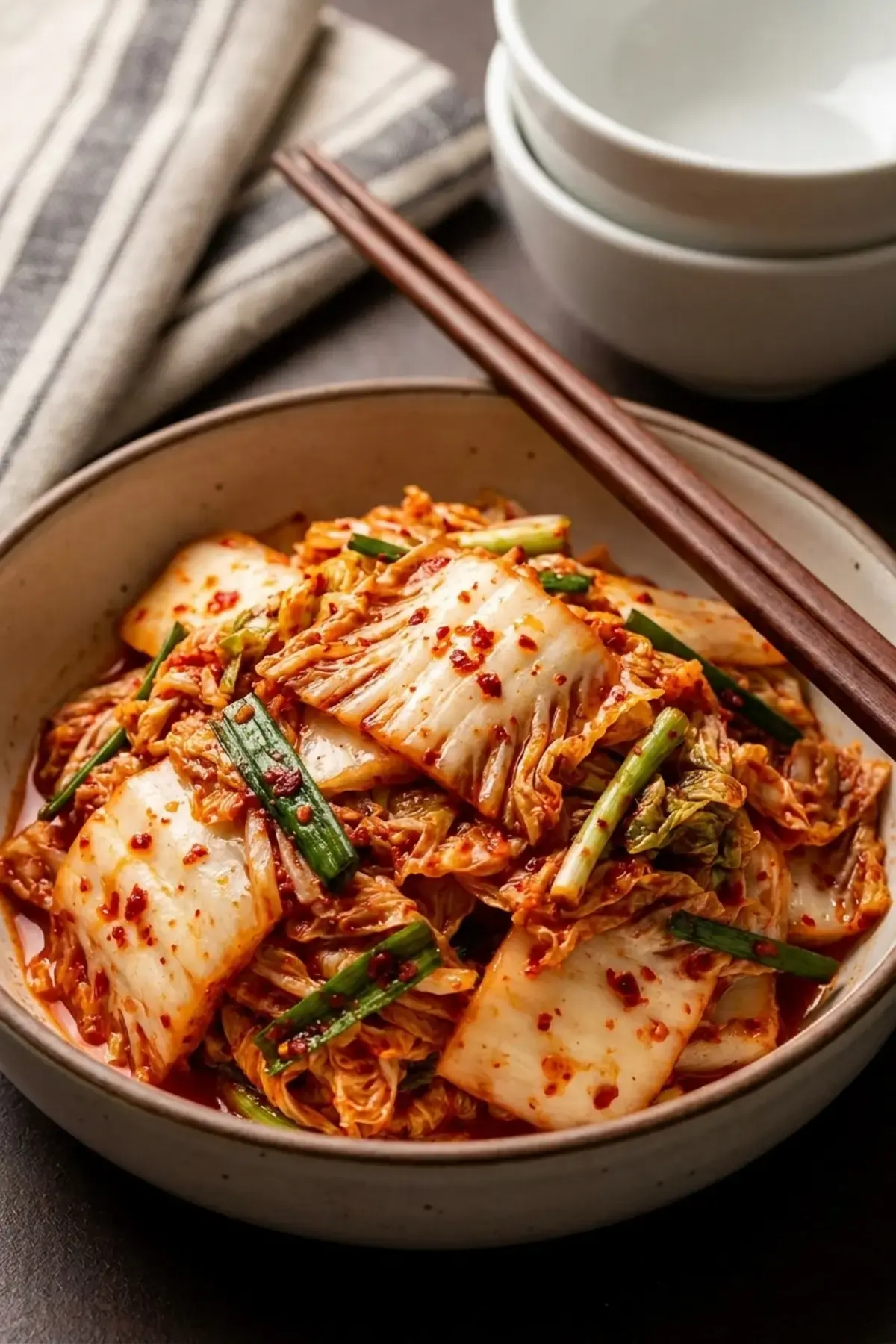
This version is not vegetarian or vegan. Saeujeot is Korean fermented salted shrimp, and fish sauce is also part of the canonical paste. Serve geotjeori as a fresh side dish, including alongside Korean BBQ chicken.
Jump to:
- What Is Fresh Kimchi Geotjeori?
- Fresh Kimchi Geotjeori Ingredients
- How to Make Fresh Kimchi Geotjeori
- 1. Cut the Napa Cabbage
- 2. Wash and Salt
- 3. Test the Salt Level
- 4. Rinse and Squeeze
- 5. Blend the Kimchi Paste
- 6. Add the Shredded Vegetables
- 7. Coat the Cabbage
- 8. Serve Fresh or Pack Leftovers
- Tips, Variations, Serving, and Storage
- Manage Moisture and Texture
- Serving the Fresh Kimchi
- Cooked Rice Alternative
- Clean Handling
- Frequently Asked Questions
- What is Fresh Kimchi Geotjeori?
- Can I replace the cooked white rice?
- How long can I keep fresh geotjeori?
- Is this geotjeori vegetarian or vegan?
Fresh Kimchi Geotjeori Ingredients
- 1 head napa cabbage, about 2 1/2 to 3 pounds
- About 1/4 cup salt, for salting
- 1 cup coarse gochugaru, divided
- 1/2 medium yellow onion, large dice
- 1/2 apple, large dice, such as Fuji, Honeycrisp, or Gala
- 10 garlic cloves
- 1-inch knob ginger, peeled and roughly sliced
- 2 tablespoons saeujeot
- 2 tablespoons fish sauce
- 2 tablespoons cooked white rice
- 1/2 cup hot water
- 1 medium carrot, peeled and shredded
- 1 small daikon radish, peeled and shredded, about 1 pound
- 2 ounces buchu, cut into 1-inch pieces
Buchu are Asian chives. The carrot, daikon, and buchu are added to the paste before the cabbage, as directed by the source. Measure the full cup of gochugaru in two portions because only half goes into the blender.
How to Make Fresh Kimchi Geotjeori
1. Cut the Napa Cabbage
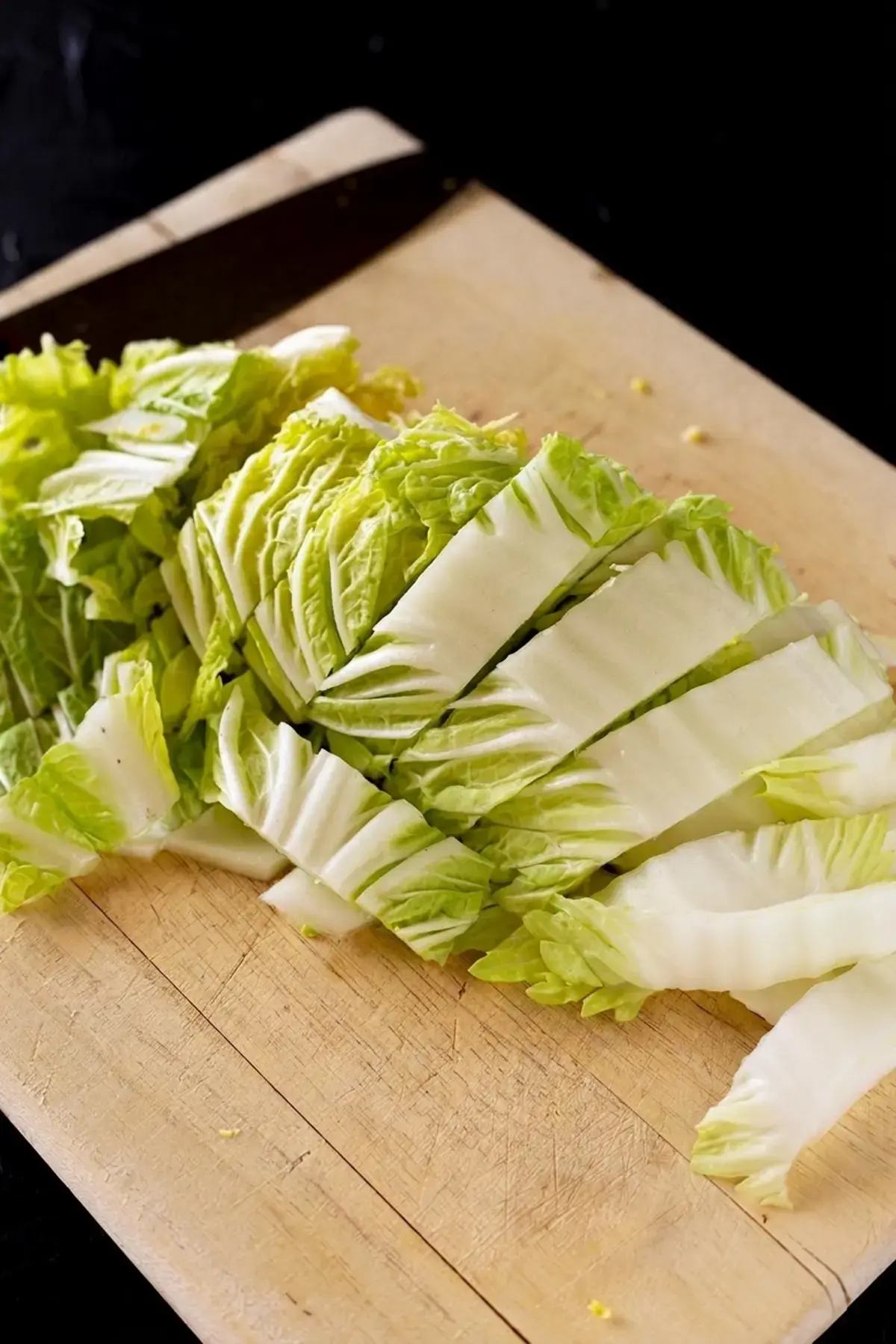
Remove undesirable outer leaves, quarter the cabbage lengthwise, and cut away the core from every quarter. Roughly cut the leaves and stalks into 1/2-inch to 1-inch pieces. Keeping pieces in that range makes the finished fresh kimchi easy to mix and serve.
2. Wash and Salt
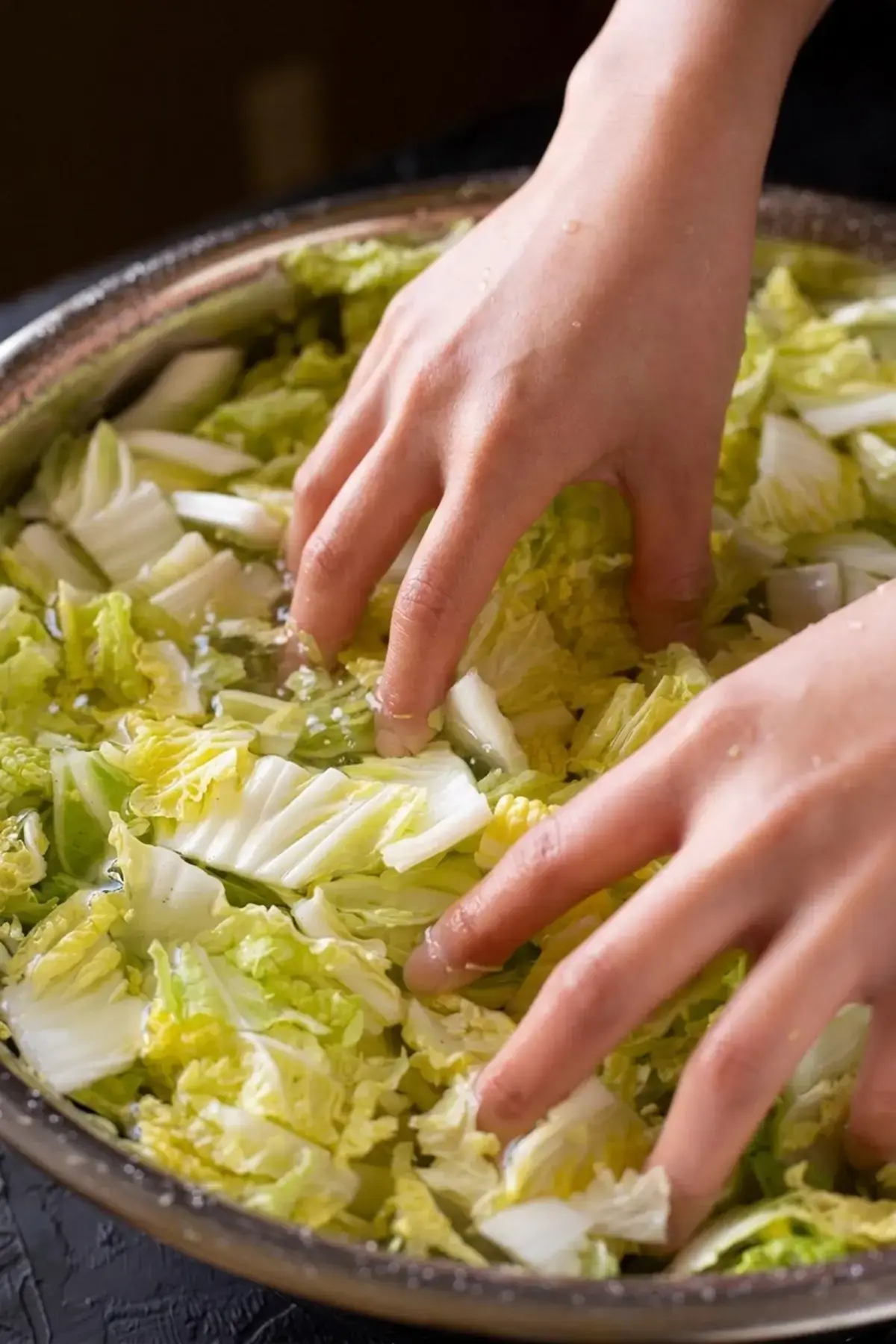
Wash the chopped cabbage in cool water 2 to 3 times to remove sand or dirt, then drain it and place it in a large bowl. Sprinkle the salt generously over the cabbage and toss between additions so it is dispersed through both leaves and thicker stalk pieces.
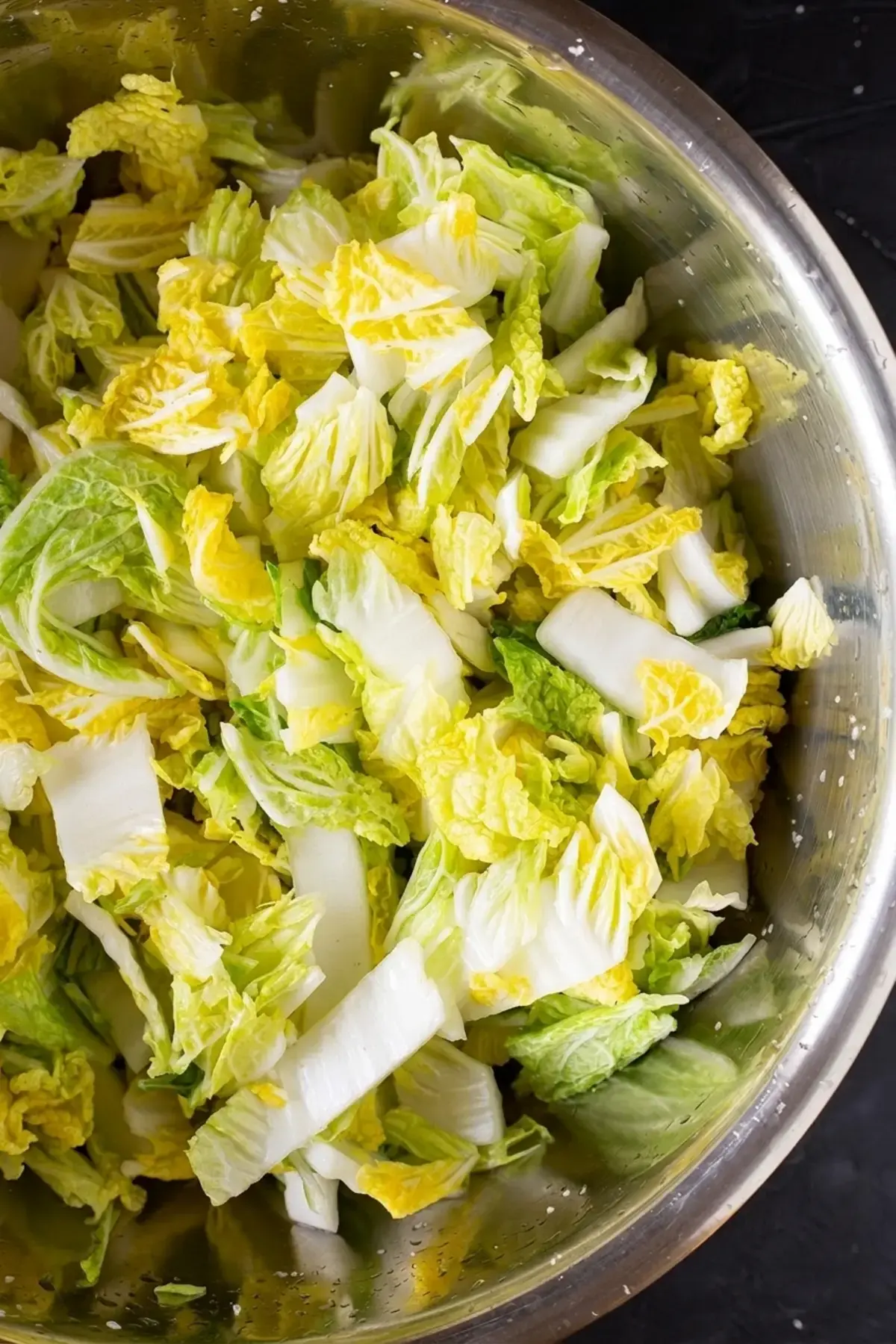
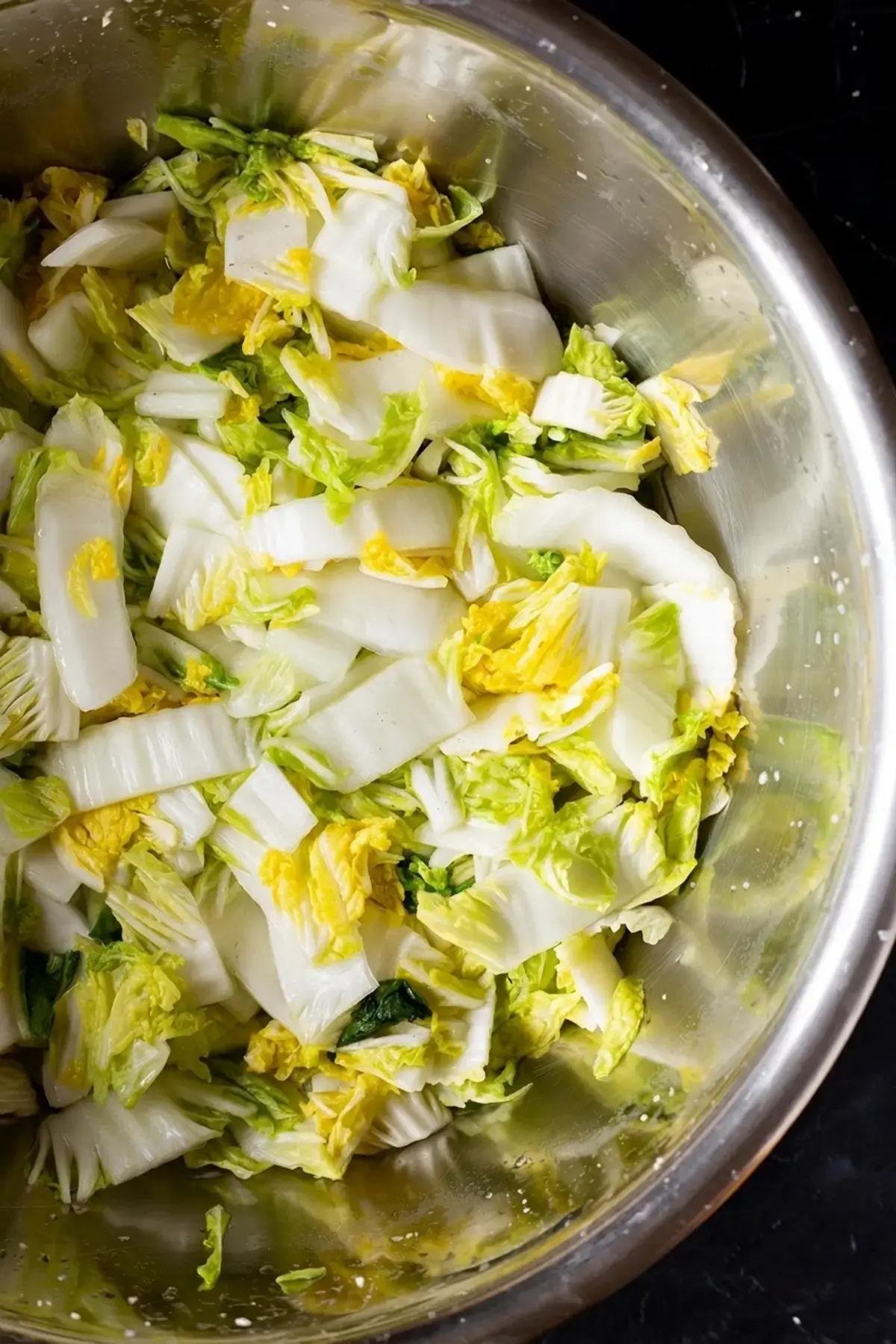
The source explains that more salt shortens the salting process and less salt lengthens it. Rather than relying only on a clock, judge the cabbage by its texture and taste in the next step.
3. Test the Salt Level
After the salting periods described by the source, rinse one cabbage stalk piece under fresh water and squeeze out excess water. Taste it. If it is not salty enough for your preference, flip the cabbage in the bowl and continue salting.
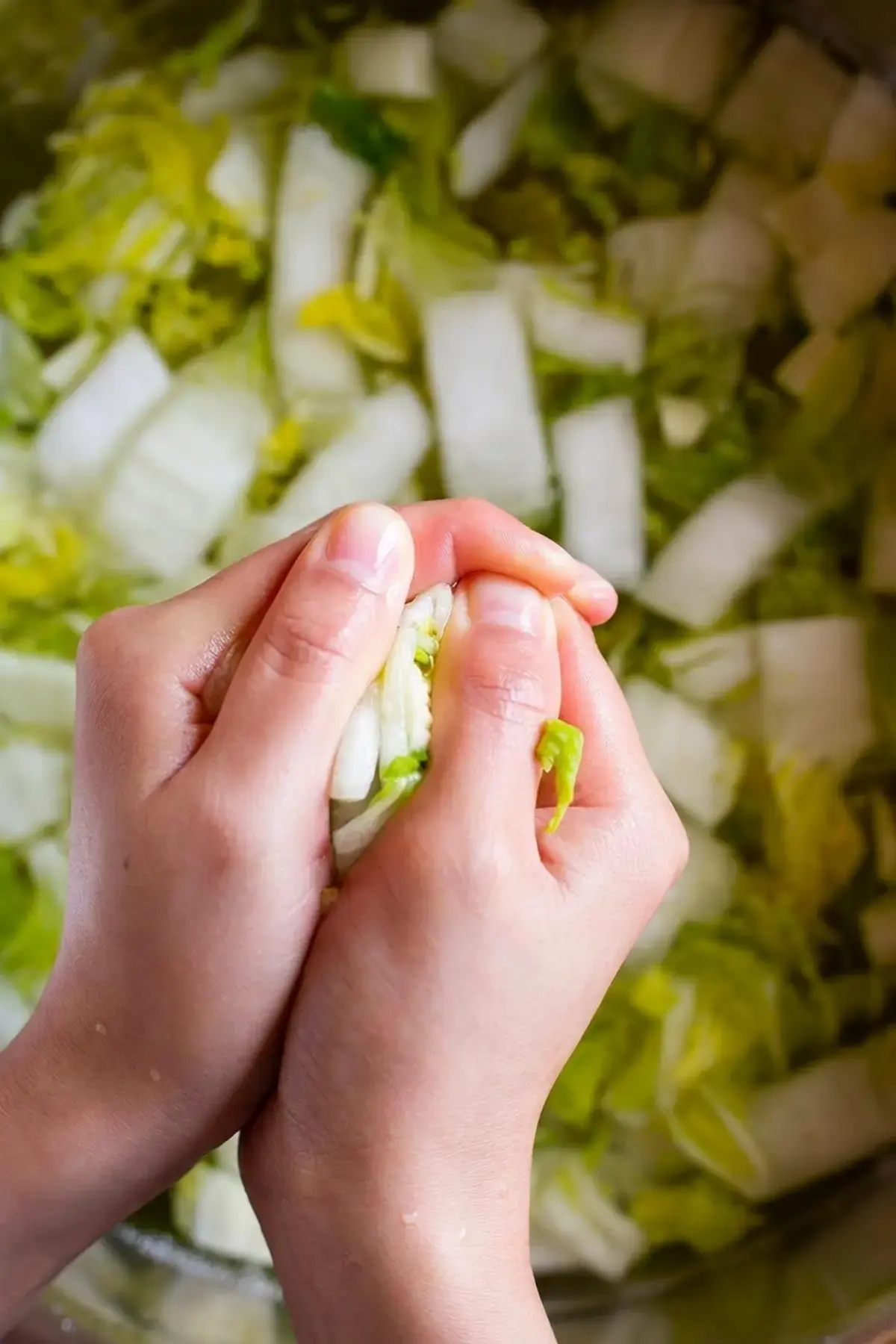
Remember that the paste also contains salty saeujeot and fish sauce. The cabbage should be seasoned but does not need to carry all of the final saltiness by itself.
4. Rinse and Squeeze
When the cabbage has reached the desired salt level, drain it and rinse under cool fresh water 2 to 3 times. Gently squeeze after each rinse, then squeeze a little more firmly after the final rinse to remove most of the excess water.
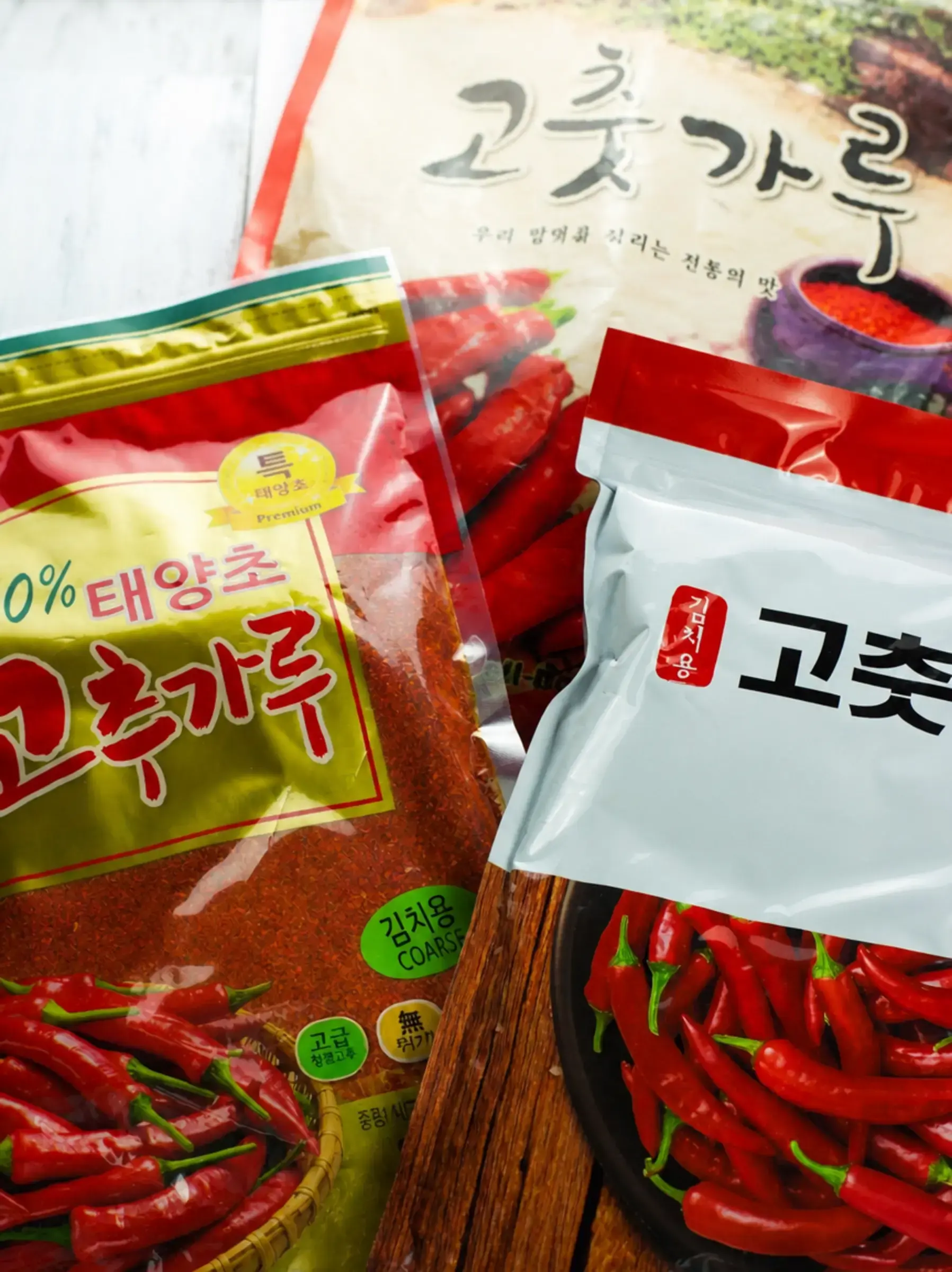
Insufficient draining can make the kimchi watery and thin the paste. Handle the leaves firmly enough to remove water without crushing all of their fresh texture.
5. Blend the Kimchi Paste
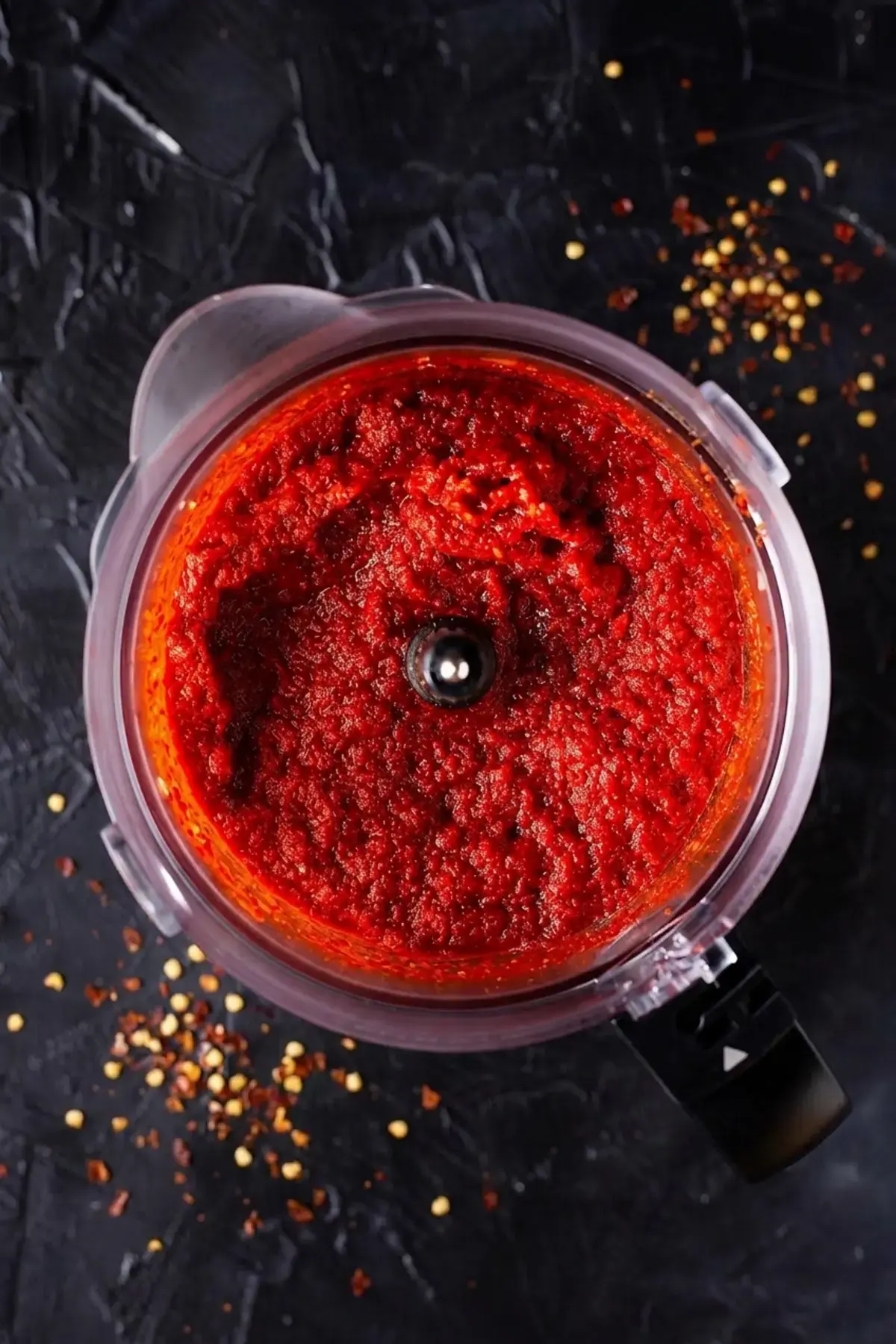
While the cabbage salts, combine the paste ingredients in a blender except for 1/2 cup of the gochugaru. Blend until well combined; the source notes that the paste does not have to be completely smooth.
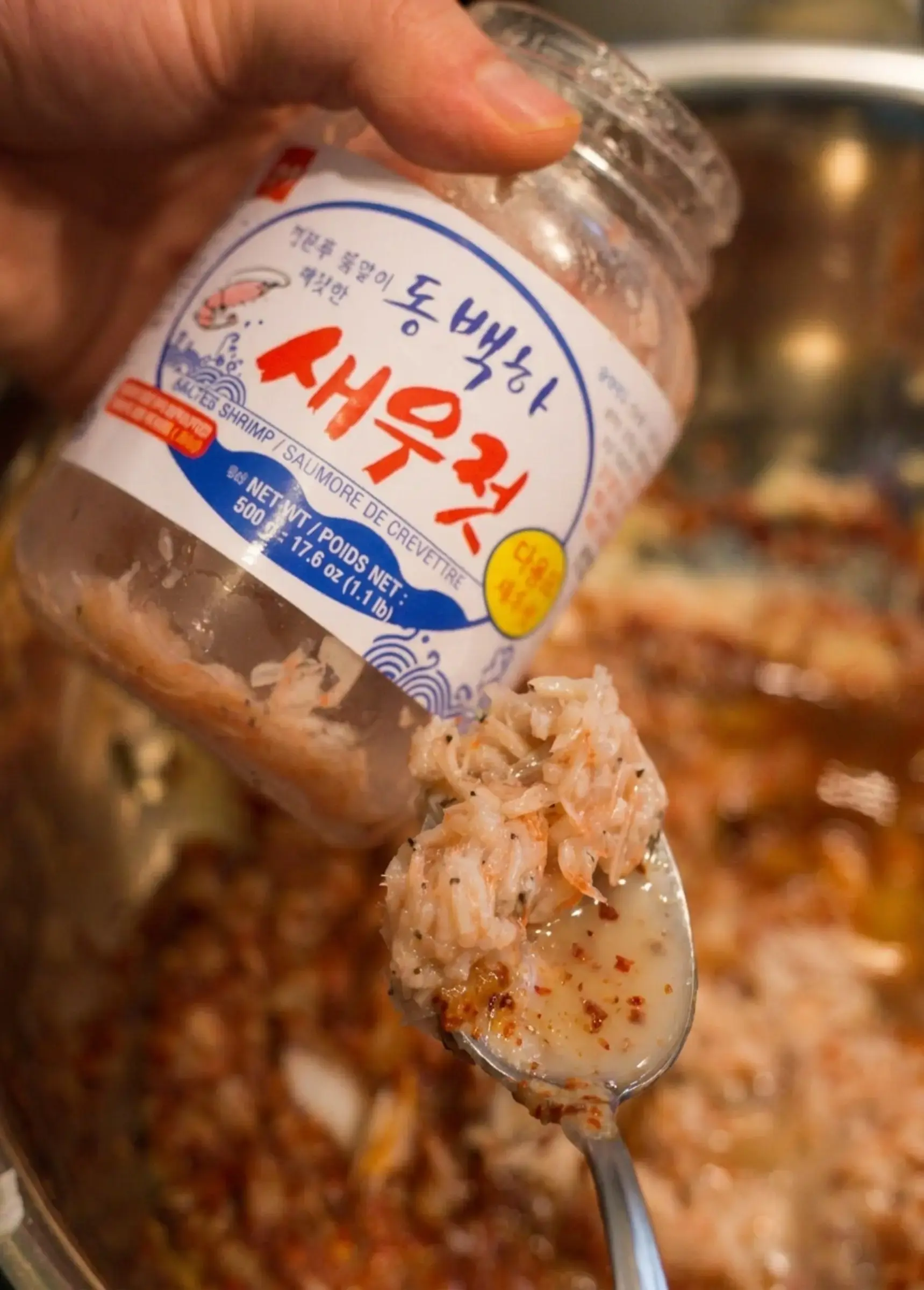
Transfer the blended mixture to a large bowl, add the reserved 1/2 cup gochugaru, and mix until incorporated. Coarse Korean red pepper flakes provide the intended color and texture.
6. Add the Shredded Vegetables
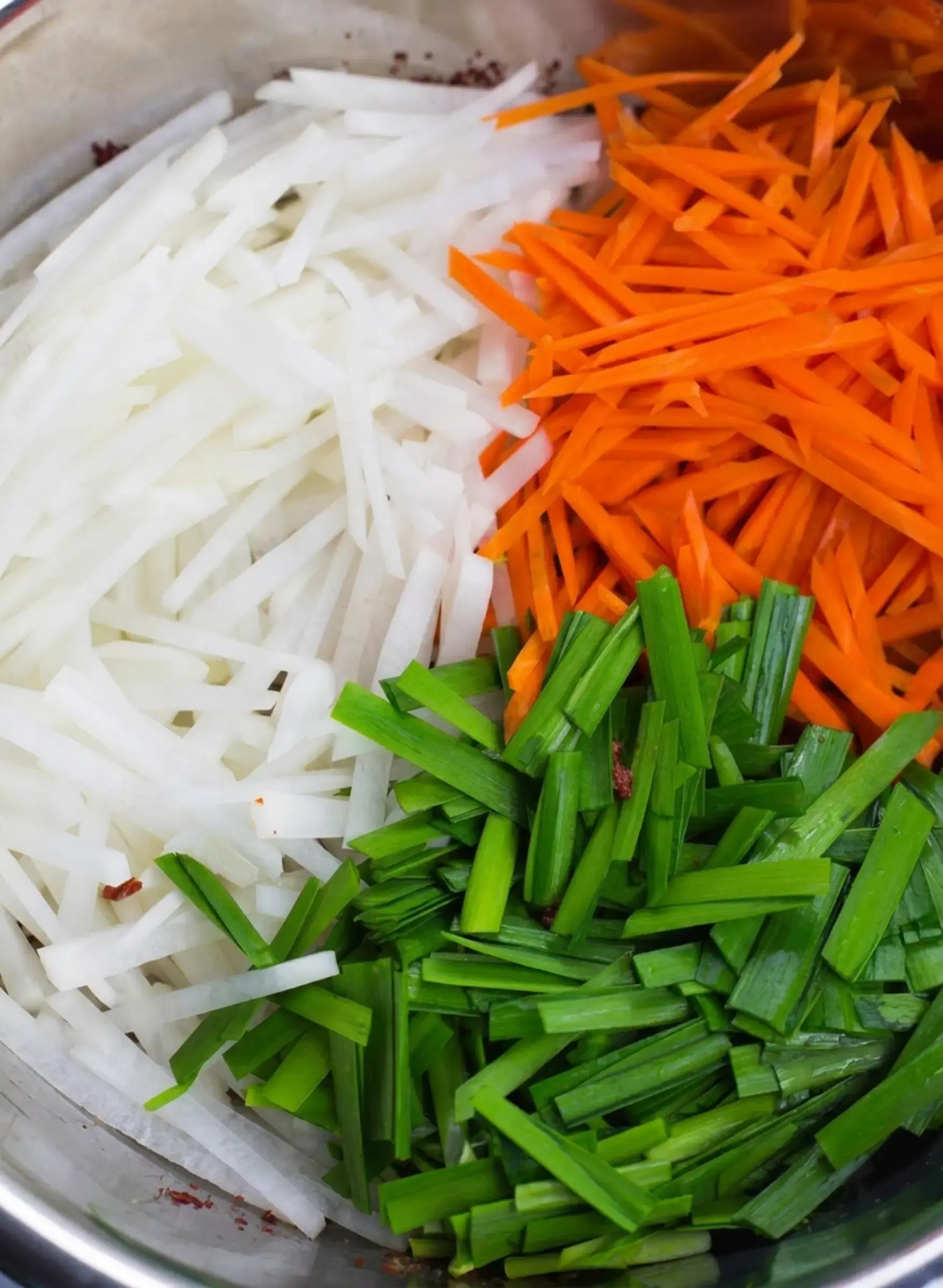
Add the shredded carrot, shredded daikon, and 1-inch buchu pieces to the paste. Mix thoroughly so the vegetables are coated and distributed. Set the bowl aside until the cabbage has finished salting, rinsing, and draining.
7. Coat the Cabbage
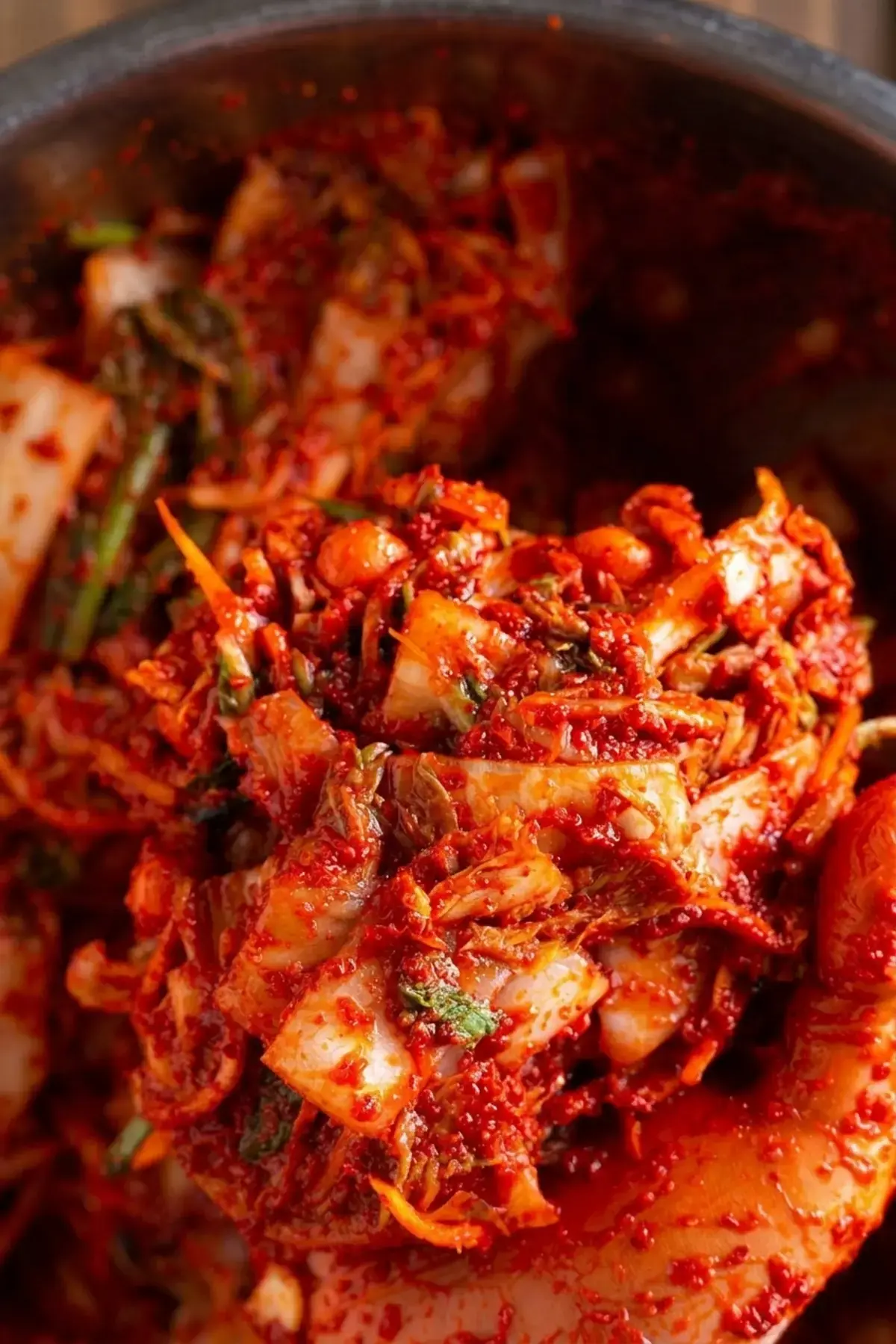
Add the prepared cabbage to the seasoned vegetable paste. Mix until every piece is well coated, lifting from the bottom of the bowl so paste and shredded vegetables reach the center. Food-safe gloves can protect hands from pepper and garlic.
8. Serve Fresh or Pack Leftovers
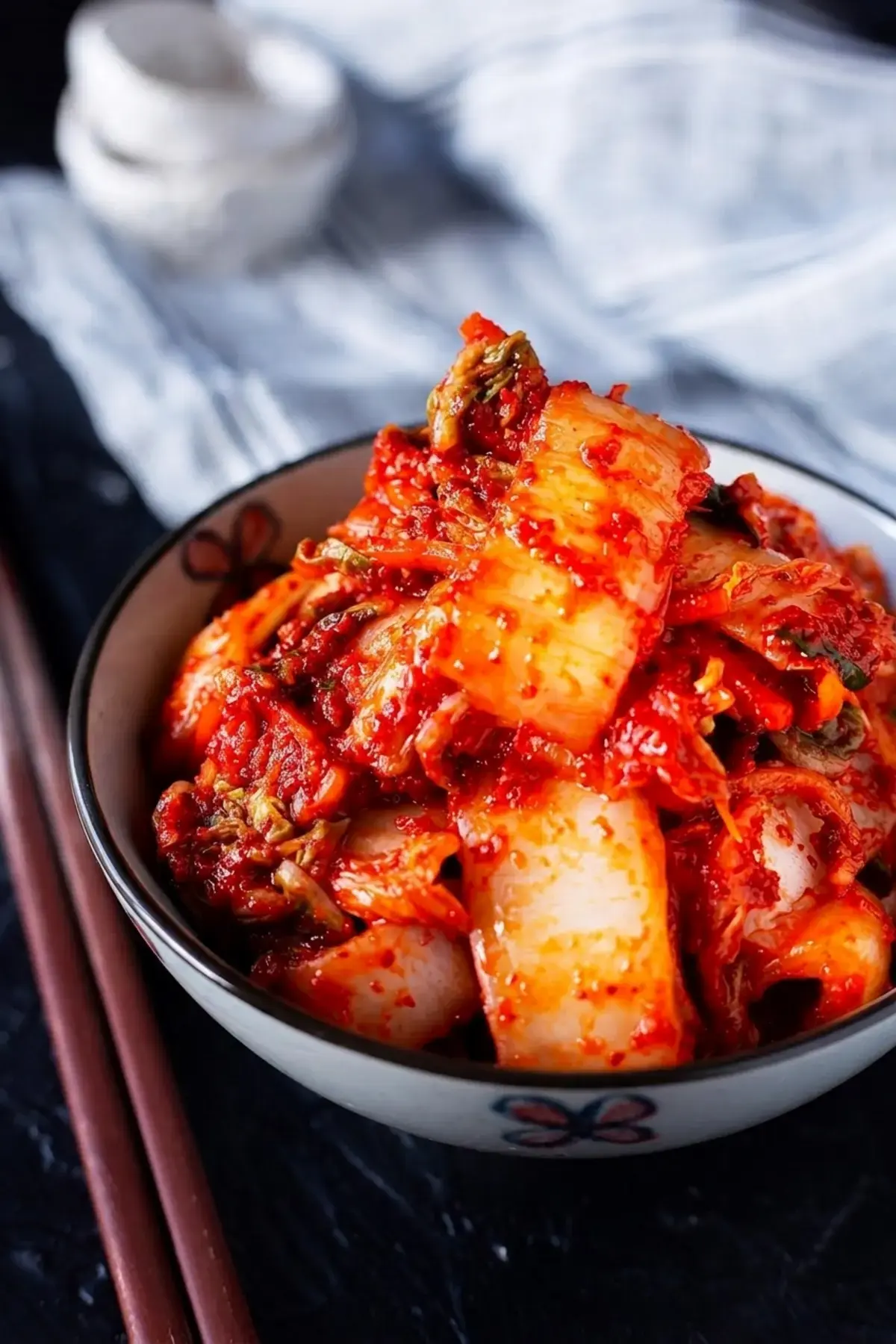
Enjoy the geotjeori fresh for up to 7 days, according to the source. For leftovers intended to ferment, pack the kimchi tightly in a clean jar and keep it refrigerated.

Tips, Variations, Serving, and Storage
Manage Moisture and Texture
The thick cabbage stalks and thin leaves respond differently to salt. Tossing the bowl thoroughly helps expose both to the salt, while the taste test focuses on a stalk because it is the densest part. Continue only when its texture and salt level suit your preference.
After rinsing, excess water is the main threat to an adhesive paste. Squeeze gently during early rinses and more firmly at the end, then let visible water drain before mixing. The cooked rice or rice-flour alternative thickens the paste, but it should not be used to compensate for cabbage that is still dripping.
Mix with a lifting and folding motion so the shredded daikon, carrot, and buchu remain distributed instead of collecting at the bottom. The goal is complete coverage, not crushing the cabbage. Fresh geotjeori should retain the crisp quality that distinguishes it from softer, longer-fermented kimchi.
Serving the Fresh Kimchi
Use clean tongs or chopsticks to remove portions from the storage container. This limits repeated contact with the remaining kimchi. Return the container to the refrigerator after serving and keep the cabbage covered by its seasoning as evenly as practical.
Cooked Rice Alternative
The cooked rice thickens the kimchi paste and helps it adhere to the cabbage. If no cooked white rice is available, the source permits 2 to 3 tablespoons of regular or glutinous rice flour cooked with 1/2 cup water.
Cook that mixture until it thickens and looks slightly translucent, then cool it to lukewarm before blending it into the paste. Hot starch mixture could change the fresh vegetables and warm the blender contents.
Clean Handling
Wash the cabbage and other produce under running water, use clean utensils, and start with a clean storage jar. The FDA produce guide recommends keeping produce away from raw animal products and washing hands and preparation surfaces.
Fresh geotjeori is meant to be eaten promptly. Fermentation changes acidity, flavor, and gas production, so follow tested fermentation guidance rather than improvising shelf-stable storage. Refrigeration remains necessary.