

Why You’ll Love This Korean Bbq Chicken
If you are craving bold flavor without waiting on delivery, Korean Bbq Chicken is a smart weeknight win. It gives you that sweet, spicy, savory taste you want from takeout, but you can make it at home with simple pantry ingredients and a short hands-on cooking time.
- Easy to make: The marinade comes together in one bowl, and the chicken cooks in just minutes on the grill or in the oven. This makes it a great fit for busy parents, students, and working professionals.
- Good for a balanced meal: Each serving brings plenty of protein, plus you can serve it with rice and fresh toppings like cucumbers, scallions, and lettuce for a more satisfying plate.
- Flexible for many diets: You can swap in tamari, coconut aminos, or chicken breast if needed. It also works well with lettuce wraps for a lighter meal.
- Big, memorable flavor: Gochujang, soy sauce, brown sugar, ginger, and garlic create a sticky glaze that tastes rich, warm, and a little smoky when charred.
For readers who want to compare flavor styles, you may also like this Korean BBQ chicken inspiration from another home cooking site. It is a helpful reference if you enjoy seeing different marinade balances.
Another reason this dish stands out is the nutrition profile. A serving delivers 46g of protein, which makes it a filling option for dinner or meal prep. If you want to learn more about the role chicken can play in a balanced diet, this overview of chicken’s health benefits is a useful read.
This is the kind of dinner that feels special enough for guests, but simple enough for a Tuesday night.
If your goal is an easy recipe that still tastes exciting, Korean Bbq Chicken delivers every time.
Jump to:
- Why You’ll Love This Korean Bbq Chicken
- Essential Ingredients for Korean Bbq Chicken
- Main Ingredients
- For Serving
- Special Dietary Options
- How to Prepare the Perfect Korean Bbq Chicken: Step-by-Step Guide
- First Step: Mix the marinade
- Second Step: Marinate the chicken
- Third Step: Preheat your grill or oven
- Fourth Step: Cook the chicken
- Final Step: Rest, baste, and serve
- Dietary Substitutions to Customize Your Korean Bbq Chicken
- Protein and Main Component Alternatives
- Vegetable, Sauce, and Seasoning Modifications
- Mastering Korean Bbq Chicken: Advanced Tips and Variations
- Pro cooking techniques
- Flavor variations
- Presentation tips
- Make-ahead options
- How to Store Korean Bbq Chicken: Best Practices
- FAQs: Frequently Asked Questions About Korean Bbq Chicken
- How long should I marinate Korean BBQ chicken?
- Can I use chicken breast for Korean BBQ chicken?
- How do I get char on Korean BBQ chicken without overcooking?
- What ingredients do I need for homemade Korean BBQ chicken marinade?
- Can I make Korean BBQ chicken in the oven instead of grilling?
- Korean Bbq Chicken
- Ingredients
- Instructions
- Last Step:
- Notes
- Nutrition
- Did you make this recipe?
Essential Ingredients for Korean Bbq Chicken
Main Ingredients
- 1/4 cup soy sauce – Adds salty depth and helps build the savory base of the marinade.
- 1/4 cup gochujang (Korean red pepper paste) – Brings sweet heat and the classic Korean BBQ flavor.
- 1/4 cup brown sugar – Balances the spice and helps the chicken caramelize.
- 2 tablespoons rice vinegar – Adds brightness and helps tenderize the meat.
- 1 tablespoon sesame oil – Gives the marinade a nutty finish and rich aroma.
- 2 tablespoons grated ginger – Adds fresh, peppery warmth and keeps the flavor lively.
- 6 cloves grated garlic – Brings bold savory flavor that works beautifully with the gochujang.
- 2 pounds skinless boneless chicken thighs – The best cut for juicy, flavorful Korean Bbq Chicken.
For Serving
- White rice – Soaks up the sauce and turns the chicken into a full meal.
- Sliced scallions – Add freshness and color.
- Sesame seeds – Give a light crunch and finishing touch.
- Kimchi – Optional but perfect for tangy, spicy contrast.
- Sliced cucumbers – Add coolness and crunch.
- Seaweed salad – A salty, refreshing side that pairs well with the glaze.
- Lettuce leaves – Great for wrapping the chicken into light bites.
Special Dietary Options
- Vegan: Swap the chicken for extra-firm tofu, tempeh, or king oyster mushrooms. Use maple syrup or brown sugar in the marinade and check that your gochujang is vegan-friendly.
- Gluten-free: Use tamari or gluten-free soy sauce. Always check the gochujang label, since some brands contain wheat.
- Low-calorie: Serve with lettuce wraps instead of rice, use a little less brown sugar, and add more cucumber and scallions on the side.
| Ingredient | Why It Matters |
|---|---|
| Soy sauce | Provides salty, savory depth |
| Gochujang | Creates the sweet-spicy Korean flavor |
| Chicken thighs | Stay juicy and cook evenly |
| Ginger and garlic | Add fresh aroma and strong flavor |
How to Prepare the Perfect Korean Bbq Chicken: Step-by-Step Guide
First Step: Mix the marinade
Start by whisking together the 1/4 cup soy sauce, 1/4 cup gochujang, 1/4 cup brown sugar, 2 tablespoons rice vinegar, 1 tablespoon sesame oil, 2 tablespoons grated ginger, and 6 cloves grated garlic in a medium bowl. Mix until the sugar dissolves and the paste looks smooth. This is the flavor base for your Korean Bbq Chicken, so take a moment to blend it well.
Once the marinade is mixed, measure out 1/4 cup and set it aside for basting after cooking. Keeping this portion clean is important so you can use it as a finishing glaze later. If you want extra dipping sauce, you can also reserve a little more in a separate small bowl before it touches the raw chicken.
Second Step: Marinate the chicken
Place the 2 pounds skinless boneless chicken thighs in a large zip-top bag or shallow dish. Pour the remaining marinade over the chicken, then seal the bag and move the chicken around so every piece gets coated. If you are using a dish, turn the chicken a few times so the sauce reaches every surface.
Refrigerate for at least 2 hours, or up to overnight for the deepest flavor. If you are short on time, even a quick marinade helps, but longer marinating gives you the best result. Since the mixture contains soy sauce and rice vinegar, do not go past 24 hours or the texture can become too soft.
For best browning, pull the chicken from the fridge about 30 minutes before cooking. This helps it cook more evenly and gives you a better sear.
Third Step: Preheat your grill or oven
If grilling, heat your grill to medium-high. You want it hot enough to char the outside without burning the sugars in the marinade too fast. If baking, preheat the oven to 450°F. Line a baking sheet for easy cleanup, and if you have one, place a wire rack on top so the heat can move around the chicken more evenly.
This recipe works well either way. Grilling gives you smoky edges, while baking is a great choice for rainy days or when you want an indoor dinner. Choose the method that fits your kitchen and schedule.
Fourth Step: Cook the chicken
Before the chicken hits the heat, let any excess marinade drip off. This helps prevent burning and keeps the surface from getting too sticky too soon. If you are grilling, place the chicken on the hot grates and cook for about 5 minutes per side. Watch for nice char marks and check that the internal temperature reaches 165°F.
If you are baking, cook the chicken for 20 to 30 minutes in the preheated 450°F oven, depending on thickness. Flip the pieces halfway through if you want more even browning. For extra color, you can broil the chicken for the last 2 to 3 minutes, but keep a close eye on it so the sugar does not burn.
If you are cooking in batches, wipe the pan between rounds. This keeps the next batch from picking up burnt bits and bitter flavor. It is a small step that makes a big difference.
Final Step: Rest, baste, and serve
Once the chicken reaches 165°F, move it to a plate and let it rest for 5 minutes. Resting gives the juices time to settle, so the meat stays tender when you slice it. After that, spoon or brush on the reserved marinade for extra shine and flavor. If you want, warm the reserved sauce first in a small pan for food safety.
Slice the chicken and serve it over white rice with sliced scallions and sesame seeds. Add kimchi, sliced cucumbers, seaweed salad, or lettuce leaves on the side. Lettuce wraps are a fun way to eat this dish if you want something lighter and more hands-on.
For the best Korean Bbq Chicken, cook hot, rest the meat, and finish with the reserved marinade.
Prep time: 10 minutes
Cook time: 20 minutes
Marinating time: 2 hours
Total time: 30 minutes, not including marinating

Dietary Substitutions to Customize Your Korean Bbq Chicken
Protein and Main Component Alternatives
If you do not have chicken thighs, chicken breast can work well too. Just slice or pound it to a more even thickness so it cooks at the same speed. Since breast meat is leaner, marinate it for no more than 12 hours so it does not turn mushy. Watch it closely during cooking because it can dry out faster than thighs.
For a meat-free version, use extra-firm tofu, tempeh, or thick mushrooms. Press tofu first so it can soak up the marinade better. Tempeh brings a firmer bite, while mushrooms give you a juicy texture that works nicely with the sweet-spicy sauce.
Vegetable, Sauce, and Seasoning Modifications
If you need a soy-free option, use coconut aminos or another soy alternative. For less heat, replace some or all of the gochujang with a little sriracha mixed with extra brown sugar, or choose a milder chili paste. You can also swap the rice vinegar for apple cider vinegar or another mild vinegar if that is what you have.
Serving choices can change the feel of the meal, too. Use cauliflower rice for a lower-carb bowl, or build lettuce wraps with cucumbers and scallions for a crisp, fresh dinner. A little extra sesame oil or toasted sesame seeds can help tie everything together if you reduce the sauce ingredients.
Mastering Korean Bbq Chicken: Advanced Tips and Variations
Pro cooking techniques
Fresh ginger makes a real difference here. Grate it with the garlic so both blend smoothly into the marinade and do not burn on the grill. You should also let extra marinade drip off before cooking, since too much sauce on the surface can char too quickly before the inside is done.
If you want stronger caramelization, pat the chicken lightly with paper towels before it goes on the heat. This helps the sugars brown instead of steaming. For batch cooking, keep the grill or pan hot and clean off burnt bits between rounds so every piece tastes fresh.
Flavor variations
You can shift the flavor a bit by adding more ginger for brightness, more gochujang for heat, or a touch more brown sugar for a sweeter glaze. Some cooks like a squeeze of lime at the end for contrast, while others serve it with kimchi for a deeper fermented bite. If you enjoy a little smoke, grilled sesame oil brushed on after cooking can add a nice finish.
Presentation tips
Slice the chicken before serving so the glaze shows on every piece. Pile it over a bed of rice, then top with scallions and sesame seeds for a clean, colorful look. Add a few cucumber slices or a scoop of kimchi beside it for brightness and texture.
Make-ahead options
You can mix the marinade a day ahead and keep it in the fridge until you are ready to cook. The chicken can also marinate overnight, which is helpful for busy weeknights. If you want to prep lunch boxes, cook a double batch and portion it with rice and vegetables for easy meals later in the week.
How to Store Korean Bbq Chicken: Best Practices
Refrigeration: Store cooked Korean Bbq Chicken in an airtight container in the fridge for up to 4 days. Keep the rice and toppings in separate containers if possible so everything stays fresh.
Freezing: Freeze the cooked chicken for up to 2 months. Slice it first so it thaws faster and reheats more evenly. Wrap it well or use a freezer-safe container to protect the flavor.
Reheating: Warm leftovers in the microwave in short bursts, or reheat in a skillet over medium heat with a splash of water. You can also reheat in a 350°F oven until warmed through. Try not to overcook it again, or the meat may dry out.
Meal prep considerations: Make a double batch if you want easy lunches. Store the chicken, rice, and toppings separately, then assemble when you are ready to eat. If you saved extra marinade as a dipping sauce, keep it in a clean container and use it within a few days.
FAQs: Frequently Asked Questions About Korean Bbq Chicken
How long should I marinate Korean BBQ chicken?
Can I use chicken breast for Korean BBQ chicken?
How do I get char on Korean BBQ chicken without overcooking?
What ingredients do I need for homemade Korean BBQ chicken marinade?
Can I make Korean BBQ chicken in the oven instead of grilling?
Korean Bbq Chicken
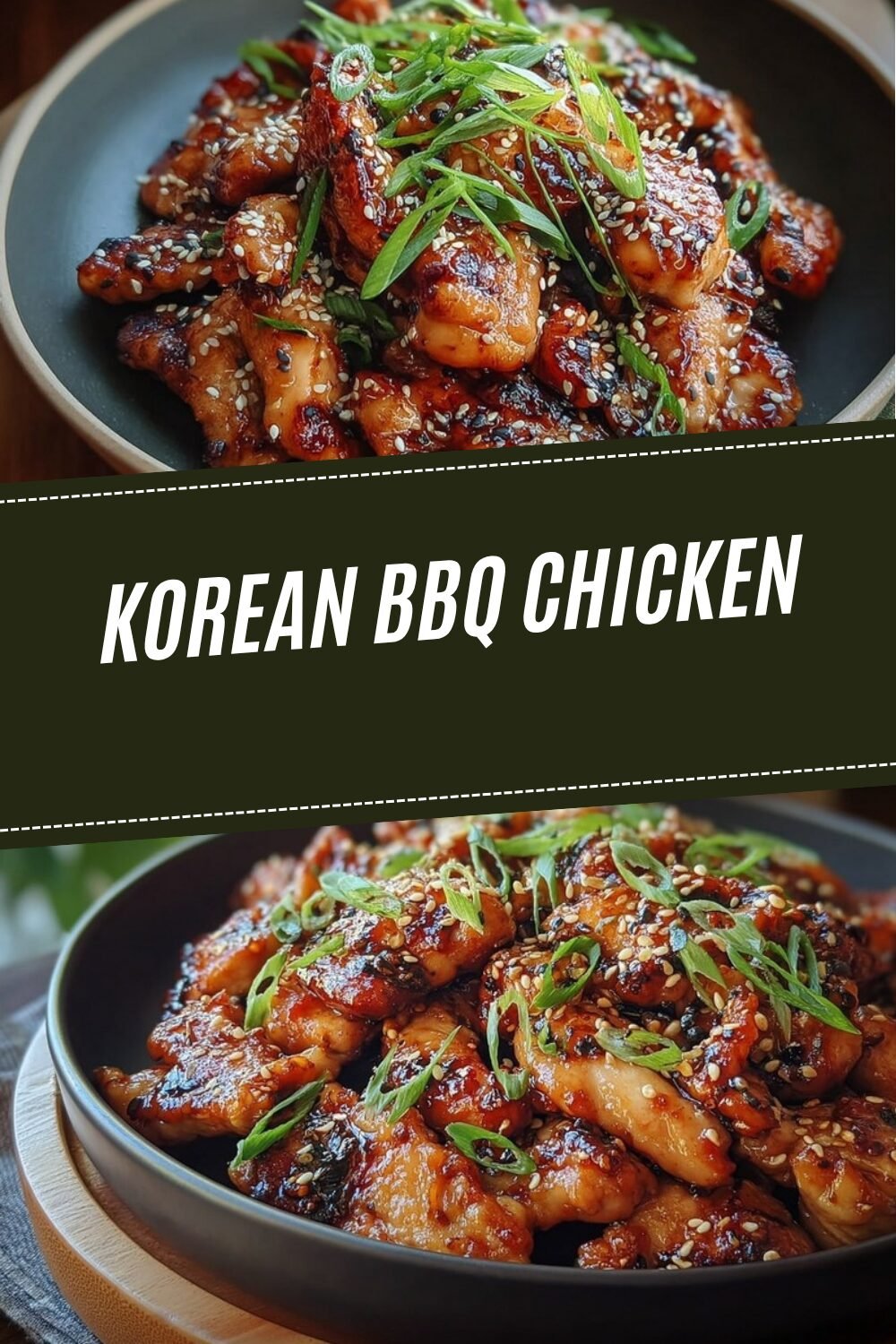
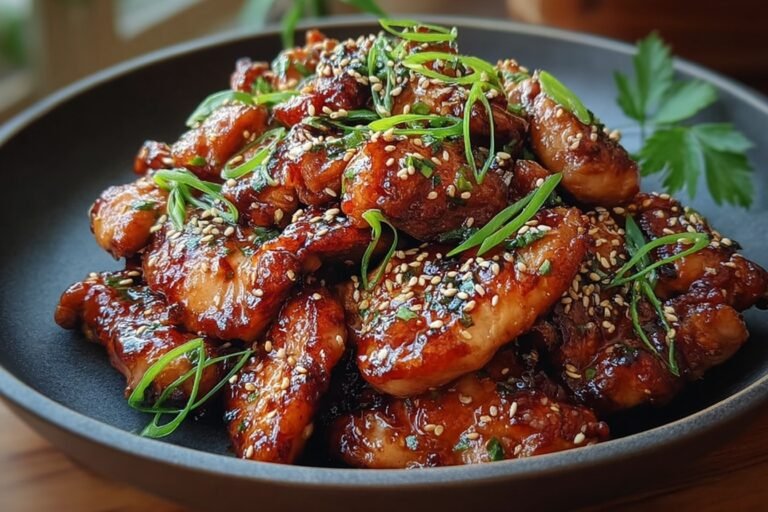
🔥🍗 Sticky-spicy Korean BBQ chicken thighs glazed with gochujang marinade – beats takeout with bold authentic flavors at home!
🥢 Tender high-protein grill/bake stars for quick dinners, meal prep bowls, or lettuce wraps – smoky sweet heat everyone craves.
- Total Time: 2 hours 30 minutes
- Yield: 6 servings
Ingredients
– 1/4 cup soy sauce
– 1/4 cup gochujang (Korean red pepper paste)
– 1/4 cup brown sugar
– 2 tablespoons rice vinegar
– 1 tablespoon sesame oil
– 2 tablespoons grated ginger
– 6 cloves grated garlic
– 2 pounds skinless boneless chicken thighs
– White rice
– Sliced scallions
– Sesame seeds
– Kimchi
– Sliced cucumbers
– Seaweed salad
– Lettuce leaves
Instructions
1-First Step: Mix the marinade Start by whisking together the 1/4 cup soy sauce, 1/4 cup gochujang, 1/4 cup brown sugar, 2 tablespoons rice vinegar, 1 tablespoon sesame oil, 2 tablespoons grated ginger, and 6 cloves grated garlic in a medium bowl. Mix until the sugar dissolves and the paste looks smooth. This is the flavor base for your Korean Bbq Chicken, so take a moment to blend it well. Once the marinade is mixed, measure out 1/4 cup and set it aside for basting after cooking. Keeping this portion clean is important so you can use it as a finishing glaze later. If you want extra dipping sauce, you can also reserve a little more in a separate small bowl before it touches the raw chicken.
2-Second Step: Marinate the chicken Place the 2 pounds skinless boneless chicken thighs in a large zip-top bag or shallow dish. Pour the remaining marinade over the chicken, then seal the bag and move the chicken around so every piece gets coated. If you are using a dish, turn the chicken a few times so the sauce reaches every surface. Refrigerate for at least 2 hours, or up to overnight for the deepest flavor. If you are short on time, even a quick marinade helps, but longer marinating gives you the best result. Since the mixture contains soy sauce and rice vinegar, do not go past 24 hours or the texture can become too soft. For best browning, pull the chicken from the fridge about 30 minutes before cooking. This helps it cook more evenly and gives you a better sear.
3-Third Step: Preheat your grill or oven If grilling, heat your grill to medium-high. You want it hot enough to char the outside without burning the sugars in the marinade too fast. If baking, preheat the oven to 450°F. Line a baking sheet for easy cleanup, and if you have one, place a wire rack on top so the heat can move around the chicken more evenly. This recipe works well either way. Grilling gives you smoky edges, while baking is a great choice for rainy days or when you want an indoor dinner. Choose the method that fits your kitchen and schedule.
4-Fourth Step: Cook the chicken Before the chicken hits the heat, let any excess marinade drip off. This helps prevent burning and keeps the surface from getting too sticky too soon. If you are grilling, place the chicken on the hot grates and cook for about 5 minutes per side. Watch for nice char marks and check that the internal temperature reaches 165°F. If you are baking, cook the chicken for 20 to 30 minutes in the preheated 450°F oven, depending on thickness. Flip the pieces halfway through if you want more even browning. For extra color, you can broil the chicken for the last 2 to 3 minutes, but keep a close eye on it so the sugar does not burn. If you are cooking in batches, wipe the pan between rounds. This keeps the next batch from picking up burnt bits and bitter flavor. It is a small step that makes a big difference.
5-Final Step: Rest, baste, and serve Once the chicken reaches 165°F, move it to a plate and let it rest for 5 minutes. Resting gives the juices time to settle, so the meat stays tender when you slice it. After that, spoon or brush on the reserved marinade for extra shine and flavor. If you want, warm the reserved sauce first in a small pan for food safety. Slice the chicken and serve it over white rice with sliced scallions and sesame seeds. Add kimchi, sliced cucumbers, seaweed salad, or lettuce leaves on the side. Lettuce wraps are a fun way to eat this dish if you want something lighter and more hands-on.
Last Step:
Please leave a rating and comment letting us know how you liked this recipe! This helps our business to thrive and continue providing free, high-quality recipes for you.Notes
🌿 Grate fresh ginger and garlic finely to infuse flavor without burning.
💧 Let excess marinade drip off chicken before cooking to avoid flare-ups.
⏱️ Marinate overnight for deepest tenderizing and flavor penetration.
- Prep Time: 10 minutes
- Marinate: 2 hours
- Cook Time: 20 minutes
- Category: Main Dish
- Method: Grilling
- Cuisine: Korean
- Diet: High-Protein
Nutrition
- Serving Size: 1 thigh (about 5-6 oz cooked)
- Calories: 390 kcal
- Sugar: 15g
- Sodium: 1020mg
- Fat: 13g
- Saturated Fat: 3g
- Unsaturated Fat: 9g
- Trans Fat: 0g
- Carbohydrates: 21g
- Fiber: 0.4g
- Protein: 46g
- Cholesterol: 215mg