
What Is Low Carb Shrimp and Broccoli?
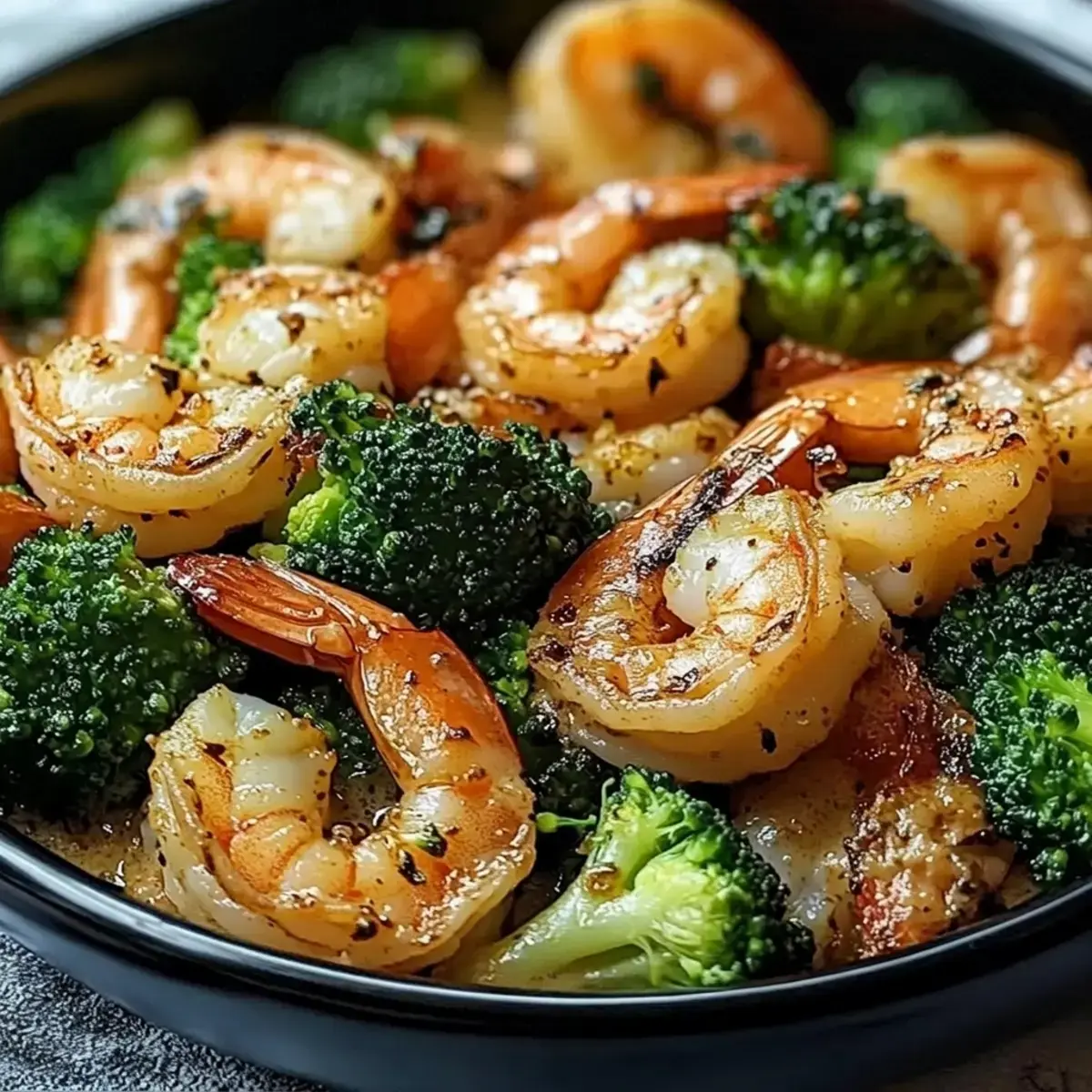
Low carb shrimp and broccoli is a skillet dish built around tender seafood, crisp green florets, garlic, olive oil, and lemon. The short ingredient list keeps the flavors clear. Garlic gives the oil an aromatic base, while lemon added at the end brightens both the shrimp and vegetables.
The recipe is practical for a busy meal because everything cooks in one large skillet. Broccoli goes in before the shrimp, giving the firmer vegetable enough time to soften while retaining some crunch. The shrimp are added later so they can cook just until pink and opaque.
Jump to:
- What Is Low Carb Shrimp and Broccoli?
- Low Carb Shrimp and Broccoli Ingredients
- How to Make Low Carb Shrimp and Broccoli
- Prepare the Shrimp and Broccoli
- Warm the Oil and Garlic
- Cook the Broccoli
- Add and Season the Shrimp
- Finish With Lemon
- Tips, Variations, Serving, and Storage
- Useful Cooking Tips
- Serving Ideas
- Storing and Reheating
- Understanding the Skillet Sequence
- Plan Variations Without Losing the Base
- Frequently Asked Questions
- How do I know when the shrimp are cooked?
- Can I replace the shrimp?
- Is low carb shrimp and broccoli gluten-free?
- What can I serve with shrimp and broccoli?
- How should I store leftovers?
Low Carb Shrimp and Broccoli Ingredients
Prepare every ingredient before heating the skillet. Shrimp cook quickly, so having the broccoli cut and the garlic minced prevents delays once cooking begins.
- 1 pound shrimp, peeled and deveined: clean shrimp are ready to season and cook evenly.
- 4 cups fresh broccoli florets: cut them into bite-sized pieces for consistent cooking.
- 3 tablespoons extra virgin olive oil: this carries the garlic and coats the main ingredients.
- 4 cloves garlic, minced: finely cut garlic distributes its aroma through the oil.
- 1 teaspoon red pepper flakes, optional: use less when a milder result is preferred.
- 1 teaspoon salt, to taste: season the shrimp and broccoli as they cook.
- 1/2 teaspoon black pepper, to taste: this adds a gentle warm note.
- Juice of 1 lemon: add it after cooking for fresh acidity.
- Fresh parsley, for garnish: the optional finish adds color and freshness.

How to Make Low Carb Shrimp and Broccoli
Prepare the Shrimp and Broccoli
Peel and devein the shrimp if that work has not already been done. Cut the broccoli into bite-sized florets. Similar-sized pieces will reach a tender texture more evenly and will be easier to combine with the shrimp in each serving.
Warm the Oil and Garlic
Pour the olive oil into a large skillet and place it over medium heat. Let the oil warm until it shimmers. Add the minced garlic and stir for about 30 seconds, just until it becomes aromatic.
Keep the garlic moving and watch its color. This brief stage flavors the oil that will coat the broccoli and shrimp. The recipe calls for the broccoli immediately afterward, so keep the prepared florets beside the stove.
Cook the Broccoli
Add the broccoli florets and mix them well with the garlic oil. Cook for four to five minutes, stirring as needed. The broccoli should become bright green and just tender while still retaining a pleasant bite.
Use the texture rather than color alone as your guide. A piece should yield when bitten without becoming soft or mushy. Fresh broccoli is preferred in the source because it keeps a more vibrant crunch than frozen broccoli in this quick skillet method.
Add and Season the Shrimp
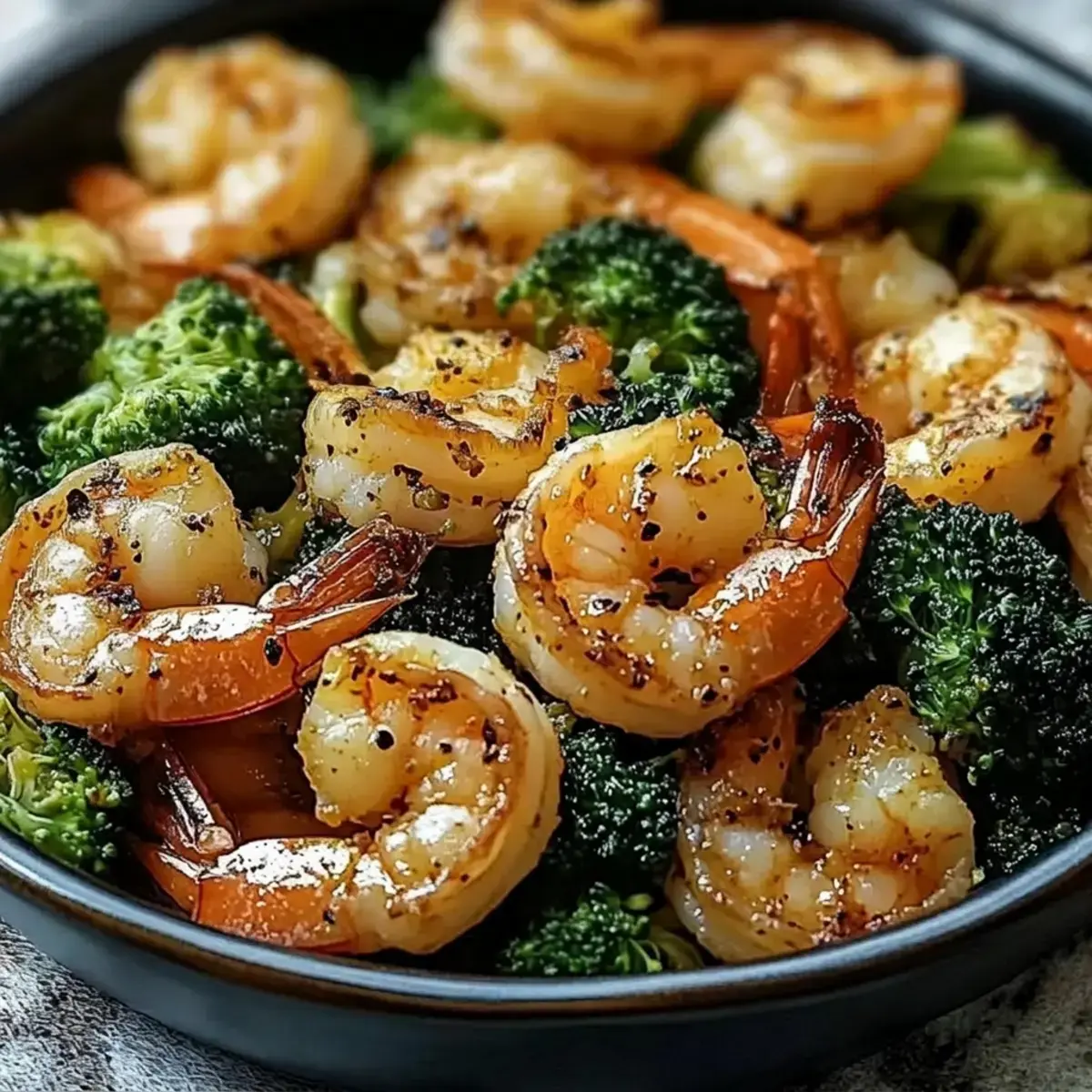
Gently fold in the shrimp. Season with salt, black pepper, and the optional red pepper flakes. Cook for three to four minutes, stirring occasionally, until the shrimp are pink and opaque.
Watch this stage closely because shrimp can move from tender to rubbery when overcooked. The individual pieces should look opaque through the center. If shrimp vary greatly in size, monitor the smaller pieces first while keeping the mixture moving.
Finish With Lemon
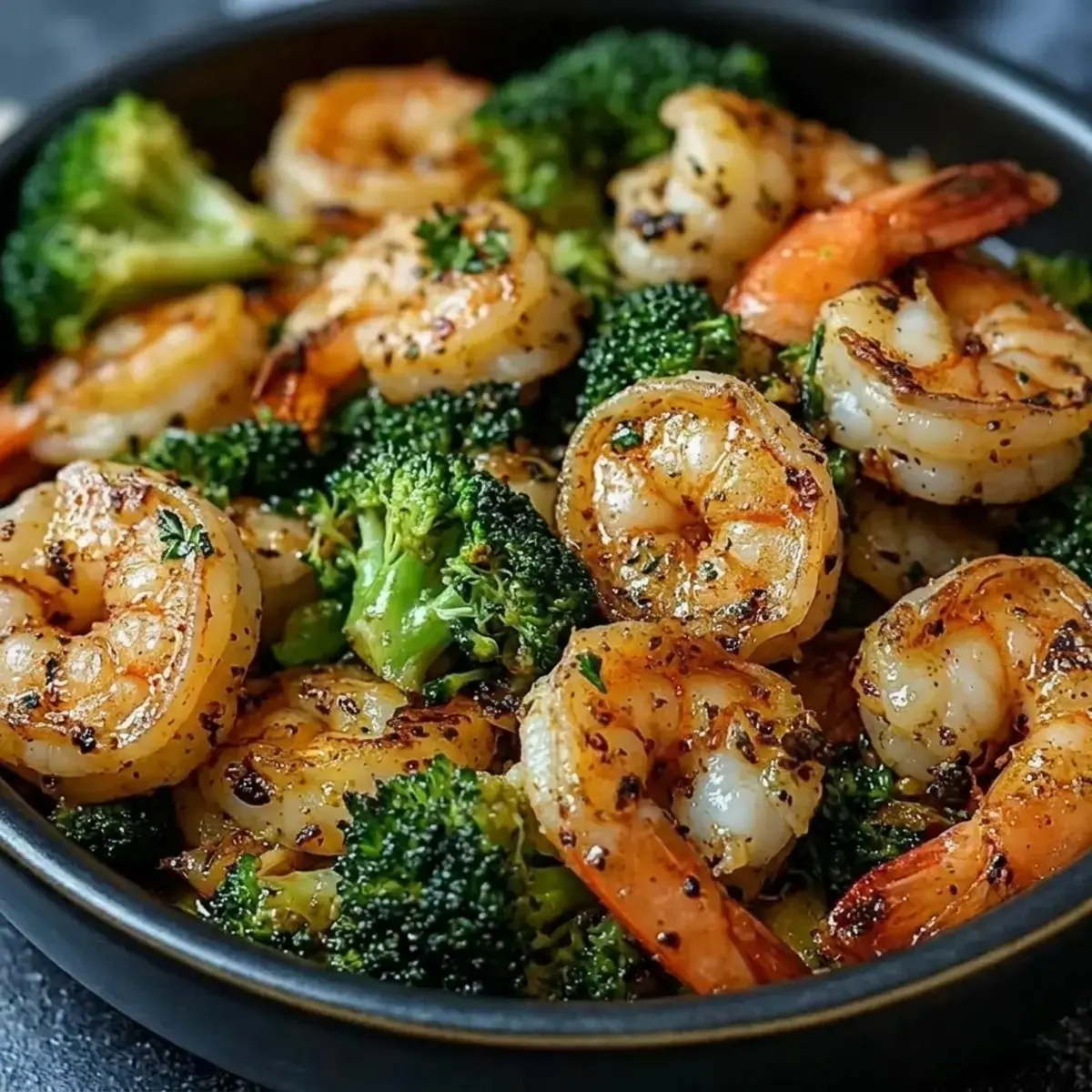
Squeeze the fresh lemon juice over the shrimp and broccoli. Mix everything together so the acidity reaches the whole skillet, then remove it from the heat. Sprinkle fresh parsley over the top if desired.
Adding lemon at the end preserves its fresh character. Taste the finished combination and rely on the seasoning already included rather than introducing unrelated sauces. Serve while the shrimp are tender and the broccoli is still bright.
Tips, Variations, Serving, and Storage
Useful Cooking Tips
Keep the shrimp and broccoli portions close to the listed amounts so the skillet does not become crowded. Use fresh broccoli for the intended crunch, and adjust only the optional red pepper flakes to control heat. Garlic-infused olive oil is a source-supported alternative for a deeper garlic flavor.
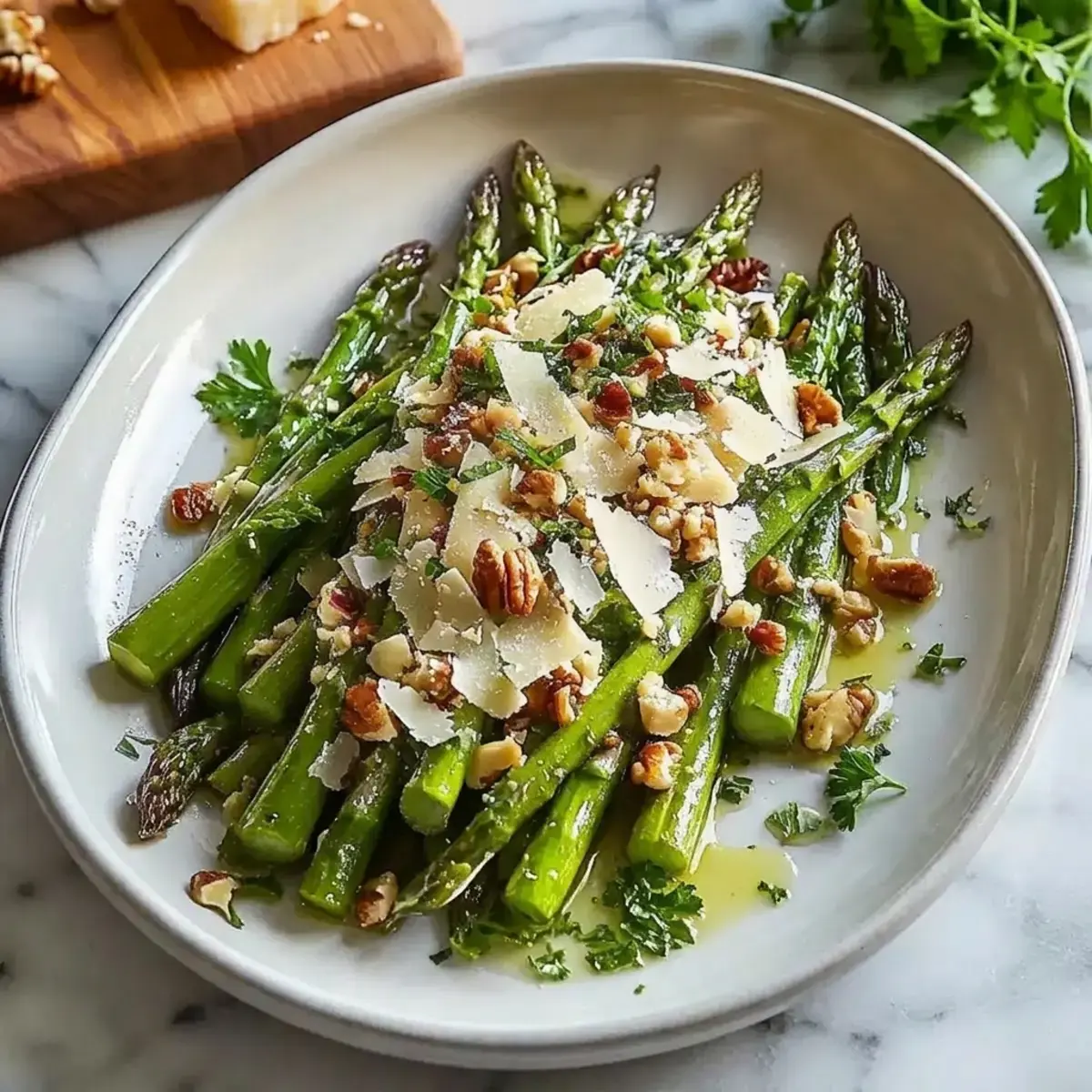
Possible vegetable additions include bell peppers, zucchini, or asparagus. The source also suggests sliced jalapeños or sriracha for more heat, and a small addition of heavy cream or coconut milk for a richer texture. These create variations, so they should not replace the original method when making the base recipe.
Serving Ideas
Cauliflower rice is the most direct low-carbohydrate pairing and can absorb the lemony garlic oil from the skillet. Quinoa provides a nuttier option, while a crisp green salad with tangy vinaigrette offers a fresh contrast. For a light lunch, the source suggests serving the dish chilled with avocado.
Diced chicken breast or tofu may replace the shrimp when a different protein is needed. Their cooking requirements are not identical to shrimp, so adjust the cooking stage appropriately. Toasted almonds or cashews can also be added for crunch after the main ingredients are cooked.
Storing and Reheating
Do not leave the cooked dish at room temperature for more than two hours. Transfer leftovers to an airtight container and refrigerate them for two to three days. The source also allows freezing in an airtight container for up to one month, followed by thawing in the refrigerator.
Reheat leftovers in a skillet over medium heat until heated through. Stir gently and stop once the food is hot so the shrimp do not become tough and the broccoli does not lose all its texture.
Understanding the Skillet Sequence
The broccoli cooks before the shrimp because the two ingredients require different handling. Fresh florets need several minutes to become bright and just tender, while shrimp finish quickly. Following that order prevents the seafood from waiting in the hot pan while the vegetable catches up.
Garlic enters the warmed oil for only about 30 seconds. This brief stage perfumes the fat before the broccoli is added. Keeping the florets ready beside the stove prevents the garlic from remaining alone over heat longer than the source directs.
Lemon juice belongs at the end, after the shrimp have turned pink and opaque. Adding it off the main cooking stage preserves a fresher acidic note and lets it coat ingredients that are already properly cooked.
Plan Variations Without Losing the Base
Bell pepper, zucchini, and asparagus are the documented vegetable variations. Additions should be cut with their cooking needs in mind, and the shrimp should still enter late enough to avoid overcooking.
A splash of heavy cream or coconut milk changes the skillet into a richer preparation. Toasted almonds or cashews change texture instead. Treat either choice as a deliberate variation rather than combining every optional idea.
When using chicken or tofu instead of shrimp, the recipe becomes a different protein preparation. Adjust the cooking stage to that ingredient and confirm it is properly cooked before finishing with lemon.
For a balanced serving, keep the lemon finish and optional parsley separate from the cooking time. The acidity and fresh herb are final accents, while garlic, oil, seasoning, broccoli, and shrimp form the cooked skillet base.
Frequently Asked Questions
How do I know when the shrimp are cooked?
Cook the shrimp only until they turn pink and opaque. Watch them closely because leaving them in the skillet too long can make them tough and rubbery.
Can I replace the shrimp?
The source suggests diced chicken breast or tofu as alternatives. Cooking needs will differ, so make sure the chosen protein is fully cooked before serving.
Is low carb shrimp and broccoli gluten-free?
The listed whole ingredients are naturally gluten-free. Check the labels on seasonings and any optional additions if avoiding gluten is essential.
What can I serve with shrimp and broccoli?
Cauliflower rice keeps the meal low in carbohydrates and absorbs the skillet flavors. The source also suggests quinoa or a crisp green salad.
How should I store leftovers?
Place leftovers in an airtight container in the refrigerator for two to three days. Reheat them in a skillet over medium heat until heated through, taking care not to overcook the shrimp.