

What Are Garlic Scapes?
Garlic scapes are the green, curling flower stalks produced by hardneck garlic. They appear in late spring or early summer and are removed before flowering so the plant can direct more energy toward the underground bulb.
That necessary garden task also produces a useful seasonal ingredient. Scapes have a fresh garlic flavor and an asparagus-like shape and texture, allowing them to work in sauces, condiments, soups, vegetable dishes, and preservation projects.

Jump to:
- What Are Garlic Scapes?
- 18 Garlic Scape Recipes and Preservation Ideas
- Garlic Scape Compound Butter
- Zesty Garlic Scape Pesto
- Garlic Scape Vinaigrette
- Garlic Scape Salt
- Garlic Scape-Infused Oil
- Pickled Garlic Scapes
- Potato Garlic Scape Soup
- Zucchini Fritters
- Garlic Scape Relish
- Wild Foraged Black Trumpet Mushroom Spread
- Farmer’s Market Green Pasta
- Seasonally Spring Donabe
- Garlic Scape Powder
- Lacto-Fermented Garlic Scapes
- Garlic Scape Pesto Pizza
- Roasted Asparagus With Shallots and Scapes
- Grilled Garlic Scapes
- Chinese Lettuce Stir Fry
- Where to Find Garlic Scapes
- Raw or Cooked Garlic Scapes
- Freezing Garlic Scapes
- Choosing the Right Recipe
18 Garlic Scape Recipes and Preservation Ideas
The collection below ranges from recipes that feature raw scapes to cooked dishes, dried seasonings, pickles, and fermented preparations. Each description reflects the source roundup. Open the complete individual recipe whenever exact quantities, temperatures, or preservation instructions are required.
Garlic Scape Compound Butter
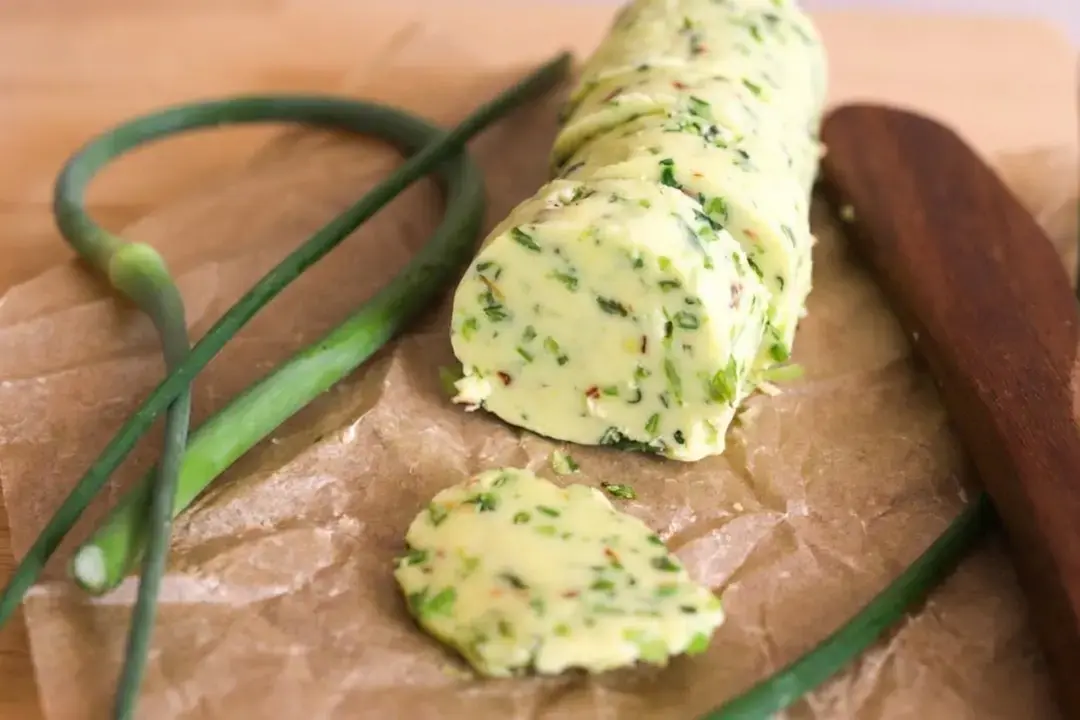
Compound butter turns raw garlic scapes into a creamy, herb-filled finishing ingredient. The source describes a tangy mixture with fresh herbs and lemon juice, giving the butter enough brightness to accompany rich foods without losing the fresh garlic character.
Use it on garlic bread, steak, or vegetables, and prepare a larger batch when scapes are plentiful. The mixture can be frozen for later, making this option useful when the short scape season produces more than one meal can use.
Zesty Garlic Scape Pesto
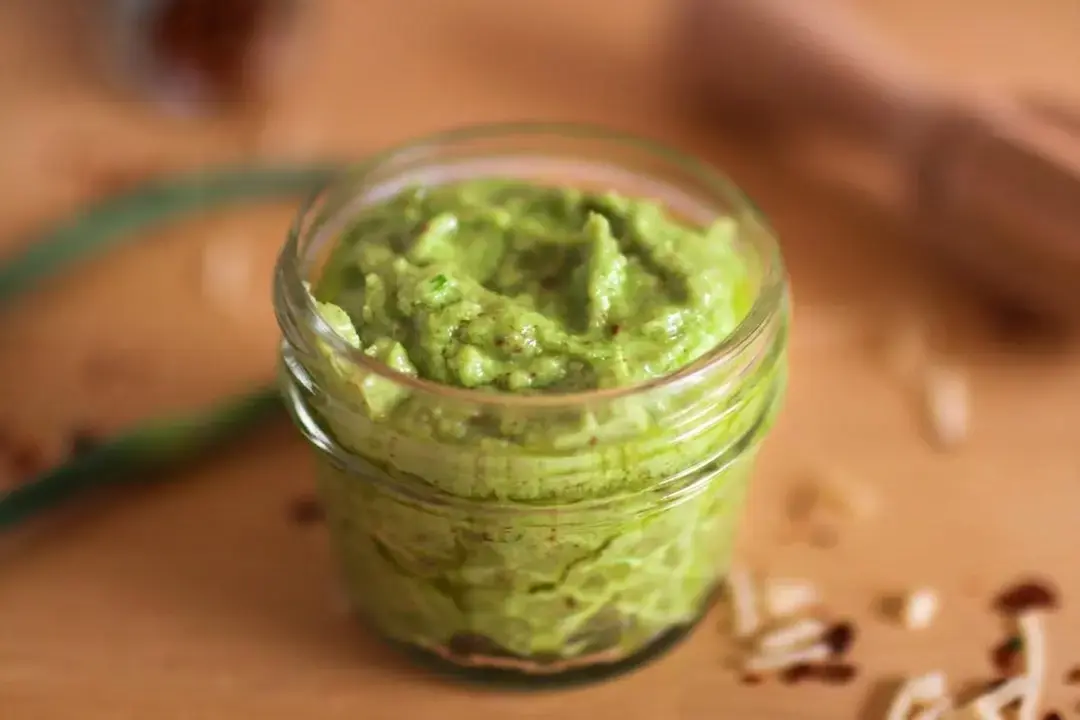
Pesto is one of the easiest ways to use a generous quantity of garlic scapes. Their green garlic flavor forms the base of a sauce that can be incorporated into several meals rather than being limited to one serving idea.
The source highlights freezing as a major advantage. Portioning the pesto before freezing makes it easier to bring the flavor of early summer into later meals without thawing the entire batch at once.
Garlic Scape Vinaigrette
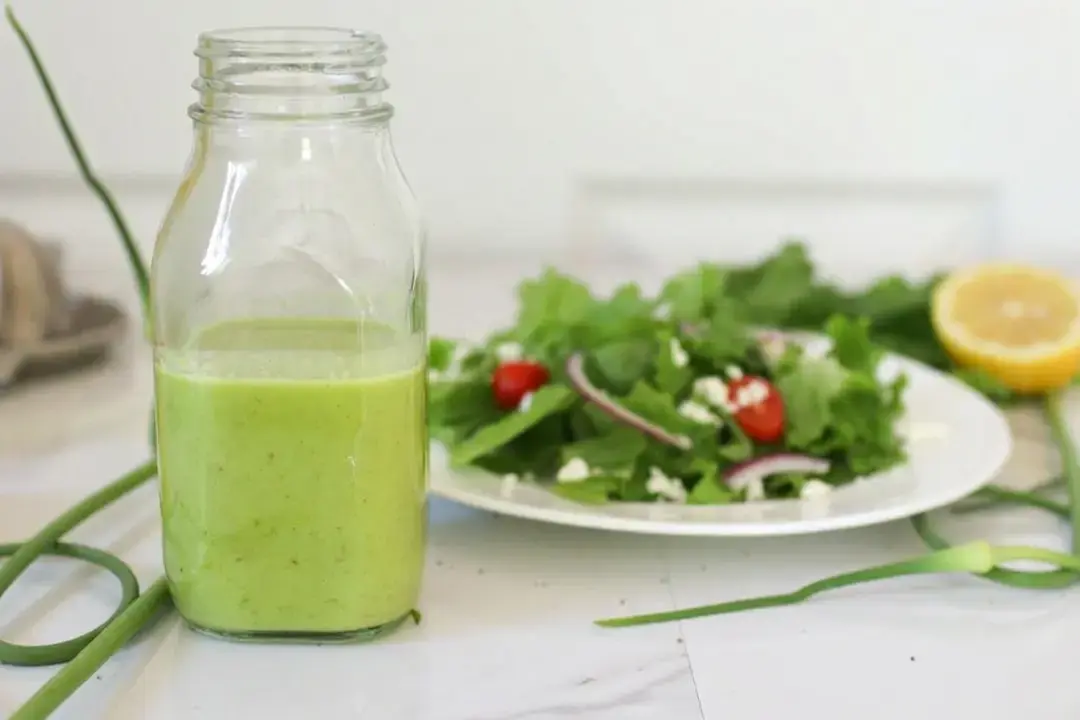
This vinaigrette combines raw scapes with white wine vinegar and lemon juice. The result is tangy and strongly flavored, so it can dress salads while also serving as a bright accompaniment for meat or cooked vegetables.
It comes together quickly and keeps the scapes in their raw form. Choose it when you want their more pungent character instead of the softer flavor and texture produced by grilling or simmering.
Garlic Scape Salt
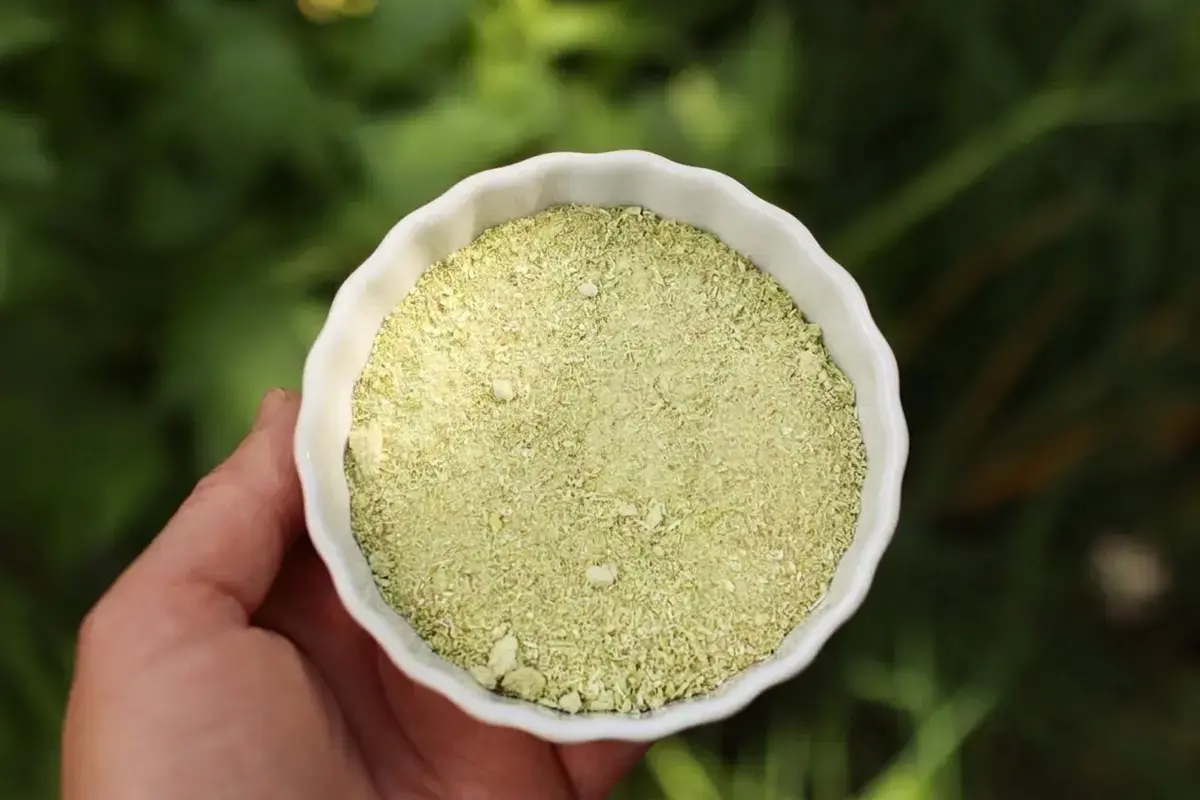
Garlic scape salt preserves the season in a dry, practical form. The source describes a mild garlic flavor that works as a finishing touch, allowing the scapes to season a dish without becoming its main ingredient.
Because the finished salt is easy to package, it can also become a homemade gift. Labeling it clearly helps the recipient understand that the green garlic flavor comes from scapes rather than ordinary dried garlic.
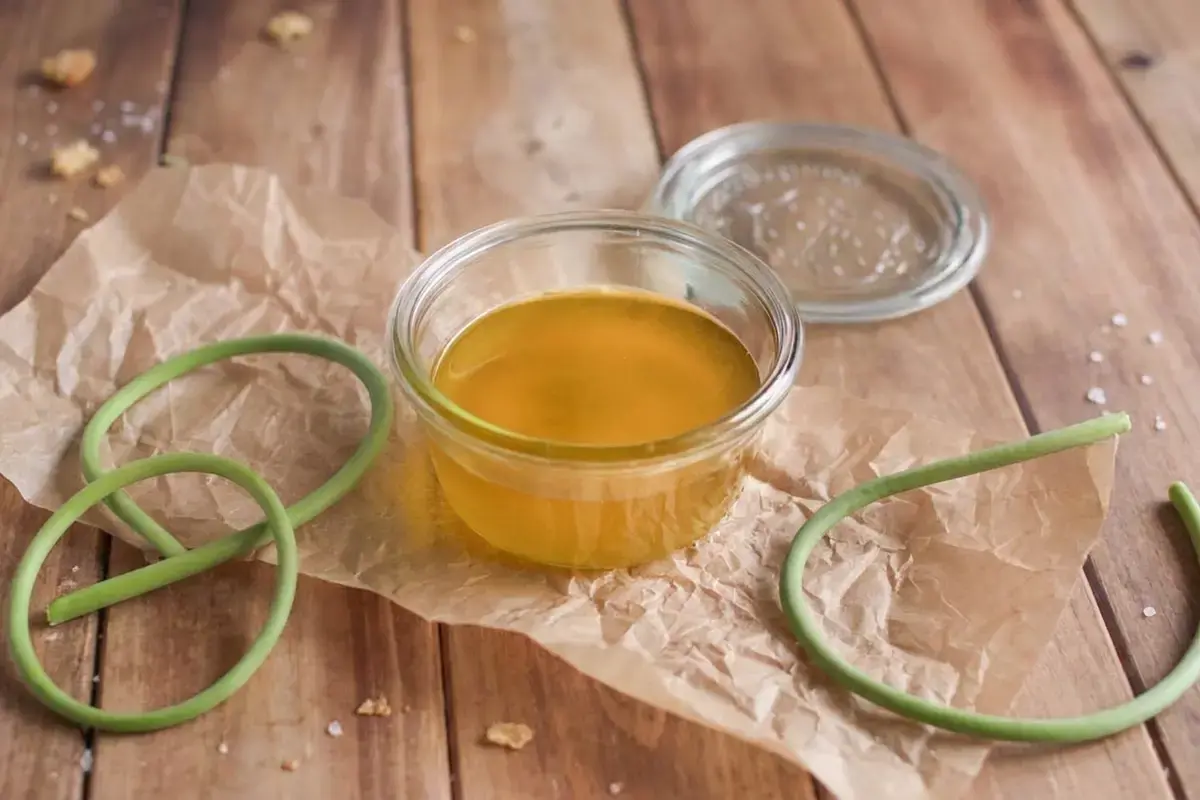
Garlic Scape-Infused Oil
Infused oil offers another way to transform a surplus of scapes into a versatile kitchen ingredient. The oil carries their flavor and can be used with bread, pizza, and vegetables.
This choice is especially useful when you want garlic flavor in a pourable form. Follow the complete source recipe for preparation and storage rather than guessing at infusion conditions, since safe handling matters for flavored oils.
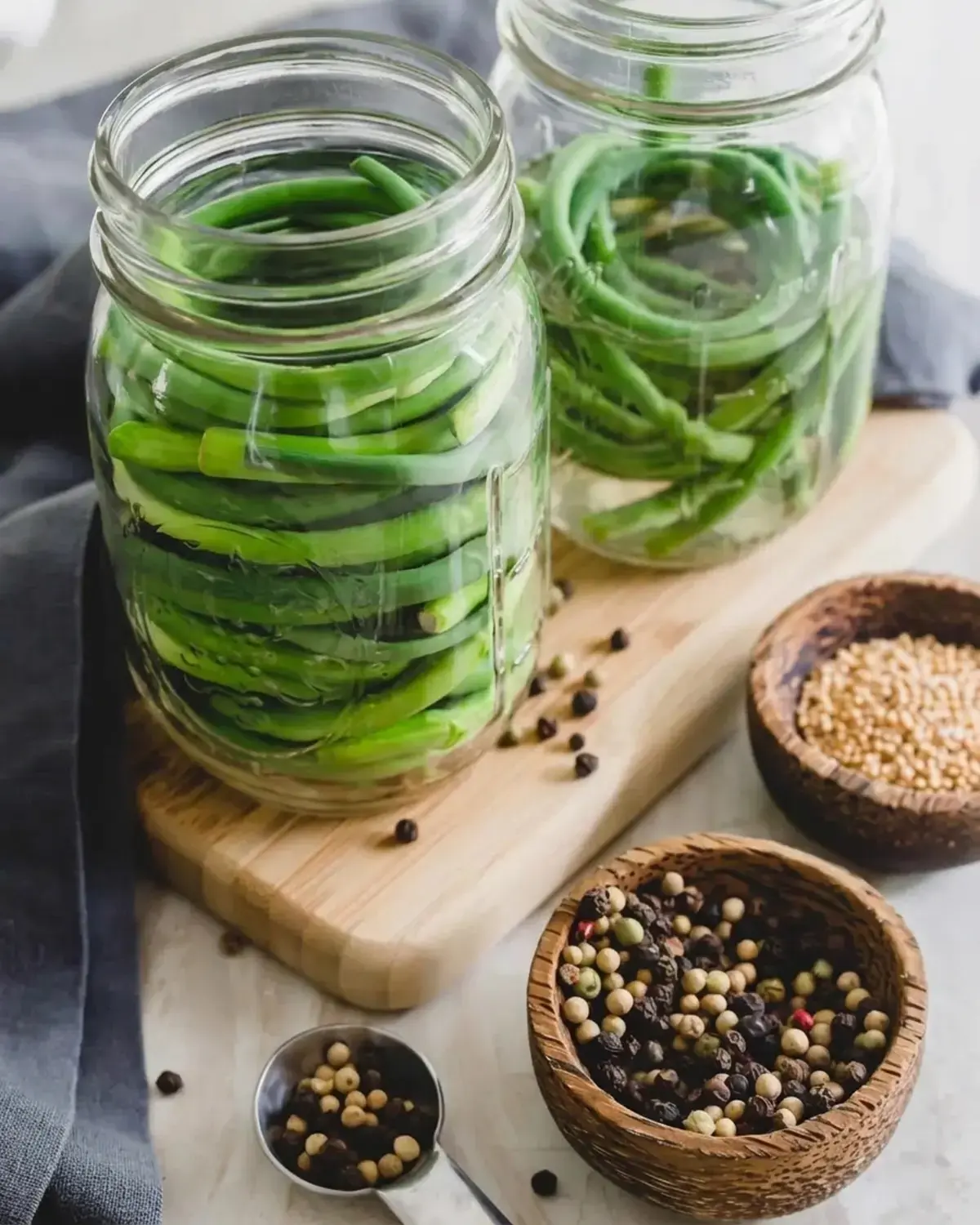
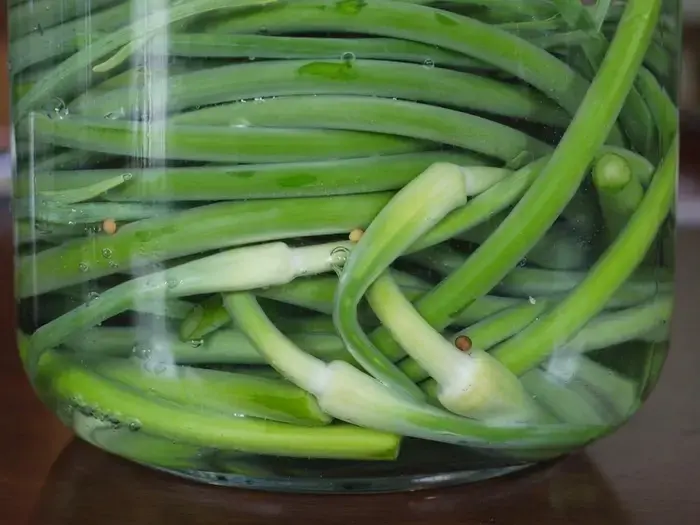
Pickled Garlic Scapes
Refrigerator pickles preserve whole garlic scapes and give them a tangy profile. They can be added to sandwiches, salads, or charcuterie boards, where their curled shape and firm texture make them visually distinct from chopped relishes or sauces.
The source method uses a jar and refrigeration without a canning process. That distinction matters: use the original instructions and keep the finished pickles under the specified refrigerated conditions.
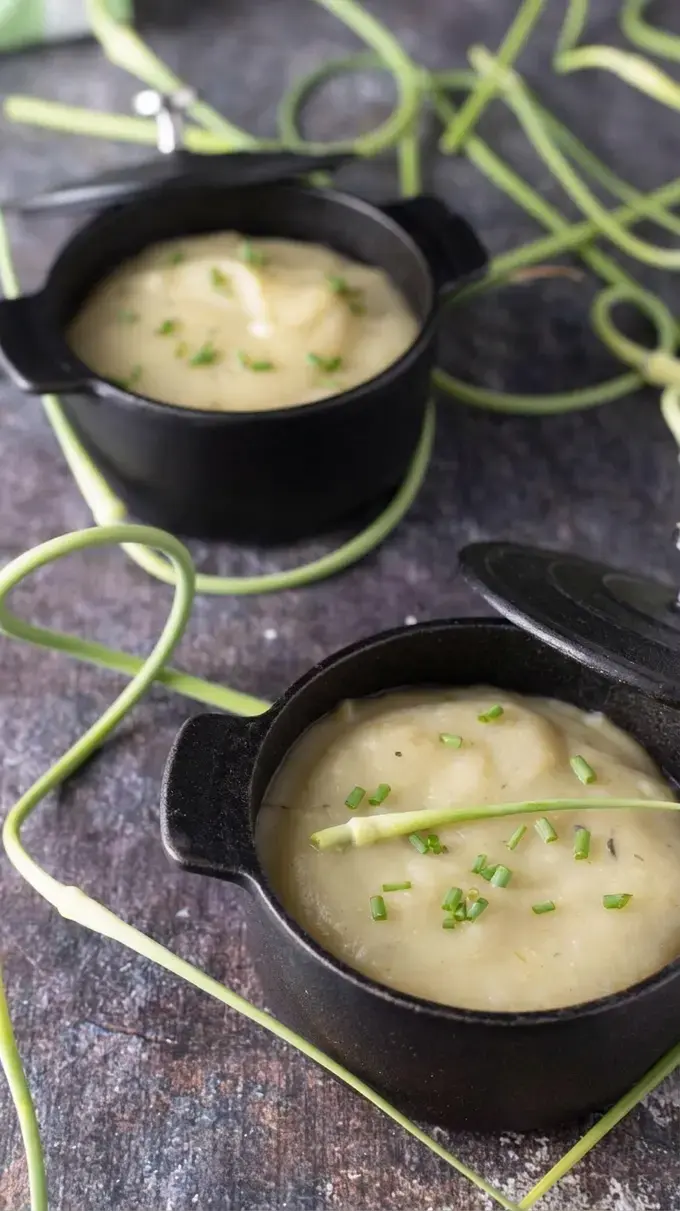
Potato Garlic Scape Soup
This hearty soup uses garlic scapes in two ways: a scape-based broth and fresh scapes. Layering those components produces a more pronounced garlic character than adding a small garnish at the end.
The soup is described as warm, comforting, and suitable for freezing. It therefore combines an immediate meal with a preservation strategy, particularly when several bunches of scapes arrive at the same time.
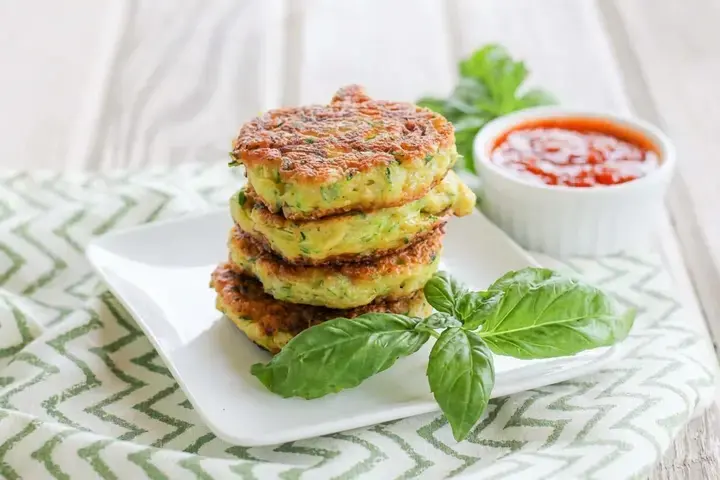
Zucchini Fritters
Zucchini fritters bring together two vegetables that often appear during the same garden season. The source presents this recipe as a direct way to combine zucchini with garlic scapes in one savory preparation.
Because the summary does not provide quantities or a complete method, consult the individual recipe before cooking. Do not assume its batter, seasoning, frying temperature, or cooking time from another fritter recipe.
Garlic Scape Relish
Garlic scape relish combines tangy vinegar with the fresh garlic flavor of scapes. It is designed for familiar cookout foods such as burgers, hot dogs, and potato salad, adding a seasonal alternative to conventional relish.
The source also includes canning instructions for longer keeping. Follow those exact instructions if preserving it for the year, since a shelf-stable process is different from making a small refrigerated batch.

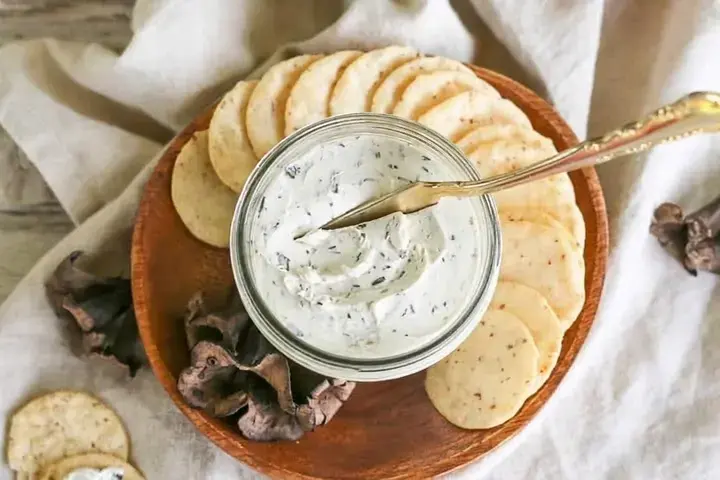
Wild Foraged Black Trumpet Mushroom Spread
This creamy spread combines wild black trumpet mushrooms, cream cheese, and garlic scapes. The mushrooms and scapes create a distinctive savory profile, while cream cheese provides the smooth base.
Serve it with crackers, bread, or fresh vegetables. Use properly identified mushrooms from a trustworthy source, and follow the individual recipe for preparation rather than treating the short roundup description as complete foraging or cooking guidance.
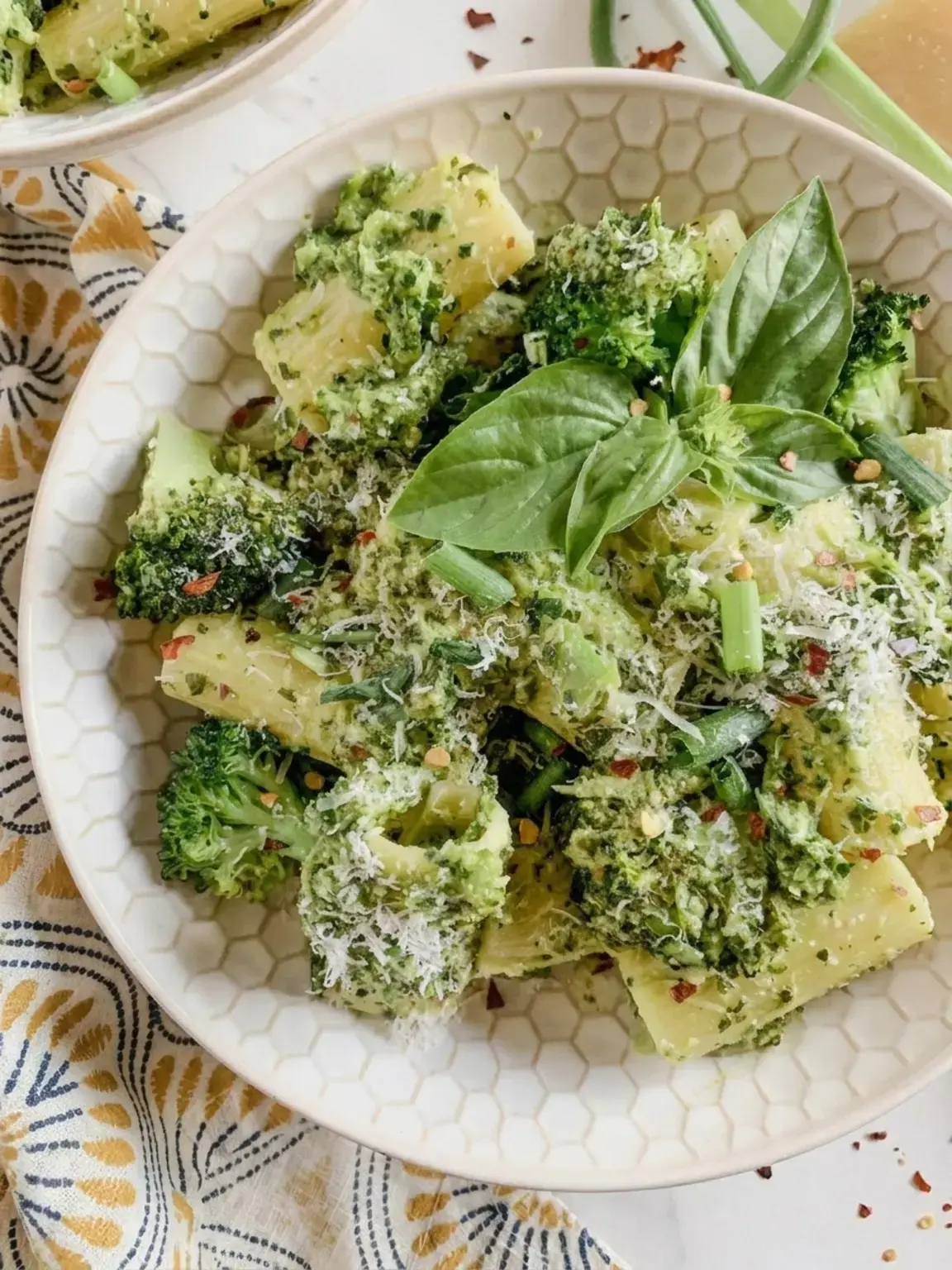
Farmer’s Market Green Pasta
Farmer’s market green pasta uses garlic scapes as part of a vegetable-focused summer dish. It is a useful choice when the goal is to turn several seasonal market ingredients into a complete meal rather than a condiment.
The roundup does not state the full vegetable list, sauce, quantities, or pasta method. Open the complete recipe for those details and use this entry as a guide to its fresh, green, seasonal direction.
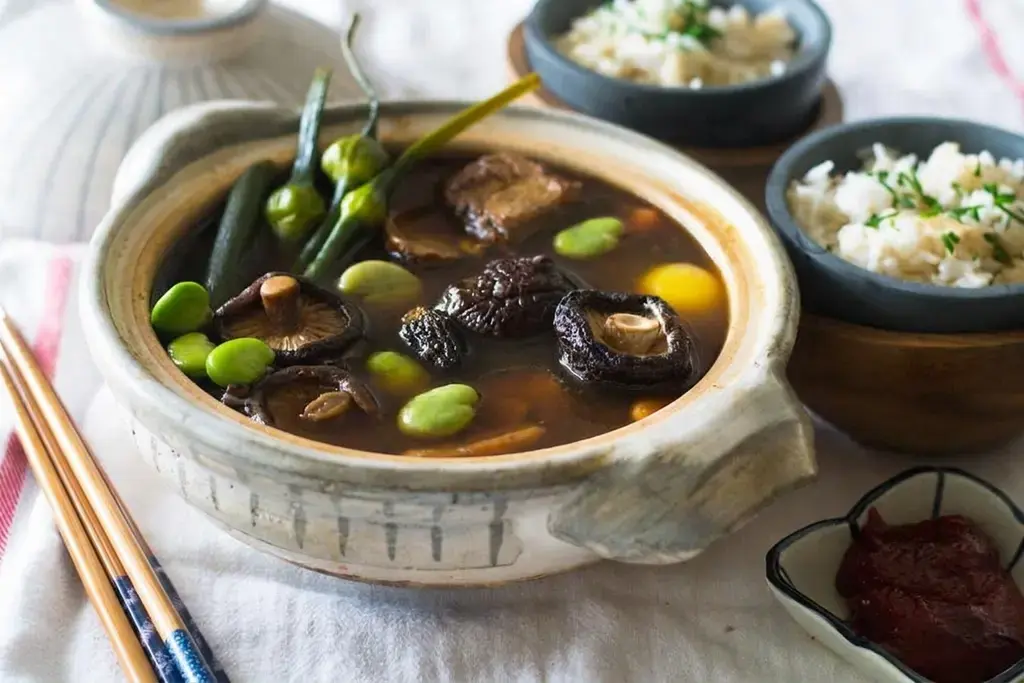
Seasonally Spring Donabe
This donabe brings together fava beans, morel mushrooms, and garlic scapes. The combination reflects a narrow spring season, with each ingredient contributing to a warm and comforting preparation.
Morels require correct identification and proper cooking. The roundup provides the concept but not the complete safety or cooking method, so rely on the full recipe before preparing the mushrooms or using a donabe.
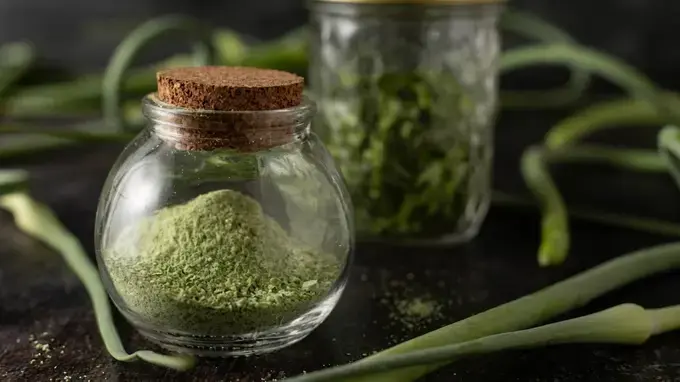
Garlic Scape Powder
Dehydrating scapes and grinding them into powder creates a shelf-friendly seasoning that can carry their flavor for months. The powder can be sprinkled into later meals when fresh scapes are no longer available.
This method is different from scape salt because the preserved ingredient is the dehydrated scape itself. Follow the source instructions for cutting, drying, testing dryness, grinding, and storage so moisture does not remain in the finished powder.
Lacto-Fermented Garlic Scapes
Lacto-fermentation gives scapes a salty, tangy character while preserving them. The finished scapes can be eaten like pickles or added to sandwiches and salads.
Fermentation depends on the complete source ratios and handling conditions. Use the linked recipe for brine strength, container setup, fermentation cues, and storage. The roundup summary establishes the flavor and uses but does not contain enough detail to recreate the process safely.
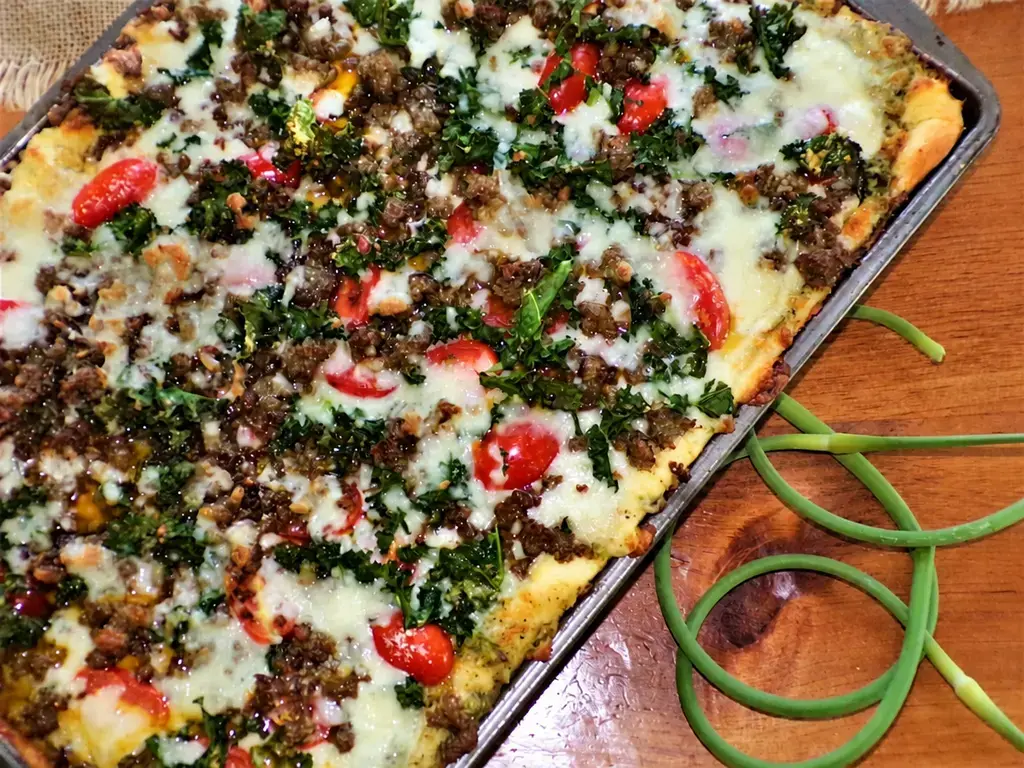
Garlic Scape Pesto Pizza
Garlic scape pesto becomes a pizza sauce in this recipe, pairing the green garlic base with Parmesan and a small quantity of cherry tomatoes. The result shifts pesto from a condiment into the central flavor of a complete pizza.
This entry is a natural follow-up when pesto has already been prepared or frozen. Consult the full pizza recipe for dough, sauce quantity, assembly, oven temperature, and baking time.
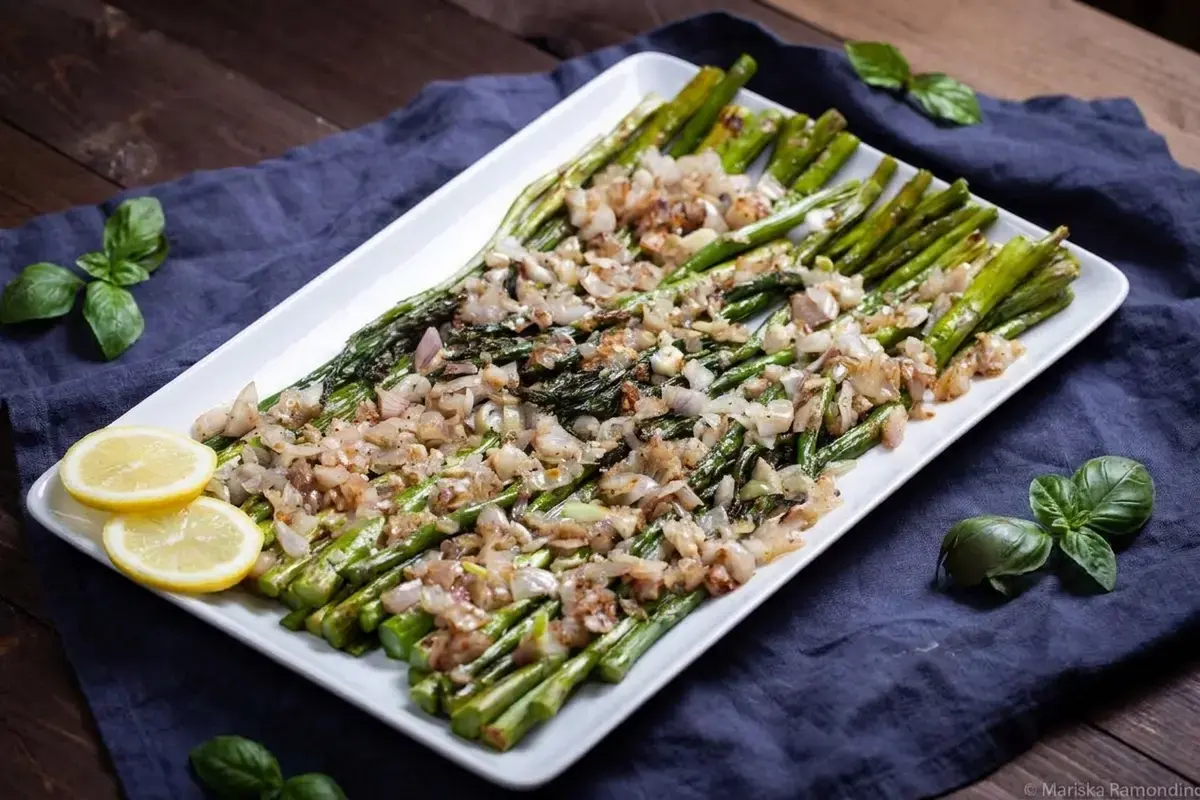
Roasted Asparagus With Shallots and Scapes
Roasted asparagus is paired with buttered shallots and garlic scapes for a seasonal vegetable side. The scapes add mild but noticeable garlic flavor without replacing the asparagus as the main ingredient.
The source encourages a generous use of scapes, but the complete recipe should determine the quantity and roasting method. This option works well when asparagus and scapes overlap at the market.
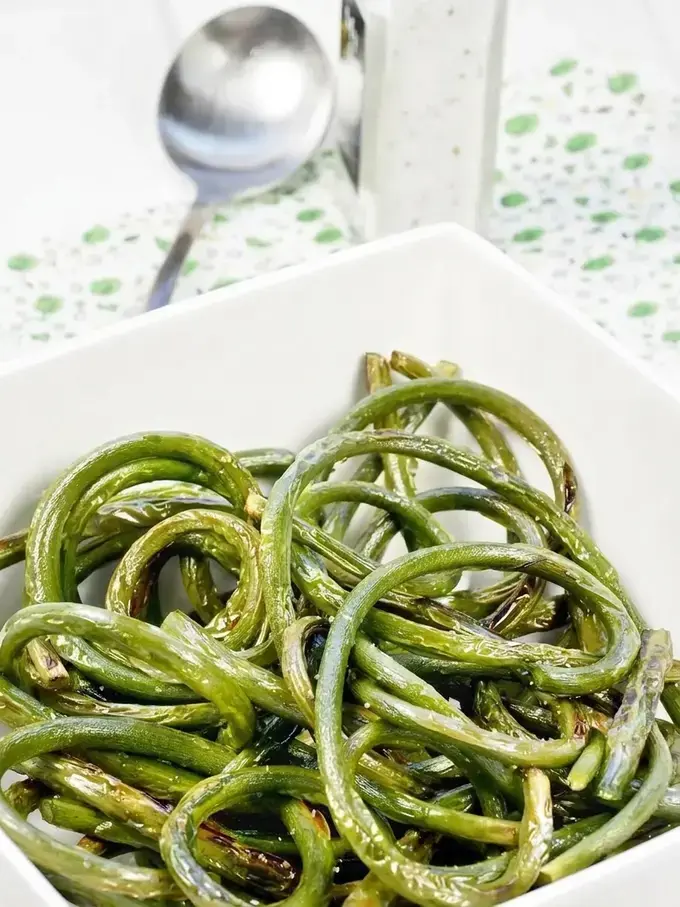
Grilled Garlic Scapes
Grilling lets garlic scapes stand alone as a side dish. The source describes a crisp exterior, tender interior, garlic flavor, and an asparagus-like texture.
This is one of the least disguised ways to taste the ingredient. Use the individual recipe for preparation, grill heat, turning, and doneness cues, then serve the scapes while their contrast between crisp surface and tender center remains clear.
Chinese Lettuce Stir Fry
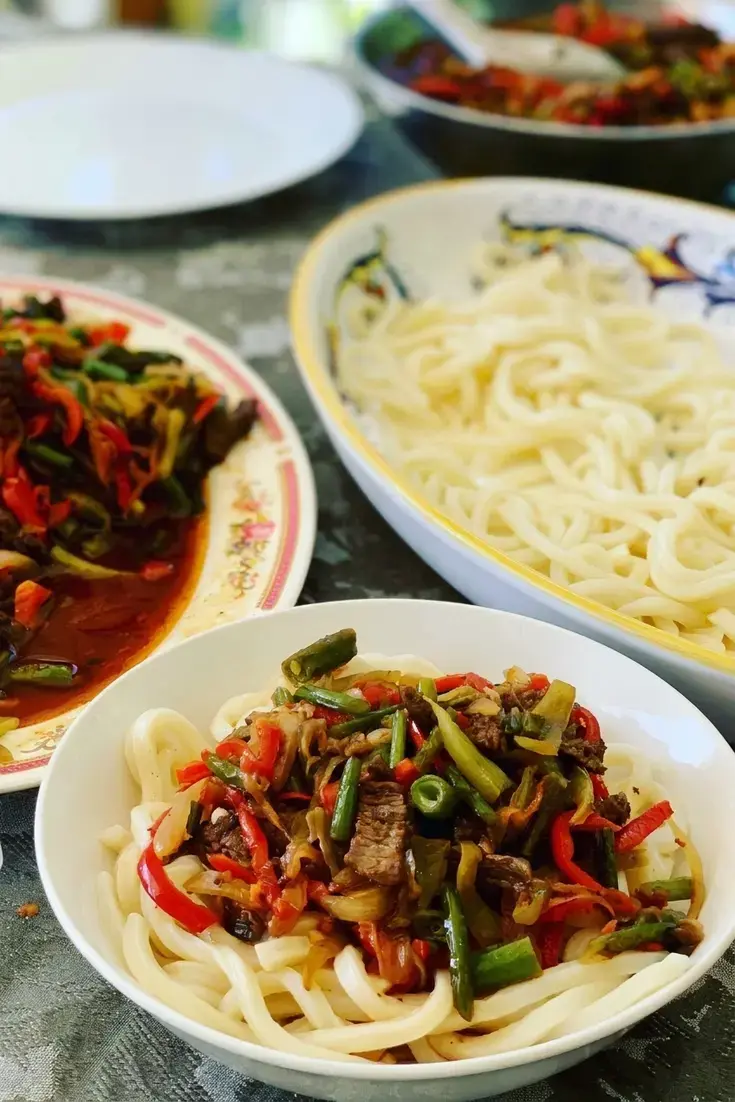
This stir fry combines Chinese lettuce, garlic scapes, and other vegetables in a quick, vegetable-forward dish. It is presented as a flavorful way to use a larger mixture of produce.
The source summary does not include sauce quantities, cutting details, or wok timing. Follow the full recipe so vegetables enter in the correct order and retain the intended texture.
Where to Find Garlic Scapes
When you do not grow hardneck garlic, look for scapes at farmers markets or buy them directly from a local grower. The source notes that they are commonly available in May or June, although the exact period depends on local growing conditions.
Ask growers when their crop is expected rather than relying on a fixed national date. The harvest window is short, so planning recipes and preservation methods before purchasing a large bundle can prevent waste.
Raw or Cooked Garlic Scapes
Raw scapes have a more pungent garlic flavor and suit pesto, vinaigrette, and compound butter. Cooking softens their texture and flavor, making them useful in soup, pasta, stir fry, roasted vegetables, or as a grilled side.
The best choice depends on the recipe rather than a universal rule. Use raw preparations when you want brightness and intensity, and cooked preparations when tenderness or integration with other vegetables matters more.
Freezing Garlic Scapes
Fresh scapes can be frozen when they cannot be used immediately. The collection also includes prepared foods that freeze well, including pesto, compound butter, and potato garlic scape soup.
Choose the form that matches later use. Freezing plain scapes preserves flexibility, while freezing a finished pesto or butter reduces preparation later. Follow the complete recipe’s packaging and thawing directions for the best result.
Choosing the Right Recipe
For a quick condiment, choose vinaigrette, pesto, compound butter, or infused oil. Pickles, relish, powder, salt, and fermented scapes focus on preservation, while soup, pasta, pizza, fritters, stir fry, donabe, and roasted vegetables turn scapes into part of a meal.
Grilled scapes provide the clearest taste of the ingredient itself. Select according to the amount available, the equipment you have, and whether the goal is immediate serving or keeping the harvest for later.