How to Make Cookie Dough Logs for Slice and Bake Cookies
Homemade cookies on a Tuesday night, without pulling out the flour, the mixer, and every measuring cup in the kitchen. That is the whole promise behind cookie dough logs for slice and bake cookies.
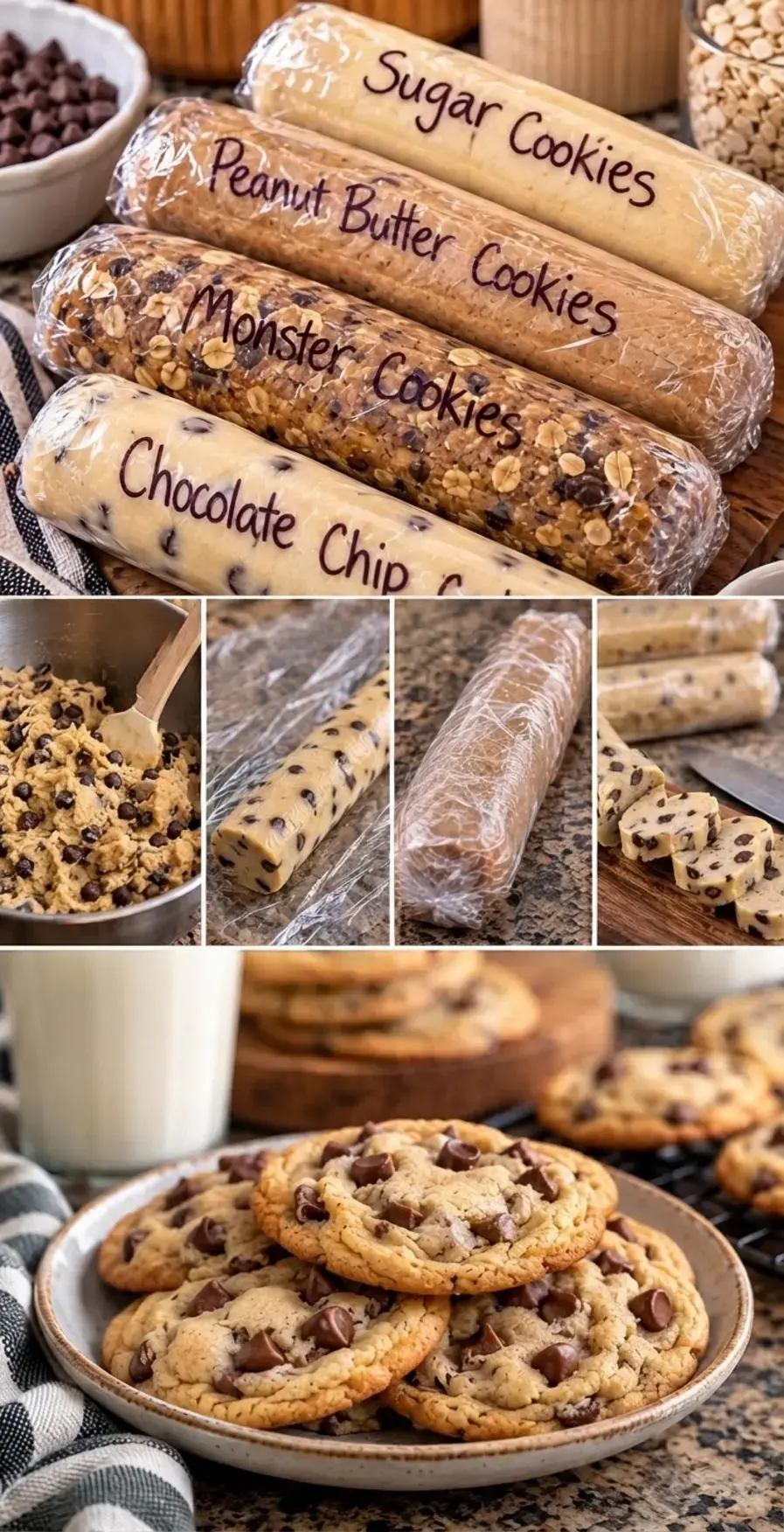
You mix a favorite cookie dough once, shape it into a long log, wrap it tightly in plastic wrap, write the cookie flavor on the outside with a permanent marker, and freeze it.
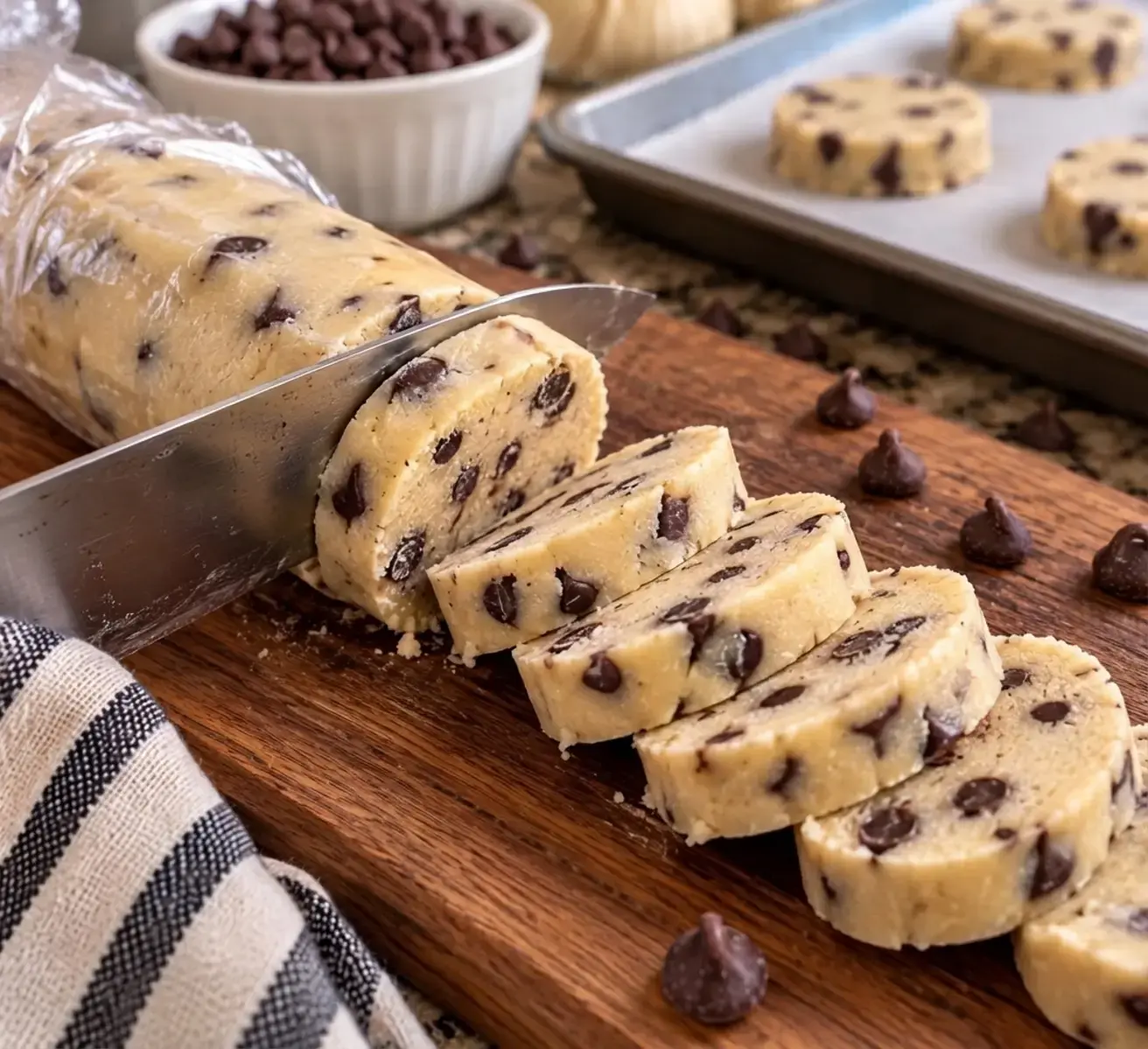
Weeks later, you slice off only as many cookies as you want, set them on a parchment lined cookie sheet, and bake them fresh.
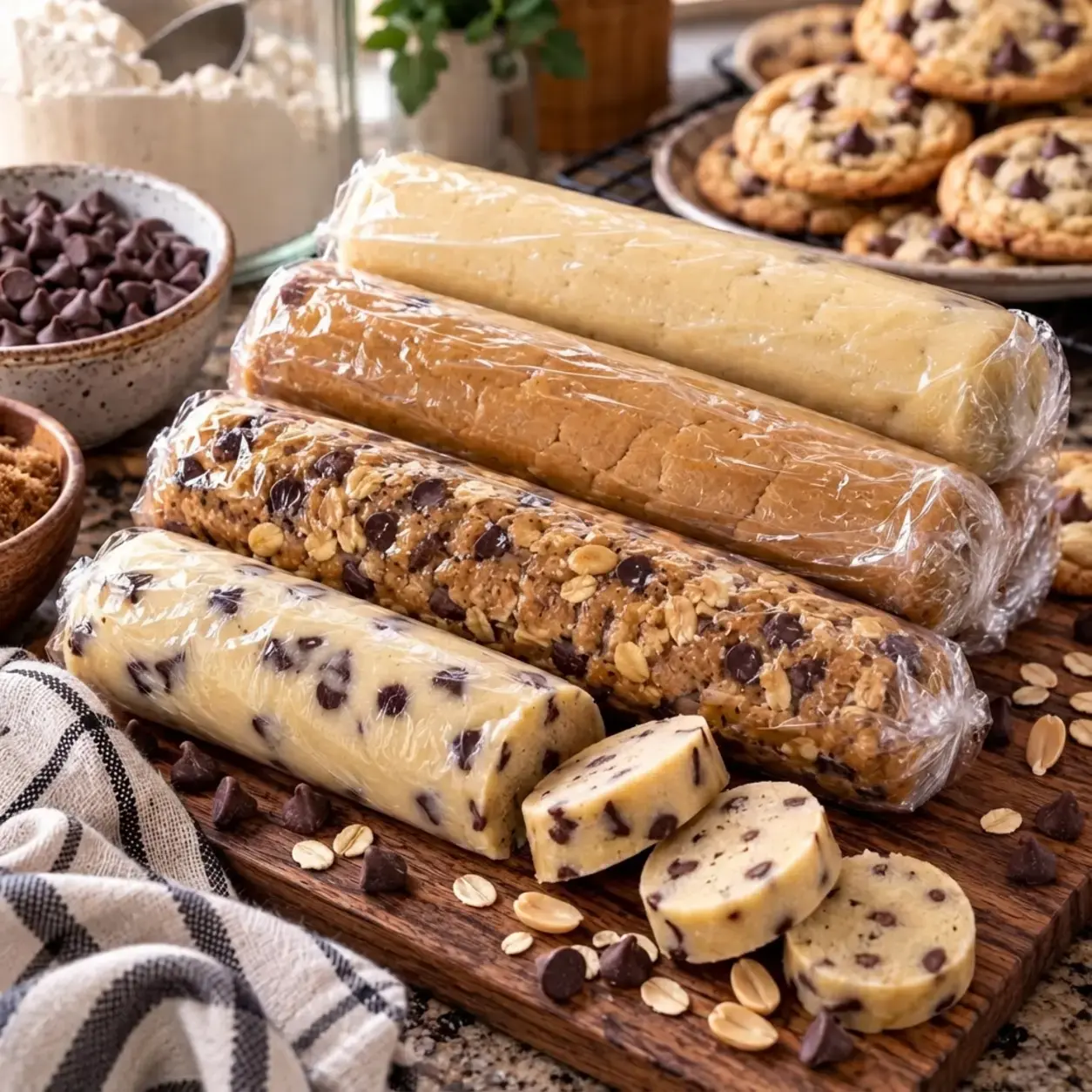
This is a method, not a single recipe. It works with firm doughs you already enjoy, including chocolate chip, peanut butter, sugar cookies, monster cookies, and other sturdy doughs that hold a cylinder shape.
The same approach is described in this cookie dough log tutorial, where the dough is mixed in advance so the messy work happens once instead of every time a craving hits.
Here is what the process looks like from start to finish:
Mix a batch of a cookie dough your family already loves.
Shape the dough into a long, fairly even log.
Wrap the log tightly in plastic wrap and twist the ends closed.
Write the cookie name, and the date, on the plastic with a permanent marker.
Freeze the logs flat until solid, then stack them.
Later, slice off as many cookies as you want and bake them on a parchment lined sheet.
You do not have to bake the whole log. Six slices means six warm cookies, and the rest of the dough waits in the freezer.
Why I Started Making Homemade Slice and Bake Cookies
The appeal of this method comes down to timing. Baking from scratch is lovely. Washing a sink full of bowls, beaters, and measuring cups at 9 at night is not. When you shape and freeze logs ahead, the measuring, the mixing, and the cleanup all happen once, and the fun part, slicing and baking, is what is left for later.
That timing shift makes homemade cookies realistic on lazy weekends, busy weeknights, and evenings when guests show up with no warning. It also helps during holiday baking season, when the kitchen is already crowded with other projects.
There is a smaller, everyday benefit too. A full batch of dough is a lot of cookies. Logs let you bake just a few at a time, so a small craving does not turn into three dozen cookies sitting on the counter.
Keep several labeled flavors in the freezer, and everyone in the house can choose the cookie they want for the evening.
You Can Use This Method With Your Favorite Cookie Dough
Because this is a method rather than a formula, you do not need a special slice and bake recipe to start. Reach for the cookie doughs you already bake and enjoy. If you want a friendly starting point, an easy slice and bake cookies recipe works well for practicing the shaping step.
The best candidates are thick doughs that hold their shape when you press them into a cylinder, and they stack neatly in the freezer door. Very soft, sticky, or cake like batters are poor choices, because they tend to spread into a puddle instead of holding a log shape.
Dough type
How it behaves as a log
Examples
Sturdy, firm dough
Rolls evenly and slices cleanly
Sugar cookie, chocolate chip, peanut butter
Chunky dough
Slices less smoothly but bakes up fine
Monster cookies, oat cookies, doughs with candies
Soft or cake like batter
Will not hold a log shape
Thin drop batters and very sticky doughs
Rustic, slightly uneven slices are completely acceptable. The goal is homemade cookies, not factory perfect rounds.
How to Make Cookie Dough Logs
Once your dough is mixed, portion it onto a sheet of plastic wrap and shape it by hand into a long, fairly even cylinder. It does not need to look perfect, but the thickness should stay consistent from one end to the other, because even logs slice into cookies that are similar in size and bake evenly.
Lay a long sheet of plastic wrap on the counter.
Place the mixed dough in the center and shape it into a log with your hands.
Fold the plastic over the dough and roll it tightly, using the plastic to smooth and tighten the cylinder.
Twist or secure both ends so the wrap stays snug around the dough.
A snug wrap matters. It keeps the log from drying out and protects the shape while the dough freezes.
Label Your Cookie Dough Logs Before Freezing
Labeling takes ten seconds and saves a lot of guessing. Write the cookie name directly on the outside of the plastic wrap with a permanent marker. Add the date too, and add the baking temperature if your recipes use noticeably different oven settings.
Frozen logs look alike. A sugar cookie log, a peanut butter log, and a chocolate chip log are nearly identical once they are cold and pale, and the marker is the only thing that tells them apart.
For longer freezer storage, keep the plastic wrap as the snug inner layer and slide the log into a freezer safe bag or container for extra protection against freezer air. Keep the writing visible, or add a fresh label to the outer bag.
The result is a homemade version of the store bought slice and bake rolls, made from recipes you already love.
How to Freeze Cookie Dough Logs
Once the logs are shaped, wrapped, and labeled, place them in the freezer lying fairly flat until they are completely solid. Do not pile heavy frozen foods on top of fresh logs before they firm up, because the weight can flatten a round log into a rectangle. Once the dough is solid, the logs stack and organize easily.
Preparing several flavors in one afternoon pays off. A single session can fill the freezer with 4 to 6 different cookie flavors, and you can add a new one whenever the stock runs low. That rotation keeps the habit fun instead of repetitive.
Remember what you are freezing. This is unbaked dough, the work that comes before the cookies, not finished cookies. If you want more background on storing dough, these notes on how to freeze cookie dough logs are a helpful companion. The original tutorial also points readers to a Utah State University Extension freezing guide that covers unbaked cookie dough.
How to Turn Frozen Cookie Dough Logs Into Slice and Bake Cookies
When you are ready to bake, pull out the flavor you want. If the log is very firm, let it sit on the counter for a few minutes until it is sliceable. Do not force a knife through a rock hard log, because the dough can crack and the blade can slip.
Cut fairly even rounds, since uniform thickness helps the cookies bake evenly. Place the slices on a baking sheet with the spacing the original recipe recommends, then bake according to that recipe, adjusting as needed for the temperature of the dough.
Your original recipe stays the guide. Different cookie recipes use different temperatures, baking times, ingredients, and spreading behavior, and the log method only moves the messy work earlier. It does not change how a given dough bakes.
Bake Two Cookies or Bake the Whole Cookie Dough Log
One of the best parts of keeping logs is that the whole log never has to be baked. Slice six cookies for a small craving, or slice more when company is coming, and bake exactly what the moment calls for.
With several flavors in the freezer, you can even mix slices from different logs on one baking sheet. A few chocolate chip, a couple of peanut butter, and some sugar cookies can share the same pan, which means no separate batches of dough on a busy night.
Cookie Dough Logs Are Perfect for Holiday Baking
Making the dough earlier separates the messy preparation day from the actual baking day, and that is a real gift during the holidays. Prepare, label, and freeze different doughs ahead of Christmas, then slice and bake them for cookie trays, family movie nights, last minute gatherings, and holiday visitors.
Everyone can choose which cookie they want to bake, which is a nice bonus when a crowd has strong opinions about sugar cookies versus chocolate chip. The same idea works beyond Christmas for fall weekends, birthdays, family gatherings, and any stretch of the year when life is about to get busy.
A Few Tips for Better Homemade Slice and Bake Cookies
Most of the advice here is about keeping things simple rather than fussy.
Keep logs reasonably uniform so the baked cookies come out similar in size.
Wrap the dough snugly so it holds its shape in the freezer.
Label everything immediately, because frozen logs are hard to identify later.
Expect different results from different doughs. Sugar cookie dough tends to give clean slices, while a chunky monster cookie dough looks more rustic.
The aim is not identical cookies. It is applying the slice and bake idea to the family recipes you already love.
Keeping dough logs in the freezer is a small make ahead habit that makes homemade food easier instead of adding another project to the day. The dough gets made when there is time and energy, so cookies remain an option on the nights when there is not.
All the flour covered counters, the mixing bowls, the measuring cups, and the ingredient mess happen once. The next batch is mostly done already. Pulling a log out of the freezer and slicing off a few cookies is far easier than starting an entire recipe late in the evening.
FAQs
What cookie doughs work best for slice and bake cookies?
Sturdy doughs such as sugar, chocolate chip, peanut butter, shortbread, and oatmeal hold their shape best when formed into logs. Soft, sticky, or cake-like batters will not keep a cylinder shape and may spread into a puddle. Doughs with chips, nuts, or oats slice more rustically, but that is fine for homemade cookies.
How long can you keep cookie dough logs in the freezer?
Well-wrapped cookie dough logs can be frozen for several months, though the flavor is best before freezer burn develops. Wrap each log tightly in plastic wrap and add a freezer-safe bag or container for extra protection. Label the log with the flavor and date, and keep it away from strong-smelling foods so the dough does not absorb odors.
Should you thaw cookie dough logs before slicing them?
Do not thaw the log completely. Let a frozen log sit briefly until it is sliceable, and never force a knife through a rock-hard log. A slightly frozen log is easier to cut into even rounds, and the slices can go straight to the baking sheet.
Can you bake frozen cookie dough slices without thawing?
Yes, you can bake frozen cookie dough slices directly from the freezer. Use the original cookie recipe as your guide for oven temperature and spacing, and check the edges for doneness because the colder dough may need slightly different baking time. This makes it easy to bake just a few cookies at a time.
Conclusion: Make Your Own Slice and Bake Cookies
Give it a try with a cookie recipe you already love. Choose a sturdy dough, shape it into a log, wrap it tightly in plastic wrap, label the outside with a permanent marker, and freeze it. When you want cookies, slice off what you need and bake according to the original recipe.
No special slice and bake recipe is required, although plenty of them exist if you would like one. Experiment with the recipes already in your collection to find out which ones freeze and slice best. Some doughs will surprise you with clean, tidy rounds, and others will look charmingly homemade.
The bigger point is fitting homemade baking into real life. Do the work when there is time, and enjoy the cookies when there is not.
Summary
Cookie dough logs turn one afternoon of mixing into weeks of fresh cookies. Shape a favorite dough into a log, wrap it tightly, label it with the cookie name and the date, and freeze it flat.
When the craving hits, slice off as many cookies as you want, bake them on a parchment lined sheet, and share them with the people around your table.
Start with one flavor or fill a whole freezer shelf. Either way, warm homemade cookies are never more than a few slices away.