Why You’ll Love Cuban Sandwiches
Cuban Sandwiches are a practical meal for home cooks who want strong flavor without a long cook time. They combine simple ingredients, a fast assembly process, and a crisp pressed finish that gives the sandwich its signature texture. With only 10 to 15 minutes of active prep and pressing, this recipe fits busy weeknights, lunch breaks, and relaxed weekend meals.
- Easy preparation: The sandwich comes together quickly with basic layering and a short press on a hot plancha or griddle. You do not need advanced kitchen skills to make it well.
- Balanced ingredients: The mix of roasted pork, ham, Swiss cheese, and pickles gives protein, calcium, and flavor in one meal. For readers watching portions, the sandwich can be sliced and shared.
- Flexible for different needs: Cuban Sandwiches can be adjusted for Tampa-style, South Florida, or Key West variations, and they can also be adapted with lighter bread or smaller portions.
- Distinctive flavor: The contrast of salty meats, tangy pickles, sharp mustard, and crisp bread gives this sandwich a taste that stands apart from a standard ham and cheese.
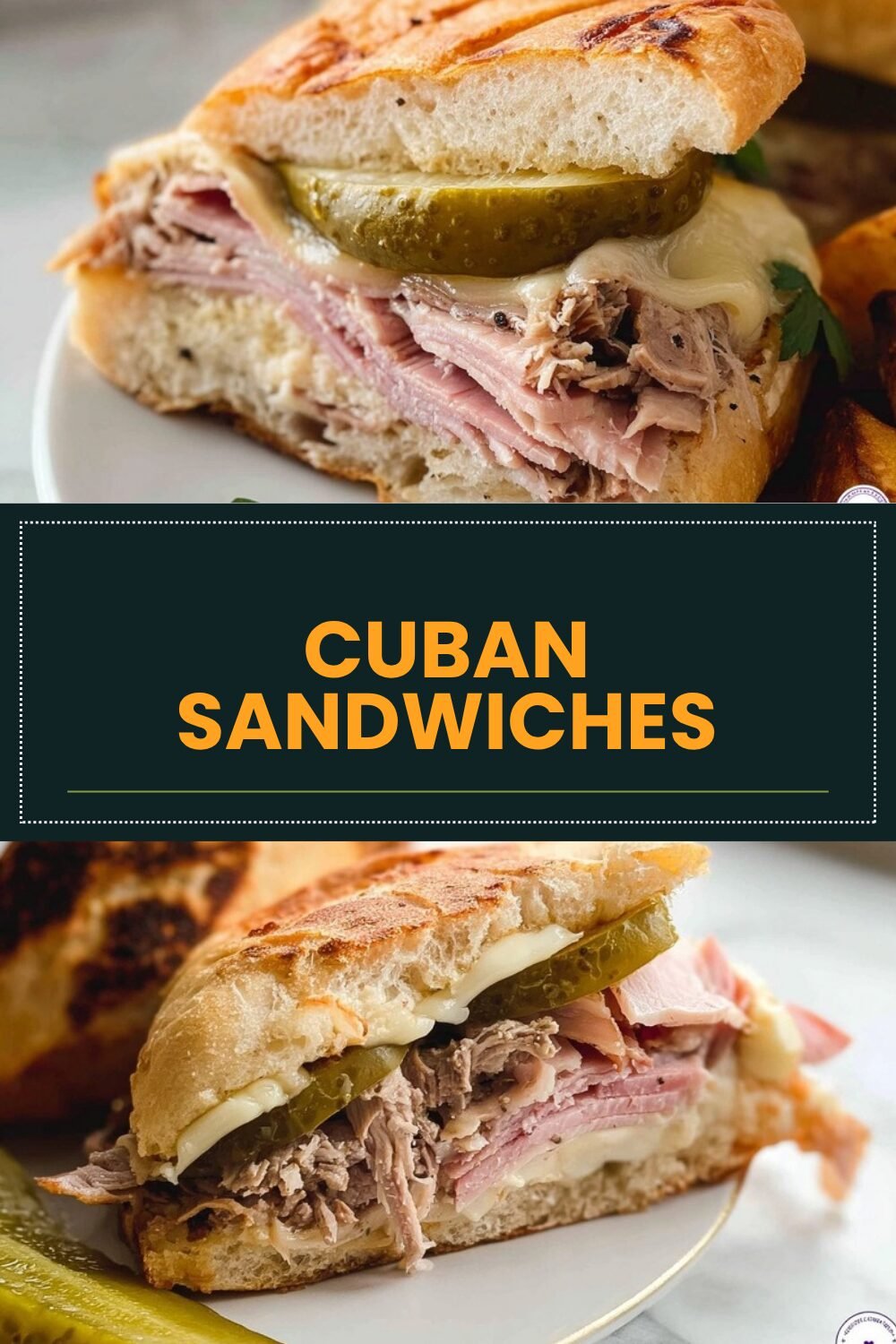
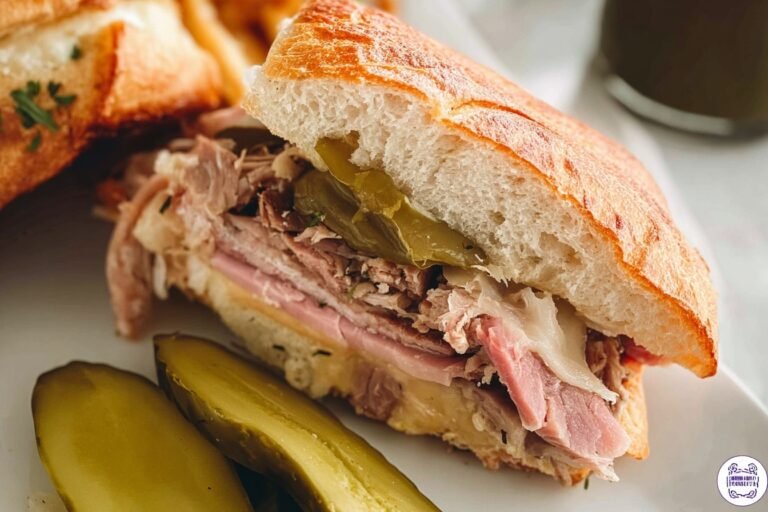
Pressed until golden and crisp, Cuban Sandwiches offer a classic mix of savory meat, melted cheese, and bright pickle flavor in every bite.
For readers who like food history, Kitchen Cooking recipes often show how simple dishes can carry deep regional identity. Cuban Sandwiches are a strong example because they reflect Cuban immigrant food traditions in Florida while remaining easy enough for everyday cooking.
Jump to:
- Why You’ll Love Cuban Sandwiches
- Essential Ingredients for Cuban Sandwiches
- Main Ingredients
- Special Dietary Options
- How to Prepare the Perfect Cuban Sandwiches: Step-by-Step Guide
- First Step: Prepare the bread and fillings
- Second Step: Spread the mustard
- Third Step: Layer the meats
- Fourth Step: Add cheese and pickles
- Fifth Step: Close, brush, and press
- Final Step: Slice and serve
- Dietary Substitutions to Customize Your Cuban Sandwiches
- Protein and Main Component Alternatives
- Vegetable, Sauce, and Seasoning Modifications
- Mastering Cuban Sandwiches: Advanced Tips and Variations
- Pro cooking techniques
- Flavor variations
- Presentation tips
- Make-ahead options
- How to Store Cuban Sandwiches: Best Practices
- Refrigeration
- Freezing
- Reheating
- Meal prep considerations
- FAQs: Frequently Asked Questions About Cuban Sandwiches
- What is a Cuban sandwich?
- What are the main ingredients in a Cuban sandwich?
- How do you make a Cuban sandwich at home?
- What’s the difference between a Cuban sandwich and a ham and cheese?
- Where did the Cuban sandwich come from?
- Cuban Sandwiches
- Ingredients
- Instructions
- Last Step:
- Notes
- Nutrition
- Did you make this recipe?
Essential Ingredients for Cuban Sandwiches
The ingredient list for Cuban Sandwiches is short, but each item has a clear purpose. The bread must be sturdy enough to press, the mustard must add sharpness, and the meats and cheese must melt together under heat. For best results, use fresh bread and well-sliced meats so the sandwich cooks evenly.
Main Ingredients
- 1 loaf Cuban bread, sliced into an 8 to 12 inch length and halved horizontally – This bread gives the sandwich its soft center and crisp crust.
- 2 tablespoons butter or olive oil – Used to brush the outside of the bread so it browns and crisps while pressing.
- 2 tablespoons yellow mustard – Adds the classic sharp flavor found in authentic Cuban Sandwiches.
- 4 to 6 slices deli ham, about 4 ounces or 113 grams – Brings salt and savory depth to the filling.
- 4 to 6 slices roasted pork, about 4 ounces or 113 grams – Provides the main rich, tender meat layer.
- 4 slices Swiss cheese, about 3 ounces or 85 grams – Melts smoothly and binds the filling together.
- 6 to 8 thin dill pickle slices – Adds acidity and crunch to balance the richness.
- 2 to 4 slices salami, about 2 ounces or 56 grams, optional – Used for Tampa-style Cuban Sandwiches.
Special Dietary Options
- Vegan: Use plant-based deli slices, dairy-free cheese, vegan butter, and mustard on vegan Cuban-style bread.
- Gluten-free: Choose a gluten-free crusty roll with enough structure for pressing.
- Low-calorie: Use less cheese, a lighter bread portion, and leaner meat slices. You can also skip the salami and use olive oil sparingly.
| Ingredient | Amount | Purpose |
|---|---|---|
| Cuban bread | 1 loaf | Creates the crisp pressed shell |
| Yellow mustard | 2 tablespoons | Adds tang and classic flavor |
| Ham | 4 to 6 slices | Brings salt and savory flavor |
| Roasted pork | 4 to 6 slices | Forms the heart of the sandwich |
| Swiss cheese | 4 slices | Melted layer that holds the filling |
| Dill pickles | 6 to 8 slices | Adds crunch and acidity |
| Salami, optional | 2 to 4 slices | Creates Tampa-style variation |
How to Prepare the Perfect Cuban Sandwiches: Step-by-Step Guide
Making Cuban Sandwiches at home is straightforward, but the order of assembly and the pressing method matter. The goal is a hot sandwich with crisp bread, melted cheese, and a well-balanced filling. If you follow each step carefully, you can get a result that feels close to a café version without much effort.
First Step: Prepare the bread and fillings
Slice the Cuban bread into an 8 to 12 inch length, then split it horizontally. Lay the two halves open on a clean board or counter. Gather the mustard, ham, roasted pork, Swiss cheese, pickles, and salami if you are using it. This makes the assembly quick and keeps the bread from sitting too long before pressing.
Second Step: Spread the mustard
Use 1 tablespoon yellow mustard on each cut side of the bread, for a total of 2 tablespoons. Spread it in a thin, even layer so every bite has flavor without becoming too wet. This is one of the defining features of Cuban Sandwiches, and it helps cut through the rich meat and cheese.
Third Step: Layer the meats
Add 4 to 6 slices of deli ham to one side of the bread, followed by 4 to 6 slices of roasted pork. If you are making the Tampa-style version, place 2 to 4 slices of salami into the stack as well. Keep the layers even from edge to edge so the sandwich presses into a flat, uniform shape.
Fourth Step: Add cheese and pickles
Place 4 slices of Swiss cheese over the meat, then top with 6 to 8 thin dill pickle slices. The cheese helps hold the filling together as it melts, while the pickles add the sharp finish that defines Cuban Sandwiches. If you want a Key West variation, you can also add 1/2 cup shredded lettuce, 2 to 3 tomato slices, and 1 tablespoon mayonnaise, but this changes the classic profile.
Fifth Step: Close, brush, and press
Close the sandwich carefully so the fillings stay inside. Brush the outside of the bread with 2 tablespoons butter or olive oil. Use only a light coat, because too much fat can make the bread soft rather than crisp. Place the sandwich on a hot plancha, skillet, or griddle over medium heat. Press it firmly with a sandwich press or a heavy pan.
Cook for 5 to 7 minutes per side. The bread should become golden and crisp, and the cheese should melt fully. If your cooking surface heats unevenly, lower the heat slightly so the outside does not brown too fast before the cheese melts.
Final Step: Slice and serve
Remove the sandwich from the heat and let it rest for about 1 minute. Cut it diagonally into halves to make serving easier. Cuban Sandwiches are best served hot, while the bread is still crisp and the cheese is soft. If you want a complete meal, serve with plantain chips, black beans and rice, or a simple pickle spear on the side.
Press firmly but not too hard. The goal is a compact sandwich with crisp bread, not a flattened, dry one.
For more practical sandwich ideas and meal planning inspiration, see easy family-friendly meals at Kitchen Cooking.

Dietary Substitutions to Customize Your Cuban Sandwiches
Protein and Main Component Alternatives
If you want to change the proteins in Cuban Sandwiches, keep the balance of salty, savory, and tangy flavors. For a lighter option, use leaner ham and a smaller portion of roasted pork. If salami is not preferred, leave it out for the South Florida style. For a vegetarian version, use seasoned plant-based deli slices and a firm dairy-free cheese that melts well.
Those who need gluten-free bread can choose a sturdy gluten-free roll or baguette-style loaf. The bread must have enough structure to hold pressure without falling apart. If Cuban bread is not available, a French or Italian loaf can work in a pinch, though the texture will be a little different.
Vegetable, Sauce, and Seasoning Modifications
Classic Cuban Sandwiches rely on yellow mustard and pickles, but some regional versions add more ingredients. Key West-style sandwiches may include shredded lettuce, tomato slices, and mayonnaise. These additions create a softer, fresher bite, though they move away from the standard recipe.
If you want a lower-calorie version, keep the pickles and mustard but reduce the cheese and use a lighter brushing of oil. You can also add more pickles for sharpness instead of more cheese for richness. For those who want extra texture, thinly sliced onion or a small amount of hot sauce can be used, but these are not part of the traditional sandwich.
Mastering Cuban Sandwiches: Advanced Tips and Variations
Pro cooking techniques
For the best Cuban Sandwiches, use fresh bread and warm ingredients when possible. Warm roasted pork presses more evenly and helps the cheese melt faster. If the filling is cold from the refrigerator, let it sit for a few minutes before assembly. This small step can improve the final texture.
Press the sandwich on medium heat rather than high heat. High heat can burn the outside before the center is heated through. A heavy skillet or grill press works well if you do not have a plancha. A foil-wrapped brick can also help create steady pressure, which is useful when you are making more than one sandwich.
Flavor variations
Tampa-style Cuban Sandwiches include salami, which adds another salty layer and a slightly firmer bite. South Florida versions usually omit salami and stay closer to pork, ham, cheese, mustard, and pickles. Key West-style versions add lettuce, tomato, and mayonnaise for a different texture and a fresher taste.
If you want to keep the flavor classic but slightly different, try smoked ham, homemade mojo pork, or extra dill pickles. The core profile should still stay savory and tangy.
Presentation tips
Serve Cuban Sandwiches diagonally cut on a simple plate so the layers are easy to see. The cross-section shows the melted cheese, meat, and pickles, which makes the sandwich look more appealing. A small side of pickles or plantain chips adds color and balance to the plate.
Make-ahead options
You can cook the roasted pork ahead of time and refrigerate it for faster sandwich assembly. Slicing the ham, cheese, and pickles in advance also saves time. When you are ready to cook, build the sandwich and press it fresh so the bread stays crisp.
Cuban Sandwiches are best when assembled right before pressing, since the crust stays crisp and the filling stays hot and layered.
How to Store Cuban Sandwiches: Best Practices
Refrigeration
If you have leftovers, wrap the sandwich tightly and refrigerate it for up to 2 days. For the best texture, store the filling separately from the bread when possible. This helps prevent sogginess and keeps the crust in better shape.
Freezing
Freezing a fully pressed Cuban Sandwich is possible, but the bread will not stay as crisp after thawing. A better method is to freeze the roasted pork in portions and build fresh sandwiches later. If you do freeze the sandwich, wrap it well and thaw it in the refrigerator before reheating.
Reheating
Reheat Cuban Sandwiches in a skillet, griddle, or oven at moderate heat until warmed through. A microwave can soften the bread too much, so it is not the best choice if you want crisp texture. If reheating from chilled, press briefly again to restore the exterior crunch.
Meal prep considerations
For meal prep, cook the pork in advance and keep all fillings separated in airtight containers. Assemble only what you plan to eat soon. This method works well for busy parents, students, and working professionals who want a fast lunch without losing quality.
FAQs: Frequently Asked Questions About Cuban Sandwiches
What is a Cuban sandwich?
What are the main ingredients in a Cuban sandwich?
How do you make a Cuban sandwich at home?
What’s the difference between a Cuban sandwich and a ham and cheese?
Where did the Cuban sandwich come from?
Cuban Sandwiches
🥪 Crispy, pressed Cuban sandwich layers roasted pork, ham, Swiss, pickles, mustard – Miami street food perfection at home!
🔥 Golden crust with melted cheese and juicy meats in every authentic bite – game day or lunch must-try!
- Total Time: 30 minutes
- Yield: 4 sandwiches
Ingredients
– 1 loaf Cuban bread Creates the crisp pressed shell
– 2 tablespoons Yellow mustard Adds tang and classic flavor
– 4 to 6 slices Ham Brings salt and savory flavor
– 4 to 6 slices Roasted pork Forms the heart of the sandwich
– 4 slices Swiss cheese Melted layer that holds the filling
– 6 to 8 slices Dill pickles Adds crunch and acidity
– 2 to 4 slices Salami, optional Creates Tampa-style variation
Instructions
1-First Step: Prepare the bread and fillings Slice the Cuban bread into an 8 to 12 inch length, then split it horizontally. Lay the two halves open on a clean board or counter. Gather the mustard, ham, roasted pork, Swiss cheese, pickles, and salami if you are using it. This makes the assembly quick and keeps the bread from sitting too long before pressing.
2-Second Step: Spread the mustard Use 1 tablespoon yellow mustard on each cut side of the bread, for a total of 2 tablespoons. Spread it in a thin, even layer so every bite has flavor without becoming too wet. This is one of the defining features of Cuban Sandwiches, and it helps cut through the rich meat and cheese.
3-Third Step: Layer the meats Add 4 to 6 slices of deli ham to one side of the bread, followed by 4 to 6 slices of roasted pork. If you are making the Tampa-style version, place 2 to 4 slices of salami into the stack as well. Keep the layers even from edge to edge so the sandwich presses into a flat, uniform shape.
4-Fourth Step: Add cheese and pickles Place 4 slices of Swiss cheese over the meat, then top with 6 to 8 thin dill pickle slices. The cheese helps hold the filling together as it melts, while the pickles add the sharp finish that defines Cuban Sandwiches. If you want a Key West variation, you can also add 1/2 cup shredded lettuce, 2 to 3 tomato slices, and 1 tablespoon mayonnaise, but this changes the classic profile.
5-Fifth Step: Close, brush, and press Close the sandwich carefully so the fillings stay inside. Brush the outside of the bread with 2 tablespoons butter or olive oil. Use only a light coat, because too much fat can make the bread soft rather than crisp. Place the sandwich on a hot plancha, skillet, or griddle over medium heat. Press it firmly with a sandwich press or a heavy pan. Cook for 5 to 7 minutes per side. The bread should become golden and crisp, and the cheese should melt fully. If your cooking surface heats unevenly, lower the heat slightly so the outside does not brown too fast before the cheese melts.
6-Final Step: Slice and serve Remove the sandwich from the heat and let it rest for about 1 minute. Cut it diagonally into halves to make serving easier. Cuban Sandwiches are best served hot, while the bread is still crisp and the cheese is soft. If you want a complete meal, serve with plantain chips, black beans and rice, or a simple pickle spear on the side.
Last Step:
Please leave a rating and comment letting us know how you liked this recipe! This helps our business to thrive and continue providing free, high-quality recipes for you.Notes
🥖 Press firmly with heavy weight for even crispiness and compact layers.
🧀 Use room-temp butter for even melting; low-and-slow heat prevents burning.
🌿 Authentic Cuban bread yields best crust; substitute French baguette if needed.
- Prep Time: 15 minutes
- Cook Time: 15 minutes
- Category: Sandwiches
- Method: Griddle
- Cuisine: Cuban
Nutrition
- Serving Size: 1 sandwich
- Calories: 823 kcal
- Sugar: 5 g
- Sodium: 2400 mg
- Fat: 49 g
- Saturated Fat: 20 g
- Unsaturated Fat: 25 g
- Trans Fat: 0 g
- Carbohydrates: 50 g
- Fiber: 3 g
- Protein: 49 g
- Cholesterol: 150 mg