
Pickled Peppers
I’ll admit it, when my cousin handed me a jar of homemade pickled peppers at our last barbecue, my inner skeptic came out.
I’d always reached for the store bought stuff, convinced that making my own would be a weekend canning project with a scary hot water bath. But these were different.
They snapped just right when I bit into them, and that tangy brine hit my tongue with a perfect balance of sweet, salty, and just enough heat.
Long story short, she told me it honestly took only 15 minutes of active time and a night in the fridge. I was on my way home thinking, “No, thank you! I’m making these tomorrow.”
That’s the magic of this quick refrigerator pickled peppers recipe. You get the bold flavor and satisfying crunch without any special equipment.
The basic method is almost too simple: you combine vinegar, water, a little sugar, and salt with garlic and mustard seeds, bring it all to a boil, then pour that aromatic brine over sliced peppers.

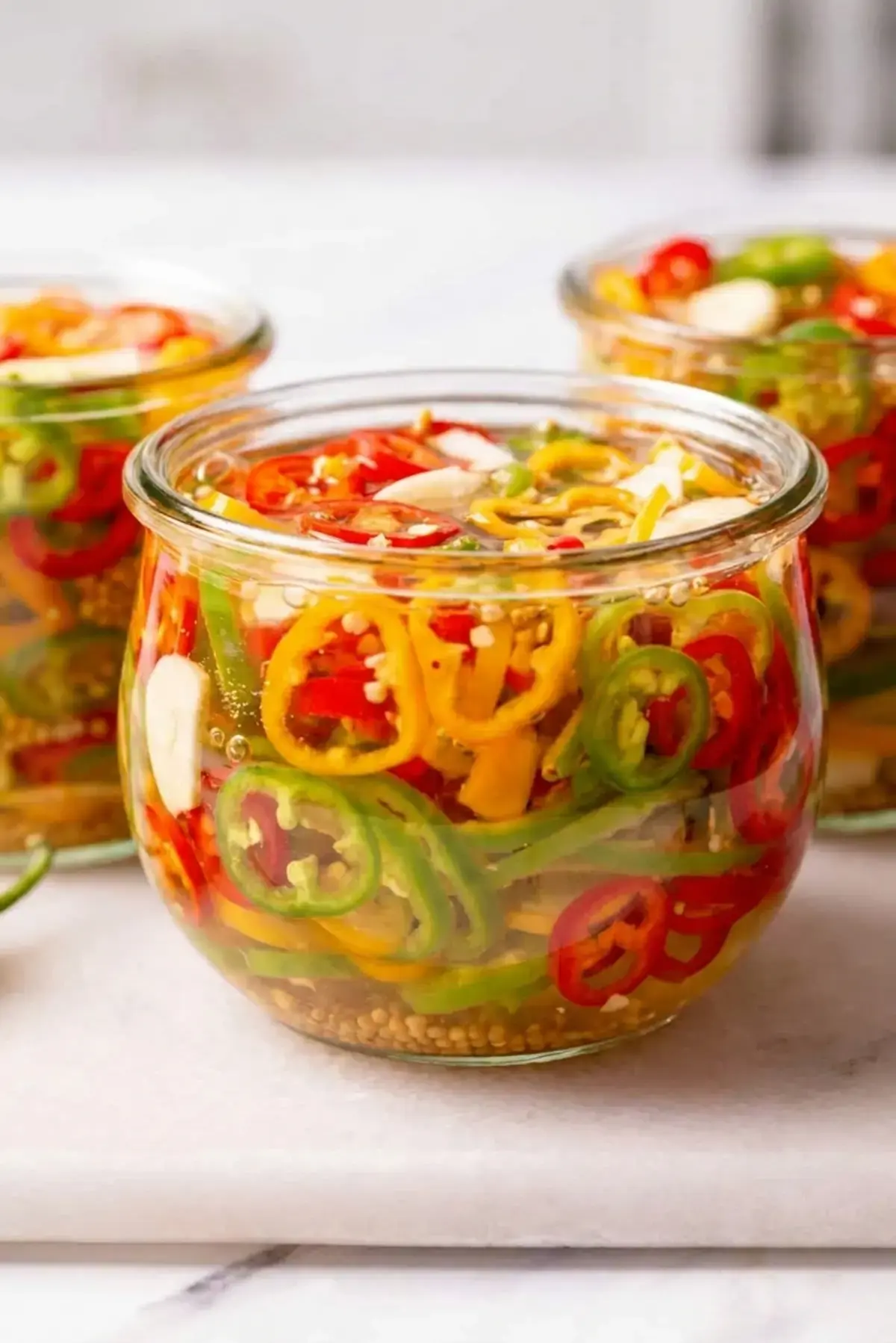
Seal the jar, let it cool on the counter, and tuck it into the fridge. By the next day, you’ll have a jar of vibrant, zippy peppers that wake up everything from tacos to omelets.
What I love most is the control you have. You can mix sweet bells, mild banana peppers, and spicy jalapeños for a colorful, custom blend. The brine is forgiving, too. Here’s the exact recipe I’ve come to rely on:
Ingredients for One Quart
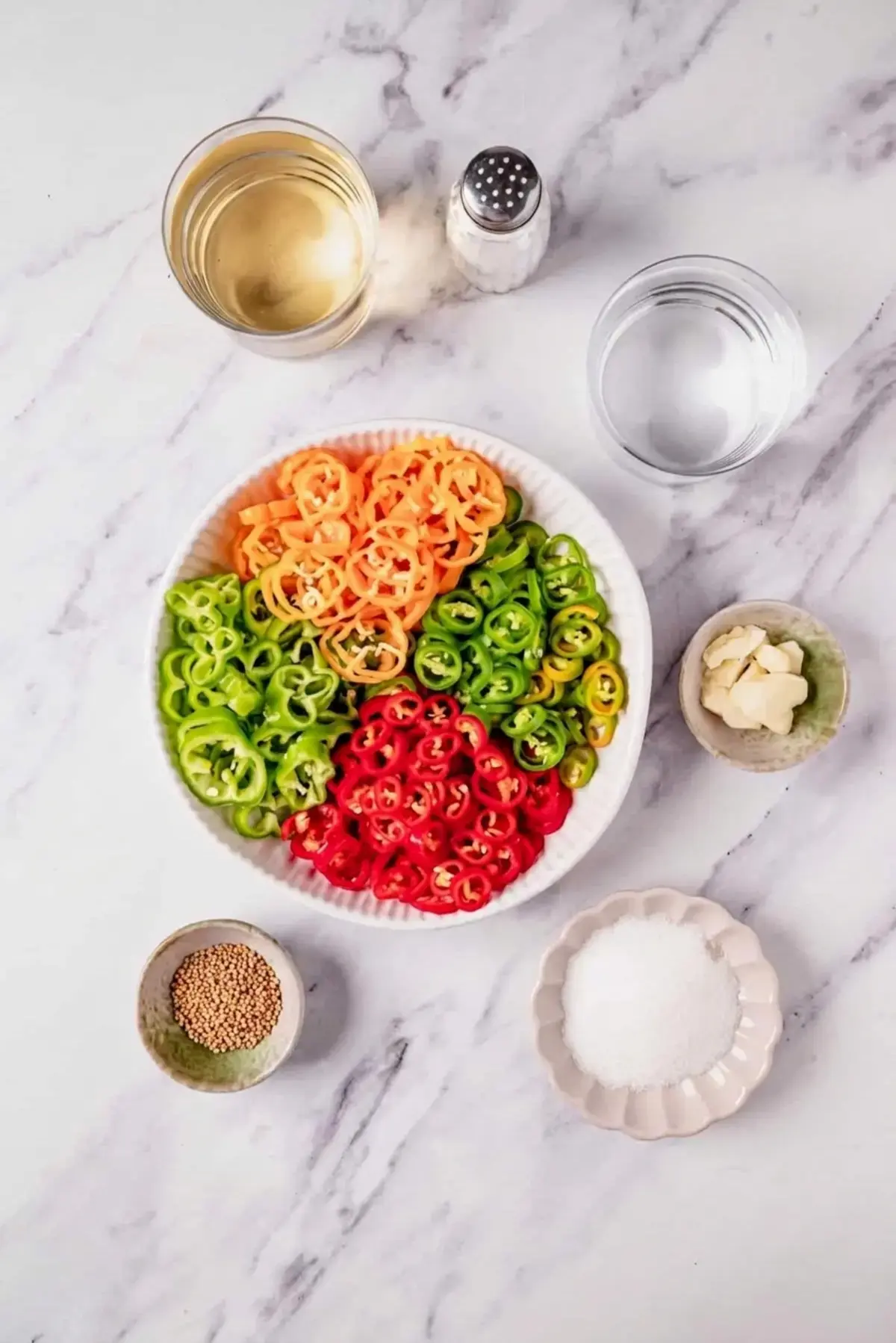
- 2 cups mixed peppers, sliced
- 1 cup white vinegar
- 1 cup water
- 2 tablespoons sugar
- 1 tablespoon kosher salt
- 2 cloves garlic, smashed
- 1 teaspoon mustard seeds
Simple Steps
- In a saucepan, stir together the vinegar, water, sugar, salt, garlic, and mustard seeds. Bring to a boil, stirring until the sugar and salt dissolve completely.
- Pack the sliced peppers into a clean heatproof jar.
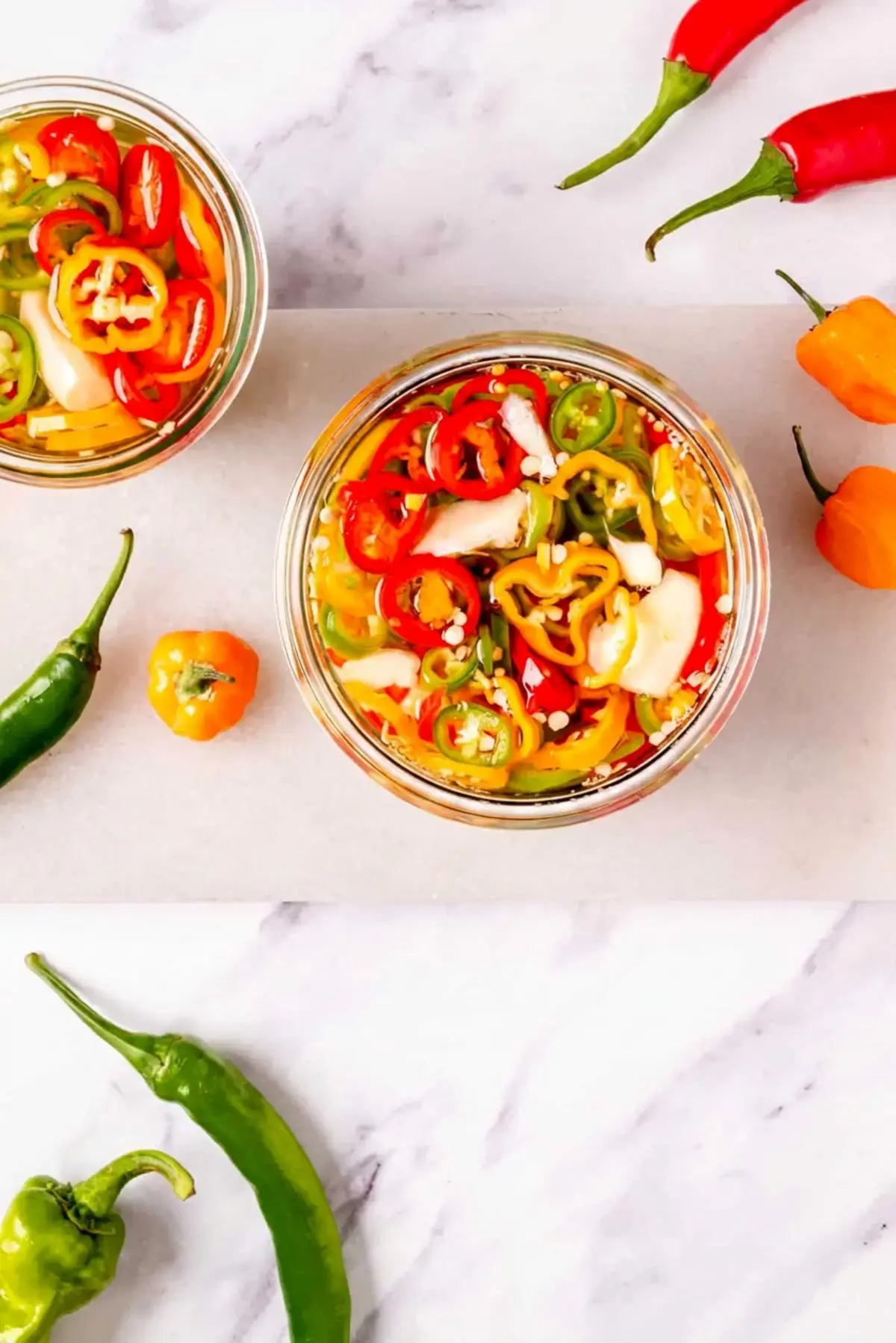
- Carefully pour the hot brine over the peppers, ensuring they are fully submerged.
- Seal the jar, let it cool to room temperature, then refrigerate overnight.
That’s it. The total hands on time is about 10 minutes of slicing and measuring plus 5 minutes at the stove. After that, the fridge does the rest. The next morning, the peppers have absorbed all that briny, tangy goodness and developed a crisp, satisfying bite.
This recipe was inspired by a simple refrigerator method I discovered online (you can find the original version here), and it has become my go to for adding a pop of flavor to weeknight meals. Trust me, once you try homemade, you’ll never look at the grocery aisle the same way again.
Jump to:
- Pickled Peppers
- Are Pickled Peppers Healthy?
- Bring Out The Best In Your Peppers
- Serving Suggestions
- FAQs
- What is the best vinegar for pickling peppers?
- How long do homemade pickled peppers last in the refrigerator?
- What peppers are best for pickling?
- How do you make quick pickled peppers at home?
- Pickled Peppers
- Ingredients
- Instructions
- Last Step:
- Nutrition
- Did you make this recipe?
Are Pickled Peppers Healthy?
When I first started making these at home, I was curious whether they were actually a good choice beyond just tasting amazing. The short answer is yes, especially when you make them yourself.
Unlike mass produced jars that often pile on extra salt, sugar, and preservatives, a homemade batch puts you in charge. You decide the quality of the vinegar, the amount of sweetener, and the freshness of your peppers.
Peppers themselves are nutritional powerhouses. They’re naturally low in calories and packed with vitamin C, which supports your immune system, and fiber that helps with digestion. Jalapeños and other hot peppers bring a bonus: capsaicin, the compound responsible for their heat, has been studied for its potential anti inflammatory and metabolism boosting properties.
Of course, pickled anything comes with a sodium reality check. This recipe does contain a tablespoon of kosher salt, and a single jar’s worth of peppers clocks in at a notable amount of sodium. I’m not going to sugarcoat that.
The nutrition breakdown for the whole quart is around 222 calories, 41 grams of carbohydrates, and 31 grams of sugar (mostly from the peppers themselves and the added sugar), along with 6 grams of fiber. The sodium is the big number to keep in mind.
But here’s the thing: you’re not supposed to eat the entire jar in one sitting. Pickled peppers are an accent, a topping, a bright little punch of flavor.
A few rings on a taco or a handful chopped into a salad add far less sodium than you’d think, while still delivering that satisfying tang.
If you’re watching your salt intake closely, you can easily dial back the salt to 2 teaspoons instead of a full tablespoon and the flavor will still be wonderful.
So, are they healthy? Yes, when you look at the whole picture: fresh, non processed ingredients, zero mystery additives, and built in portion control because a little goes a long way. I love knowing exactly what went into my jar, and I feel good about adding them to our meals.
Bring Out The Best In Your Peppers
While the fresh pickle method is my everyday approach, sometimes I like to get a little fancy. One of the best tricks I’ve picked up is roasting the peppers before they go into the brine. This extra step takes about 15 minutes, but it transforms the flavor in a way that’s worth every second when you have the time.
Roasting caramelizes the peppers’ natural sugars, pulling out a deep, smoky sweetness that plays beautifully against the tangy vinegar. The texture softens just a touch, becoming velvety without losing all its structure. I find this works especially well with larger peppers like bell, Cubanelle, or Hungarian wax peppers. For smaller ones like jalapeños, you can roast them whole.
There are two easy ways to do it. Under the broiler: cut the peppers in half (if large) and place them skin side up on a foil lined baking sheet.
Slide them under a hot broiler until the skins blister and blacken in spots, usually 5 to 10 minutes. On the grill: lay them skin side down over medium high heat and cook until they’re nicely charred.
Either way, once they’re blistered, I toss the hot peppers into a bowl and cover it tightly with a lid or plastic wrap.
The steam loosens the skins, and after about 10 minutes you can slip them off with your fingers if you want a smoother finished pickle. Honestly, I often leave a bit of charred skin on for the extra smokiness it brings.
After roasting and slicing, I pack them into the jar as usual and pour the hot brine over them. Here’s a crucial tip: roasted peppers need a longer marinating time to reach their peak.
While raw pickled peppers are ready overnight, roasted ones benefit from a day or two in the fridge. This lets the brine fully penetrate the softened flesh and meld with all those wonderful roasted notes.
This isn’t the classic recipe, but it’s a game changer when you want something deeper and more complex. I like to make a jar of roasted pickled peppers when I’m prepping for a weekend spread, they feel a little more special alongside grilled meats or a cheese board.
Serving Suggestions
The wonderful thing about a jar of pickled peppers is that it instantly upgrades almost anything you’re eating. I keep a jar in the fridge at all times (my family jokes it’s a permanent resident) and I’ve found dozens of ways to use them. Here are some of my favorites.
Straight from the jar. Yes, I admit I’ve been caught fishing out a pepper ring with a fork and eating it right there by the fridge. The brine is that good.
Tacos and nachos. A few slices on top of beef or chicken tacos add a bright, acidic punch that cuts through the richness. They’re also phenomenal on a sheet pan of air fryer nachos, where their tang plays off melted cheese and creamy beans.
Sandwiches and wraps. I’ll tuck a handful of pickled peppers into an avocado egg sandwich for an unexpected zing, or layer them into a chicken Caesar wrap. They bring that deli style craftsmanship to any lunch.
Pizza, especially Margherita. After the pizza comes out of the oven, scatter some drained peppers across the top. The heat from the crust warms them just enough to release their aroma without making them soggy.
Burgers and grilled meats. A cowboy burger with cheddar, bacon, and a pile of pickled peppers? Game changer. They’re equally at home alongside grilled sausages or a simple roast chicken.
Salads. I chop them into Mexican chopped salads, vegan grain bowls, or an antipasto salad. They act like little flavor bombs that wake up every leaf and bean.
The acidity, mild heat, and pop of color make them a versatile workhorse, not a one trick pony. Start with a small spoonful, taste, and add more. Before long, you’ll be the one handing jars to friends and sharing this easy recipe.
FAQs
What is the best vinegar for pickling peppers?
How long do homemade pickled peppers last in the refrigerator?
What peppers are best for pickling?
How do you make quick pickled peppers at home?
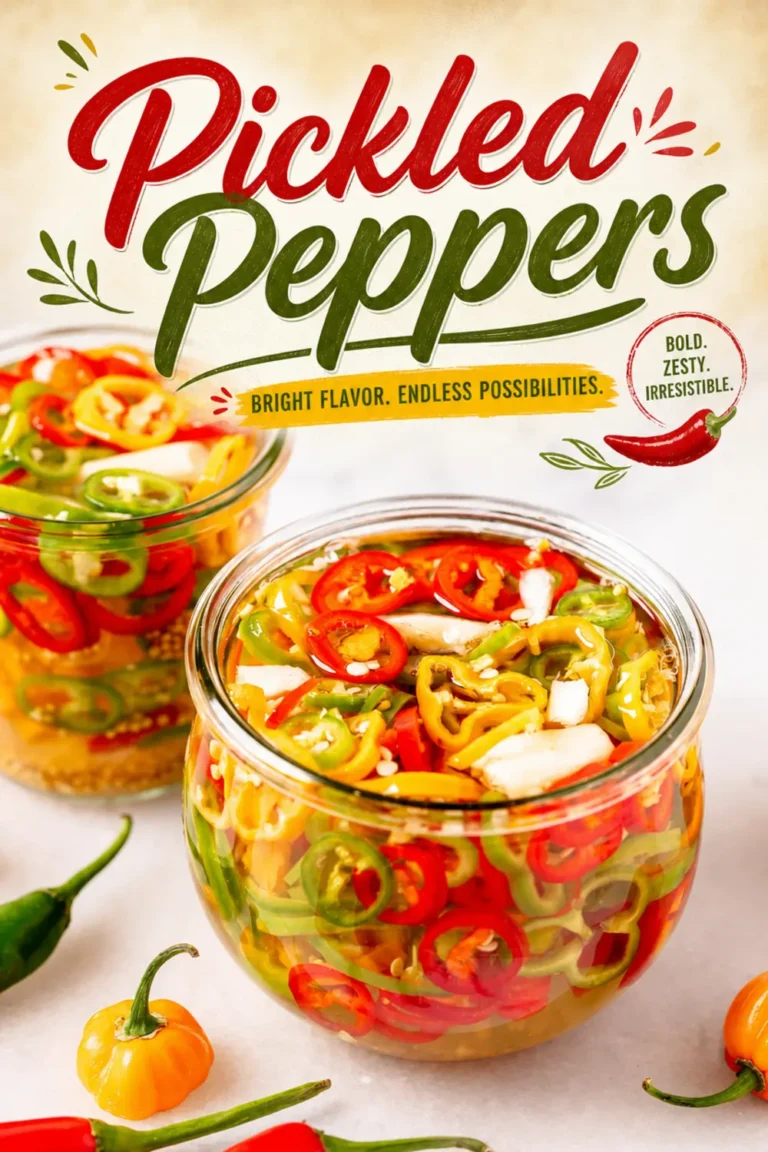
Pickled Peppers
Pickled Peppers I’ll admit it, when my cousin handed me a jar of homemade pickled peppers at our last barbecue, my inner skeptic came out. I’d always reached for the store bought stuff, convinced that making my own would be a weekend canning project with a scary hot water bath.
- Total Time: 525 min
- Yield: 1 quart 1x
Ingredients
Ingredients
1 cup white vinegar
1 cup water
2 tablespoons sugar
1 tablespoon kosher salt
2 cloves garlic, smashed
1 teaspoon mustard seeds
2 cups mixed peppers, sliced
Instructions
Instructions
1-Combine vinegar, water, sugar, salt, garlic, and: Combine vinegar, water, sugar, salt, garlic, and mustard seeds in a saucepan. Bring to a boil, stirring until the sugar and salt dissolve.
2-Place the sliced peppers in a clean,: Place the sliced peppers in a clean, heatproof jar.
3-Pour the hot vinegar mixture over the: Pour the hot vinegar mixture over the peppers, ensuring they are completely submerged.
4-Seal the jar and let it cool: Seal the jar and let it cool to room temperature before refrigerating overnight.
Last Step:
Please leave a rating and comment letting us know how you liked this recipe! This helps our business to thrive and continue providing free, high-quality recipes for you.- Prep Time: 10 min
- Cook Time: 5 min
- Method: stovetop
Nutrition
- Calories: 222kcal
- Sugar: 31g
- Sodium: 7004mg
- Fat: 2g
- Saturated Fat: 0.2g
- Carbohydrates: 41g
- Fiber: 6g
- Protein: 4g