
Why You’ll Love This Refrigerator Dill Pickles
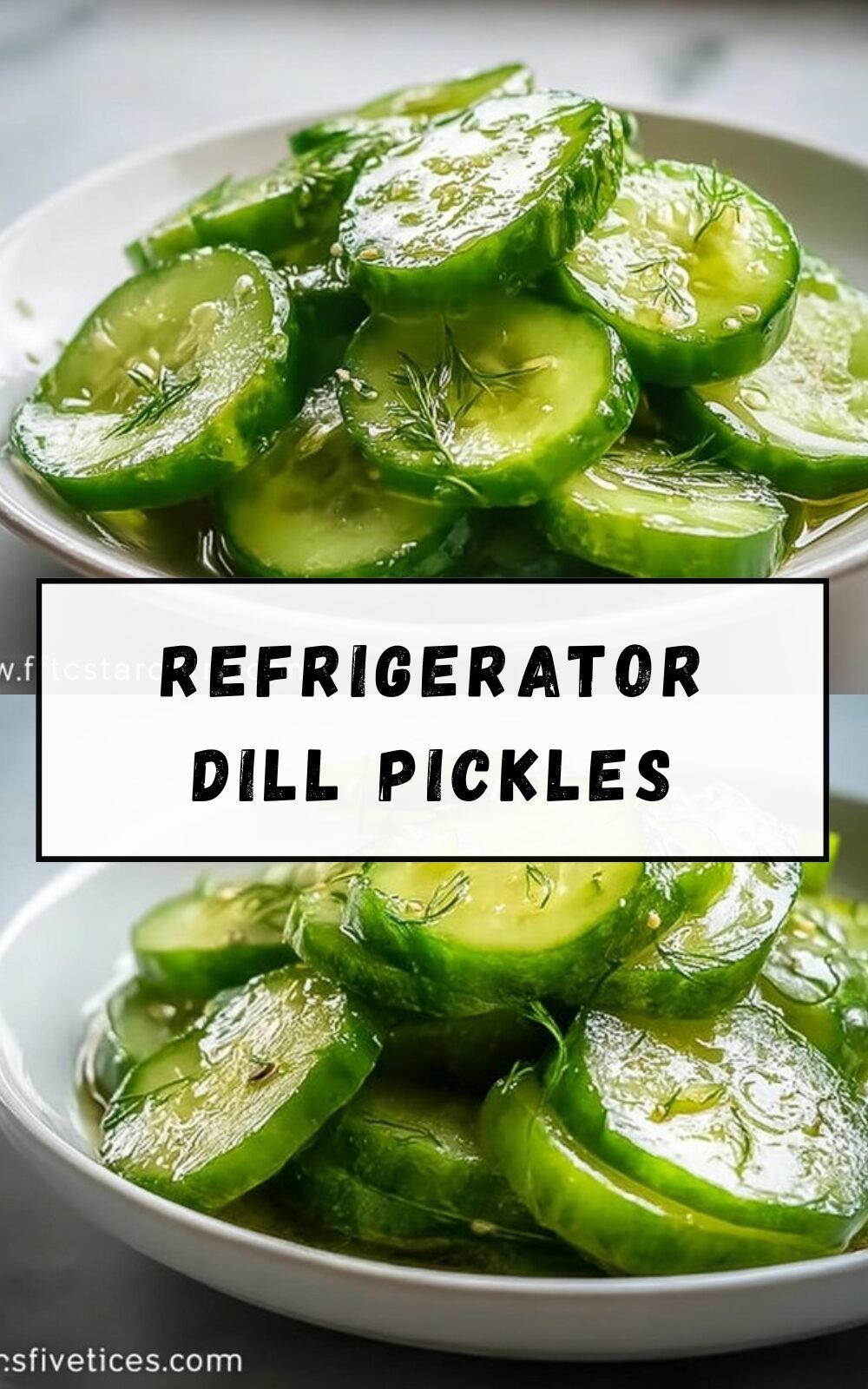
If you have been craving crisp, tangy Refrigerator Dill Pickles that taste fresh and homemade, this easy method is going to make you very happy. With just a few simple ingredients and no canning step, you can have a jar in the fridge fast and start snacking the next day. It is the kind of recipe that fits busy weeknights, meal prep days, and last-minute sandwich cravings.
- Easy to make: These Refrigerator Dill Pickles come together with basic pantry ingredients and a quick brine. No special equipment is needed, which makes this recipe great for beginners and busy home cooks.
- Better-for-you snack option: Pickles are naturally low in calories, and the vinegar brine keeps the recipe light. If you are watching your eating habits, these homemade dill pickles can be a smart grab-and-go bite. For more background on the benefits of pickles, you can also read this helpful guide to the health benefits of pickles.
- Flexible for many diets: This recipe works well for vegan eaters, gluten-free kitchens, and anyone who wants a simple snack without heavy ingredients. You can also adjust the garlic, dill, or salt to match your taste.
- Bright, classic flavor: Fresh dill, smashed garlic, peppercorns, and a sharp vinegar brine give these homemade pickles that classic deli-style bite. They are crunchy, bold, and way better than store-bought for many people.
These quick pickles are a small kitchen project with a big payoff. One batch can brighten sandwiches, burgers, salads, and snack plates all week long.
If you enjoy easy homemade sides, you might also like pairing these pickles with loaded baked potato soup or serving them next to a simple sandwich plate for a fast lunch.
Jump to:
- Why You’ll Love This Refrigerator Dill Pickles
- Essential Ingredients for Refrigerator Dill Pickles
- Main Ingredients
- Ingredient Notes
- How to Prepare the Perfect Refrigerator Dill Pickles: Step-by-Step Guide
- First Step: Wash and prep the cucumbers
- Second Step: Make the brine
- Third Step: Pack the jars
- Fourth Step: Pour in the brine
- Fifth Step: Chill and wait
- Final Step: Serve and enjoy
- Dietary Substitutions to Customize Your Refrigerator Dill Pickles
- Protein and Main Component Alternatives
- Vegetable, Sauce, and Seasoning Modifications
- Mastering Refrigerator Dill Pickles: Advanced Tips and Variations
- Pro cooking techniques
- Flavor variations
- Presentation tips
- Make-ahead options
- How to Store Refrigerator Dill Pickles: Best Practices
- Refrigeration
- Freezing
- Reheating
- Meal prep considerations
- FAQs: Frequently Asked Questions About Refrigerator Dill Pickles
- Where can I buy pickling cucumbers for refrigerator dill pickles?
- Can I use regular cucumbers to make refrigerator dill pickles?
- How long do homemade refrigerator dill pickles last?
- Can I reuse the brine from refrigerator dill pickles?
- Can I use apple cider vinegar for refrigerator dill pickles?
- Refrigerator Dill Pickles
- Ingredients
- Instructions
- Last Step:
- Notes
- Nutrition
- Did you make this recipe?
Essential Ingredients for Refrigerator Dill Pickles
Here is everything you need for a batch of crisp Refrigerator Dill Pickles. The amounts below match the recipe exactly, and a few can be adjusted based on how strong you like your pickle flavor.
Main Ingredients
- 12 pickling cucumbers – These are the star of the recipe. Pickling cucumbers are small, firm, and ideal for staying crunchy in the brine.
- 4 cups water – Water softens the vinegar so the pickles stay bright and balanced instead of too sharp.
- 2 cups white vinegar – White vinegar gives the brine its clean, tangy flavor and helps preserve the cucumbers in the fridge.
- 2 tablespoons kosher salt – Salt seasons the brine and helps draw moisture out of the cucumbers for better crunch.
- 1 teaspoon sugar – Just a little sugar rounds out the sharp vinegar taste without making the pickles sweet.
- 1 bunch fresh dill, thick stems removed – Fresh dill gives the pickles their classic aroma and herb flavor. You can use a little more or less depending on preference.
- 1 head garlic, skins removed and cloves smashed – Garlic adds big flavor to the brine. If you like a stronger garlic taste, feel free to add extra cloves.
- 1 tablespoon peppercorn kernels – Peppercorns add a subtle spice and make each bite more interesting.
Ingredient Notes
| Ingredient | Why It Matters | Easy Swap |
|---|---|---|
| Pickling cucumbers | Keep the pickles crisp | Persian cucumbers |
| White vinegar | Creates the tangy brine | Apple cider vinegar |
| Fresh dill | Builds classic dill pickle flavor | Extra dill sprigs or dill seed |
| Garlic | Adds savory depth | More or fewer smashed cloves |
Special dietary options:
- Vegan: This recipe is already vegan because it uses only vegetables, herbs, spices, vinegar, water, salt, and sugar.
- Gluten-free: All of the ingredients listed here are naturally gluten-free.
- Low-calorie: Keep the sugar low, and enjoy these pickles as a light snack or side dish.
For another fresh and simple recipe idea, you may also like cacio e pepe chicken thighs when you want something savory to serve alongside a crisp pickle plate.
How to Prepare the Perfect Refrigerator Dill Pickles: Step-by-Step Guide
Making Refrigerator Dill Pickles is easy once you break it into simple steps. The whole process is about preparing the cucumbers, making the brine, packing the jars, and letting time do the work in the fridge. You do not need a canner, and you do not need to seal jars for shelf storage. Just keep everything cold and let the flavors build.
First Step: Wash and prep the cucumbers
Start by washing the 12 pickling cucumbers well under cool running water. Scrub off any dirt, then pat them dry with a clean towel. If you want spears, cut the cucumbers into quarters lengthwise. If you want chips, slice them into rounds about 1/4 inch thick. Whole smaller cucumbers also work if they fit your jar.
Trim a small piece off each end if you want extra crunch. That little cut helps reduce softening. For the best texture, use cucumbers that feel firm and heavy for their size.
Second Step: Make the brine
In a medium saucepan, combine 4 cups water, 2 cups white vinegar, 2 tablespoons kosher salt, and 1 teaspoon sugar. Stir over medium heat until the salt and sugar dissolve. You do not need to boil it hard, but the mixture should be hot enough that everything blends smoothly.
Once the salt dissolves, remove the pan from the heat. Let the brine cool for about 10 to 15 minutes so it does not wilt the dill or overcook the cucumbers when you pour it in.
Third Step: Pack the jars
Use clean glass jars with tight lids. Add a few smashed garlic cloves, some fresh dill, and a spoonful of peppercorn kernels to the bottom of each jar. Then pack in the cucumbers tightly but not so tight that the brine cannot move around them.
Layer more dill, garlic, and peppercorns between the cucumber pieces if you want a stronger flavor. Since the amount of dill and garlic can vary based on preference, you can make one jar more garlicky and another more herb-forward if you like.
Fourth Step: Pour in the brine
Carefully pour the warm brine over the cucumbers until they are fully covered. If needed, press the cucumbers down with a clean spoon so none of them stick out above the liquid. The cucumbers should stay submerged to soak up the flavor evenly.
Leave a little space at the top of each jar so the brine has room to settle. Wipe the rims clean, then screw on the lids.
Fifth Step: Chill and wait
Place the jars in the refrigerator right away. The pickles will start tasting good after 24 hours, but they taste even better after 2 to 3 days. If you love a stronger dill pickle bite, wait about a week before digging in.
Keep the jars cold the whole time. The fridge method is all about quick pickling, so temperature matters. Cold storage helps the cucumbers stay crisp and keeps the flavor clean.
Final Step: Serve and enjoy
Once the pickles have had time to rest, taste one and see if you want more dill, garlic, or pepper next time. Serve them cold straight from the jar or add them to burgers, sandwiches, wraps, snack boards, and potato salads.
Tip: If you like a sharper pickle, use the brine after 24 hours. If you want a deeper flavor, give it a few more days in the fridge.
These pickles are a great partner for a hearty dinner too. If you like easy comfort food, try serving them with chicken rice casserole for a simple family meal.

Dietary Substitutions to Customize Your Refrigerator Dill Pickles
Protein and Main Component Alternatives
While this recipe does not use protein, you can still adjust the main vegetable based on what you have on hand. Pickling cucumbers are the best choice because they stay crisp, but Persian cucumbers are a strong second option. Regular slicing cucumbers can work too, though they may turn softer after a few days.
If you want a different pickle texture, try sliced carrots, green beans, or onion strips in the same brine. These vegetables hold up well and soak in the dill flavor nicely. Keep the jars refrigerated and taste them after 24 hours to see if they need more time.
Vegetable, Sauce, and Seasoning Modifications
You can change the seasoning to match your taste or the season. Add more garlic if you love bold flavor, or use less for a lighter dill profile. You can also increase the dill for a stronger herb taste. If you want a slightly sweeter brine, add another teaspoon of sugar. For a sharper bite, reduce the sugar a little and keep the vinegar as is.
Apple cider vinegar is a nice swap for white vinegar if you want a softer, fruitier tang. You can also add mustard seed, red pepper flakes, or coriander for a different flavor twist. Just keep the basic water, vinegar, and salt ratio close to the original so the brine stays balanced.
Mastering Refrigerator Dill Pickles: Advanced Tips and Variations
Once you have made a basic batch of Refrigerator Dill Pickles, it is fun to play around with small changes. A few easy tricks can help you get better crunch, stronger flavor, and a more personalized jar every time.
Pro cooking techniques
Use the freshest cucumbers you can find. The fresher they are, the crunchier the pickles will be. If you want extra snap, chill the cucumbers before packing them. Cold cucumbers keep their texture better when the warm brine goes in.
Another useful trick is to cut all the pieces the same size. That way, the flavor moves into the cucumbers at the same pace. Also, make sure the brine fully covers the vegetables. Any exposed cucumber can soften or discolor faster.
Flavor variations
Try adding a few extra peppercorns for a stronger bite, or toss in a pinch of red pepper flakes for heat. If you like more garden flavor, add extra dill sprigs or a little dill seed. You can even mix in a few slices of onion or a bit of fresh horseradish for a bolder deli-style pickle.
For a sweeter version, increase the sugar slightly. For a sharper version, keep the sugar low and use a little more vinegar. These small changes can make the recipe feel brand new without changing the base method.
Presentation tips
Serve the pickles in a clear bowl or glass jar so the bright green cucumbers and herbs show off well. Add a few sprigs of fresh dill on top when serving for a pretty finish. If you are building a snack board, pair the pickles with cheese, crackers, olives, and sliced meats.
Make-ahead options
This is one of the best make-ahead snacks for busy weeks. You can prep the cucumbers and brine in the morning, then pack the jars at night. The pickles will be ready for tasting the next day, and they keep building flavor as they sit.
If you like prepping a few meals at once, these pickles also fit nicely into a weekly fridge plan with dishes like garlic steak tortellini or other quick dinners that need a crisp side dish.
How to Store Refrigerator Dill Pickles: Best Practices
Good storage helps your Refrigerator Dill Pickles stay crunchy and tasty for as long as possible. Since this is a fridge pickle recipe, the cold temperature is a big part of the process.
Refrigeration
Keep the pickles in clean glass jars with tight lids and store them in the coldest part of your refrigerator. They usually stay fresh for up to 2 months. For the best crunch and flavor, eat them within the first 3 to 4 weeks.
Freezing
Freezing is not the best choice for classic cucumber pickles because the texture gets soft after thawing. If you really need longer storage, some people freeze pickle spears in airtight bags, but expect the crunch to fade. This works better for chopped pickles that will be used in relish or sandwiches rather than eaten whole.
Reheating
Reheating is not needed for refrigerator pickles. In fact, heat can make them limp. Serve them cold or at room temperature straight from the fridge for the best texture.
Meal prep considerations
Make small batches if you like fresh flavor all week long. Use a clean fork when removing pickles from the jar so the brine stays clean. If the brine becomes cloudy in a way that smells off, or if you see mold or sliminess, throw the batch away.
FAQs: Frequently Asked Questions About Refrigerator Dill Pickles
Where can I buy pickling cucumbers for refrigerator dill pickles?
Can I use regular cucumbers to make refrigerator dill pickles?
How long do homemade refrigerator dill pickles last?
Can I reuse the brine from refrigerator dill pickles?
Can I use apple cider vinegar for refrigerator dill pickles?
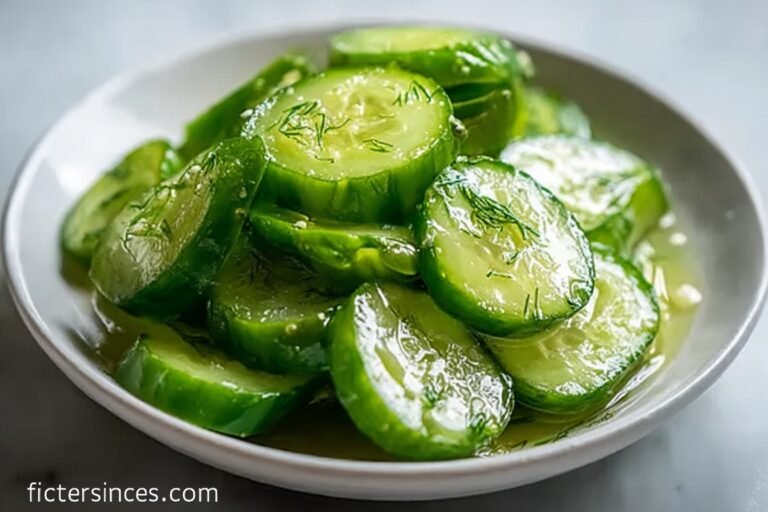
Refrigerator Dill Pickles
🥒 Crunchy, tangy homemade dill pickles ready in just 24 hours – no canning equipment needed!
🫙 Fresh, customizable flavor burst perfect for burgers, salads, or snacking straight from the jar.
- Total Time: 24 hours 25 minutes
- Yield: 2 quart jars (about 24 servings)
Ingredients
– 12 pickling cucumbers
– 4 cups water
– 2 cups white vinegar
– 2 tablespoons kosher salt
– 1 teaspoon sugar
– 1 bunch fresh dill, thick stems removed
– 1 head garlic, skins removed and cloves smashed
– 1 tablespoon peppercorn kernels
Instructions
1-First Step: Wash and prep the cucumbers Start by washing the 12 pickling cucumbers well under cool running water. Scrub off any dirt, then pat them dry with a clean towel. If you want spears, cut the cucumbers into quarters lengthwise. If you want chips, slice them into rounds about 1/4 inch thick. Whole smaller cucumbers also work if they fit your jar. Trim a small piece off each end if you want extra crunch. That little cut helps reduce softening. For the best texture, use cucumbers that feel firm and heavy for their size.
2-Second Step: Make the brine In a medium saucepan, combine 4 cups water, 2 cups white vinegar, 2 tablespoons kosher salt, and 1 teaspoon sugar. Stir over medium heat until the salt and sugar dissolve. You do not need to boil it hard, but the mixture should be hot enough that everything blends smoothly. Once the salt dissolves, remove the pan from the heat. Let the brine cool for about 10 to 15 minutes so it does not wilt the dill or overcook the cucumbers when you pour it in.
3-Third Step: Pack the jars Use clean glass jars with tight lids. Add a few smashed garlic cloves, some fresh dill, and a spoonful of peppercorn kernels to the bottom of each jar. Then pack in the cucumbers tightly but not so tight that the brine cannot move around them. Layer more dill, garlic, and peppercorns between the cucumber pieces if you want a stronger flavor. Since the amount of dill and garlic can vary based on preference, you can make one jar more garlicky and another more herb-forward if you like.
4-Fourth Step: Pour in the brine Carefully pour the warm brine over the cucumbers until they are fully covered. If needed, press the cucumbers down with a clean spoon so none of them stick out above the liquid. The cucumbers should stay submerged to soak up the flavor evenly. Leave a little space at the top of each jar so the brine has room to settle. Wipe the rims clean, then screw on the lids.
5-Fifth Step: Chill and wait Place the jars in the refrigerator right away. The pickles will start tasting good after 24 hours, but they taste even better after 2 to 3 days. If you love a stronger dill pickle bite, wait about a week before digging in. Keep the jars cold the whole time. The fridge method is all about quick pickling, so temperature matters. Cold storage helps the cucumbers stay crisp and keeps the flavor clean.
6-Final Step: Serve and enjoy Once the pickles have had time to rest, taste one and see if you want more dill, garlic, or pepper next time. Serve them cold straight from the jar or add them to burgers, sandwiches, wraps, snack boards, and potato salads.
Last Step:
Please leave a rating and comment letting us know how you liked this recipe! This helps our business to thrive and continue providing free, high-quality recipes for you.Notes
🥒 Always use pickling cucumbers for maximum crunch and freshness.
🧄 Smash garlic cloves to release more flavor into the brine.
⏰ Shake jars daily during the first week for even flavor distribution.
- Prep Time: 20 minutes
- Chill Time: 24 hours
- Cook Time: 5 minutes
- Category: Side Dish
- Method: Pickling
- Cuisine: American
- Diet: Vegan
Nutrition
- Serving Size: 1 pickle
- Calories: 5 kcal
- Sugar: 1g
- Sodium: 400mg
- Fat: 0g
- Saturated Fat: 0g
- Unsaturated Fat: 0g
- Trans Fat: 0g
- Carbohydrates: 2g
- Fiber: 0g
- Protein: 0g
- Cholesterol: 0mg