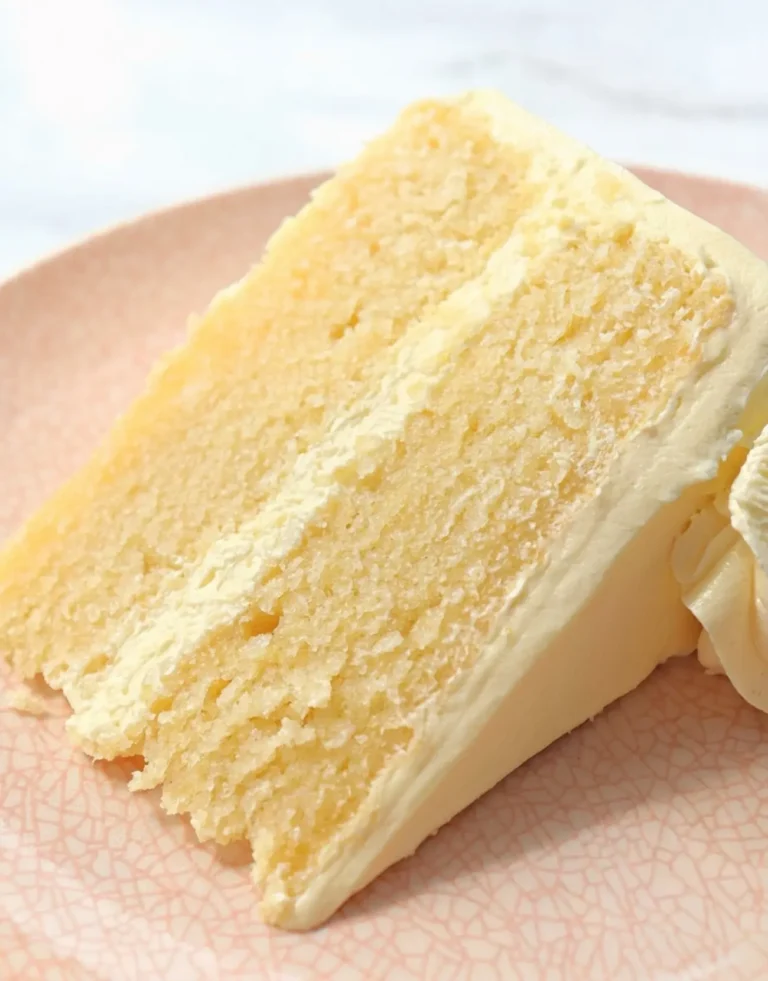
After months of testing, I finally cracked the code for the softest vanilla cake, and trust me, it was worth every single failed batch. This recipe delivers a melt in your mouth crumb with a strong vanilla flavor that works beautifully as a base for any frosting or filling. The secret lies in a smart combination of ingredients and a precise mixing method.
Instead of relying on a single trick, I use a cake flour substitute made from all purpose flour and cornstarch to lower the protein content, oil for lasting moisture, and buttermilk plus vinegar for acidity that breaks down flour proteins and creates a fluffy texture. The creaming method, where butter, oil, and sugar are beaten together, incorporates air for lightness, and the dry ingredients are folded in by hand at the very end to prevent overmixing and excessive gluten development. This careful approach is the result of many trials, and I eventually abandoned the reverse creaming method because it gave me dense results with my homemade cake flour.
Ingredients
Cornstarch is my go to for creating a cake flour substitute when I can’t find real cake flour. By mixing a small amount of cornstarch with all purpose flour, the overall protein content drops, which directly leads to a more tender crumb. Oil, such as canola, stays liquid at room temperature and keeps the cake moist for days. Vinegar and buttermilk add acidity that further tenderizes the gluten, making the crumb extra fluffy and soft.
Mixing Method
I rely on the classic creaming method: beat the butter, oil, and sugar together for 2 to 3 minutes until light and creamy. This step creates tiny air pockets that expand during baking and give the cake its lift. Then, when it’s time to add the dry ingredients, I switch to a spatula and fold by hand. This gentle approach avoids overworking the gluten, which would make the cake tough instead of soft.
My earlier vanilla cake recipe had a common problem: too much oil made it hard to cream properly, and many readers ended up with a dense result. I was determined to create a simpler, less dense version, so I became obsessed with the reverse creaming method. I read everything I could about it and was convinced it would solve everything. I made about 30 cakes over several months, tweaking and testing, but I could never get the right texture with my cake flour substitute. Reducing the fat only made the cakes dry. I FINALLY GAVE UP and returned to the original creaming method. But instead of using a mixer for the dry ingredients, I switched to hand mixing at the end. Combined with adjusted ingredient amounts, that change finally gave me the perfect soft vanilla cake.
Trialling the Reverse Creaming Method
The reverse creaming method involves beating the butter first with the dry ingredients and sugar, coating the flour with fat before any liquid is added. This theoretically prevents gluten formation and should produce an incredibly tender crumb. I was determined to make it work and tried it over and over, but my homemade cake flour substitute (all purpose flour plus cornstarch) just did not behave like real cake flour. Every batch came out either too dense or too dry. I learned that sometimes the classic method is classic for a reason, and a simple change in technique, like hand folding at the end, can make all the difference.
How to make this vanilla cake
Ready to bake the softest vanilla cake of your life? Follow these step by step instructions carefully. I’ve tested this process countless times, so trust each step.
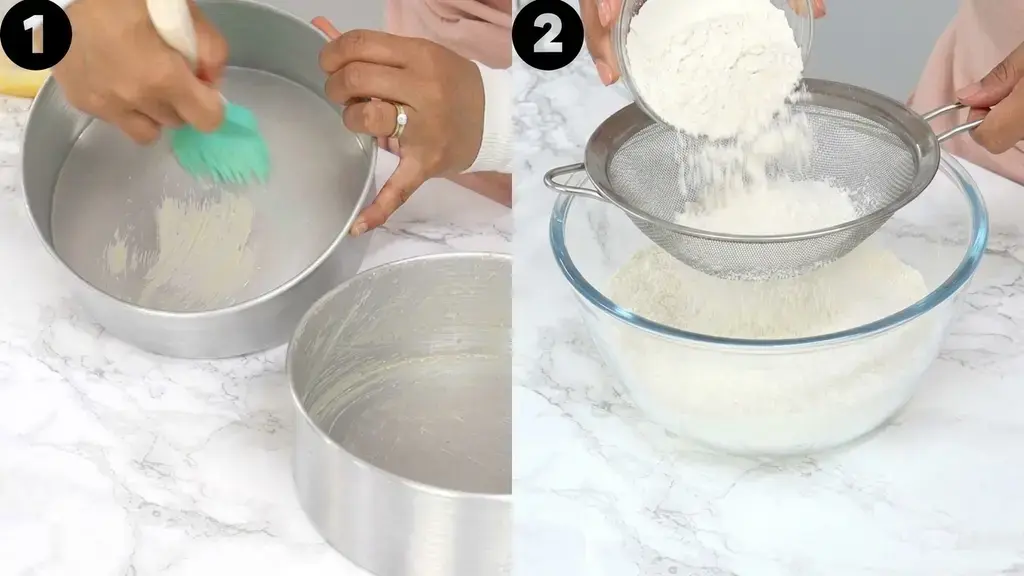
Preheat your oven to 350°F (175°C if not using fan, or 330°F for fan forced). Grease and line two 8 inch round cake pans. I recommend using a homemade cake release for the best results.
Sift together the dry ingredients: all purpose flour, cornstarch, baking soda, baking powder, and salt. Set aside.
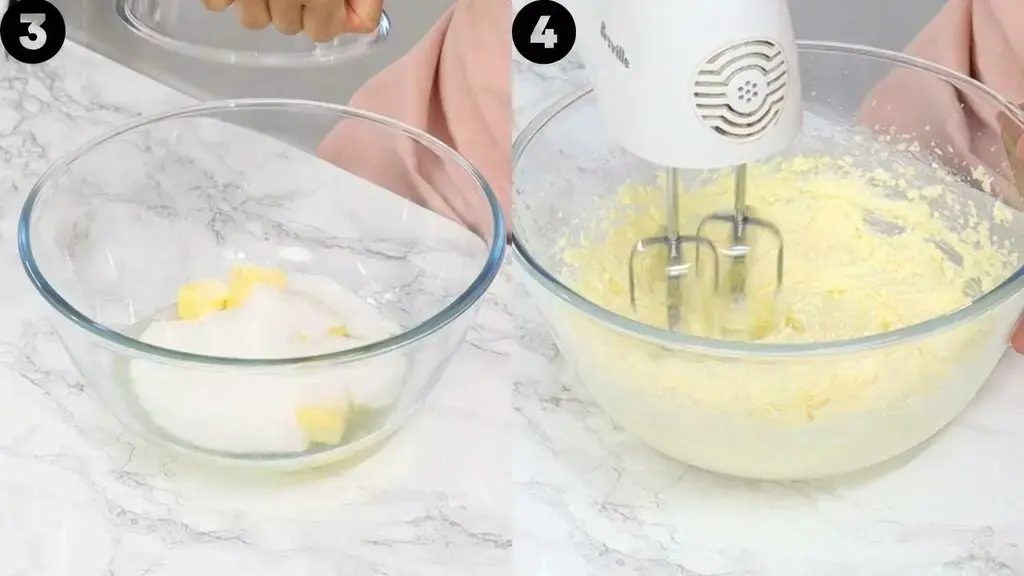
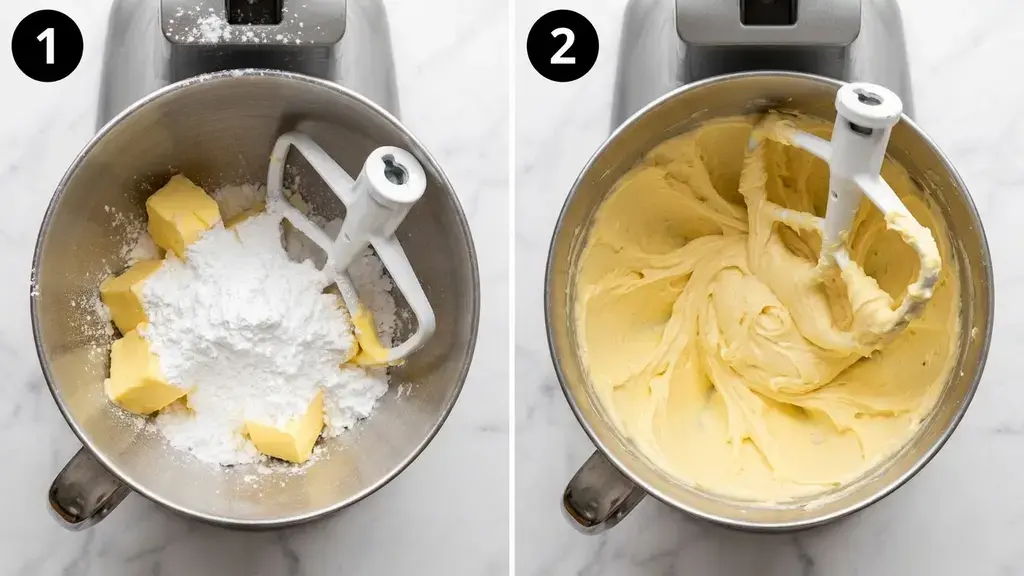
In a large bowl, using a hand mixer or stand mixer, cream together softened butter, oil, and granulated sugar for 2 to 3 minutes until light and fluffy.
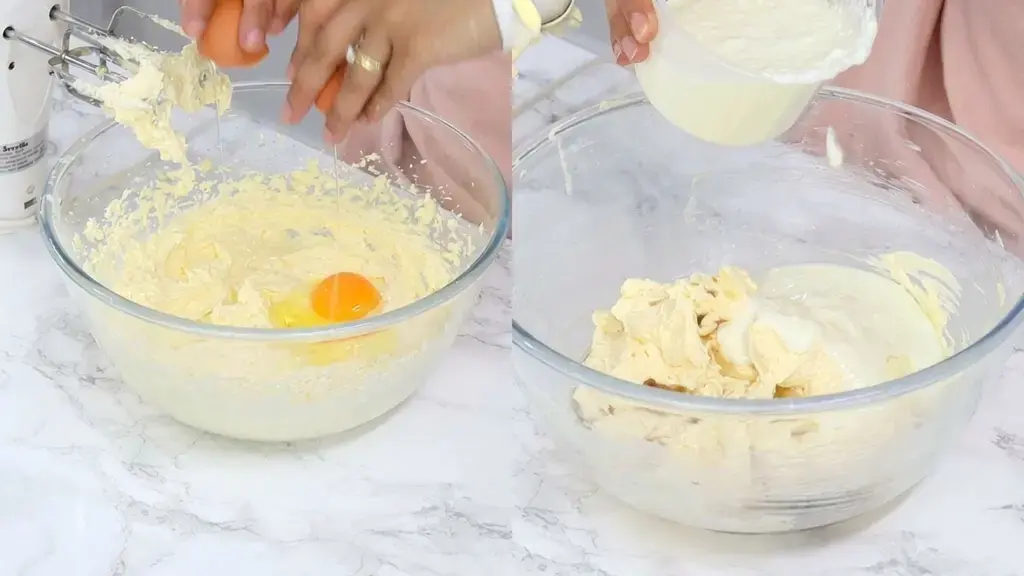
Add eggs one at a time, beating well after each addition. This prevents the batter from curdling.
Add vanilla extract, white vinegar, and half a cup of buttermilk. Mix until just combined.
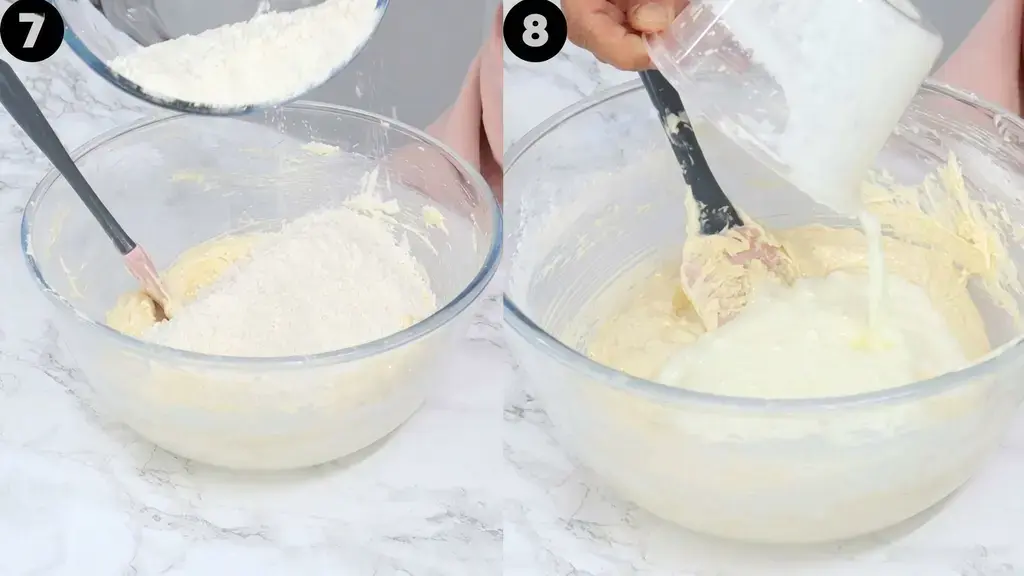
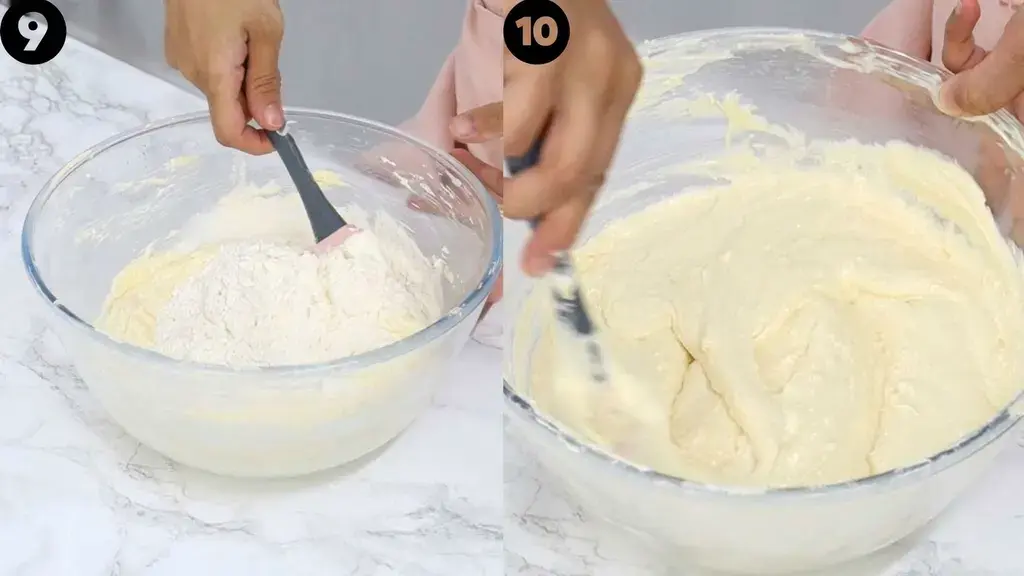
Switch to a spatula. Fold in half of the dry ingredients until no streaks remain. Then fold in the remaining buttermilk, followed by the rest of the dry ingredients. Mix only until just combined; do not overmix.
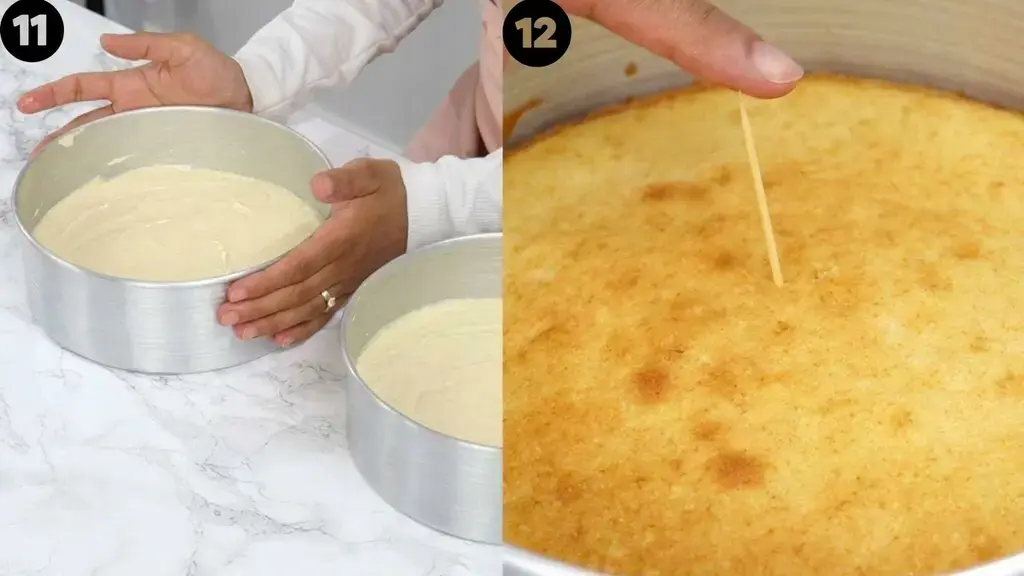
Divide the batter evenly between the two pans. Bake for 30 to 35 minutes, or until a toothpick inserted in the center comes out clean or with a few moist crumbs.
Let the cakes rest in the pans for 10 to 15 minutes, then turn them out onto a wire rack. Cool completely before frosting.
To keep the crumb tender, always use room temperature eggs and buttermilk. Cold ingredients can shock the batter and lead to a dense, uneven texture.
How to make easy vanilla buttercream
I like to pair this soft vanilla cake with a simple American buttercream that is less sweet than traditional versions. It comes together in minutes and stays stable enough for layering and piping.
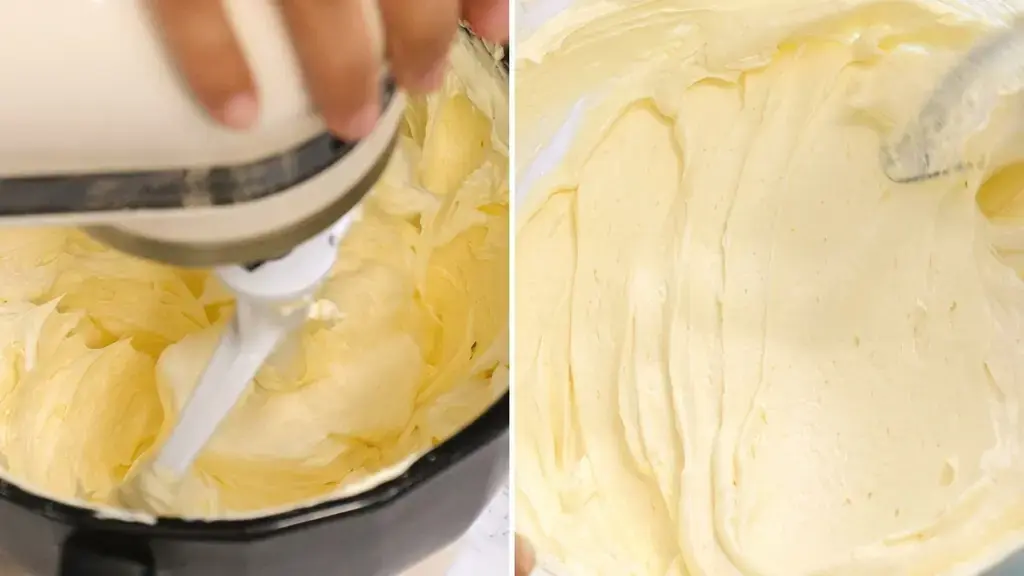
Place softened butter, powdered sugar, vanilla extract, and a splash of milk in the bowl of a stand mixer fitted with the paddle attachment. Mix on low speed for about a minute to combine everything without a cloud of sugar flying everywhere. Then increase the speed to medium high and beat for a full 10 minutes. Scrape the bowl halfway through. The long beating time makes the frosting light, airy, and silky smooth. If you prefer an even less sweet option, you can use Swiss or French buttercream instead.
How to decorate this vanilla cake
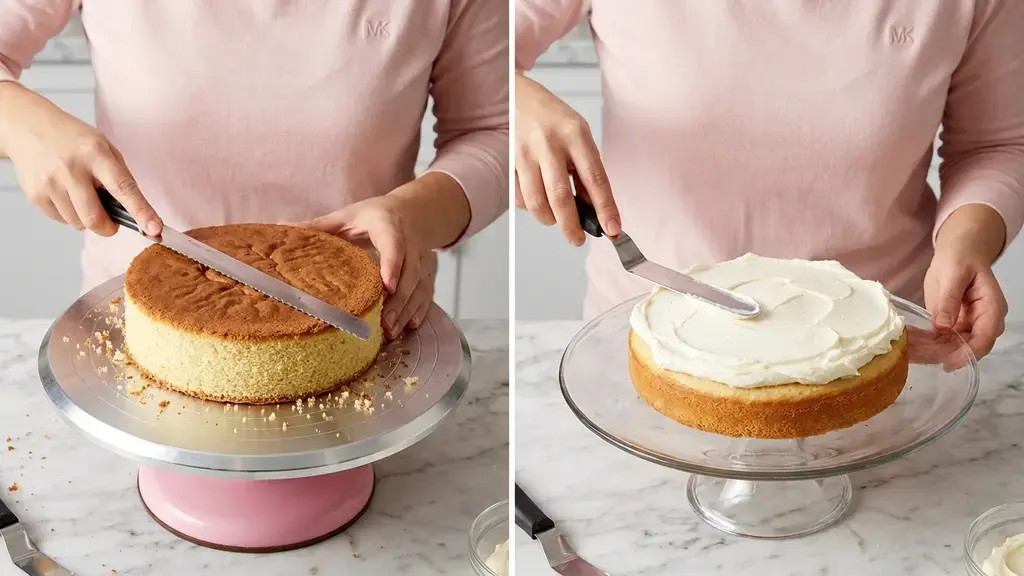
Decorating is optional but always fun. If you want a perfectly smooth finish, start by trimming the brown edges off the cooled cake layers with a serrated knife.
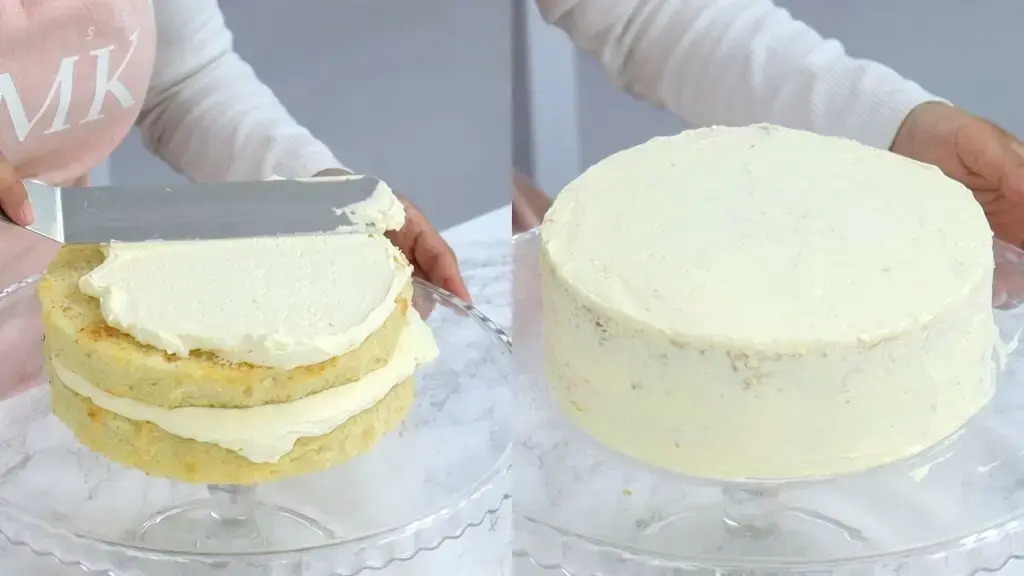
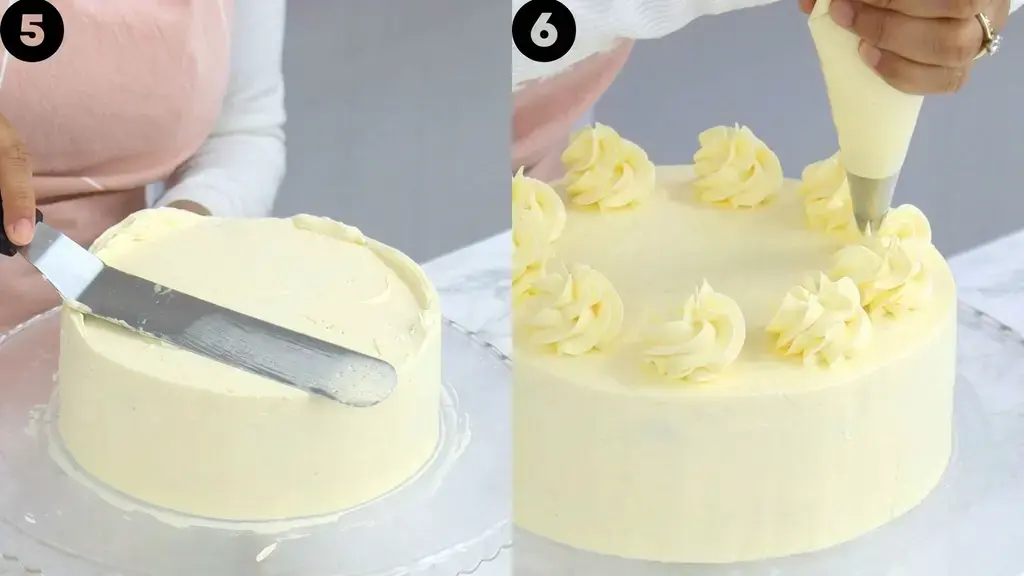
Place the first layer on your cake stand or board and spread a layer of buttercream evenly with an offset spatula. Stack the second layer on top, add more frosting on top, then use the excess to cover the entire cake in a thin crumb coat.
Pop the cake in the fridge for 15 to 20 minutes to set. After chilling, apply a generous final layer of frosting.
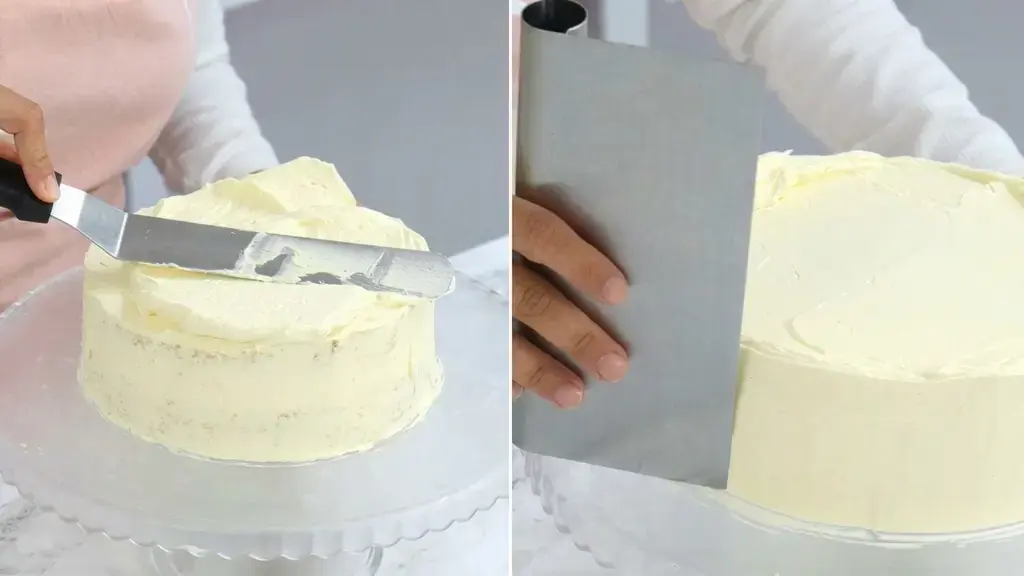
Smooth the top with your offset spatula, and use a cake scraper to get clean sides. To create sharp edges on top, slowly bring the spatula from the outer edge toward the center, catching the lip of frosting.
Finish by piping small swirls on top using a 1M piping tip. This recipe also works wonderfully as a base for a layered birthday or celebration cake.
Commonly asked questions
How do you store vanilla cake?
Unfrosted cake layers can be stored at room temperature, tightly wrapped in plastic wrap, for up to 3 days. Once frosted, the cake can be kept in an airtight container at room temperature for a day or two, or in the refrigerator for up to 5 days. For the best texture, let refrigerated cake come to room temperature before serving.
Can I freeze this vanilla cake?
Yes, this cake freezes beautifully. Wrap each cooled, unfrosted layer tightly in plastic wrap, then in a layer of foil, and place them in an airtight container. Freeze for up to 3 months. When you’re ready to use them, thaw the layers in the refrigerator overnight. Frost as usual. Many readers have told me this is their go to make ahead birthday cake.
Can I use this cake for wedding cakes or birthday cakes?
Absolutely. The layers are soft and tender, so they work well for celebration cakes with up to three tiers. If you plan to stack four or more layers, make sure to use a sturdy frosting and internal supports (like dowels) to keep everything secure. The buttermilk and oil combination gives it enough structure to hold up with proper support.
Can I make vanilla cupcakes with this recipe?
Yes, many readers have successfully turned this recipe into cupcakes. Simply divide the batter into lined cupcake tins and reduce the baking time to 18 to 22 minutes. Test with a toothpick to be safe. The cupcakes come out just as soft and moist as the full cake. I haven’t tried it myself yet, but the feedback has been wonderful.
FAQs
How to make a soft vanilla cake?
Use room temperature ingredients, cream butter and sugar until light and fluffy, alternate adding dry and wet ingredients, and avoid overmixing. Buttermilk and cake flour also help create a tender crumb.
What makes a vanilla cake soft and moist?
The combination of cake flour, buttermilk, and oil in the batter retains moisture. Proper creaming of butter and sugar, and baking just until done, also prevent dryness.
Can I use cake flour instead of all purpose flour?
Yes, cake flour has lower protein content, which produces a softer, more tender crumb. Substitute 1 cup all purpose with 1 cup plus 2 tablespoons cake flour, or make a DIY version by replacing 2 tablespoons of all purpose flour with cornstarch per cup.
Why is my vanilla cake dry?
Common causes include overmixing the batter, overbaking, using too much flour, or not enough fat or liquid. Measure flour by spoon, and level method and check doneness a few minutes early.
How long to bake vanilla cake at 350?
For 8 inch round pans, bake 25 30 minutes. For 9 inch round pans, 20 25 minutes. For cupcakes, 18 22 minutes. Always test with a toothpick inserted in the center until it comes out clean or with a few moist crumbs.
Can I freeze vanilla cake layers?
Yes, wrap cooled cake layers tightly in plastic wrap, then foil, and freeze for up to 3 months. Thaw in the refrigerator overnight before frosting. Alternatively, freeze frosted cakes after they are fully set.
🧁 A tender, buttery vanilla cake with a melt-in-your-mouth crumb, perfected after months of testing for the softest texture possible.
🎂 Stays moist for days thanks to oil and buttermilk, making it the perfect base for any frosting or layered celebration cake.
Total Time:1 hour 55 minutes
Yield:One 2-layer 8-inch cake (12 servings) 1x
Ingredients
Scale
2 cups all-purpose flour
1/4 cup cornstarch
1 1/2 teaspoons baking powder
1/2 teaspoon baking soda
1/2 teaspoon salt
1/2 cup unsalted butter, softened
1/4 cup canola oil
1 1/2 cups granulated sugar
3 large eggs, room temperature
2 teaspoons vanilla extract
1 teaspoon white vinegar
1 cup buttermilk, room temperature, divided
Instructions
1-Preheat and prepare pans: Preheat oven to 350°F (175°C, or 330°F fan forced). Grease and line two 8-inch round cake pans.
2-Sift dry ingredients: Sift together flour, cornstarch, baking soda, baking powder, and salt. Set aside.
3-Cream butter, oil, and sugar: Cream softened butter, oil, and sugar with a mixer for 2-3 minutes until light and fluffy.
4-Add eggs: Add eggs one at a time, beating well after each addition.
5-Add wet ingredients: Add vanilla extract, white vinegar, and ½ cup buttermilk; mix until just combined.
6-Fold in dry ingredients and buttermilk: Switch to a spatula. Fold in half the dry ingredients, then remaining buttermilk, then remaining dry ingredients; mix until just combined.
7-Bake cakes: Divide batter between pans; bake 30-35 minutes until a toothpick inserted in the center comes out clean or with a few moist crumbs.
8-Cool cakes: Let cakes cool in pans 10-15 minutes, then turn out onto a wire rack; cool completely before frosting.
Last Step:
Please leave a rating and comment letting us know how you liked this recipe! This helps our business to thrive and continue providing free, high-quality recipes for you.
Notes
🥚 Always use room temperature eggs and buttermilk so the batter stays smooth and does not become dense.
🌽 The cornstarch and all-purpose flour blend mimics cake flour by lowering the protein content for a more tender crumb.
🤲 Fold the dry ingredients by hand with a spatula at the end to avoid overworking the gluten and keep the cake soft.