
Why You’ll Love This Thai Basil Pesto
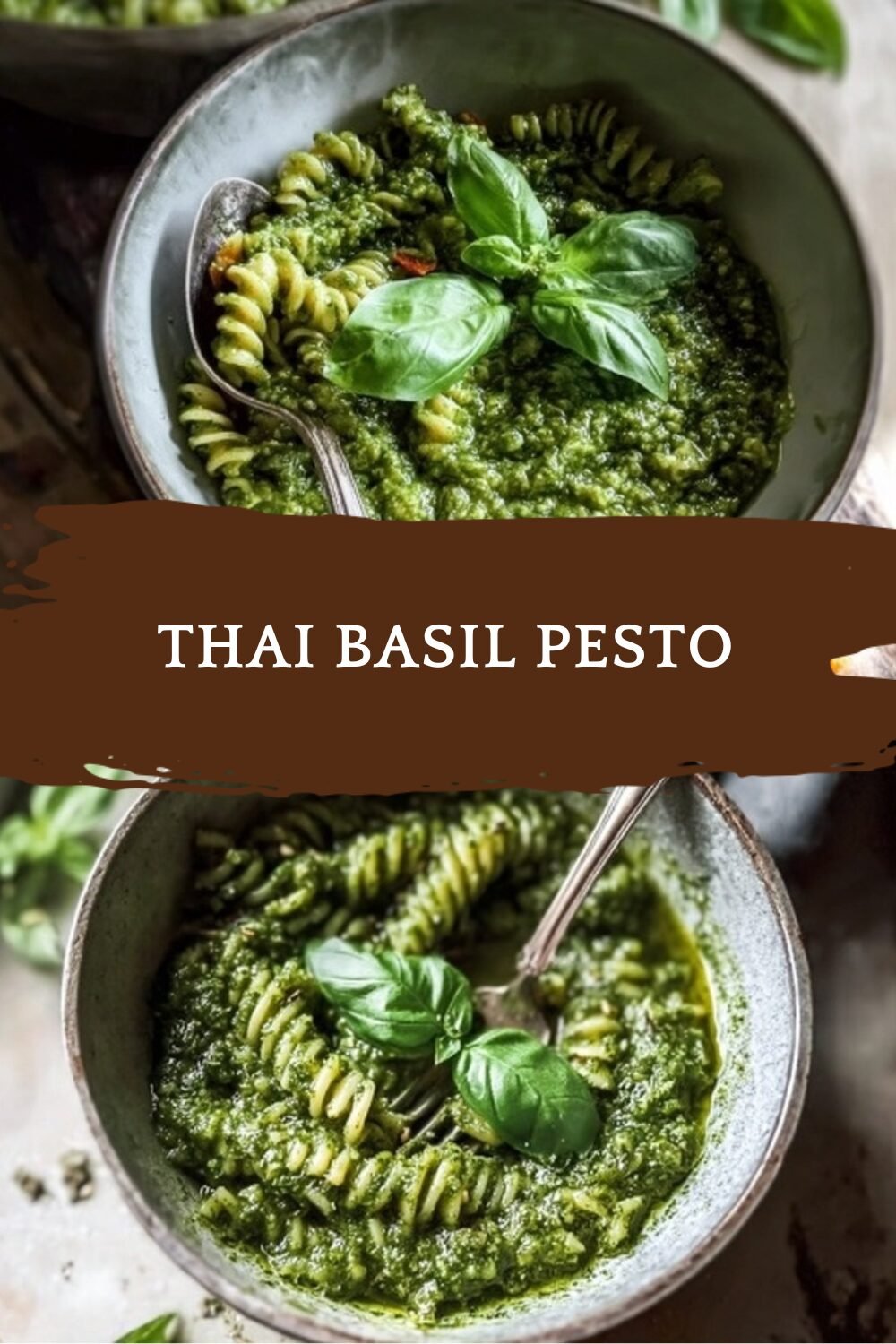
Thai Basil Pesto brings a bold, fresh, and slightly spicy spin to classic pesto, and it is one of those sauces that feels special without asking much from you in the kitchen. If you like fast recipes that still taste exciting, this Thai basil pesto recipe is a great one to keep in your back pocket.
- Easy to make: You only need a handful of simple ingredients and a blender or food processor. In about 10 minutes, you can have a sauce ready for pasta, noodles, sandwiches, or grilled proteins.
- Good for everyday cooking: Thai basil, garlic, peanuts, and lime bring fresh flavor without needing heavy cream or complicated steps. It fits well into busy weeknight meals, lunch prep, and last-minute dinners.
- Flexible for many diets: You can use olive oil or sesame oil, sea salt or soy sauce, and adjust the heat to your liking. It works for diet-conscious cooks, busy parents, students, and anyone who likes easy meals.
- Big flavor with a Thai twist: The mix of Thai basil, chilli flakes, rice wine vinegar, and lime gives this Thai twist on pesto a bright, savory, slightly spicy taste that stands out from regular basil pesto.
Tip: If you have never tried Thai basil before, this is a fun first recipe because the flavor feels familiar and new at the same time.
For more herb-based inspiration, you may also like this guide to the health benefits of basil.
Jump to:
- Why You’ll Love This Thai Basil Pesto
- Essential Ingredients for Thai Basil Pesto
- Structured ingredient list
- Special dietary options
- How to Prepare the Perfect Thai Basil Pesto: Step-by-Step Guide
- First Step: Gather and prep everything
- Second Step: Add the solid ingredients to the blender
- Third Step: Stream in the oil
- Fourth Step: Add lime juice and taste
- Final Step: Serve or store
- Dietary Substitutions to Customize Your Thai Basil Pesto
- Protein and main component alternatives
- Vegetable, sauce, and seasoning modifications
- Mastering Thai Basil Pesto: Advanced Tips and Variations
- Pro cooking techniques
- Flavor variations
- Presentation tips
- Make-ahead options
- How to Store Thai Basil Pesto: Best Practices
- Refrigeration
- Freezing
- Reheating
- Meal prep considerations
- FAQs: Frequently Asked Questions About Thai Basil Pesto
- What is Thai basil pesto?
- What’s the difference between Thai basil and regular basil?
- How do you make Thai basil pesto at home?
- Can you use regular basil instead of Thai basil in pesto?
- How long does Thai basil pesto last and how do you store it?
- Thai Basil Pesto
- Ingredients
- Instructions
- Last Step:
- Notes
- Nutrition
- Did you make this recipe?
Essential Ingredients for Thai Basil Pesto
This Thai basil recipe uses pantry-friendly ingredients that bring freshness, crunch, heat, and balance. Each one has a job to do, so it is worth measuring them out before you start.
| Ingredient | Amount | Why It Matters |
|---|---|---|
| Thai basil leaves | 2 cups, packed, washed, and dried | Gives the pesto its signature sweet, peppery, slightly licorice-like flavor. |
| Cashew nuts | 2 tablespoons, roasted and unsalted | Adds creaminess and helps make the sauce smooth. |
| Peanuts | 2 tablespoons, roasted and unsalted | Brings nutty depth and a more Southeast Asian feel. |
| Garlic | 2 cloves, crushed | Creates a strong savory base and adds bite. |
| Chilli flakes | 1/2 teaspoon | Offers gentle heat that balances the sweet and tangy notes. |
| Olive oil or sesame oil | 60 milliliters | Helps the pesto blend smoothly and carry flavor. |
| Sea salt or soya sauce or tamari | 1/2 teaspoon sea salt or 1 teaspoon soya sauce or tamari | Adds savory seasoning and rounds out the pesto. |
| Rice wine vinegar | 1 teaspoon | Gives brightness and a light tang. |
| Caster sugar | 1 teaspoon | Softens the sharp edges and balances the lime and vinegar. |
| Lime juice | Juice from 1/2 lime, to taste | Brings freshness and a zesty finish. |
Structured ingredient list
- 2 cups Thai basil leaves, packed, washed, and dried
- 2 tablespoons cashew nuts, roasted and unsalted
- 2 tablespoons peanuts, roasted and unsalted
- 2 garlic cloves, crushed
- 1/2 teaspoon chilli flakes
- 60 milliliters olive oil or sesame oil
- 1/2 teaspoon sea salt or 1 teaspoon soya sauce or tamari
- 1 teaspoon rice wine vinegar
- 1 teaspoon caster sugar
- Juice from 1/2 lime, to taste
Special dietary options
- Vegan: This recipe is naturally vegan when you use sea salt or tamari and keep the ingredients plant-based.
- Gluten-free: Use tamari instead of regular soy sauce if needed, and check that your vinegar is gluten-free.
- Low-calorie: Use a little less oil and add a spoonful of water while blending if you want a lighter sauce.
How to Prepare the Perfect Thai Basil Pesto: Step-by-Step Guide
First Step: Gather and prep everything
Start by washing and drying the Thai basil leaves well. This matters because extra water can make the pesto thin and dull. Measure out the cashew nuts, peanuts, garlic, chilli flakes, oil, salt or soy, rice wine vinegar, caster sugar, and lime juice before you begin.
If you are toasting the nuts yourself, do it in a dry pan over medium heat for 2 to 3 minutes, just until they smell nutty. Let them cool for a few minutes before blending. Toasting gives the sauce a deeper flavor, but it is still tasty if you use ready-roasted nuts straight from the bag.
Second Step: Add the solid ingredients to the blender
Place the Thai basil leaves, cashew nuts, peanuts, crushed garlic, chilli flakes, salt or soy sauce, rice wine vinegar, and caster sugar into a food processor or small blender. If you like a stronger garlic note, you can rub the garlic with the side of your knife first to release more of its flavor.
Pulse a few times before adding the oil. This helps the blades catch the leaves and nuts evenly. Scrape down the sides if needed so everything gets chopped in a more even way.
Third Step: Stream in the oil
With the blender running, slowly pour in the 60 milliliters of olive oil or sesame oil. Add it in a steady stream so the mixture emulsifies and turns glossy. If the pesto seems too thick, add a small splash of water or a little more oil, one teaspoon at a time.
Keep blending until the sauce looks coarse or smooth, depending on the texture you want. Some people like a rustic pesto with small bits of nut and basil. Others prefer a silky sauce that coats noodles more evenly. Both are good, so go with your own taste.
Fourth Step: Add lime juice and taste
Now squeeze in the juice from half a lime and blend again. Taste the pesto and check the balance. If it feels too sharp, add a tiny bit more sugar. If it needs more punch, add a little more lime juice or a small pinch of salt.
This is the point where the sauce really turns into a Thai basil pesto sauce. The lime makes it bright, the vinegar adds lift, and the chilli flakes give it a gentle kick. If you want more heat, you can add a few extra flakes, but do it slowly so it does not overpower the herbs.
Final Step: Serve or store
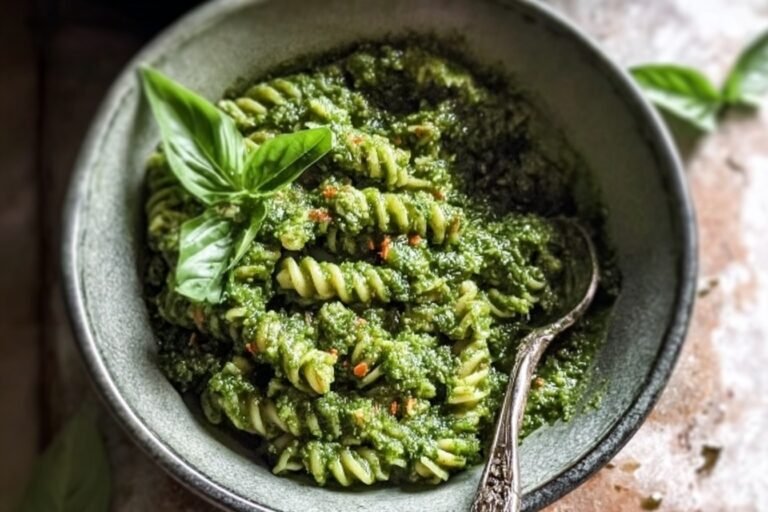
Use the pesto right away, or move it to a clean jar. It works beautifully tossed through noodles, spooned over rice bowls, spread inside wraps, or served with grilled chicken, shrimp, tofu, or roasted vegetables. For a simple meal, stir some into hot pasta and add a splash of cooking water to help it coat the noodles.
If you are serving this for the first time, start with a small spoonful, then add more after tasting. Thai basil pesto is bold, so a little goes a long way.
For more ideas on growing and cooking with herbs, visit this useful guide from Urban Leaf’s Thai basil growing tips.

Dietary Substitutions to Customize Your Thai Basil Pesto
Protein and main component alternatives
Thai Basil Pesto is already flexible, but you can still adjust it for what you have at home or what your diet needs. If peanuts are not an option, swap them with sunflower seeds or pumpkin seeds for a nut-free version. Cashews can also be replaced with more peanuts, pine nuts, or even almonds if that is what is in your cupboard.
For a richer sauce, some cooks like to add a spoonful of grated Parmesan, though that changes the flavor away from a fully Thai-style version. If you want to keep it plant-based, skip the cheese and let the nuts and basil do all the work. For protein pairings, try tofu, tempeh, chicken, shrimp, salmon, or even boiled eggs on top of rice bowls.
Vegetable, sauce, and seasoning modifications
You can make this Thai pesto milder by cutting the chilli flakes in half. If you want a brighter finish, add extra lime juice. If you prefer more savory depth, use tamari instead of sea salt. Sesame oil gives the sauce a warm, toasty flavor, while olive oil keeps it cleaner and more mellow.
Fresh herbs can also help stretch the recipe. A handful of cilantro or mint works well with Thai basil if you want more freshness. If Thai basil is hard to find, use regular basil in a pinch, but expect a gentler flavor. The result will still be a tasty basil pesto, just with less of that bold Southeast Asian edge.
Mastering Thai Basil Pesto: Advanced Tips and Variations
Pro cooking techniques
For the best flavor, use basil leaves that are fully dry. Wet leaves can water down the sauce and make it spoil faster. Another good trick is to pulse the ingredients instead of blending nonstop at first. That keeps the basil from turning too dark and gives you more control over texture.
Grinding the garlic with the salt first can also help create a smoother base. If you like a stronger nut flavor, toast the cashews and peanuts in a dry skillet until lightly golden. This tiny step adds a lot of depth to the final sauce.
Flavor variations
If you want to play around with this Thai basil pesto recipe, try adding a little ginger for a brighter bite or a spoonful of lemongrass paste for a more aromatic finish. You can also swap part of the oil for sesame oil if you want a warmer, nutty note. A few extra chilli flakes can take it from gentle heat to a more lively sauce.
Another nice variation is to add a splash of coconut milk when using the pesto for noodles. That makes the sauce a little softer and creamier. It works especially well with rice noodles, stir-fried vegetables, or grilled prawns.
Presentation tips
Spoon the pesto into a small bowl and finish it with a drizzle of oil on top. A few extra chopped peanuts or a basil leaf on the surface makes it look fresh and inviting. If you are serving it with pasta, thin it with a little reserved pasta water so it coats the noodles in a shiny layer.
This sauce also looks lovely in a meal prep bowl with rice, cucumber, shredded carrots, and protein. Bright green pesto instantly makes a simple plate feel more interesting and colorful.
Make-ahead options
You can make this sauce earlier in the day or even a few days ahead. It is a smart choice for working professionals, students, and parents who need quick meals later in the week. Make a double batch, then use some for dinner and save the rest for lunch boxes or wraps.
If you are planning ahead, portion the pesto into small containers so you can grab only what you need. That way, nothing gets wasted and weeknight cooking stays easy.
How to Store Thai Basil Pesto: Best Practices
Refrigeration
Store Thai Basil Pesto in an airtight container in the fridge for 5 to 7 days. Press a piece of plastic wrap directly onto the surface before sealing the lid to help slow browning. You can also pour a thin layer of oil over the top for extra protection.
Freezing
For longer storage, freeze the pesto in ice cube trays or small freezer-safe containers. Once frozen, pop the cubes into a zip-top bag and label them with the date. This is one of the easiest ways to keep a quick sauce ready for future meals.
Reheating
You do not need to heat pesto on its own. If you are using it with pasta, noodles, or vegetables, stir it into warm food after cooking. That keeps the basil flavor fresh and stops the herbs from tasting flat.
Meal prep considerations
Portion the pesto into 1 to 2 tablespoon amounts if you like packing lunch bowls or fast dinners. That makes it simple to grab just what you need. For a busy week, freeze several small portions so you can thaw only one serving at a time.
FAQs: Frequently Asked Questions About Thai Basil Pesto
What is Thai basil pesto?
What’s the difference between Thai basil and regular basil?
How do you make Thai basil pesto at home?
Can you use regular basil instead of Thai basil in pesto?
How long does Thai basil pesto last and how do you store it?
Thai Basil Pesto
🌿 Savor the fresh, vibrant flavors of Thai basil fused with classic pesto for an exotic, nutrient-packed sauce!
🍜 Transform your meals with this quick, versatile condiment perfect for pasta, rice bowls, or as a marinade – bold and irresistible!
- Total Time: 15 minutes
- Yield: 1 cup (about 8 servings)
Ingredients
– 2 cups, packed, washed, and dried Thai basil leaves for signature sweet, peppery, slightly licorice-like flavor
– 2 tablespoons, roasted and unsalted cashew nuts for creaminess and smooth sauce
– 2 tablespoons, roasted and unsalted peanuts for nutty depth and Southeast Asian feel
– 2 cloves, crushed garlic for strong savory base and bite
– 1/2 teaspoon chilli flakes for gentle heat balancing sweet and tangy notes
– 60 milliliters olive oil or sesame oil for smooth blending and carrying flavor
– 1/2 teaspoon sea salt or 1 teaspoon soya sauce or tamari for savory seasoning and rounding out the pesto
– 1 teaspoon rice wine vinegar for brightness and light tang
– 1 teaspoon caster sugar for softening sharp edges and balancing lime and vinegar
– Juice from 1/2 lime, to taste lime juice for freshness and zesty finish
Instructions
1-First Step: Gather and prep everything Start by washing and drying the Thai basil leaves well. This matters because extra water can make the pesto thin and dull. Measure out the cashew nuts, peanuts, garlic, chilli flakes, oil, salt or soy, rice wine vinegar, caster sugar, and lime juice before you begin. If you are toasting the nuts yourself, do it in a dry pan over medium heat for 2 to 3 minutes, just until they smell nutty. Let them cool for a few minutes before blending. Toasting gives the sauce a deeper flavor, but it is still tasty if you use ready-roasted nuts straight from the bag.
2-Second Step: Add the solid ingredients to the blender Place the Thai basil leaves, cashew nuts, peanuts, crushed garlic, chilli flakes, salt or soy sauce, rice wine vinegar, and caster sugar into a food processor or small blender. If you like a stronger garlic note, you can rub the garlic with the side of your knife first to release more of its flavor. Pulse a few times before adding the oil. This helps the blades catch the leaves and nuts evenly. Scrape down the sides if needed so everything gets chopped in a more even way.
3-Third Step: Stream in the oil With the blender running, slowly pour in the 60 milliliters of olive oil or sesame oil. Add it in a steady stream so the mixture emulsifies and turns glossy. If the pesto seems too thick, add a small splash of water or a little more oil, one teaspoon at a time. Keep blending until the sauce looks coarse or smooth, depending on the texture you want. Some people like a rustic pesto with small bits of nut and basil. Others prefer a silky sauce that coats noodles more evenly. Both are good, so go with your own taste.
4-Fourth Step: Add lime juice and taste Now squeeze in the juice from half a lime and blend again. Taste the pesto and check the balance. If it feels too sharp, add a tiny bit more sugar. If it needs more punch, add a little more lime juice or a small pinch of salt. This is the point where the sauce really turns into a Thai basil pesto sauce. The lime makes it bright, the vinegar adds lift, and the chilli flakes give it a gentle kick. If you want more heat, you can add a few extra flakes, but do it slowly so it does not overpower the herbs.
5-Final Step: Serve or store Use the pesto right away, or move it to a clean jar. It works beautifully tossed through noodles, spooned over rice bowls, spread inside wraps, or served with grilled chicken, shrimp, tofu, or roasted vegetables. For a simple meal, stir some into hot pasta and add a splash of cooking water to help it coat the noodles. If you are serving this for the first time, start with a small spoonful, then add more after tasting. Thai basil pesto is bold, so a little goes a long way.
Last Step:
Please leave a rating and comment letting us know how you liked this recipe! This helps our business to thrive and continue providing free, high-quality recipes for you.Notes
💡 Use sesame oil and tamari for a more authentic Thai flavor profile.
🌿 Always use fresh Thai basil for maximum aroma and vibrant green color.
🔥 Customize the heat by adjusting chili flakes – start mild and add more to taste.
- Prep Time: 10 minutes
- Cook Time: 5 minutes
- Category: Sauces & Condiments
- Method: Blending
- Cuisine: Thai-Italian Fusion
- Diet: Vegan
Nutrition
- Serving Size: 2 tablespoons
- Calories: 180 kcal
- Sugar: 1 g
- Sodium: 150 mg
- Fat: 18 g
- Saturated Fat: 3 g
- Unsaturated Fat: 14 g
- Trans Fat: 0 g
- Carbohydrates: 3 g
- Fiber: 1 g
- Protein: 3 g
- Cholesterol: 0 mg