
Healthy Pina Colada Protein Smoothie
If you’re looking to bring a little island sunshine into your kitchen without the blender full of added sugar or a trip to the beach, this Tropical Almond Colada Smoothie is exactly what you need. I first threw this together on a hectic Tuesday morning when my kids were asking for something “fancy” and I needed a post workout pick me up that actually filled me up. The result was this creamy, naturally sweet piña colada inspired shake that got a thumbs up from the entire family. It captures all the tropical flavor of a classic piña colada but replaces the rum and sugary mixes with whole fruit and a clever protein boost. Bananas, pineapple, and coconut milk create a non alcoholic treat that is naturally sweetened, dairy free in its base, and completely kid friendly. It is one of those rare recipes that feels like a mini vacation while sneaking in extra fruit and protein for the day. Whether you call it a Pina Colada Protein Shake or a tropical almond colada smoothie, the flavor is pure sunshine.
Jump to:
- Healthy Pina Colada Protein Smoothie
- Why We Love This Tropical Drink
- Ingredient Notes
- Step by Step Instructions
- Expert Tips for the Best Taste
- Blending Tips
- Storage Guidelines
- Recipe FAQs
- What is a tropical almond colada smoothie?
- How do you make a tropical almond colada smoothie?
- Is a tropical almond colada smoothie healthy?
- Can you make a vegan tropical almond colada smoothie?
- How much protein is in a tropical almond colada smoothie?
- Can you freeze a tropical almond colada smoothie?
- Protein Powder Alternatives
- Serving Suggestions
- Recipe Variations
Why We Love This Tropical Drink
There are about a dozen reasons this smoothie has become a weekly staple for my family, but let me narrow it down to the ones that matter most when you are juggling soccer practice, a work deadline, and a growling stomach. First, it uses only four simple ingredients, plus an optional protein powder. That means the grocery list is short and you probably already have most of them. Second, from gathering ingredients to the first sip, you are looking at just five minutes. That speed makes it a realistic breakfast option on busy mornings. Third, there is absolutely no added sugar. The banana and pineapple do all the sweetening naturally, so you avoid the sugar crash that comes with store bought smoothies. Fourth, this drink delivers a solid nutritional punch: it is a source of fiber, vitamin C, vitamin A, manganese, and potassium. Finally, each serving packs around 16 grams of protein, which is enough to turn a simple drink into a portable breakfast or a satisfying post workout recovery shake. For anyone trying to hit their protein goals without protein powder, the cottage cheese alone does heavy lifting. It is a thick, creamy, and refreshing drink that travels well in a sealed mason jar for the car ride to school drop off.
Ingredient Notes
Every ingredient in this smoothie does more than just take up space in the blender. Understanding why each one is there helps you customize it to your taste or work with what you have on hand.

- Frozen pineapple chunks: These are the true workhorse for texture. Frozen pineapple keeps the smoothie thick and frosty without watering it down like ice. Fresh pineapple works in a pinch, and well drained canned pineapple chunks are a decent backup. Just know that fresh fruit will yield a thinner shake.
- Overripe banana: The spottier the peel, the sweeter the drink. An overripe banana provides a creamy base and eliminates the need for any added sweetener. If your banana is still yellow, you can use it, but you might miss a bit of natural sweetness. You can even slice and freeze an overripe banana ahead of time for an even thicker result.
- Unsweetened coconut milk: I highly recommend the beverage style carton coconut milk rather than the canned variety for everyday blending. It has a lighter consistency and a mild coconut flavor that lets the pineapple shine. If you prefer an extra rich and creamy texture, light canned coconut milk is an alternative, though it will bump up the fat content. Always choose unsweetened to keep added sugars out.
- Cottage cheese: This might be the ingredient that raises an eyebrow, but trust me, it disappears into the blended tropical fruit, leaving behind only a silky, milkshake like creaminess and a generous amount of protein. Low fat and full fat cottage cheese both work beautifully. If the texture of cottage cheese usually bothers you, blending it completely into the smoothie is the perfect workaround.
- Protein powder (optional): Vanilla or unflavored protein powder turns this from a refreshing drink into a more substantial meal. Whey protein blends nicely, but any plant based protein powder will do the job. If you skip it, the cottage cheese still gives you a respectable amount of protein, so you will not be missing out entirely.
| Ingredient | Role in the Smoothie | Easy Substitution |
|---|---|---|
| Frozen pineapple chunks | Thickens and chills, adds tropical tang | Fresh pineapple or drained canned chunks |
| Overripe banana | Natural sweetener and creaminess | Frozen banana slices (no added sweetener needed) |
| Unsweetened coconut milk | Liquid base, coconut flavor | Light canned coconut milk or unsweetened almond milk |
| Cottage cheese | Protein and rich texture | Plain Greek yogurt or silken tofu (vegan) |
| Protein powder | Extra protein boost | Omit or use collagen peptides |
Step by Step Instructions
Making this smoothie is almost as simple as pouring a glass of juice, but a few small steps will help you get that perfectly smooth, ice cream like consistency. I use my high speed blender for this, and it makes a world of difference in how quickly the frozen pineapple breaks down.
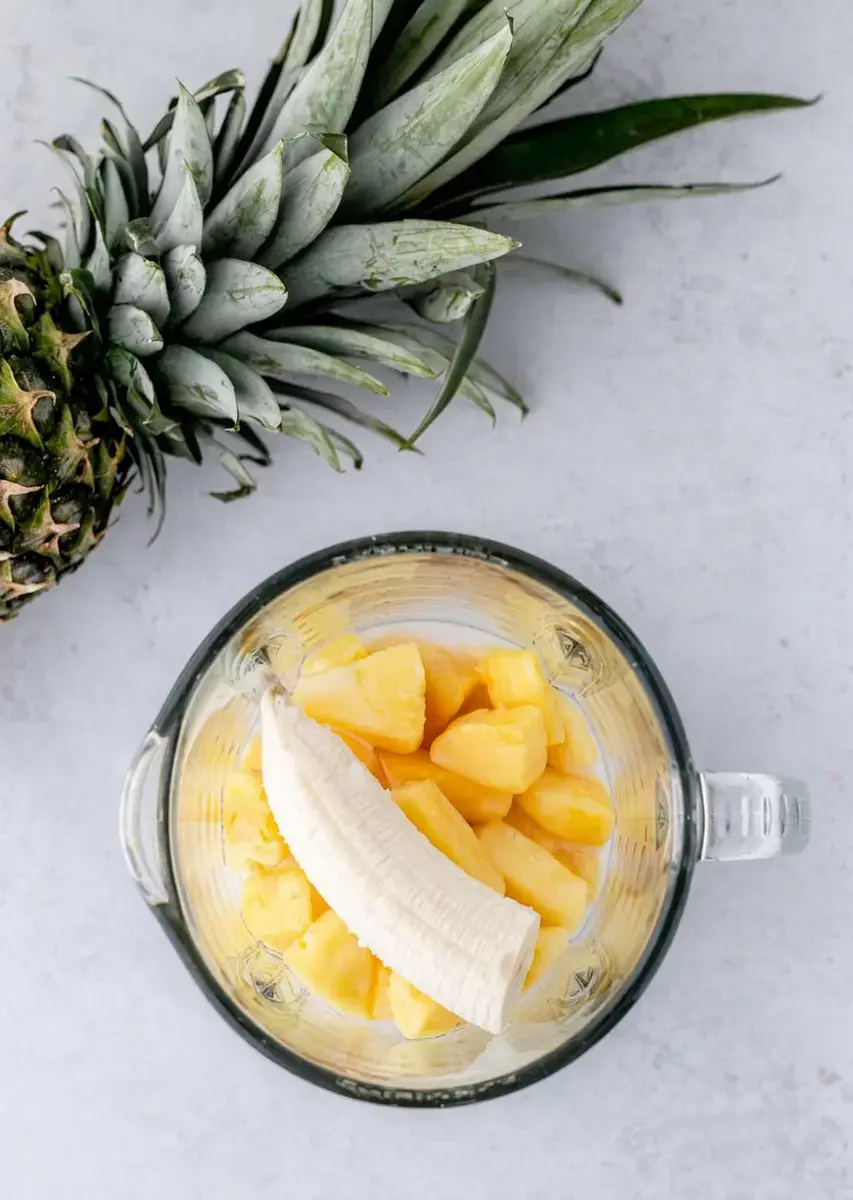
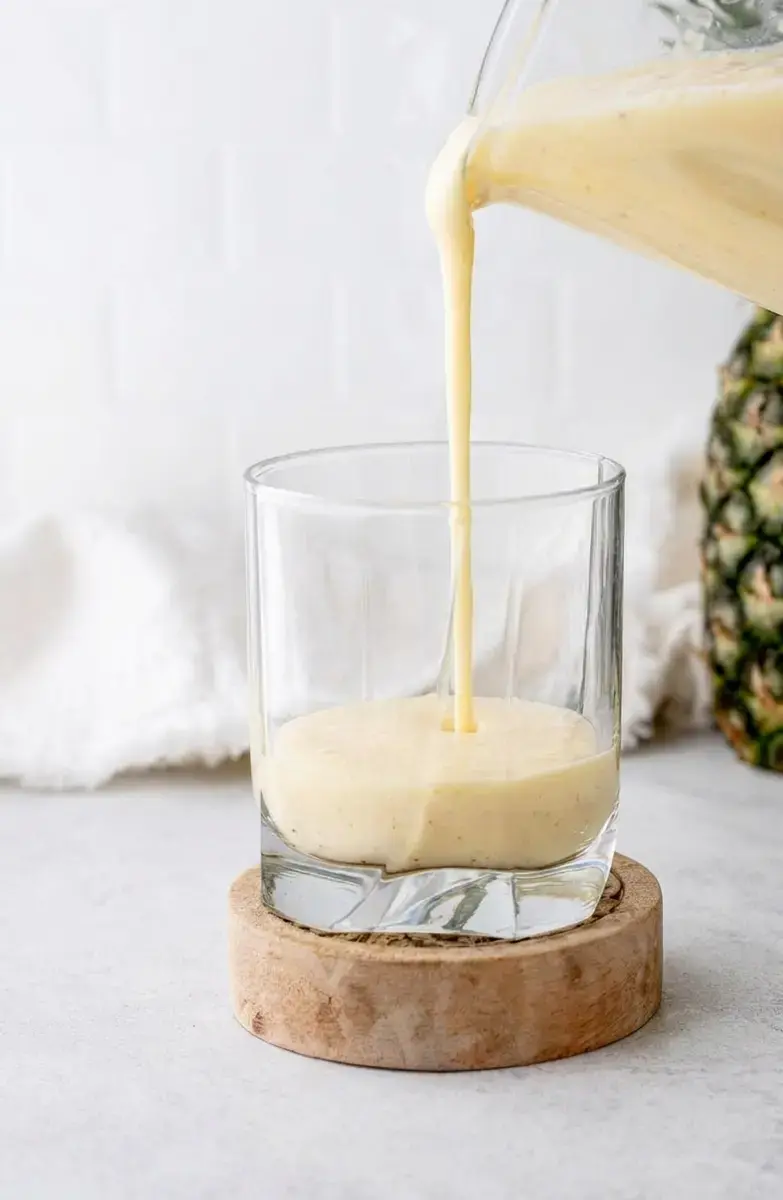
- Add all ingredients to a high power blender. Start with the 1 1/4 cups unsweetened coconut milk, then the 2 cups frozen pineapple chunks, the 1 medium overripe banana cut into smaller chunks, 1 cup cottage cheese, and the optional 1/4 cup protein powder.
- Gradually turn the blender up to high speed. Start on low to get the mixture moving, then increase to high. This prevents the motor from straining and helps everything incorporate evenly.
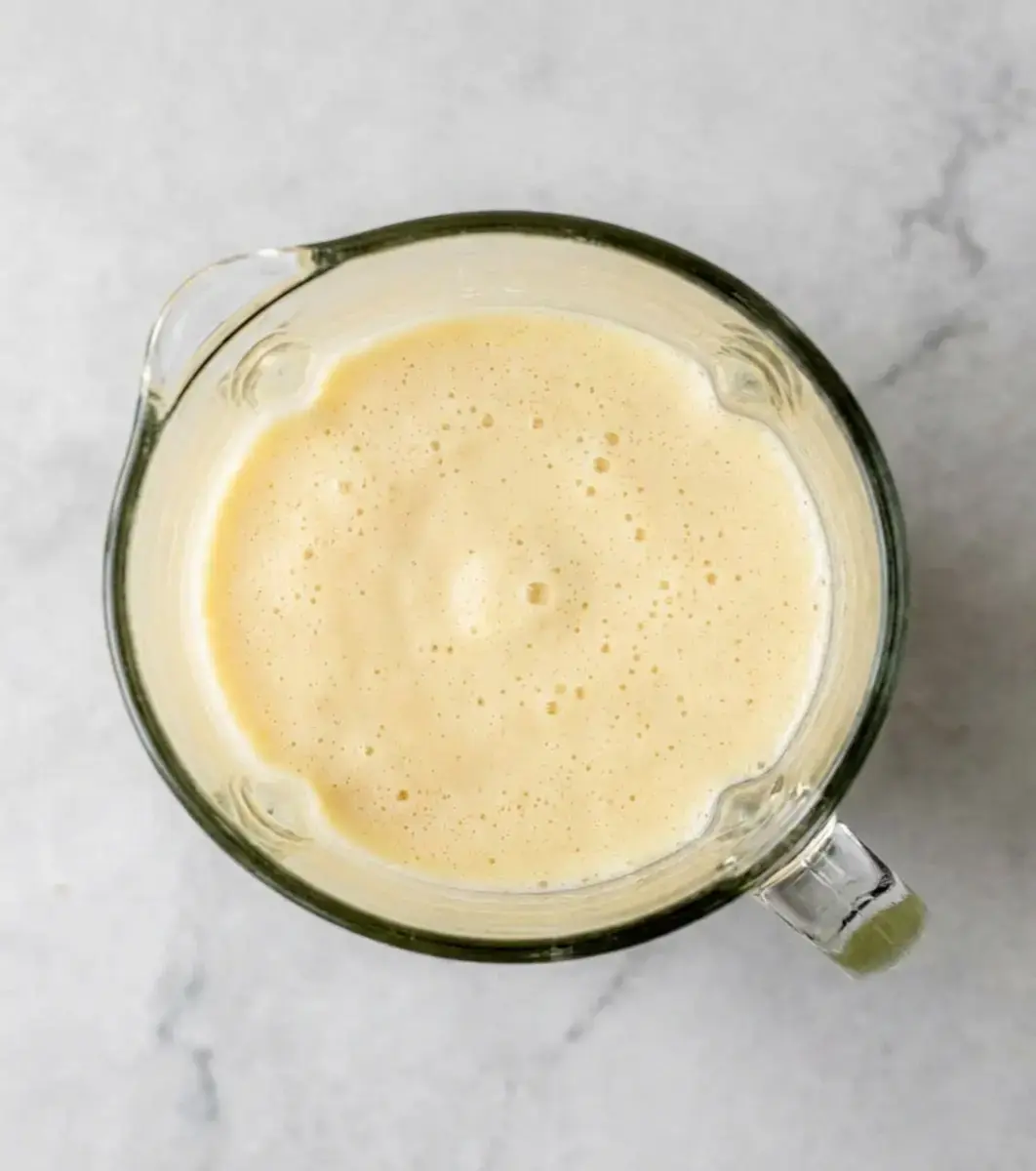
- Blend until smooth and creamy. Keep blending until no frozen fruit chunks remain and the shake looks uniformly thick. This usually takes 30 to 60 seconds in a powerful blender. If the mixture seems too thick and the blades are spinning without grabbing, stop the blender and scrape down the sides with a spatula, or add a splash more coconut milk.
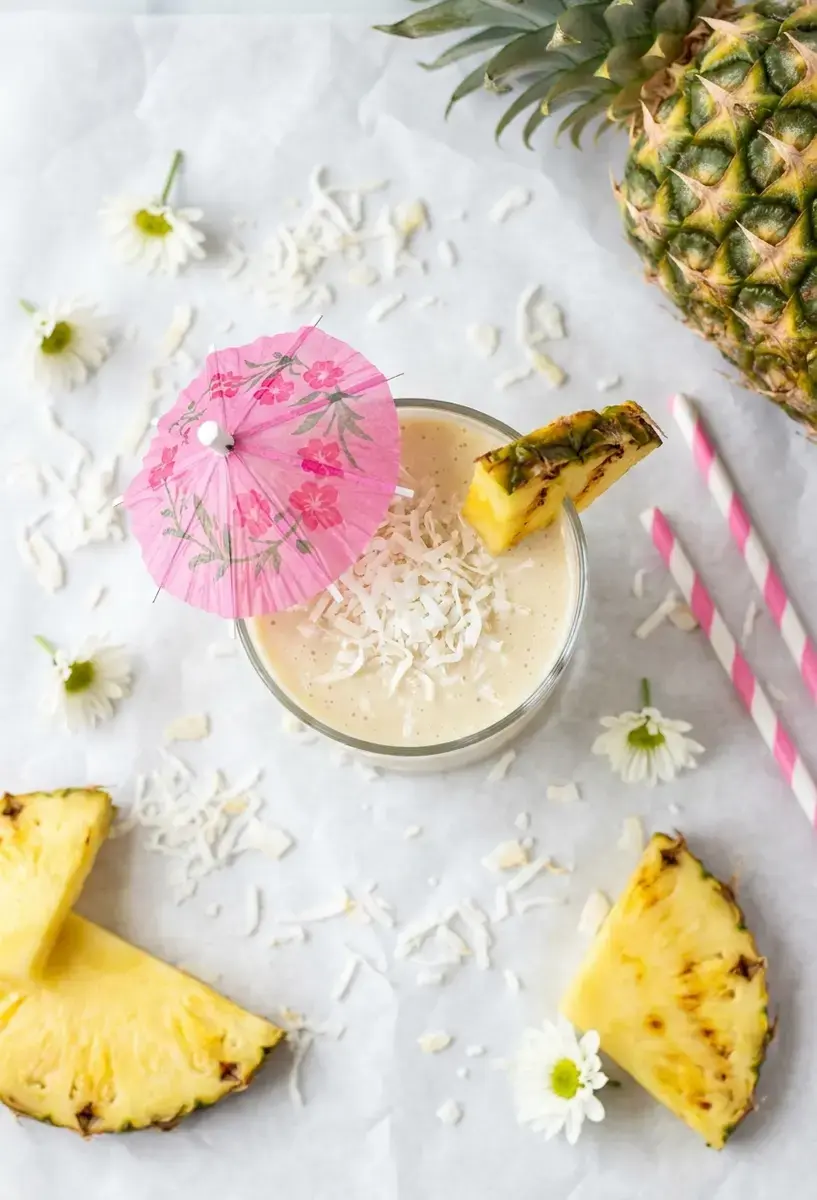
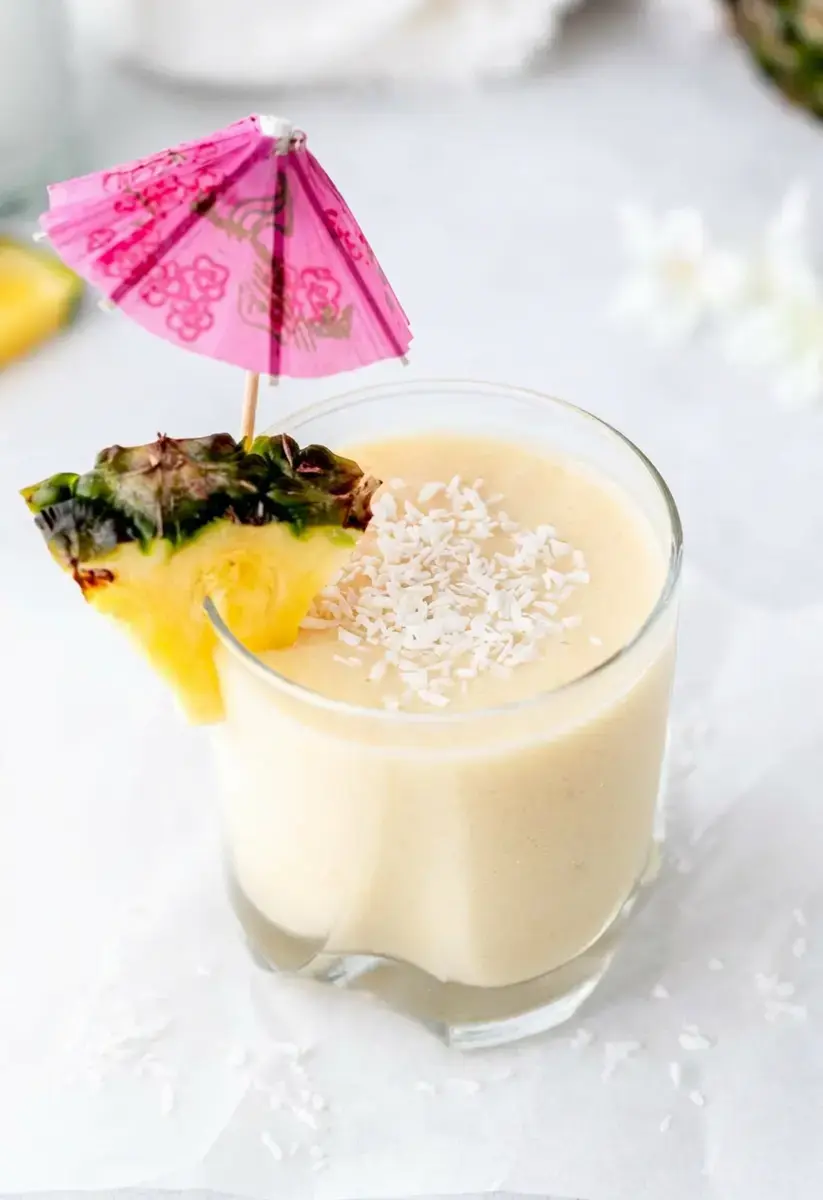
- Serve immediately or store for later. Pour into three glasses, top with a sprinkle of unsweetened shredded coconut if you like, and enjoy straight away. The smoothie can be refrigerated if needed, but it truly shines in its first few minutes after blending.
Expert Tips for the Best Taste
Use frozen pineapple chunks every single time. They are the secret to a thick, refreshing texture that mimics the classic piña colada mouthfeel without needing ice.
After testing this recipe more times than I can count, I have settled on a few non negotiable tips. Frozen pineapple chunks are the backbone of that frosty, vacation in a glass consistency. If you only have fresh pineapple, I highly recommend cutting it into chunks and freezing them on a sheet pan for at least two hours before blending. When it comes to the banana, overripe is best. Those brown spots indicate the starches have converted to natural sugars, so your smoothie tastes sweet without a drop of honey or syrup. If you want an even thicker shake, you can use a frozen banana, but be sure to cut it into smaller chunks first so your blender can handle it. Though the recipe itself is no added sugar, I know some palates prefer a touch more sweetness. That depends entirely on how ripe your fruit is, so taste the blended mixture before pouring it out. The goal is to celebrate the fruit’s own sweetness and let the nutty, creamy background from the coconut milk and cottage cheese balance it all out.
Blending Tips
The blender you use and the order you add ingredients can make the difference between a lumpy frustration and a silky dream. I use a Ninja blender, and the stacking order matters there. For standing blenders where the blade is at the bottom, pour the coconut milk in first so it sits right against the blade and helps pull the frozen fruit down.
If you are using an inverted blender like a Ninja or Magic Bullet, add the coconut milk last, so it ends up near the blade when you flip the cup. A high speed blender is ideal for frozen fruit, but if yours is a bit older or less powerful, let the frozen pineapple and banana sit at room temperature for about 10 minutes before blending to soften slightly. If the smoothie simply refuses to blend smoothly and the blades seem stuck, add a tablespoon or two of extra coconut milk at a time until the mixture loosens up. And for lower power blenders, add the frozen fruit in smaller batches to avoid burning out the motor.
Storage Guidelines
While this smoothie is at its peak right out of the blender, I understand that making it once and enjoying it multiple times is the busy parent dream. You can store the blended shake covered tightly in the refrigerator for up to two days. Just know that the texture and taste will decline after a few hours as the pineapple enzymes start to work and separation happens naturally. A quick stir or a few pulses in the blender can revive it somewhat. If you find yourself with leftovers and a hot day ahead, I highly recommend pouring the extra smoothie into popsicle molds and freezing them until solid. My kids go crazy for these tropical popsicles on summer mornings, and it feels like a clever breakfast win. When served fresh, the frozen pineapple keeps the shake extra creamy and thick, so I always aim to blend only what we will drink right away whenever possible.
Recipe FAQs
It is a creamy, non alcoholic smoothie inspired by the classic piña colada. Instead of rum and sugary mixes, this version uses coconut milk, pineapple, banana, and cottage cheese for a protein boost. The result is often called a Pina Colada Protein Shake, delivering all the tropical flavor with a fraction of the calories and a satisfying amount of protein.
“,”visible”:true},{“id”:”faq question 1784028021265 1″,”title”:”How do you make a tropical almond colada smoothie?”,”content”:”
Combine 1 1/4 cups unsweetened coconut milk, 2 cups frozen pineapple chunks, 1 medium overripe banana (cut into pieces), 1 cup cottage cheese, and an optional 1/4 cup vanilla or unflavored protein powder in a high power blender. Blend until smooth and creamy, about 30 to 60 seconds. Serve immediately in three glasses.
“,”visible”:true},{“id”:”faq question 1784028021265 2″,”title”:”Is a tropical almond colada smoothie healthy?”,”content”:”
Yes. When made with the optional protein powder, each serving contains approximately 209 calories, 30 grams of carbohydrates, 18 grams of protein, 3 grams of fat, 3 grams of fiber, and 21 grams of sugar. It supplies protein from cottage cheese and optional powder, and the sweetness comes only from whole fruit. The coconut milk and protein also help balance blood sugar compared to a sugar laden cocktail.
“,”visible”:true},{“id”:”faq question 1784028021265 3″,”title”:”Can you make a vegan tropical almond colada smoothie?”,”content”:”
The base recipe is not vegan because it contains cottage cheese. For a vegan version, substitute the cottage cheese with an equal amount of silken tofu or a thick plant based yogurt. Use a vegan protein powder if desired. The key ingredients (coconut milk, pineapple, and banana) are already plant based, so the tropical taste stays intact.
“,”visible”:true},{“id”:”faq question 1784028021265 4″,”title”:”How much protein is in a tropical almond colada smoothie?”,”content”:”
When made with the optional 1/4 cup protein powder, each of the three servings provides 18 grams of protein. If you choose to skip the protein powder, the cottage cheese still contributes about 14 grams of protein per cup, which works out to roughly 5 to 7 grams per serving depending on the exact blend.
“,”visible”:true},{“id”:”faq question 1784028021265 5″,”title”:”Can you freeze a tropical almond colada smoothie?”,”content”:”
It is best served fresh for the creamiest texture. If you need to freeze leftovers, pour the smoothie into an airtight container and freeze for up to one month. Thaw in the refrigerator and give it a quick re blend with a splash of coconut milk to restore the creamy consistency. The popsicle mold method outlined in the storage guidelines is actually the tastiest way to freeze any extra.
“,”visible”:true}]}, >
What is a tropical almond colada smoothie?
It is a creamy, non alcoholic smoothie inspired by the classic piña colada. Instead of rum and sugary mixes, this version uses coconut milk, pineapple, banana, and cottage cheese for a protein boost. The result is often called a Pina Colada Protein Shake, delivering all the tropical flavor with a fraction of the calories and a satisfying amount of protein.
How do you make a tropical almond colada smoothie?
Combine 1 1/4 cups unsweetened coconut milk, 2 cups frozen pineapple chunks, 1 medium overripe banana (cut into pieces), 1 cup cottage cheese, and an optional 1/4 cup vanilla or unflavored protein powder in a high power blender. Blend until smooth and creamy, about 30 to 60 seconds. Serve immediately in three glasses.
Is a tropical almond colada smoothie healthy?
Yes. When made with the optional protein powder, each serving contains approximately 209 calories, 30 grams of carbohydrates, 18 grams of protein, 3 grams of fat, 3 grams of fiber, and 21 grams of sugar. It supplies protein from cottage cheese and optional powder, and the sweetness comes only from whole fruit. The coconut milk and protein also help balance blood sugar compared to a sugar laden cocktail.
Can you make a vegan tropical almond colada smoothie?
The base recipe is not vegan because it contains cottage cheese. For a vegan version, substitute the cottage cheese with an equal amount of silken tofu or a thick plant based yogurt. Use a vegan protein powder if desired. The key ingredients (coconut milk, pineapple, and banana) are already plant based, so the tropical taste stays intact.
How much protein is in a tropical almond colada smoothie?
When made with the optional 1/4 cup protein powder, each of the three servings provides 18 grams of protein. If you choose to skip the protein powder, the cottage cheese still contributes about 14 grams of protein per cup, which works out to roughly 5 to 7 grams per serving depending on the exact blend.
Can you freeze a tropical almond colada smoothie?
It is best served fresh for the creamiest texture. If you need to freeze leftovers, pour the smoothie into an airtight container and freeze for up to one month. Thaw in the refrigerator and give it a quick re blend with a splash of coconut milk to restore the creamy consistency. The popsicle mold method outlined in the storage guidelines is actually the tastiest way to freeze any extra.
Protein Powder Alternatives
If you do not keep protein powder in your pantry or simply prefer to get your protein from whole foods, this smoothie is wonderfully flexible. I have tested it with all of these swaps, and each one delivers a different but still satisfying result.
- Greek yogurt: Swap the cottage cheese for plain or vanilla Greek yogurt. This keeps the protein high and adds a tangy note that pairs nicely with the pineapple. Use the same 1 cup measurement, and opt for plain to control sweetness.
- Cottage cheese (the original): The recipe already uses cottage cheese as its primary protein source, so even if you skip the powder altogether, you are still getting a smoothie with a solid nutritional profile. It is the perfect option for anyone avoiding protein supplements but still wanting a filling drink.
- Silken tofu: This is a fantastic plant based alternative. Silken tofu blends into a completely smooth, neutral background, and it contains a respectable amount of protein per serving. It is a great way to make the smoothie vegan while keeping the creamy mouthfeel.
Serving Suggestions
Each glass of this tropical almond colada smoothie supplies a nice balance of carbohydrates, healthy fats, protein, and fiber, which makes it suitable as a standalone breakfast or a fulfilling snack. I often pour it into a travel cup on mornings when I am rushing to a workout, and it sits perfectly as a pre workout drink that does not weigh me down. Post exercise, the protein and carbohydrates feel restorative. If you want to stretch the meal a little further, pair the smoothie with something high in fiber for longer satiety. My go to combos are a couple of healthy banana oatmeal waffles or a simple three ingredient banana oatmeal bar. And if you are a fan of all things tropical, be sure to check out our healthy pina colada smoothie recipe for another refreshing drink option with a different twist.
Recipe Variations
Once you have the basic formula down, this smoothie becomes a blank canvas for whatever you are craving. Here are six easy riffs that I keep on rotation.
- Sweeter shake: If your bananas were not as ripe as you hoped, add a drizzle of honey, maple syrup, or replace up to half of the coconut milk with unsweetened pineapple juice. This amps up the tropical punch without relying on plain sugar.
- Extra creamy: Stir in a spoonful of Greek yogurt or swirl in a splash of coconut cream from the top of a chilled can. This makes the smoothie almost dessert like.
- Fiber boost: Add a tablespoon of chia seeds or hemp hearts. Let the blended shake sit for a few minutes, and the chia seeds will plump up slightly, adding texture and a fiber boost that keeps you full longer.
- Hidden greens: Throw in a handful of baby spinach or kale. The fruit completely masks the color, and you will not taste the greens at all, which is a sneaky win for anyone who struggles to eat enough veggies.
- Stronger coconut flavor: A splash of pure coconut extract goes a long way. Just half a teaspoon intensifies the piña colada essence without adding sweetness.
- Tropical smoothie bowl: Reduce the coconut milk by a couple of tablespoons so the blend is extra thick, then pour it into a bowl and top with coconut flakes, fresh pineapple chunks, banana slices, and a sprinkle of hemp hearts. This is my kids’ favorite way to eat it with a spoon on a slow weekend morning.