19 Cast Iron Recipes for Camping
These 19 Cast Iron Recipes for Camping cover skillet breakfasts, one-pan dinners, pie-iron sandwiches, sides, bread, and campfire desserts. Cast iron holds heat well and can move from a camp stove to an approved fire setup, while pie irons create enclosed sandwiches and small pastries.
This page is a roundup, not a collection of 19 complete recipes. Each idea points to a separate source for its ingredients, quantities, cooking temperatures, and times. The notes below help you choose dishes and equipment without filling missing recipe details with guesses.

A skillet, pie iron, and foil packet do different jobs. A skillet provides an open cooking surface, a pie iron presses food between two hot plates, and a foil packet traps heat and steam. Select the method named by each full recipe rather than moving it to another tool without tested instructions.
Jump to:
- 19 Cast Iron Recipes for Camping
- Planning Cast Iron Meals at Camp
- 1. Ground Turkey Sweet Potato Skillet
- 2. Campfire Pizza Sandwiches
- 3. Italian Flatbread Breakfast Panini
- 4. Steak and Sweet Potato Hash
- 5. Best Ever Cast Iron Skillet Cornbread
- 6. Campfire Nachos
- 7. Cast Iron Skillet Potatoes
- 8. One-Pan Cheesy Skillet Spaghetti
- 9. Grilled Mexican Stuffed Peppers
- 10. Cast Iron Skillet Chicken Fajitas
- 11. Cowboy Sausages and Beans
- 12. Reuben Sandwich Made Over a Campfire
- 13. Pan-Roasted Frozen Corn
- 14. Campfire Bannock Bread
- 15. Pie Iron Recipes for Camping
- 16. Cast Iron Skillet Blackberry Crumble
- 17. Banana Split S’mores Dip
- 18. Raisin Bread Campfire Apple Pies
- 19. Cast Iron Skillet Blueberry Grunt
- Campfire and Cooler Safety
- Building a Practical Camping Menu
Planning Cast Iron Meals at Camp
Check local fire restrictions before building a menu around open flames. The National Park Service guide to cooking in camp recommends considering weight, bulk, spoilage, odors, available equipment, and whether a camp stove or fire will be used.
Practice with unfamiliar gear at home when possible. Pack heat-resistant gloves, long utensils, a stable lid lifter when required, and a safe surface for hot cookware. Cast iron remains dangerously hot after food is removed, so keep handles and pie irons outside children’s reach.
Group refrigerated ingredients by meal so the cooler is opened less often. Store raw meat securely below ready-to-eat food, and keep cheese, cooked grains, and prepared fillings cold. Select shelf-stable ideas when dependable cooling is not available.
Read each linked recipe before shopping. A title can reveal the cooking vessel or general dish, but it cannot establish precise quantities, allergens, fuel needs, or safe doneness. The 19 entries below preserve the source order and its stated level of detail.
1. Ground Turkey Sweet Potato Skillet
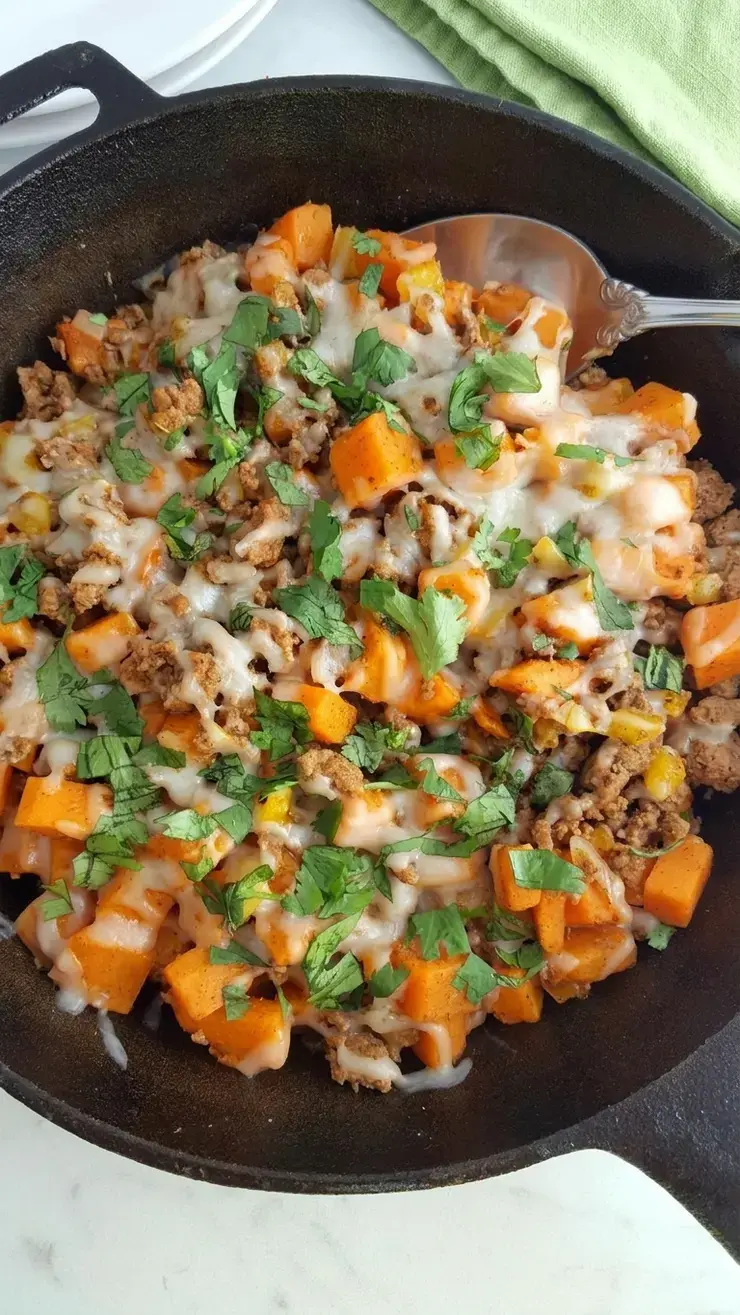
This one-pot campfire meal combines ground turkey and sweet potato in a cast iron skillet. The roundup describes it as gluten-free, but ingredient labels in the complete recipe remain the authority for that dietary claim. A single skillet can simplify cleanup and keep the meal centered over one heat source.
Ground turkey must be cooked safely, and sweet potato pieces need enough time to become tender. Consult the linked recipe for the cut size, seasonings, liquid, cooking order, and temperature rather than estimating them at camp.
2. Campfire Pizza Sandwiches
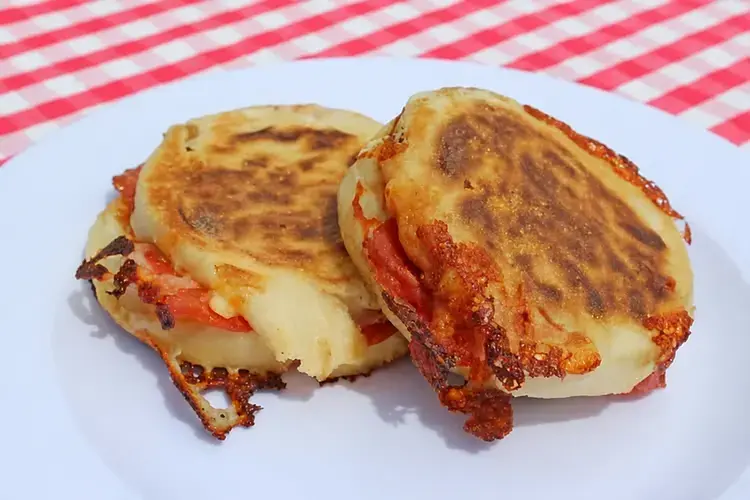
Pizza sandwiches turn familiar pizza flavors into an enclosed campfire meal. A pie iron can toast the outside while warming the filling, making the format easy to hold after it cools. The roundup presents the idea for both children and adults but does not publish its actual ingredients.
Follow the linked recipe for bread, sauce, cheese, fillings, and cooking cues. Do not overfill the iron, since hot cheese or sauce can escape when it closes. Cool each sandwich before serving, especially to children.
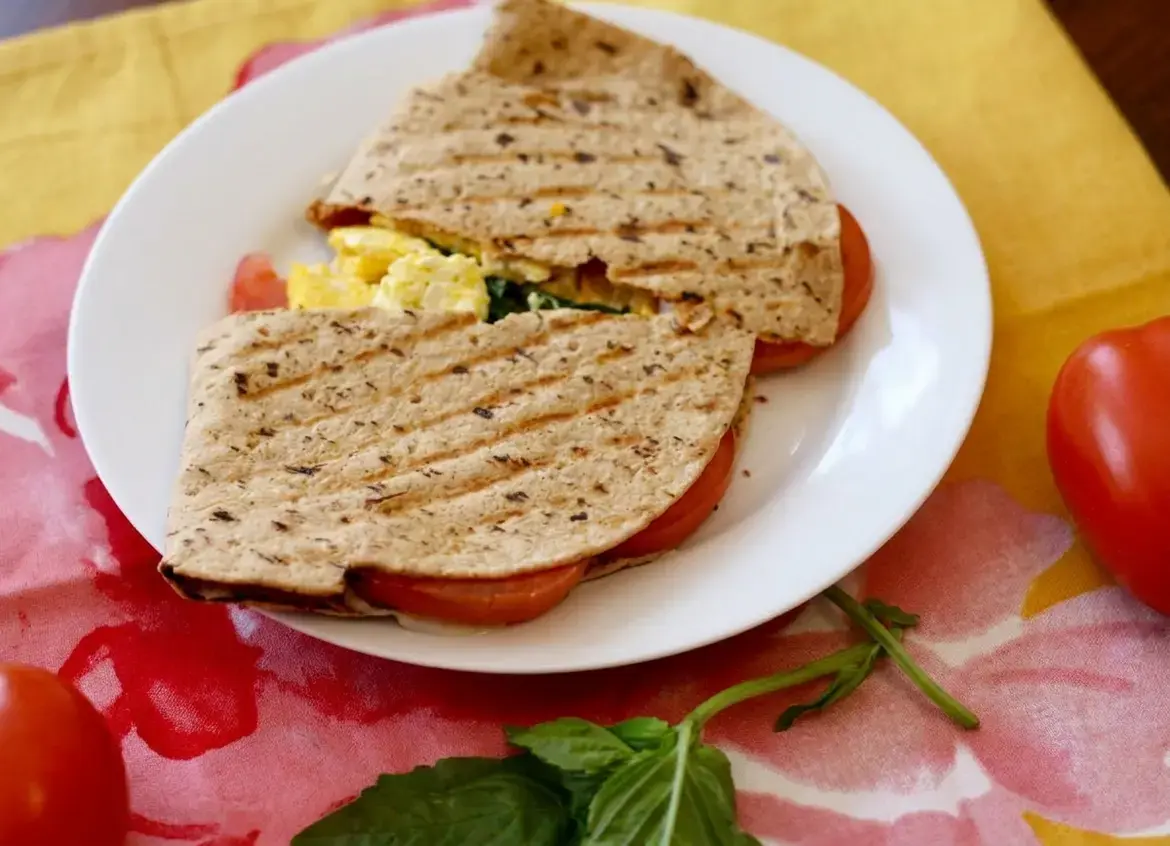
3. Italian Flatbread Breakfast Panini
An Italian flatbread breakfast panini offers a pressed morning meal that can be cooked with camp equipment. Flatbread can provide a sturdy exterior, but the filling details are found only in the linked recipe. Check whether eggs, meat, or dairy need refrigeration and full cooking.
Prepare components at home only when the recipe and food-safety needs allow it. Keep perishable filling cold, avoid cross-contamination, and heat the panini according to its specific directions. A golden exterior does not prove that every ingredient inside is safely hot.
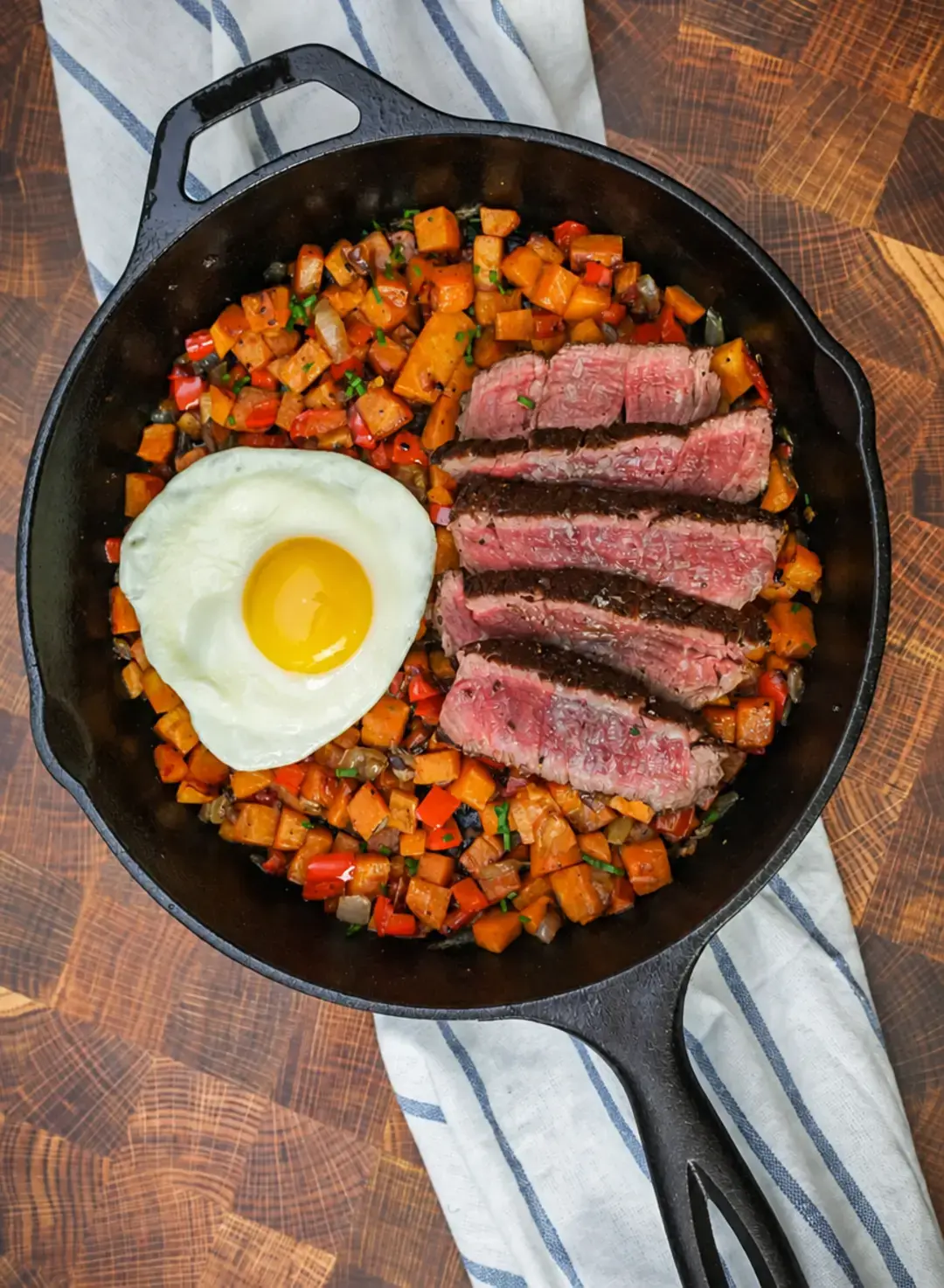
4. Steak and Sweet Potato Hash
Steak and sweet potato hash is presented as a filling alternative to steak and eggs and can work for breakfast or dinner. The skillet format brings meat and vegetables together, but their different cooking needs make the linked method important.
Review the recipe for steak cut, potato size, seasonings, and order of cooking. Use a thermometer for the meat and a clean utensil after raw steak contact. Do not rely on campfire color alone to judge doneness.
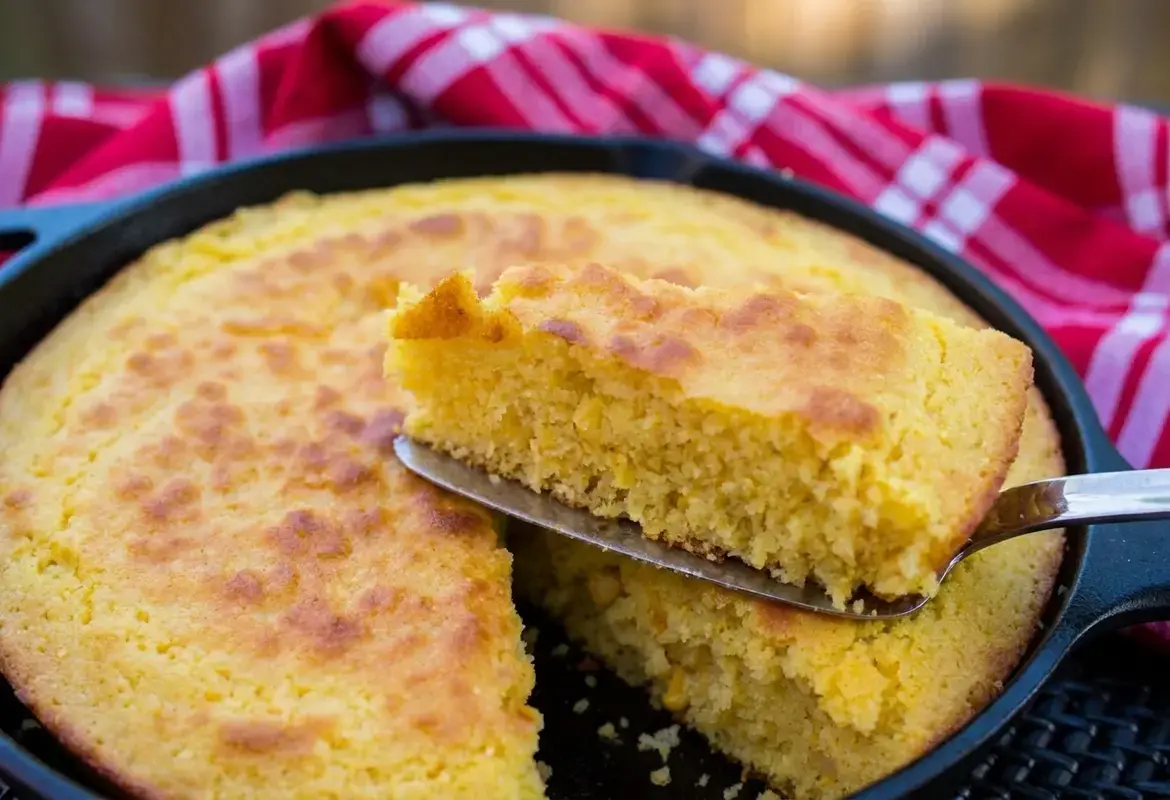
5. Best Ever Cast Iron Skillet Cornbread
The source roundup includes cast iron cornbread as a camping side. A skillet can create a browned exterior while the batter bakes, but successful campfire baking depends on heat above and below the pan. The complete recipe provides the actual batter and temperature strategy.
Measure dry ingredients at home if the linked method permits, and keep wet ingredients at their required temperature. Never taste raw batter containing flour or eggs. Confirm the center is baked using the recipe’s cue before cutting.
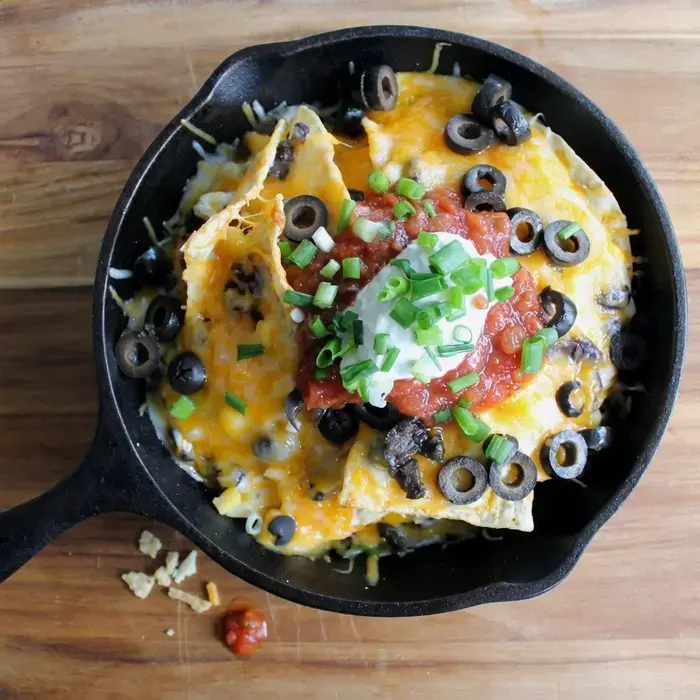
6. Campfire Nachos
Campfire nachos provide a shareable snack that can be layered in cast iron. The pan retains heat well enough to warm toppings and melt cheese, but the roundup does not specify chips, quantities, meat, or garnishes.
Use the linked recipe to determine layering and heat. Keep raw and cooked meat separate from ready-to-eat toppings, and add cool garnishes only after cooking when instructed. Place the hot skillet on a stable surface and warn everyone that the handle remains hot.
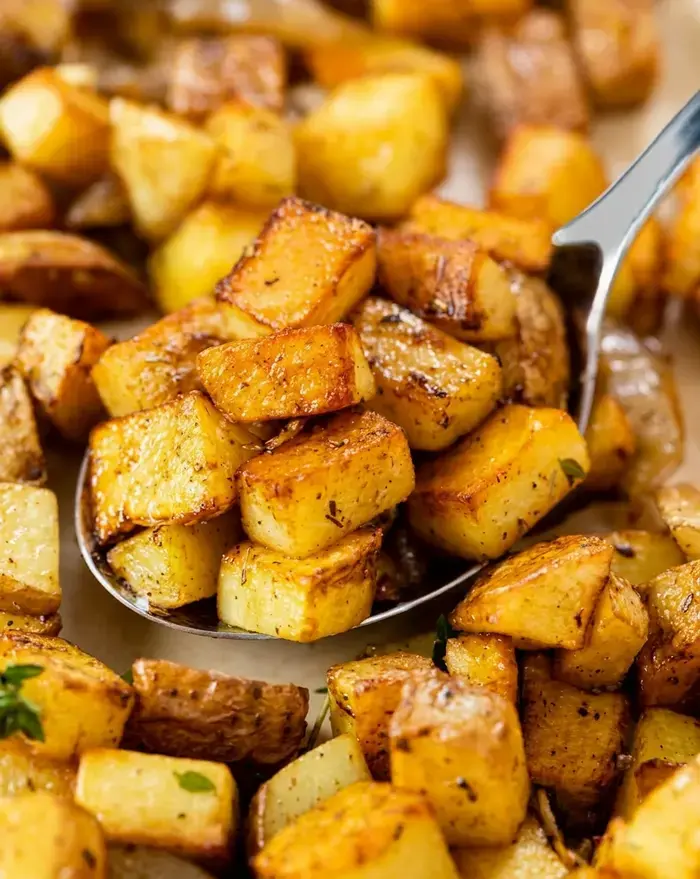
7. Cast Iron Skillet Potatoes
These skillet potatoes are described as crispy, seasoned, and mixed with caramelized onions and garlic. They can serve as a side for breakfast or dinner. Even potato pieces and controlled heat are central considerations, but the source roundup does not state the exact cut or timing.
Read the complete recipe before deciding whether to par-cook potatoes at home. Use enough pan space for browning and stir according to the recipe so onions and garlic do not burn before the potatoes are tender.
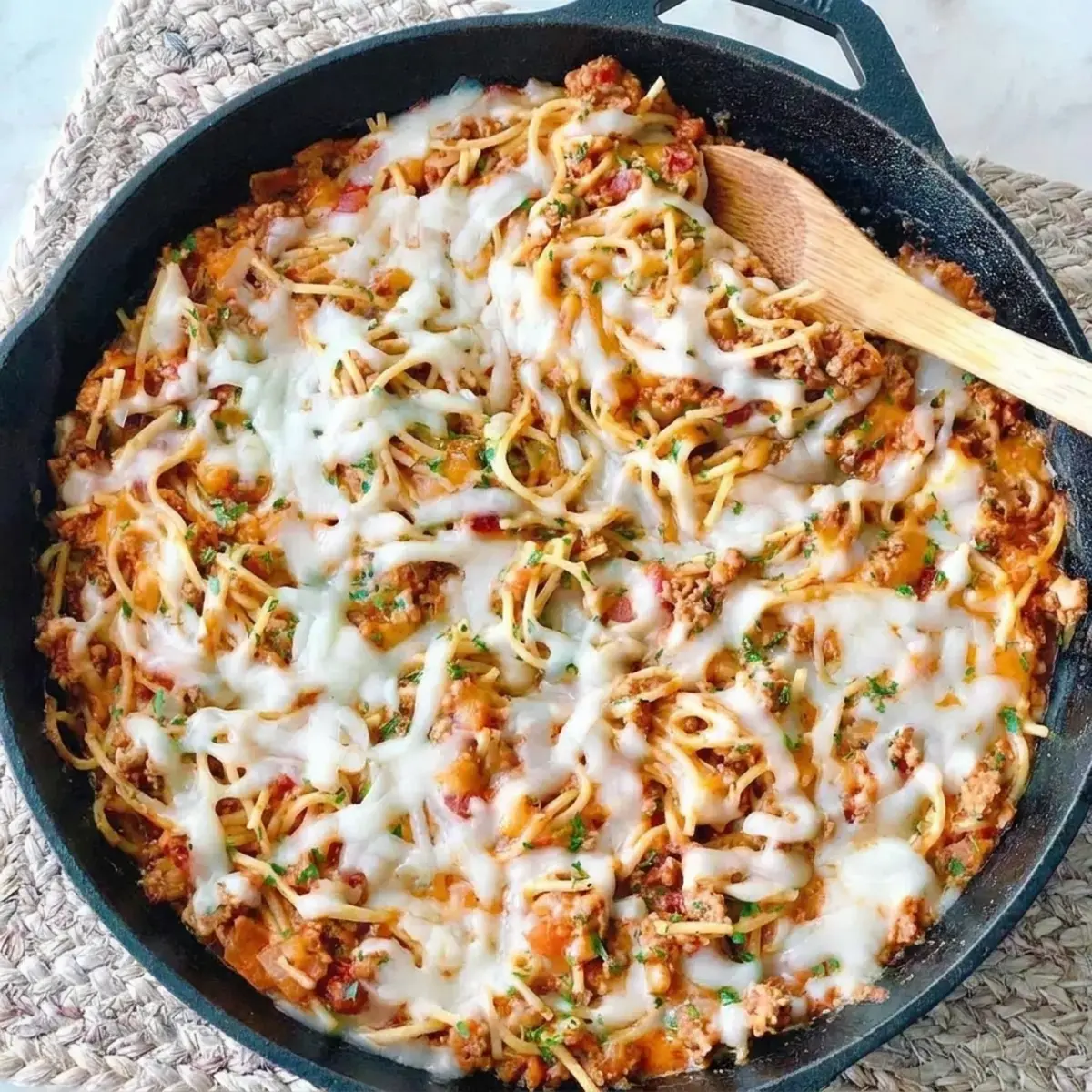
8. One-Pan Cheesy Skillet Spaghetti
One-pan cheesy skillet spaghetti is a savory dinner designed to reduce cleanup. Cooking pasta directly with sauce can save a separate pot, but liquid ratios and simmering instructions are critical. Those details belong to the linked recipe and should not be inferred from ordinary drained pasta.
Pack cheese and any meat in a dependable cooler. Stir with a long utensil, protect the pan from unstable flames, and follow the recipe’s liquid and doneness cues. A lid may be part of the method, so verify equipment before leaving home.
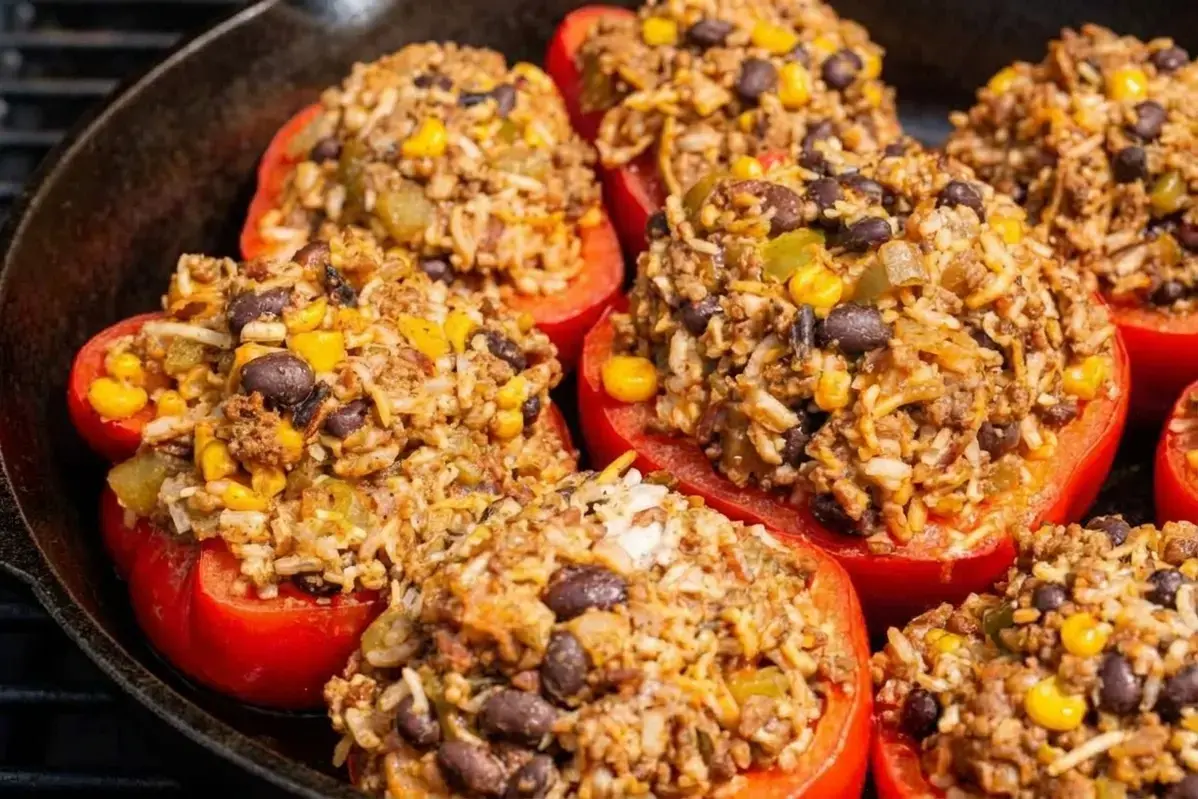
9. Grilled Mexican Stuffed Peppers
These grilled peppers hold a taco-flavored filling and are presented as a substantial camping meal. Peppers can act as edible containers, but filling ingredients and cooking requirements vary widely. Use the separate recipe for the meat, grains, cheese, and seasonings it actually includes.
Keep stuffed peppers upright in stable cookware or the setup specified by the recipe. Verify any meat filling with a thermometer and handle the hot peppers carefully. The outside can soften before the center reaches a safe temperature.
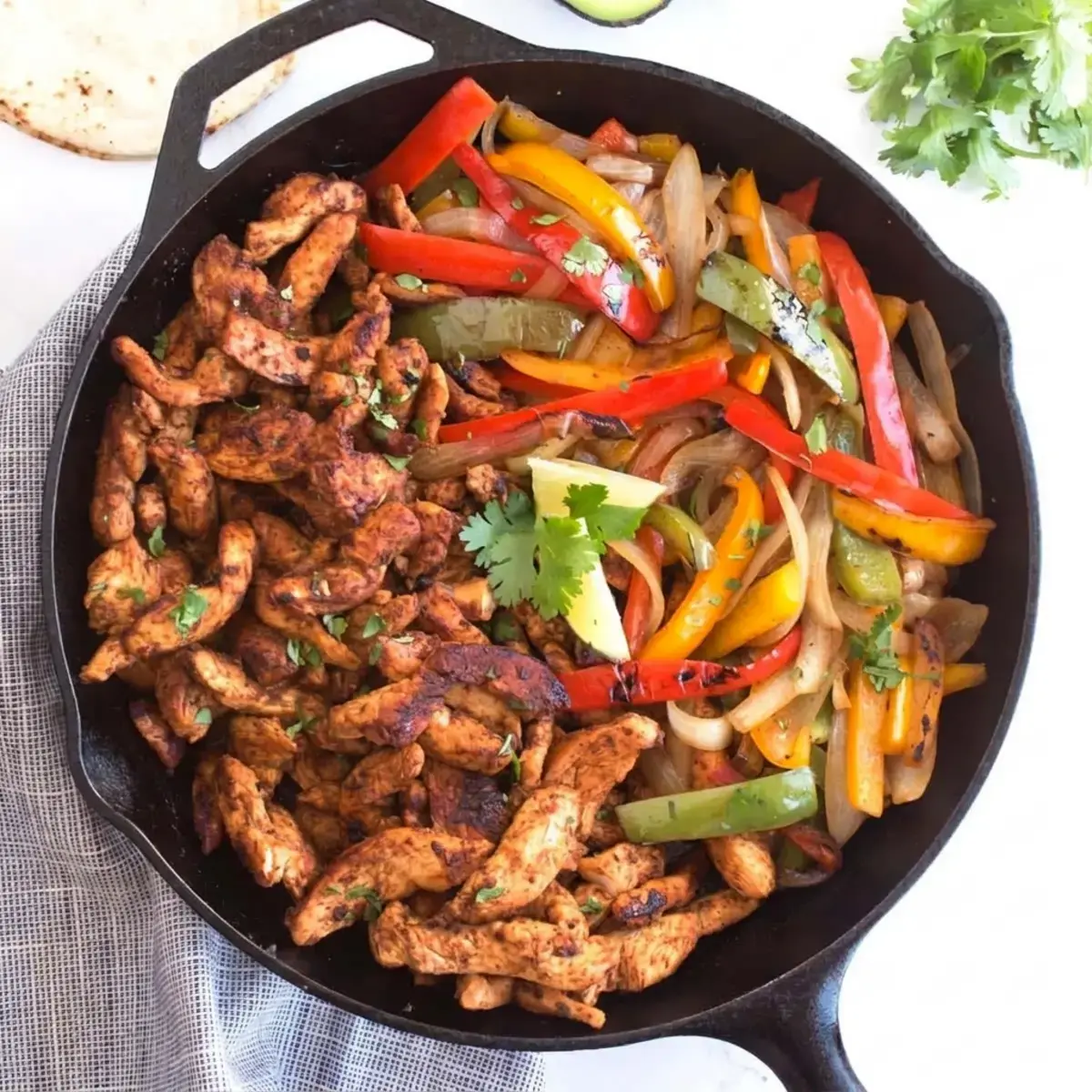
10. Cast Iron Skillet Chicken Fajitas
Chicken fajitas combine poultry and vegetables in a cast iron skillet over the campfire. The pan supports high-heat searing, while sliced ingredients make a quick serving format. Exact strips, marinade, seasonings, and cooking time come from the linked recipe.
Keep raw chicken below ready-to-eat food in the cooler. Use separate utensils before and after cooking, and verify poultry at 165°F. Warm tortillas and garnishes should remain away from surfaces used for uncooked chicken.
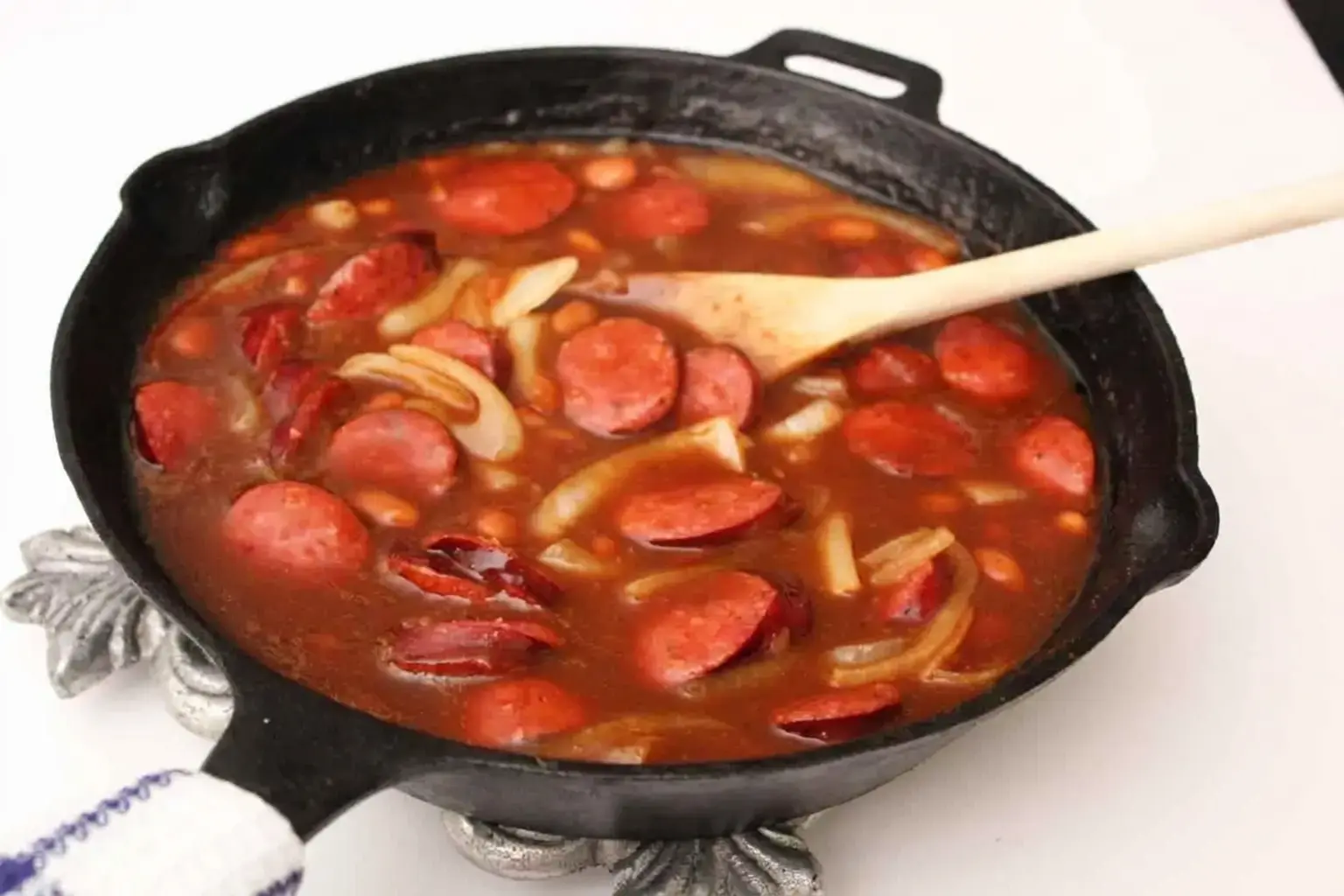
11. Cowboy Sausages and Beans
The roundup next identifies Cowboy Sausages and Beans, a name that suggests a hearty skillet or pot meal. It does not provide the sausage type, beans, sauce, quantities, or method on the roundup page. Those facts must be taken from the linked recipe.
Check whether the sausages are raw or fully cooked, since handling and heating differ. Keep opened meat and prepared beans cold until cooking, and use the full recipe’s temperature and simmering directions.
12. Reuben Sandwich Made Over a Campfire
A campfire Reuben brings a hot pressed-sandwich format to the menu. The roundup title does not establish the bread, meat, cheese, dressing, or exact cooking vessel. Consult the linked page rather than assuming it matches a standard deli version.
Pack perishable fillings in the cooler and avoid overloading the pie iron or pan. Let the sandwich rest briefly after cooking because melted cheese and hot filling can burn even when the exterior feels manageable.
13. Pan-Roasted Frozen Corn
Pan-roasted frozen corn offers a vegetable side that can be cooked in cast iron. Frozen corn may also help keep the cooler cold early in the trip, but it still needs clean handling and the method specified by its recipe.
Use the linked instructions for fat, seasoning, heat, and cooking cue. A crowded skillet may steam rather than roast, while uncontrolled fire can scorch sugar in the corn before it heats evenly.
14. Campfire Bannock Bread
Bannock bread adds a camp-baked option to the list. The roundup does not publish its flour ratio, leavening, liquid, kneading method, or heat arrangement. Pack the measured ingredients from the linked recipe rather than improvising dough in the field.
Flour is raw and the dough should not be tasted before cooking. Follow the complete method for thickness and doneness, since the outside may brown before the center is fully baked.
15. Pie Iron Recipes for Camping
This entry gathers pie-iron ideas within the larger cast iron roundup. A pie iron can make enclosed sandwiches, pockets, or small desserts, but each filling has distinct storage and cooking needs. Treat the linked collection as the source for individual recipes.
Season or prepare the iron as its manufacturer directs, do not touch hot metal, and open it away from the face. Steam and melted fillings can escape immediately when the plates separate.
16. Cast Iron Skillet Blackberry Crumble
Blackberry crumble introduces a fruit dessert cooked in a skillet. The title does not provide berry quantity, thickener, sugar, topping, or baking setup. The linked recipe is necessary for those measurements and for deciding whether heat comes from a stove, coals, or another approved source.
Keep the skillet level so bubbling fruit does not spill. Allow the crumble to cool before serving, since fruit filling holds heat longer than its surface appearance suggests.
17. Banana Split S’mores Dip
This dessert combines a shareable dip format with banana-split and s’mores inspiration. The roundup does not list its chocolate, marshmallow, fruit, or dipping ingredients. Check the complete recipe for quantities and the vessel it requires.
Chocolate and marshmallow can scorch over direct flames, so use the heat arrangement stated by the recipe. Serve with clean utensils and supervise children around the hot skillet.
18. Raisin Bread Campfire Apple Pies
Raisin bread campfire apple pies suggest a pie-iron dessert with bread around an apple filling. Exact fruit preparation, sweetening, fat, and cooking time are not provided by the roundup. Use the linked instructions before packing.
Do not overfill the iron, and cool the pocket before biting into it. Apple filling and steam can remain very hot after the bread has browned.
19. Cast Iron Skillet Blueberry Grunt
The final entry is a cast iron blueberry grunt. The roundup title identifies the dish and vessel but supplies no measured fruit base, dumpling topping, or heat directions. The full linked recipe is the authority for every cooking fact.
Keep the pan stable and covered only when instructed. Bubbling blueberries can stain and burn, while dumpling-style toppings need adequate cooking through the center. Follow the recipe’s doneness cue rather than relying on color alone.
Campfire and Cooler Safety
Confirm that fires are permitted and use an established fire ring where required. Cook over a controlled heat source rather than tall flames, keep water or the required extinguishing materials nearby, and extinguish the fire completely according to local rules.
Use a well-packed cooler for meat, dairy, eggs, cooked grains, and prepared fillings. Organize containers by meal, limit how often the lid opens, and keep raw items sealed away from foods that will not be cooked.
Cast iron is heavy and remains hot. Place it on stable ground or a suitable cooking grate, protect hands with dry heat-resistant gloves, and point handles away from foot traffic. Never pour cold water into a very hot pan.
Building a Practical Camping Menu
Choose recipes that share tools and fuel. A breakfast panini, skillet dinner, vegetable side, and pie-iron dessert can provide variety without packing several incompatible setups. Schedule the most perishable meals early in the trip.
The 19 ideas range from simple sides to complete meals and desserts, but every one depends on its own linked recipe for reliable quantities and timing. Use this roundup to select a direction, then print or save the full instructions before leaving internet access behind.