

What is Kimchi Udon?
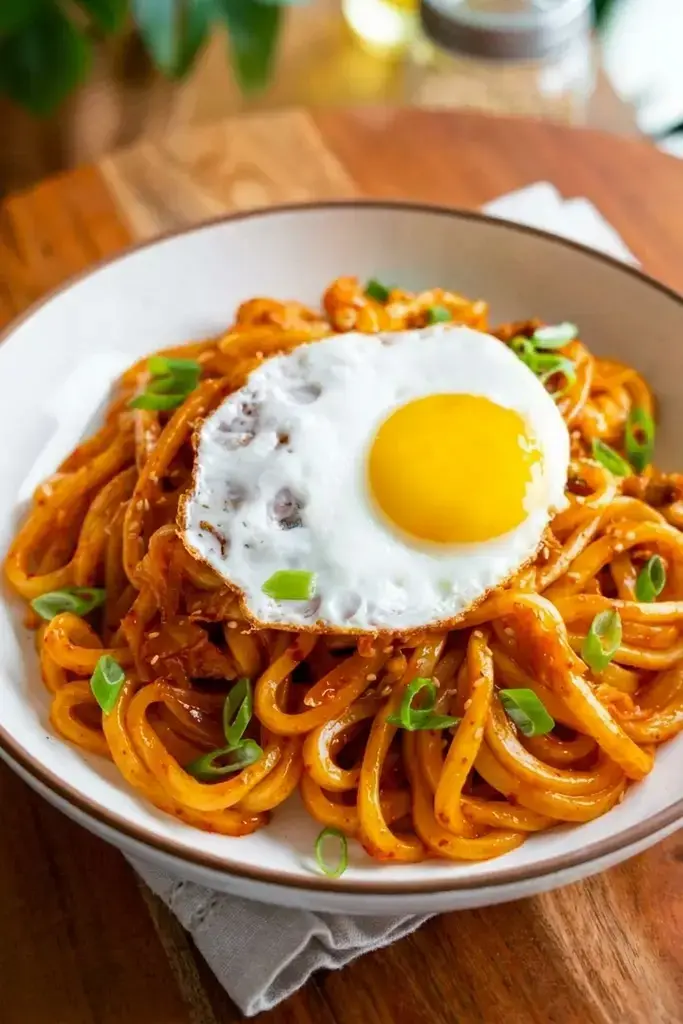
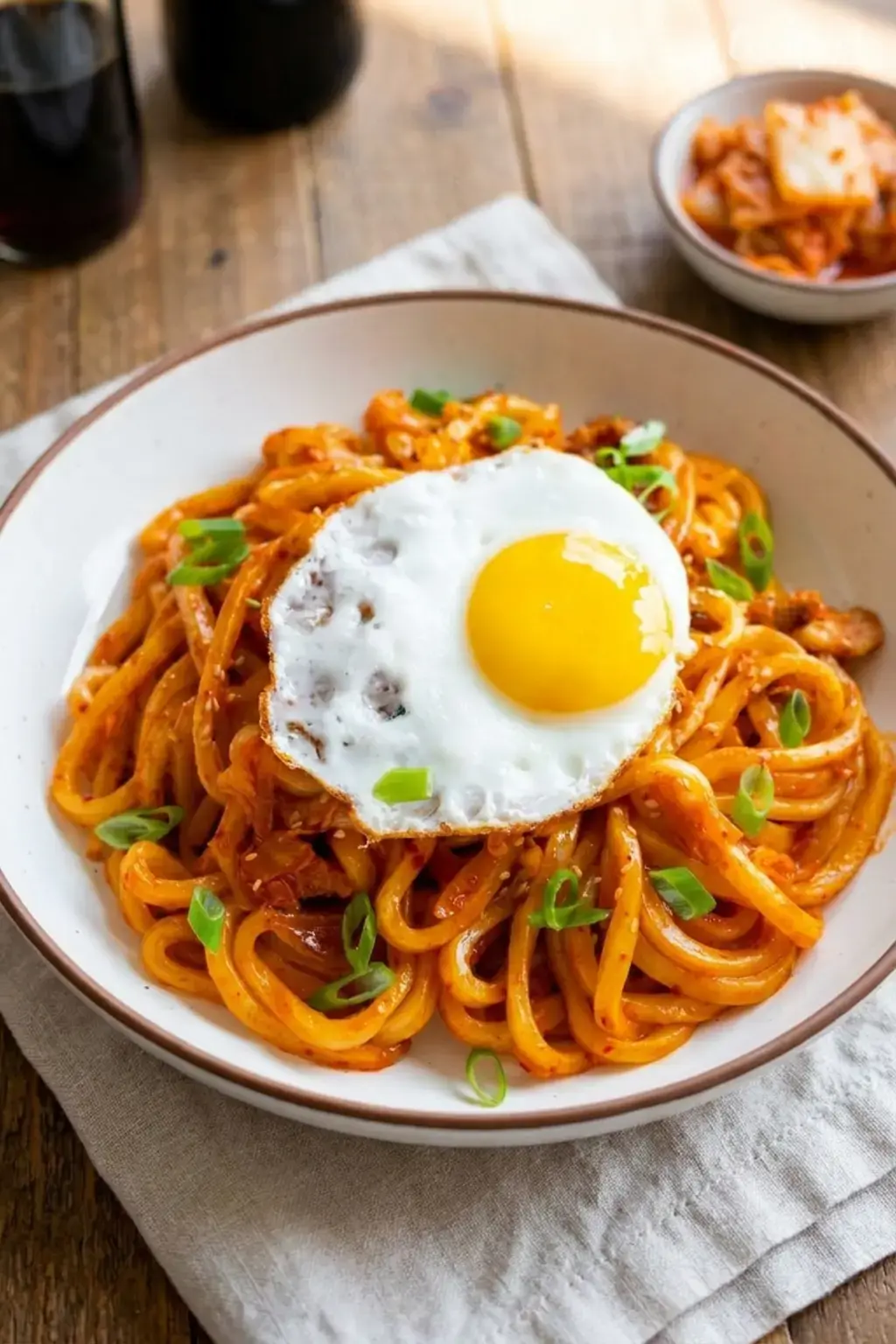
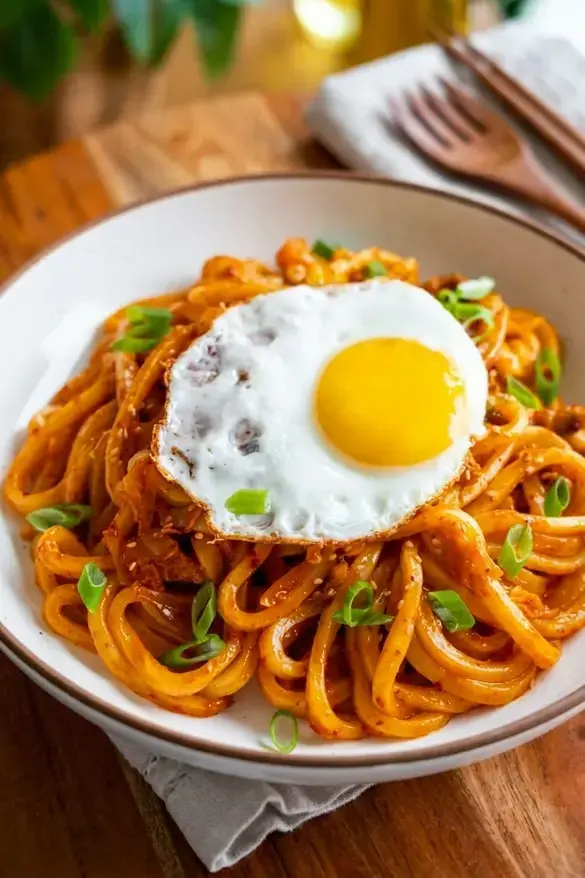
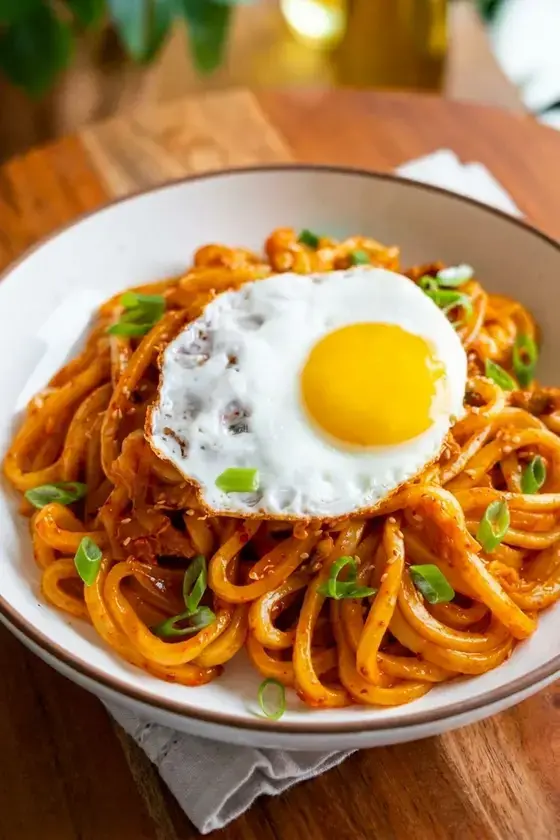
Kimchi udon is one of my absolute favorite stir fry creations. It’s a Korean Japanese fusion dish that brings together thick, chewy udon noodles with the bold, tangy heat of stir fried kimchi. The best part? You can have it on the table in about 20 minutes. That makes it perfect for busy weeknights when you want something deeply flavorful without spending hours in the kitchen.

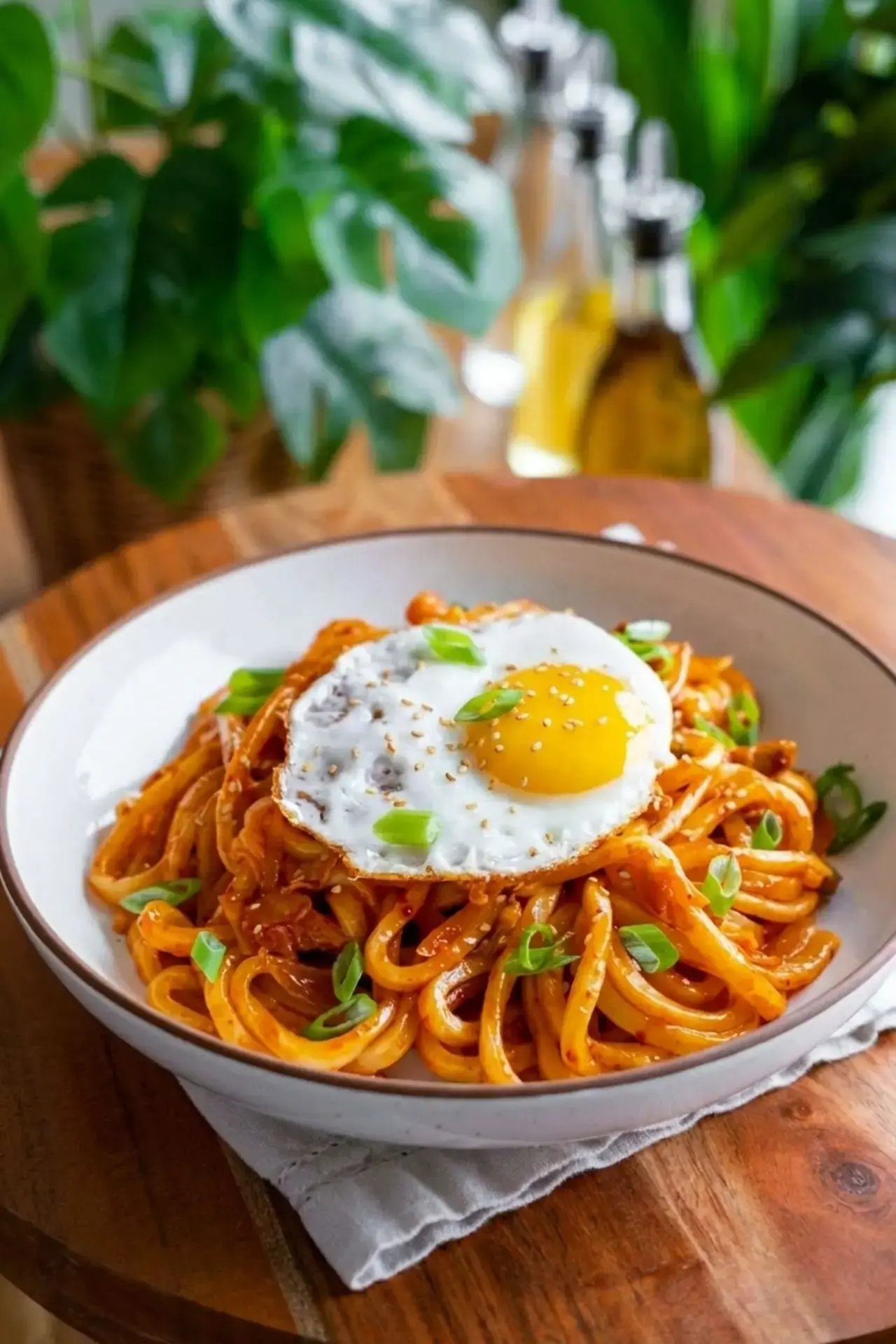
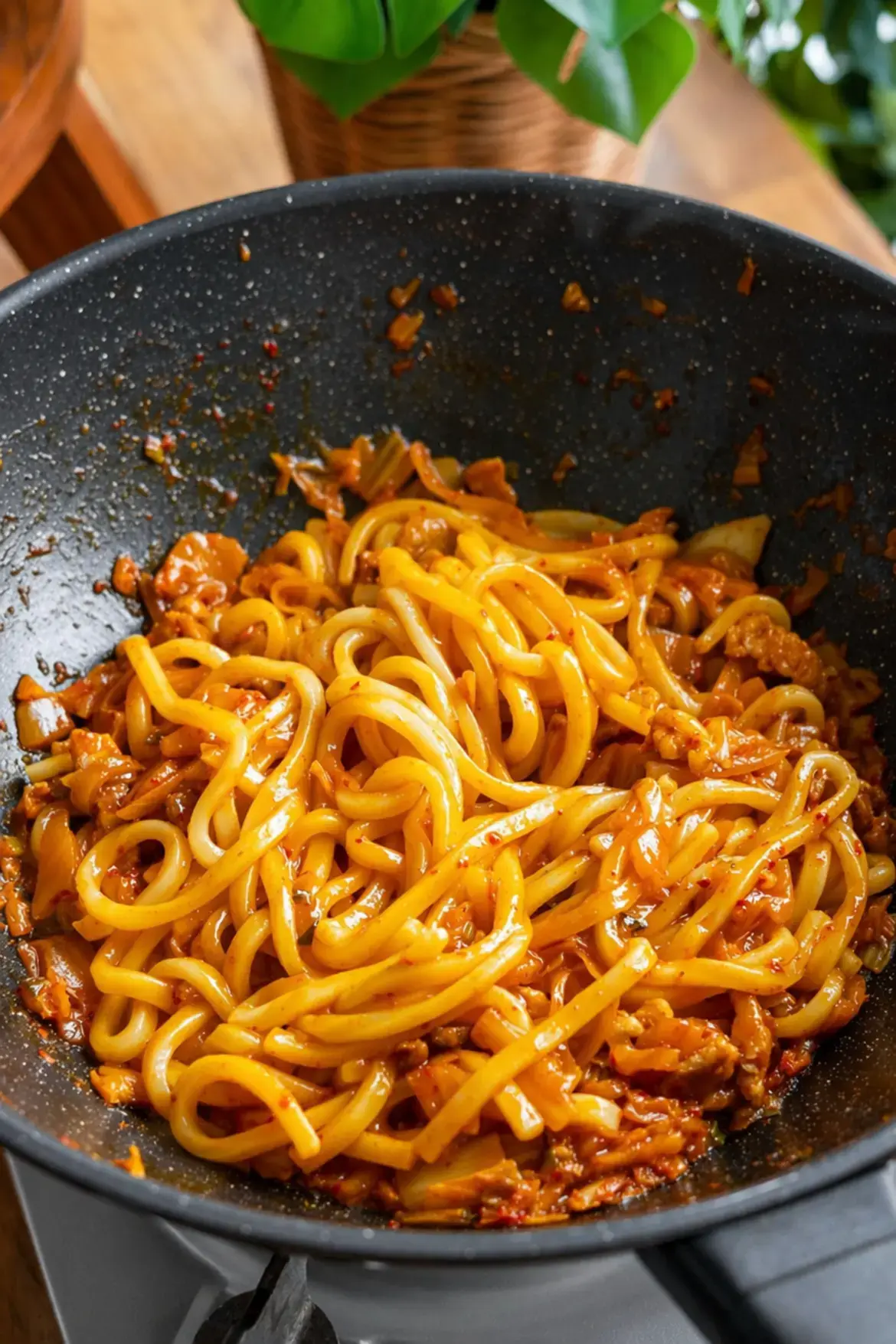
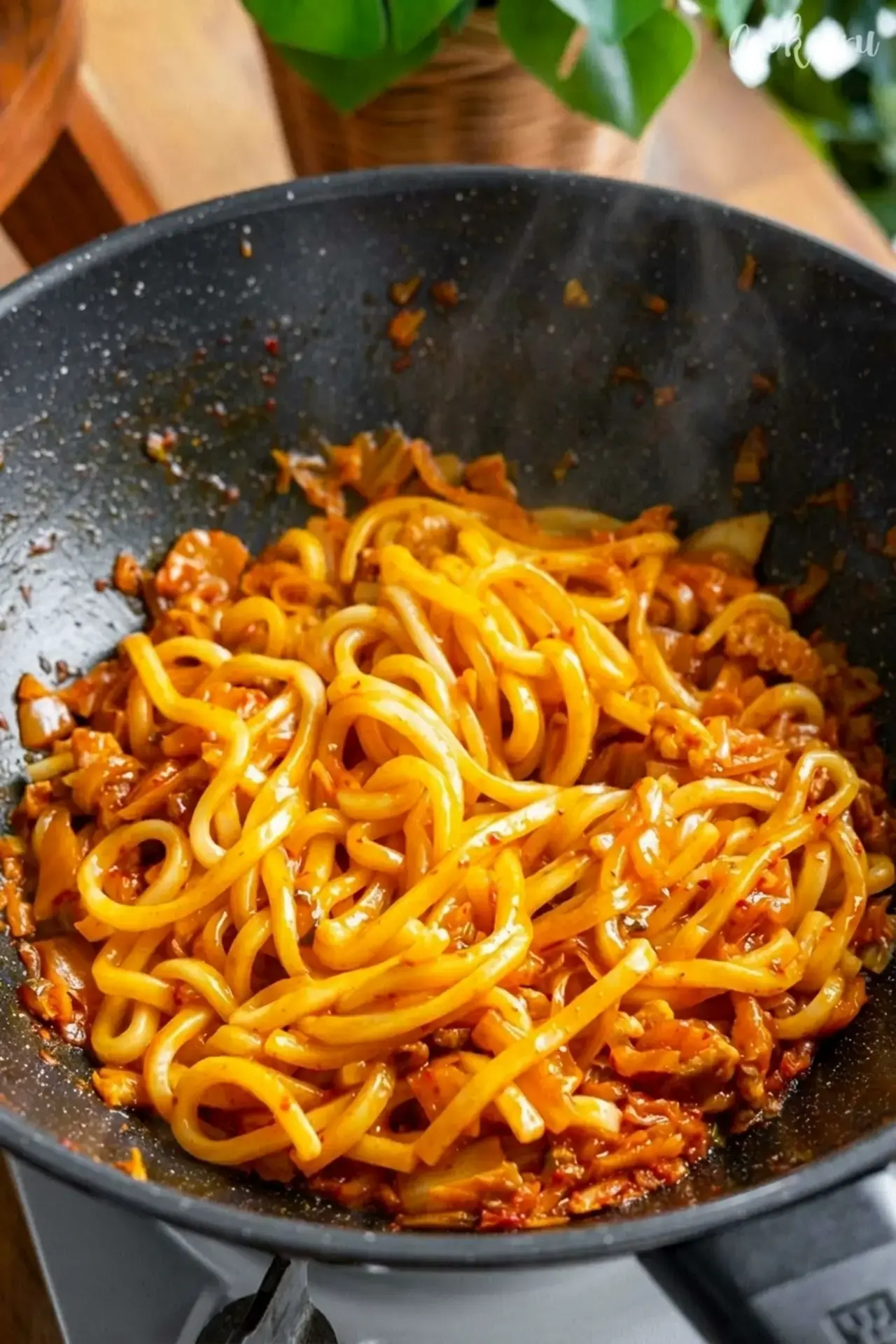
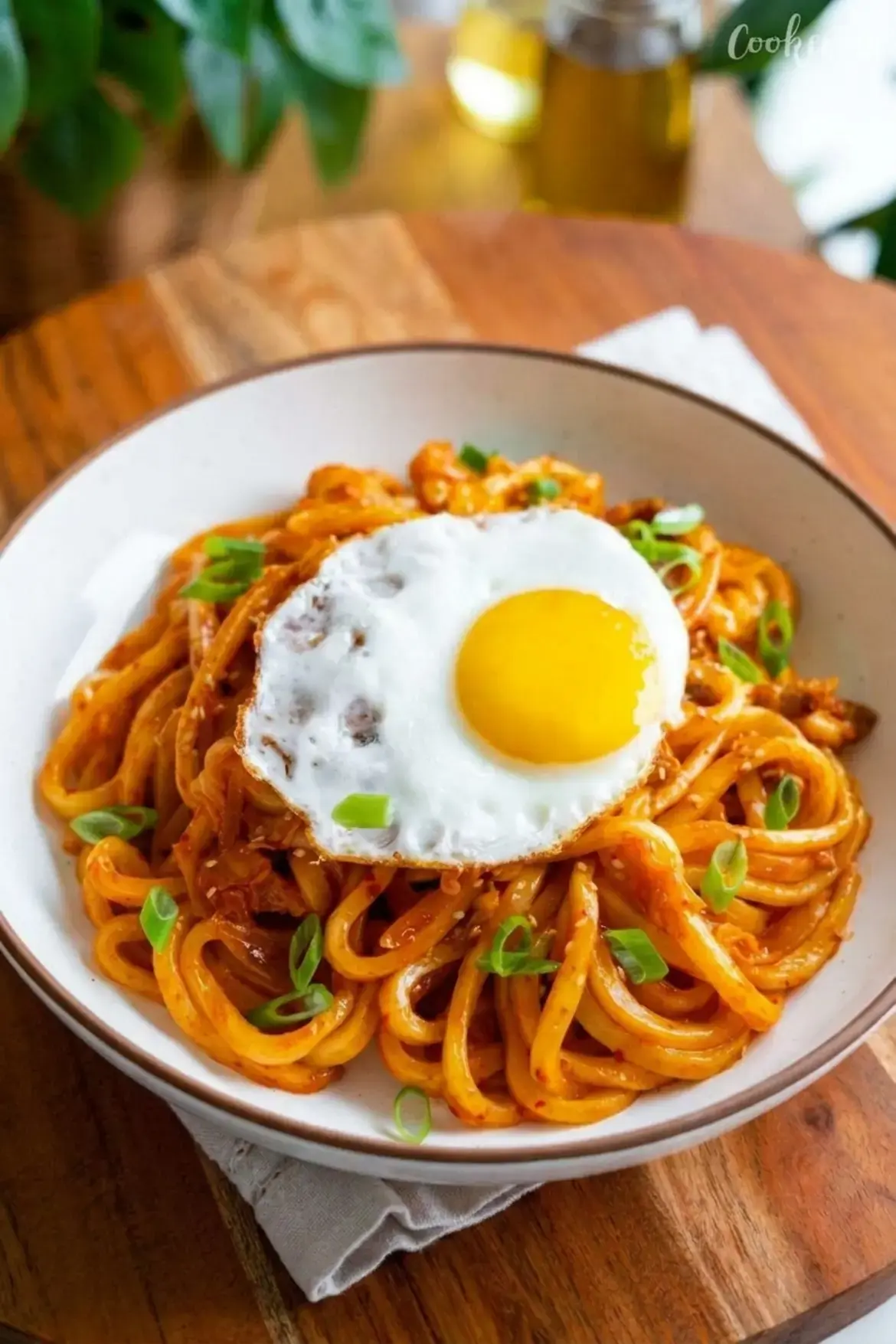
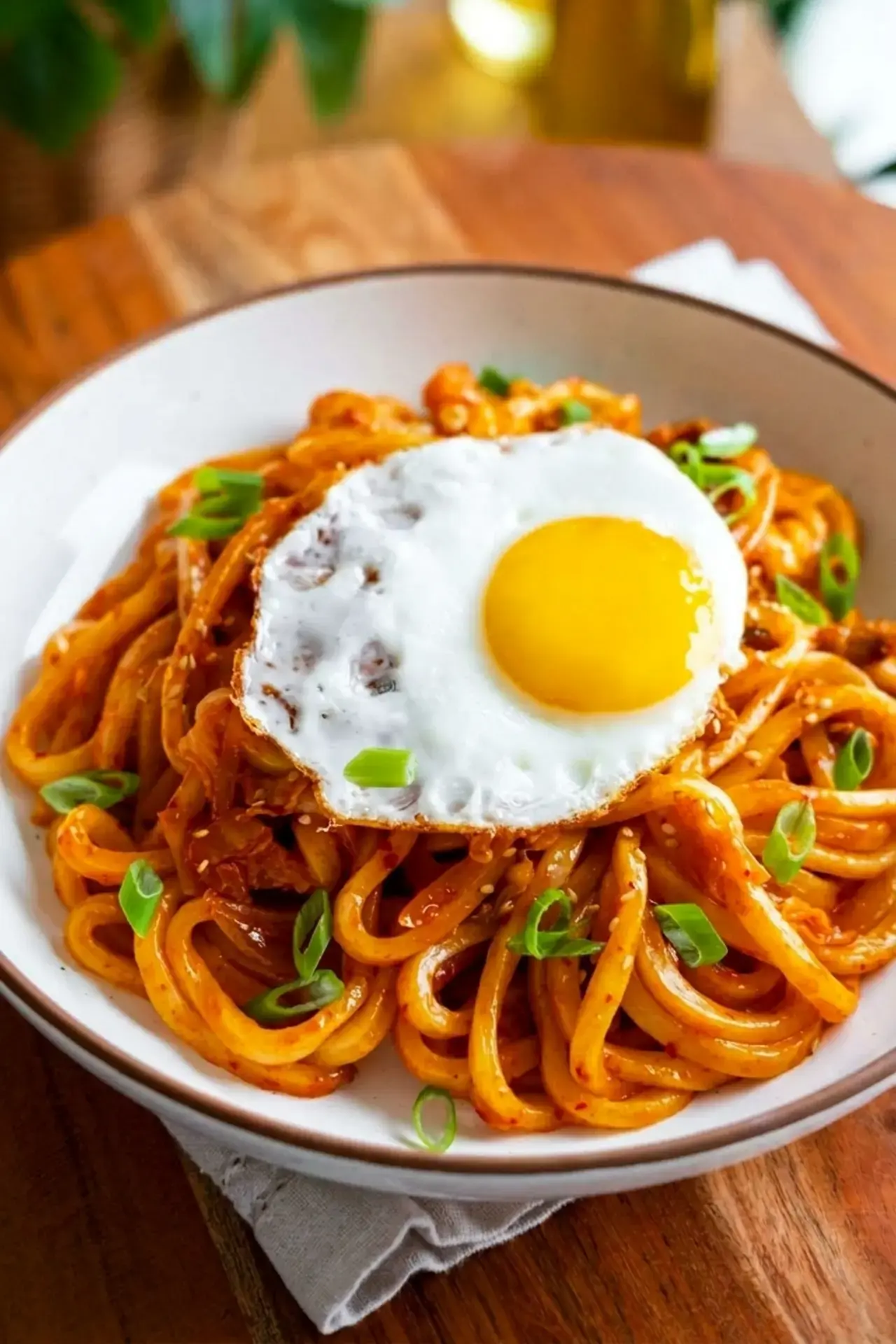
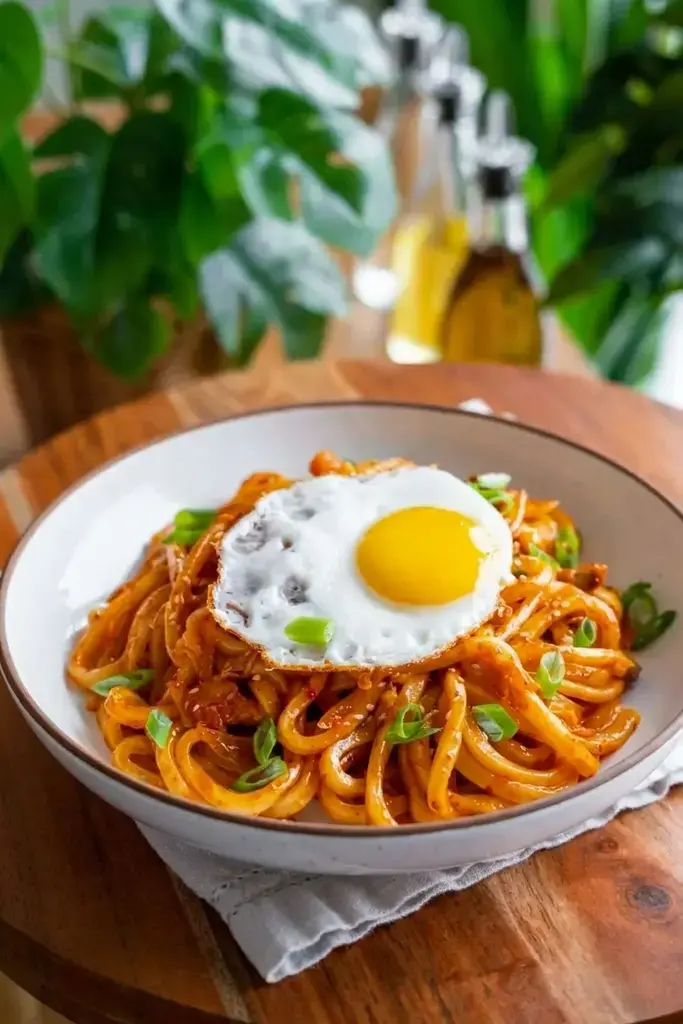
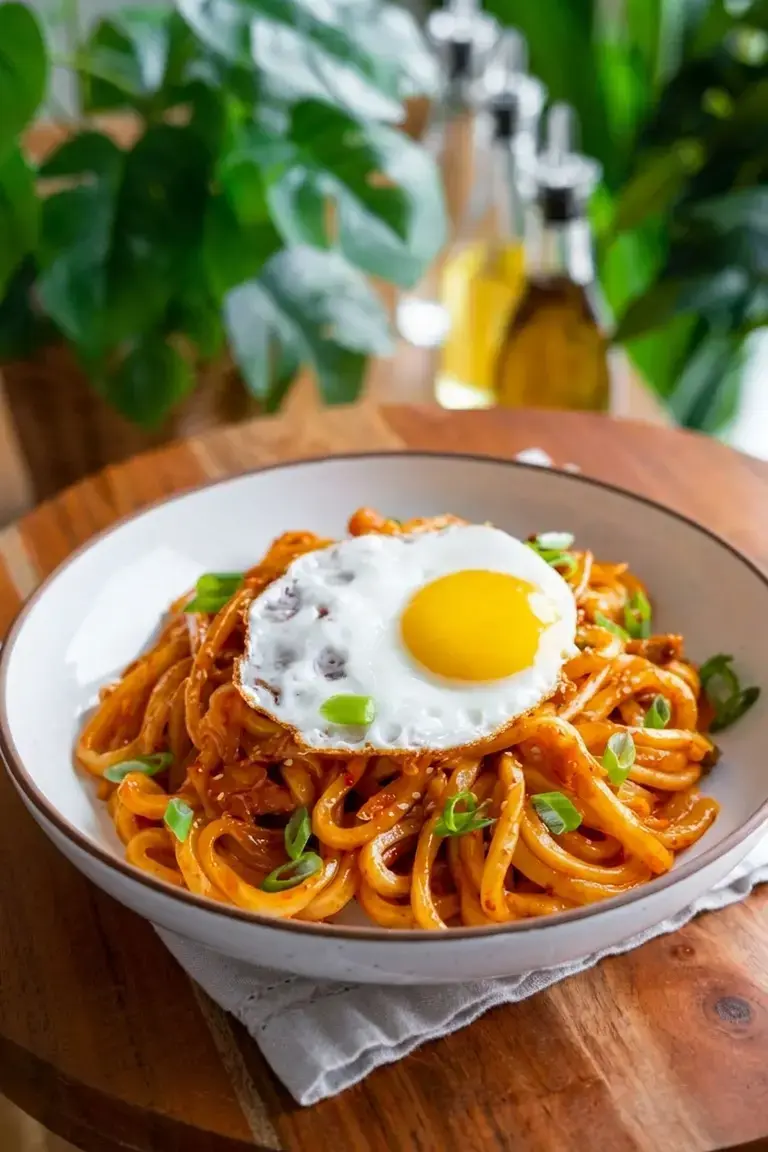
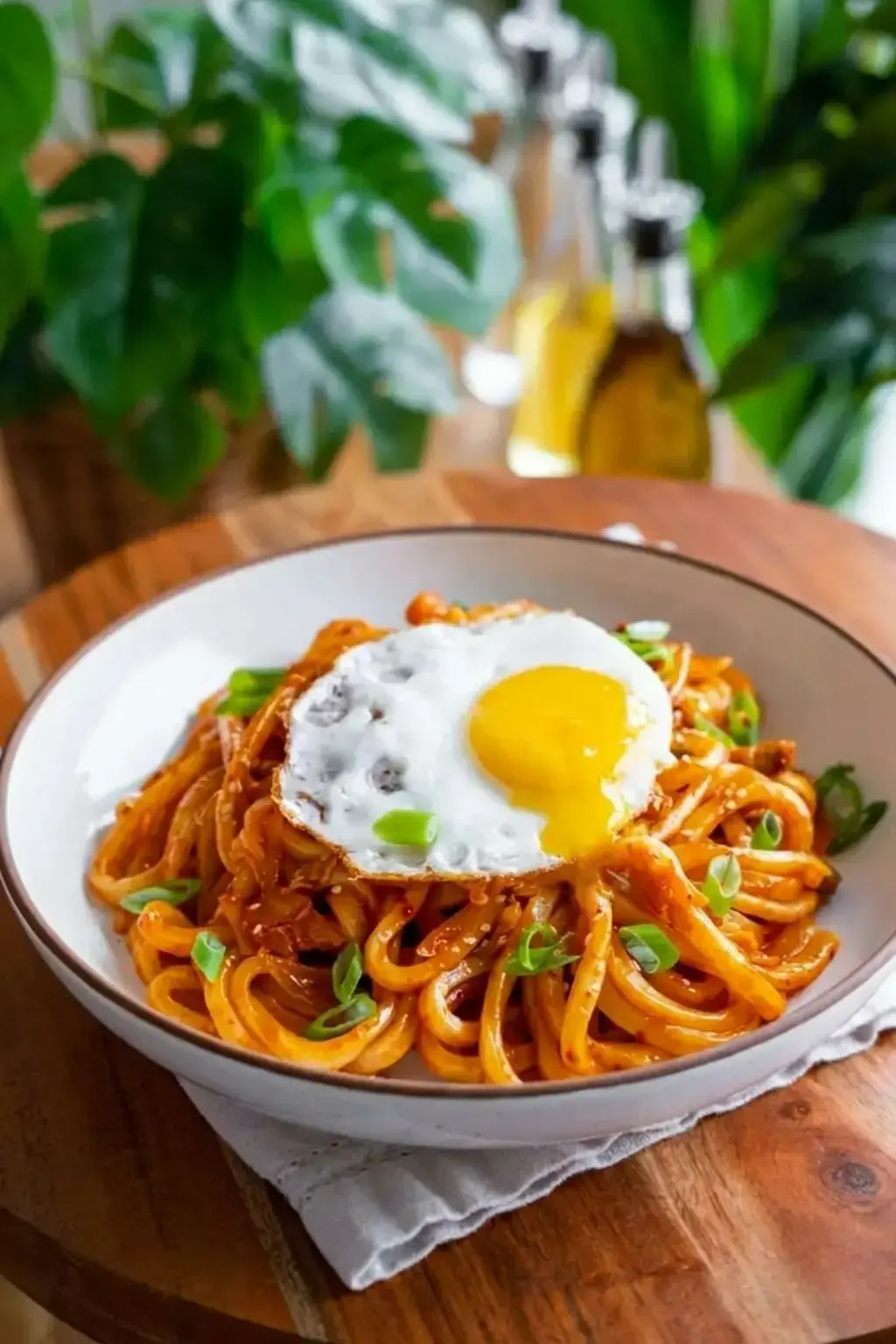

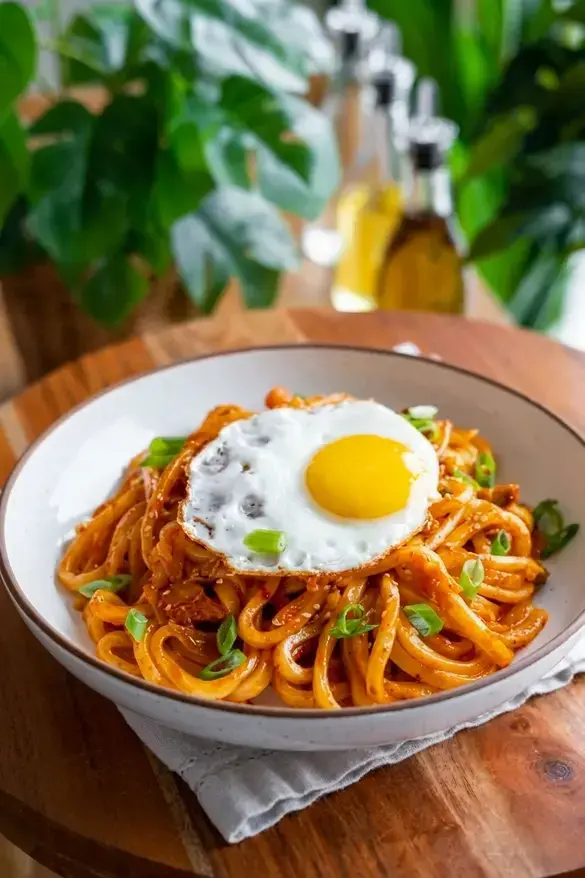
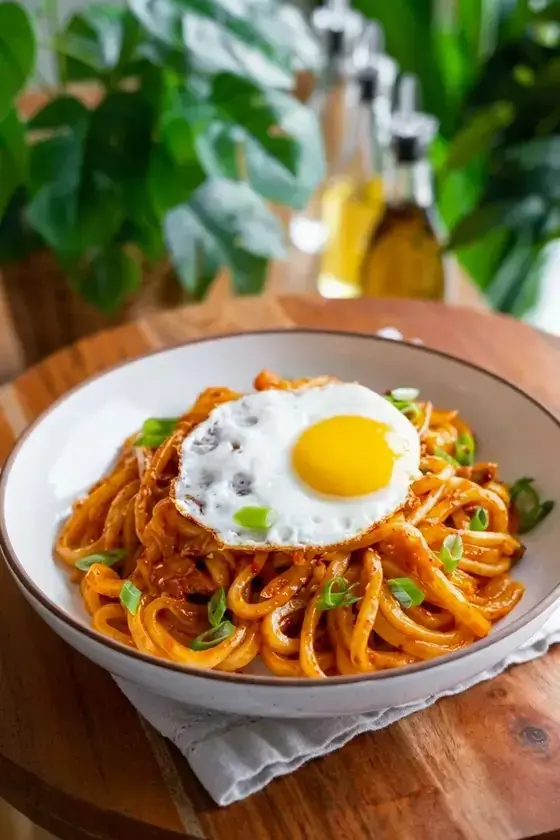

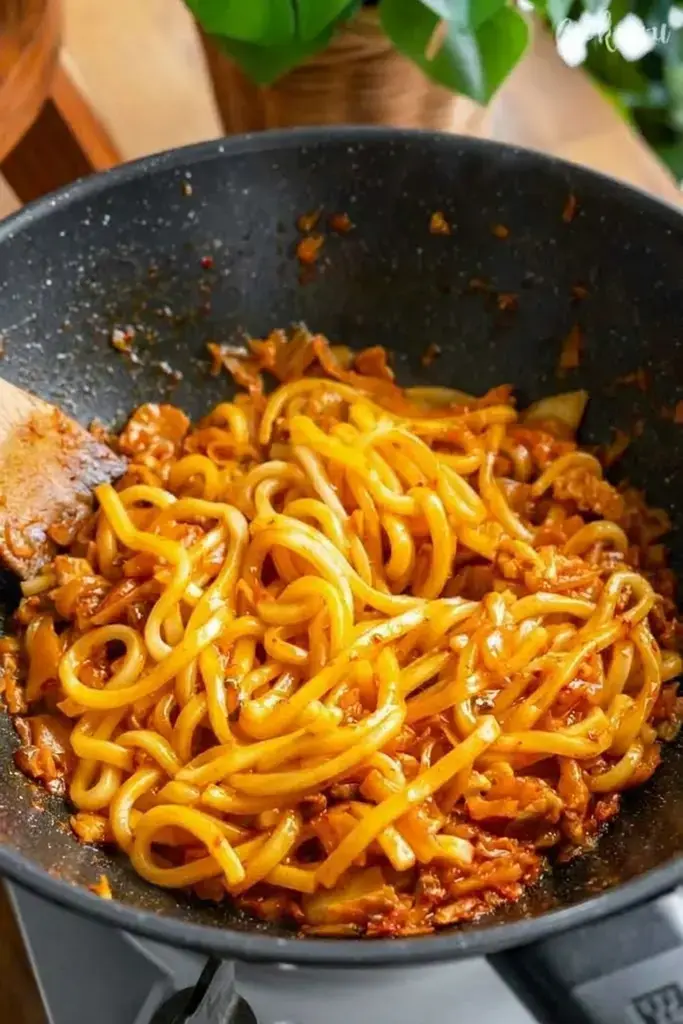
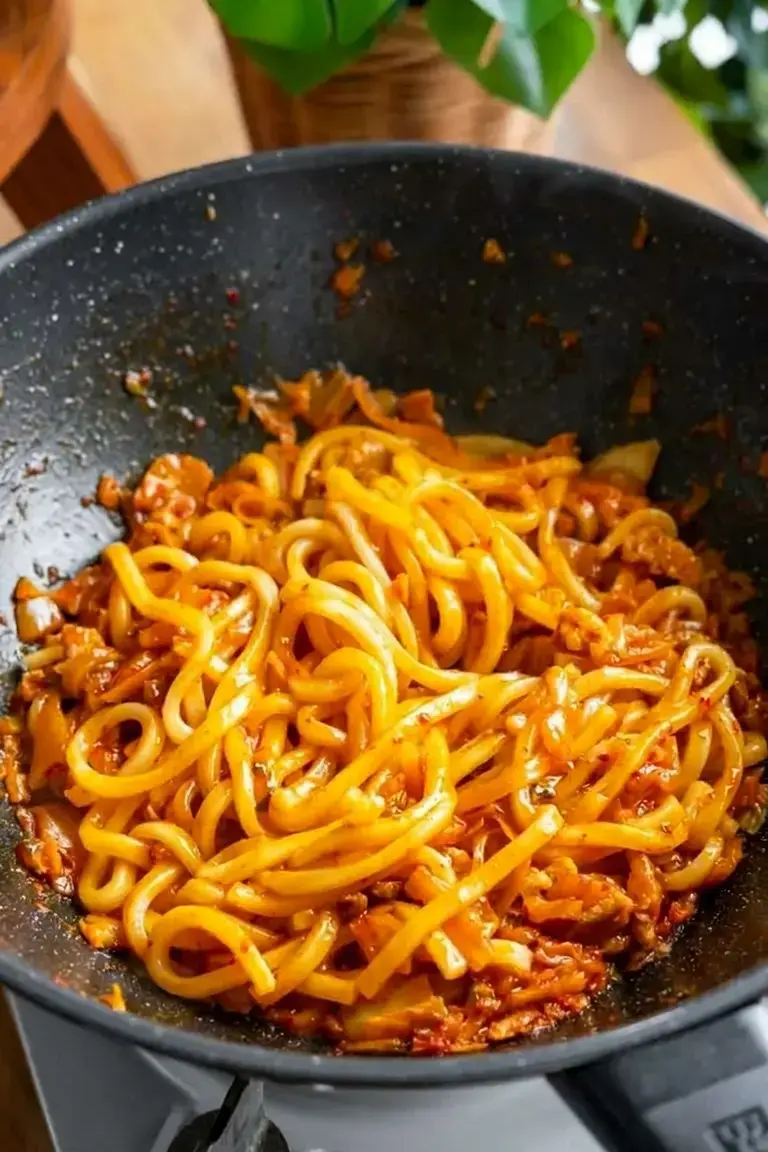
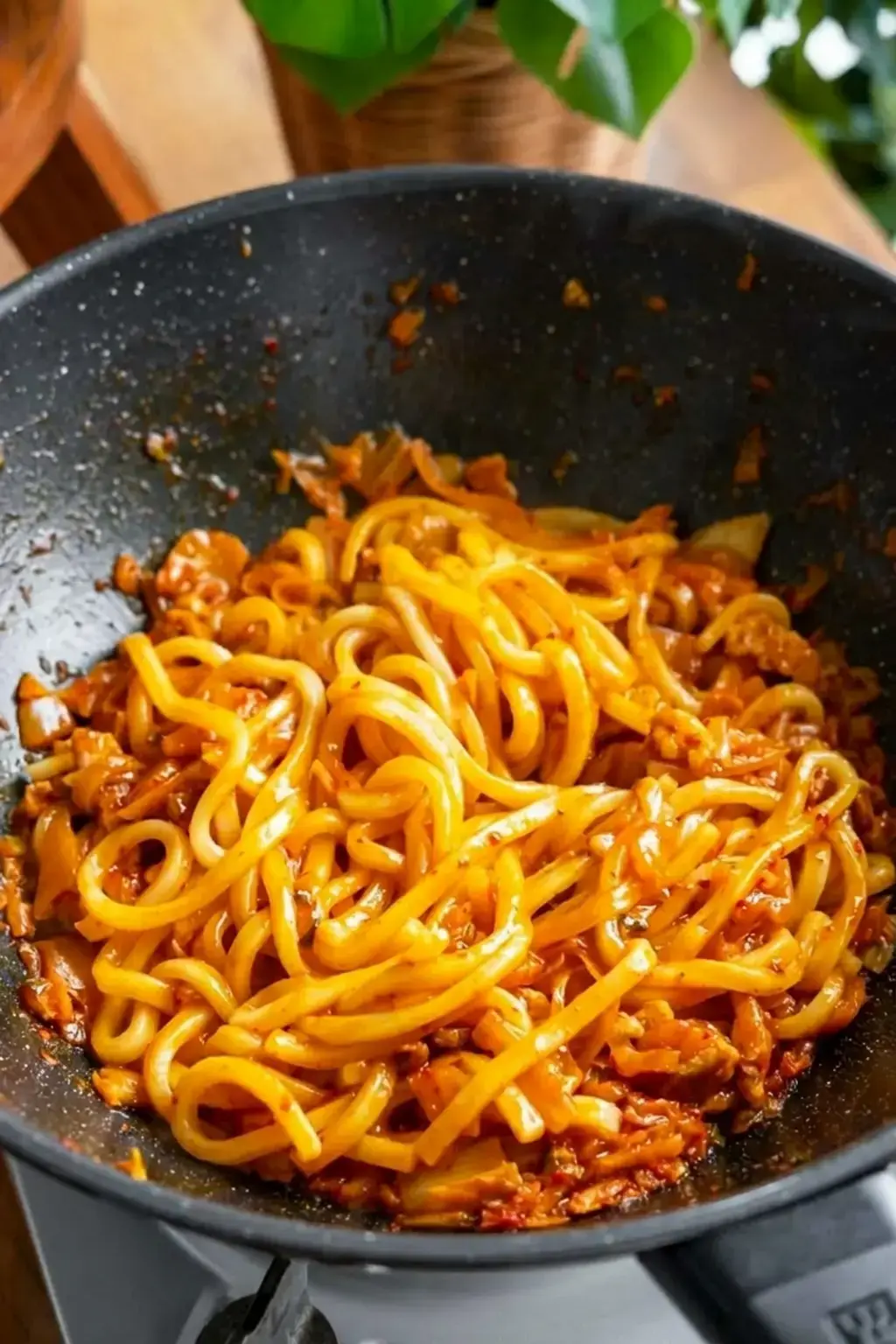

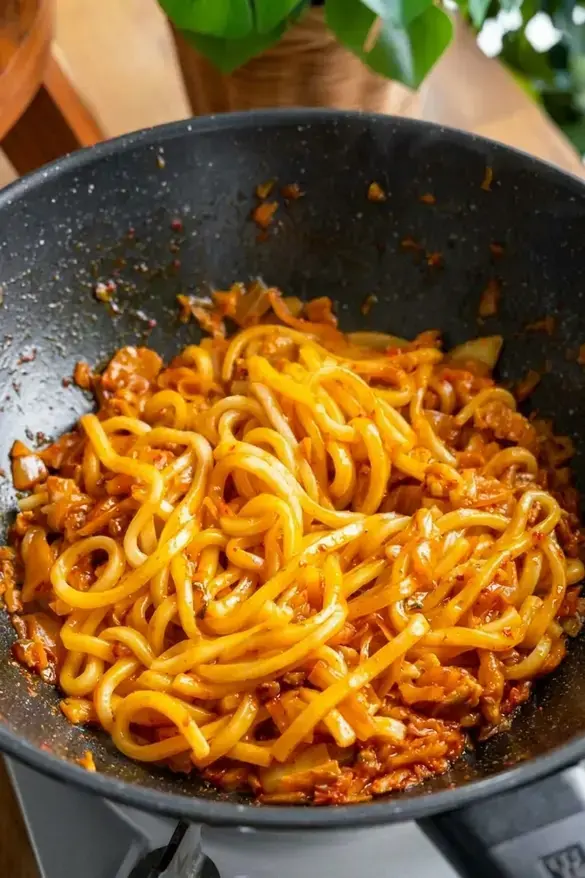
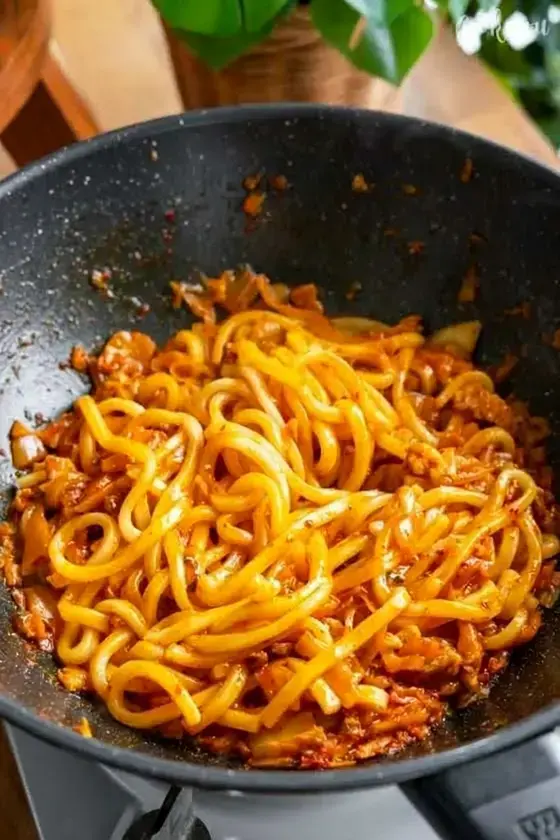

I love how this dish uses simple, everyday ingredients to create something that tastes like it came from a restaurant. The noodles absorb the spicy, savory sauce while the kimchi adds a fermented punch. It’s quick comfort food at its finest. For another quick noodle dish, try my kimchi ramen noodle recipe.


Jump to:
- What is Kimchi Udon?
- What do I need to make Kimchi Udon Stir Fry?
- What is the best kind of kimchi to use?
- Frequently Asked Questions
- What is kimchi udon?
- How to make kimchi udon?
- Can I make kimchi udon vegetarian?
- How to prevent mushy udon noodles?
- What is the best kimchi for udon?
- What to serve with kimchi udon?
- Kimchi Udon Stir Fry
- Ingredients
- Instructions
- Last Step:
- Notes
- Nutrition
- Did you make this recipe?
What do I need to make Kimchi Udon Stir Fry?
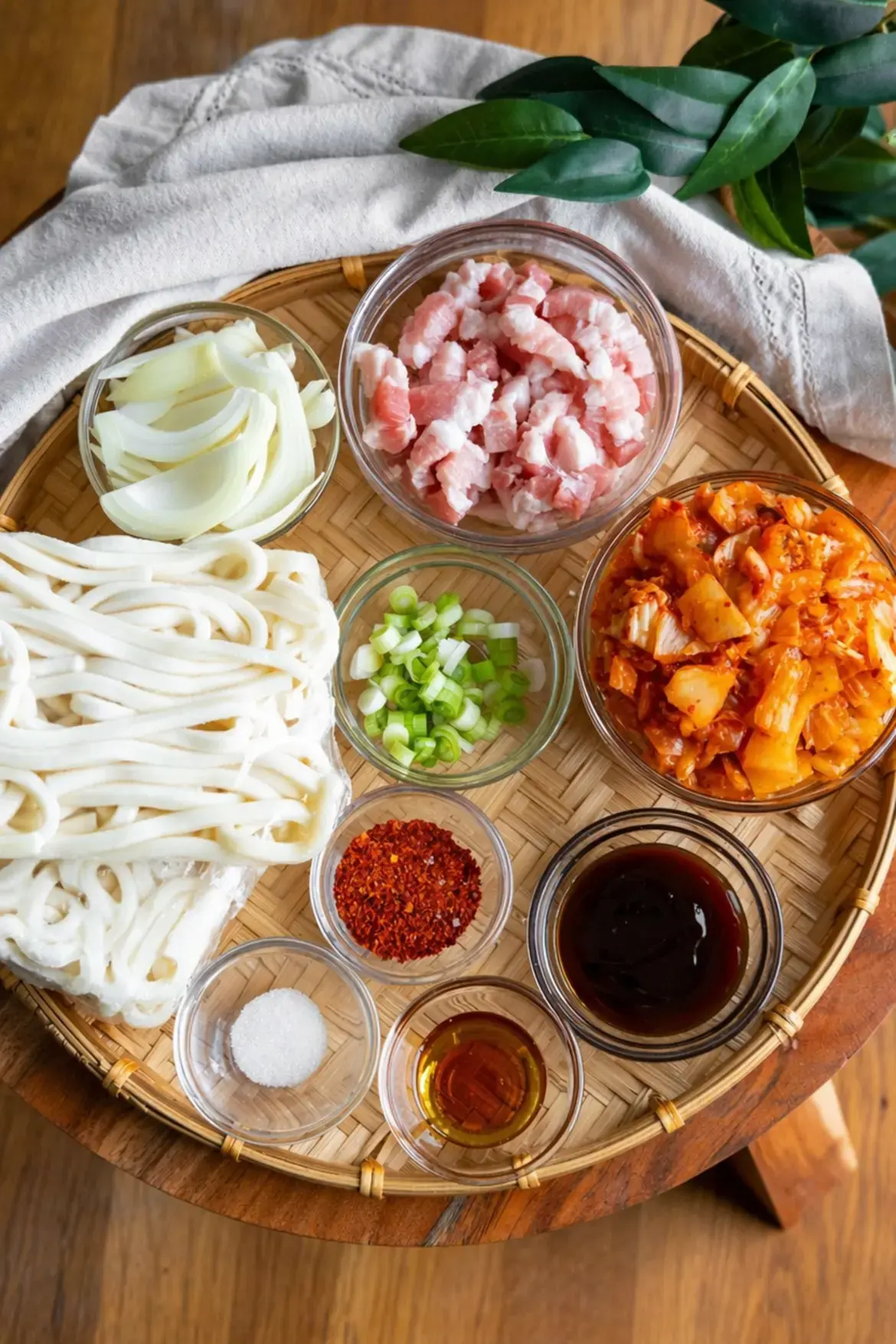
The ingredient list is short and flexible. You can swap proteins or add extra veggies based on what you have. Here is what you will need:
| Ingredient | Notes |
|---|---|
| Frozen Sanuki style udon noodles | Chewy texture, less likely to get mushy |
| Aged kimchi (with juice) | At least 2 weeks old for best flavor |
| Gochujang (Korean chili paste) | Adds sweetness and heat |
| Gochugaru (Korean chili flakes) | For extra color and spice |
| Soy sauce | Use tamari for gluten free |
| Sesame oil | For finishing |
| Sugar or honey | Balances the heat |
| Garlic, onion, green onion | Aromatics base |
| Protein (pork belly, tofu, spam, etc.) | Optional but recommended |
For the best results, I recommend using frozen udon noodles. They have that perfect chewy bite that holds up to stir frying. Fresh udon from the refrigerated section works great too. Just avoid dried udon as it tends to get too soft. To prepare frozen udon, soak in hot water for about 1 minute, loosen with chopsticks, rinse under cold water, and drain.
Protein and garnish options:
- Protein swaps: pork belly, bacon, spam, ground pork, tofu, fish cake, or extra cabbage
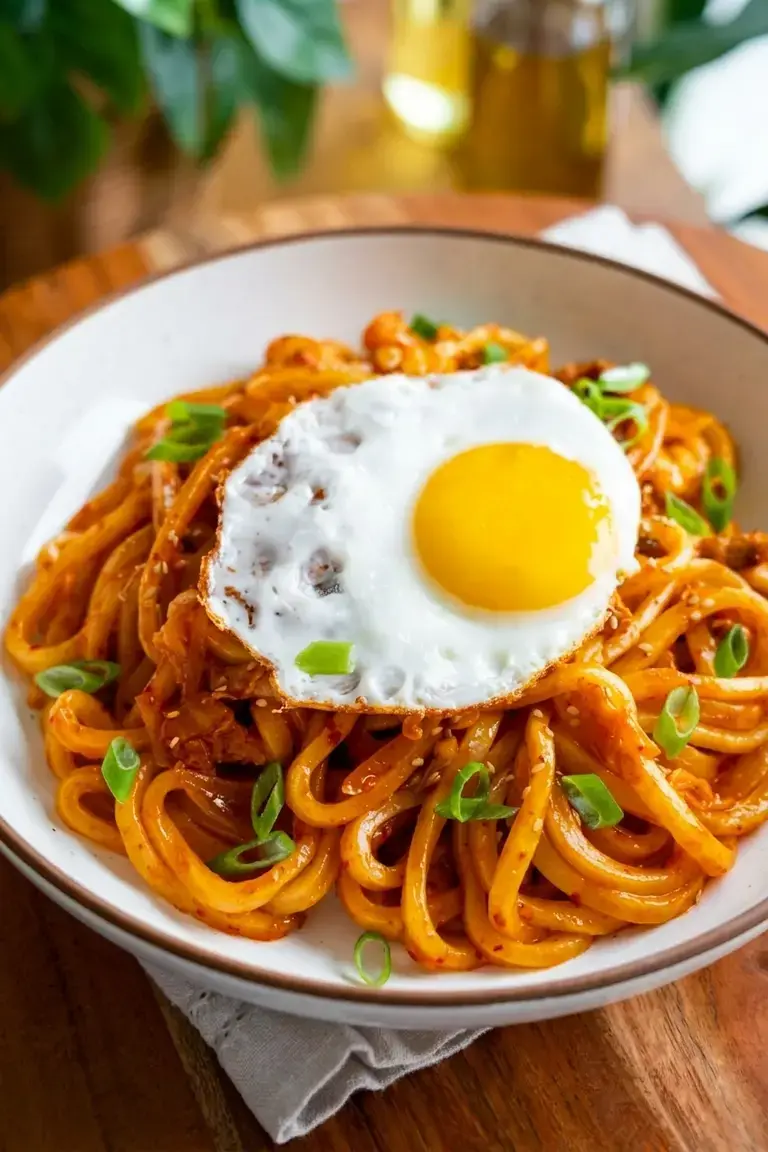
- Garnish ideas: toasted sesame seeds, sunny side up egg, seaweed flakes, sliced green onions, furikake
What is the best kind of kimchi to use?
When it comes to cooking with kimchi, older is always better. Fresh kimchi is crunchy and bright, but aged kimchi (refrigerated for at least two weeks) develops a deeper, more complex flavor. The fermentation makes it sour, funky, and packed with umami. That’s exactly what you want in a stir fry.
If you only have fresh kimchi, you can quick age it by leaving the container at room temperature overnight. Just make sure to refrigerate it after that. This method is food safe and really intensifies the tanginess. I always keep a jar of older kimchi in my fridge specifically for cooking. The kimchi juice is also key. Use it sparingly too much liquid will make your sauce watery. If you want to make your own, check out my traditional napa cabbage kimchi recipe.
Use the kimchi juice sparingly. Adding too much liquid is the most common mistake and it leads to a watery sauce instead of a glossy coating on the noodles.
Frequently Asked Questions
What is kimchi udon?
How to make kimchi udon?
Can I make kimchi udon vegetarian?
How to prevent mushy udon noodles?
What is the best kimchi for udon?
What to serve with kimchi udon?
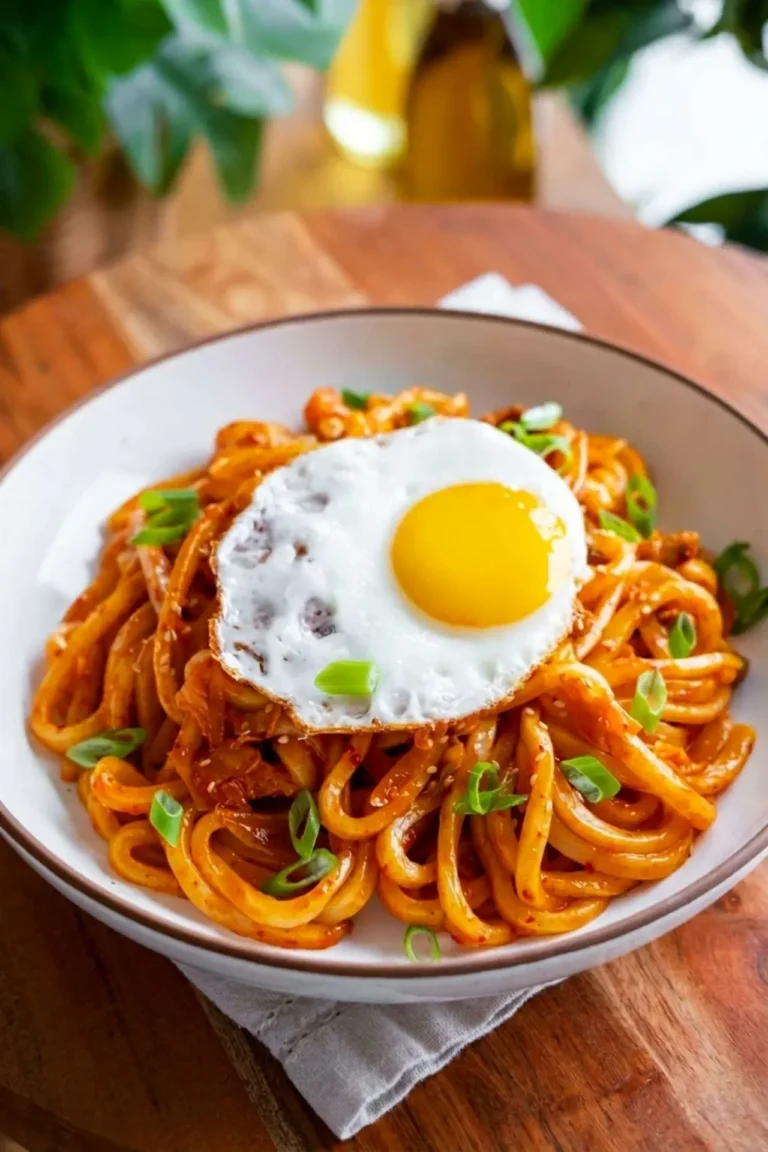
Kimchi Udon Stir Fry
🔥 A bold Korean-Japanese fusion stir fry with chewy udon noodles and tangy fermented kimchi, ready in just 20 minutes.
🍜 The perfect busy weeknight dinner that delivers deep, restaurant-quality flavor from simple pantry ingredients.
- Total Time: 20 minutes
- Yield: 2 servings 1x
Ingredients
2 packs (7 oz each) frozen Sanuki-style udon noodles
1 cup aged kimchi, chopped, plus 2 tablespoons kimchi juice reserved
2 tablespoons gochujang (Korean chili paste)
1 teaspoon gochugaru (Korean chili flakes)
1 tablespoon soy sauce
2 teaspoons sesame oil, divided
1 teaspoon sugar
3 cloves garlic, minced
1/2 medium onion, sliced
2 green onions, chopped
4 oz pork belly or protein of choice (optional)
Toasted sesame seeds for garnish
Instructions
1-Prepare the udon noodles: Soak frozen udon in hot water 1 minute, loosen, rinse under cold water, and drain well.
2-Make the sauce: Whisk gochujang, gochugaru, soy sauce, sugar, 1 tsp sesame oil, and reserved kimchi juice until smooth.
3-Stir fry the aromatics: Heat oil in a pan over medium-high, cook minced garlic and sliced onion until fragrant and softened.
4-Cook the protein: Add pork belly or chosen protein, stir fry until cooked through and lightly browned.
5-Add the kimchi: Toss in chopped aged kimchi, stir fry 1-2 minutes until heated and slightly caramelized.
6-Combine noodles and sauce: Add drained noodles and sauce, toss over high heat for 1 minute until evenly coated and glossy.
7-Finish and serve: Remove from heat, drizzle with remaining 1 tsp sesame oil, garnish with green onions and sesame seeds, then serve.
Last Step:
Please leave a rating and comment letting us know how you liked this recipe! This helps our business to thrive and continue providing free, high-quality recipes for you.Notes
🥬 Use well-aged kimchi (at least 2 weeks old) for the deepest tangy, umami flavor — older kimchi makes all the difference in a stir fry.
💧 Add kimchi juice sparingly — too much liquid will make the sauce watery instead of creating a glossy coating on the noodles.
❄️ Rinse cooked udon under cold water immediately after soaking to stop the cooking process and preserve that signature chewy texture.
- Prep Time: 5 minutes
- Cook Time: 15 minutes
- Category: Dinner
- Method: Stir Fry
- Cuisine: Korean-Japanese Fusion
Nutrition
- Serving Size: 1 bowl
- Calories: 485
- Sugar: 8g
- Sodium: 920mg
- Fat: 18g
- Saturated Fat: 5g
- Unsaturated Fat: 11g
- Trans Fat: 0g
- Carbohydrates: 54g
- Fiber: 3g
- Protein: 16g
- Cholesterol: 28mg