
What Is Potato Flatbread?
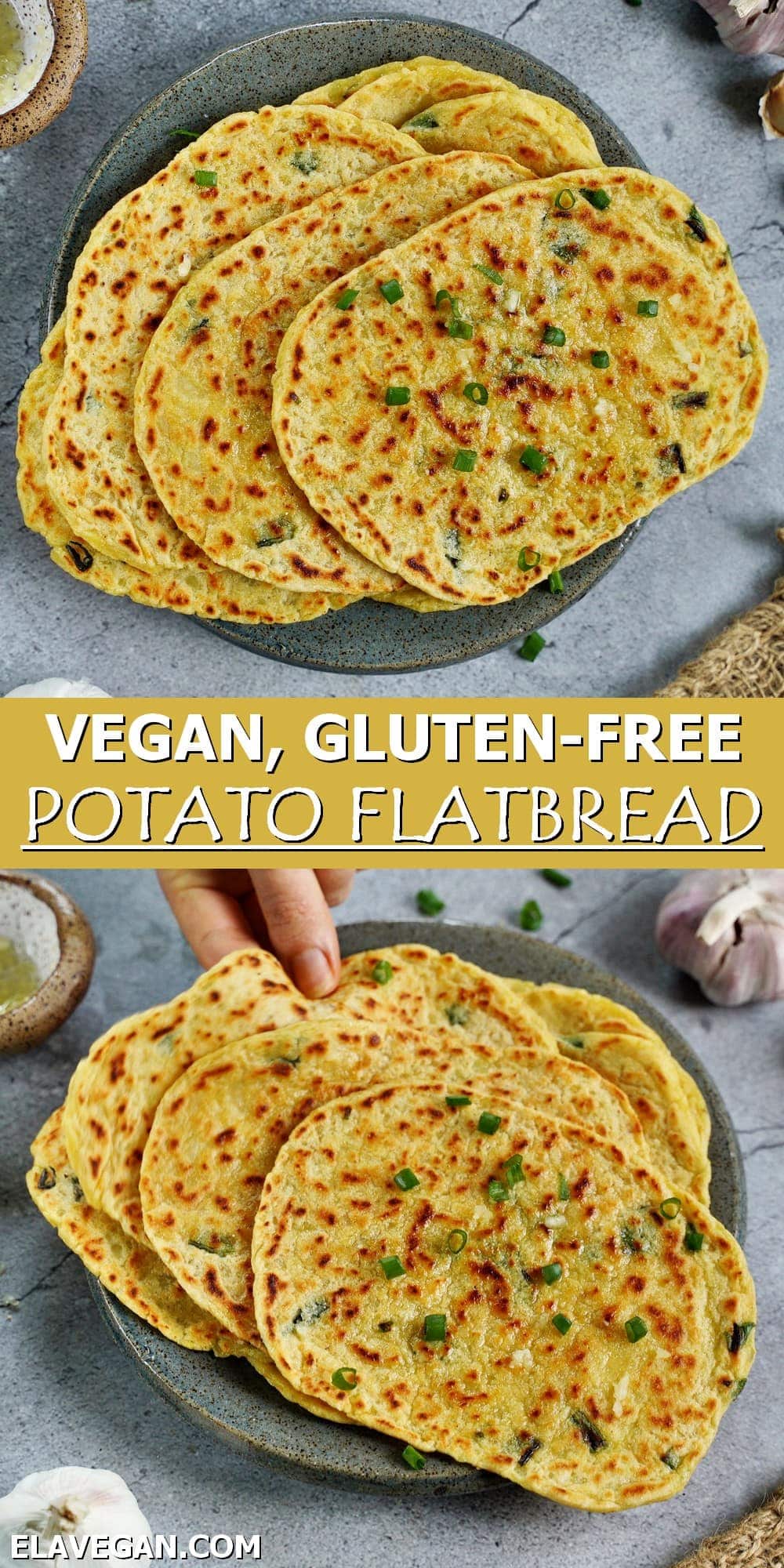
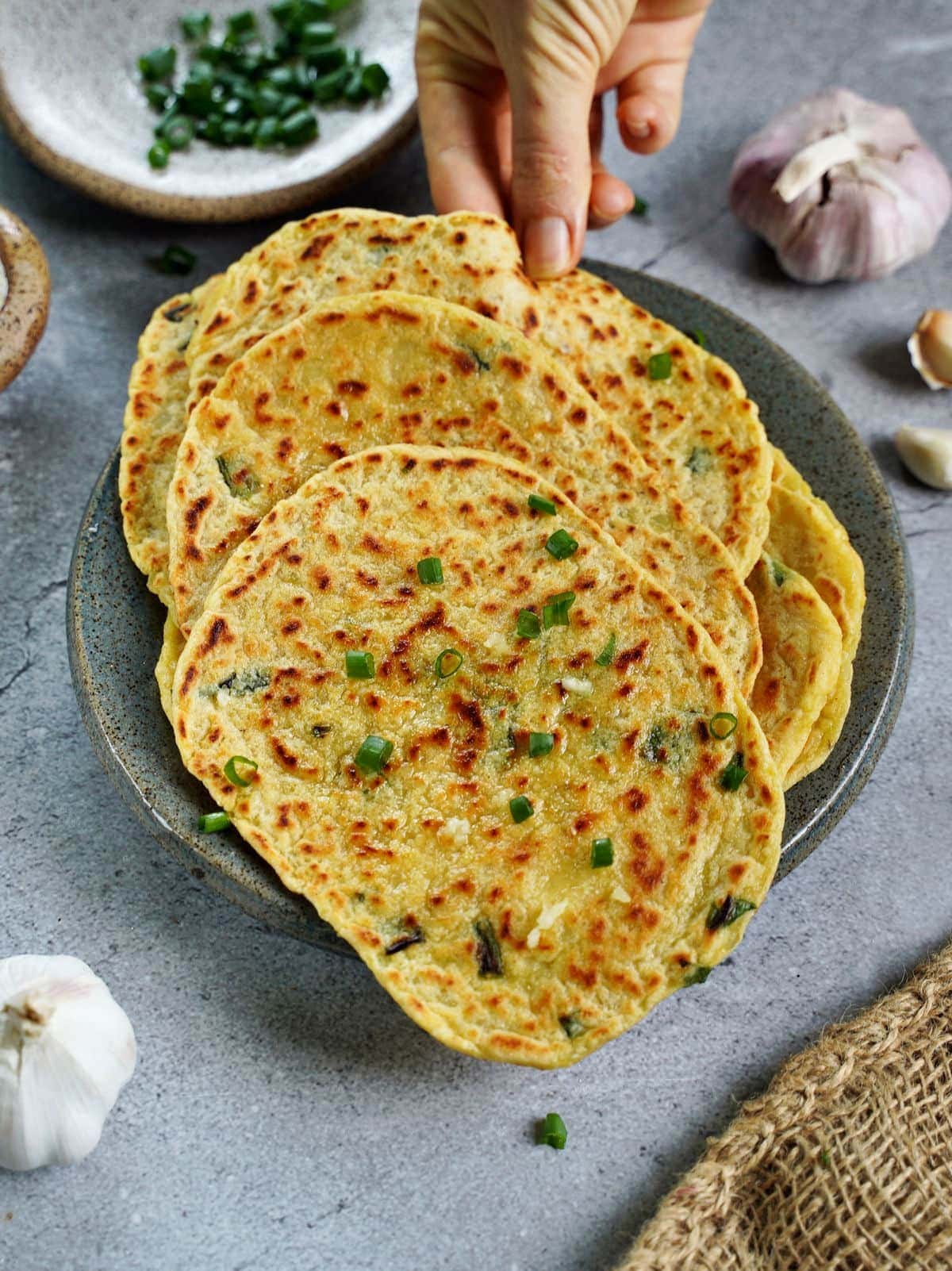
Potato flatbread is one of those wonderful kitchen discoveries that feels both rustic and clever. It uses humble mashed potatoes to create a soft, pliable flatbread that cooks quickly in a skillet.
This easy potato flatbread recipe requires just seven simple ingredients and absolutely no yeast, so you skip all the kneading and proofing.

The mashed potato gives the dough a natural tenderness, and a quick turn in a hot pan yields a golden brown surface that stays flexible enough to wrap, fold, or mop up sauce.
I remember the first time I made these on a busy weeknight. I had a bowl of leftover mashed potatoes from Sunday dinner and no bread in the house.

Instead of running to the store, I stirred in some flour, a pinch of nutmeg, and a handful of chopped scallions. In under half an hour, I had a stack of warm flatbreads that my family devoured with a spicy lentil curry.
That moment made me a true believer in the magic of potato flatbread.
Because there is no dairy and no gluten in this version, it works beautifully for anyone avoiding those ingredients. You can use newly boiled starchy potatoes or leftover mash (just make sure it isn’t heavily loaded with butter and milk).
The dough comes together with minimal effort, and the skillet does the rest. Whether you call them potato scones, potato farls, or simply soft flatbreads, they are endlessly adaptable and a joy to make.
Jump to:
- What Is Potato Flatbread?
- Fluffy and Flexible Gluten Free Potato Flatbread
- The Ingredients
- Optional add ins and recipe variations:
- Step 1: Prepare the potato dough
- Step 2: Cook the skillet flatbread
- How to serve?
- How to Make Ahead and Store
- Frequently Asked Questions
- What ingredients do you need to make potato flatbread?
- Can I make potato flatbread with gluten-free flour?
- How do you cook potato flatbread so it stays soft and flexible?
- How should you store and reheat potato flatbread?
- Other Vegan Potato Recipes
- Potato Flatbread
- Ingredients
- Instructions
- Last Step:
- Nutrition
- Did you make this recipe?
Fluffy and Flexible Gluten Free Potato Flatbread
This recipe sits somewhere between Norwegian lefse, Scottish tattie scones, and Irish potato farls, but without any dairy. The result is a fluffy, tender flatbread that remains flexible even after it cools.
I love that there is no yeast involved; you simply cook the potatoes, mix everything together, roll it out, and fry. The whole process feels effortless, yet the reward is a stack of warm, satisfying breads.
When I share these with friends who eat gluten free, they are always surprised by how tender and pliable they are.
The secret lies in the combination of chickpea flour and tapioca flour, which creates a dough that rolls easily and fries up with a lightly crisp crust while staying soft inside.
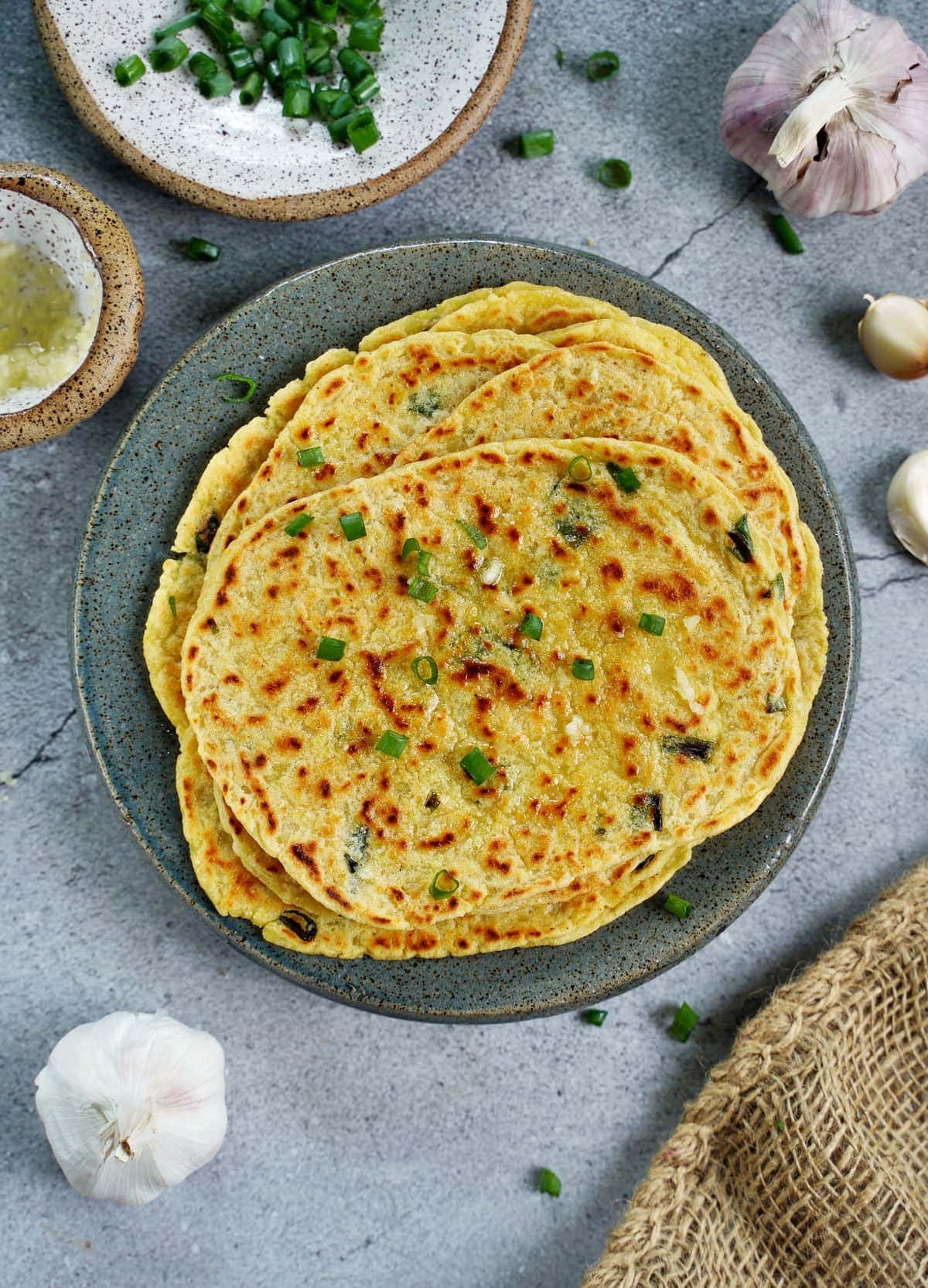
You can also use all purpose flour if you prefer, but this gluten free potato flatbread version has become my go to for gatherings where dietary needs vary.
The nutmeg is a small but essential touch. It adds a subtle warmth that pairs beautifully with the scallions, and it reminds me of the way my grandmother seasoned her mashed potatoes.
Potato flatbread is popular in many cuisines, and once you taste it fresh from the skillet, you will understand why.
It is hearty yet light, perfect for sopping up a rich stew or simply enjoying with a smear of vegan butter and a sprinkle of flaky salt.
The Ingredients
You only need seven basic ingredients to make these flatbreads. The list is short, but each one plays an important role in texture and flavor.
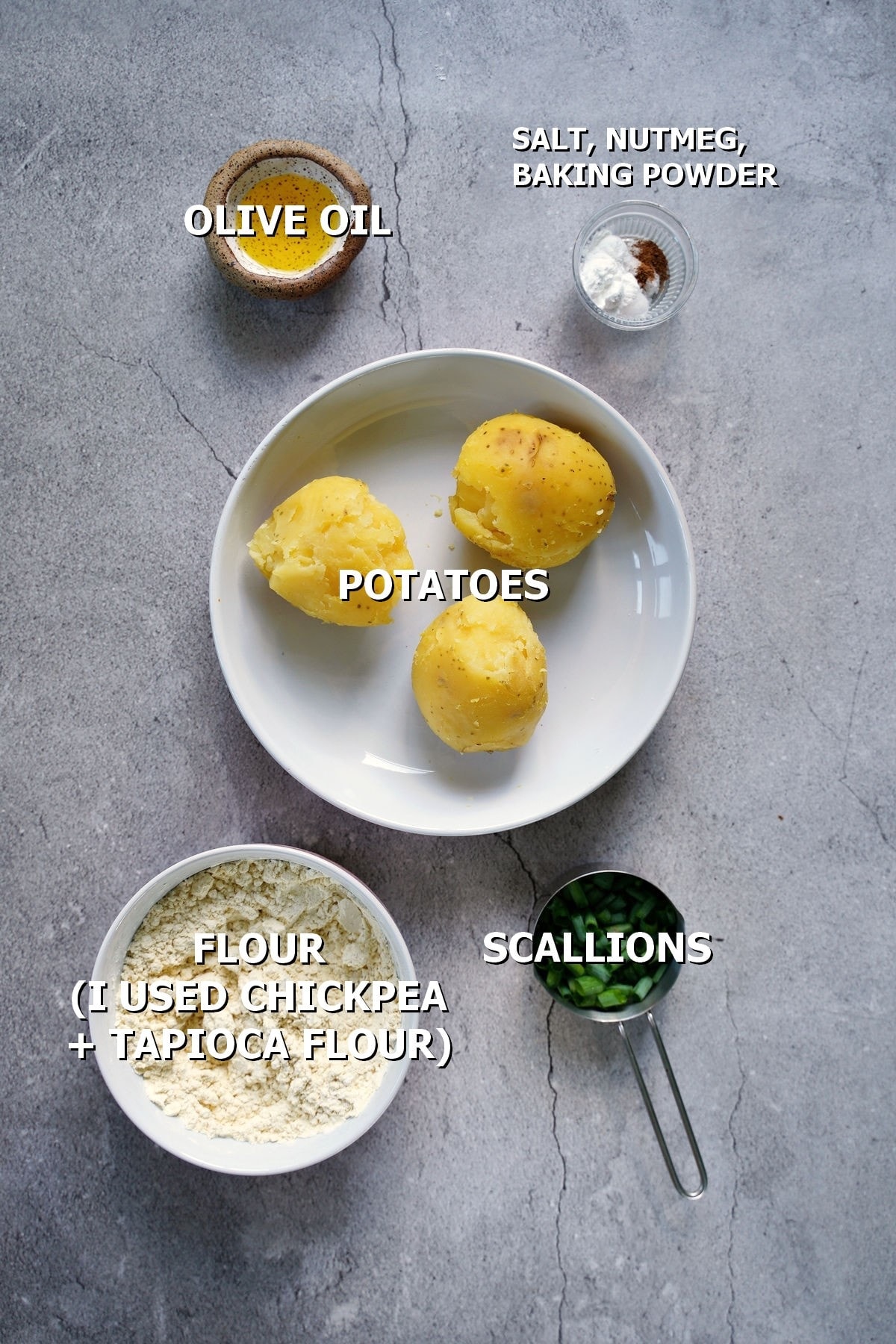
- Potatoes: Use starchy varieties like Russet or Yukon Gold. You will need about 400 grams after cooking and peeling. Leftover mashed potatoes work too, as long as they are not overly buttery or milky.
- Flour: For a gluten free version, I use a blend of 80 grams chickpea flour and 40 grams tapioca flour. Regular all purpose flour also works; you may need to adjust the amount slightly.
- Baking powder: A single teaspoon gives the flatbread a lighter, more tender crumb.
- Salt: 1/2 to 3/4 teaspoon enhances all the savory notes.
- Nutmeg: Just a pinch brings a gentle warmth.
- Oil: A tablespoon of neutral oil (olive, avocado, or coconut) keeps the dough supple. You will also need a little extra for frying.
- Scallions: 1/3 cup chopped scallions add a fresh, mild onion flavor. They are optional if you plan to use sweet toppings.
These pantry staples come together to create a dough that is remarkably easy to handle. The moisture from the mashed potatoes does most of the binding work, so you do not need eggs or dairy.
Optional add ins and recipe variations:
This dough is a wonderful blank canvas. Over the years, I have experimented with different add ins, and each variation brings its own personality to the table. Here are some of my favorites:
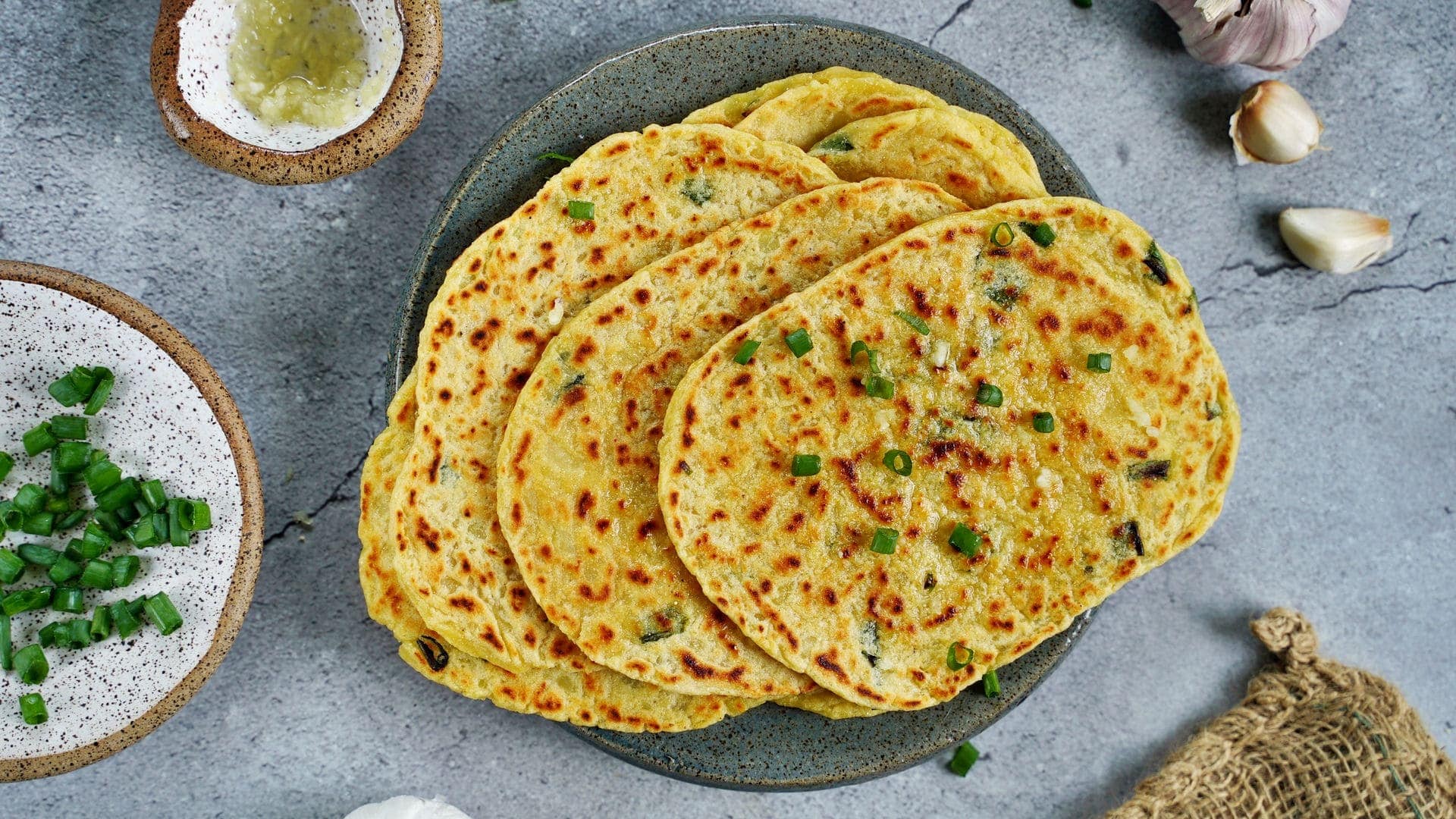
- Garlic: Mince two or three cloves and knead them into the dough for a garlicky flatbread that pairs perfectly with soup.
- Fresh herbs: Finely chopped parsley, chives, dill, cilantro, or thyme brighten the flavor. I often toss in a handful of chives when they are growing wild in the garden.
- A little heat: A pinch of red pepper flakes, cayenne, or chili powder gives the flatbread a gentle kick.
- Seeds: Add a tablespoon of chia, flax, or everything bagel seasoning for extra crunch and nutrition.
- Cheese: Fold in 1/4 to 1/2 cup of dairy free shredded cheese or a spoonful of nutritional yeast for a savory, cheesy note.
- Sweet potato: Swap half the potato with mashed sweet potato; you will need to adjust the flour slightly to get the right consistency.
- Spices: Experiment with onion powder, paprika, turmeric, cumin, or Italian herbs to match your meal.
The vegan potato flatbread recipe I first tried inspired me to play around with these additions, and now I rarely make it the same way twice.
Step 1: Prepare the potato dough
Start by boiling the whole, unpeeled potatoes in lightly salted water until they are fork tender. I always keep the skins on during boiling to prevent them from absorbing too much water; that way you need less flour and avoid a stodgy result.
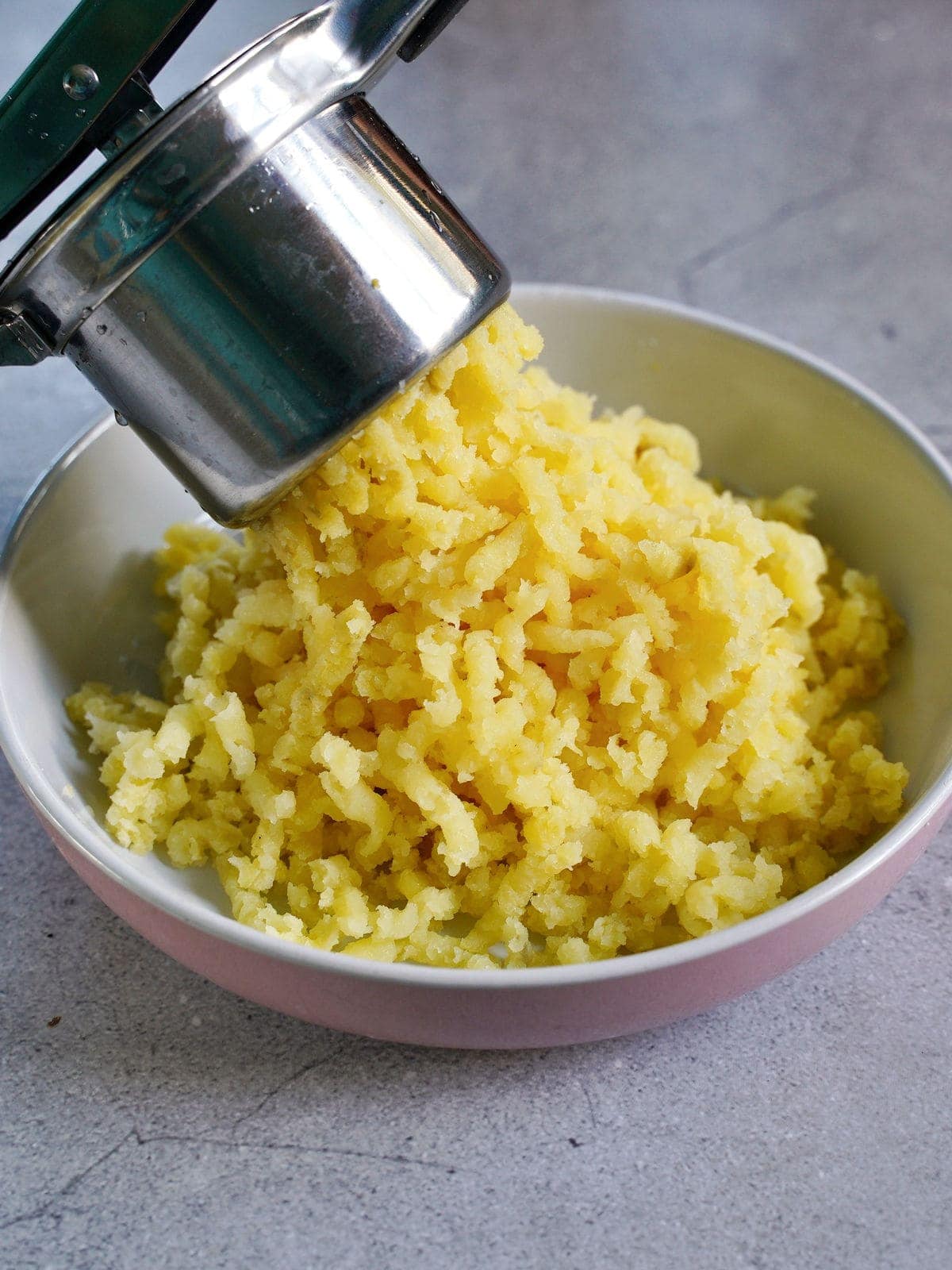
Drain the potatoes and let them cool just until you can handle them comfortably. Peel off the skins, then weigh the potatoes. You need exactly 400 grams of cooked, peeled potato.
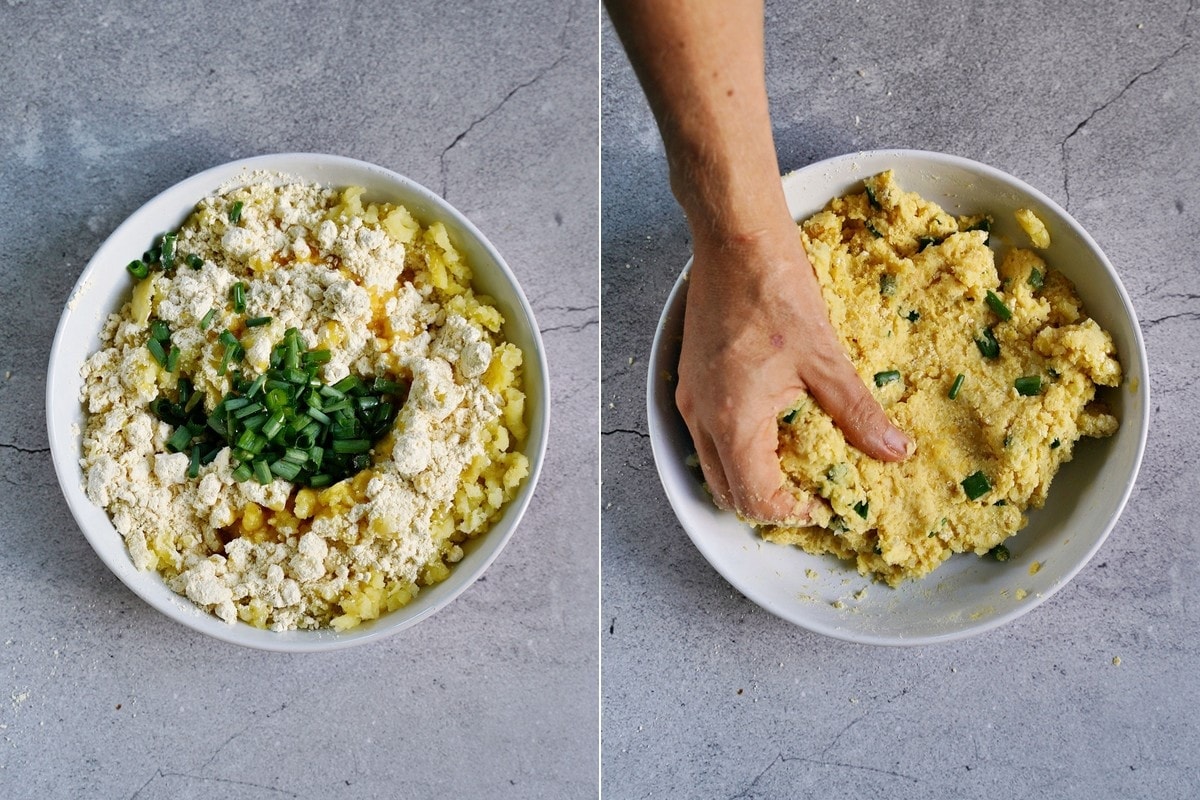
While they are still warm, mash them until smooth using a potato ricer or a sturdy masher. The warmth helps the flour absorb evenly, giving you a softer flatbread. Add the flour, baking powder, salt, a pinch of nutmeg, the oil, and the chopped scallions.
Stir with a spoon to bring everything together, then use your hands to gently knead the mixture into a cohesive dough. If the dough feels sticky, add a little more flour a spoonful at a time until it is soft but no longer tacky.
Be careful not to overwork it, or the flatbreads can turn tough.
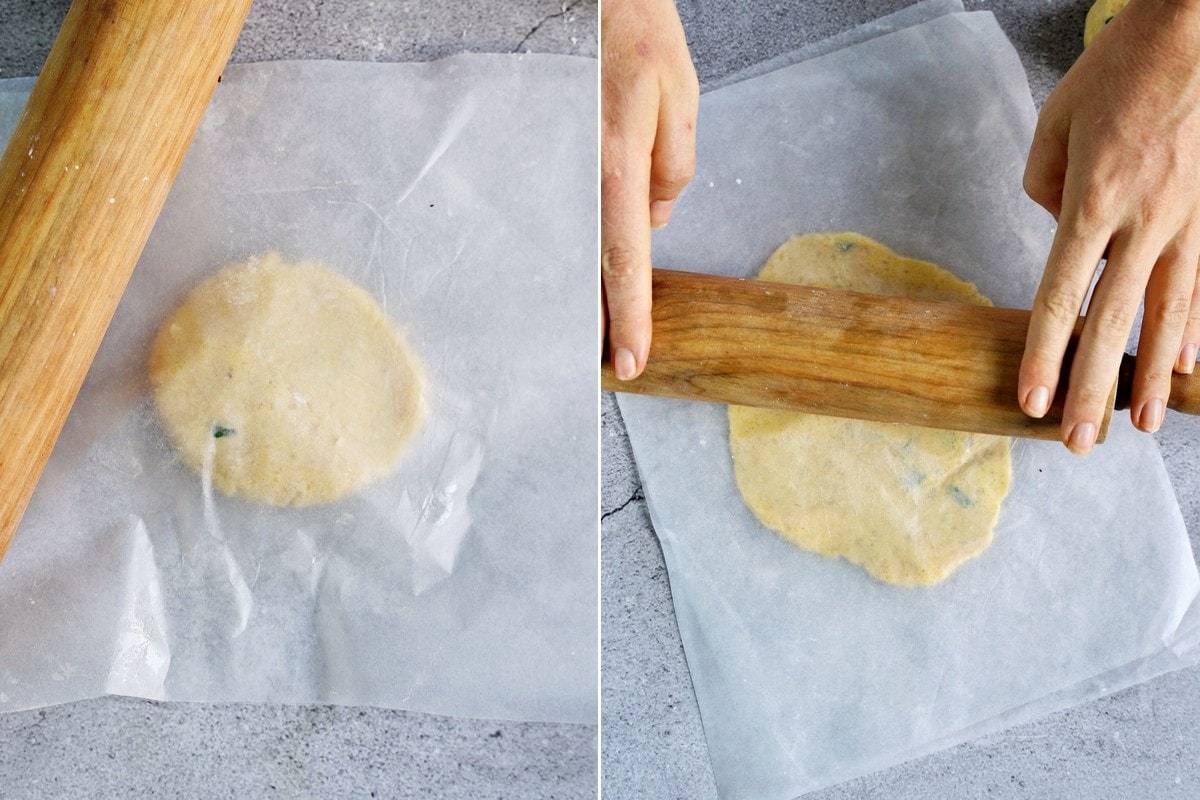
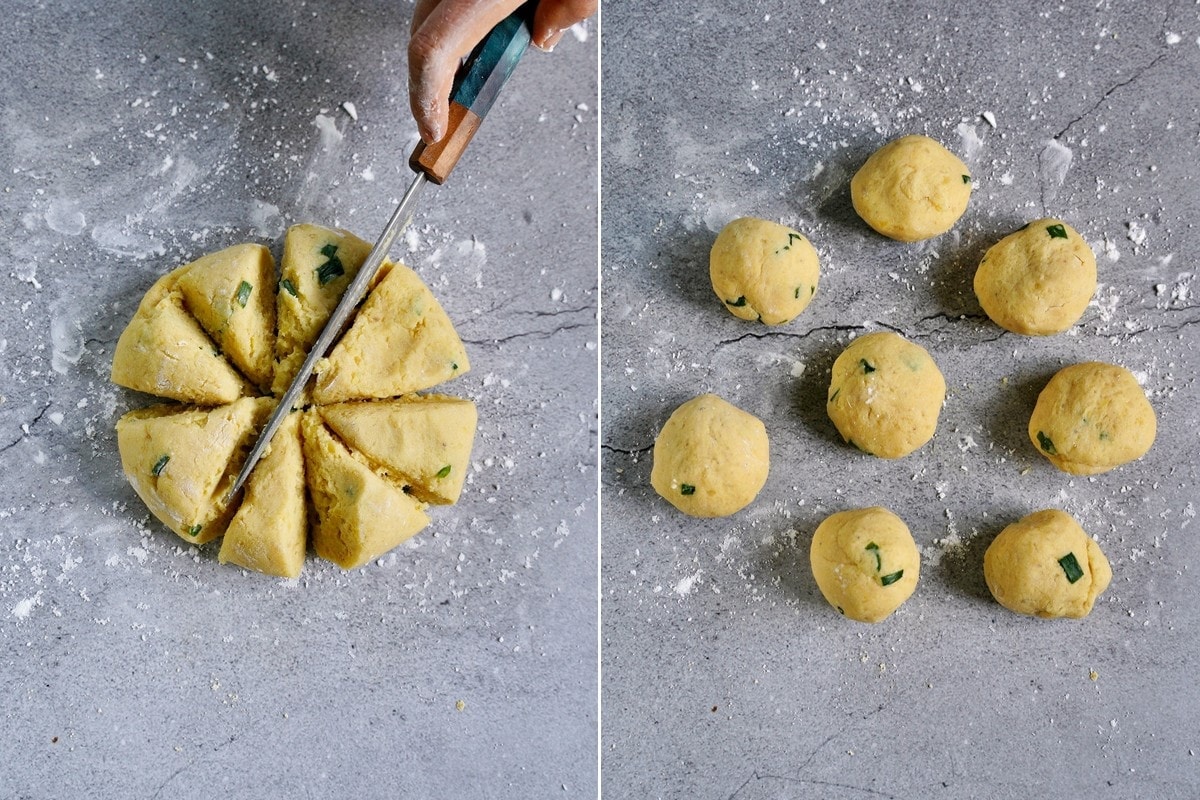
Divide the dough into 6 to 8 equal pieces and roll each into a ball. Aim for 8 smaller, thinner flatbreads or 6 slightly larger and thicker ones, depending on how you plan to serve them.
Step 2: Cook the skillet flatbread
Lightly oil two sheets of wax paper or parchment paper. Place one dough ball between them and use a rolling pin to roll it into a disc about 1/8 to 1/4 inch thick and roughly 5 1/2 to 6 inches in diameter. This method keeps the soft dough from sticking and makes it a breeze to transfer to the pan.
Set a large nonstick skillet over medium heat and brush it lightly with oil. Peel off the top sheet of wax paper, then carefully flip the flatbread onto the hot pan. Peel away the remaining paper.
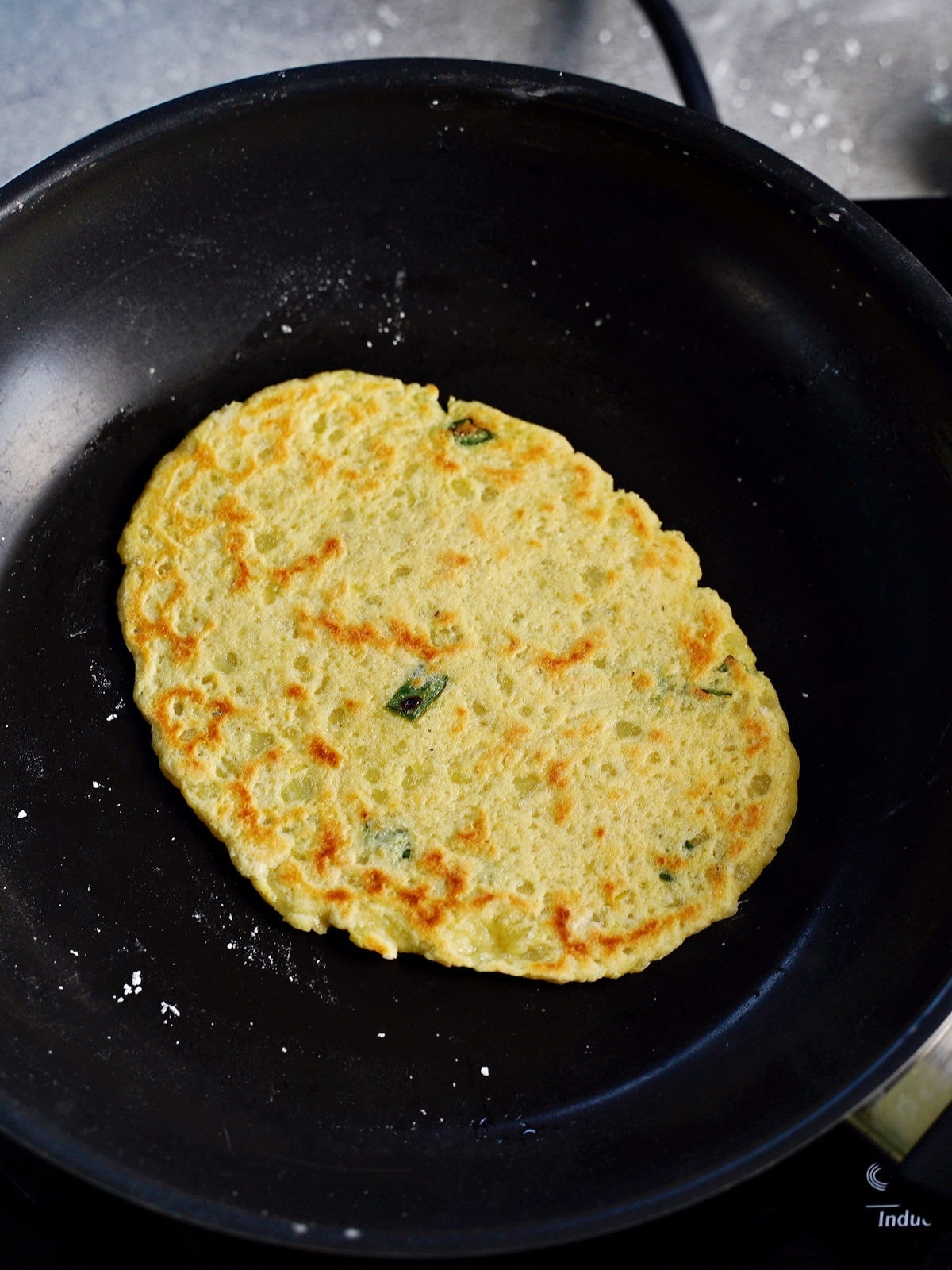
Cook for 2 to 4 minutes, until the underside is golden brown and speckled with darker spots. Flip carefully using a spatula and cook for an additional 1 to 2 minutes. You want a lightly crisp exterior that still bends without cracking.
As each flatbread finishes, transfer it to a plate and cover it with a clean, damp kitchen towel to keep it soft. While one cooks, roll out the next, and repeat until all the dough is used. If you like, brush the warm flatbreads with a little garlic oil and scatter over some fresh herbs right before serving.
How to serve?
The beauty of these flatbreads is how versatile they are. I often set out a platter at brunch alongside a bowl of smashed avocado and a jar of garlic scape butter. Here are some more ways my family enjoys them:
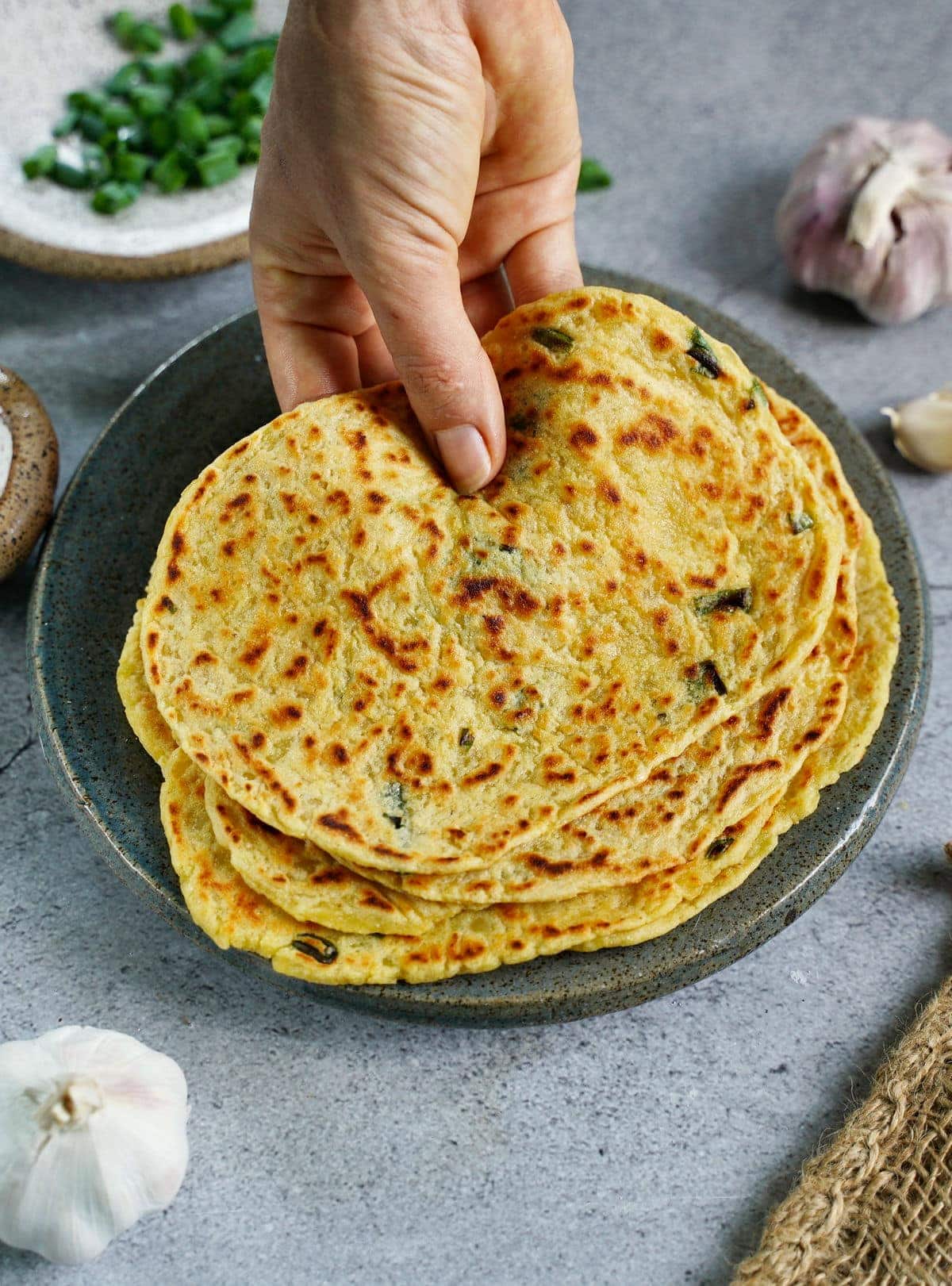
- Slathered with melted vegan butter and a pinch of flaky salt.
- Used to scoop up saucy dishes like chickpea curry, lentil stew, or mushroom gravy.
- Dipped into hummus, baba ghanoush, or creamy tzatziki.
- Wrapped around grilled vegetables and a smear of tahini for a quick lunch.
- Turned into mini pizzas: top with marinara, dairy free cheese, and your favorite toppings, then broil until bubbly.
- Enjoyed like a pancake with a dollop of vegan sour cream and extra scallions.
- Sprinkled with cinnamon sugar for a sweet treat.
- Piled alongside roasted tomatoes, mushrooms, and sausages for a hearty breakfast plate.
One of my favorite simple combinations is a warm flatbread with a smear of almond butter and a drizzle of maple syrup. It sounds unexpected, but the nutty sweetness against the savory potato base is absolutely delicious.
How to Make Ahead and Store
These flatbreads are at their very best right after cooking, but they hold up wonderfully for later. If I know a busy week is coming, I often boil and mash the potatoes a day or two in advance and keep them covered in the refrigerator.
Leftover mashed potatoes from a holiday meal also work well, as long as they are not swimming in butter and milk.
Cooked flatbreads can be stored in an airtight container at room temperature for up to 2 days or in the refrigerator for up to 5 days.
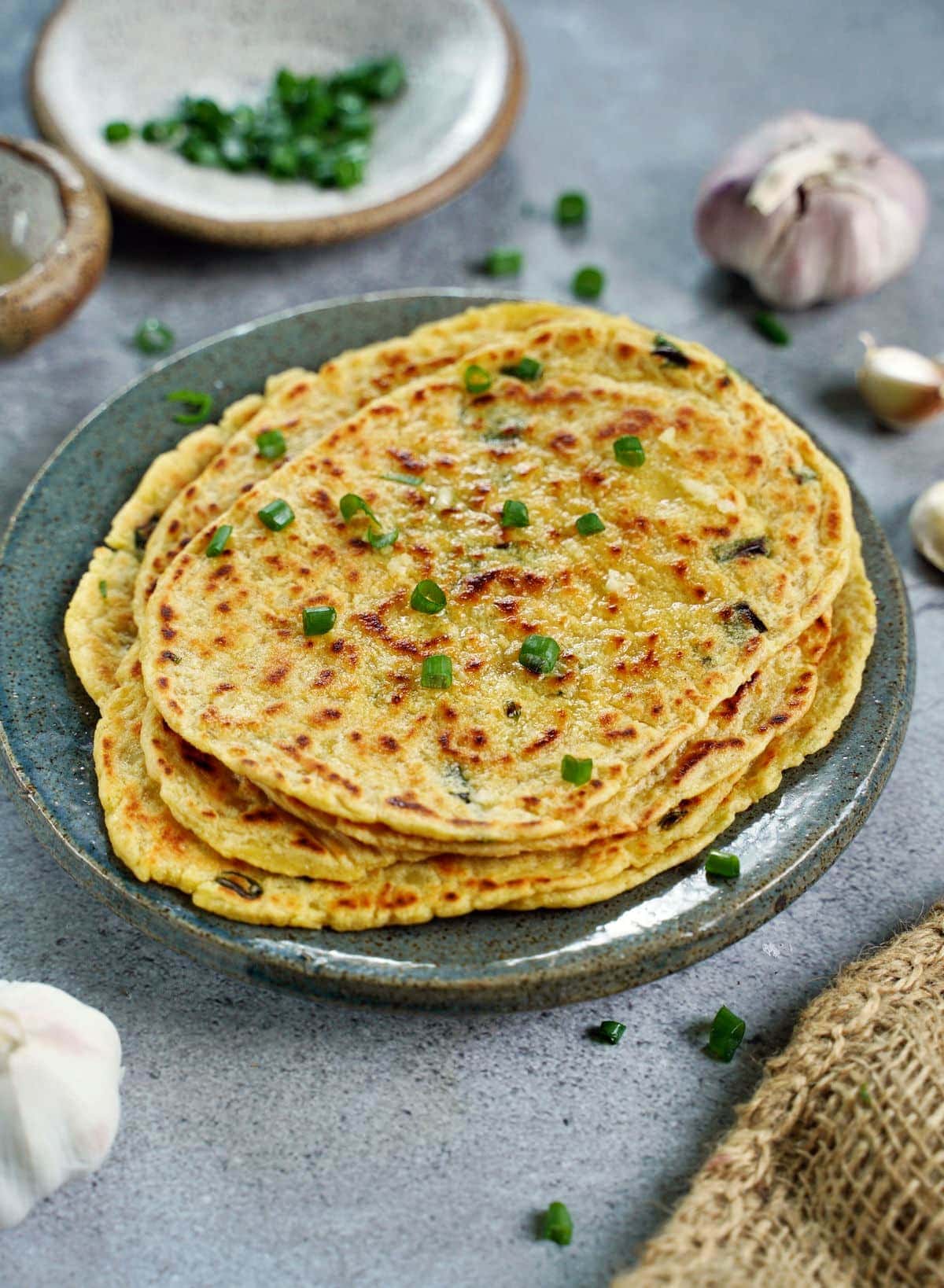
To freeze, stack them with small squares of parchment paper between each piece to prevent sticking, then wrap the whole stack tightly in plastic wrap and place it inside a zip top bag. They keep in the freezer for about three months. Thaw overnight in the fridge.
When you are ready to eat, you have options. Reheat the flatbreads in a dry skillet over medium heat for a minute or two per side to bring back some crispness. A toaster also works for a quick refresh.
If you prefer them soft and steamy, wrap a couple in a damp paper towel and microwave for 20 to 30 seconds. I usually freeze half the batch so I always have a quick bread on hand for soup night.
Frequently Asked Questions
What ingredients do you need to make potato flatbread?
Can I make potato flatbread with gluten-free flour?
How do you cook potato flatbread so it stays soft and flexible?
How should you store and reheat potato flatbread?
Other Vegan Potato Recipes
If you fall in love with this potato flatbread as much as I have, I think you will also enjoy my chipotle mashed sweet potatoes, which bring a smoky kick to your plate.
I am always tinkering with potato based dishes, and I would be thrilled to see what you create in your own kitchen. Tag me on social media with your flatbread adventures, and do not forget to drop a recipe rating and a comment below.
Your feedback and ideas make this little corner of the internet so much brighter.
Print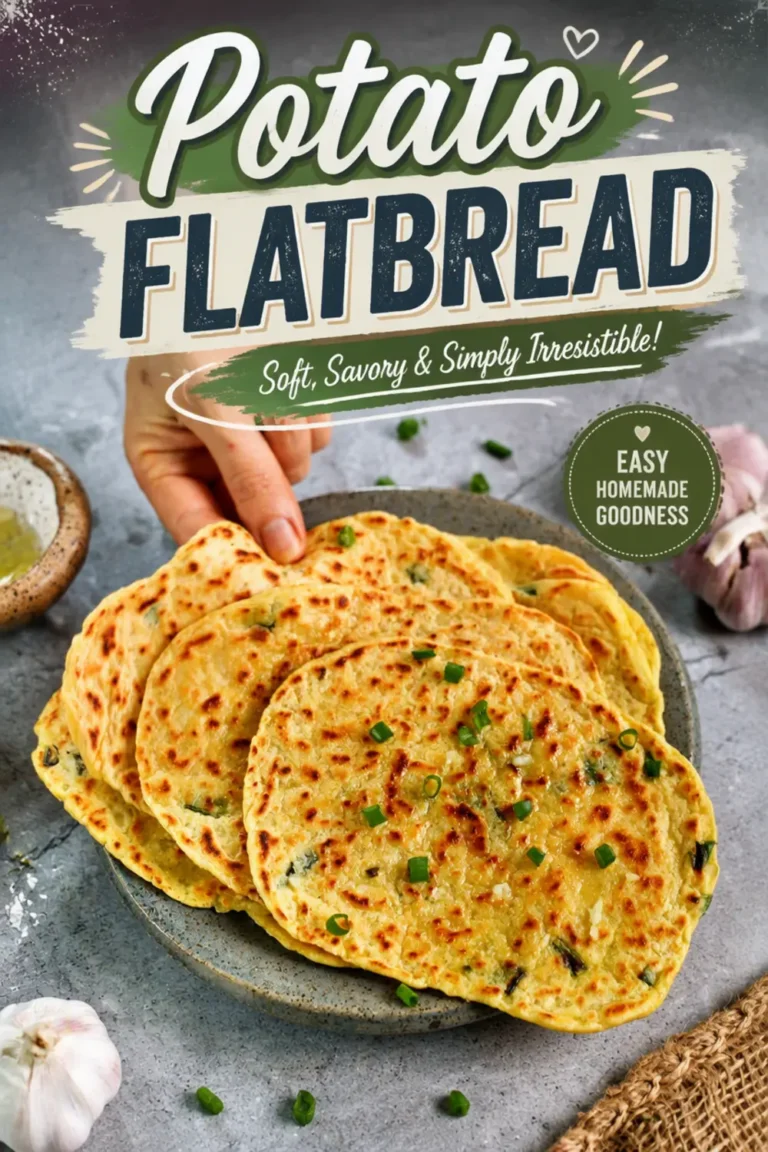
Potato Flatbread
What Is Potato Flatbread? Potato flatbread is one of those wonderful kitchen discoveries that feels both rustic and clever.
- Total Time: 40 min
- Yield: 6–8 flatbreads 1x
Ingredients
3 medium-large (400 g) potatoes potatoes, cooked and peeled, weight after cooking 400 g
1 cup (120 g) flour, plus more to knead
1 tsp baking powder
1/2–3/4 tsp salt
1 Pinch nutmeg
1 tbsp (13 g) oil, plus more for frying
⅓ cup scallions, chopped
Instructions
1-Boil potatoes in salted water until fork-tender,: Boil potatoes in salted water until fork-tender, then drain, let cool, peel. They should weigh 400 g after cooking and peeling. Mash them in a bowl with a potato masher or ricer.
2-Add the flour, baking powder, salt, nutmeg,: Add the flour, baking powder, salt, nutmeg, oil, and scallions. Mix with a spoon first, then use your hands to knead the dough. Add more flour until the dough isn’t sticky anymore.
3-Divide the dough into 6-8 parts and: Divide the dough into 6-8 parts and roll them into balls. Make 8 for smaller, thinner flatbreads and 6 for slightly larger/thicker ones.
4-With a rolling pin, roll out each: With a rolling pin, roll out each ball between 2 sheets of oiled wax paper (or parchment paper) into a disc between 1/8-inch and 1/4-inch thick. The diameter should be about 5 ½ – 6 inches.
5-Lightly oil a large non-stick frying pan/skillet: Lightly oil a large non-stick frying pan/skillet over medium heat. Remove the top layer of wax paper from the first flatbread and flip it over onto the pan, peeling away the remaining paper.
6-Cook the flatbread over medium heat for: Cook the flatbread over medium heat for about 2-4 minutes, then flip and cook for a further 1-2 minutes. Place cooked flatbread on a plate and cover with a kitchen towel. While one cooks, roll out the next dough ball.
7-Brush the flatbreads with a little garlic: Brush the flatbreads with a little garlic oil (optional), sprinkle with more fresh herbs, and enjoy.
Last Step:
Please leave a rating and comment letting us know how you liked this recipe! This helps our business to thrive and continue providing free, high-quality recipes for you.- Prep Time: 15 min
- Cook Time: 25 min
- Method: stovetop
Nutrition
- Calories: 117
- Sugar: 1
- Fat: 2
- Saturated Fat: 1
- Carbohydrates: 21
- Fiber: 2
- Protein: 3