

With mango coconut mousse, mango passion fruit compote, vanilla sponge, passion fruit cremeux, and lime whipped ganache
Some desserts taste like a season on a plate, and this mango passion fruit coconut entremet is one of them.

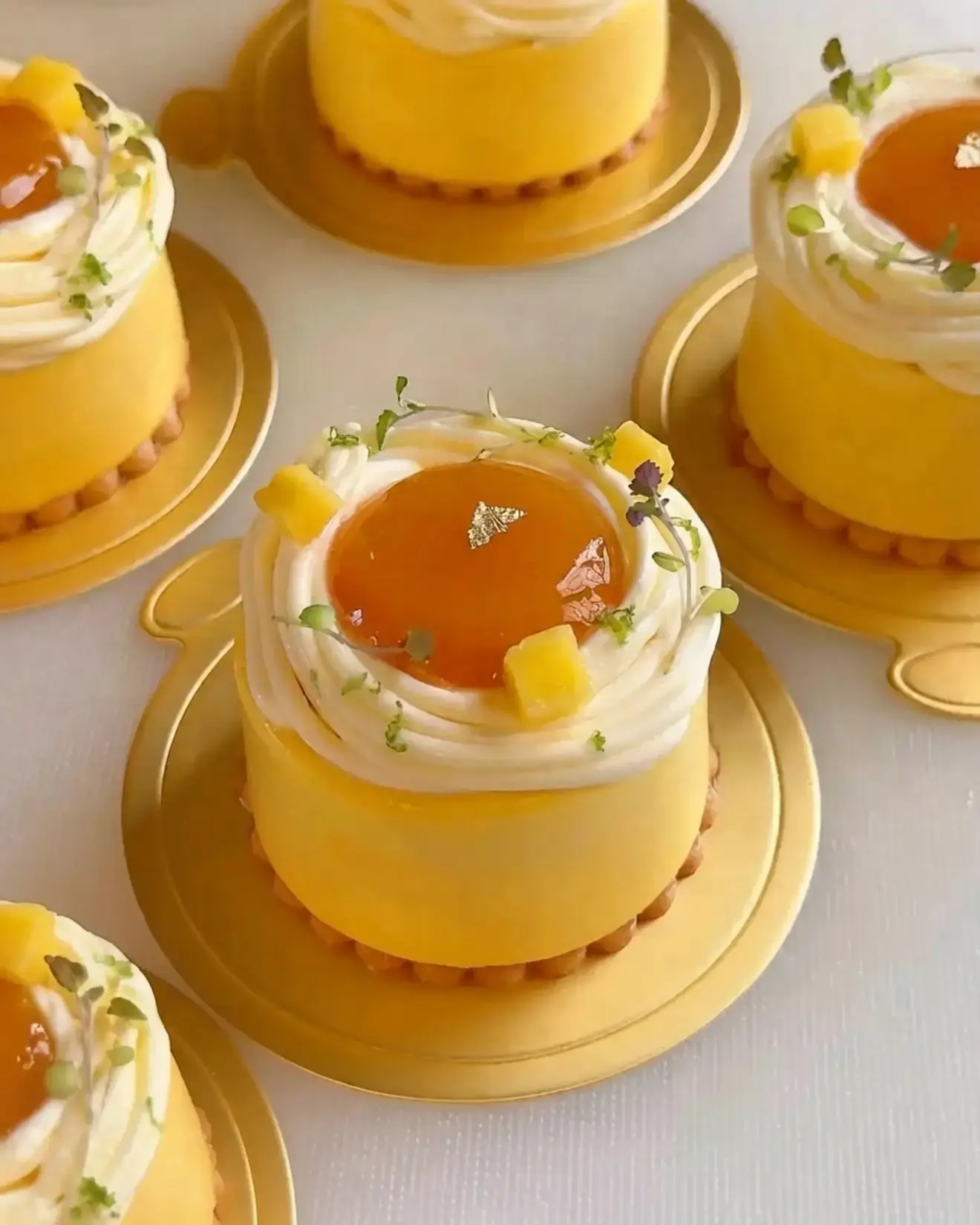
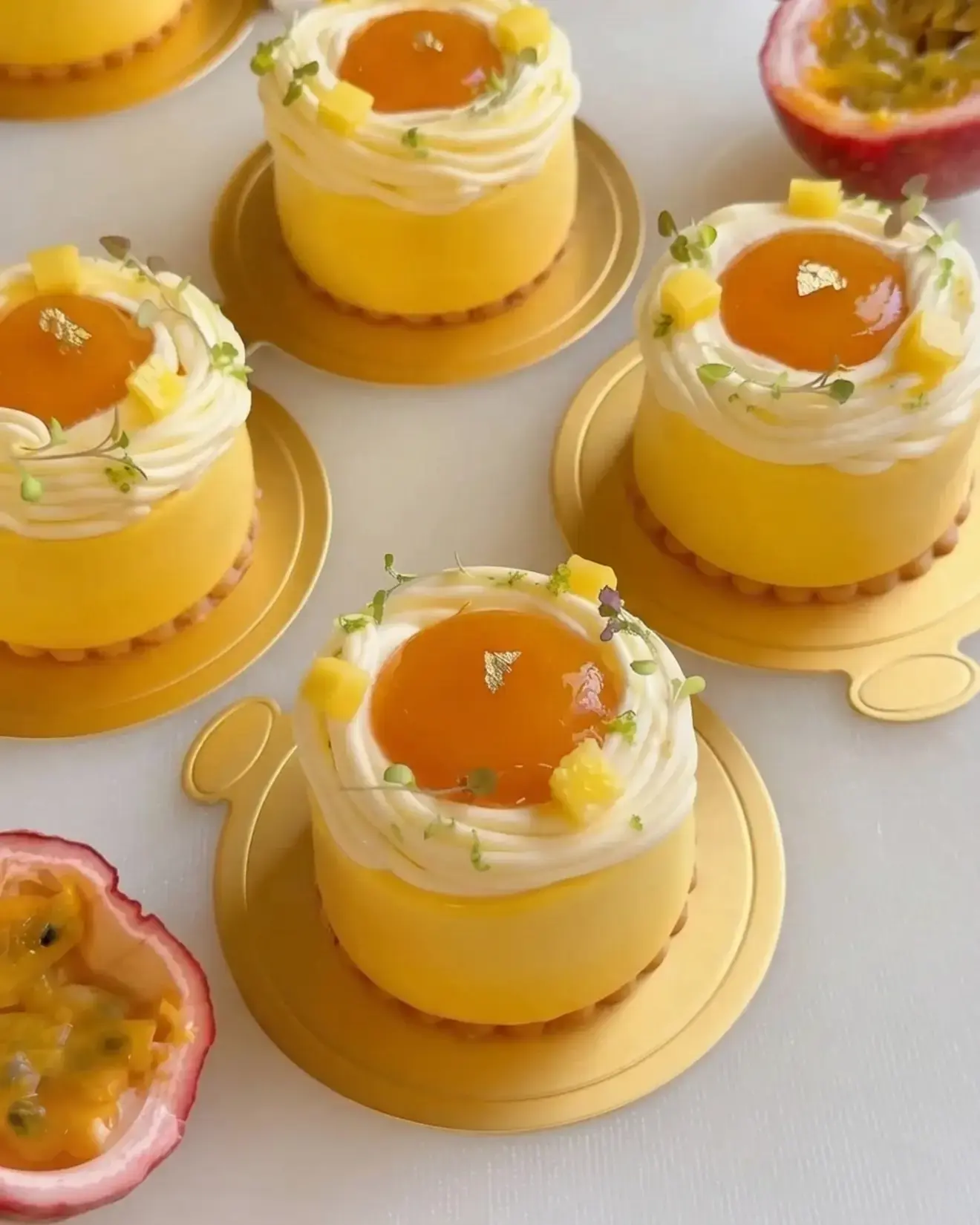
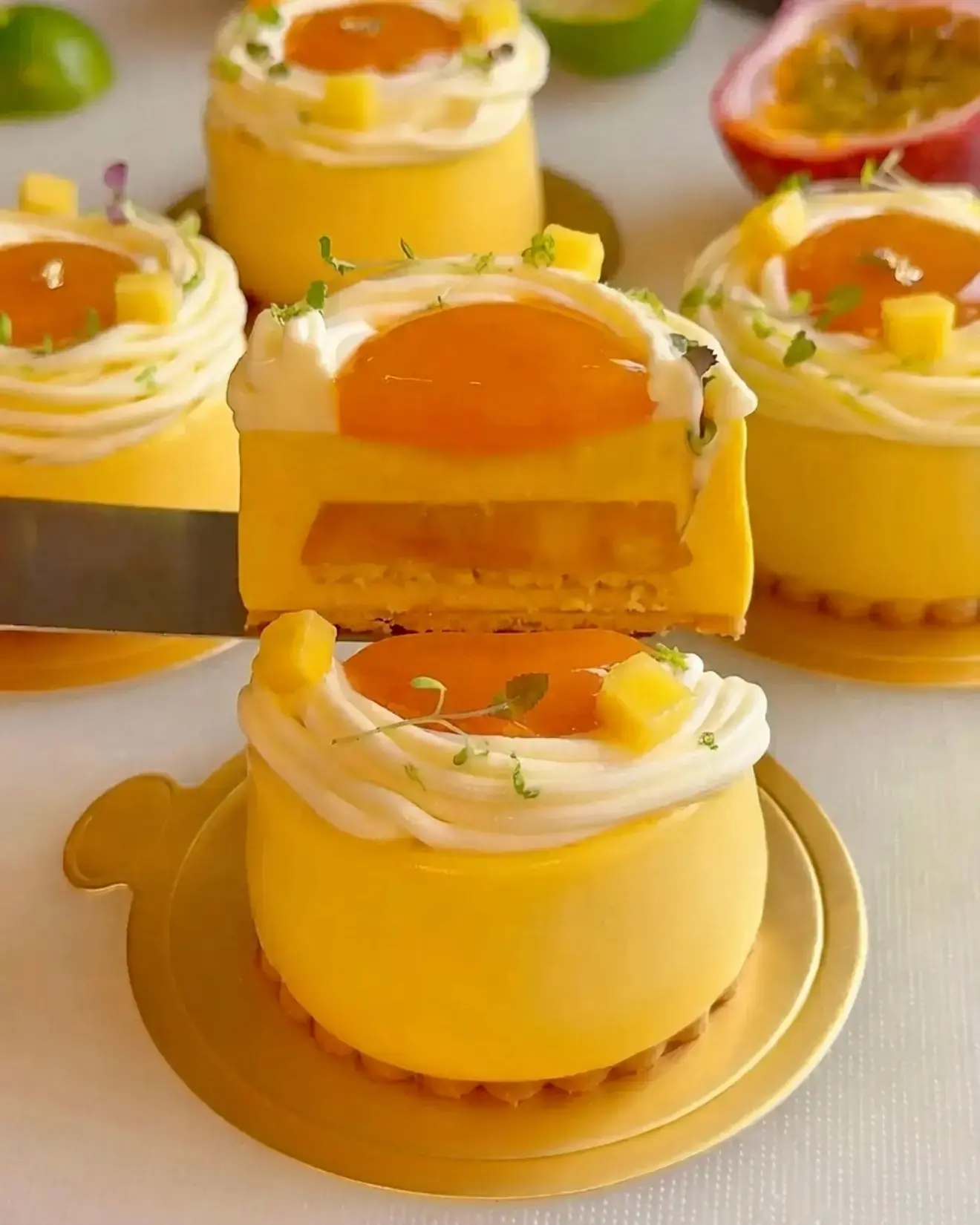
It brings together a silky mango coconut mousse, a bright mango passion fruit compote, a tender vanilla sponge, a tangy passion fruit cremeux, and a light lime infused white chocolate whipped ganache.
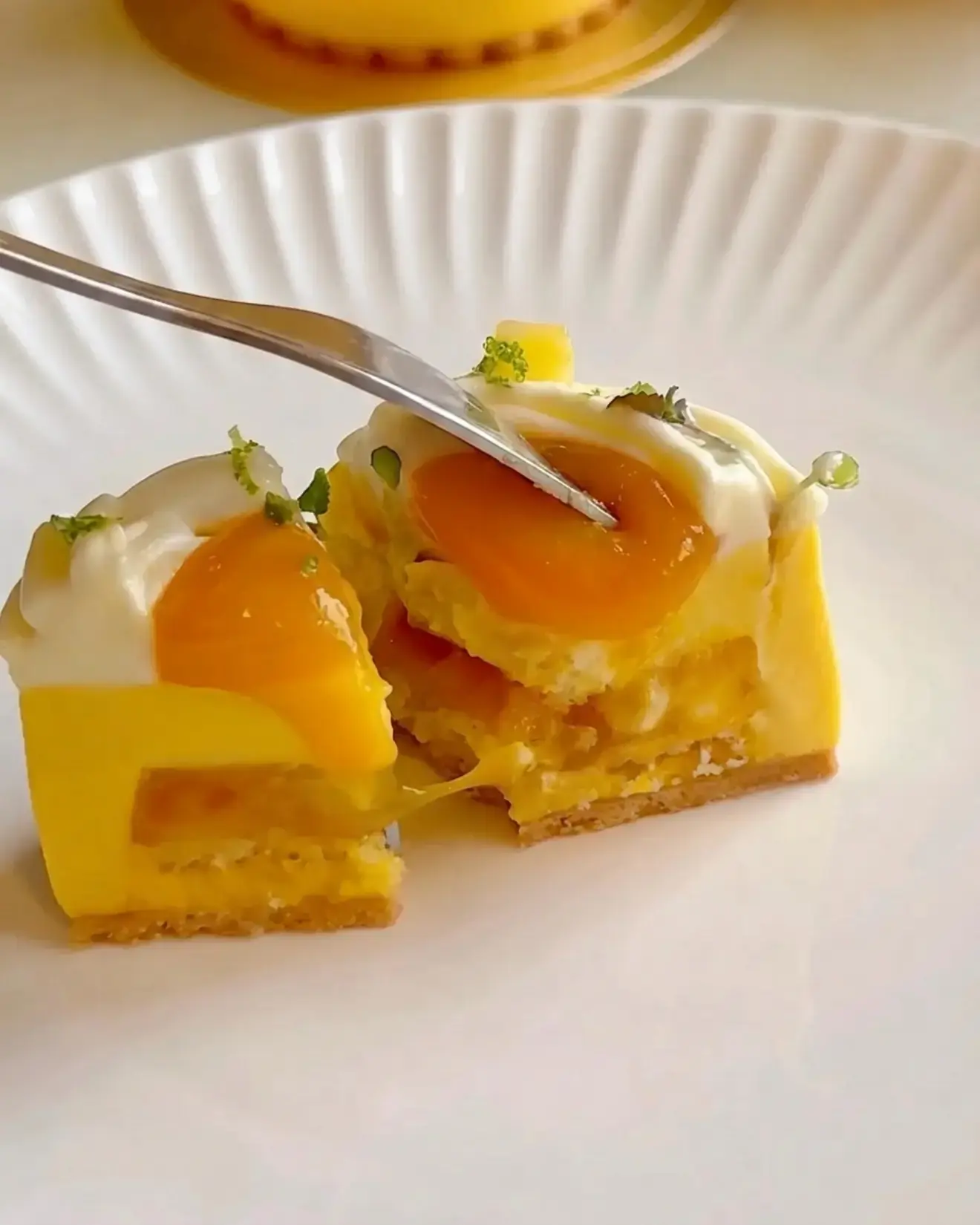
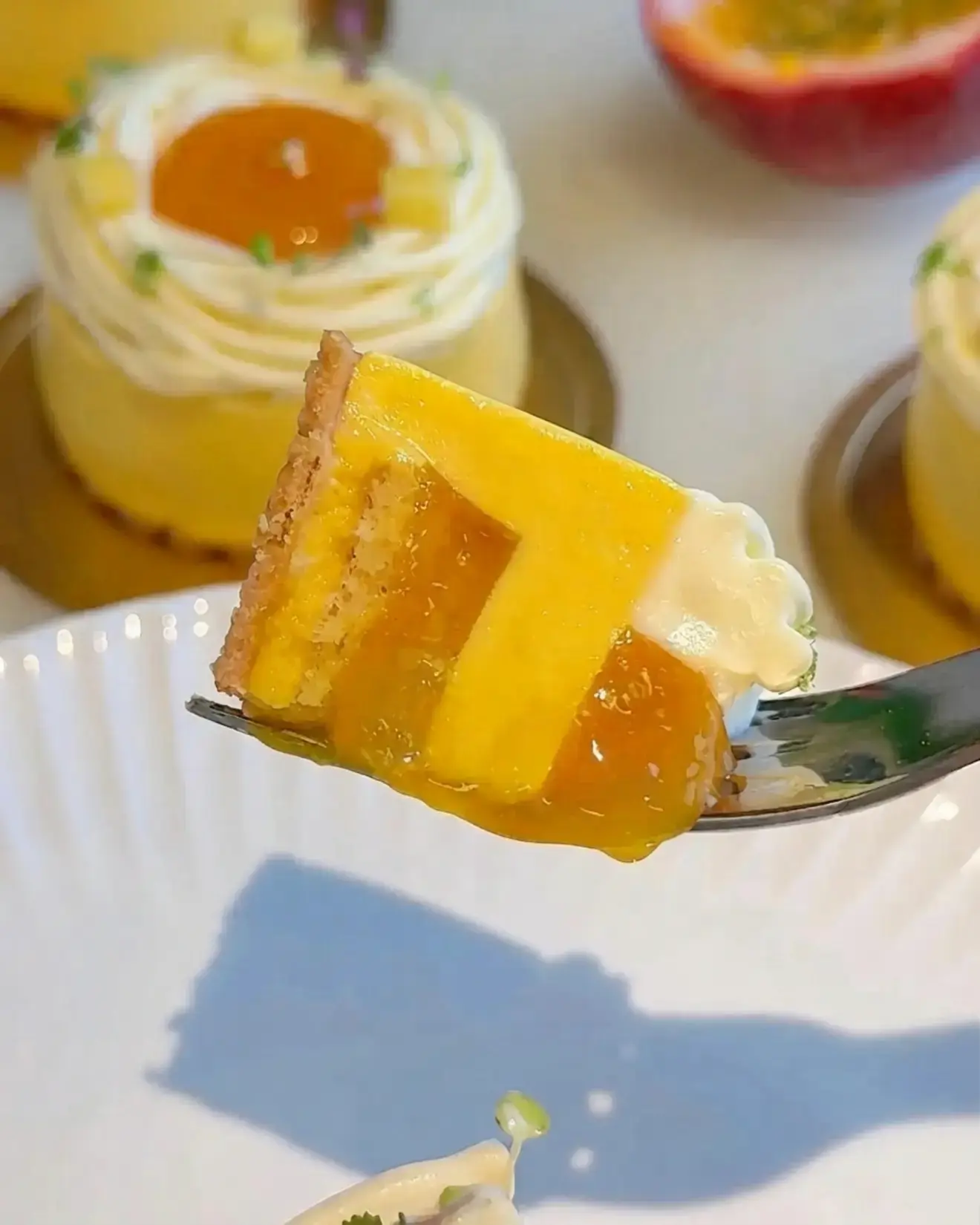
Set on a crisp tart crust and crowned with a glossy passion fruit dome, it tastes like a slow summer afternoon in miniature.
Entremets ask for a little planning, but the reward is a dessert that looks like it came from a pastry case and tastes balanced in every single bite.
Sweet mango meets tangy passion fruit, creamy mousse meets a crunchy shell, and the coconut adds a gentle richness that the lime keeps fresh.
What follows is everything worth knowing before you start, from the job each layer does to the small habits that keep the finish clean.

What an Entremet Really Is
An entremet is a molded, layered dessert. Rather than baking one cake and covering it with frosting, you prepare several separate components, set them inside a mold in a deliberate order, freeze the whole thing so it holds its shape, then unmold and finish it. When you slice it, every layer shows at once.
That structure is exactly why a dessert like this can carry so many flavors without turning muddy. Each component is made on its own and chilled or frozen before assembly. The mousse stays airy, the compote stays juicy, the sponge stays soft, and the tart shell stays crisp, because none of them have time to blur into the others.
The Layers at a Glance
Seven elements make up the finished cake, and each one has a clear job to do.
| Component | What it contributes |
|---|---|
| Mango coconut mousse | Creamy, airy body with gentle coconut richness |
| Mango passion fruit compote | A juicy fruit heart, sweet mango lifted by tangy passion fruit |
| Vanilla sponge | Soft, tender structure that carries the fruit flavors |
| Passion fruit cremeux | A sharp, creamy tang that cuts through the mousse |
| Crisp tart crust | Crunch and contrast against the soft layers |
| Glossy passion fruit dome | A mirror smooth finish with another hit of tart fruit |
| Lime infused white chocolate whipped ganache | A light, airy topping brightened with lime zest |
Ingredients and Sourcing Notes
Fruit puree is the backbone of this dessert, so it pays to start with good fruit and to treat the two fruit components with a little care.
- Mango puree. The original recipe uses Boiron mango puree, a French brand stocked by many pastry suppliers and some larger supermarkets. If you cannot find it, homemade mango puree works beautifully: blend fresh ripe mango until completely smooth. Look for fruit that smells sweet near the stem and gives slightly when you press it.
- Passion fruit juice. Scoop the pulp and seeds from fresh passion fruit and press them through a fine sieve. What passes through is the juice you want, and the seeds and fiber stay behind. Straining matters here, because the seeds are hard and would interrupt the soft texture of the layers.
- White chocolate. The whipped ganache is built on white chocolate, so choose a bar you would happily eat on its own. Cocoa butter content and freshness both affect how smoothly it melts.
- Lime. Zest only the colored outer layer of the skin, where the fragrant oils live. The white pith underneath is bitter and can flatten the bright note you are after.
- Coconut. Coconut brings the gentle richness that rounds off the acidity of the passion fruit and keeps the mango from tasting flat.
The Mango Compote Insert
The published portion of the recipe details the compote that becomes the fruit insert: 80 g of mango puree and 12 g of sugar. It is a small, concentrated layer, and that is the point. Because it is thin, it freezes quickly and holds a clean shape when it is pressed into the mousse.
The insert is set in a 4 cm mold, which keeps the fruit core compact so the mousse can wrap around it evenly. The finished recipe yields about eight individual entremet cakes measuring 5.5 cm by 3.5 cm, a size that feels generous for one person and elegant on a plate.
Working with a fruit insert teaches you one of the most useful habits in pastry: freeze the soft, wet elements solid before they meet the delicate ones. A firm insert will not smear when the mousse goes in around it, and it will not weep into the sponge while the cake sets.
Equipment That Keeps the Build Calm
You do not need a professional kitchen, but a few pieces of equipment turn a fiddly project into a pleasant afternoon.
- A small silicone mold for the compote insert, sized at 4 cm as the recipe specifies.
- Entremet rings or individual molds for the main assembly, plus acetate sheets if you want very clean sides.
- A digital scale. Pastry components are precise, and grams are far more reliable than cups for purees and chocolate.
- A blender or food processor for the mango puree, and a fine sieve for the passion fruit juice.
- A small offset spatula for leveling layers, and a wire rack for finishing.
- A digital thermometer, which takes the guesswork out of melting chocolate and checking that components are properly chilled.
How the Layers Come Together
Layered entremets of this style follow a dependable order of operations. The insert comes first, because it needs time to freeze. The sponge comes next, because it needs time to cool. Only then do the creamy components get built, filled, and frozen. Finishing happens last, right before serving.
- Make the mango compote, pour it into the small insert mold, and freeze it until solid.
- Bake the vanilla sponge, let it cool completely, and cut it to fit your molds.
- Prepare the passion fruit cremeux and the mango coconut mousse.
- Line the molds, add a layer of mousse, press the frozen compote insert into the center, then cover with more mousse.
- Add the sponge and any remaining mousse, level the top, and freeze until the whole assembly is firm.
- Unmold the cakes and finish them with the glossy passion fruit dome and the lime infused white chocolate whipped ganache.
This is the general rhythm for a layered entremet. Because the components are prepared separately, it helps to read the full recipe once before you shop and again before you start.
Why the Flavors Work Together
The magic here is contrast. Sweet mango is paired with tangy passion fruit so the fruit never becomes cloying. Creamy mousse sits against a crunchy tart shell so your teeth meet resistance before everything melts. Coconut softens the sharper notes, while lime zest lifts the whole thing and keeps the white chocolate ganache from feeling heavy.
The white chocolate whipped ganache earns its place at the top for the same reason. Whipping lightens it into something airy rather than dense, and the lime keeps it tasting fresh instead of simply sweet. It is the last thing you taste, so it should feel like a light exhale after the richer layers below.
Make Ahead and Storage
Entremets are naturally make ahead desserts, which is one of their quiet advantages. Because the insert and the assembled cakes are frozen during the build, you can prepare them well before the occasion and finish them when you are ready to serve.
Keep the finished cakes cold and serve them slightly chilled so the mousse holds a clean edge on the plate. If you are transporting them, keep them in a cold box or an insulated bag and add the finishing touches at your destination.
A short rest in the refrigerator before serving softens the layers just enough to taste creamy rather than icy.
Tips for Success
- Weigh everything in grams. Small differences matter more than you expect in a mousse or a ganache.
- Freeze the compote insert completely solid before it goes anywhere near the mousse.
- Strain the passion fruit juice properly. Rushing this step leaves seeds and pulp that spoil the smooth finish.
- Work with cold tools and cold bowls when whipping cream or ganache, especially in a warm kitchen.
- Fill molds only three quarters of the way before adding the insert, so the mousse has room to close over it.
- Level each layer with an offset spatula for a straight, professional looking slice.
- Chill or freeze the assembled cakes thoroughly before unmolding. A firm cake releases cleanly; a soft one tears.
Serving Ideas
At 5.5 cm by 3.5 cm, each entremet is a complete individual dessert, which makes plating simple. Set one on a chilled plate, add a few fresh mango slices or a scattering of passion fruit pulp if you like, and let the layers speak for themselves.
These little cakes suit the end of a long dinner, a summer birthday, or an afternoon coffee break when you want something that feels a bit more special than a slice of cake. They also make a lovely gift for a neighbor or a friend, packed in a small box and kept cold until the moment they are handed over.
If you enjoy building layered fruit desserts, start with a simpler project first and work your way up. My Mango Mousse Cake is a gentler introduction to the same tropical flavors, and it builds confidence with mousse before you take on a full entremet.
For the complete component list and method, the Mango Passion Fruit Coconut Entremet page has the full recipe. This article adapts and references the original Mango Passion Fruit Coconut Entremet recipe.
Entremets reward patience more than talent. Freeze each component properly, keep your fruit tasting bright, and give the layers time to set, and you will end up with a dessert that looks far more complicated than it really is.
That, to me, is the joy of pastry: a few careful steps that turn into something worth gathering around the table for.
Jump to:
- With mango coconut mousse, mango passion fruit compote, vanilla sponge, passion fruit cremeux, and lime whipped ganache
- What an Entremet Really Is
- The Layers at a Glance
- Ingredients and Sourcing Notes
- The Mango Compote Insert
- Equipment That Keeps the Build Calm
- How the Layers Come Together
- Why the Flavors Work Together
- Make Ahead and Storage
- Tips for Success
- Serving Ideas
- FAQs
- What is a mango passion fruit coconut entremet?
- How do you make a mango passion fruit coconut entremet?
- Can you freeze a mango passion fruit coconut entremet?
- How do you cut an entremet into clean slices?