Cheap Camping Meals That Do Not Cost a Ton
Cheap camping meals work best when they use familiar groceries, require little campsite equipment, and can feed both adults and children. The original source described these ideas as costing $6 or less per serving as of April 2025. Treat that as a dated reference, since current prices vary by store, season, location, and serving size.

Save money by building several meals around the same ingredients. Tortillas can serve breakfast burritos, tuna wraps, and peanut butter and jelly wraps. Cheese works in lunch boxes, grilled sandwiches, tacos, and macaroni. Buying versatile staples reduces leftover packages and keeps the shopping list manageable.
Before choosing the menu, match every meal to your cooler and cooking setup. The USDA camping food safety guidance recommends keeping perishable food at 40°F or below. Check local fire restrictions and review National Park Service cooking guidance before planning meals over flames.
Jump to:
- Cheap Camping Meals That Do Not Cost a Ton
- 14 Cheap and Easy Camp Meal Ideas
- 1. Protein-Packed Camping Pancakes
- 2. Tater Tot Breakfast Casserole
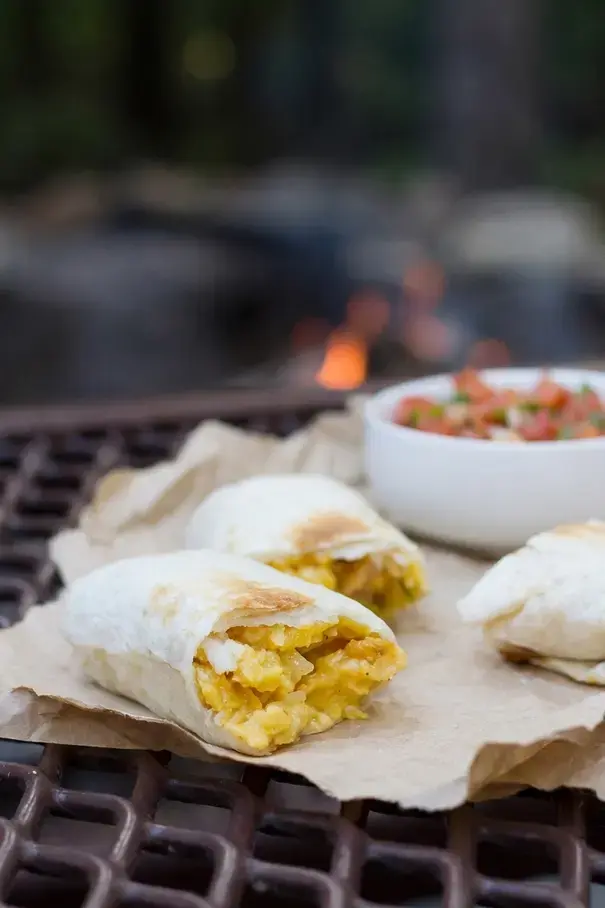
- 3. Camping Breakfast Burritos
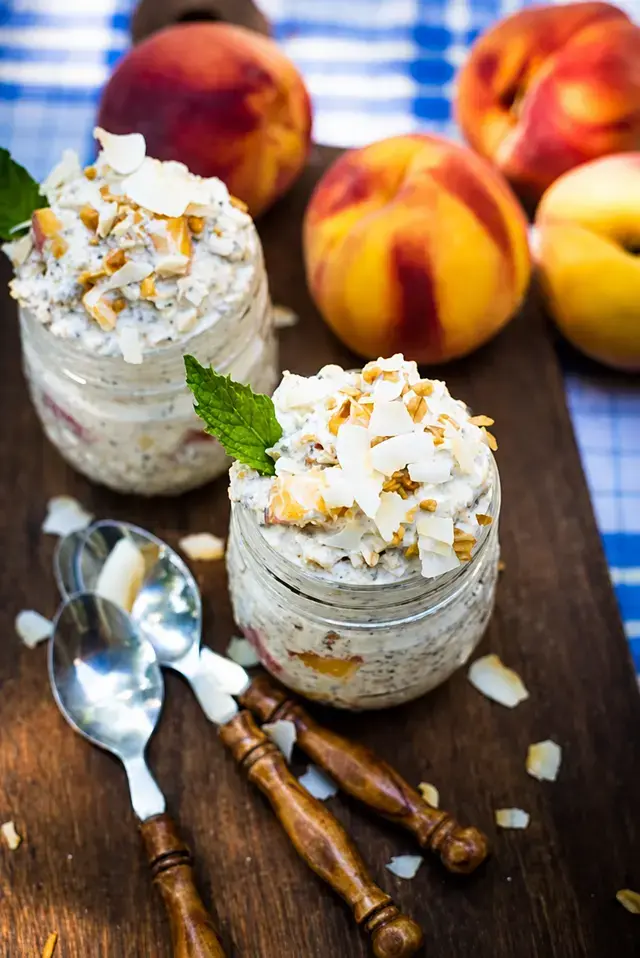
- 4. Camping Overnight Oats
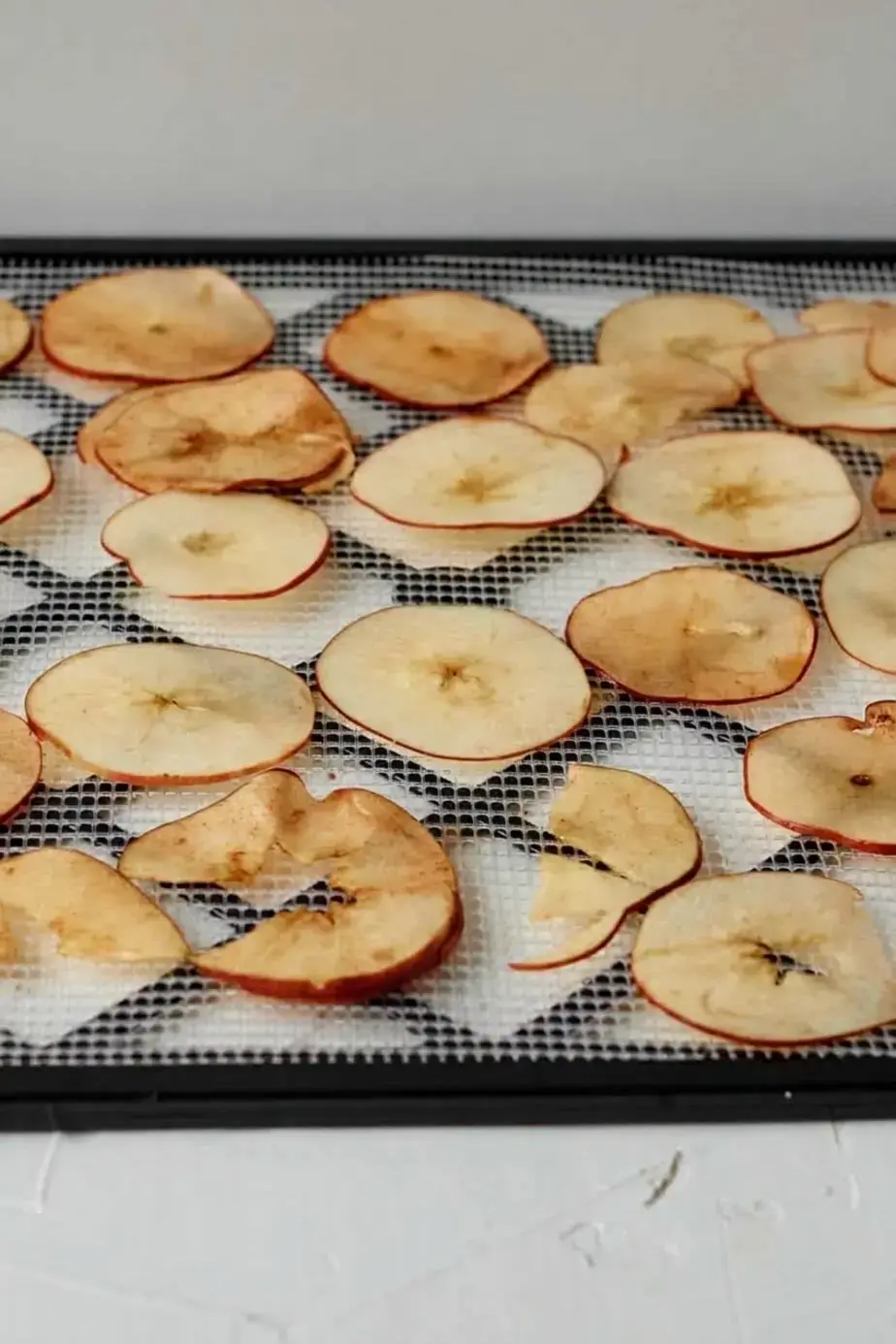
- 5. Dried Cinnamon Apples
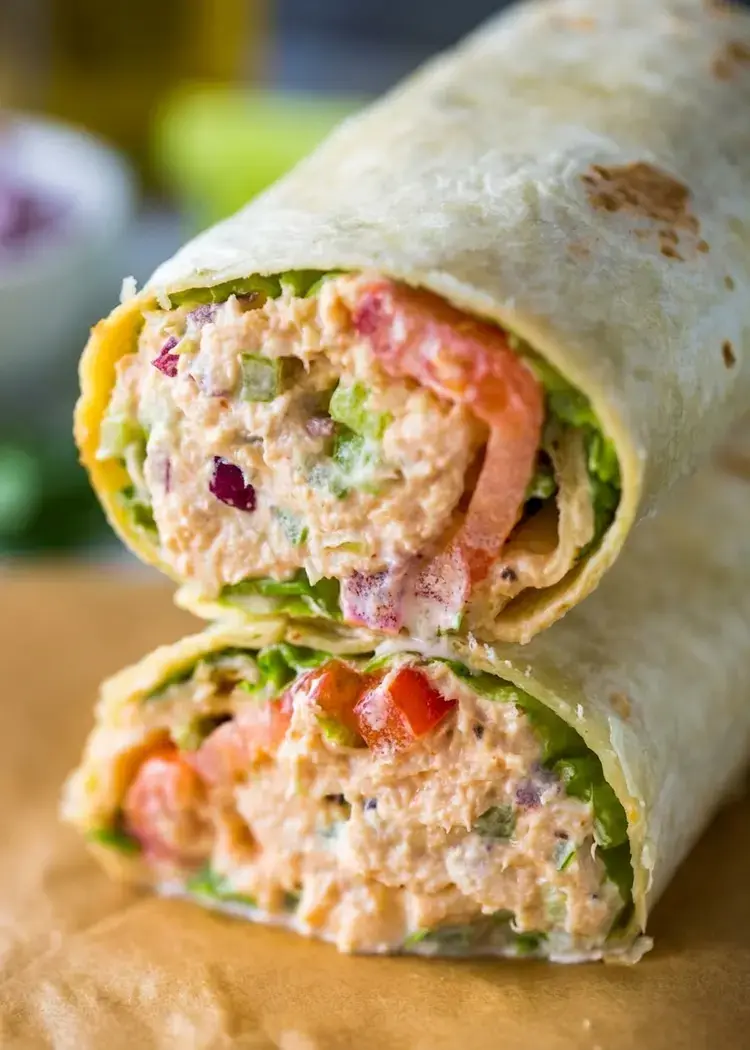
- 6. Spicy Sriracha Tuna Wraps
- 7. Homemade Lunch Boxes
- 8. Camping Grilled Cheese
- 9. Peanut Butter and Jelly Wraps
- 10. Backpacking Mac and Cheese
- 11. Walking Tacos in a Bag
- 12. Chicago-Style Camping Hot Dogs
- 13. S’mores Nachos
- 14. Campfire Cinnamon Blueberry Bread
- Plan a Lower-Cost Camping Menu
14 Cheap and Easy Camp Meal Ideas
The ideas below preserve the source order. Each description identifies the basic preparation, useful equipment, and cold-storage need without inventing quantities from the linked recipes.
1. Protein-Packed Camping Pancakes
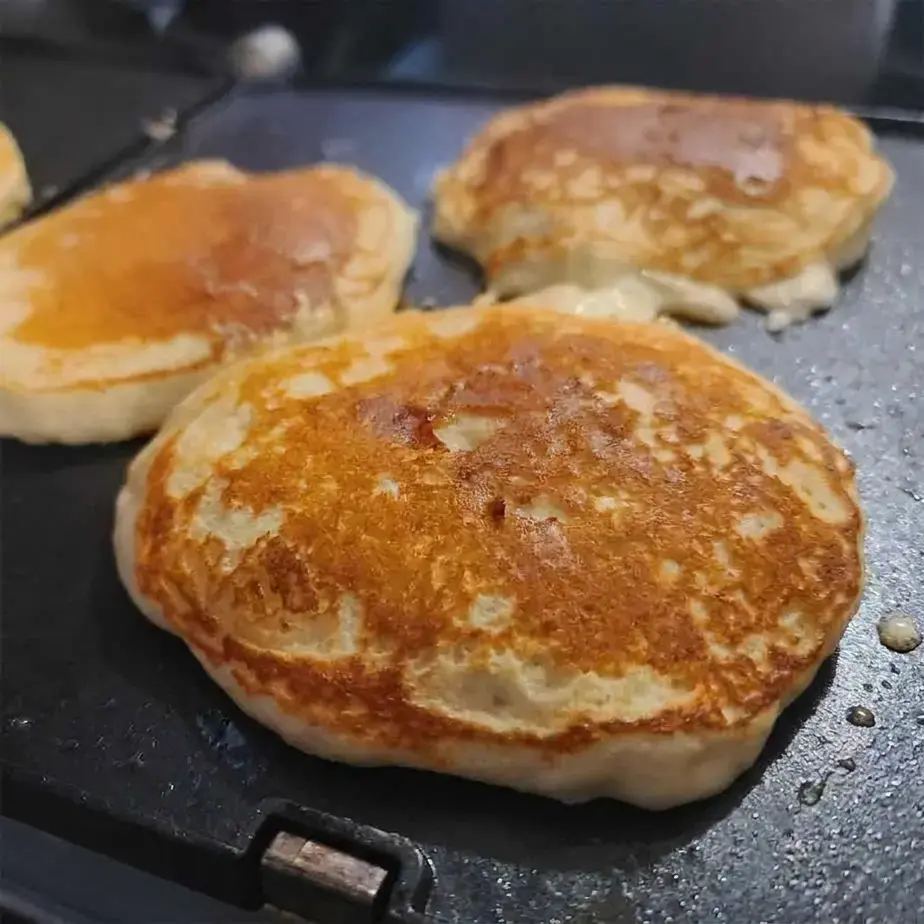
Bulk pancake mix provides an inexpensive base. The source suggests adding protein powder, making the pancakes at home, and freezing them until needed. Pack the frozen pancakes in the cooler and warm them on a griddle or skillet. This approach avoids transporting liquid batter.
2. Tater Tot Breakfast Casserole
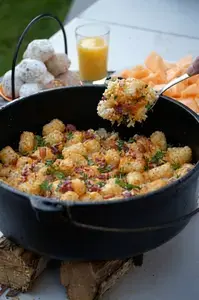
A large breakfast casserole can serve several campers from one pan. This option uses frozen tater tots and other refrigerated ingredients, so it needs a dependable cooler. Prepare the bake ahead when possible and use camp cookware suited to reheating the portion safely.
3. Camping Breakfast Burritos
Eggs, potatoes, and tortillas form the filling base. Assemble and freeze the burritos at home for easier campsite preparation. Wrap them individually in foil and keep them cold until reheating. If using a campfire, place them over stable coals rather than uncontrolled flames.
4. Camping Overnight Oats
Overnight oats require almost no morning preparation. Mix them before the trip and portion them into sealed containers. Oats are a versatile pantry staple, and optional additions can be selected according to the group. Any version containing milk or yogurt must remain properly chilled.
5. Dried Cinnamon Apples
Buy apples in bulk when the price is favorable, then dry them with cinnamon before the trip. The finished snack is light, portable, and convenient for children who like to graze during a hike. Store the dried slices in a sealed bag or container to protect them from moisture.
6. Spicy Sriracha Tuna Wraps
Tuna packets, tortillas, and a spicy flavoring create a compact lunch without cooking. Unopened shelf-stable tuna packets simplify transport. Check every condiment label, and refrigerate opened packets or prepared leftovers. Assemble the wraps shortly before eating so the tortillas do not become soggy.
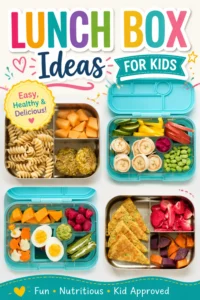
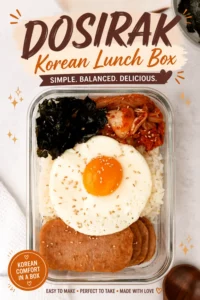
7. Homemade Lunch Boxes
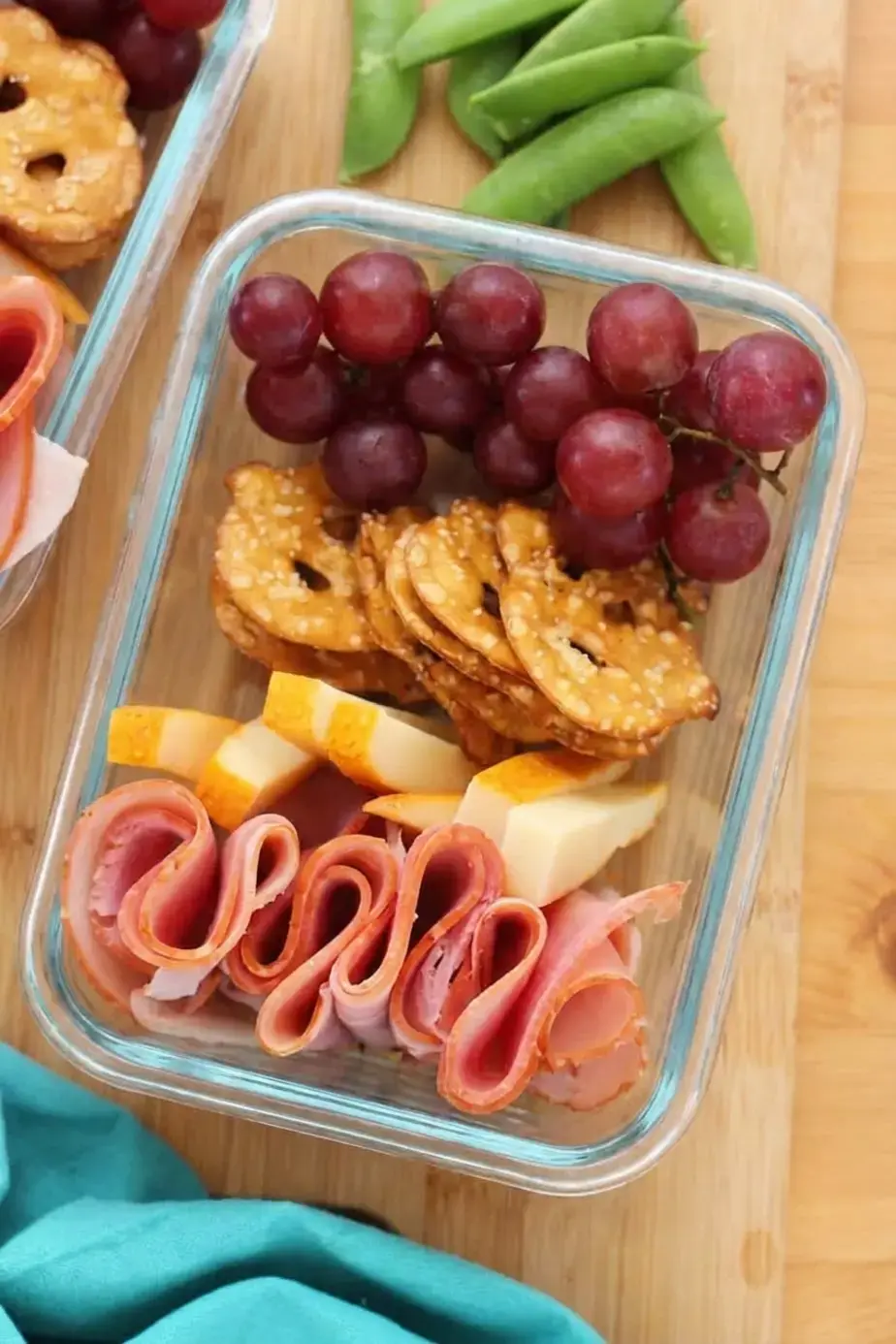
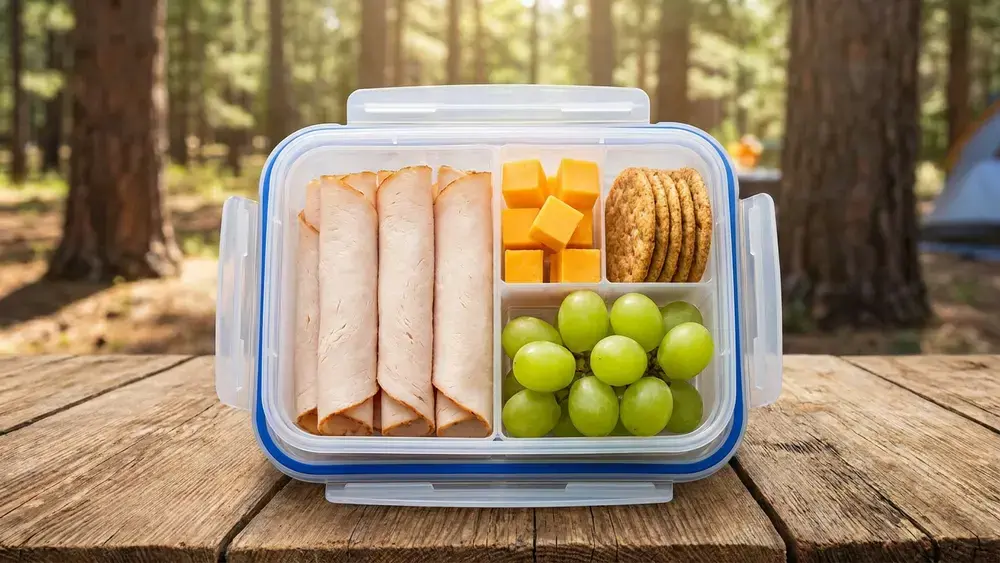
Buy a block of cheese, sliced ham or turkey, and crackers instead of individual packaged lunch kits. Divide the ingredients into reusable containers. Keep the meat and cheese cold, while storing crackers in a separate dry compartment so they stay crisp.
8. Camping Grilled Cheese
Bread, cheese, and butter make a familiar hot meal for adults and children. A pie iron can cook the sandwich over an approved fire setup, while a covered skillet works on a camp stove. Adding ham is optional but increases the need for reliable cold storage.
9. Peanut Butter and Jelly Wraps
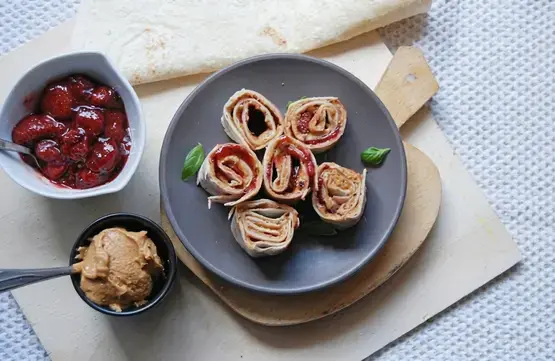
Spread peanut butter and jelly on tortillas, then roll them tightly. Tortillas pack flat, resist crushing better than many loaves, and work well for backpacking. Check allergy needs before serving peanut products, especially when feeding a group of children.
10. Backpacking Mac and Cheese
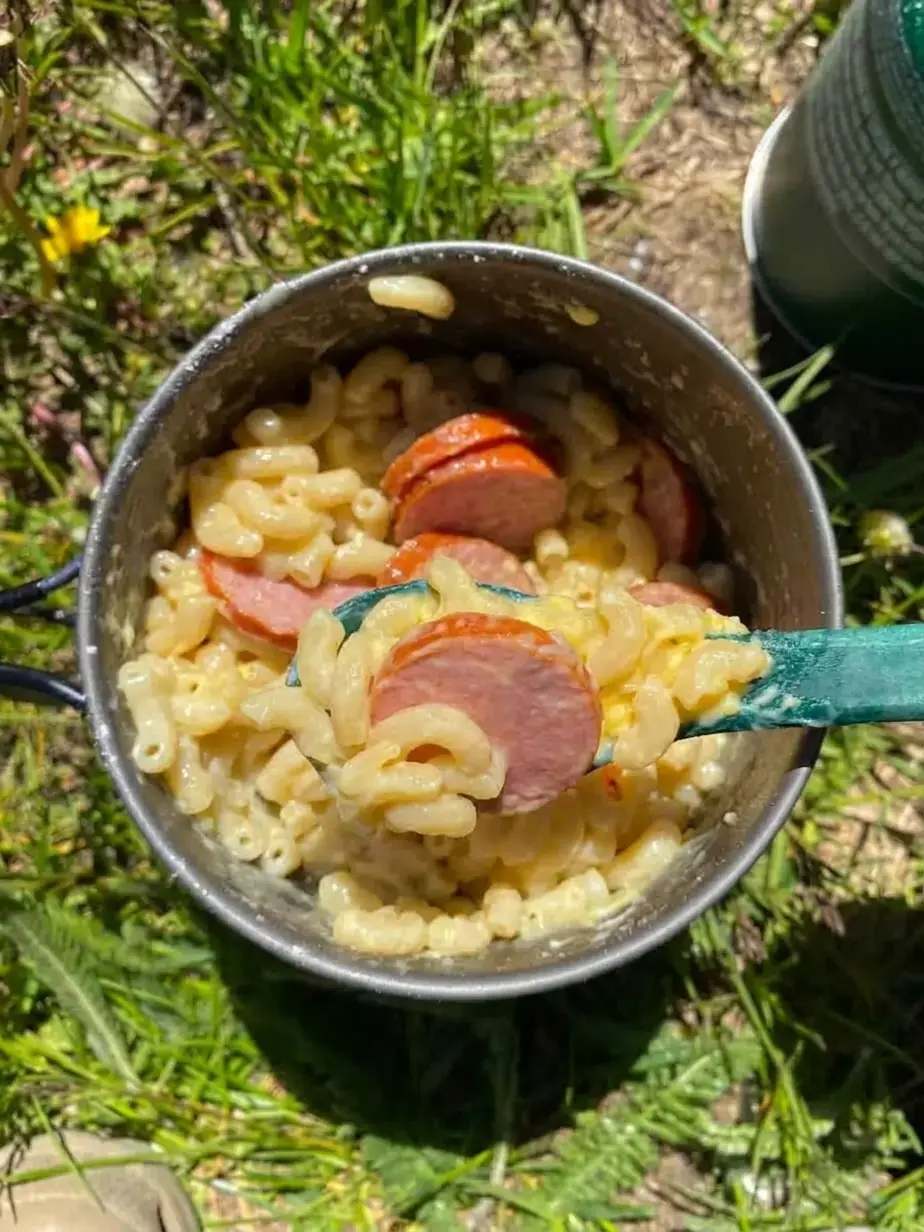
Boxed macaroni and cheese becomes possible anywhere you have a pot, safe water, and a way to boil it. Follow the package directions rather than guessing the water amount. Extras such as cooked breakfast bacon can be added only if they have remained safely chilled.
11. Walking Tacos in a Bag
The source builds this meal from cooked burger meat, salsa, chips, and cheese. Each person assembles the toppings inside a chip bag, which limits dishes. Keep meat, salsa after opening, and cheese cold, then reheat the meat thoroughly before serving.
12. Chicago-Style Camping Hot Dogs
Hot dogs and buns provide an inexpensive base that can be dressed with available toppings. Cook them over an approved campfire or heat them in a pan of water on a stove when fires are prohibited. Follow the product label for storage and heating.
13. S’mores Nachos
S’mores nachos combine the familiar dessert components in one pan instead of roasting individual marshmallows on sticks. This can simplify serving a group. Use cookware intended for the chosen heat source and supervise children around the hot pan and melted filling.
14. Campfire Cinnamon Blueberry Bread
Start with bakery cinnamon bread and bring the source recipe’s preferred toppings. Buying the bread ready-made reduces mixing and baking at camp. Protect it from crushing during transport, then prepare the dessert only with equipment permitted at the campsite.
Plan a Lower-Cost Camping Menu
Choose meals with overlapping ingredients, then separate the grocery list into shelf-stable, cooler, and frozen items. Eat highly perishable meals early in the trip. Label containers by day and meal so the cooler stays open for less time.
Budget claims should always be checked against current local prices. The USDA’s healthy eating on a budget resources recommends planning before shopping and comparing unit prices. At camp, safe storage and realistic equipment matter more than adding complicated extras.