
Coffee Butter Cookies Recipe: Why You Will Love This Batch
Coffee Butter Cookies are the kind of treat that make a quiet kitchen feel special. They bring together buttery richness, a gentle coffee kick, and a tender crumb that feels right at home with afternoon tea, a lunchbox snack, or a late-night craving. If you love simple bakes that taste like you spent way more time on them than you really did, this recipe will fit right into your rotation.
For anyone who likes fast baking with big payoff, these cookies are a smart pick. The dough comes together with pantry staples, the flavor is bold without being fussy, and the texture lands right between crisp and soft. That makes them a lovely choice for home cooks, students, busy parents, working professionals, and anyone who wants a sweet bite without a complicated process.
When butter, coffee, and a touch of almond come together, the result is cozy, fragrant, and hard to stop nibbling.
- Easy to make: Coffee Butter Cookies use simple mixing and quick shaping, so you can get them into the oven without spending all afternoon in the kitchen.
- Comforting flavor: The blend of instant espresso, butter, and ground almonds gives these cookies a warm flavor that feels rich but still balanced.
- Flexible for different lifestyles: With a few swaps, Coffee Butter Cookies can fit gluten-free, vegan, or lighter baking preferences.
- Great for sharing: These cookies keep well, pack easily, and work nicely for coffee breaks, lunchboxes, holidays, or homemade gifts.
If you are curious about coffee itself, this coffee and wellness guide from Johns Hopkins Medicine is a helpful read. And since butter plays a huge role in the texture here, it is also worth knowing what good butter brings to baking, so I linked a solid butter nutrition resource from U.S. Dairy later in the article too.
Jump to:
- Coffee Butter Cookies Recipe: Why You Will Love This Batch
- Essential Ingredients for Coffee Butter Cookies
- Main ingredients
- Ingredient notes and smart swaps
- Special dietary options
- How to Prepare the Perfect Coffee Butter Cookies: Step-by-Step Guide
- First step: Prepare the dough base
- Second step: Add the dry ingredients
- Third step: Shape and chill
- Fourth step: Portion the cookies
- Fifth step: Bake with care
- Final step: Cool and serve
- Protein and Main Component Alternatives
- Butter alternatives
- Milk alternatives
- Flour alternatives
- Sugar alternatives
- Espresso alternatives
- Vegetable, Sauce, and Seasoning Modifications
- Seasoning changes
- Flavor additions
- Seasonal ideas
- Serving pairings
- Mastering Coffee Butter Cookies: Advanced Tips and Variations
- Pro cooking techniques
- Flavor variations
- Presentation tips
- Make-ahead options
- How to Store Coffee Butter Cookies: Best Practices
- Refrigeration
- Freezing
- Reheating
- Meal prep considerations
- FAQs: Frequently Asked Questions About Coffee Butter Cookies
- What are coffee butter cookies?
- What ingredients do I need for coffee butter cookies?
- How do you make coffee butter cookies at home?
- Can I substitute ingredients in coffee butter cookies?
- How should I store coffee butter cookies?
- Coffee Butter Cookies
- Ingredients
- Instructions
- Last Step:
- Notes
- Nutrition
- Did you make this recipe?
Essential Ingredients for Coffee Butter Cookies
Before you start, gather every ingredient so the dough moves smoothly from bowl to oven. These Coffee Butter Cookies use a small, focused ingredient list, which is part of why they are so approachable. The espresso gives the cookies their signature flavor, while butter and cake flour keep the texture soft and delicate.
Main ingredients
- 6 grams instant espresso – This brings the coffee flavor without adding extra liquid, which helps the dough stay tender.
- 35 grams caster sugar – Fine sugar blends in easily and gives the cookies a light sweetness.
- 1.2 grams fine salt – A small amount sharpens the flavor and keeps the sweetness from tasting flat.
- 32 grams milk – Milk helps bind the dough and adds just enough moisture for shaping.
- 100 grams unsalted butter – Butter is the heart of the recipe, giving the cookies their rich flavor and melt-in-your-mouth bite.
- 25 grams ground almonds – These add a soft nutty note and make the texture a little more delicate.
- 125 grams cake flour – Cake flour keeps the cookies light and tender instead of heavy or tough.
Ingredient notes and smart swaps
| Ingredient | What it does | Possible swap |
|---|---|---|
| Instant espresso | Creates deep coffee flavor | Espresso powder or strong instant coffee |
| Caster sugar | Sweetens and helps the dough mix smoothly | Superfine sugar |
| Unsalted butter | Adds richness and crisp edges | Plant-based butter for a dairy-free version |
| Ground almonds | Adds softness and nutty taste | Finely ground hazelnuts or oat flour |
| Cake flour | Keeps the crumb delicate | Low-protein all-purpose flour in a pinch |
Special dietary options
- Vegan: Use a good plant-based butter and unsweetened oat milk instead of dairy milk. The texture may be slightly softer, but the coffee flavor still shines.
- Gluten-free: Replace cake flour with a 1:1 gluten-free baking blend. For extra tenderness, add a spoonful of almond flour if needed.
- Lower sugar: Reduce caster sugar slightly and keep the coffee flavor strong so the cookies still taste satisfying.
- Nut-free: Skip the ground almonds and replace them with a little extra cake flour for a cleaner, simpler crumb.
If you want to see how butter behaves in baking, this butter reference from U.S. Dairy is useful when choosing ingredients. A good butter base is part of what makes Coffee Butter Cookies taste so special.
How to Prepare the Perfect Coffee Butter Cookies: Step-by-Step Guide
These Coffee Butter Cookies are straightforward, but the small details matter. A little care with the butter, flour, and mixing method will help you get cookies that bake evenly and taste rich from the first bite to the last crumb.
First step: Prepare the dough base
Start by setting the butter out so it softens slightly, but do not let it become oily or melted. In a mixing bowl, combine the 100 grams unsalted butter with 35 grams caster sugar and beat until smooth and pale. This step helps trap air, which gives the cookies a lighter texture. Add the 6 grams instant espresso and 32 grams milk, then mix again until the coffee dissolves as much as possible.
Second step: Add the dry ingredients
In a separate bowl, whisk together the 125 grams cake flour, 25 grams ground almonds, and 1.2 grams fine salt. Add the dry mix to the butter mixture in two parts. Stir gently after each addition so the dough stays tender. If you are using a gluten-free flour blend, work slowly and stop mixing as soon as the dough comes together.
Third step: Shape and chill
Once the dough forms, turn it out onto a clean surface and bring it together with your hands. The dough should feel soft but manageable. Shape it into a log, flatten it slightly, or form it into a disk, depending on how you want to cut or roll the cookies later. Wrap it and chill for at least 30 minutes. Chilling helps the Coffee Butter Cookies hold their shape and bake more evenly.
Fourth step: Portion the cookies
After chilling, preheat your oven to 175°C. Line a baking tray with parchment paper. Slice the dough if you shaped it into a log, or roll small portions into balls if you prefer a round cookie. Place them on the tray with a little space between each one so they can spread gently. If you want a more polished look, lightly press the tops with your fingers or a fork.
Fifth step: Bake with care
Bake the cookies for about 12 to 15 minutes, or until the edges look set and the centers still seem slightly soft. Coffee Butter Cookies should not bake too long, because that can dry out the tender crumb. If your oven runs hot, check them a minute or two early.
Final step: Cool and serve
Let the cookies rest on the tray for a few minutes before moving them to a wire rack. They will firm up as they cool. Serve them with coffee, tea, or warm milk. If you are baking for a mixed crowd, you can leave some cookies plain and dust a few with a little sugar for a prettier finish.
Tip: If the dough feels too soft to shape, chill it a little longer. A firm dough makes neater Coffee Butter Cookies and helps prevent spreading.
Protein and Main Component Alternatives
Even though this recipe is centered on a butter-cookie style dough, there is still plenty of room to adapt it for different needs. The main ingredients can be swapped in thoughtful ways without losing the cozy coffee flavor that makes these cookies stand out.
Butter alternatives
If you need a dairy-free version, use a high-quality plant-based butter that is meant for baking. Look for one with a fat content close to real butter so the cookies still hold shape well. Coconut oil can work in a pinch, but it can change both the texture and the flavor. For the most familiar result, plant-based butter is the better choice.
Milk alternatives
Any unsweetened plant milk can replace the 32 grams milk in this recipe. Oat milk gives a soft, rounded flavor, while almond milk blends naturally with the ground almonds already in the dough. Soy milk also works well if you want a neutral taste. If you use a thinner milk, chill the dough a little longer before shaping.
Flour alternatives
Because 125 grams cake flour creates such a delicate crumb, swap carefully. A 1:1 gluten-free baking blend is the safest option for gluten-free Coffee Butter Cookies. If you use all-purpose flour, the cookies may turn out slightly firmer. For a more nut-forward version, replace a small portion of the flour with extra almond meal, but do not replace all of it or the dough may become too fragile.
Sugar alternatives
For a less sweet cookie, reduce the caster sugar a little. If you want a deeper, warmer sweetness, try a small amount of light brown sugar, though that will change the color and flavor. Powdered sugar can also be used in some shortbread-style versions, but caster sugar gives the cleanest result in this recipe.
Espresso alternatives
If instant espresso is not available, use instant coffee or espresso powder. The flavor may be a little softer, but the cookies will still carry that lovely coffee note. Strong brewed coffee is less ideal here because it adds extra moisture, but it can work if you reduce the milk slightly.
Vegetable, Sauce, and Seasoning Modifications
This cookie recipe does not use vegetables or sauce, but there is still plenty of room to play with seasonings, flavor accents, and serving ideas. Small changes can give Coffee Butter Cookies a whole new personality, which is handy when you want to bake from the same base recipe more than once.
Seasoning changes
A pinch of cinnamon pairs beautifully with coffee and almonds. A little cardamom gives the cookies a more aromatic, bakery-style flavor. If you enjoy a deeper dessert note, a tiny bit of vanilla or orange zest can round out the coffee taste without stealing the spotlight.
Flavor additions
Chocolate chips, chopped dark chocolate, or finely chopped toasted nuts can all be folded into the dough if you want more texture. A light drizzle of melted chocolate over the cooled cookies adds a more dessert-like finish. You can also sandwich two cookies together with a thin layer of buttercream or coffee frosting for a richer treat.
Seasonal ideas
In cooler months, serve the cookies with chai, hot cocoa, or a café latte. In warmer weather, pair them with iced coffee or cold brew. For holidays, a dusting of cocoa or powdered sugar makes the cookies look festive without much effort. If you are making a cookie box, mix them with simple butter cookies or almond biscuits for variety.
Serving pairings
- Fresh brewed coffee
- Unsweetened tea
- Vanilla ice cream
- Fruit salad for a lighter dessert plate
- Greek yogurt for a snack-style serving
These simple changes keep the recipe fun and help Coffee Butter Cookies fit different moods, seasons, and tables.
Mastering Coffee Butter Cookies: Advanced Tips and Variations
Once you have made Coffee Butter Cookies once or twice, a few small tricks can take them from good to truly memorable. These tips are especially helpful if you bake often, make gifts, or like to adjust recipes for different occasions.
Pro cooking techniques
Use butter that is soft enough to mix easily, but not warm enough to look greasy. That is the sweet spot for a cookie with a fine crumb. Mix the dough only until it comes together, because overmixing can make the cookies tough. If you want more even cookies, weigh each portion of dough so they bake at the same speed.
Another good trick is to chill shaped dough before baking. Even 15 extra minutes in the fridge can help the cookies keep a cleaner edge. If your oven has hot spots, rotate the tray halfway through baking so the Coffee Butter Cookies color evenly.
Flavor variations
You can make a mocha version by adding a little cocoa powder. For a nutty twist, increase the ground almonds slightly and finish with slivered almonds on top. If you want a dessert that feels more grown-up, a pinch of sea salt on top just before baking creates a pleasant sweet-salty bite. A little orange zest also works nicely with coffee and gives the cookies a brighter aroma.
Presentation tips
Simple cookies still look lovely when they are shaped neatly. Try pressing them with a fork or a small stamp before baking. Once cooled, you can dust them with a whisper of sugar, drizzle them with chocolate, or tuck them into a tin lined with parchment. They make a nice homemade gift for neighbors, teachers, or coworkers.
Make-ahead options
The dough can be made ahead and chilled overnight, which is great for busy schedules. You can also shape the dough into a log, wrap it tightly, and keep it in the freezer for later baking. That makes Coffee Butter Cookies a very friendly recipe for holiday planning or last-minute dessert needs.
Best result: keep the dough cold, the mix gentle, and the bake time short enough to protect the tender center.
How to Store Coffee Butter Cookies: Best Practices
Good storage keeps Coffee Butter Cookies tasting fresh and buttery for longer. Since these cookies have a tender texture, protecting them from moisture is the main goal.
Refrigeration
You can store the baked cookies in an airtight container in the refrigerator if your kitchen is very warm, but room temperature usually keeps the texture better. If you do refrigerate them, let them come back to room temperature before serving so the butter flavor opens up again.
Freezing
For longer storage, freeze the baked cookies in a single layer first. Once firm, move them to a freezer-safe bag or container with parchment between layers. They can stay frozen for up to 3 months. You can also freeze the dough instead of the baked cookies, which is handy if you want fresh Coffee Butter Cookies later.
Reheating
To refresh cookies that have lost some crispness, warm them in a low oven for just a few minutes. This brings back a little of the aroma and helps the edges feel fresh again. Do not overheat them, or they may dry out.
Meal prep considerations
If you like to bake ahead for the week, portion the dough first and freeze the portions on a tray. Then store them in a bag so you can bake only what you need. This works well for lunchboxes, coffee breaks, and quick homemade desserts.

FAQs: Frequently Asked Questions About Coffee Butter Cookies
What are coffee butter cookies?
What ingredients do I need for coffee butter cookies?
How do you make coffee butter cookies at home?
Can I substitute ingredients in coffee butter cookies?
How should I store coffee butter cookies?
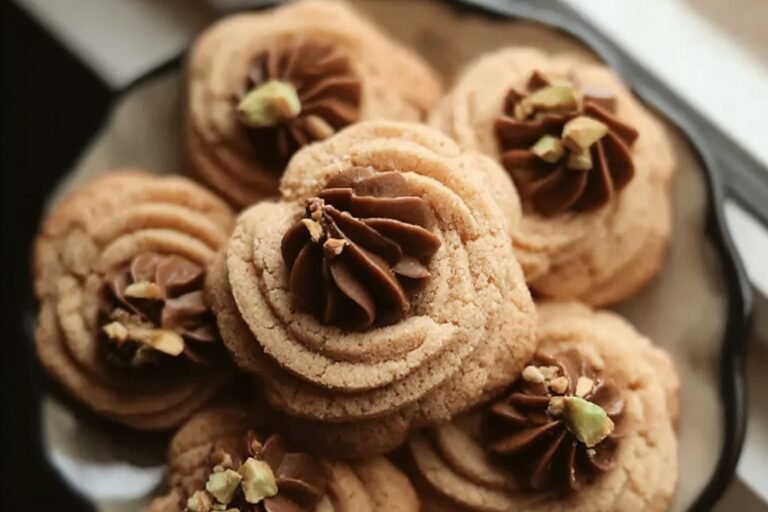
Coffee Butter Cookies
☕🍪 Savor melt-in-your-mouth coffee butter cookies infused with espresso aroma and almond crunch – ideal for coffee breaks or gifting.
🥛 Buttery shortbread perfection that’s easy to bake and stores well for weeks of treats.
- Total Time: 1 hour
- Yield: 20 cookies
Ingredients
– 6 grams instant espresso
– 35 grams caster sugar
– 1.2 grams fine salt
– 32 grams milk
– 100 grams unsalted butter
– 25 grams ground almonds
– 125 grams cake flour
Instructions
1-First step: Prepare the dough base Start by setting the butter out so it softens slightly, but do not let it become oily or melted. In a mixing bowl, combine the 100 grams unsalted butter with 35 grams caster sugar and beat until smooth and pale. This step helps trap air, which gives the cookies a lighter texture. Add the 6 grams instant espresso and 32 grams milk, then mix again until the coffee dissolves as much as possible.
2-Second step: Add the dry ingredients In a separate bowl, whisk together the 125 grams cake flour, 25 grams ground almonds, and 1.2 grams fine salt. Add the dry mix to the butter mixture in two parts. Stir gently after each addition so the dough stays tender. If you are using a gluten-free flour blend, work slowly and stop mixing as soon as the dough comes together.
3-Third step: Shape and chill Once the dough forms, turn it out onto a clean surface and bring it together with your hands. The dough should feel soft but manageable. Shape it into a log, flatten it slightly, or form it into a disk, depending on how you want to cut or roll the cookies later. Wrap it and chill for at least 30 minutes. Chilling helps the Coffee Butter Cookies hold their shape and bake more evenly.
4-Fourth step: Portion the cookies After chilling, preheat your oven to 175°C. Line a baking tray with parchment paper. Slice the dough if you shaped it into a log, or roll small portions into balls if you prefer a round cookie. Place them on the tray with a little space between each one so they can spread gently. If you want a more polished look, lightly press the tops with your fingers or a fork.
5-Fifth step: Bake with care Bake the cookies for about 12 to 15 minutes, or until the edges look set and the centers still seem slightly soft. Coffee Butter Cookies should not bake too long, because that can dry out the tender crumb. If your oven runs hot, check them a minute or two early.
6-Final step: Cool and serve Let the cookies rest on the tray for a few minutes before moving them to a wire rack. They will firm up as they cool. Serve them with coffee, tea, or warm milk. If you are baking for a mixed crowd, you can leave some cookies plain and dust a few with a little sugar for a prettier finish.
Last Step:
Please leave a rating and comment letting us know how you liked this recipe! This helps our business to thrive and continue providing free, high-quality recipes for you.Notes
🧈 Use room-temperature butter for creamy texture; chill dough to prevent spreading.
☕ Dissolve espresso fully in warm milk for even coffee flavor distribution.
❄️ Store in airtight container for up to 2 weeks or freeze dough for later baking.
- Prep Time: 15 minutes
- Chill: 30 minutes
- Cook Time: 12 minutes
- Category: Dessert
- Method: Oven-Baked
- Cuisine: European
- Diet: Vegetarian
Nutrition
- Serving Size: 1 cookie
- Calories: 90 calories
- Sugar: 3 grams
- Sodium: 50 milligrams
- Fat: 6 grams
- Saturated Fat: 3 grams
- Unsaturated Fat: 3 grams
- Trans Fat: 0 grams
- Carbohydrates: 8 grams
- Fiber: 0.5 grams
- Protein: 1 gram
- Cholesterol: 15 milligrams