
What Is Creamy Garlic Parmesan Chicken With Twisted Pasta?
This dish combines golden chicken breasts, rotini pasta, and a garlic Parmesan cream sauce in one comforting plate. The twisted pasta catches the sauce along its ridges, while sliced chicken turns the creamy pasta into a complete main course. Fresh parsley and optional red pepper flakes provide the final contrast.
The recipe uses the same skillet for the chicken and sauce. After the chicken rests, garlic is cooked briefly in the pan before heavy cream and Parmesan are added. Reserved pasta water adjusts the texture without replacing the cream, and the sliced chicken returns as the topping.
Jump to:
- What Is Creamy Garlic Parmesan Chicken With Twisted Pasta?
- Garlic Parmesan Chicken Pasta Ingredients
- How to Make Creamy Garlic Parmesan Chicken Pasta
- Season the Chicken
- Sear and Rest the Chicken
- Cook the Rotini
- Build the Garlic Cream Sauce
- Combine Pasta and Sauce
- Slice, Garnish, and Serve
- Tips, Variations, Serving, and Storage
- Keep the Chicken Moist
- Control the Parmesan Sauce
- Choose Source-Supported Variations
- Serve and Store Carefully
- Coordinate the Three Components
- Frequently Asked Questions
- Can I use chicken thighs instead of breasts?
- Why should I reserve pasta water?
- Can I use a different pasta shape?
- How should I store leftovers?
- How do I reheat creamy chicken pasta?
Garlic Parmesan Chicken Pasta Ingredients
- 4 boneless, skinless chicken breasts: boneless thighs are a source-supported alternative.
- 2 tablespoons olive oil: butter may replace it for a richer variation.
- 8 ounces rotini pasta: penne or farfalle can be used for a different shape.
- 1 cup heavy cream: half-and-half is listed as a lighter option.
- 1 cup grated Parmesan cheese: freshly grated cheese provides the best melt.
- 3 garlic cloves, minced: fresh garlic flavors both the chicken option and sauce.
- 2 tablespoons butter: this supports searing and the sauce base.
- 2 tablespoons chopped fresh parsley: basil is an optional herb swap.
- 1 teaspoon red pepper flakes, optional: omit them for a mild sauce.
- Salt and black pepper, to taste: season the chicken and finished sauce.
How to Make Creamy Garlic Parmesan Chicken Pasta
Season the Chicken
Pat the chicken breasts dry, then season them with salt, black pepper, and olive oil. The source allows an optional 15-minute rest with minced garlic. Keep the chicken pieces similar in thickness when possible so they cook at a comparable rate.

Prepare the garlic, Parmesan, parsley, butter, and cream before cooking. The sauce comes together quickly after the chicken leaves the pan, so measured ingredients help the sequence continue smoothly.
Sear and Rest the Chicken
Heat butter and olive oil in a large skillet over medium-high heat. Add the chicken and cook for five to seven minutes on each side, until golden brown and cooked through.
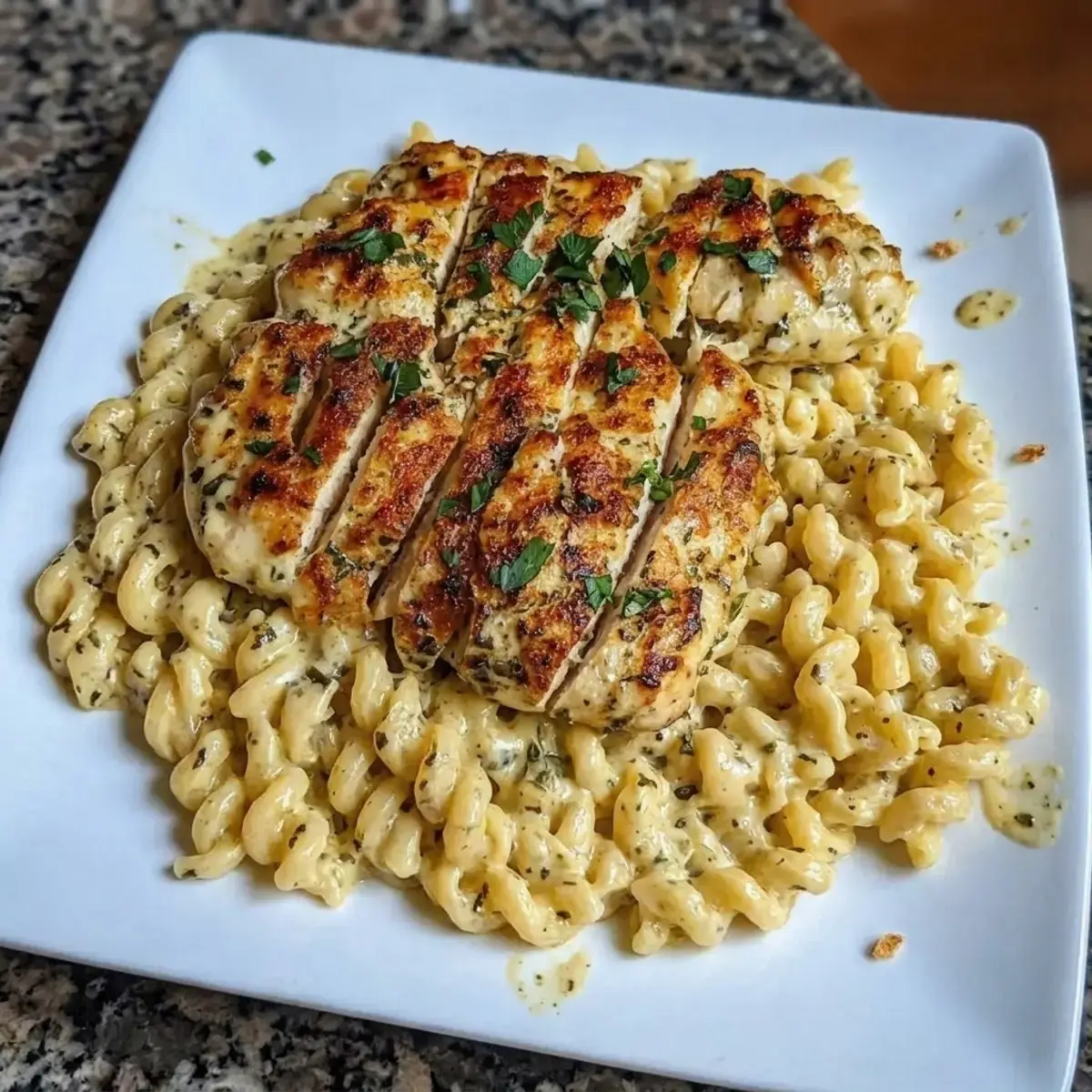
Use a meat thermometer to confirm 165°F in the thickest part. Transfer the cooked chicken from the skillet and let it rest before slicing. Resting keeps the juices in the meat instead of releasing them immediately onto the cutting board.
Cook the Rotini
Bring a pot of salted water to a boil. Add the eight ounces of rotini and cook according to the package instructions until al dente. Before draining, reserve one cup of the pasta cooking water.
Drain the pasta without rinsing away its surface starch. Keep the reserved water nearby for the sauce stage. You may not need all of it, so it should be added only when the sauce requires loosening.
Build the Garlic Cream Sauce
Return to the skillet used for the chicken. Add another tablespoon of butter as directed by the method, then sauté the minced garlic for one minute, just until fragrant.
Pour in the heavy cream and stir. Bring it to a gentle simmer rather than an aggressive boil. Whisk in the grated Parmesan until the cheese melts and the sauce becomes smooth.

Season the sauce with salt, black pepper, and optional red pepper flakes. Taste carefully because Parmesan already brings a salty note. Keep the heat controlled so the dairy mixture stays cohesive.
Combine Pasta and Sauce
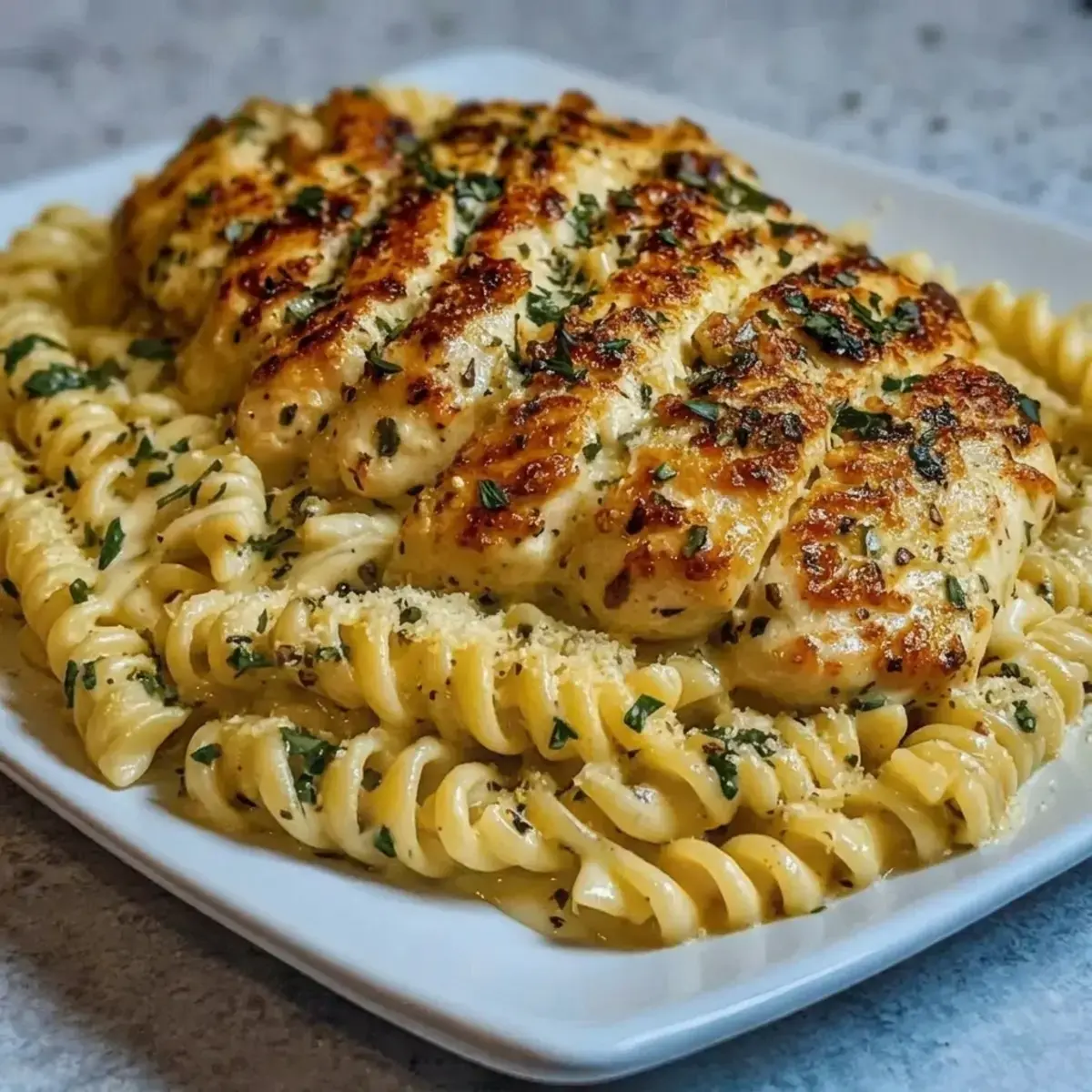
Add the cooked rotini to the skillet and toss gently until the spirals are coated. If the sauce feels too thick, add reserved pasta water a little at a time. Stop once the sauce flows around the pasta while still clinging to it.
The pasta water is an adjustment tool, not a fixed additional cup. Gradual additions protect the rich consistency and prevent the sauce from becoming watery.
Slice, Garnish, and Serve
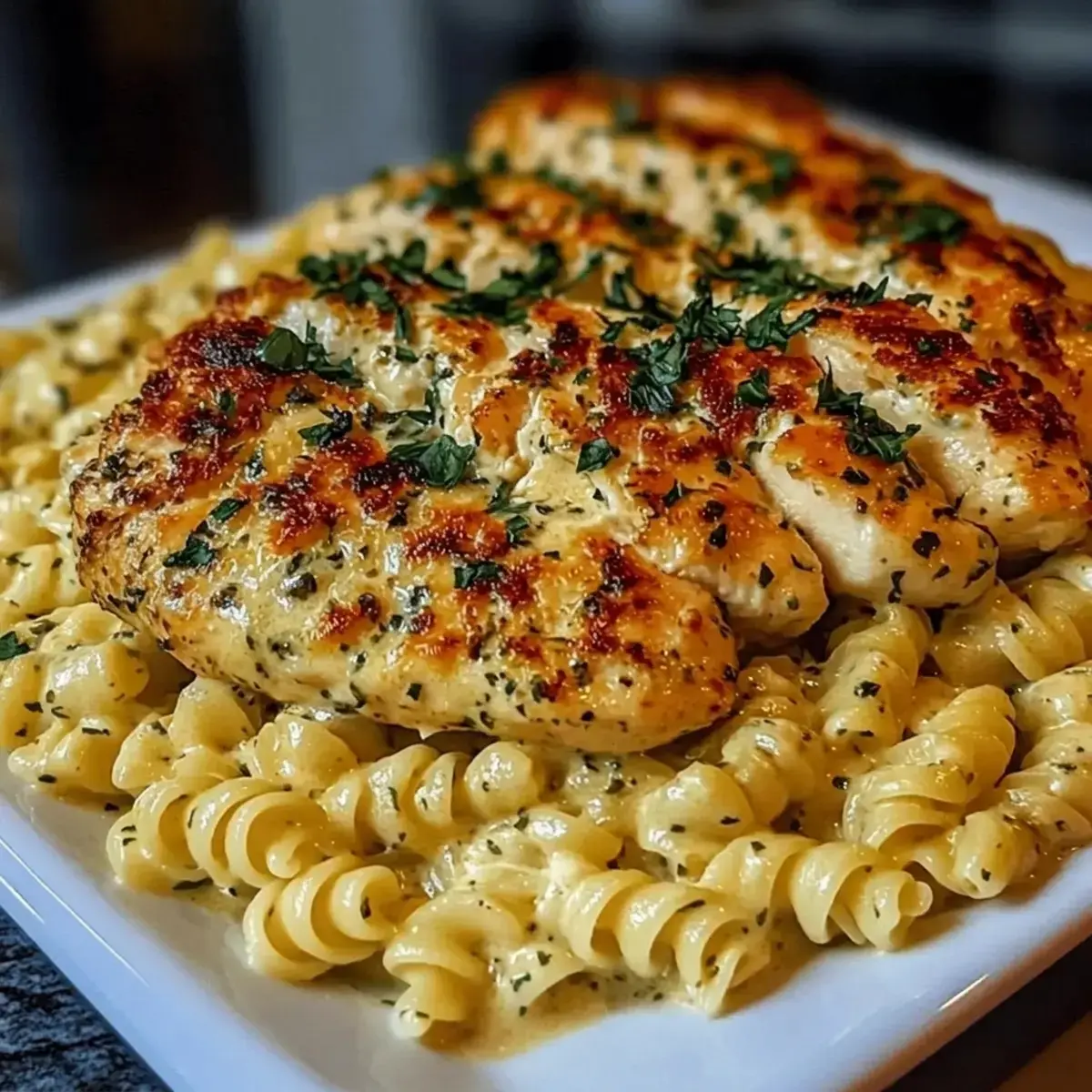
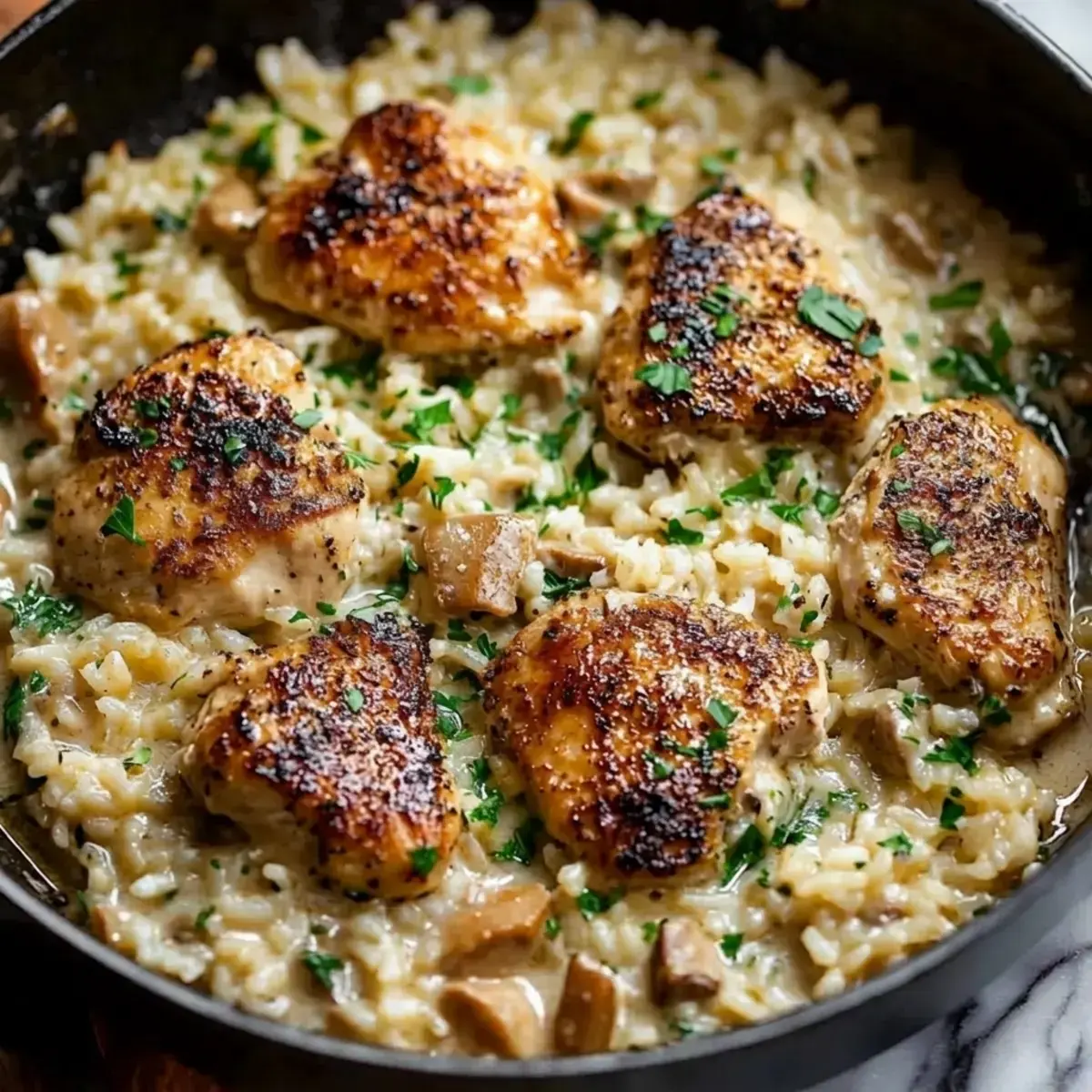
Slice the rested chicken and arrange it over the creamy twisted pasta. Finish with chopped parsley and additional Parmesan if desired. Serve immediately while the sauce is smooth and the chicken is warm.
Tips, Variations, Serving, and Storage
Keep the Chicken Moist
Do not skip the resting stage, and avoid cutting into the chicken to judge doneness. A thermometer confirms the required 165°F without releasing as much juice. Boneless thighs may replace breasts, but their size and cooking time still need to be monitored.
The chicken can be seasoned in advance, and the source allows garlic marinating for up to 24 hours when preparing ahead. Keep it refrigerated during that period. Cooked pasta may also be refrigerated separately from the sauce for up to three days to protect its texture.
Control the Parmesan Sauce
Fresh garlic and freshly grated Parmesan give the sauce its clearest flavor and smoothest melt. Let the cream simmer gently before whisking in the cheese. If the finished coating tightens, use reserved pasta water rather than raising the heat.
Half-and-half may replace heavy cream for a lighter option. The source also proposes coconut cream and nutritional yeast as a dairy-free variation. That substitution creates a different sauce, so use it when dietary needs matter more than matching the original Parmesan profile.
Choose Source-Supported Variations
Penne or farfalle can replace rotini. Fresh basil or thyme may accompany or replace parsley. Sautéed mushrooms, spinach, cherry tomatoes, or sun-dried tomatoes are listed vegetable additions, while lemon zest can brighten the finished sauce.
For more heat, add diced jalapeños or crushed red pepper flakes. Shrimp or scallops can replace chicken when their shorter cooking requirements are respected. Toasted pine nuts or walnuts offer a contrasting crunch after the creamy elements are combined.
Serve and Store Carefully
Garlic bread can collect extra sauce, while a crisp green salad balances the richness. Roasted zucchini or bell peppers provide another source-supported side. Serve the pasta soon after assembly because the Parmesan sauce thickens as it cools.
Transfer cooled leftovers to an airtight container and refrigerate them for up to three days. For longer keeping, use a freezer-safe container and freeze for up to two months, leaving a little expansion space. Individual portions make later reheating easier.
Reheat gently on the stove over low heat. A splash of milk or cream can return moisture to the sauce. Stir carefully and stop when heated through so the chicken does not dry out and the pasta does not soften excessively.
Coordinate the Three Components
The chicken, pasta, and sauce finish most smoothly when their ingredients are measured before heating begins. Rest the cooked chicken while the rotini boils, then reserve the pasta water before draining so it is available when Parmesan thickens the sauce.
Freshly grated Parmesan should enter a gentle cream simmer, not a violent boil. Toss the rotini only after the sauce is smooth, and slice the rested chicken last so its juices remain in the meat until assembly.
This sequence keeps each component ready without leaving the finished sauce over heat unnecessarily. Serve as soon as the sliced chicken, parsley, and optional extra Parmesan are arranged.
Frequently Asked Questions
Can I use chicken thighs instead of breasts?
Yes. The source lists boneless thighs as an alternative that can add flavor. Cook the chosen chicken fully and verify an internal temperature of 165°F before resting and slicing.
Why should I reserve pasta water?
The starchy cooking water lets you loosen a Parmesan sauce that becomes too thick. Add it gradually after tossing the rotini with the sauce until the coating reaches the desired consistency.
Can I use a different pasta shape?
Penne or farfalle are source-supported alternatives to rotini. Cook whichever shape you choose according to its package directions until al dente.
How should I store leftovers?
Cool the dish, transfer it to an airtight container, and refrigerate it for up to three days. The source also permits freezing in a freezer-safe container for up to two months.
How do I reheat creamy chicken pasta?
Warm it gently on the stove over low heat. Add a small splash of milk or cream to restore the sauce, and avoid excessive heat that could dry the chicken or split the creamy coating.