
Crispy Shrimp Tempura: Why This Recipe Works So Well
If you have ever wanted Crispy Shrimp Tempura that tastes light, golden, and fresh from a Japanese restaurant, this recipe is a great place to start. I love how a simple batter and a few careful steps can turn shrimp into something so crisp and satisfying. It is one of those dishes that feels special, but still fits into a busy weeknight if you plan ahead a little.
This version is friendly for home cooks because it uses basic pantry ingredients and a short fry time. The batter stays airy thanks to ice cold water, cornstarch, and a quick mix. The shrimp cooks fast, so you can get dinner on the table without a long wait.
- Easy preparation: The ingredient list is short, and the steps are simple enough for newer cooks.
- Light and satisfying: Shrimp brings protein without feeling heavy, especially when fried briefly and drained well. For more about the nutrition side of shrimp, see this guide to shrimp health benefits.
- Versatile for many meals: Serve it with rice, noodles, salad, or a dipping sauce for lunch or dinner.
- Bold texture and flavor: The crisp shell and tender shrimp make every bite satisfying, especially with a little lemon or tempura sauce.
When I make tempura at home, I always keep the batter cold and the oil steady. That little bit of care makes a big difference in the final crunch.
As you read through the recipe, you will also see ways to adjust it for different diets and preferences. If you like Japanese-style dishes, you may also enjoy other simple recipes on my site, like this easy whipped lemonade recipe for a refreshing drink alongside your meal.
Jump to:
- Crispy Shrimp Tempura: Why This Recipe Works So Well
- Essential Ingredients for Crispy Shrimp Tempura
- Main Ingredients
- What Each Ingredient Does
- Special Dietary Options
- How to Prepare the Perfect Crispy Shrimp Tempura: Step-by-Step Guide
- First Step: Prep the shrimp
- Second Step: Set up the dredging station
- Third Step: Mix the tempura batter
- Fourth Step: Heat the oil
- Fifth Step: Coat the shrimp
- Sixth Step: Fry in small batches
- Seventh Step: Serve right away
- Protein and Main Component Alternatives
- Vegetable, Sauce, and Seasoning Modifications
- Vegetable ideas
- Sauce ideas
- Seasoning ideas
- Mastering Crispy Shrimp Tempura: Advanced Tips and Variations
- Pro cooking techniques
- Flavor variations
- Presentation tips
- Make-ahead options
- How to Store Crispy Shrimp Tempura: Best Practices
- Refrigeration
- Freezing
- Reheating
- Meal prep considerations
- FAQs: Frequently Asked Questions About Crispy Shrimp Tempura
- What type and size of shrimp work best for crispy shrimp tempura?
- How do I prepare shrimp for tempura frying?
- How do I make light tempura batter for shrimp?
- What’s the best way to fry crispy shrimp tempura?
- What are common mistakes to avoid when making shrimp tempura?
- Crispy Shrimp Tempura
- Ingredients
- Instructions
- Last Step:
- Notes
- Nutrition
- Did you make this recipe?
Essential Ingredients for Crispy Shrimp Tempura
Main Ingredients
- 20 to 25 shrimp, peeled with tail-on and deveined – Medium-large shrimp work best because they cook quickly and stay tender.
- Flour for dredging – A light dusting helps the batter cling to the shrimp.
- 1 cup flour, all-purpose or cake flour – This gives the batter structure while keeping it light.
- 1/4 cup cornstarch – Cornstarch helps create that delicate, crisp crust.
- 1 egg – The egg helps bind the batter.
- 1.25 cups ice cold water – Cold water slows gluten development and keeps the batter airy.
- Neutral oil for frying – Vegetable or canola oil works well because it fries cleanly.
What Each Ingredient Does
| Ingredient | Role in the Recipe |
|---|---|
| Shrimp | Provides the main protein and a sweet, tender bite. |
| Flour for dredging | Helps the batter grab onto the shrimp surface. |
| Flour and cornstarch | Create a crisp shell with less chew. |
| Egg | Adds structure to the batter. |
| Ice cold water | Keeps the batter thin and light. |
| Neutral oil | Allows the shrimp to fry without a strong flavor. |
Special Dietary Options
- Vegan: Swap shrimp for sliced zucchini, eggplant, mushrooms, or sweet potato. Use a simple tempura batter without egg if needed.
- Gluten-free: Replace the all-purpose flour with a gluten-free flour blend and keep the cornstarch. Make sure the dredging flour is also gluten-free.
- Low-calorie: Air frying can work for some vegetables, but shrimp tempura tastes best when quickly fried in a shallow amount of hot oil.
How to Prepare the Perfect Crispy Shrimp Tempura: Step-by-Step Guide
First Step: Prep the shrimp
Start with 20 to 25 shrimp that are peeled, tail-on, and deveined. If your shrimp still have the vein, rinse them under cold water and remove it with a small slit along the back. Pat each shrimp dry with paper towels. Dry shrimp are important because extra water can make the batter slip off and can cause the oil to splatter.
To help the shrimp stay straight while frying, make 4 to 6 shallow slits along the belly side. Then turn the shrimp over and press gently along the back. You may hear little pops as the muscles release. This simple step keeps the shrimp from curling too tightly in the oil.
Second Step: Set up the dredging station
Place some flour for dredging in a shallow bowl or plate. This is a small step, but it helps a lot. The dusting creates a dry surface so the batter sticks better. Have a tray or plate ready for the coated shrimp, and place a wire rack nearby for draining after frying.
It also helps to get your oil ready before mixing the batter. Tempura batter works best when it goes straight into hot oil, so having everything nearby saves time and keeps the batter cold.
Third Step: Mix the tempura batter
In a mixing bowl, whisk together 1 egg and 1.25 cups ice cold water. In a separate small bowl, combine 1 cup flour and 1/4 cup cornstarch. Add the dry ingredients to the wet mixture and stir gently. Do not worry if the batter looks a little lumpy. That is a good sign for tempura, since overmixing can make the coating heavy and chewy.
The batter should be thin and runny. If it seems too thick, add a small splash of ice water. Keep the bowl over a larger bowl of ice if your kitchen is warm. Cold batter gives you a more delicate crust.
Fourth Step: Heat the oil
Pour neutral oil into a deep skillet or pot. Heat it to 375°F. A thermometer is the easiest way to keep the temperature steady. If the oil is too cool, the shrimp will soak up more oil. If it is too hot, the outside can brown before the shrimp cooks through.
You do not need to fill the pot all the way. A few inches of oil is enough for frying. Just make sure the shrimp can float comfortably and move around without crowding.
Fifth Step: Coat the shrimp
Take one shrimp at a time and lightly dust it in the flour for dredging. Shake off the extra flour. Then hold the shrimp by the tail and dip it into the tempura batter. Let the extra batter drip off for a second or two before frying.
For that classic tempura look, you can drizzle a small amount of batter over the shrimp as it fries. This creates a craggy, airy shell that gets extra crisp. Work with a few shrimp at a time so the batter stays cold and the oil temperature stays steady.
Sixth Step: Fry in small batches
Lower the coated shrimp gently into the hot oil. Fry for about 1 to 2 minutes, or until the batter turns pale golden and crisp. Do not overcrowd the pan. Frying too many shrimp at once drops the oil temperature and makes the coating soggy.
Turn the shrimp carefully if needed so they cook evenly. Since shrimp cooks fast, stay close to the stove. Once the shrimp are light golden, remove them with a slotted spoon or spider and place them on a wire rack. A rack keeps the bottom crisp, while paper towels can trap steam.
Seventh Step: Serve right away
Serve the shrimp tempura hot while the crust is still crunchy. A squeeze of lemon is a simple touch that brightens the flavor. You can also serve it with tentsuyu, spicy mayo, or a light dipping sauce. If you want a full meal, pair it with steamed rice, a salad, or noodles.
For another sweet and simple dessert after dinner, my readers often enjoy browsing this strawberry shortcake recipe on the blog.
Protein and Main Component Alternatives
If shrimp is not your first choice, tempura batter also works well with other proteins and seafood. These swaps can help you use what you already have in the kitchen or fit different eating habits.
- Chicken strips: Use thin slices for faster cooking, though the texture will be different from classic tempura.
- Scallops: Choose medium scallops and pat them very dry before dredging.
- Firm white fish: Cod or haddock can fry well when cut into even pieces.
- Tofu: Press extra-firm tofu well before frying so it holds together.
- Mushrooms: Oyster or shiitake mushrooms give a meaty bite with a softer center.
If you are cooking for a group, using a mix of shrimp and vegetables can make the plate feel more generous and colorful.
Vegetable, Sauce, and Seasoning Modifications
Tempura is flexible, so you can build a full meal around it with different vegetables and sauces. That makes it a good choice for families with different tastes.
Vegetable ideas
- Sweet potato slices
- Bell pepper strips
- Zucchini rounds
- Green beans
- Asparagus spears
- Broccoli florets
Sauce ideas
- Tentsuyu: The classic Japanese tempura dipping sauce, usually made with dashi, soy sauce, and mirin.
- Spicy mayo: Mix mayo with a little sriracha or chili paste.
- Ponzu: A citrusy soy-based sauce that pairs nicely with shrimp.
- Simple lemon salt: Great when you want a lighter finish.
Seasoning ideas
You do not need heavy seasoning in the batter. Still, a little garnish can make the dish feel complete. Try sesame seeds, chopped scallions, a pinch of flaky salt, or a few chili flakes. If you like a mild citrus note, fresh lemon is a wonderful finishing touch.
For a fun pairing on a warm day, you could also try this easy icebox cake later in the week for dessert.
Mastering Crispy Shrimp Tempura: Advanced Tips and Variations
Pro cooking techniques
The biggest secret to great Crispy Shrimp Tempura is temperature control. Keep the batter cold, the shrimp dry, and the oil at 375°F. If you can, mix the batter right before frying so the flour does not have time to build too much gluten. Stir only until the dry bits are barely mixed in.
Another useful trick is to fry in very small batches. This keeps the oil hot and the coating crisp. If the oil temperature drops too much, wait a moment before adding more shrimp.
Flavor variations
For a brighter flavor, add a little lemon zest to the finished shrimp. For a sharper bite, serve with grated daikon and soy sauce. You can also add a tiny pinch of paprika or white pepper to the batter if you want a slight flavor change without losing the classic tempura feel.
Presentation tips
Arrange the shrimp on a plate with the tails facing outward for a pretty fan shape. Add a small bowl of dipping sauce in the center. A few fresh herbs, lemon wedges, or shredded lettuce can make the plate look fresh and inviting.
Make-ahead options
You can prep the shrimp earlier in the day by cleaning, deveining, drying, and straightening them. The dry ingredients can also be measured ahead of time. Keep the batter mix separate until just before frying. That way, you save time without losing the light texture that makes tempura so good.
If you want restaurant-style crunch, think cold batter, hot oil, and quick frying. Those three things matter more than anything else.
How to Store Crispy Shrimp Tempura: Best Practices
Refrigeration
Store leftover shrimp tempura in an airtight container in the refrigerator for up to 2 days. Place a paper towel in the container if needed to absorb extra moisture, but do not stack the pieces too tightly.
Freezing
Freezing is possible, but the texture will not be as crisp after thawing. If you freeze it, let the shrimp cool completely first. Freeze in a single layer on a tray, then transfer to a freezer-safe bag or container. Use within 1 month for the best quality.
Reheating
The best way to reheat is in a 350°F oven or air fryer for a few minutes until hot and crisp. Avoid the microwave if you can, since it softens the batter fast. If reheating from frozen, add a little extra time and watch closely so the shrimp does not dry out.
Meal prep considerations
For batch cooking, prep the shrimp and dry ingredients ahead of time, but fry only what you plan to eat soon. Tempura tastes best fresh, so treat it like a quick-cook meal rather than a long-storage dish.

FAQs: Frequently Asked Questions About Crispy Shrimp Tempura
What type and size of shrimp work best for crispy shrimp tempura?
How do I prepare shrimp for tempura frying?
How do I make light tempura batter for shrimp?
What’s the best way to fry crispy shrimp tempura?
What are common mistakes to avoid when making shrimp tempura?
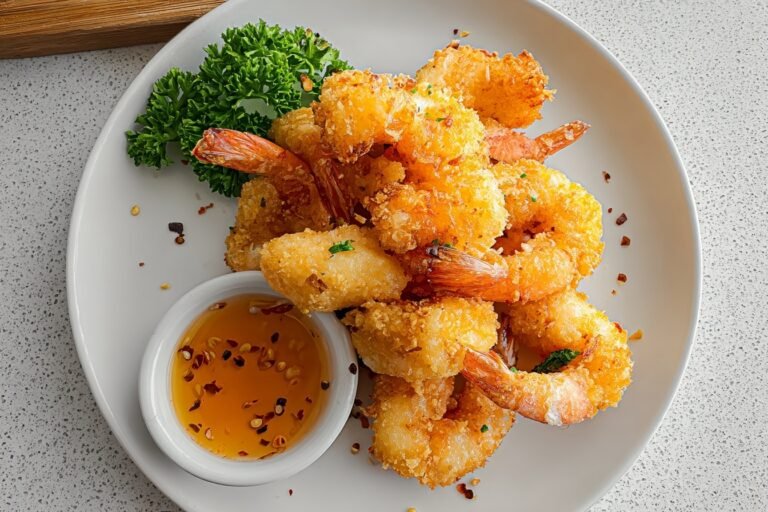
Crispy Shrimp Tempura
🍤 Indulge in ultra-crispy, light-as-air shrimp tempura that’s restaurant-quality right from your kitchen – juicy shrimp in a delicate batter!
🔥 Perfect for appetizers or alongside sushi, this Japanese classic is quick, fun, and sure to wow your taste buds.
- Total Time: 25 minutes
- Yield: 4 servings
Ingredients
– 20 to 25 shrimp, peeled with tail-on and deveined
– Flour for dredging
– 1 cup flour, all-purpose or cake flour
– 1/4 cup cornstarch
– 1 egg
– 1.25 cups ice cold water
– Neutral oil for frying
Instructions
1-First Step: Prep the shrimp Start with 20 to 25 shrimp that are peeled, tail-on, and deveined. If your shrimp still have the vein, rinse them under cold water and remove it with a small slit along the back. Pat each shrimp dry with paper towels. Dry shrimp are important because extra water can make the batter slip off and can cause the oil to splatter. To help the shrimp stay straight while frying, make 4 to 6 shallow slits along the belly side. Then turn the shrimp over and press gently along the back. You may hear little pops as the muscles release. This simple step keeps the shrimp from curling too tightly in the oil.
2-Second Step: Set up the dredging station Place some flour for dredging in a shallow bowl or plate. This is a small step, but it helps a lot. The dusting creates a dry surface so the batter sticks better. Have a tray or plate ready for the coated shrimp, and place a wire rack nearby for draining after frying. It also helps to get your oil ready before mixing the batter. Tempura batter works best when it goes straight into hot oil, so having everything nearby saves time and keeps the batter cold.
3-Third Step: Mix the tempura batter In a mixing bowl, whisk together 1 egg and 1.25 cups ice cold water. In a separate small bowl, combine 1 cup flour and 1/4 cup cornstarch. Add the dry ingredients to the wet mixture and stir gently. Do not worry if the batter looks a little lumpy. That is a good sign for tempura, since overmixing can make the coating heavy and chewy. The batter should be thin and runny. If it seems too thick, add a small splash of ice water. Keep the bowl over a larger bowl of ice if your kitchen is warm. Cold batter gives you a more delicate crust.
4-Fourth Step: Heat the oil Pour neutral oil into a deep skillet or pot. Heat it to 375°F. A thermometer is the easiest way to keep the temperature steady. If the oil is too cool, the shrimp will soak up more oil. If it is too hot, the outside can brown before the shrimp cooks through. You do not need to fill the pot all the way. A few inches of oil is enough for frying. Just make sure the shrimp can float comfortably and move around without crowding.
5-Fifth Step: Coat the shrimp Take one shrimp at a time and lightly dust it in the flour for dredging. Shake off the extra flour. Then hold the shrimp by the tail and dip it into the tempura batter. Let the extra batter drip off for a second or two before frying. For that classic tempura look, you can drizzle a small amount of batter over the shrimp as it fries. This creates a craggy, airy shell that gets extra crisp. Work with a few shrimp at a time so the batter stays cold and the oil temperature stays steady.
6-Sixth Step: Fry in small batches Lower the coated shrimp gently into the hot oil. Fry for about 1 to 2 minutes, or until the batter turns pale golden and crisp. Do not overcrowd the pan. Frying too many shrimp at once drops the oil temperature and makes the coating soggy. Turn the shrimp carefully if needed so they cook evenly. Since shrimp cooks fast, stay close to the stove. Once the shrimp are light golden, remove them with a slotted spoon or spider and place them on a wire rack. A rack keeps the bottom crisp, while paper towels can trap steam.
7-Seventh Step: Serve right away Serve the shrimp tempura hot while the crust is still crunchy. A squeeze of lemon is a simple touch that brightens the flavor. You can also serve it with tentsuyu, spicy mayo, or a light dipping sauce. If you want a full meal, pair it with steamed rice, a salad, or noodles.
Last Step:
Please leave a rating and comment letting us know how you liked this recipe! This helps our business to thrive and continue providing free, high-quality recipes for you.Notes
❄️ Use ice-cold sparkling water instead of plain for extra crispiness in the batter.
🌡️ Maintain oil temperature between 340-350°F to avoid soggy or burnt tempura.
🧂 Pat shrimp very dry before dredging for better batter adhesion and crisp results.
- Prep Time: 15 minutes
- Cook Time: 10 minutes
- Category: Appetizer
- Method: Deep Fry
- Cuisine: Japanese
Nutrition
- Serving Size: 5-6 shrimp
- Calories: 280 kcal
- Sugar: 1g
- Sodium: 450mg
- Fat: 15g
- Saturated Fat: 2g
- Unsaturated Fat: 12g
- Trans Fat: 0g
- Carbohydrates: 20g
- Fiber: 1g
- Protein: 15g
- Cholesterol: 120mg