

15 Best Grill Marinades
This collection covers 15 marinades for chicken, beef, pork, lamb, fish, seafood, and vegetables. The flavor profiles move from familiar barbecue combinations to Mexican, Cuban, Greek, Korean, Middle Eastern, North African, Italian, and Vietnamese-inspired options.
Each marinade is designed to be mixed from accessible ingredients, generally in 10 minutes or less. The resting stage then works without active cooking, allowing the selected food to take on savory, sweet, acidic, aromatic, or spicy elements before grilling.

Jump to:
- 15 Best Grill Marinades
- How Grilling Marinades Build Flavor
- The 15 Marinades for Grilling
- All-Purpose Grilling Marinade
- Al Pastor Marinade
- Brown Sugar Bourbon Marinade
- Chili Lime Marinade
- Cuban Mojo Marinade
- Greek Marinade
- Honey Harissa Marinade
- Honey Mustard Marinade
- Korean Bulgogi Marinade
- Simplest Lemon Herb Marinade
- Maple Balsamic Marinade
- Shawarma Marinade
- Mom’s Teriyaki Marinade
- Tuscan Marinade
- Vietnamese-Style Lemongrass Marinade
- How to Choose a Marinade
- Safe Marinating and Grilling
- Final Selection Guide
How Grilling Marinades Build Flavor
A marinade surrounds meat, seafood, or vegetables with a seasoned liquid before cooking. Unlike a dry rub that primarily seasons the surface, a marinade uses liquid ingredients to distribute acidity, sweetness, salt, spices, and aromatics around the food.
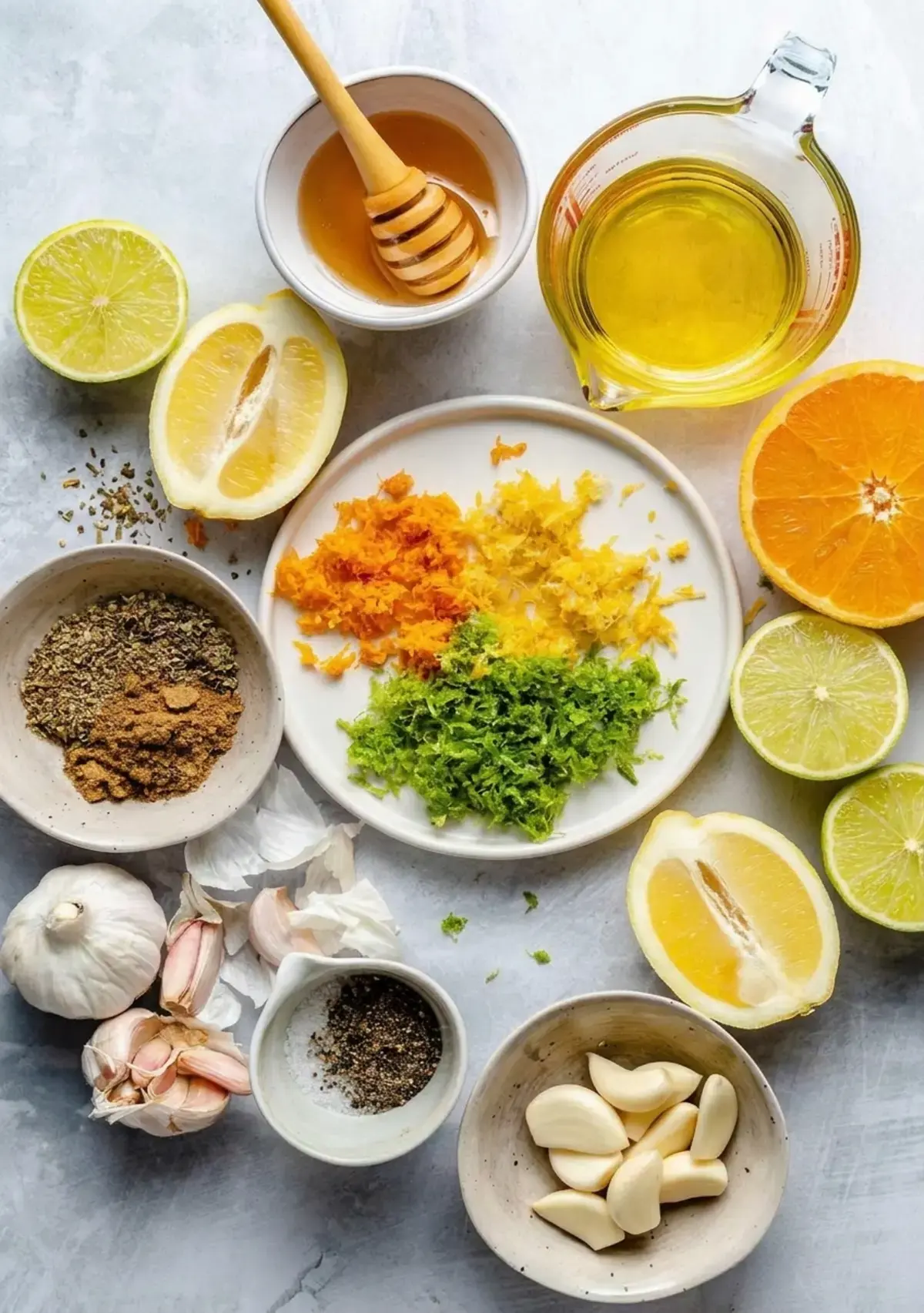
The balance matters more than adding the largest possible number of ingredients. Citrus or vinegar creates brightness, soy sauce or other savory ingredients adds depth, sweeteners encourage caramelization, and herbs or spices define the individual profile.
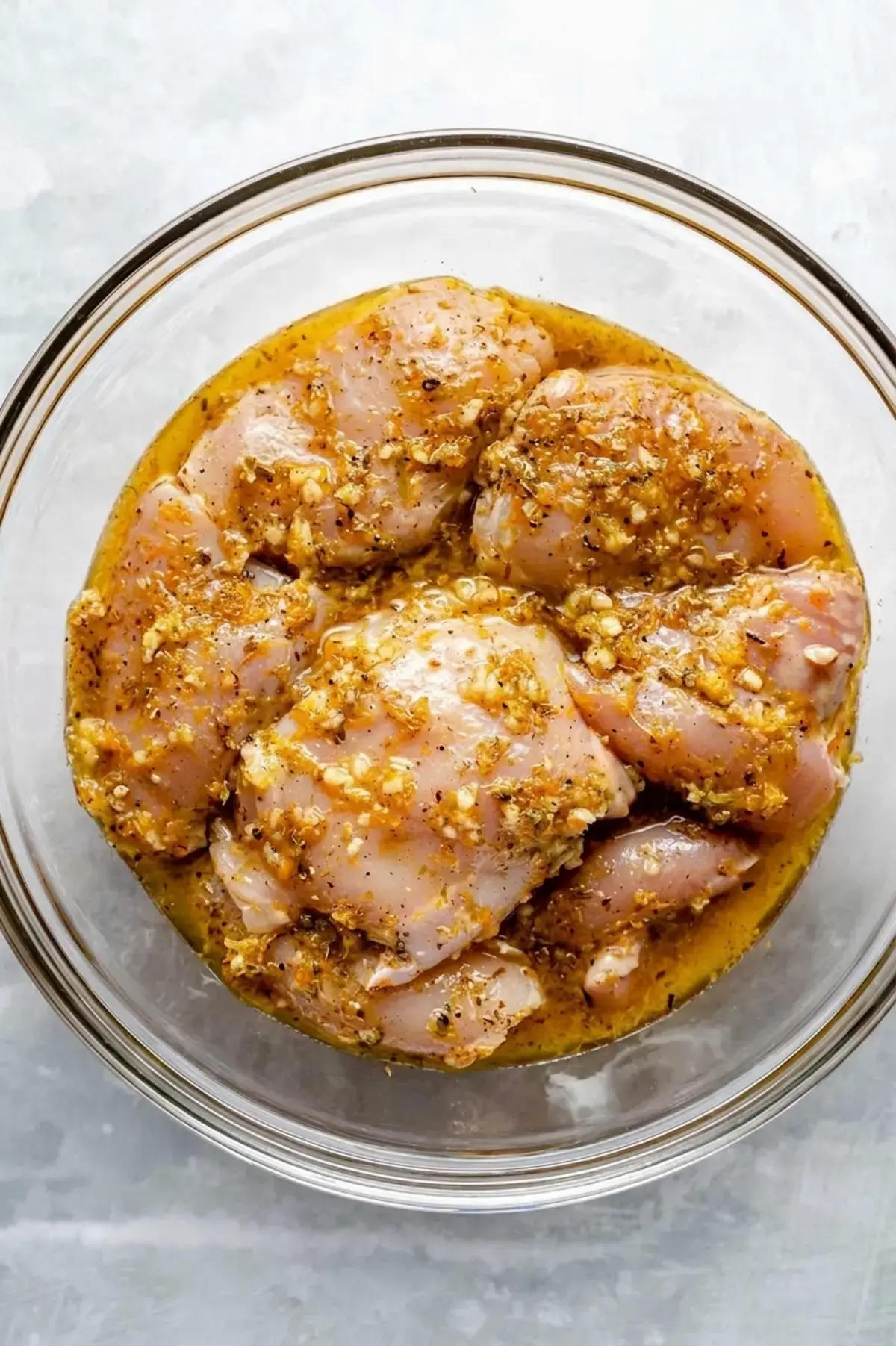
Marinating time is not universal. Vegetables, shrimp, fish, poultry, and thick cuts of meat respond differently, so use the complete recipe associated with each marinade. Longer is not automatically better, particularly when acidic ingredients are involved.
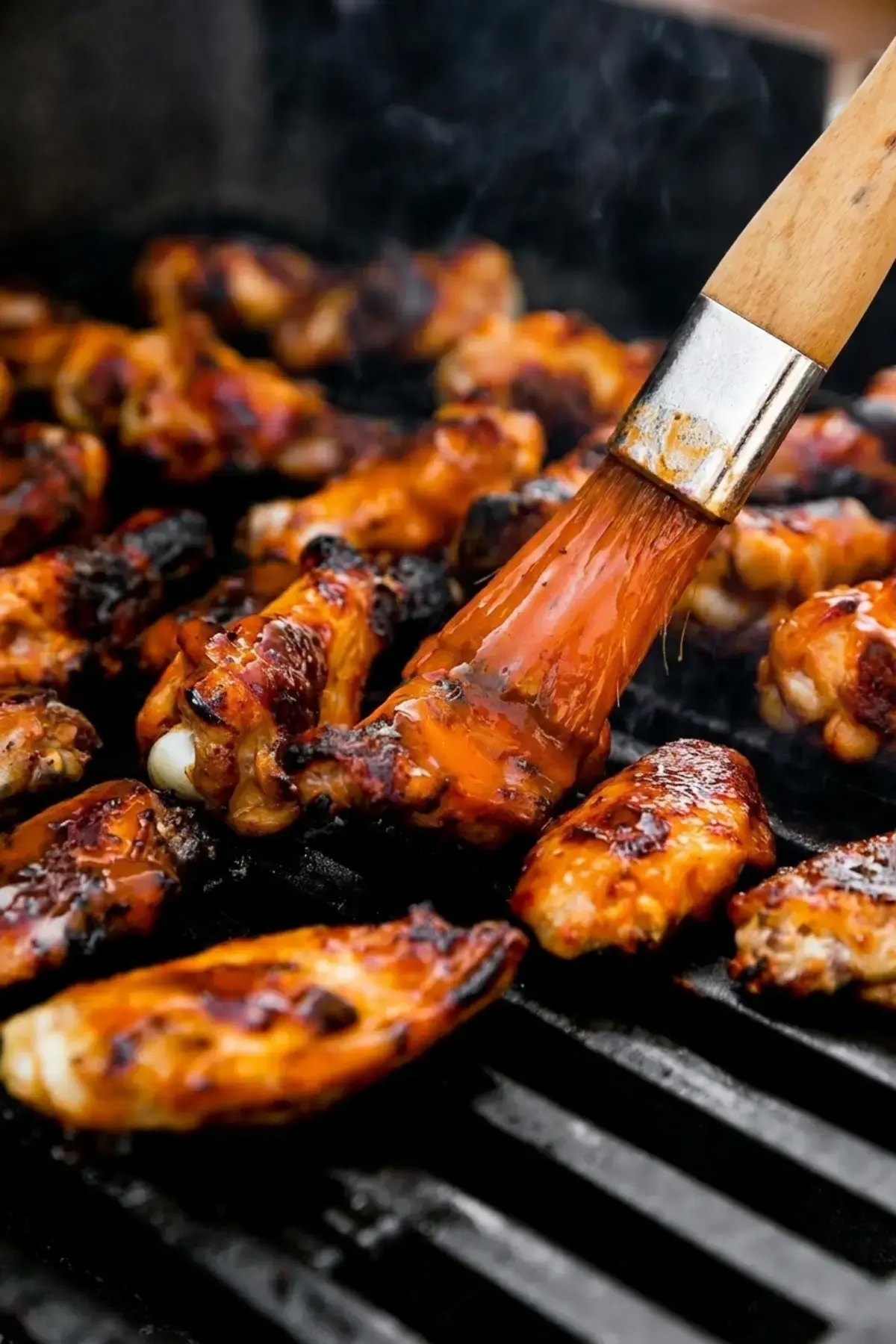
The 15 Marinades for Grilling
Choose according to both flavor and the food being cooked. The pairings below come from the source collection, but every individual recipe should control exact quantities, marinating time, grill heat, and doneness.
All-Purpose Grilling Marinade
Worcestershire sauce, soy sauce, and apple cider vinegar form the savory and acidic base of this versatile marinade. Its source profile is zesty, sweet, and spicy, built from ingredients that are easy to keep in the pantry.
It pairs with chicken, pork, beef, fish, lamb, and vegetables. Choose it when one marinade needs to accommodate several foods at the same cookout, but use separate containers for raw meats and vegetables.
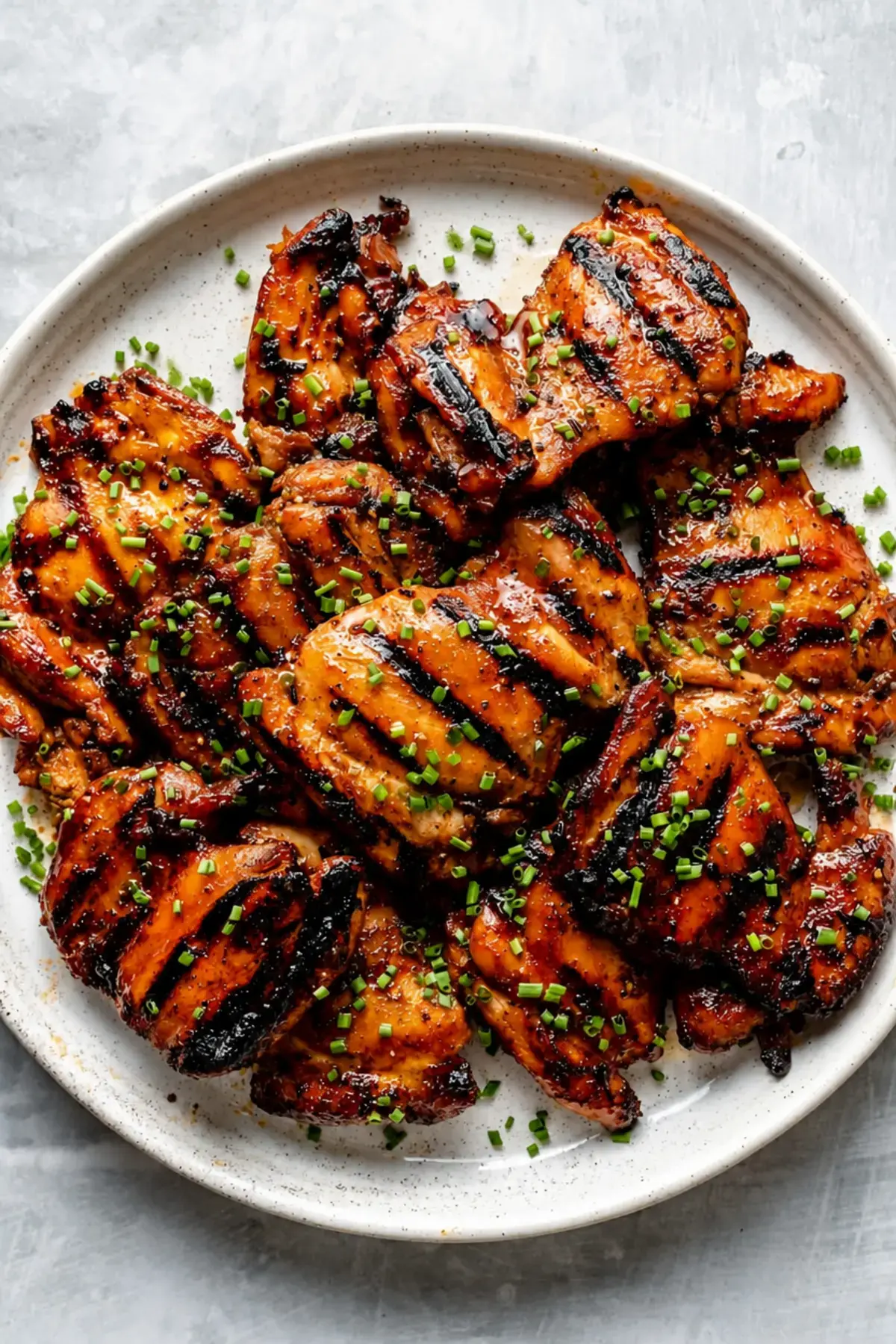
Al Pastor Marinade
This Mexican-inspired option combines pineapple, orange juice, and achiote paste. The fruit provides sweetness and acidity, while achiote supplies the marinade’s distinctive color and savory-spiced direction.
The source recommends it for pork, chicken, fish, and vegetables. Sugars from the fruit can caramelize over a hot grill, so follow the individual recipe’s heat and cooking guidance rather than relying only on exterior color.
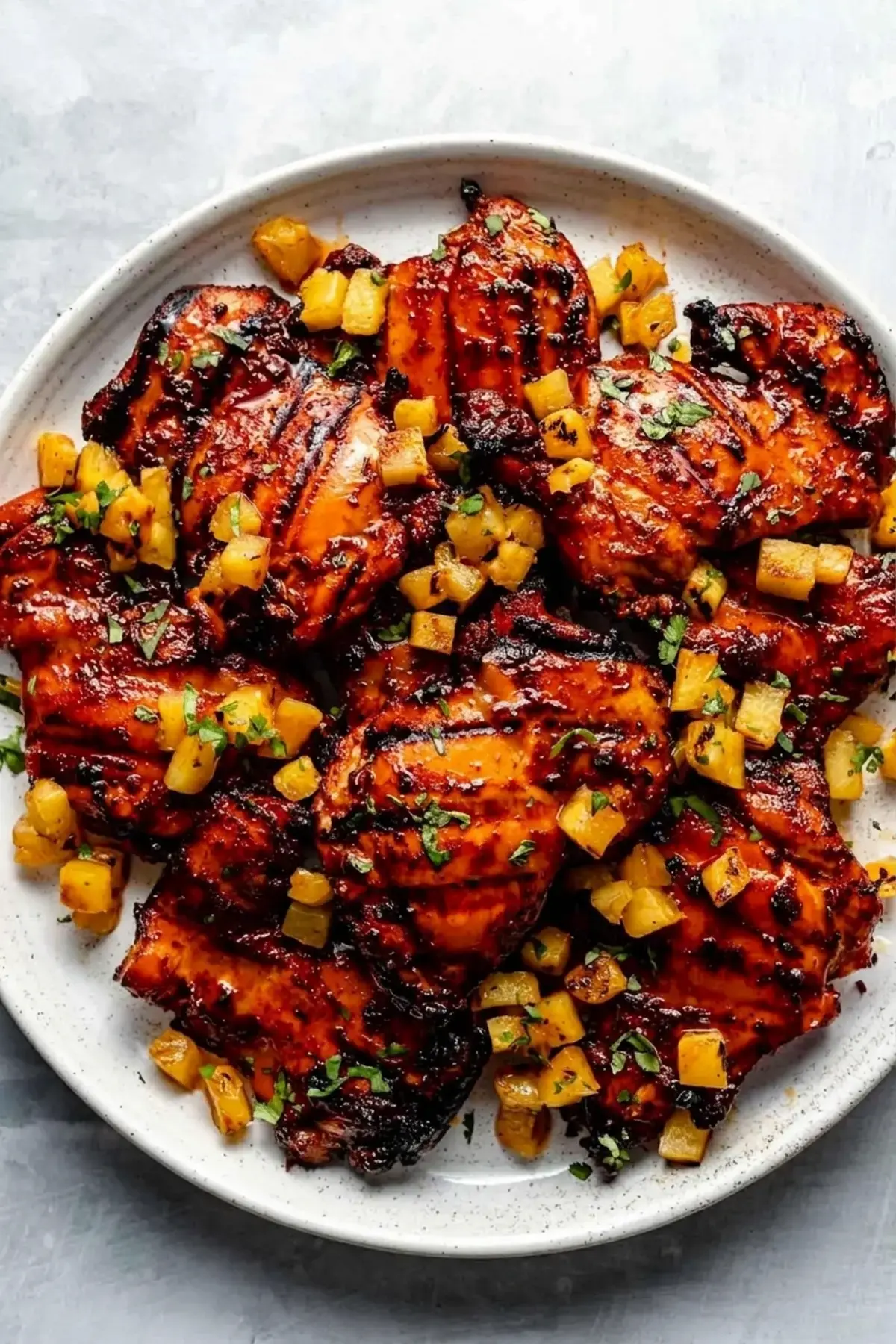
Brown Sugar Bourbon Marinade
Brown sugar and bourbon create a rich, tangy sweetness that feels special without requiring a complicated preparation. The source presents it as approachable for both people who enjoy whiskey and those who do not usually choose it.
It works with steak, chicken, pork, shrimp, and vegetables. Use the complete recipe for exact quantities and marinating guidance, especially when adapting it between delicate shrimp and denser cuts of meat.
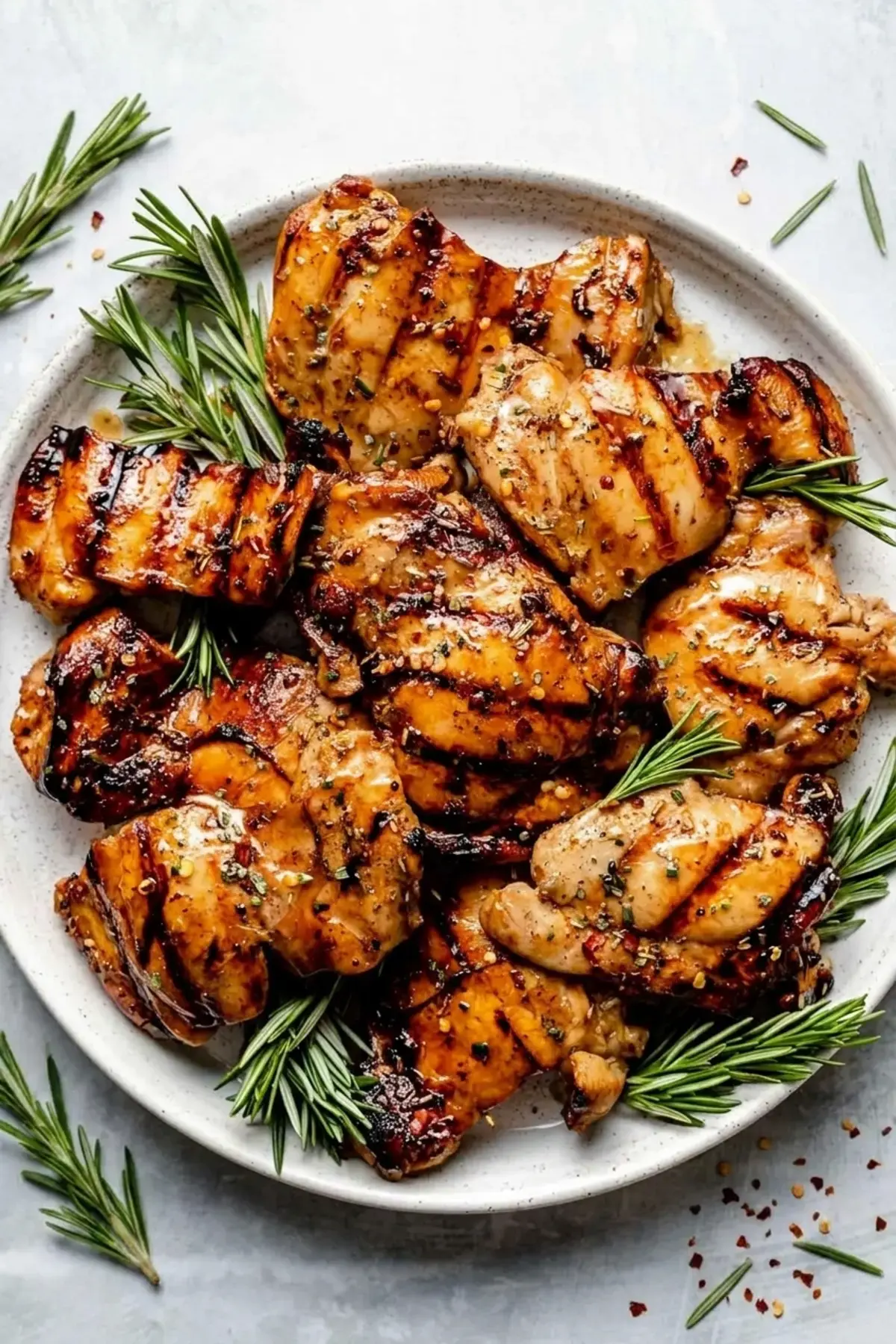
Chili Lime Marinade
Lime supplies the acidic foundation, while paprika, cumin, chile powder, and oregano produce a smoky-spiced profile. Honey balances those ingredients and caramelizes on the grill.
The marinade suits chicken, especially skin-on thighs, drumsticks, or a whole grilled chicken, as well as beef, pork, fish, and vegetables. Monitor honey-coated surfaces carefully because browning can occur before thick pieces are fully cooked.
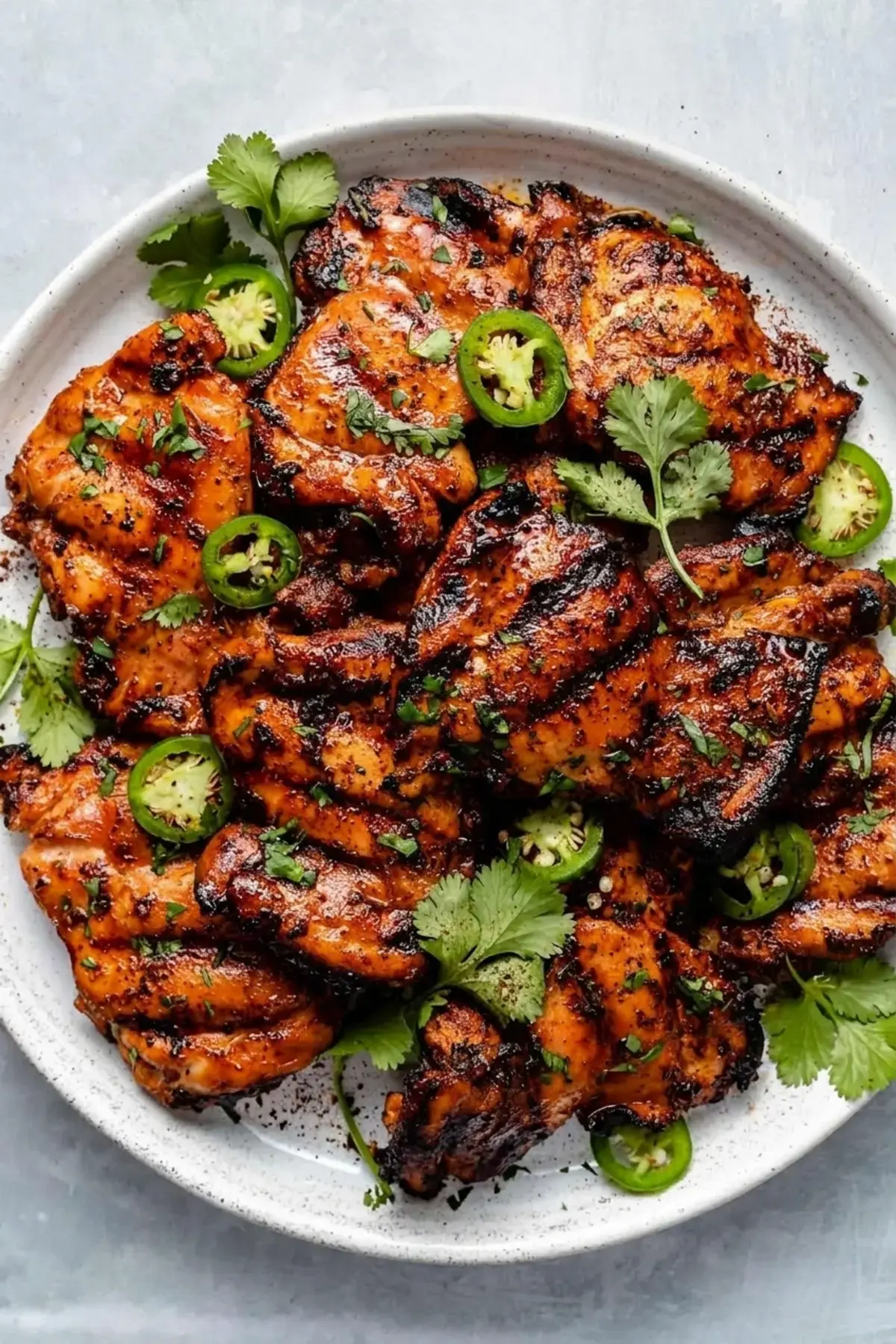
Cuban Mojo Marinade
Freshly squeezed orange, lemon, and lime juices give this Cuban-inspired marinade a bright tropical character. It is the most citrus-focused option in the collection and brings several kinds of acidity together.
Use it with chicken, pork, fish, seafood, or vegetables. The complete recipe determines the supporting aromatics and marinating period, so do not infer those details from another citrus marinade.
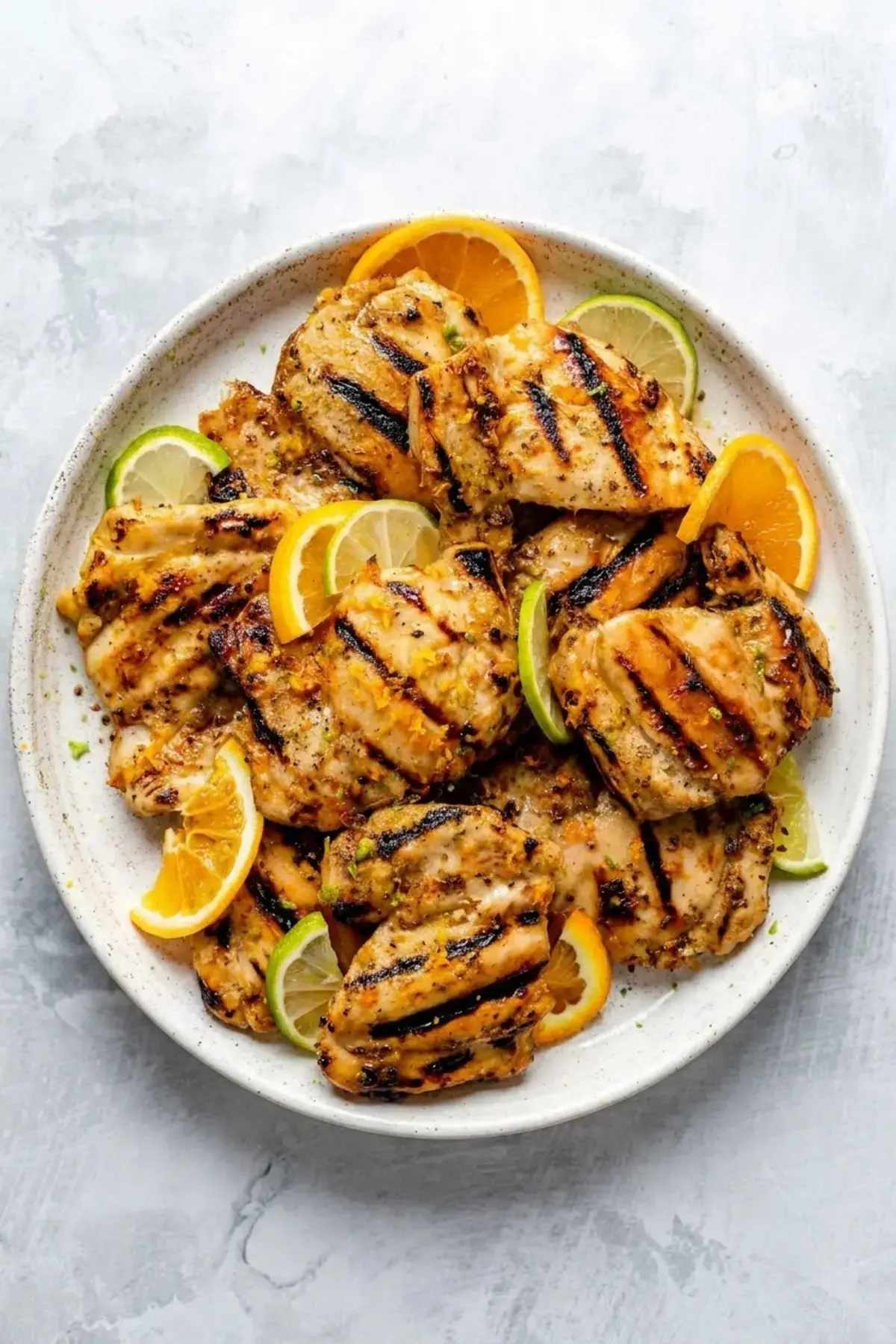
Greek Marinade
Lemon, garlic, and oregano create the recognizable herb and citrus profile, while Greek yogurt is the ingredient that distinguishes this marinade. The yogurt helps the mixture cling to the food and is presented as the tenderizing component.
The source pairs it with chicken, pork, lamb, fish, seafood, and vegetables. Select plain yogurt and follow the full recipe for consistency, quantity, and resting time.
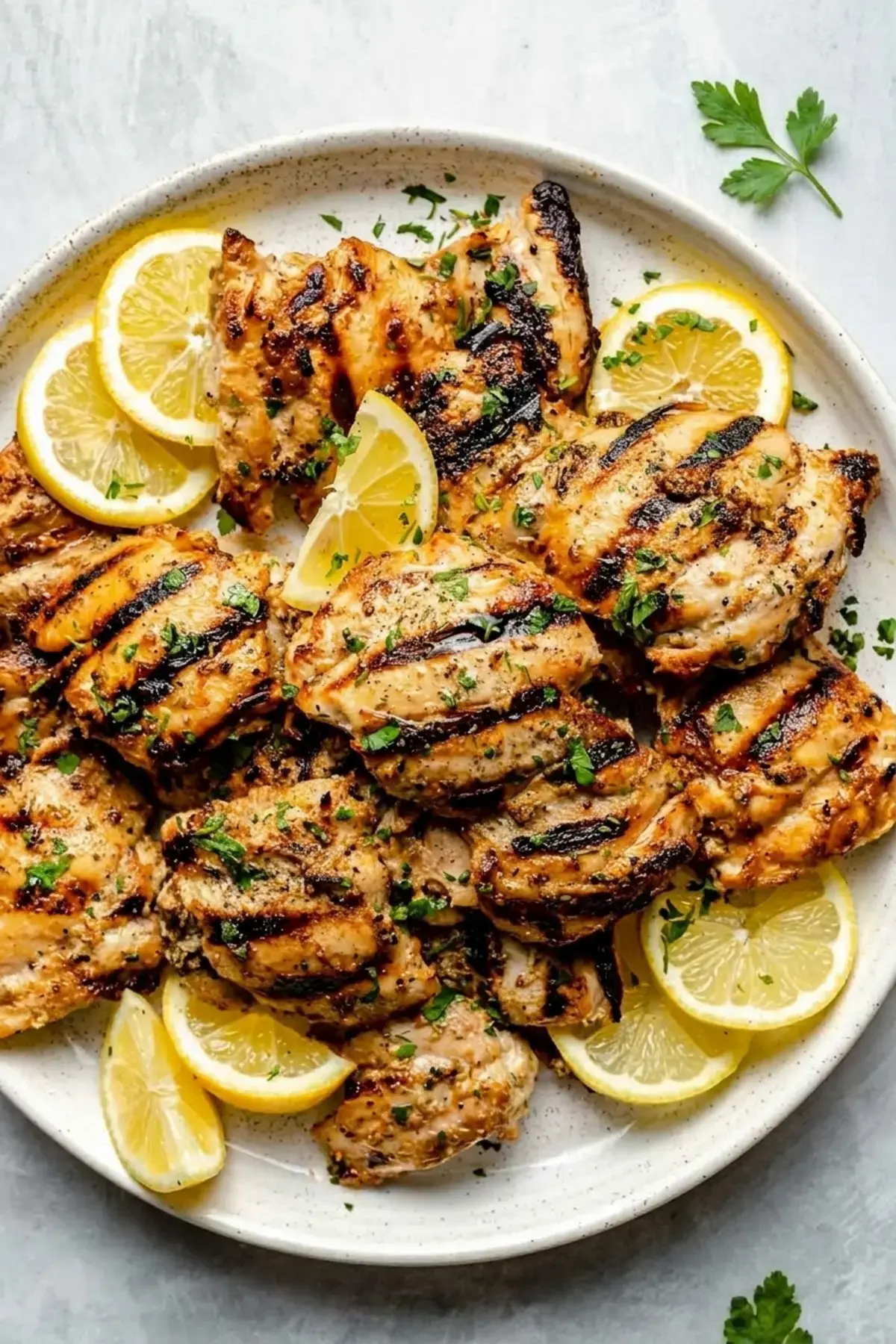
Honey Harissa Marinade
Harissa and honey balance heat with sweetness in a seven-ingredient marinade. Harissa is a North African red chile paste, so its flavor includes more than simple heat, while honey rounds out the spicy base.
This option works with chicken, pork, beef, lamb, fish, and vegetables. Check the heat level of the harissa product being used and keep the source quantities before deciding whether any adjustment is needed.
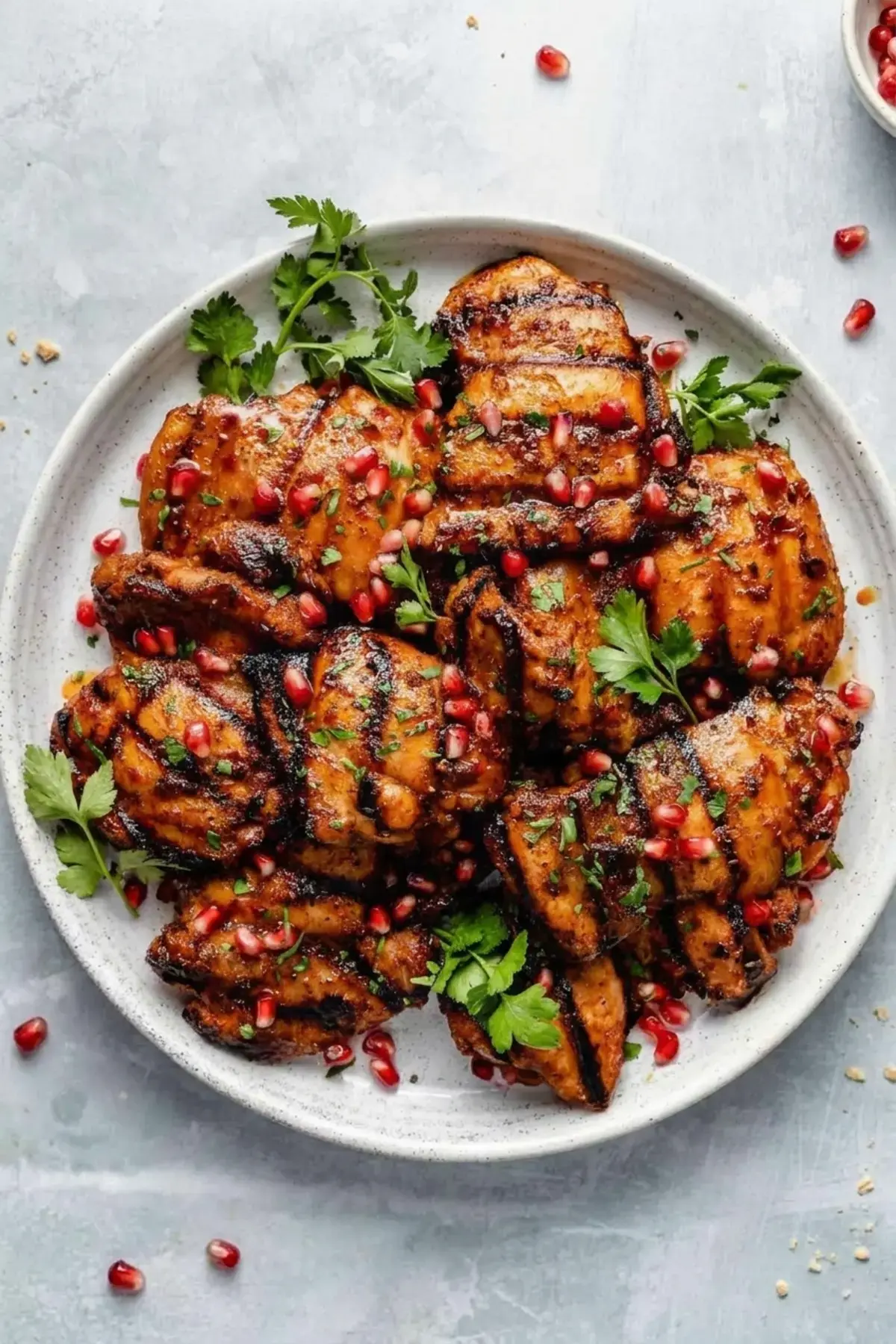
Honey Mustard Marinade
Honey mustard is the collection’s most familiar sweet-and-tangy combination. The source describes it as balanced, crowd-pleasing, and more versatile than its common association with chicken might suggest.
It can accompany beef, pork, fish, shrimp, vegetables, and chicken tenders. Because the ingredient list and proportions are not included in the roundup summary, open the complete recipe before preparing it.
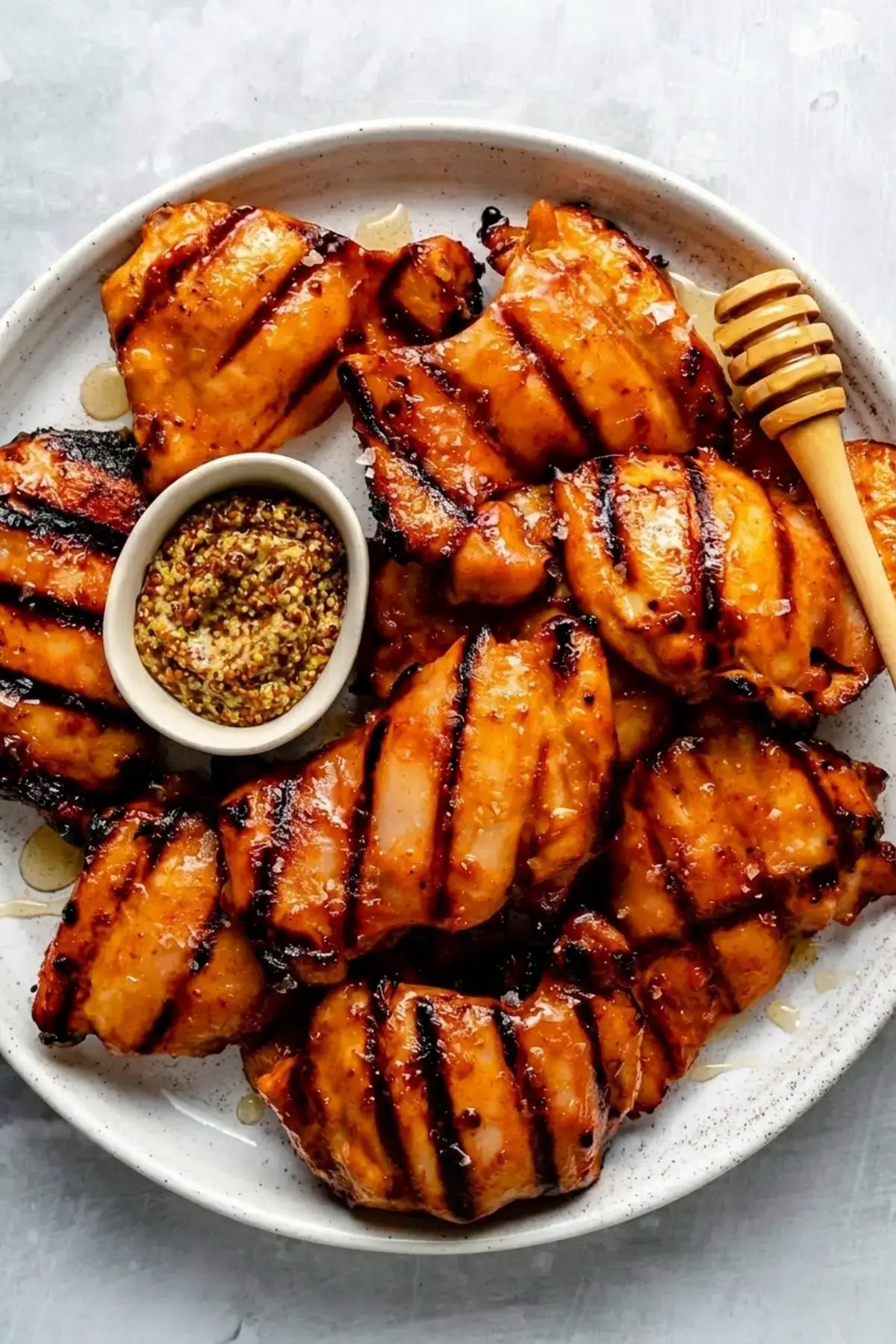
Korean Bulgogi Marinade
This bulgogi marinade combines shoyu, brown sugar, sesame oil, and tenderizing Asian pear. Brown sugar is identified as the Hawaii-inspired touch, adding sweetness that caramelizes over the grill.
It is suggested for kalbi, beef, chicken, pork, fish, and vegetables. Slice and marinate the selected food according to the individual recipe, since kalbi and vegetables do not share identical preparation or cooking requirements.
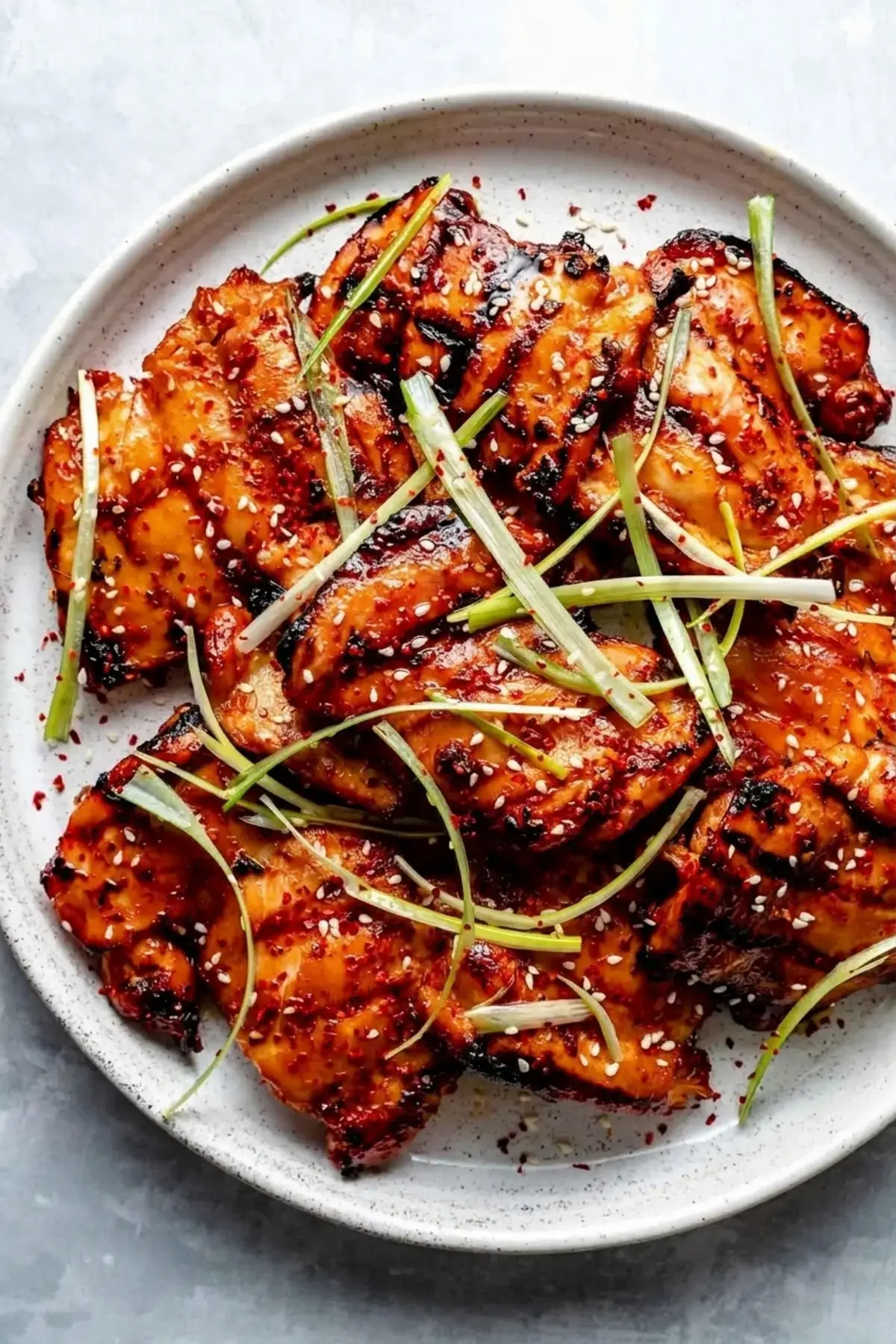
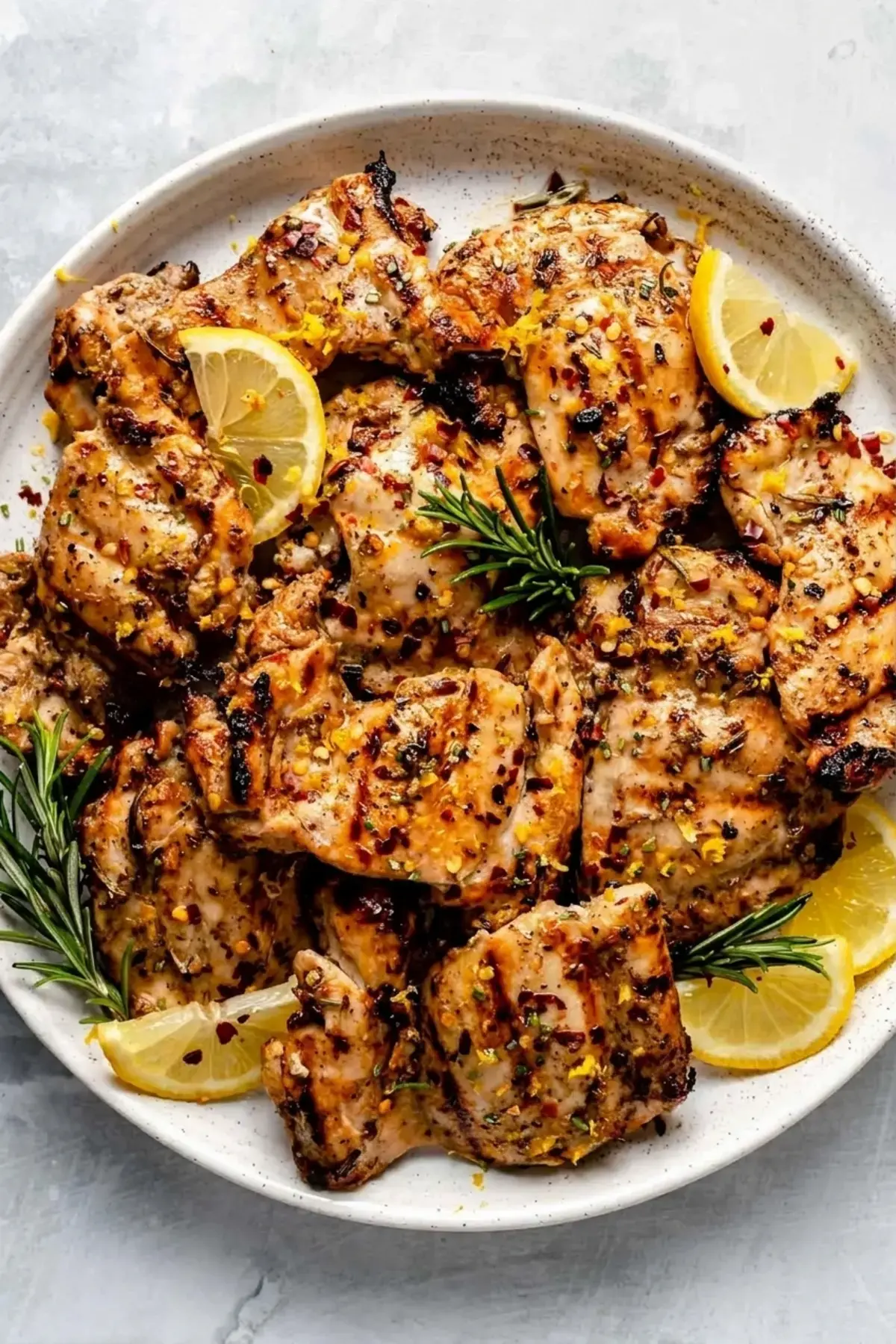
Simplest Lemon Herb Marinade
This four-ingredient marinade emphasizes lemon, garlic, and herbs. It is the fastest option in the collection and is designed to be mixed quickly while still producing a bright, aromatic flavor.
Use it with chicken, beef, pork, lamb, fish, shrimp, or vegetables. Its simplicity makes ingredient quality particularly noticeable, so follow the source measurements rather than adding unlisted seasonings automatically.
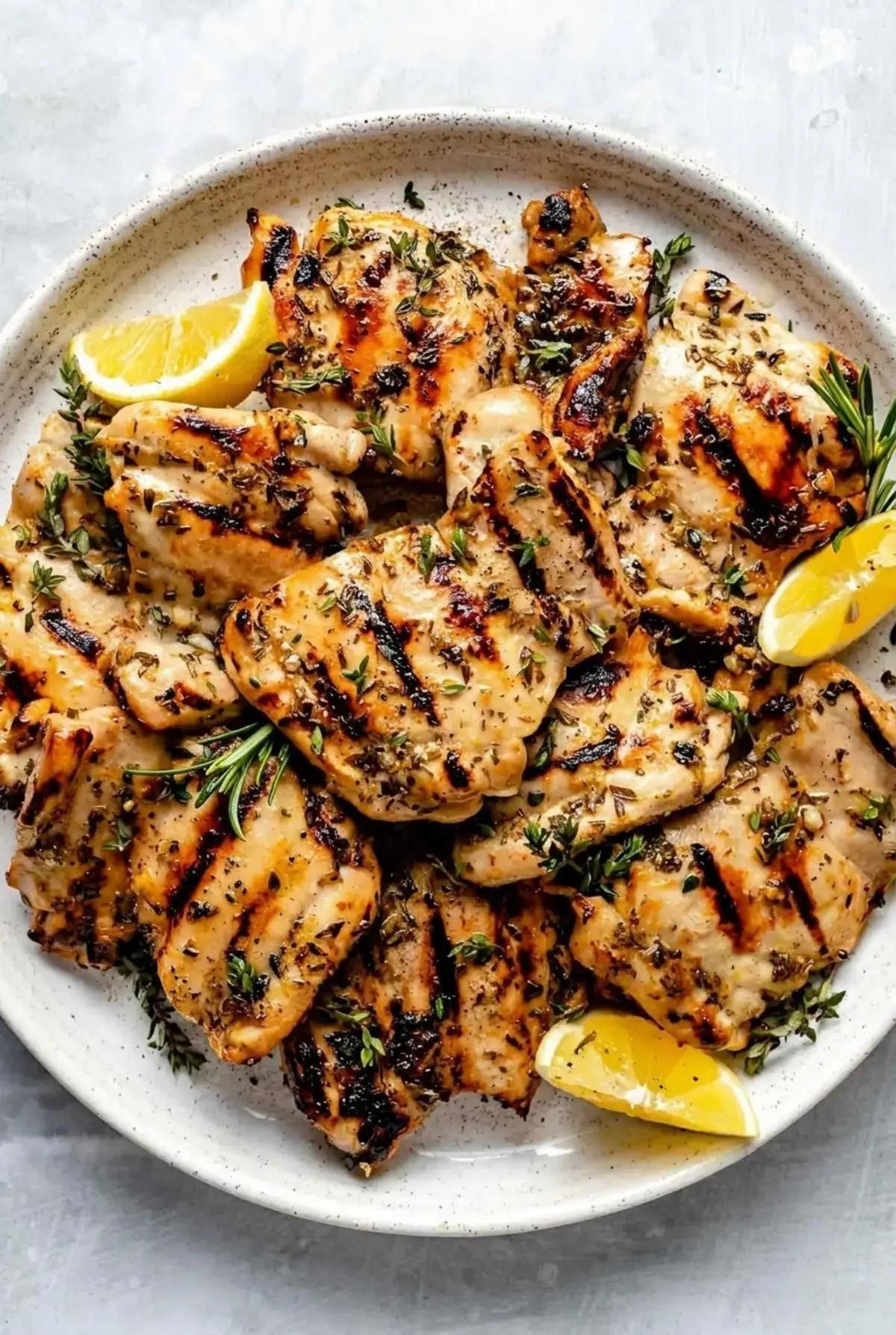
Maple Balsamic Marinade
Pure maple syrup and balsamic vinegar create a rich balance of sweetness and tang. Maple caramelizes on the grill, giving this marinade a profile that can bridge late-summer cooking and early-autumn flavors.
The source pairs it with chicken, beef, pork, shrimp, and vegetables. Watch the surface as it cooks and verify the food’s actual doneness instead of using caramelization as the only cue.
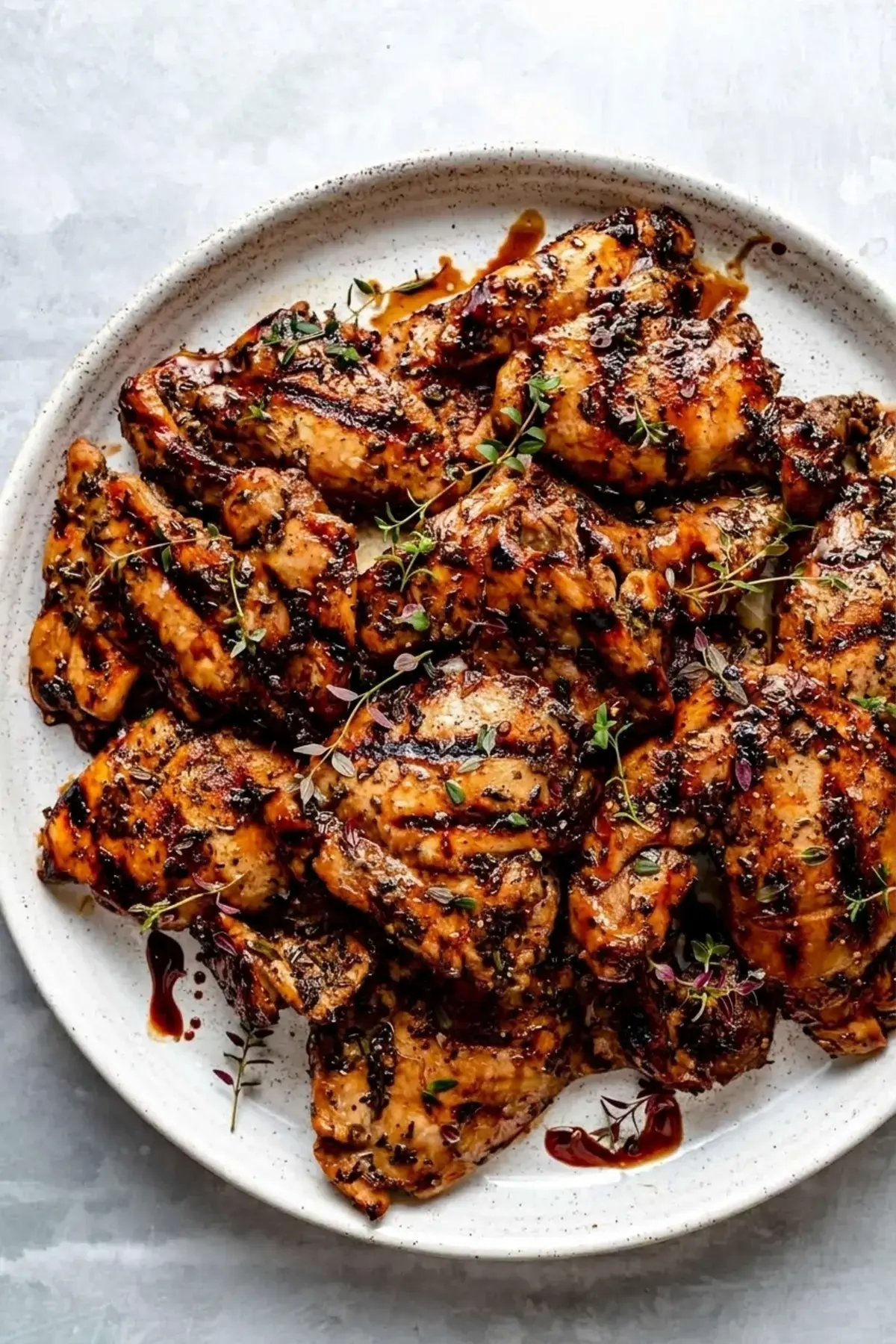
Shawarma Marinade
Warm Middle Eastern spices are balanced with lemon juice and honey in this shawarma-inspired marinade. The combination aims for the seasoned, caramelized exterior associated with spit-roasted shawarma while remaining practical for a grill.
It suits chicken, beef, lamb, fish, and vegetables. Use the complete recipe for the spice blend and proportions because the roundup does not identify every spice or measurement.
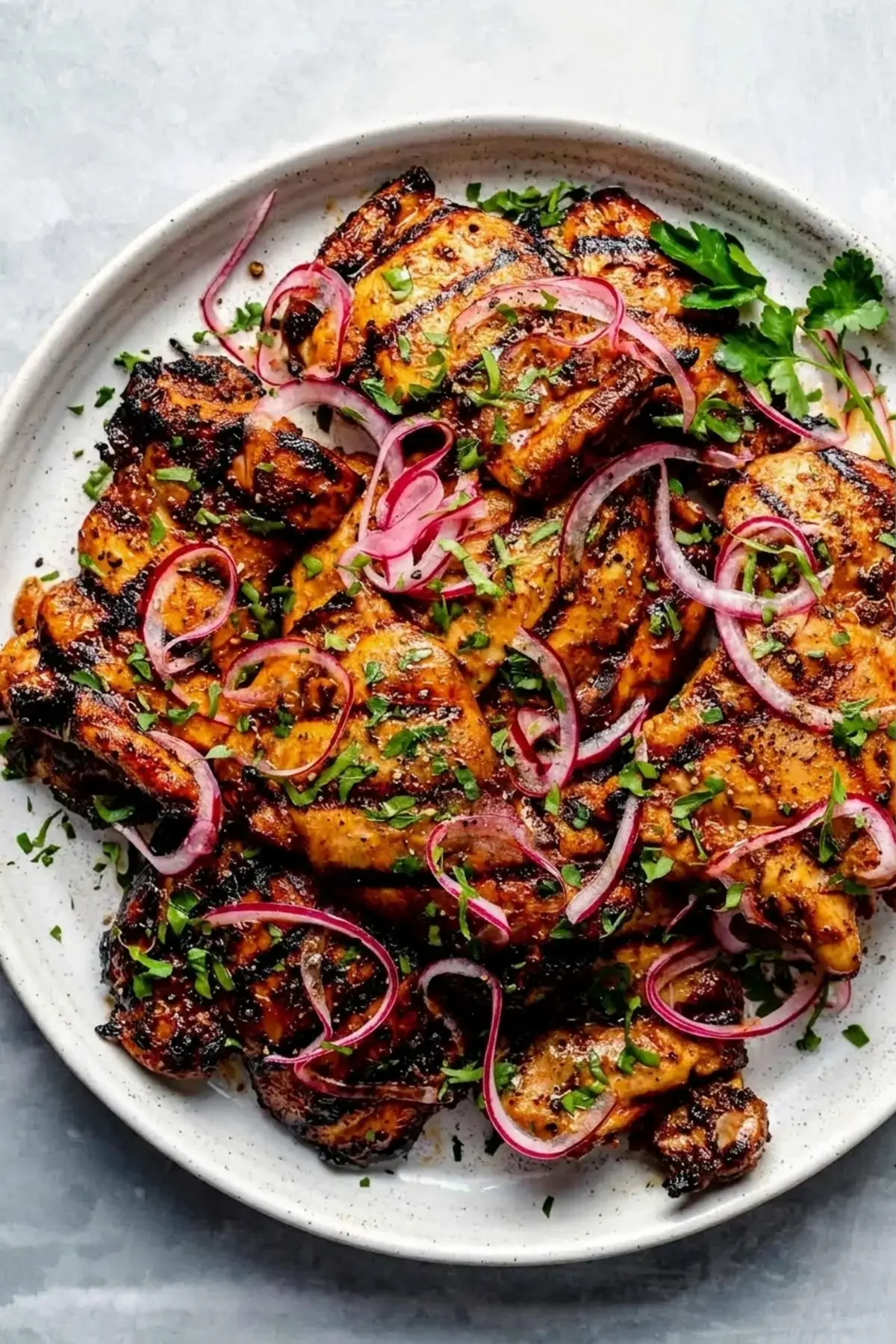
Mom’s Teriyaki Marinade
This teriyaki marinade is presented as a family favorite and a dependable grilling option. Its full ingredient list is not reproduced in the roundup summary, so the individual recipe remains necessary for the correct savory-sweet balance.
Pair it with thinly sliced steak, chicken, pork, fish, shrimp, or vegetables. Thin slicing affects marinating and cooking, so follow the source directions for the selected protein.
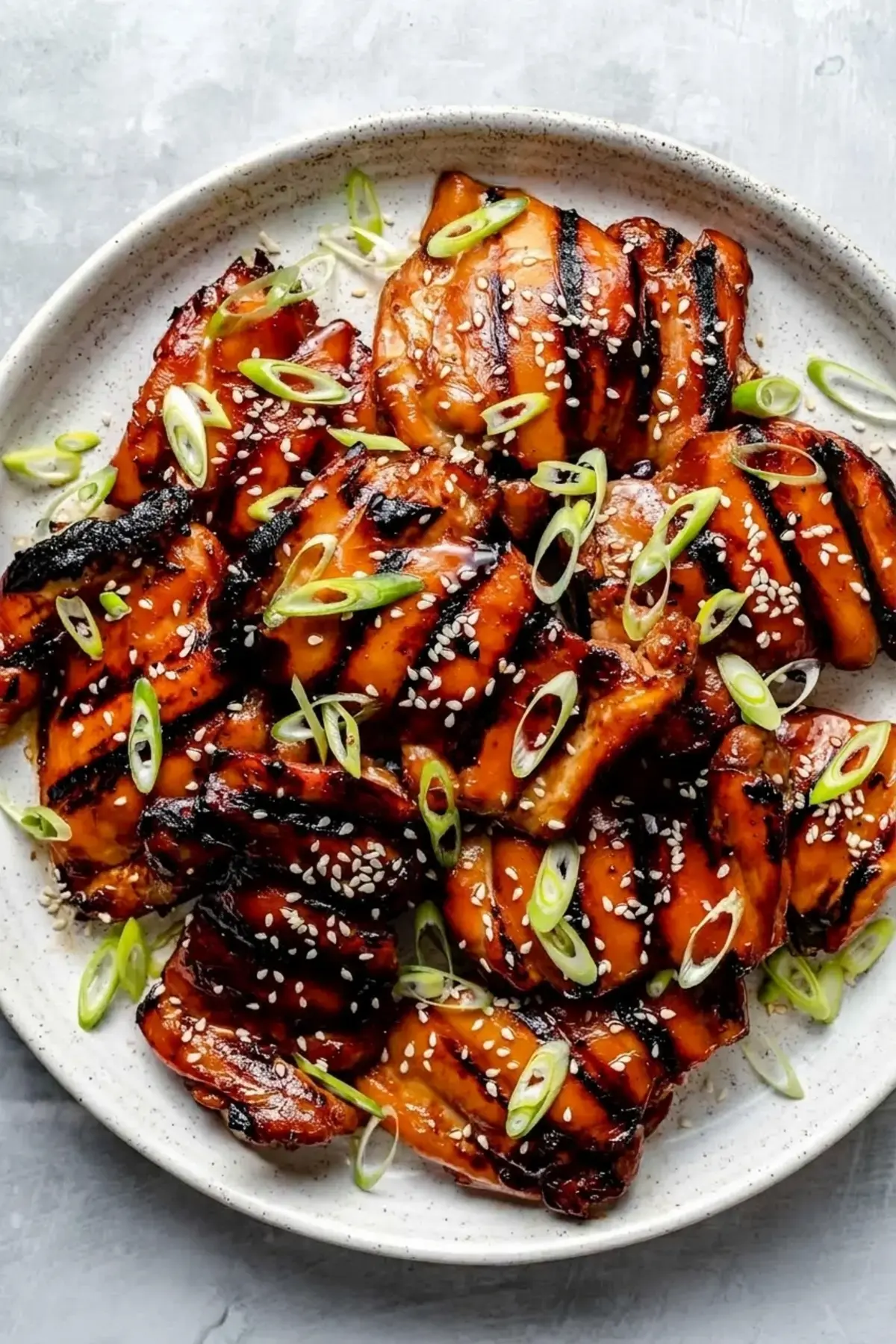
Tuscan Marinade
The Tuscan marinade reflects the grill-focused side of regional Italian cooking. It uses a simple ingredient approach while delivering a strong enough flavor to accompany a juicy grilled steak.
The source also recommends it for chicken, pork, lamb, fish, and vegetables. Consult the complete recipe for its herbs, acids, oil, quantities, and resting guidance rather than assuming it matches another Italian-style marinade.
Vietnamese-Style Lemongrass Marinade
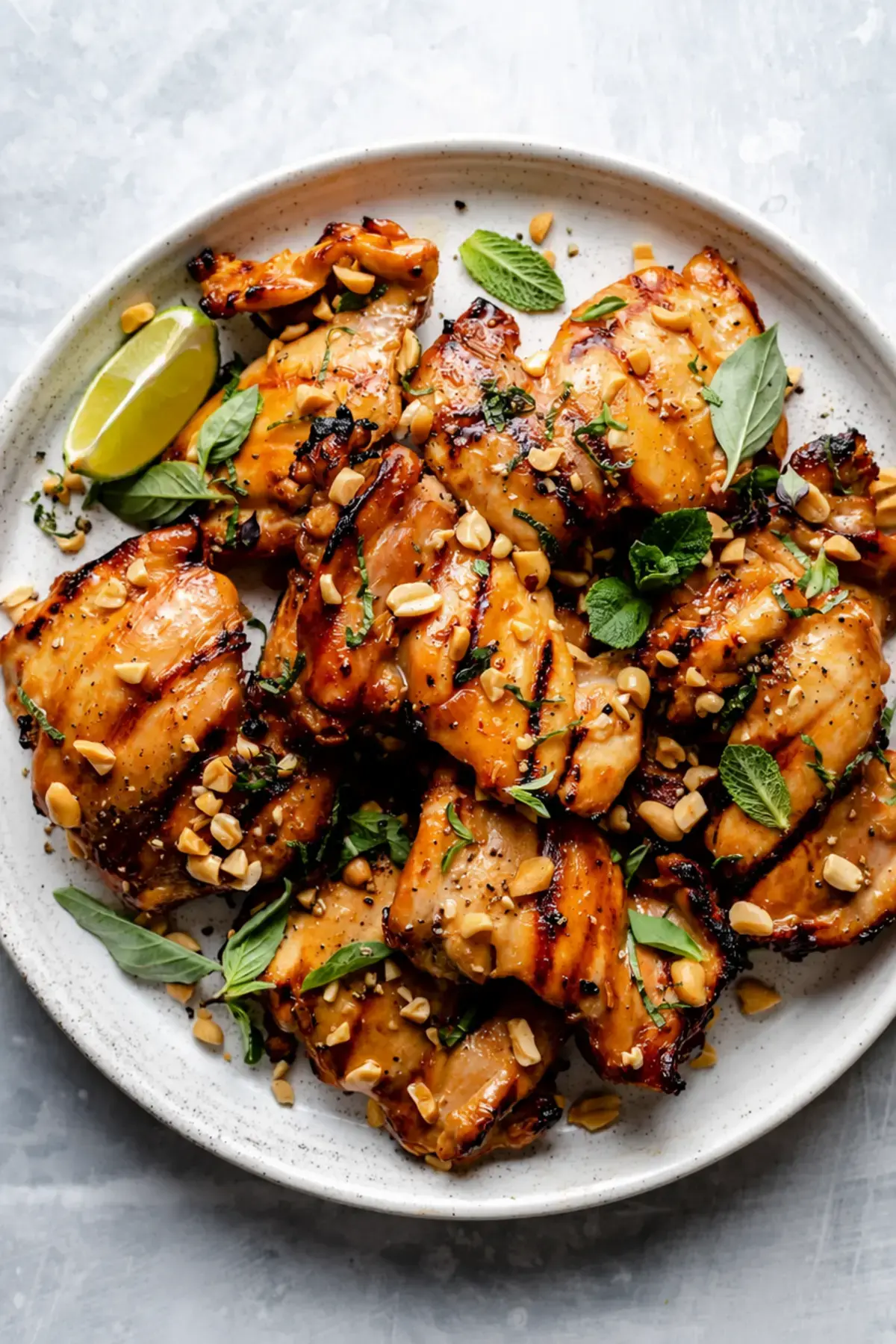
Soy sauce and fish sauce provide umami, lemongrass adds its distinctive aroma, and lime juice supplies brightness. The combination tastes complex even though the source describes the preparation as simple.
It pairs with chicken, beef, pork, fish, shrimp, and vegetables. Prepare lemongrass exactly as the full recipe directs so its fibrous texture does not interfere with the finished dish.
How to Choose a Marinade
For broad versatility, begin with the all-purpose, lemon herb, honey mustard, or maple balsamic options. When a regional flavor is the priority, choose al pastor, mojo, Greek, bulgogi, shawarma, Tuscan, or Vietnamese-style lemongrass.
Heat can come from chile powder, harissa, or the spices in a shawarma blend. Sweetness appears through honey, brown sugar, pineapple, orange, or maple syrup. Select a combination that complements the food instead of hiding it.
Safe Marinating and Grilling
Marinate perishable foods in the refrigerator, not on the counter. Keep raw poultry, meat, and seafood in separate containers from vegetables or ready-to-eat foods, and wash utensils and surfaces after contact.
If sauce will be used for basting or serving, reserve a clean portion before raw food enters the marinade. Do not brush contaminated liquid over nearly cooked food unless the complete recipe provides a safe boiling step.
Sweet marinades can brown quickly. Control flare-ups, turn food as directed, and verify internal doneness with an appropriate thermometer. Color and caramelized edges cannot confirm that thick poultry, pork, or ground meat is safely cooked.
Final Selection Guide
The most useful marinade is the one that matches the ingredient, available preparation time, and desired flavor. Keep the individual source recipe beside you while mixing so the collection’s short summaries do not replace exact measurements or safety directions.
With 15 options, the same grilling method does not need to taste repetitive. Rotate between citrus, yogurt, chile, herbs, fermented seasonings, and sweet-acidic combinations while preserving the documented ratios of each recipe.