
Why You’ll Love This Indian Lime Pickle
Indian Lime Pickle is one of those homemade condiments that turns a simple meal into something memorable. It brings sharp citrus, warm spices, and rich oil together in a way that feels bold but still very easy to make at home. If you have ever wanted a tangy pickle that tastes close to the ones served with traditional Indian meals, this recipe is a great place to start.
- Easy preparation: This Indian Lime Pickle recipe uses just a handful of pantry spices, fresh limes, and oil. The hands-on time is only about 20 minutes, so it fits well into busy routines for home cooks, students, and working professionals.
- Bright flavor with real balance: The mix of tart lime, mustard oil, fenugreek, nigella, fennel, and chili creates the kind of spicy-sour taste that makes every bite pop. It is a flavor profile that works especially well with plain rice, dal, and simple vegetarian meals.
- Friendly for many diets: This pickle is naturally vegan and gluten-free, which makes it a helpful condiment for a wide range of eaters. A little goes a long way, so it can also fit into mindful eating plans when served in small portions.
- Long-lasting and practical: Because the pickle cures in salt, spice, and oil, it keeps well once prepared. That makes it a smart batch recipe for meal prep, family lunches, or anyone who likes having a bold side ready in the fridge.
For readers who enjoy learning about citrus and its role in cooking, this helpful guide from Cleveland Clinic on the benefits of limes is a good read before you start.
One reason people love Indian Lime Pickle is that it feels both traditional and flexible. You get that classic preserved flavor, but you can still adjust the chili level, oil choice, and lime size to match your kitchen and taste. If you enjoy other bright, bold recipes, you might also like this creamy homemade lemon curd recipe for a sweet contrast to all that savory heat.
Jump to:
- Why You’ll Love This Indian Lime Pickle
- Essential Ingredients for Indian Lime Pickle
- Main Ingredients
- Special dietary options
- How to Prepare the Perfect Indian Lime Pickle: Step-by-Step Guide
- First Step: Sterilize the jar and prep the spices
- Second Step: Prepare the limes
- Third Step: Heat the oil and bloom the mustard seeds
- Fourth Step: Pack, sun-ferment, and turn daily
- Final Step: Chill and serve
- Protein and Main Component Alternatives
- Vegetable, Sauce, and Seasoning Modifications
- Seasoning changes
- Texture and climate adjustments
- Mastering Indian Lime Pickle: Advanced Tips and Variations
- Pro cooking techniques
- Flavor variations
- Presentation tips
- Make-ahead options
- How to Store Indian Lime Pickle: Best Practices
- Refrigeration
- Freezing
- Meal prep considerations
- Nutrition Information for Indian Lime Pickle
- FAQs: Frequently Asked Questions About Indian Lime Pickle
- How do I soften thick lime rinds when making Indian lime pickle?
- Can I make Indian lime pickle in cooler weather without hot sun?
- What should I serve Indian lime pickle with?
- How long does homemade Indian lime pickle last?
- How do I store Indian lime pickle to keep it fresh?
- Indian Lime Pickle
- Ingredients
- Instructions
- Last Step:
- Notes
- Nutrition
- Did you make this recipe?
Essential Ingredients for Indian Lime Pickle
This Indian Lime Pickle uses simple ingredients, but each one has an important job. The limes bring the sour base, the spices add warmth, and the oil helps carry flavor while supporting the curing process. Using thin-skinned limes is especially important because they soften better and give you a more pleasant texture.
Main Ingredients
- 8 medium-large thin-skinned limes, washed and dried, quartered or cut into 1/2-inch pieces – The star of the pickle. Thin skins soften more easily and keep the final texture tender.
- 2 teaspoons fenugreek seeds – Adds a slightly bitter, nutty note that deepens the pickle flavor.
- 2 teaspoons nigella seeds – Brings a peppery, onion-like taste that is classic in many Indian pickles.
- 1 tablespoon fennel seeds – Gives a light sweetness and a gentle aroma that balances the acidity.
- 2 tablespoons mustard seeds – Creates sharp, pungent flavor and helps season the hot oil.
- 2 heaping tablespoons cayenne or paprika or Kashmiri chili powder – Provides heat and color. Use Kashmiri chili powder for a milder, brighter red result.
- 1 tablespoon turmeric – Adds earthiness and color while supporting the traditional spice profile.
- 1 teaspoon asafetida – Gives a savory, onion-like depth that is especially useful in vegetarian pickles.
- 1/2 cup salt – Pulls moisture from the limes, supports preservation, and helps the flavor develop.
- 1 cup mustard oil or other high-temperature oil such as peanut, safflower, canola, or sunflower oil – Cooks the spices, coats the limes, and helps preserve the pickle.
Special dietary options
- Vegan: This Indian Lime Pickle is already vegan as written.
- Gluten-free: The recipe is naturally gluten-free as long as your spices are pure and free from fillers.
- Low-calorie: Use a smaller serving size and keep portions modest, since pickle is meant to be a condiment rather than a main dish.
| Ingredient | Role in the pickle | Helpful note |
|---|---|---|
| Thin-skinned limes | Provide sour base | Cut smaller if rind is thick |
| Salt | Draws moisture and preserves | Do not reduce too much |
| Mustard oil | Carry flavor and aid preservation | Heat until hot before adding mustard seeds |
| Fenugreek, nigella, fennel | Build aroma and depth | Toast before grinding |
How to Prepare the Perfect Indian Lime Pickle: Step-by-Step Guide
Making Indian Lime Pickle is simple, but the little details matter. Dry ingredients, clean tools, and proper sun time all help the pickle cure safely and develop that deep tangy taste. If you are new to pickling, take it step by step and you will feel much more confident after the first batch.
First Step: Sterilize the jar and prep the spices
Start by sterilizing a quart-sized mason jar and letting it dry fully. Any moisture can create problems during storage, so do not rush this part. While the jar dries, measure the fenugreek seeds, nigella seeds, fennel seeds, mustard seeds, chili powder, turmeric, asafetida, salt, and oil so everything is ready.
Toast the fenugreek, fennel, and nigella seeds in a skillet over medium heat for 3 to 5 minutes. Stir often so they do not scorch. Once fragrant, cool them down and grind them with the asafetida into a rough spice mix.
Second Step: Prepare the limes
Wash and dry the limes very well. This is important because excess water can lead to mold. Cut each lime into quarters or small 1/2-inch pieces. If your limes have thick skin, make the pieces even smaller so the salt and spices can reach the center faster.
Place the cut limes in a large bowl. Add the ground spice mix, the cayenne or paprika or Kashmiri chili powder, turmeric, the remaining asafetida if needed for your preferred flavor balance, and the salt. Toss thoroughly so every piece gets coated.
Third Step: Heat the oil and bloom the mustard seeds
Heat the mustard oil, or another high-temperature oil, in the same skillet. Once hot, add the mustard seeds and let them sputter. This step wakes up their sharp, nutty flavor. Pour the hot oil and mustard seeds over the lime mixture while it is still warm.
Keeping the limes and jar dry, and making sure the limes are fully covered in oil, are two of the most important safety steps in this recipe.
Fourth Step: Pack, sun-ferment, and turn daily
Mix the pickle very well so the oil, spices, and limes are evenly combined. Transfer everything into the dry mason jar and seal it. Place the jar in full sun for 5 to 7 days, for about 6 to 8 hours daily. Turn the jar once each day so the contents move around and cure evenly.
If you live in a cooler area, a sunny windowsill works well. The pickle will still develop, though it may need a little longer. Watch for signs of softening and a richer aroma as the days pass. For readers who like kitchen comfort food alongside bold condiments, this pickle pairs nicely with a cozy main dish like moist carrot bread for a savory-sweet meal spread, though the flavor profile is very different.
Final Step: Chill and serve
After fermentation, refrigerate the pickle. Chilling slows the process and helps preserve the flavor. The pickle is especially tasty with dal and rice, plain khichdi, roti, or simple Indian meals. A small spoonful is enough because the flavor is strong and concentrated.
Preparation time: 15 minutes
Cook time: 5 minutes
Fermenting period: 5 days
Total time: 5 days 20 minutes
Protein and Main Component Alternatives
This recipe does not use a protein source, but there are still a few smart ways to adjust the main component if you want a different result. The limes are the core ingredient, so substitutions should stay close to the original idea.
- Key limes: A great option if you want smaller fruit with thin skins and strong flavor.
- Small lemons: Can work in a pinch, though the taste will be less classic and slightly sweeter.
- Mixed citrus: A blend of lime and lemon can create a more layered sour note, but the final flavor will be less traditional.
- Different oils: If mustard oil is not available, use peanut, safflower, canola, or sunflower oil with a high smoke point.
For the strongest authentic taste, stick with thin-skinned limes and mustard oil when possible.
Vegetable, Sauce, and Seasoning Modifications
Indian Lime Pickle is already built around spice, citrus, and oil, but you can still make small changes based on taste or season. These tweaks help you match the pickle to your own table.
Seasoning changes
- Milder version: Use Kashmiri chili powder instead of cayenne for a softer heat and brighter color.
- More heat: Add a little extra cayenne if you like a sharper finish.
- More aroma: Increase fennel slightly for a sweeter, more fragrant note.
- More earthiness: Keep turmeric at the listed amount or slightly reduce the chili for a deeper golden taste.
Texture and climate adjustments
- Thicker rind support: Cut the limes into smaller pieces if the peel is tough.
- Hot climate: The pickle may soften faster, so check it daily and refrigerate once ready.
- Cooler climate: Use a sunny windowsill or warm indoor spot with gentle light.
If you enjoy building a meal around bold condiments, this pickle works beautifully with rice dishes and a simple sweet finish like arroz con dulce after dinner for a comforting blend of savory and sweet.
Mastering Indian Lime Pickle: Advanced Tips and Variations
Once you have made Indian Lime Pickle once, the small details become easier to manage. A few extra habits can improve texture, flavor, and safety, especially if you plan to make this recipe again and again.
Pro cooking techniques
Always start with clean, dry tools. Even a small amount of water can interfere with curing. Use thin-skinned limes whenever possible, and cut them smaller if the rind is thick. If the weather is cool, give the pickle extra days in sun rather than rushing it. The flavor is better when the lime pieces soften fully and the spices have time to settle.
Keeping the lime pieces submerged in oil also matters. If some pieces float above the surface, gently stir the jar each day so the spice mix and oil coat everything evenly. That helps the pickle age more evenly and keeps the flavor balanced.
Flavor variations
You can adjust the pickle in small ways without losing its traditional character. Try Kashmiri chili powder for a sweeter red hue, or use a little extra fennel if you want more aroma. Some cooks prefer a sharper bite from cayenne, while others like the softer warmth of paprika. The recipe is flexible, but the best results usually come from keeping the salt, oil, and lime ratio close to the original.
Presentation tips
Serve the pickle in a small glass bowl or a neat spoon dish so it looks inviting at the table. A little goes a long way, so a tiny portion makes the meal feel complete. It is especially nice next to plain rice, dal, paratha, thepla, or curd rice.
Make-ahead options
This is a great make-ahead condiment for busy families. Since it needs several days in sun, you can prepare it over the weekend and let it cure during the week. That makes it practical for meal prep, lunches, and travel meals. If you enjoy recipes that work well ahead of time, you might also like this easy icebox cake for a sweet treat that can be made in advance.
How to Store Indian Lime Pickle: Best Practices
Good storage helps keep Indian Lime Pickle tasting bright and safe. During the initial curing period, keep the jar out in the sun and do not refrigerate it yet. After the fermentation phase is done, move it to the fridge if you plan to keep it for a longer period after opening.
Refrigeration
Once the pickle has fermented, seal it tightly and refrigerate it. Use a clean, dry spoon each time to avoid adding moisture. Stored this way, it can keep its flavor for many months. If you notice mold, off smells, or unusual sliminess, discard it right away.
Freezing
Freezing is not the usual method for this pickle, but small portions can be frozen if needed. Use freezer-safe containers and leave a little space at the top. Thaw in the fridge before serving. The texture may soften a bit more after freezing, but the flavor should still be good.
Meal prep considerations
If you make a large batch, divide it into smaller jars. That way, you only open one jar at a time and keep the rest sealed. This reduces the chance of spoilage and makes it easier to grab a small amount for meals through the week.
Because preserved foods can carry safety risks if handled poorly, always watch for mold, use dry utensils, and discard any jar that looks or smells off.
Nutrition Information for Indian Lime Pickle
Indian Lime Pickle is used in small amounts, but it still has a clear nutrition profile. Here is the approximate nutrition per serving:
| Nutrient | Amount |
|---|---|
| Calories | 42 |
| Carbohydrates | 1g |
| Protein | 1g |
| Fat | 5g |
| Saturated Fat | 4g |
| Polyunsaturated Fat | 1g |
| Monounsaturated Fat | 1g |
| Sodium | 566mg |
| Potassium | 11mg |
| Fiber | 1g |
| Sugar | 1g |
| Vitamin A | 17IU |
| Vitamin C | 1mg |
| Calcium | 4mg |
| Iron | 1mg |
Since the pickle is high in salt and oil, it is best enjoyed as a flavorful accent rather than a large side dish.

FAQs: Frequently Asked Questions About Indian Lime Pickle
How do I soften thick lime rinds when making Indian lime pickle?
Can I make Indian lime pickle in cooler weather without hot sun?
What should I serve Indian lime pickle with?
How long does homemade Indian lime pickle last?
How do I store Indian lime pickle to keep it fresh?
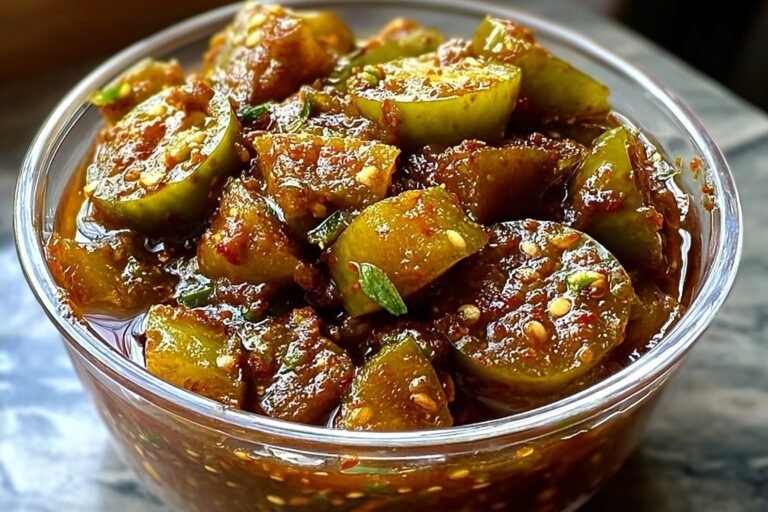
Indian Lime Pickle
🌶️ Authentic spicy tangy lime pickle explodes with bold Indian flavors – probiotic-packed, oil-preserved for long shelf life and gut health!
🍈 Homemade sun-fermented delight adds zing to dal, rice, or snacks – easy, preservative-free, and irresistibly crunchy!
- Total Time: 5 days 20 minutes
- Yield: 32 servings
Ingredients
– 8 medium-large thin-skinned limes
– 2 teaspoons fenugreek seeds
– 2 teaspoons nigella seeds
– 1 tablespoon fennel seeds
– 2 tablespoons mustard seeds
– 2 heaping tablespoons cayenne or paprika or Kashmiri chili powder
– 1 tablespoon turmeric
– 1 teaspoon asafetida
– 1/2 cup salt
– 1 cup mustard oil or other high-temperature oil such as peanut, safflower, canola, or sunflower oil
Instructions
1-First Step: Sterilize the jar and prep the spices Start by sterilizing a quart-sized mason jar and letting it dry fully. Any moisture can create problems during storage, so do not rush this part. While the jar dries, measure the fenugreek seeds, nigella seeds, fennel seeds, mustard seeds, chili powder, turmeric, asafetida, salt, and oil so everything is ready. Toast the fenugreek, fennel, and nigella seeds in a skillet over medium heat for 3 to 5 minutes. Stir often so they do not scorch. Once fragrant, cool them down and grind them with the asafetida into a rough spice mix.
2-Second Step: Prepare the limes Wash and dry the limes very well. This is important because excess water can lead to mold. Cut each lime into quarters or small 1/2-inch pieces. If your limes have thick skin, make the pieces even smaller so the salt and spices can reach the center faster. Place the cut limes in a large bowl. Add the ground spice mix, the cayenne or paprika or Kashmiri chili powder, turmeric, the remaining asafetida if needed for your preferred flavor balance, and the salt. Toss thoroughly so every piece gets coated.
3-Third Step: Heat the oil and bloom the mustard seeds Heat the mustard oil, or another high-temperature oil, in the same skillet. Once hot, add the mustard seeds and let them sputter. This step wakes up their sharp, nutty flavor. Pour the hot oil and mustard seeds over the lime mixture while it is still warm.
4-Fourth Step: Pack, sun-ferment, and turn daily Mix the pickle very well so the oil, spices, and limes are evenly combined. Transfer everything into the dry mason jar and seal it. Place the jar in full sun for 5 to 7 days, for about 6 to 8 hours daily. Turn the jar once each day so the contents move around and cure evenly. If you live in a cooler area, a sunny windowsill works well. The pickle will still develop, though it may need a little longer. Watch for signs of softening and a richer aroma as the days pass.
5-Final Step: Chill and serve After fermentation, refrigerate the pickle. Chilling slows the process and helps preserve the flavor.
Last Step:
Please leave a rating and comment letting us know how you liked this recipe! This helps our business to thrive and continue providing free, high-quality recipes for you.Notes
🍈 Choose thin-skinned limes and cut into small pieces to ensure they soften properly without tough rinds.
☀️ Keep limes, jar, and utensils completely dry to prevent mold growth during fermentation.
🔥 In cooler weather, use a sunny windowsill or warm spot and monitor daily for best results.
- Prep Time: 15 minutes
- Ferment: 5 days
- Cook Time: 5 minutes
- Category: Condiment
- Method: Pickling
- Cuisine: Indian
- Diet: Vegan, Gluten-Free
Nutrition
- Serving Size: 1 tablespoon
- Calories: 42
- Sugar: 1g
- Sodium: 566mg
- Fat: 5g
- Saturated Fat: 4g
- Unsaturated Fat: 2g
- Trans Fat: 0g
- Carbohydrates: 1g
- Fiber: 1g
- Protein: 1g
- Cholesterol: 0mg