
Why You’ll Love This Lemon Curd
If you have been looking for a Lemon Curd recipe that feels simple, bright, and ready for all kinds of sweet treats, you are in the right place. This homemade version comes together with a handful of basic ingredients and a little stovetop patience. The result is smooth, tangy, and perfect for spooning onto toast, swirling into yogurt, or layering into desserts.
- Easy to make: This lemon curd recipe uses a double boiler and just a few pantry staples, so it is beginner-friendly and fits into busy schedules. With only 5 minutes of prep and 10 minutes of cooking, it is a fast win for home cooks.
- Bright flavor: Fresh lemon juice and zest give this homemade lemon curd a lively, tangy taste that stands out in every bite. It is sweet, tart, and silky all at once.
- Versatile filling: Use this lemon curd filling for tarts, cakes, scones, parfaits, pancakes, or even a simple snack on toast. It works well for baking enthusiasts and busy parents who want one recipe with lots of uses.
- Easy to customize: You can make a thicker curd by swapping 2 egg yolks for 1 whole egg, or adapt the same method for limes and oranges. That makes this easy lemon curd a handy recipe for many tastes and occasions.
For readers who love citrus desserts, this easy homemade lemon curd recipe is a small kitchen project with a big payoff. If you enjoy bright flavors, you may also like the health benefits of lemons and how they fit into everyday cooking. It is a cheerful little jar of sunshine, and honestly, who would not want that in the fridge?
Tip: Fresh lemons make all the difference here. Bottled juice just does not bring the same zing.
Jump to:
- Why You’ll Love This Lemon Curd
- Essential Ingredients for Lemon Curd
- Main Ingredients
- Optional Thicker Curd Adjustment
- Special Dietary Options
- How to Prepare the Perfect Lemon Curd: Step-by-Step Guide
- First Step: Set up the double boiler
- Second Step: Mix the base ingredients
- Third Step: Cook slowly and whisk constantly
- Fourth Step: Add the butter
- Fifth Step: Strain and cool
- Sixth Step: Serve and enjoy
- Dietary Substitutions to Customize Your Lemon Curd
- Protein and Main Component Alternatives
- Vegetable, Sauce, and Seasoning Modifications
- Mastering Lemon Curd: Advanced Tips and Variations
- Pro cooking techniques
- Flavor variations
- Presentation tips
- Make-ahead options
- How to Store Lemon Curd: Best Practices
- Refrigeration
- Freezing
- Reheating
- Meal prep considerations
- FAQs: Frequently Asked Questions About Lemon Curd
- How do you make lemon curd from scratch?
- Why does my lemon curd taste metallic?
- Can you make lemon curd with other citrus fruits?
- How long does homemade lemon curd last?
- Can you freeze lemon curd?
- Lemon Curd
- Ingredients
- Instructions
- Last Step:
- Notes
- Nutrition
- Did you make this recipe?
Essential Ingredients for Lemon Curd
This homemade lemon curd uses simple ingredients, but each one plays an important role in the final texture and flavor. For the best result, measure carefully and use fresh citrus juice only.
Main Ingredients
- 4 large egg yolks – These create the rich, custardy base that gives lemon curd its classic silky texture.
- 2/3 cup granulated sugar – Sweetens the curd and balances the tart lemon juice.
- 1 tablespoon lemon zest from about 1 lemon – Adds extra lemon flavor and perfume.
- 1/3 cup fresh lemon juice from about 2 to 3 lemons – Brings the tangy citrus taste that makes this lemon curd recipe shine.
- 1/8 teaspoon salt – Sharpens the flavors and keeps the curd from tasting flat.
- 6 tablespoons unsalted butter, softened and cut into 6 pieces – Makes the curd smooth, glossy, and lush.
Optional Thicker Curd Adjustment
- Replace 2 egg yolks with 1 whole egg – This creates a slightly thicker lemon curd filling with more body, which can be helpful for tart shells or layered desserts.
Special Dietary Options
- Vegan: Use a plant-based lemon custard made with dairy-free butter and a thickener such as cornstarch or tofu-based alternatives.
- Gluten-free: This recipe is naturally gluten-free, so it fits well into many gluten-free dessert ideas.
- Low-calorie: Reduce the sugar slightly and use the curd as a thin layer in fruit bowls or yogurt cups.
If you are planning citrus desserts for a crowd, you may also enjoy more easy homemade treats from KitchenCooking.net for simple recipe ideas that work for everyday cooking.
| Ingredient | Amount | What It Does |
|---|---|---|
| Egg yolks | 4 large | Builds the creamy base |
| Sugar | 2/3 cup | Balances tartness |
| Lemon zest | 1 tablespoon | Adds fresh citrus aroma |
| Lemon juice | 1/3 cup | Provides tangy flavor |
| Salt | 1/8 teaspoon | Rounds out the taste |
| Unsalted butter | 6 tablespoons | Creates smooth, glossy finish |
How to Prepare the Perfect Lemon Curd: Step-by-Step Guide
Making easy lemon curd is all about gentle heat and steady whisking. The method is simple, but the details matter, especially if you want a smooth, spoonable result instead of scrambled eggs. Follow these steps, and you will have a bright batch of homemade lemon curd ready for desserts, breakfast, and snacking.
First Step: Set up the double boiler
Fill the bottom of a double boiler with 1 to 2 inches of water and bring it to a simmer. If you do not have a double boiler, place a heatproof glass bowl over a saucepan with simmering water. Make sure the bowl does not touch the water. This gentle heat keeps the eggs from cooking too quickly, which is the secret to a smooth lemon curd filling.
For the best flavor, use a non-metal bowl such as glass or stainless steel. Acidic lemon juice can react with some metal pans and create a metallic taste. That little detail matters a lot when the recipe has so few ingredients.
Second Step: Mix the base ingredients
In the top pot or heatproof bowl, combine the egg yolks, granulated sugar, lemon zest, fresh lemon juice, and salt. Whisk until everything looks well blended. The mixture will be thin at first, but that is exactly what you want.
If you are making the thicker version, use 2 whole egg yolks plus 1 whole egg instead of the 4 yolks. This version is handy when you want a firmer curd for tart shells or layered cakes. Either way, fresh lemon juice is the star, so skip bottled juice and use the real thing.
Third Step: Cook slowly and whisk constantly
Place the bowl over the simmering water and whisk constantly for about 10 minutes. Keep the mixture moving so it does not curdle or stick to the sides. The texture should gradually change from watery to thick and creamy, similar to hollandaise sauce. You are looking for about 170 degrees Fahrenheit on a thermometer.
This is the moment where patience pays off. If the heat feels too low and the mixture is not thickening, increase the heat slightly while continuing to whisk. Still, do not rush it. High heat can scramble the eggs and ruin the smooth finish.
Quick tip: If you ever wonder whether it is ready, dip a spoon in the curd. It should coat the back of the spoon instead of running right off.
Fourth Step: Add the butter
Once the curd thickens, remove it from the heat right away. Add the softened butter pieces one at a time and whisk until each piece melts fully into the mixture. This step gives the lemon curd its glossy look and rich mouthfeel.
Take your time here. The butter should blend smoothly, not sit in little greasy pools. If you want a lighter texture, you can whisk a little less butter in, but the full amount gives the best classic result.
Fifth Step: Strain and cool
For an ultra-smooth finish, pour the curd through a fine-mesh sieve into a clean jar or bowl. This removes any tiny bits of cooked egg zest or stray curds. While this step is optional, it is very helpful if you want a polished finish for cakes, tarts, or fancy brunch dishes.
Cover the surface directly with plastic wrap so a skin does not form as it cools. Then refrigerate it for about 1 hour, or until fully thickened. The total time is about 1 hour and 15 minutes, including cooling.
Sixth Step: Serve and enjoy
Once chilled, your lemon curd is ready to use. Spoon it into tart shells, spread it on toast, dollop it on cheesecake, or swirl it into yogurt. It also works beautifully as a filling for bars, cupcakes, and layer cakes. If you are a baking enthusiast, this is one of those recipes that earns a permanent spot in your kitchen routine.
For more dessert inspiration, take a look at creative lemon curd dessert ideas that show just how flexible this tangy filling can be.

Dietary Substitutions to Customize Your Lemon Curd
Protein and Main Component Alternatives
Traditional lemon curd uses egg yolks for richness, but there are a few ways to adjust the base depending on what you need. If you want a thicker curd, replace 2 egg yolks with 1 whole egg. That small change gives the curd more body, which is useful for baking projects like tart filling or sandwiching between cake layers.
For an egg-free version, use a plant-based thickener such as cornstarch, arrowroot, or a vegan lemon custard recipe built with dairy-free butter. The flavor will still be bright and tangy, though the texture may be a little different. This can be a good fit for diet-conscious individuals or anyone cooking for mixed dietary needs.
Vegetable, Sauce, and Seasoning Modifications
Because lemon curd is a citrus sauce rather than a vegetable dish, most changes happen through flavor swaps. You can replace lemon with lime juice for a sharper, more tropical taste. Orange curd turns out sweeter and softer, while grapefruit curd brings a bolder, slightly bitter edge. Passionfruit also works if you want something extra fragrant.
For seasoning, keep it simple. A pinch of vanilla can soften the tang, while a little extra zest can make the citrus flavor stronger. If you are serving it with breakfast foods, pair it with berries, plain yogurt, or pancakes. If you are using it in desserts, add it to shortbread, sponge cake, or vanilla pudding. That flexibility is what makes this simple lemon curd recipe such a useful one to keep around.
Mastering Lemon Curd: Advanced Tips and Variations
Once you have made homemade lemon curd once or twice, it gets even easier to make it your own. A few smart cooking habits and flavor twists can help you get the texture and taste you want every time.
Pro cooking techniques
Use a double boiler or a heatproof glass bowl over simmering water to keep the curd from burning. Whisk constantly so the eggs cook evenly and do not curdle. Non-metal bowls are a smart choice because they help avoid a metallic taste. If the mixture seems too slow to thicken, raise the heat a little while still whisking. The goal is steady, gentle heat, not a fast boil.
Flavor variations
This tangy lemon curd recipe is easy to adapt. Swap lemons for limes, oranges, or grapefruits for a different citrus mood. Limes bring sharp brightness, oranges add sweetness, and grapefruit gives a deeper, slightly bitter note. You can also add a little more lemon zest if you want a stronger lemon punch.
Presentation tips
For a pretty finish, spoon the curd into small glass jars, top with a curl of lemon peel, or serve it in a bowl beside fresh berries. It also looks lovely swirled over cheesecake or tucked into mini tart shells. If you are making it for guests, a simple garnish can make the whole thing feel special without any extra fuss.
Make-ahead options
This recipe works well for busy parents, working professionals, and students because it can be made ahead. Prepare a batch on the weekend, refrigerate it, and use it throughout the week for breakfast or baking. You can also freeze it for longer storage, which makes it handy for holiday prep or last-minute dessert ideas.
Flavor tip: A little zest goes a long way. If you love bold citrus, add just a touch more, but do not overdo it or the curd can turn bitter.
How to Store Lemon Curd: Best Practices
Proper storage keeps your easy homemade lemon curd fresh, smooth, and safe to eat. Since this recipe contains eggs and butter, it should always be chilled after cooling.
Refrigeration
Store lemon curd in an airtight glass jar or bowl with plastic wrap pressed directly against the surface. Keep it in the refrigerator for up to 10 days, though many home cooks use it within 1 week for the best taste. Always keep it cold and avoid leaving it at room temperature for long.
Freezing
You can freeze lemon curd for 3 to 6 months. For the best results, portion it into freezer-safe containers and leave a little room at the top for expansion. Thaw it overnight in the fridge before using. The texture may soften slightly after freezing, but the flavor stays bright and tangy.
Reheating
Reheating is usually not needed, but if the curd seems too firm after chilling, let it sit at room temperature for a few minutes. If you want to loosen it, stir gently after thawing. Avoid high heat, which can ruin the smooth texture.
Meal prep considerations
For meal prep, make a double batch and divide it into small jars. That way, you can grab one for toast, one for dessert, and one for a weekend brunch treat. It is a simple trick that saves time and makes this lemon curd filling even more useful through the week.
FAQs: Frequently Asked Questions About Lemon Curd
How do you make lemon curd from scratch?
Why does my lemon curd taste metallic?
Can you make lemon curd with other citrus fruits?
How long does homemade lemon curd last?
Can you freeze lemon curd?
Lemon Curd
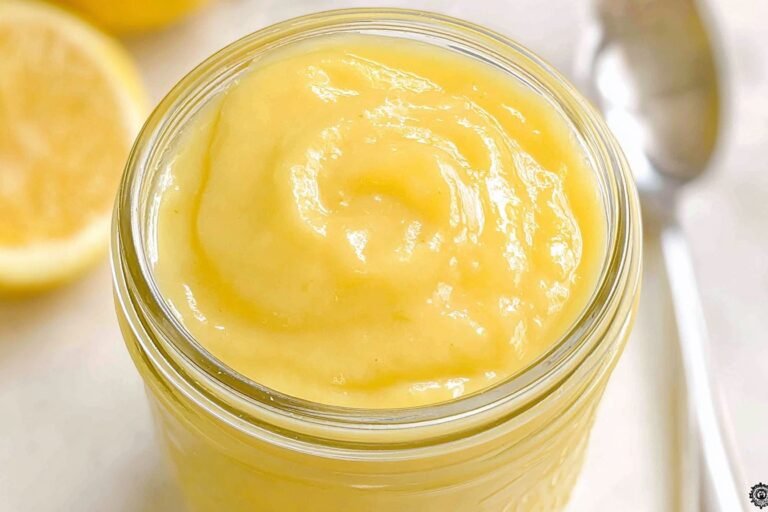
🍋 Velvety, tangy homemade lemon curd bursting with fresh citrus brightness – perfect versatile filling for tarts, cakes, or yogurt!
🍋 Foolproof 15-minute stovetop recipe yields silkier texture and bolder flavor than store-bought jars!
- Total Time: 1 hour 15 minutes
- Yield: 1 1/2 cups (24 servings)
Ingredients
– 4 large egg yolks for building the creamy base
– 2/3 cup sugar for balancing tartness
– 1 tablespoon lemon zest for adding fresh citrus aroma
– 1/3 cup lemon juice for providing tangy flavor
– 1/8 teaspoon salt for rounding out the taste
– 6 tablespoons unsalted butter for creating smooth, glossy finish
Instructions
1-First Step: Set up the double boiler. Fill the bottom of a double boiler with 1 to 2 inches of water and bring it to a simmer. If you do not have a double boiler, place a heatproof glass bowl over a saucepan with simmering water. Make sure the bowl does not touch the water. This gentle heat keeps the eggs from cooking too quickly, which is the secret to a smooth lemon curd filling. For the best flavor, use a non-metal bowl such as glass or stainless steel. Acidic lemon juice can react with some metal pans and create a metallic taste. That little detail matters a lot when the recipe has so few ingredients.
2-Second Step: Mix the base ingredients. In the top pot or heatproof bowl, combine the egg yolks, granulated sugar, lemon zest, fresh lemon juice, and salt. Whisk until everything looks well blended. The mixture will be thin at first, but that is exactly what you want. If you are making the thicker version, use 2 whole egg yolks plus 1 whole egg instead of the 4 yolks. This version is handy when you want a firmer curd for tart shells or layered cakes. Either way, fresh lemon juice is the star, so skip bottled juice and use the real thing.
3-Third Step: Cook slowly and whisk constantly. Place the bowl over the simmering water and whisk constantly for about 10 minutes. Keep the mixture moving so it does not curdle or stick to the sides. The texture should gradually change from watery to thick and creamy, similar to hollandaise sauce. You are looking for about 170 degrees Fahrenheit on a thermometer. This is the moment where patience pays off. If the heat feels too low and the mixture is not thickening, increase the heat slightly while continuing to whisk. Still, do not rush it. High heat can scramble the eggs and ruin the smooth finish.
4-Fourth Step: Add the butter. Once the curd thickens, remove it from the heat right away. Add the softened butter pieces one at a time and whisk until each piece melts fully into the mixture. This step gives the lemon curd its glossy look and rich mouthfeel. Take your time here. The butter should blend smoothly, not sit in little greasy pools. If you want a lighter texture, you can whisk a little less butter in, but the full amount gives the best classic result.
5-Fifth Step: Strain and cool. For an ultra-smooth finish, pour the curd through a fine-mesh sieve into a clean jar or bowl. This removes any tiny bits of cooked egg zest or stray curds. While this step is optional, it is very helpful if you want a polished finish for cakes, tarts, or fancy brunch dishes. Cover the surface directly with plastic wrap so a skin does not form as it cools. Then refrigerate it for about 1 hour, or until fully thickened. The total time is about 1 hour and 15 minutes, including cooling.
6-Sixth Step: Serve and enjoy. Once chilled, your lemon curd is ready to use. Spoon it into tart shells, spread it on toast, dollop it on cheesecake, or swirl it into yogurt. It also works beautifully as a filling for bars, cupcakes, and layer cakes. If you are a baking enthusiast, this is one of those recipes that earns a permanent spot in your kitchen routine. For more dessert inspiration, take a look at creative lemon curd dessert ideas that show just how flexible this tangy filling can be.
Last Step:
Please leave a rating and comment letting us know how you liked this recipe! This helps our business to thrive and continue providing free, high-quality recipes for you.Notes
🍋 Always use fresh lemons for vibrant flavor – bottled juice lacks the essential oils in zest.
🔥 Whisk vigorously and constantly over gentle simmering water to avoid curdling or scrambling.
❄️ Plastic wrap pressed on the surface prevents a tough skin; stores up to 2 weeks in fridge.
- Prep Time: 5 minutes
- Chill: 1 hour
- Cook Time: 10 minutes
- Category: Desserts
- Method: Stovetop
- Cuisine: British
- Diet: Vegetarian
Nutrition
- Serving Size: 1 tablespoon
- Calories: 73 kcal
- Sugar: 7 g
- Sodium: 23 mg
- Fat: 5 g
- Saturated Fat: 3 g
- Unsaturated Fat: 2 g
- Trans Fat: 0 g
- Carbohydrates: 7 g
- Fiber: 0 g
- Protein: 1 g
- Cholesterol: 55 mg