

What Is Kimchi Mandu Korean Kimchi Dumplings?
Kimchi mandu, also called Korean kimchi dumplings, are a beloved staple in Korean home cooking. These flavorful little parcels are spicy, tangy, and savory all at once, with a juicy filling made from pork, tofu, kimchi, dangmyeon noodles, bean sprouts, aromatics, and seasonings.

Each dumpling is wrapped in a thin wheat flour wrapper and steamed, boiled, or pan fried until the filling turns tender and the wrapper becomes soft and slightly chewy.
If you love the bold, fermented taste of kimchi, you will fall hard for this recipe. I make a big batch every winter at home, and the dumplings disappear fast at family gatherings because everyone keeps sneaking one more.
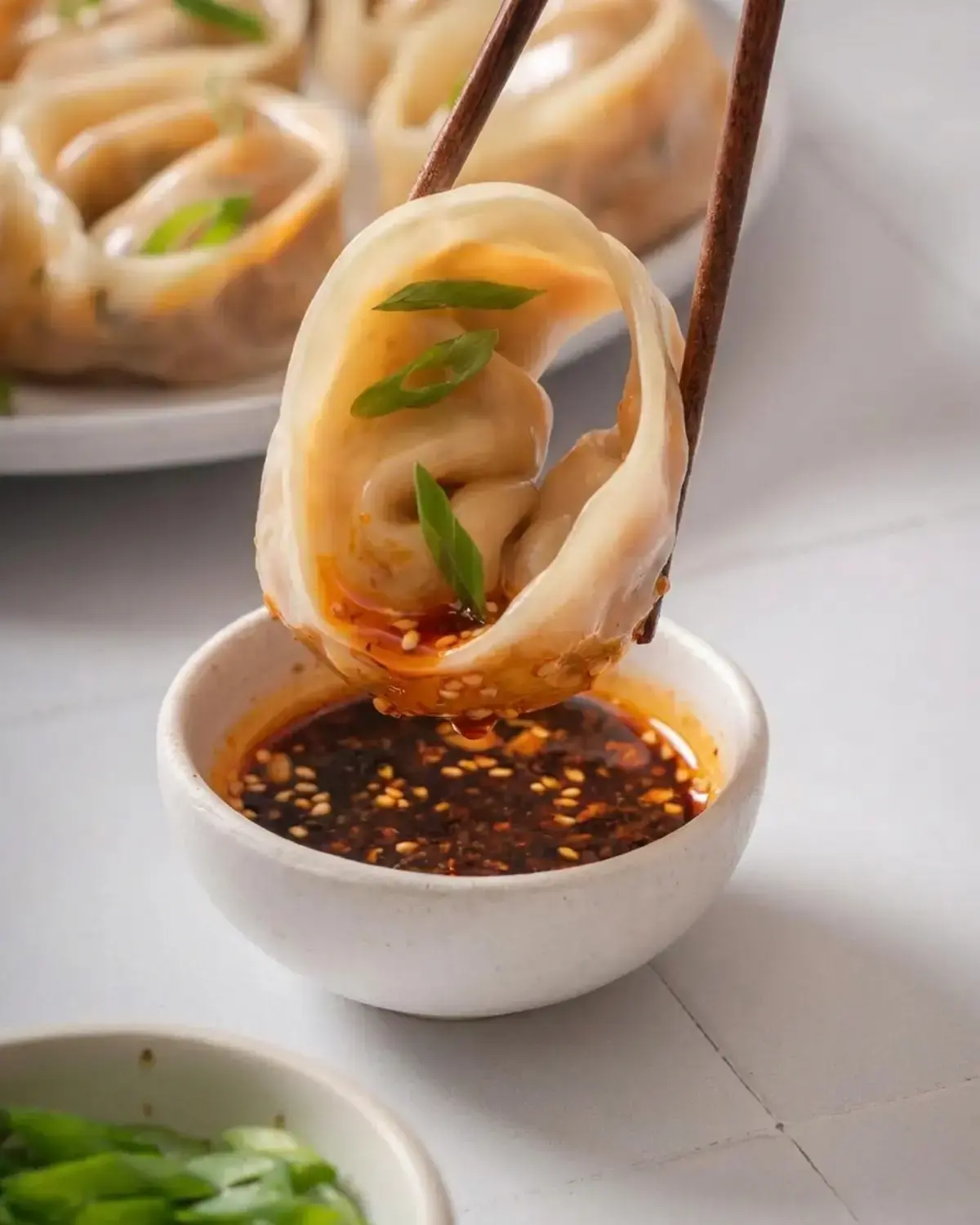
Folding them is also half the fun, which makes kimchi mandu a wonderful activity to share with friends on a slow weekend afternoon. The combination of chewy noodles, soft tofu, and punchy kimchi is honestly hard to beat.
Jump to:
- What Is Kimchi Mandu Korean Kimchi Dumplings?
- What Is Kimchi Mandu?
- Why You’ll Love This Recipe
- Kitchen Equipment
- Ingredients
- Substitutions and Additions
- Substitutions
- Additions
- How to Make Kimchi Mandu Recipe
- Kimchi Filling
- Assemble the Kimchi Mandu
- Tips for the Best Kimchi Mandu
- Serving Ideas and Nutrition
- Frequently Asked Questions
- What is kimchi mandu and how is it different from other Korean dumplings?
- What ingredients do I need to make authentic kimchi mandu filling at home?
- How do I cook kimchi mandu and how long should I steam or boil them?
- Can I freeze kimchi mandu and how should I store and reheat them?
- Kimchi Mandu (Korean Kimchi Dumplings)
- Ingredients
- Instructions
- Last Step:
- Nutrition
- Did you make this recipe?
What Is Kimchi Mandu?
Kimchi mandu (김치 만두) is a popular Korean dumpling that has earned a permanent spot on home kitchen tables and Lunar New Year spreads across Korea.
The classic filling combines kimchi, dangmyeon (Korean sweet potato starch noodles), tofu, bean sprouts, Korean garlic chives, aromatics, seasonings, and a protein such as ground pork.
The wrapper is rolled from wheat flour into thin circles that are usually larger and thicker than Chinese dumpling wrappers, which means each wrapper can hold a generous spoonful of filling without tearing.
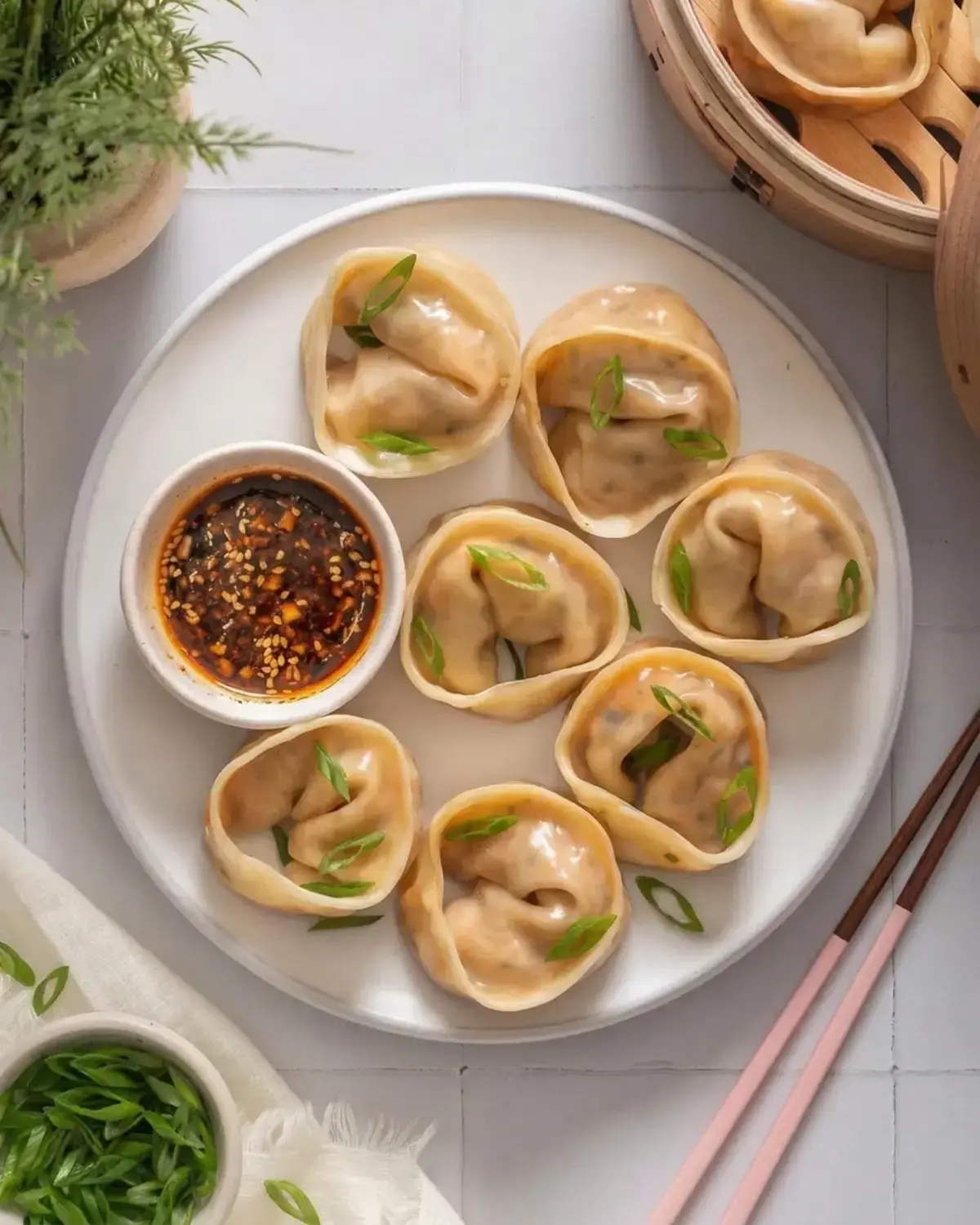
Mandu can be steamed, boiled, pan fried, or deep fried depending on the texture you want, and kimchi mandu is a particular favorite in my house.
During Seollal, the Korean Lunar New Year, families traditionally serve kimchi mandu because the curved half moon shape resembles ancient gold ingots and is believed to bring prosperity and wealth in the coming year.
The dumplings also play a starring role in tteok manduguk, the comforting rice cake soup that families share on the first morning of the new year.
Why You’ll Love This Recipe
If you are a fellow kimchi lover, you will love these Korean dumplings. Here are the top three reasons I keep coming back to this kimchi mandu recipe again and again.
- Flavorful and delicious: the kimchi dumplings combine bold and spicy kimchi with savory pork, soft tofu, fragrant aromatics, and a few simple seasonings for a filling that hits every note.
- Versatile and customizable: these Korean dumplings can be steamed, boiled, or pan fried, and you can swap the protein or skip the meat entirely for a vegan friendly version.
- Great for sharing: Korean mandu are typically made in large batches, which makes this recipe perfect for Lunar New Year, potlucks, or a cozy weekend cooking project with friends.
Once you taste how the kimchi melts into the pork and tofu, you will want to keep a stash of these dumplings in your freezer at all times. If you enjoy bold Korean flavors, you might also like my spicy Korean ground beef with kimchi slaw for a fast weeknight dinner.
Kitchen Equipment
You will need a few simple kitchen tools to make this kimchi mandu recipe. Most of them are probably already in your drawers, and the rest are easy to pick up online or at a kitchen store.
- Cheesecloth: the easiest way to drain the tofu is to wrap the block in cheesecloth and squeeze out the excess liquid until it crumbles.
- Mixing bowl: a large mixing bowl gives you room to bring the kimchi mandu filling together without making a mess on the counter.
- Medium pot: you will need a medium pot large enough to cook the dangmyeon noodles and to blanch the bean sprouts.
- Steamer basket: a bamboo or metal steamer basket lined with parchment paper is perfect for the steaming method.
- Spider strainer: if you plan to boil your dumplings, a spider strainer makes lifting them out of the hot water quick and easy.
- Parchment lined baking sheet: a tray keeps the assembled dumplings from sticking while you finish folding the rest of the batch.
Ingredients
You can find all of the ingredients for this kimchi dumpling recipe at your local Korean grocery market like HMart, or in the international aisle of a well stocked supermarket. For about 35 dumplings, gather the following list before you start.
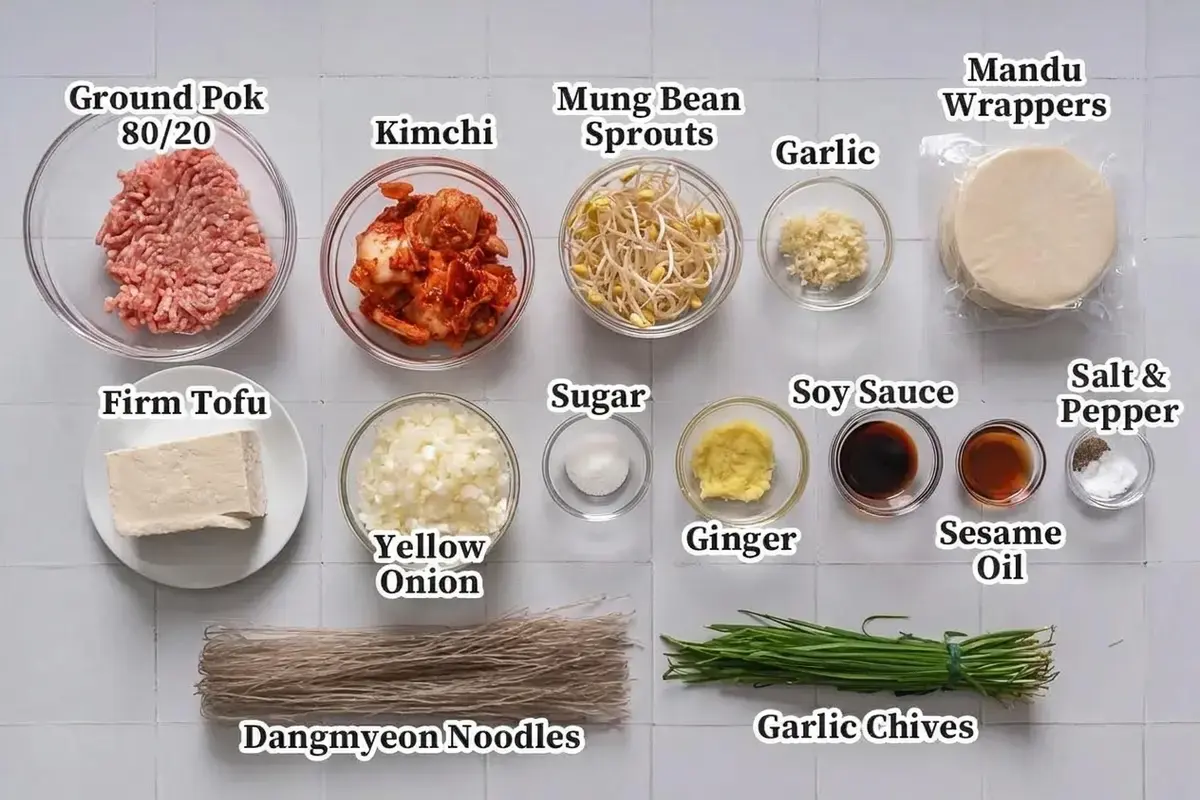
- 1 pack round mandu dumpling wrappers, at room temperature
- 2 ounces dangmyeon (Korean sweet potato starch noodles)
- 1 cup kimchi, finely chopped and drained
- 1/3 cup bean sprouts, blanched and chopped
- 8 ounces firm tofu, drained (about half a pack)
- 1/2 medium yellow onion, minced
- 1 cup Korean garlic chives, finely chopped
- 1/2 pound ground pork, 80/20 lean to fat ratio
- 1 tablespoon minced garlic
- 2 teaspoons grated ginger
- 2 teaspoons sesame oil
- 1 tablespoon soy sauce
- 1/2 teaspoon sugar
- 1/2 teaspoon salt
- 1/4 teaspoon black pepper
Old, well fermented kimchi brings the deepest flavor to the filling, so I always keep a jar in the back of the fridge just for dumpling day.
Substitutions and Additions
You can customize this Korean dumpling recipe based on your dietary preferences and what is sitting in your fridge. I have tested plenty of swaps over the years, so use the notes in the next two sections as a starting point and adjust to your own taste.
The dumplings are forgiving, and a small change here or there can lead to a brand new favorite combination that still feels true to the original kimchi mandu spirit.
Substitutions
- Vegetarian or vegan mandu: skip the pork and use extra tofu, finely chopped mushrooms, or shredded cabbage and carrots for a meat free version that still feels hearty.
- Protein swap: ground chicken, ground beef, or finely chopped shrimp all work well if you want to change the flavor profile of your kimchi dumplings without losing the filling texture.
- Wrapper options: if you cannot find Korean mandu wrappers, gyoza wrappers or wonton wrappers will work in a pinch, though the dumplings will be smaller and you will need to fold them into half moons instead of bringing the edges together.
- Noodle swap: if dangmyeon is hard to find, you can use thin glass noodles or skip the noodles altogether and add a little more crumbled tofu to keep the filling juicy.
Additions
- Egg: if you would like your filling to be tighter and more bound together, mix in a whole egg for added moisture and structure.
- Sauces: if you would like a richer umami flavor in your Korean dumpling recipe, experiment with a small splash of oyster sauce or hoisin sauce mixed into the filling.
- Spice: for a spicy mandu, add gochugaru (Korean red chili flakes) or a small drizzle of gochujang for an extra kick of heat and color.
- Herbs: a handful of finely chopped Asian chives or even a little chopped napa cabbage can bulk up the filling when you want to stretch the recipe for a larger crowd.
How to Make Kimchi Mandu Recipe
Below are the step by step instructions for making this kimchi mandu recipe at home. The process is split into two friendly stages: first you will build the kimchi filling, then you will wrap, shape, and cook the dumplings.
Read through both parts once before you start so you can set up a small dumpling assembly station with a bowl of water, the bowl of filling, the wrappers under a damp towel, and a parchment lined baking sheet ready to hold the finished dumplings.
The full recipe makes about 35 dumplings, which is a generous batch for a family dinner or a make ahead freezer meal.
Kimchi Filling
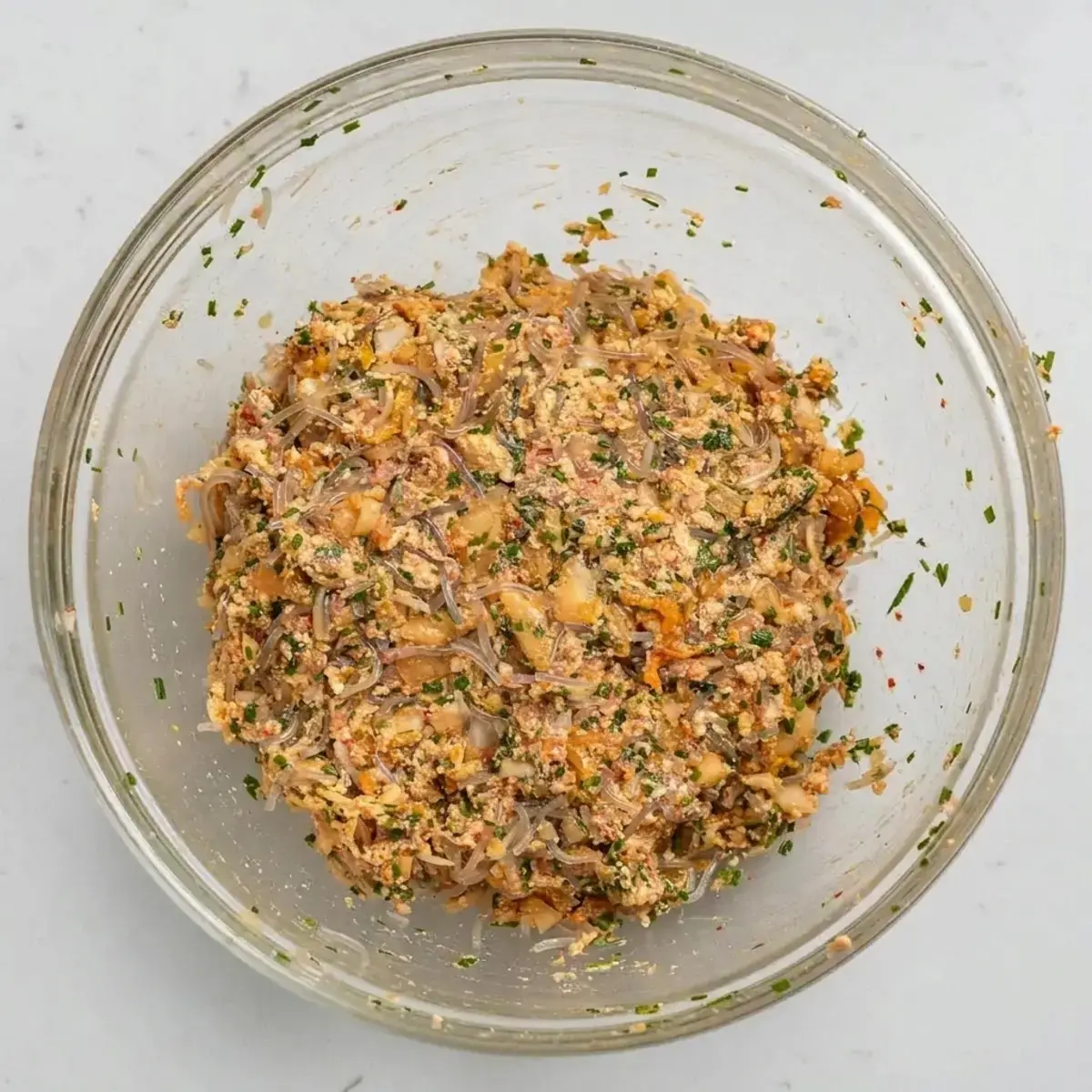
The filling is where all the flavor lives, so take your time with each prep step. You will know the mixture is ready when it looks like a soft paste and feels slightly sticky to the touch.
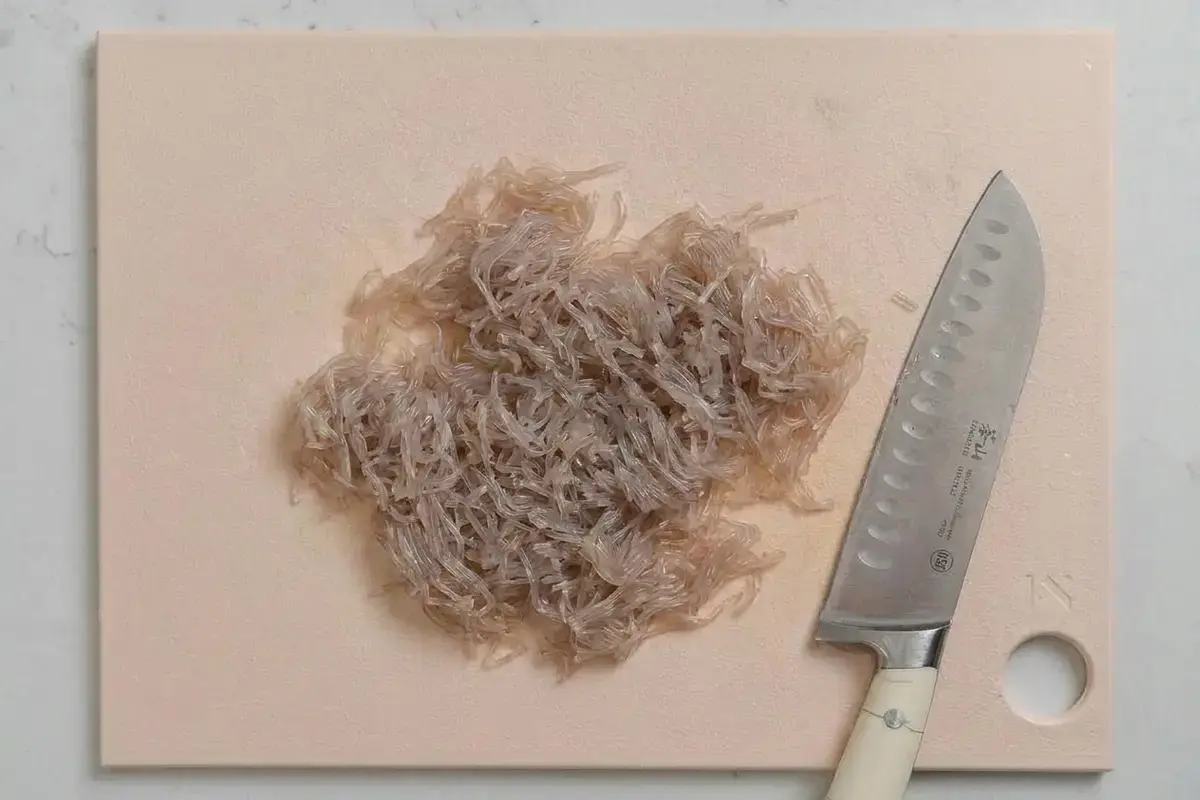
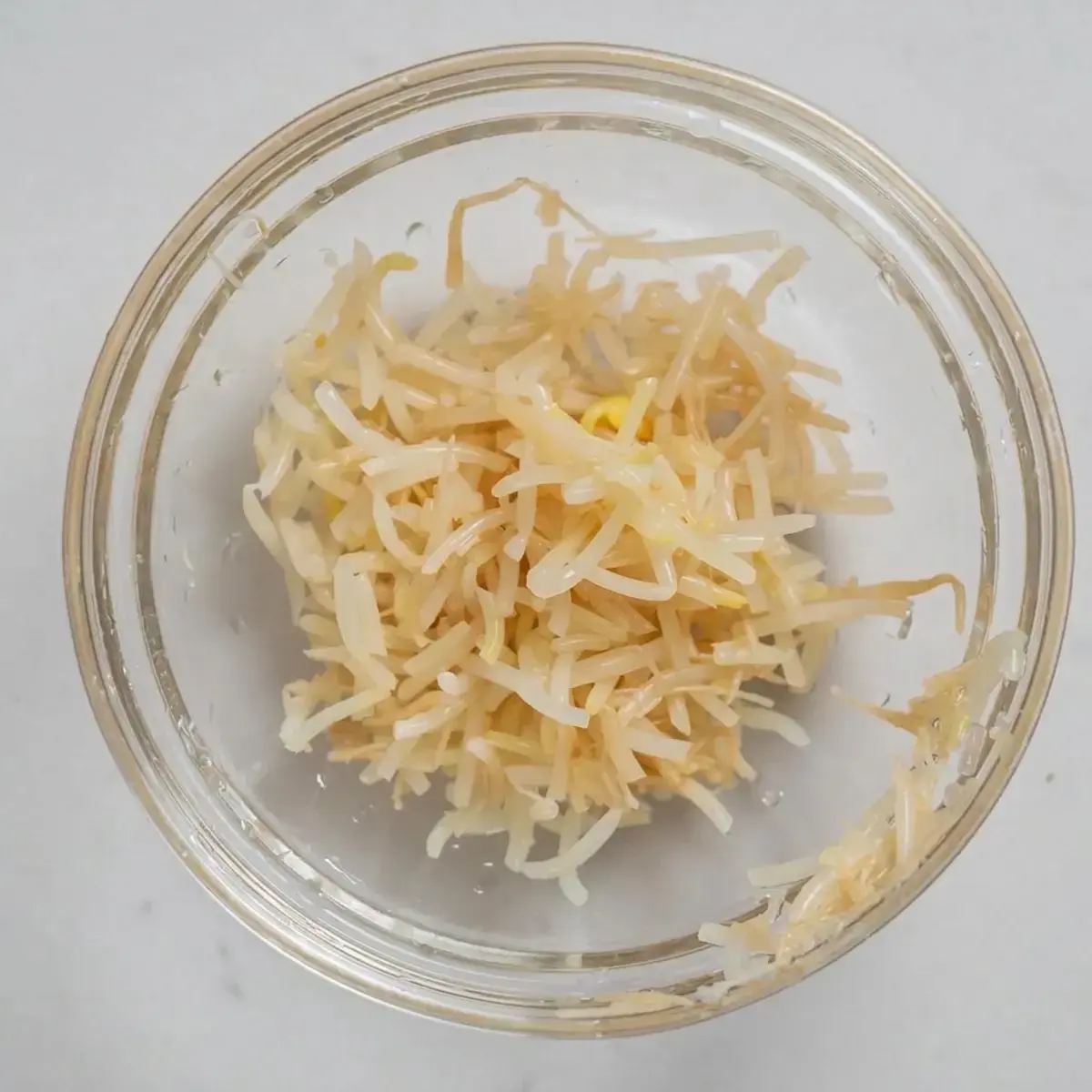
- Cook the noodles. In a pot, heat water to a boil. Boil the dangmyeon according to the package instructions until tender, then drain and rinse with cold water. Finely chop the noodles into small pieces so they mix evenly into the filling.
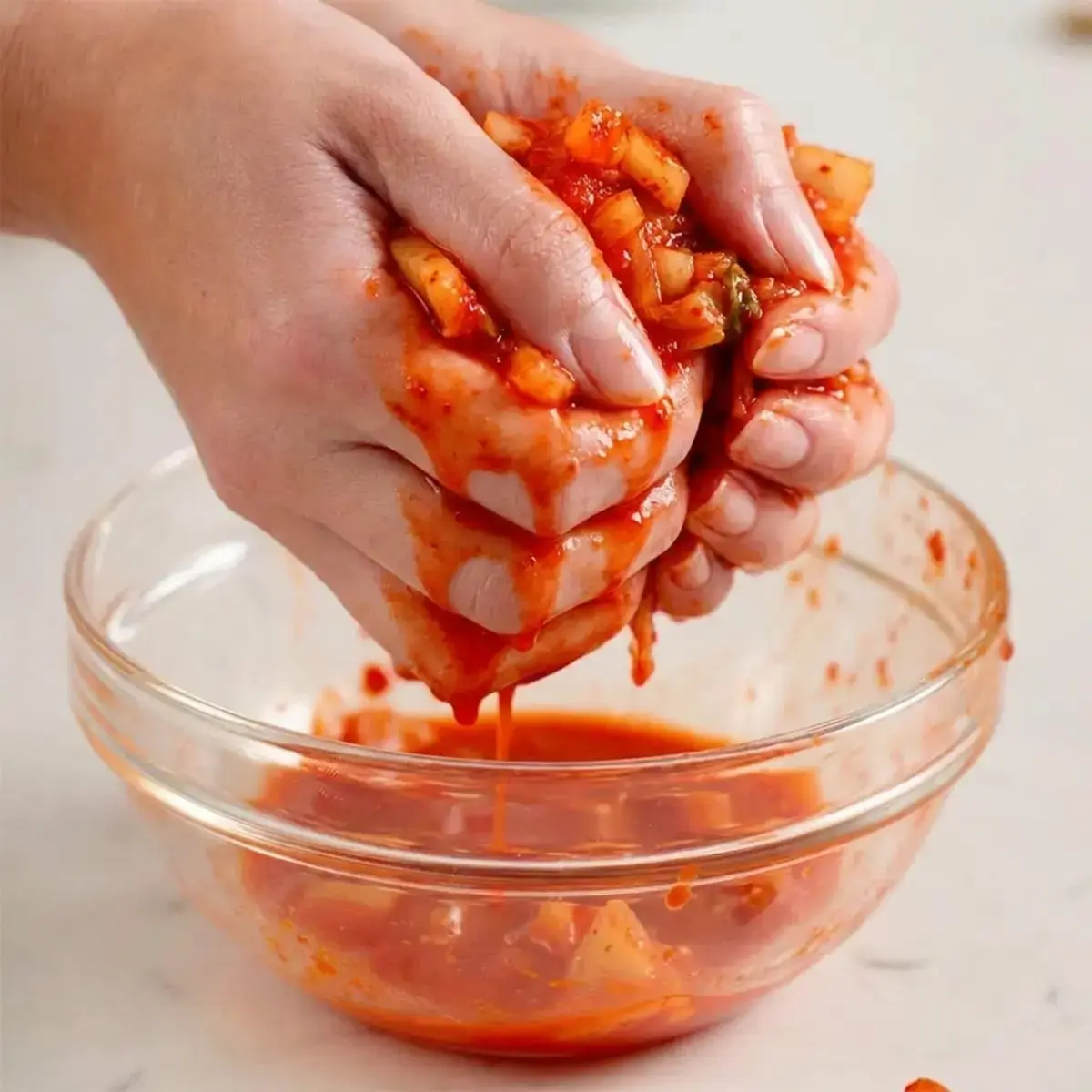
- Chop the kimchi. Finely chop the kimchi and gently squeeze out the excess liquid by hand. Save a spoonful of the brine in case your filling needs a splash of moisture later.
- Blanch the bean sprouts. Drop the bean sprouts into boiling water for 1 minute, then drain and rinse them under cold water to stop the cooking. Squeeze out the excess liquid and chop them into about 1/4 inch pieces.
- Drain the tofu. Wrap the tofu in cheesecloth and squeeze firmly until the block is crumbled and most of the water is gone.
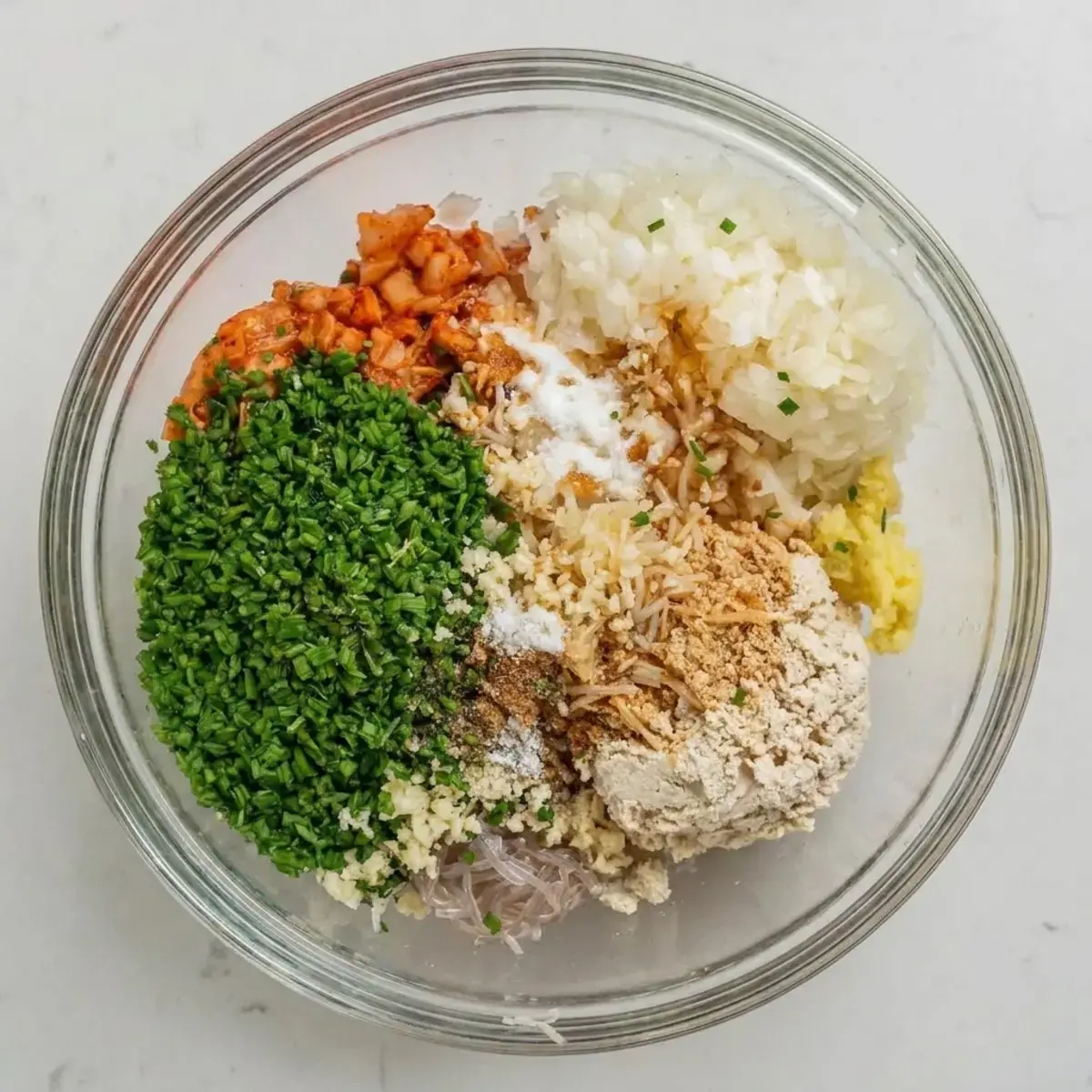
- Combine. In a large mixing bowl, add the chopped dangmyeon, chopped kimchi, chopped bean sprouts, crumbled tofu, minced onion, garlic chives, ground pork, garlic, ginger, sesame oil, soy sauce, sugar, salt, and black pepper. Mix by hand until the filling looks like a paste and feels slightly sticky. If it is too dry, add a spoonful of reserved kimchi brine or a beaten egg. It should not be wet or runny.
- Taste and adjust. Microwave a teaspoon of filling for 15 to 30 seconds, taste, and tweak the seasoning with more salt, soy sauce, or gochugaru if you want extra heat.
Assemble the Kimchi Mandu
Now it is time to wrap, shape, and cook the dumplings. Set up a small bowl of water, a stack of mandu wrappers under a damp paper towel, the bowl of filling, and a parchment lined baking sheet nearby so everything is within reach. Working slowly here is the secret to neat, juicy dumplings that hold together while they cook.
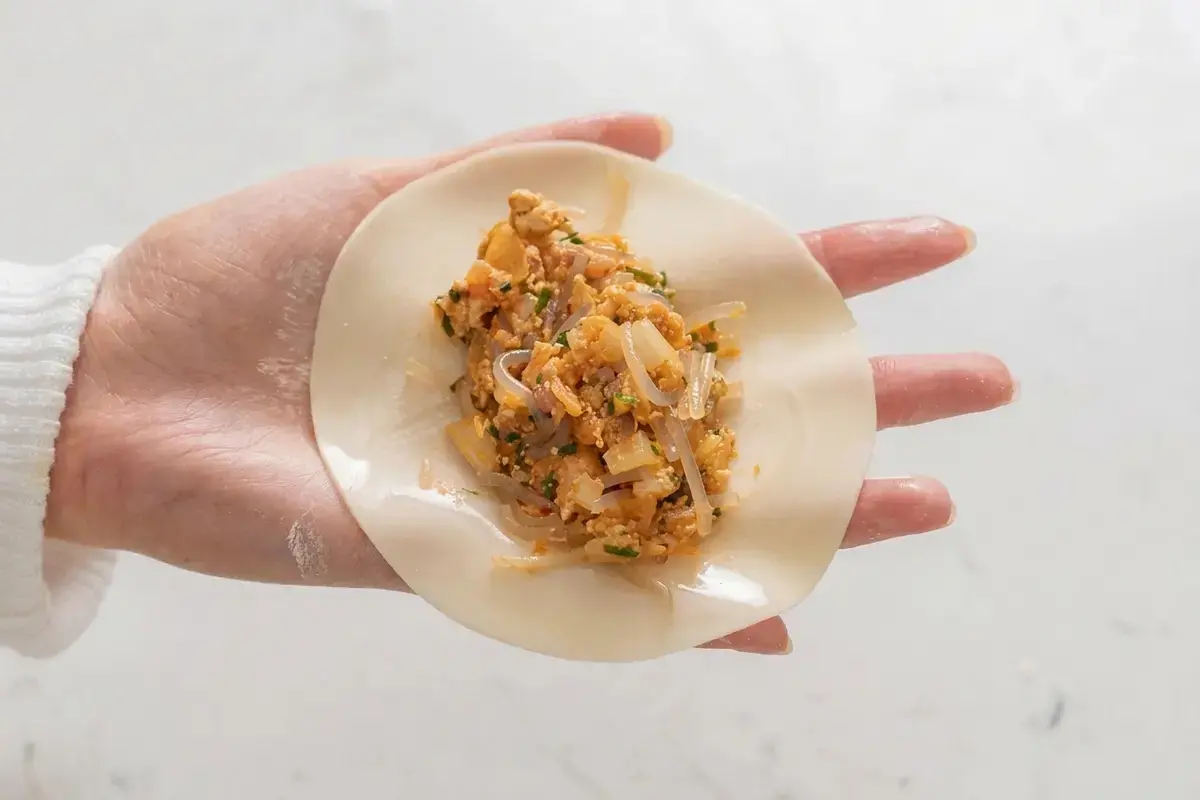
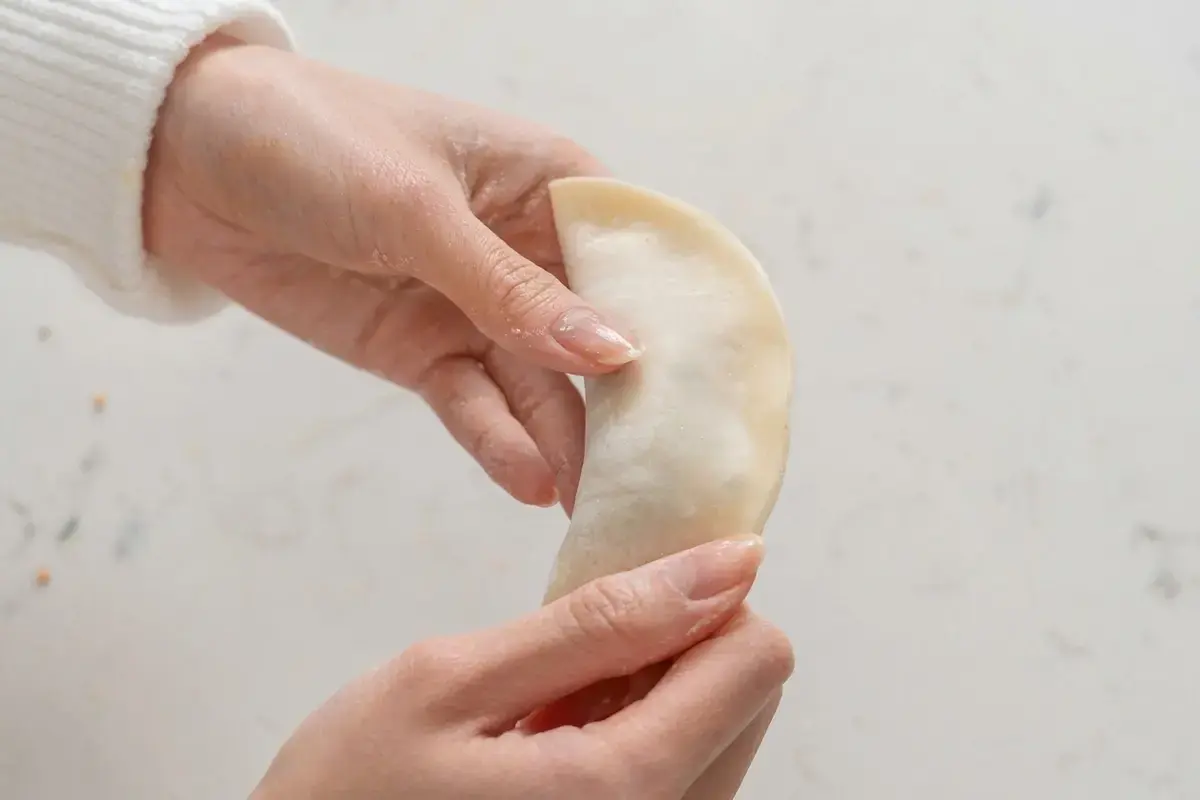
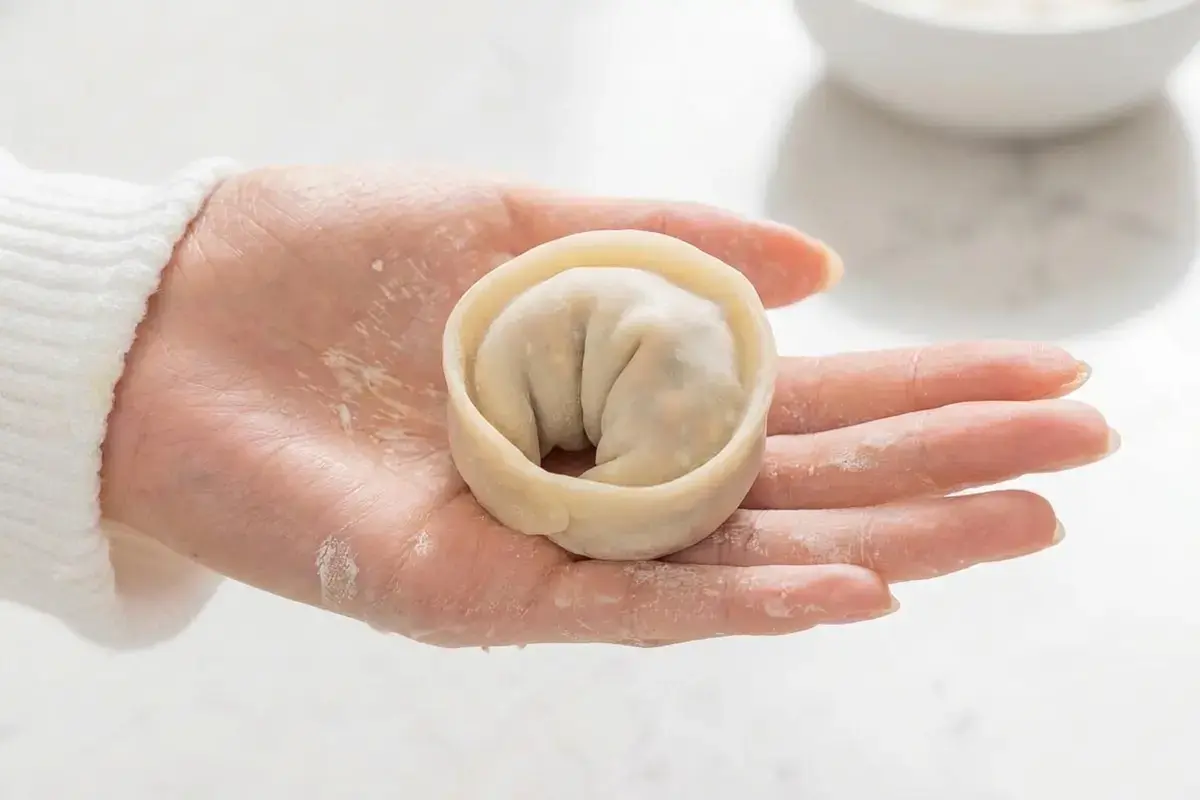
- Wrap the dumpling. Place a wrapper in the palm of your hand and add 1 to 2 tablespoons of filling right in the center. Dip your finger in water and lightly wet the outer edge of the wrapper. Fold the wrapper in half and press firmly to seal the dumpling.
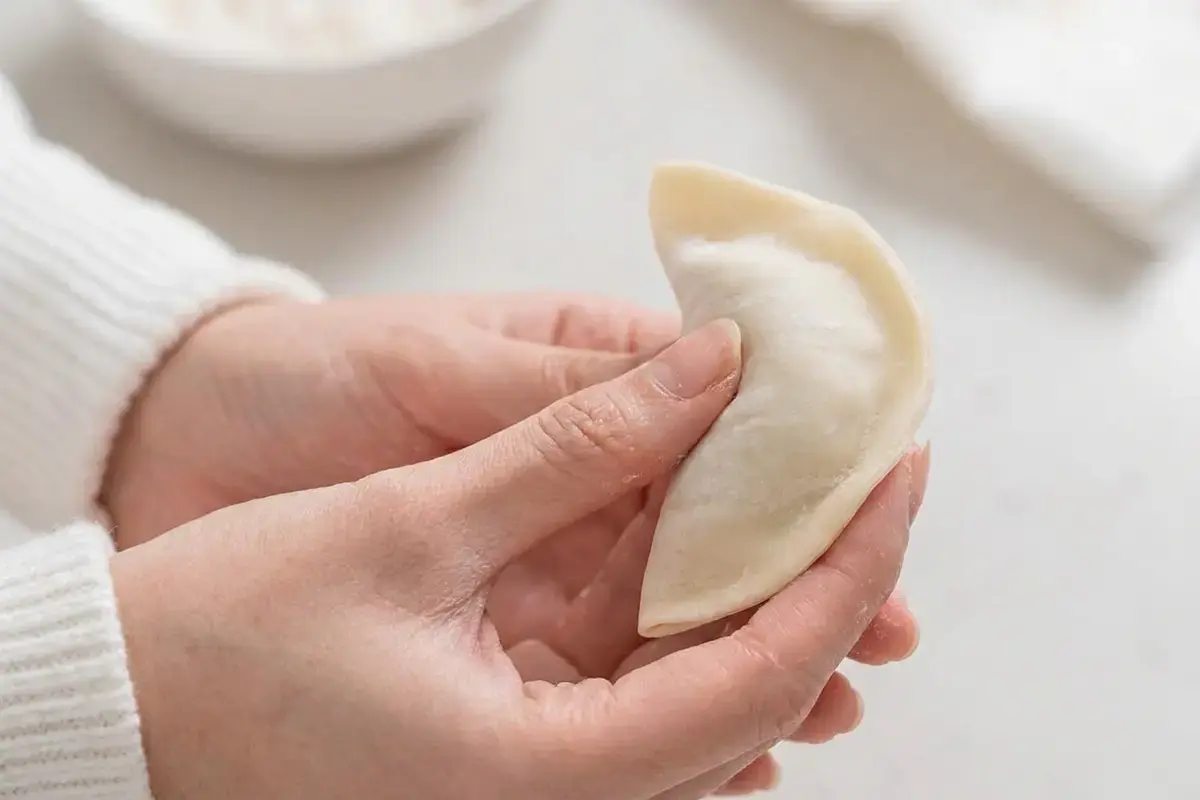
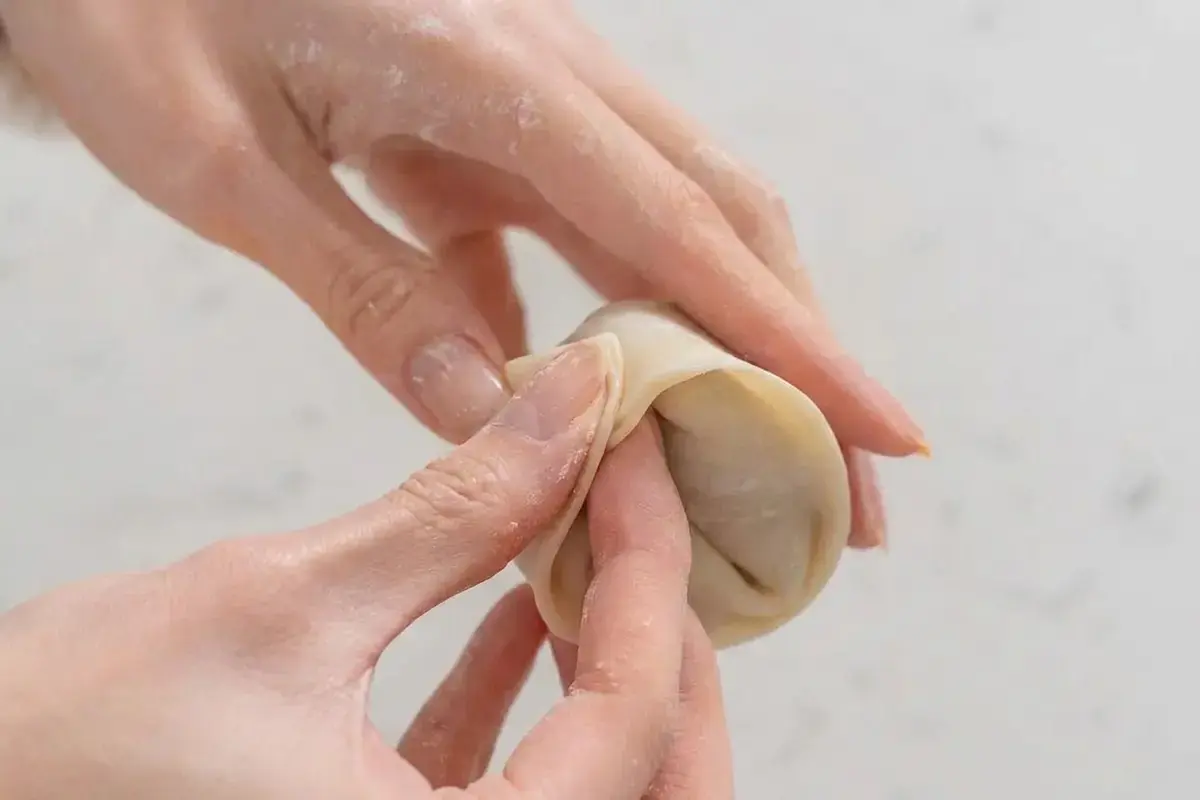
- Create a half moon shape. Bring the two pointed edges together, dab a little water on the tips, and pinch tightly so the dumpling looks like a curved ingot. Place the finished mandu on the parchment lined baking sheet and cover with plastic wrap while you fold the rest of the batch.
- Steam (option 1). Line a steamer basket with parchment paper and bring water to a boil over medium high heat. Arrange the dumplings in a single layer with space between each piece, cover, and steam for 15 minutes.
- Boil (option 2). Bring a pot of water to a boil over high heat. Add the mandu in batches, stir gently so they do not stick to the pot, and cook until they float plus 1 to 2 minutes more, about 6 minutes total. Lift the dumplings out with a spider strainer and serve right away.
- Serve. Pile the hot dumplings on a plate, set out a dipping sauce of soy sauce, rice vinegar, and a few drops of sesame oil, and enjoy while they are still warm. A small bowl of extra kimchi on the side is never a bad idea.
Tips for the Best Kimchi Mandu
A few small habits will make a big difference once you start folding. Keep these practical tips in mind and your batch will turn out plump, juicy, and full of flavor every single time, whether you are steaming, boiling, or freezing them for later.
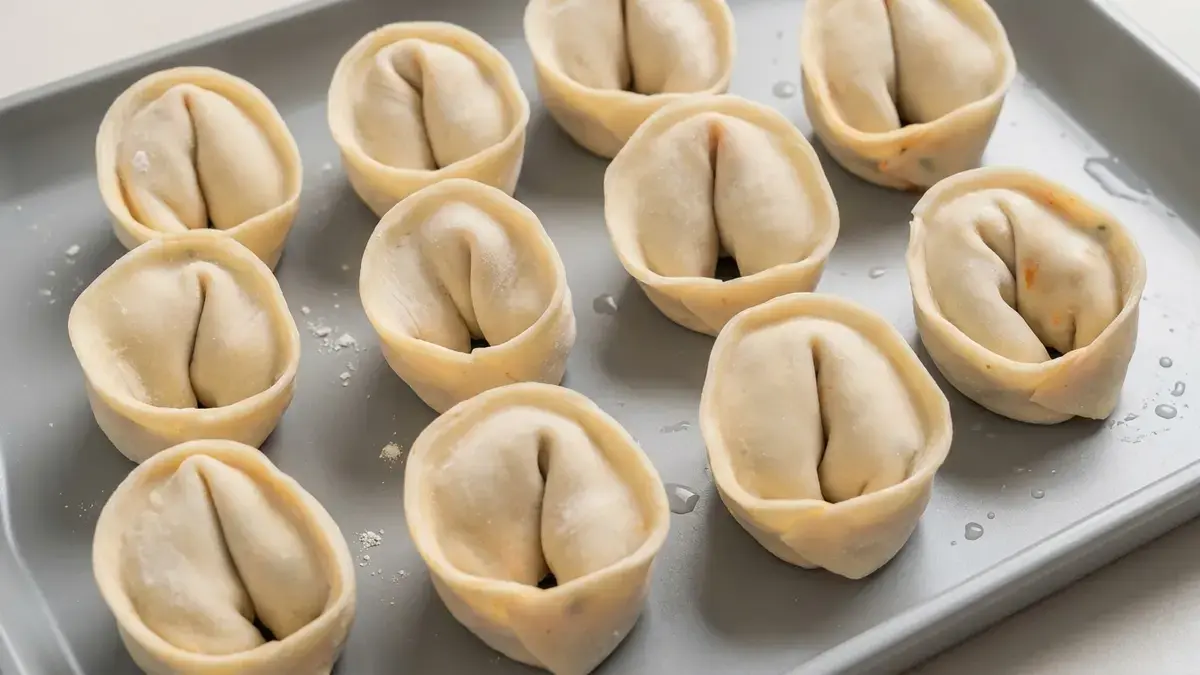
- Set up a dumpling station. Place a bowl of water, the bowl of filling, the wrappers under a damp towel, and a parchment lined baking sheet within arm’s reach before you start folding.
- Taste the filling first. Always cook a teaspoon of filling in the microwave for 15 to 30 seconds and taste it. Adjust salt, soy sauce, or gochugaru before you wrap a single dumpling.
- Keep wrappers covered. Mandu wrappers dry out fast, so keep the stack you are not using under a barely damp paper towel while you work.
- Fix torn wrappers. If a wrapper starts to tear, brush a little water along the cracked edge and press it back together before adding the filling.
- Pinch the seams tight. Press out any air pockets and pinch the seam firmly so the dumplings do not burst open while steaming or boiling.
- Do not overcrowd. Leave space between dumplings in the steamer and cook them in batches in the boiling water so they cook evenly and do not stick together.
- Freeze extras. Arrange uncooked dumplings in a single layer on a parchment lined baking sheet, freeze for about 2 hours, then move them to an airtight container and store for up to 3 months. Cook from frozen, adding 2 to 3 extra minutes to the steaming or boiling time.
- Store cooked dumplings. Cooked dumplings keep in an airtight container in the refrigerator for 3 to 4 days, though the wrappers may dry out a touch. Reheat in the microwave or steam them gently until warmed through.
- Use ripe kimchi. Older, sour kimchi gives the filling a deeper flavor than fresh kimchi, so plan to make this recipe when your jar is at least 2 to 3 weeks old.
- Try a dipping sauce. A quick mix of 2 tablespoons soy sauce, 1 teaspoon rice vinegar, 1/2 teaspoon sesame oil, sliced green onion, and a pinch of gochugaru is the classic partner for steamed or boiled mandu.
Serving Ideas and Nutrition
Steamed kimchi mandu are wonderful on their own with a simple dipping sauce of soy sauce, rice vinegar, a few drops of sesame oil, and a pinch of gochugaru.
For a heartier meal, drop a few boiled dumplings into a bowl of hot broth with rice cakes to make a quick version of tteok manduguk, or pan fry leftover dumplings until the bottoms are golden and crisp.
If you love cozy bowls, my kimchi and dumpling noodle soup uses similar flavors in a one pot weeknight dinner.
For another take on the technique, you can browse this helpful Korean kimchi dumplings recipe from Korean Bapsang or this well loved homemade kimchi mandu recipe from My Korean Kitchen for extra inspiration on folding, fillings, and dipping sauces.
| Nutrition per Dumpling (approximate) | |
|---|---|
| Calories | 70 kcal |
| Carbohydrates | 10 g |
| Protein | 3 g |
| Fat | 2 g |
| Saturated Fat | 1 g |
| Fiber | 0.5 g |
| Sugar | 0.3 g |
| Sodium | 158 mg |
| Cholesterol | 6 mg |
Frequently Asked Questions
What is kimchi mandu and how is it different from other Korean dumplings?
What ingredients do I need to make authentic kimchi mandu filling at home?
How do I cook kimchi mandu and how long should I steam or boil them?
Can I freeze kimchi mandu and how should I store and reheat them?
Kimchi Mandu (Korean Kimchi Dumplings)
What Is Kimchi Mandu Korean Kimchi Dumplings? Kimchi mandu, also called Korean kimchi dumplings, are a beloved staple in Korean home cooking.
- Total Time: 70 min
- Yield: 35 dumplings 1x
Ingredients
1 pack round mandu dumpling wrappers, room temperature
2 ounces dangmyeon (sweet potato starch noodles), cooked and chopped into small pieces
1 cup kimchi, finely chopped and drained
⅓ cup bean sprouts, blanched and chopped
8 oz firm tofu, drained (1/2 a pack)
½ medium yellow onion, minced
1 cup Korean garlic chives, finely chopped
½ lb ground pork, 80/20 lean to fat ratio
1 tablespoon garlic, minced
2 teaspoon ginger, grated
2 teaspoon sesame oil
1 tablespoon soy sauce
½ teaspoon sugar
½ teaspoon salt
¼ teaspoon black pepper
Instructions
Kimchi Filling
1-Cook the noodles: Cook the noodles. In a pot, heat water to a boil. Boil the noodles according to the package instructions until cooked. Drain and rinse with cold water. Then finely chop the noodles into small pieces.
2-Chop the kimchi: Chop the kimchi. Finely chop the kimchi and gently squeeze out excess liquid by hand.
3-Blanch the bean sprouts: Blanch the bean sprouts. Blanch the bean sprouts in boiling water for 1 minute. Drain and rinse the bean sprouts in cold water to stop them from cooking. Squeeze out any excess liquid and chop them into about 1/4-inch pieces
4-Drain the tofu: Drain the tofu. Using a cheesecloth, squeeze out the excess water from the tofu. It should be crumbled and broken up.
5-Combine: Combine. In a large mixing bowl, add the chopped dangmyeon noodles, chopped kimchi, chopped bean sprouts, drained tofu, diced yellow onion, chopped garlic chives, ground pork, garlic, ginger, sesame oil, soy sauce, sugar, salt and black pepper. Mix by hand until fully combined. It should look like a paste and be slightly sticky. If it is too dry and does not hold together, either add a little kimchi brine back in or add an egg. It should not be wet or runny.
6-Taste and adjust: Taste and adjust. Cook a teaspoon of filling in the microwave for 15-30 seconds and taste. Adjust the seasonings as needed.
Assemble
7-Wrap the dumpling: Wrap the dumpling. Place a dumpling wrapper in the palm of your hand and add about 1-2 tablespoons of filling in the center. Wet your finger and lightly wet the outer edge of the dumpling wrapper. Fold in half and completely seal the dumpling.
8-Create a half-moon shape: Create a half-moon shape. To create the half-moon shape, bring the two edge pieces together and seal by adding water and pinching tightly. Place the dumplings on a parchment-lined baking sheet and cover them with plastic wrap to prevent them from drying out while you finish assembling the rest of the dumplings.
9-Steam (option 1): Steam (option 1). Prepare your steamer, by boiling water over medium-high heat and lining your steamer basket with parchment paper. Place the mandu in the steamer leaving space between each piece to prevent them from touching. Cover and steam for 15 minutes.
10-Boil (option 2): Boil (option 2). Bring a pot of water to a boil over high heat. Carefully add the mandu in batches into the pot and boil in the water stirring periodically until they begin to float and then cook them for an additional 1-2 minutes or until done about 6 minutes total. Remove the kimchi dumplings with a spider strainer and serve immediately.
Last Step:
Please leave a rating and comment letting us know how you liked this recipe! This helps our business to thrive and continue providing free, high-quality recipes for you.- Prep Time: 40 min
- Cook Time: 30 min
- Method: mixed
Nutrition
- Calories: 70
- Sugar: 0.3
- Sodium: 158
- Fat: 2
- Saturated Fat: 1
- Carbohydrates: 10
- Fiber: 0.5
- Protein: 3
- Cholesterol: 6