

What Is Lemon Cake?
Lemon cake is one of those desserts that feels both classic and fresh every time you make it. I remember the first time I pulled a golden lemon cake out of the oven on a rainy spring afternoon.
The whole kitchen filled with a bright, citrusy aroma that made the wait for it to cool almost unbearable. That first bite told me everything: the crumb was soft and buttery, the lemon flavor clean and lively, and it held together so delicately that each forkful practically melted.

A real lemon cake from scratch depends on fresh lemon juice and fragrant lemon zest. You cannot get the same sparkle from bottled juice or artificial extracts.
When you rub the zest into the sugar with your fingertips, the natural oils release and infuse the entire cake with perfume that carries through even after baking.
Butter and buttermilk work together to create that tender, moist crumb that keeps well into the next day without turning dry or heavy. The cake is never cloying.
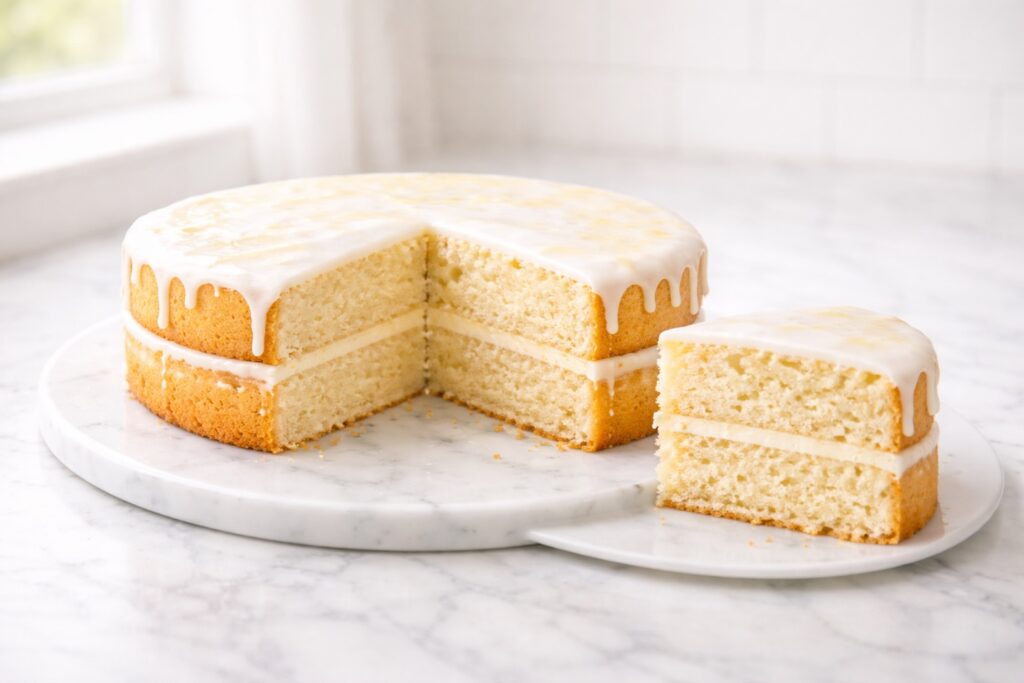
Instead, you get a balanced sweetness with a bright citrus finish that makes it wonderful on its own, with a simple dusting of powdered sugar, or dressed up with a tangy lemon glaze or smooth cream cheese frosting.
What I love most is how versatile this cake is. You can serve it as a simple lemon cake recipe with afternoon tea, slice it for a spring brunch, or turn it into a stunning layer cake for Easter or a bridal shower.

It looks pretty on any table and tastes like a little bit of sunshine, even on a gloomy day. The recipe uses everyday pantry ingredients, so you can bake it whenever a citrus craving hits without a special trip to the store.
That combination of simplicity and wow factor is why this homemade lemon cake has become a staple in my own kitchen.
Jump to:
- What Is Lemon Cake?
- Lemon Cake Recipe Overview
- Why You’ll Love This Lemon Cake
- Why Lemon Cake Stays Soft and Moist
- Ingredient Notes and Ingredient List
- For the Cake
- For the Lemon Glaze (Optional)
- How to Make Lemon Cake
- Tips and Doneness Checks
- Lemon Cake Variations
- Make Ahead, Storage, and Serving Ideas
- Troubleshooting Common Lemon Cake Problems
- Frequently Asked Questions
- How do you make lemon cake from scratch?
- Why does lemon cake turn out dense?
- How do you keep lemon cake moist and soft?
- What frosting or topping goes best with lemon cake?
- Lemon Cake Recipe
- Ingredients
- Instructions
- Last Step:
- Nutrition
- Did you make this recipe?
Lemon Cake Recipe Overview
Before we get into the mixing bowl, let me give you a quick snapshot of what to expect. This lemon cake is everything you want in a homemade dessert: soft, moist, and tender with a buttery crumb and bright citrus flavor.
The recipe is straightforward enough for a beginner, but the results taste like you spent all day in the kitchen.
Here is a quick reference table for the essential recipe info:
| Detail | Information |
|---|---|
| Texture | Soft, moist, tender crumb |
| Flavor | Buttery and bright citrus |
| Difficulty | Easy |
| Prep Time | 20 minutes |
| Bake Time | 30 to 35 minutes |
| Total Time | 55 minutes |
| Yield | 12 slices |
The cake bakes in two 9 inch round pans, which gives you lovely tall layers. In my experience, the 20 minutes of prep go quickly because it is mostly measuring, zesting, and letting the mixer do the heavy lifting.
Once the pans are in the oven, you have just over half an hour to tidy up and make a simple glaze if you want one. The whole process, including cooling, fits neatly into a morning or afternoon.
I like to make the cake for spring desserts and Easter, but honestly it is just as welcome on a random Tuesday when you need something sweet and comforting.
Why You’ll Love This Lemon Cake
There are many lemon cake recipes out there, but this one has earned a permanent spot in my recipe box. The crumb is genuinely soft, moist, and buttery without being heavy.
Each bite holds together beautifully on the fork, then gives way to a tender melt in your mouth texture. The lemon flavor comes from real juice and plenty of fresh zest, so it tastes natural and vibrant, not like candy or cleaning products. No harsh artificial notes here.
The mixing method is as easy as they come. You cream butter and sugar, add eggs one at a time, then alternate the dry ingredients with buttermilk. Even if you have never made a layer cake before, you will find the steps clear and forgiving.
I have made this cake while chatting with friends in the kitchen and never felt rushed or stressed. It is the kind of relaxed baking that puts a smile on your face.
Another reason I love it is the flexibility. You can serve the cake plain with a light dusting of powdered sugar for a simple afternoon coffee cake.
Drizzle on a glossy lemon glaze for a bit of sparkle, or go all out with lemon buttercream or cream cheese frosting for a celebration. The layers are sturdy enough to stack but light enough to eat.
They slice beautifully, and leftovers stay soft for days. This cake has become my go to for spring brunches, Easter, bridal showers, and any time I want to bring a little brightness to the dessert table.
Why Lemon Cake Stays Soft and Moist
I used to wonder why some lemon cakes turn out dry or dense while others are pillowy soft. After plenty of testing, I realized the secret is not one single trick but a combination of moisture, acidity, and gentle mixing. A tender lemon cake needs fat, liquid, and the right leavening reaction, and this recipe delivers all three.
Butter, eggs, lemon juice, and buttermilk work together to create a moist crumb. The butter provides richness and traps tiny air pockets during creaming. Eggs add structure and moisture.
Lemon juice and buttermilk are both acidic, and that acidity is the unsung hero of a soft cake. When acidic ingredients hit baking soda and baking powder, they produce carbon dioxide bubbles that lift the batter.
Buttermilk also tenderizes the gluten in the flour, so each bite feels velvety rather than tough.
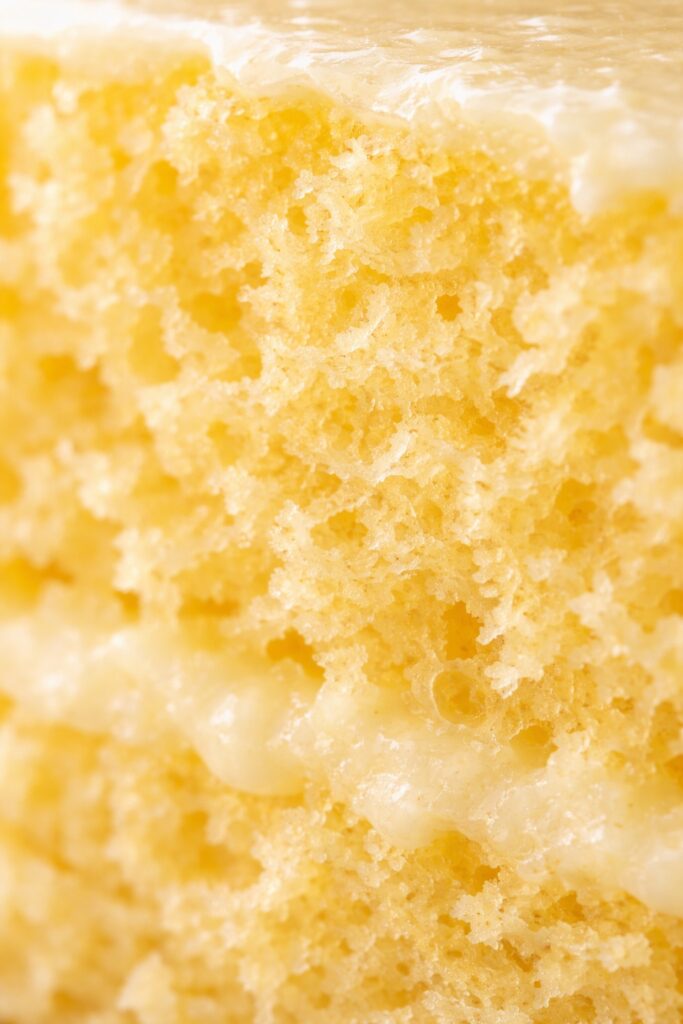
Temperature matters more than you might think. I always remind myself to pull the butter, eggs, and buttermilk out of the fridge about an hour before I start mixing. Room temperature ingredients emulsify more smoothly, creating a cohesive batter that traps air evenly.
If you add cold eggs to creamed butter and sugar, the mixture can curdle and lose volume. The same batter with room temperature eggs stays light and creamy.
Mixing technique is the final piece. Once the flour goes in, I switch to the lowest mixer speed and stop the moment the streaks disappear. Overmixing develops too much gluten, which makes the crumb dense and chewy rather than tender.
A gentle hand at the end preserves that soft, open texture. If you follow these principles, your lemon cake will stay moist and delicate, and you will understand why acidity, fat, and a light touch are just as important as the ingredients themselves.
Ingredient Notes and Ingredient List
When I build a lemon cake, I think of each ingredient as having a job. Understanding those roles helps you bake with confidence. The zest is where most of the lemon flavor lives.
The fruit’s skin holds aromatic oils that bloom in the oven’s heat. The juice adds brightness and acidity, which balances the sugar. I always zest the lemons before juicing them; it is much easier to handle a firm whole fruit than a squeezed out shell.
Buttermilk is the little miracle worker in this recipe. It tenderizes the crumb, adds a subtle tang that complements the lemon, and reacts with the baking soda for extra lift.
If you do not have buttermilk on hand, you can make a quick substitute: stir 1 tablespoon of lemon juice or white vinegar into 1 cup of milk and let it sit for about 5 minutes until it thickens slightly.
This works in a pinch, though I still prefer real buttermilk when I can get it.
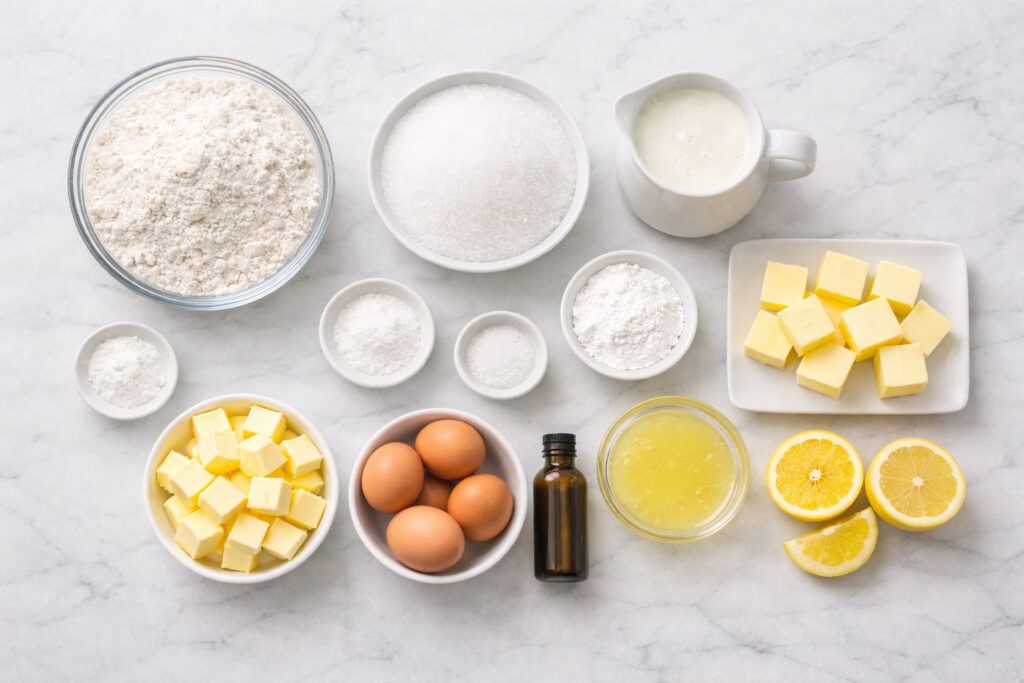
Creaming the butter and sugar properly creates a foundation of tiny air pockets that expand in the oven, giving the cake a lighter crumb. Make sure your butter is softened but not melted. A finger pressed into it should leave an indentation without sinking through.
For a deeper dive into the baking science behind these techniques, I often refer to trusted sources like this moist lemon cake recipe tutorial for additional perspective.
For the Cake
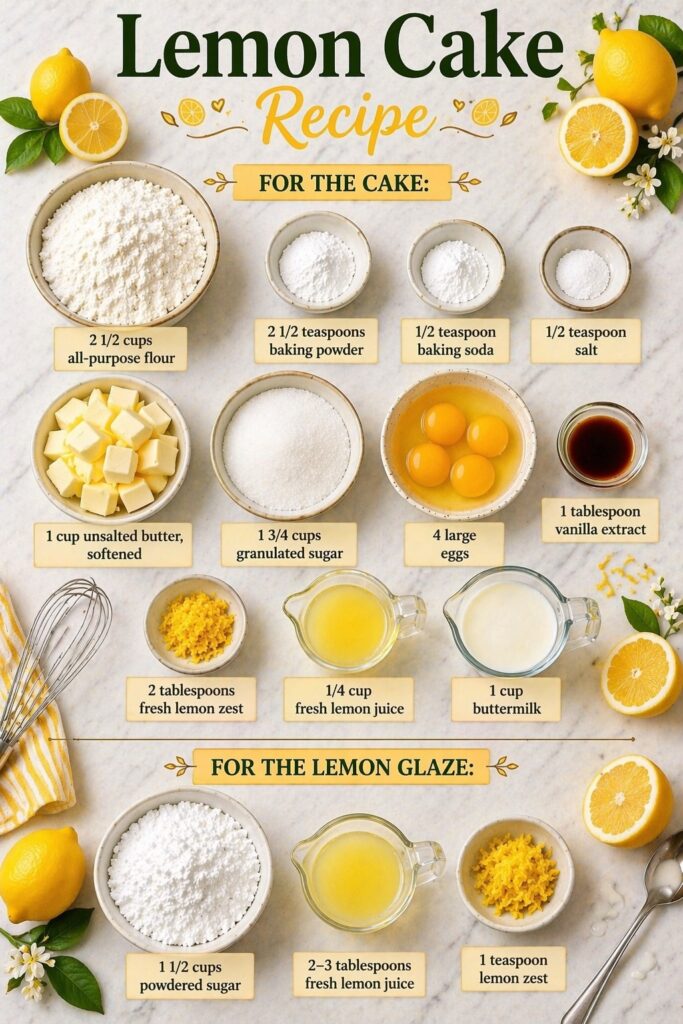
- 2 1/2 cups all purpose flour
- 2 1/2 teaspoons baking powder
- 1/2 teaspoon baking soda
- 1/2 teaspoon salt
- 1 cup unsalted butter, softened
- 1 3/4 cups granulated sugar
- 4 large eggs, room temperature
- 1 tablespoon vanilla extract
- 2 tablespoons fresh lemon zest
- 1/4 cup fresh lemon juice
- 1 cup buttermilk, room temperature
For the Lemon Glaze (Optional)
- 1 1/2 cups powdered sugar
- 2 to 3 tablespoons fresh lemon juice
- 1 teaspoon lemon zest
For a more decadent finish, you can fill and frost the cake with lemon buttercream or cream cheese frosting. The buttercream version is rich and velvety, while cream cheese frosting adds a tangy contrast that I especially love with fresh berries on top.
How to Make Lemon Cake
The creaming method is the foundation of this recipe, and once you master it, you can apply the same technique to countless other cakes. Let me walk you through each step, sharing the little details I have learned over the years.
First, preheat your oven to 350°F (175°C). Grease two 9 inch round cake pans and line the bottoms with parchment paper. I like to use a little extra butter for greasing, then dust lightly with flour to make sure the cakes release without sticking. Then you can set the pans aside.
In a medium bowl, whisk together the flour, baking powder, baking soda, and salt until evenly combined. This simple step prevents clumps and ensures the leavening agents are distributed throughout the batter.
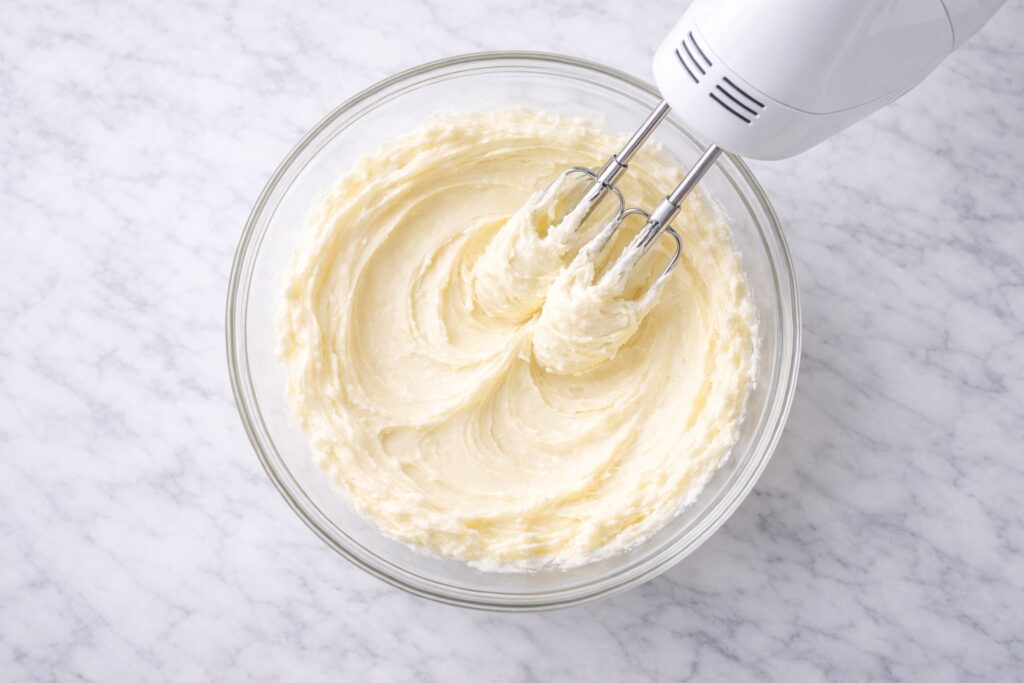
Now comes the part that makes all the difference. In a large mixing bowl, beat the softened butter and sugar together on medium high speed for about 3 to 4 minutes. Stop and scrape down the sides of the bowl once or twice.
The mixture should become pale, light, and fluffy. If you rub a little between your fingers, it should feel smooth with no gritty sugar grains left. Add the eggs one at a time, beating well after each addition.
The batter will look smooth and creamy. Then mix in the vanilla extract and lemon zest, followed by the fresh lemon juice. Do not worry if the batter looks slightly curdled after adding the juice.
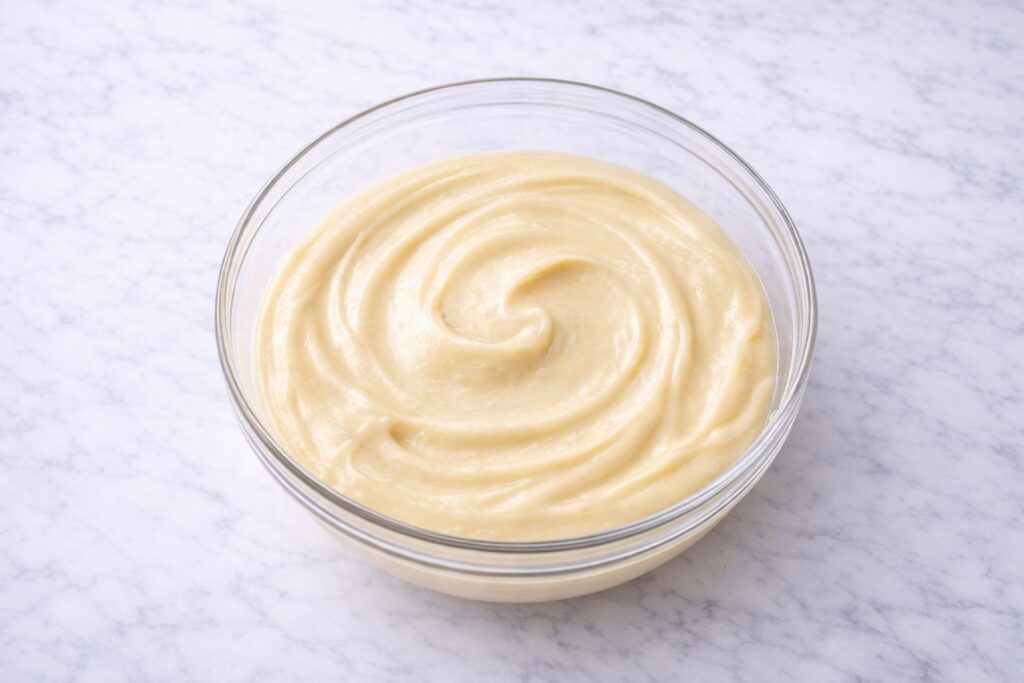
That is completely normal because the acid reacts with the dairy, and it will smooth out when you add the flour.
Reduce the mixer speed to low. Add the flour mixture and buttermilk in three alternating additions, starting and ending with the flour.
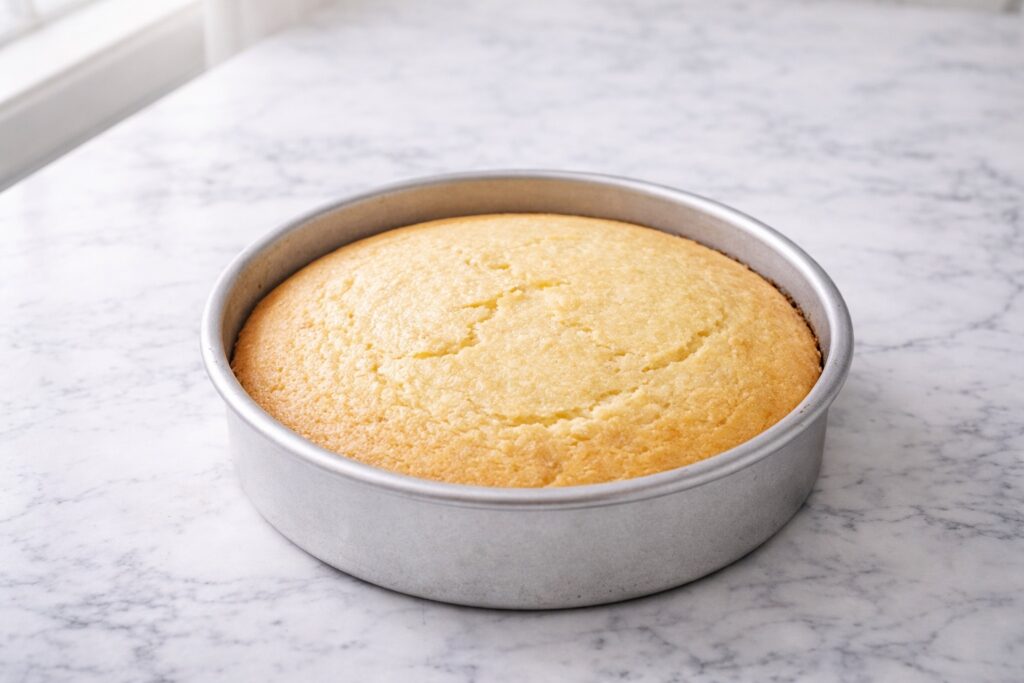
I add about a third of the dry ingredients, mix just until incorporated, then half the buttermilk, mix again, then another third of flour, the remaining buttermilk, and finally the last of the flour.
Mix only until the batter comes together and no streaks of flour remain. Overmixing at this stage will make the cake tough.
Divide the batter evenly between the two prepared pans. I use a kitchen scale for accuracy, but you can eyeball it too. Smooth the tops with a spatula and tap the pans gently on the counter to release any large air bubbles.
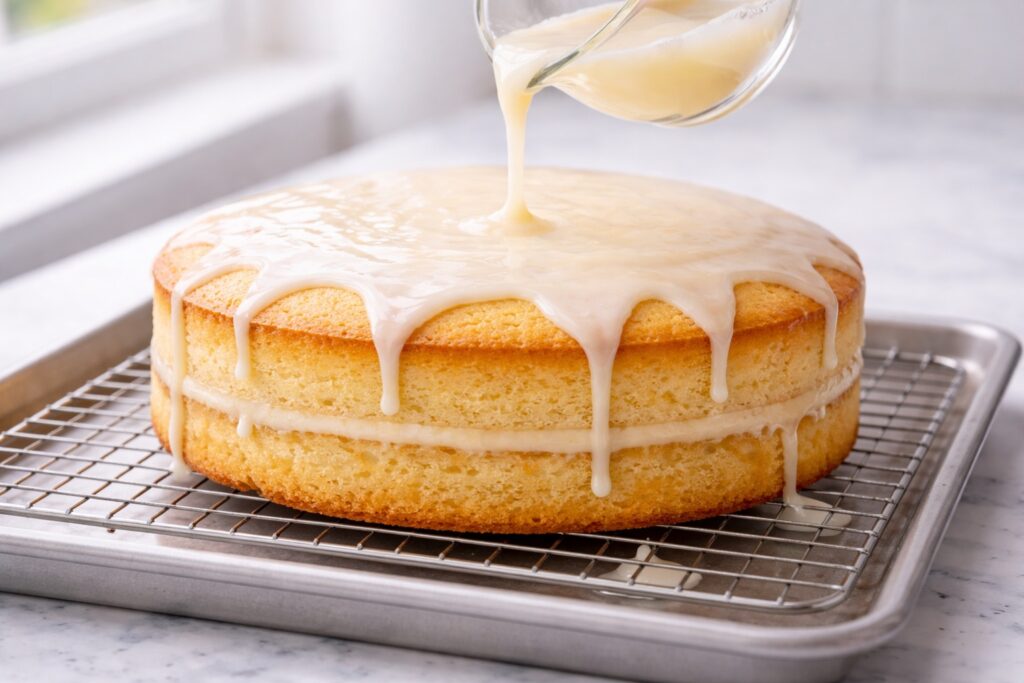
Bake for 30 to 35 minutes. The cakes are done when a toothpick inserted into the center comes out clean or with just a few moist crumbs, and the edges are lightly golden and pulling slightly away from the sides.
Cool the cakes in their pans on a wire rack for about 10 minutes. Then run a knife around the edges, invert them onto the rack, peel off the parchment, and let them cool completely.
Speed cooling can cause the layers to break, so give them time. Once cooled, you can assemble the cake. For a simple finish, place one layer on a plate, spread a little glaze or frosting on top, stack the second layer, and drizzle with lemon glaze or frost the whole cake. I have made this cake both ways and always get compliments.
Tips and Doneness Checks
Over the years, I have collected a few non negotiable habits that make lemon cake reliably wonderful. First, always use fresh lemons. The bright, aromatic oils in the zest and the clean sharpness of fresh juice make a noticeable difference.
Bottled juice can work in a pinch, but the flavor will be milder and less vibrant, and you will miss the real citrus sparkle.
Second, zest before juicing. It sounds obvious, but when you are in a hurry it is easy to squeeze first and then struggle to zest a limp lemon half. I zest directly into the mixing bowl with the sugar so those essential oils start releasing into the crystals immediately.
Room temperature ingredients are not a suggestion, they are a baking rule. Set your butter, eggs, and buttermilk on the counter at least an hour ahead.
If I forget, I warm the eggs in a bowl of lukewarm water for a few minutes and microwave the buttermilk in short bursts until it loses its chill. All three should feel cool but not cold when you start.
One of the most common mistakes I see is overmixing the batter once the flour is added. Trust me on this: as soon as the dry ingredients are incorporated, stop the mixer and finish any folding with a spatula. The crumb will thank you with tenderness.
Here is a quick doneness checklist I use every time I bake a lemon cake:
- The edges turn lightly golden and pull slightly away from the pan.
- The center springs back when gently pressed with a fingertip.
- A toothpick inserted near the center comes out clean or with a few moist crumbs.
- The kitchen fills with a warm, sweet citrus aroma.
- The top looks smooth and set, with no glossy wet spots.
If the toothpick shows wet batter, give it 2 more minutes and test again. Overbaking is the enemy of a moist lemon cake, so start checking a couple of minutes before the 30 minute mark and trust your senses.
Sometimes bakers wonder how lemon cake compares to other citrus cakes. Here is a handy comparison:
| Characteristic | Lemon Cake | Lemon Pound Cake | Sponge Cake |
|---|---|---|---|
| Texture | Soft and light | Dense and heavy | Airy and springy |
| Key Liquid | Buttermilk | Mostly butter | Low or no fat |
| Leavening | Baking powder/soda plus acid | Limited, from eggs | Beaten egg whites |
| Best Use | Layer cakes, brunch, celebrations | Sliced plain or with coffee | Rolled or filled desserts |
Lemon Cake Variations
Once you have the base recipe down, it is fun to play with flavors and formats. My family has a few favorites that I return to again and again.
Lemon Blueberry Cake: Toss 1 cup of fresh blueberries with a tablespoon of flour to keep them from sinking, then gently fold them into the batter at the very end. The berries burst in the oven, creating little pockets of jammy sweetness that pair wonderfully with the lemon. A simple glaze on top finishes it perfectly.
Strawberry Lemon Cake: Finely dice 1 cup of fresh strawberries, toss with 1 tablespoon of flour, and fold into the batter just before dividing it into the pans. The cake bakes up beautifully with pink flecks throughout. I love this version with cream cheese frosting for a spring birthday or Easter dessert.
Lemon Poppy Seed Cake: Stir 1 to 2 tablespoons of poppy seeds into the finished batter. The tiny seeds add a subtle crunch that is classic and comforting. If you enjoy this combo, you might also like my moist lemon poppy seed cake recipe that takes it even further.
Lemon Cream Cheese Cake: Simply frost the baked layers with a thick cream cheese frosting and top with extra lemon zest. The tangy frosting amplifies the citrus notes beautifully.
Lemon Loaf Cake: Divide the batter between two greased and lined loaf pans and bake until a toothpick comes out clean, adjusting the time by 5 to 10 minutes less than the round layers. The loaves are perfect for slicing and packing into lunchboxes or serving with afternoon coffee.
Make Ahead, Storage, and Serving Ideas
This lemon cake is a dream for planning ahead. You can bake the layers a day before you need them. Once completely cool, wrap each layer tightly in plastic wrap and keep them at room temperature. The next day, unwrap and assemble. The cake might even taste better after the flavors have had a little time to settle.
For storage, an unfrosted cake keeps well at room temperature for up to 2 days if covered. Once you add glaze or frosting, it is best stored in the refrigerator where it will stay fresh for up to 5 days.
I like to bring chilled slices to room temperature for about 20 minutes before serving so the crumb softens and the lemon flavor really sings. You can also freeze unfrosted layers for up to 2 months.
Wrap them in plastic and then foil, and they will be ready whenever you need a quick homemade dessert. Thaw overnight in the fridge before frosting.
Serving possibilities are endless. I often serve it plain with a dusting of powdered sugar and a handful of fresh berries on the side. It pairs beautifully with strong black coffee or a delicate Earl Grey tea.
For gatherings, a frosted layer cake with lemon buttercream looks stunning and feeds a crowd. In spring, I pile on strawberries and edible flowers; in summer, blueberries and mint. It has become my signature dessert for Easter brunch and baby showers.
Troubleshooting Common Lemon Cake Problems
Even experienced bakers hit snags. Here are quick fixes for the most frequent issues I hear about.
Why is my lemon cake dense? A dense crumb usually comes from too much flour, overmixing, or not creaming the butter and sugar long enough. Measure flour by spooning it into the cup and leveling it off. Mix only until the flour disappears. Cream the butter and sugar until truly light and fluffy, do not rush that step.
My cake sunk in the middle. This often happens when the oven door is opened too early, the batter was overmixed, or the cake was underbaked. Keep the oven closed for the first 25 minutes, and test with a toothpick before taking it out.
The cake tastes dry. This could be overbaking or using too much flour. Check your oven temperature with an oven thermometer, and always set a timer a little early to peek at the cake.
Can I use bottled lemon juice? You can, but the flavor will be noticeably milder. Fresh lemons are worth it for the bright citrus perfume. If you do use bottled, add a little extra zest to boost the aroma.
Frequently Asked Questions
How do you make lemon cake from scratch?
Why does lemon cake turn out dense?
How do you keep lemon cake moist and soft?
What frosting or topping goes best with lemon cake?
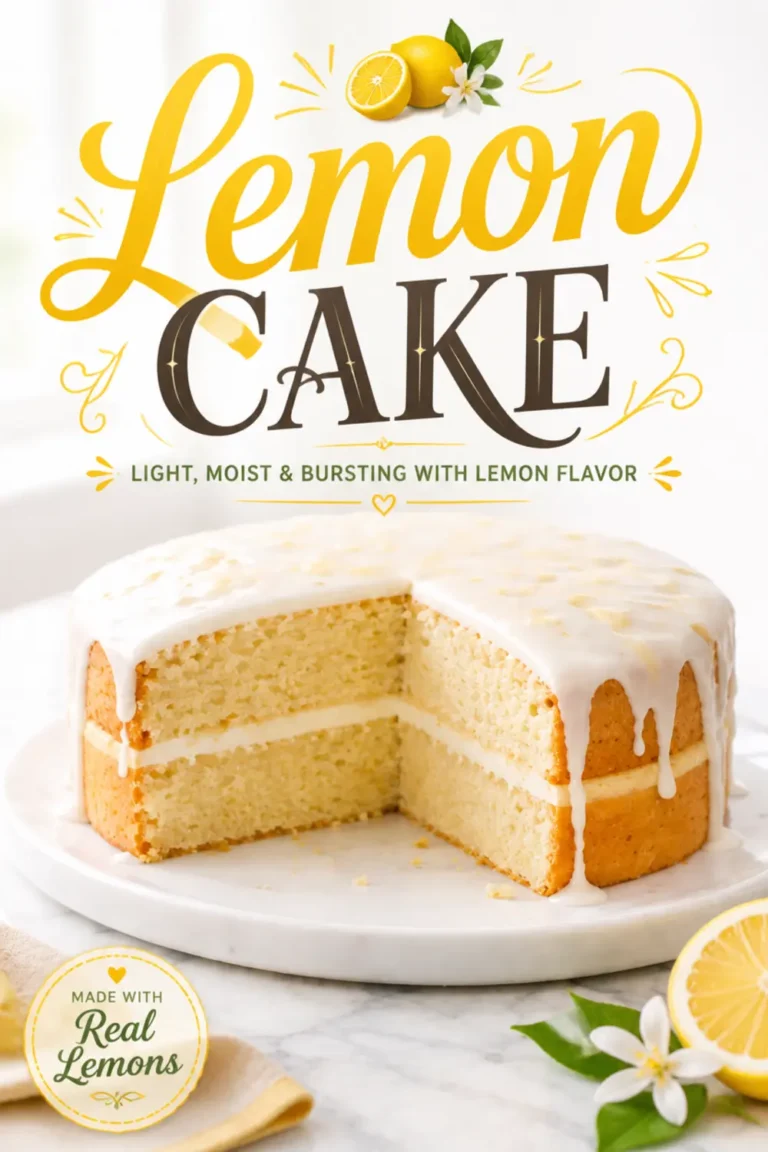
Lemon Cake Recipe
What Is Lemon Cake? Lemon cake is one of those desserts that feels both classic and fresh every time you make it.
- Total Time: 55 min
- Yield: 12 slices 1x
Ingredients
For the Cake
2½ cups all-purpose flour
2½ teaspoons baking powder
½ teaspoon baking soda
½ teaspoon salt
1 cup unsalted butter, softened
1¾ cups granulated sugar
4 large eggs, room temperature
1 tablespoon vanilla extract
2 tablespoons fresh lemon zest
¼ cup fresh lemon juice
1 cup buttermilk, room temperature
For the Lemon Glaze
1½ cups powdered sugar
2–3 tablespoons fresh lemon juice
1 teaspoon lemon zest
Instructions
Lemon Cake Instructions
1-Preheat the oven to 350°F (175°C): Preheat the oven to 350°F (175°C). Grease two 9-inch round cake pans and line the bottoms with parchment paper.
2-In a medium bowl, whisk together the: In a medium bowl, whisk together the flour, baking powder, baking soda, and salt until evenly combined.
3-In a large mixing bowl, cream the: In a large mixing bowl, cream the softened butter and sugar for 3-4 minutes until light, pale, and fluffy.
4-Add the eggs one at a time,: Add the eggs one at a time, mixing well after each addition to create a smooth, stable batter.
5-Mix in the vanilla extract and lemon: Mix in the vanilla extract and lemon zest until fully incorporated.
6-Add the fresh lemon juice: Add the fresh lemon juice. The mixture may look slightly curdled at this stage, which is normal.
7-Add the dry ingredients and buttermilk in: Add the dry ingredients and buttermilk in alternating additions, beginning and ending with the flour mixture. Mix on low speed just until combined. Do not overmix.
8-Divide the batter evenly between the prepared: Divide the batter evenly between the prepared cake pans and smooth the tops.
9-Bake for 30-35 minutes, or until a: Bake for 30-35 minutes, or until a toothpick inserted into the center comes out clean or with a few moist crumbs.
10-Place one cake layer on a serving: Place one cake layer on a serving plate or cake stand. For a simple finish, stack the second layer on top and drizzle with the optional lemon glaze. For a richer cake, spread lemon buttercream or cream cheese frosting between the layers before stacking, then frost the top and sides if desired.
11-(Optional Lemon Glaze) Whisk together the powdered: (Optional Lemon Glaze) Whisk together the powdered sugar, lemon juice, and lemon zest until smooth, then drizzle over the assembled cake. Let the glaze set before slicing and serving.
Last Step:
Please leave a rating and comment letting us know how you liked this recipe! This helps our business to thrive and continue providing free, high-quality recipes for you.- Prep Time: 20 min
- Cook Time: 35 min
- Method: creaming method
Nutrition
- Serving Size: 1 slice
- Calories: 410
- Sugar: 34g
- Sodium: 180mg
- Fat: 20g
- Saturated Fat: 12g
- Carbohydrates: 52g
- Fiber: 1g
- Protein: 5g
- Cholesterol: 95mg