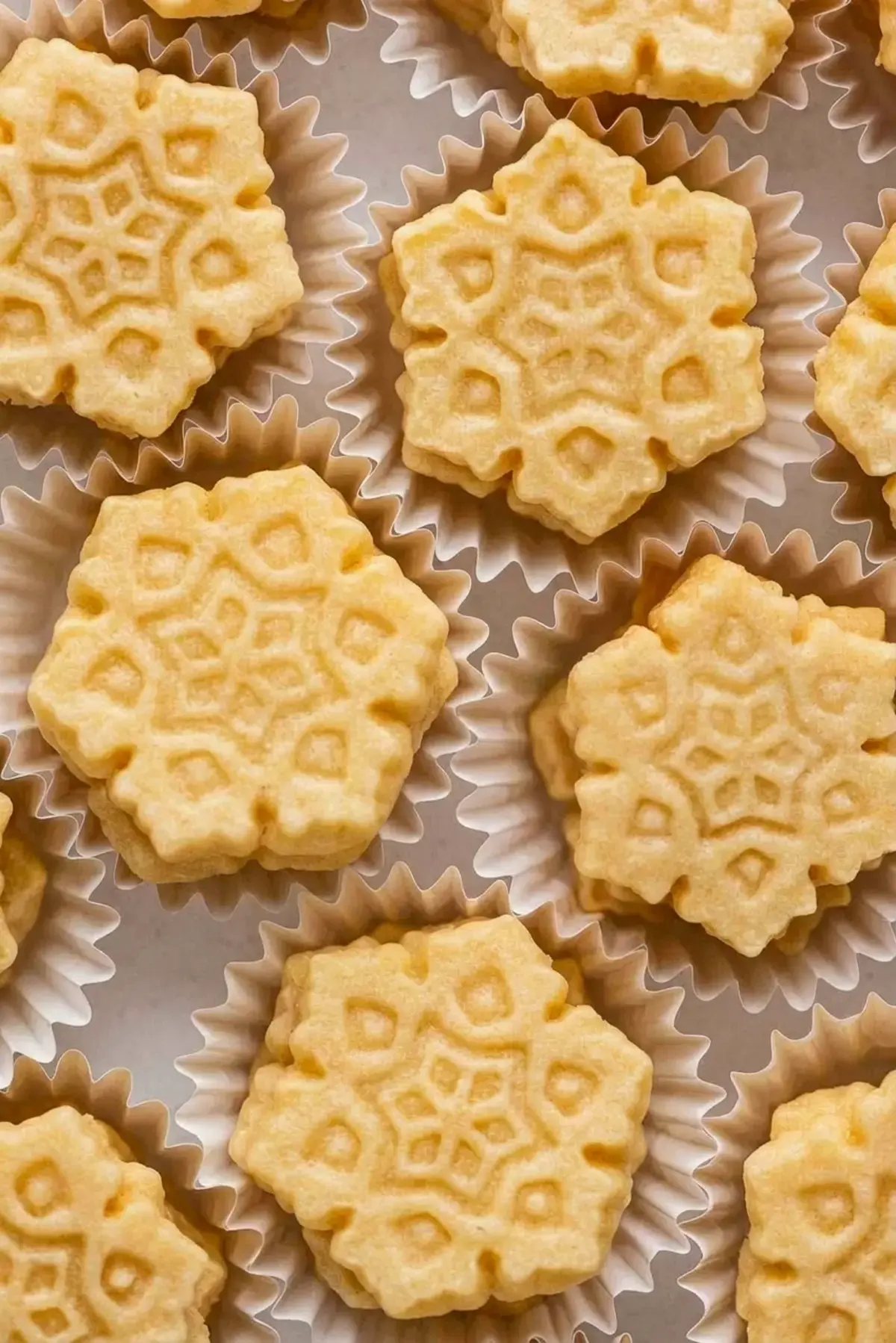
These old fashioned butter cookies rely on simple pantry staples, but the quality of your butter makes all the difference. For the best texture and flavor, I recommend using high fat unsalted butter with 82 85% butterfat. European style butter works wonderfully here. You will also need:
1 cup (2 sticks) unsalted butter, at room temperature
3/4 cup granulated sugar
1 large egg
1 teaspoon vanilla extract (or vanilla bean paste for a stronger flavor)
2 cups all purpose flour
1/2 teaspoon baking powder
1/4 teaspoon salt
That is it. The egg adds richness, the baking powder gives a gentle lift, and the vanilla rounds out the buttery taste. If you want to try variations, you can add lemon zest, almond extract, or a tablespoon of cocoa powder. I love keeping a batch of Basic Butter Cookies dough in the freezer for last minute treats.
These homemade butter cookies come together in one bowl and are shaped with cookie stamps or cutters. The key is to chill the dough twice once after mixing and again after cutting. This prevents spreading and keeps the stamped details sharp. Follow these steps:
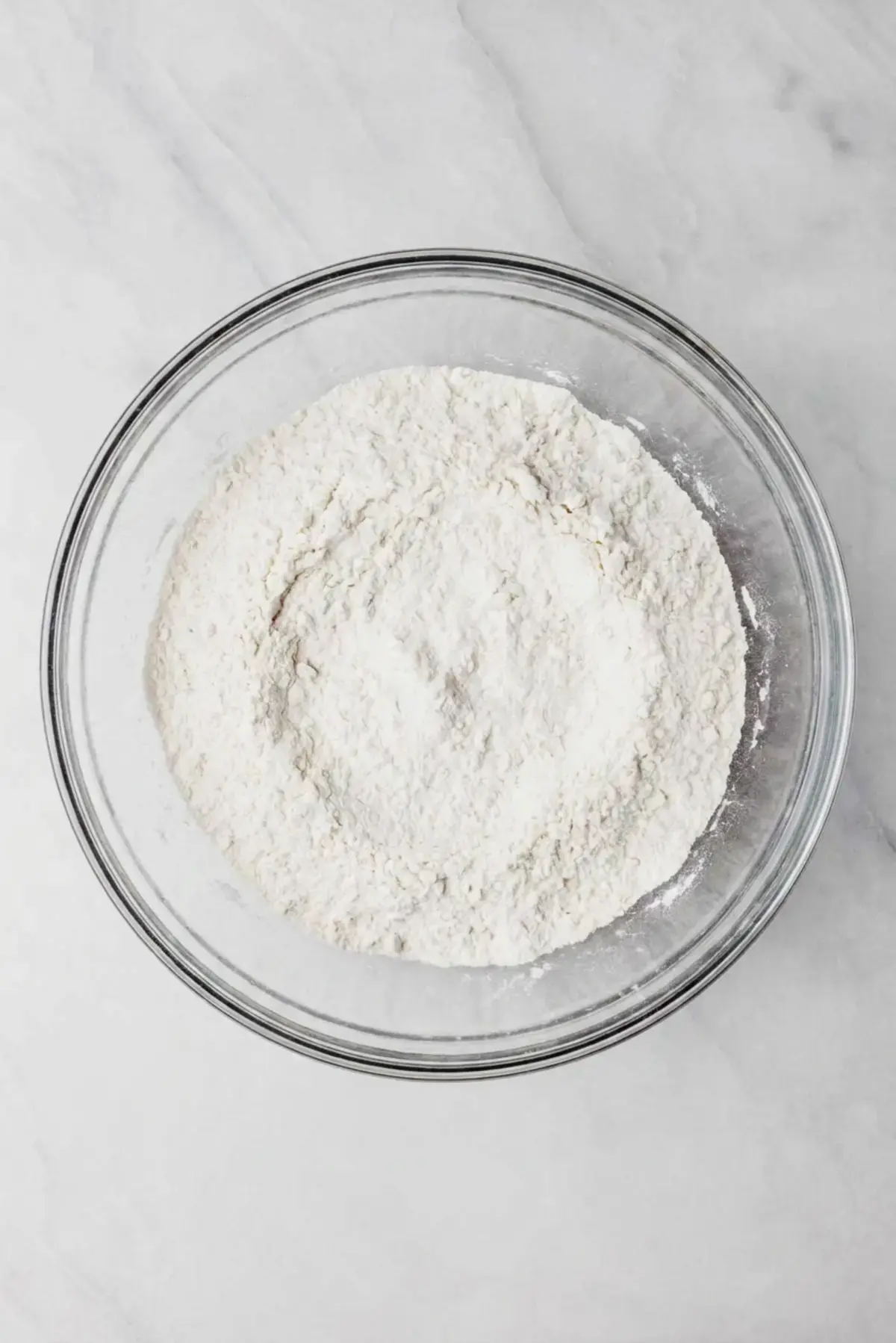
In a small bowl, whisk together the flour, baking powder, and salt. Set aside.
In a large bowl, beat the room temperature butter and sugar together with an electric mixer on medium speed for 3 5 minutes until light and fluffy. Proper creaming incorporates air for a tender cookie.
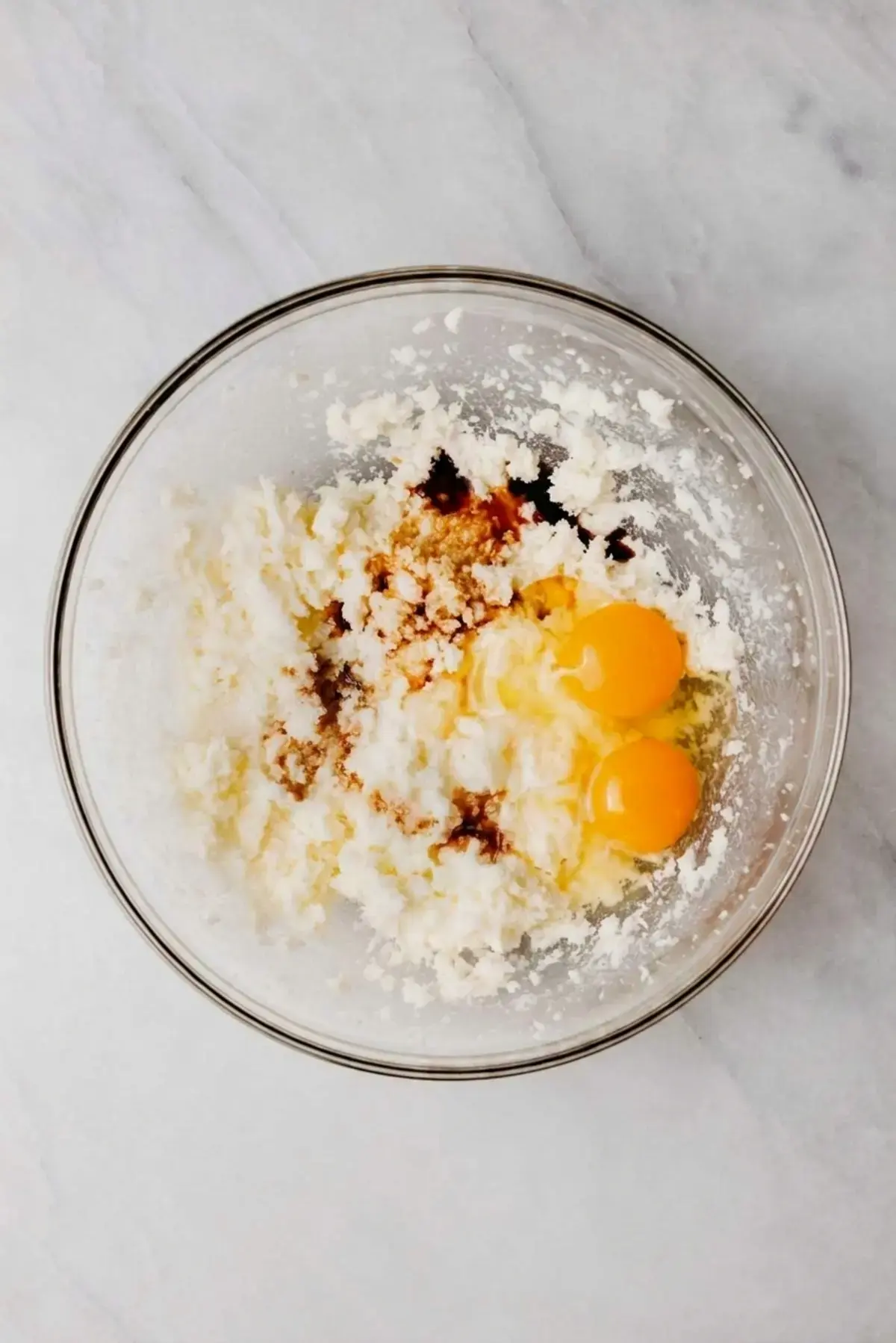
Beat in the egg and vanilla extract until combined.
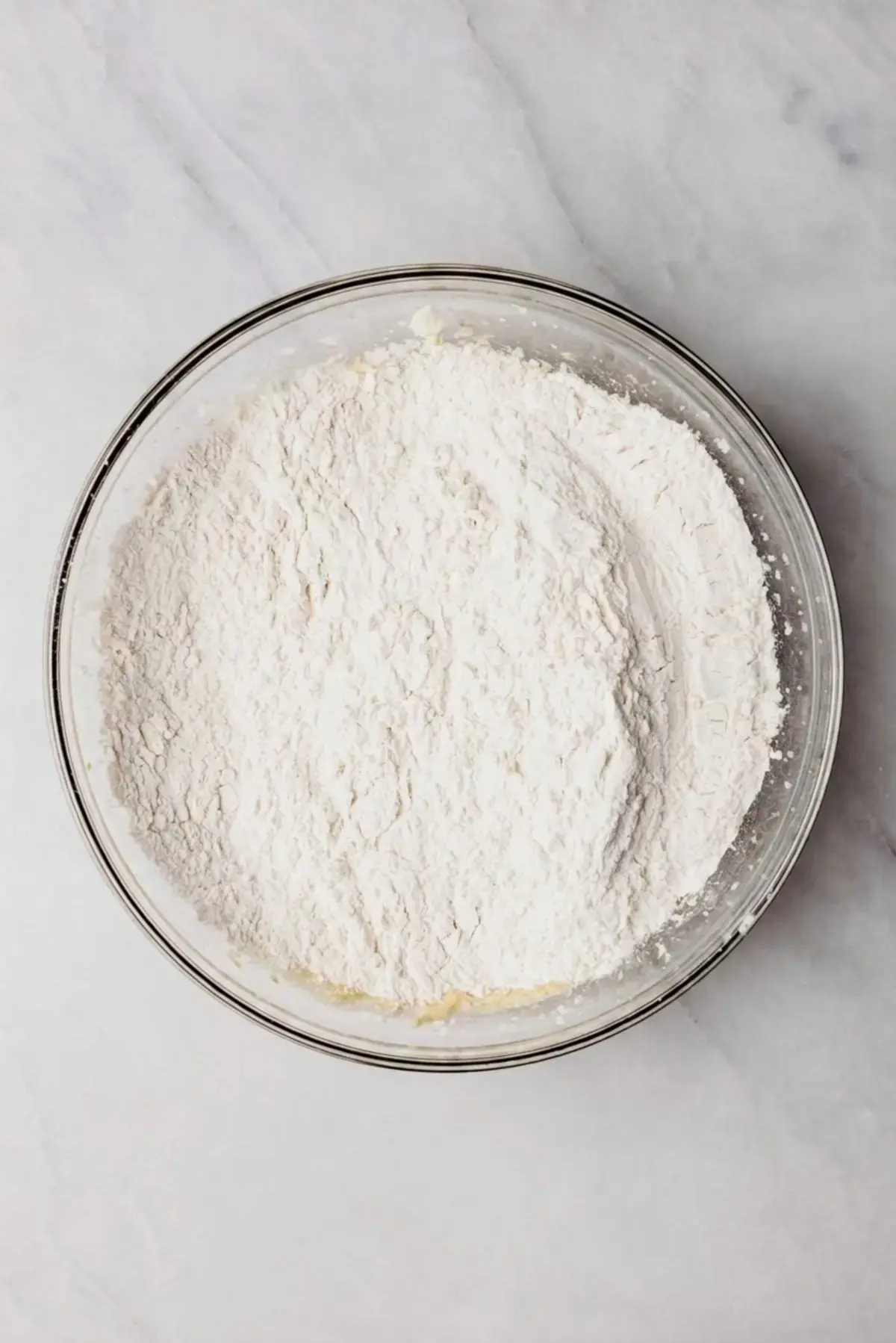
Gradually add the dry ingredients, mixing on low just until no streaks of flour remain. Overmixing can lead to tough cookies.
If the dough feels too sticky, chill it for 10 minutes. If it feels too dry, add a teaspoon of milk.
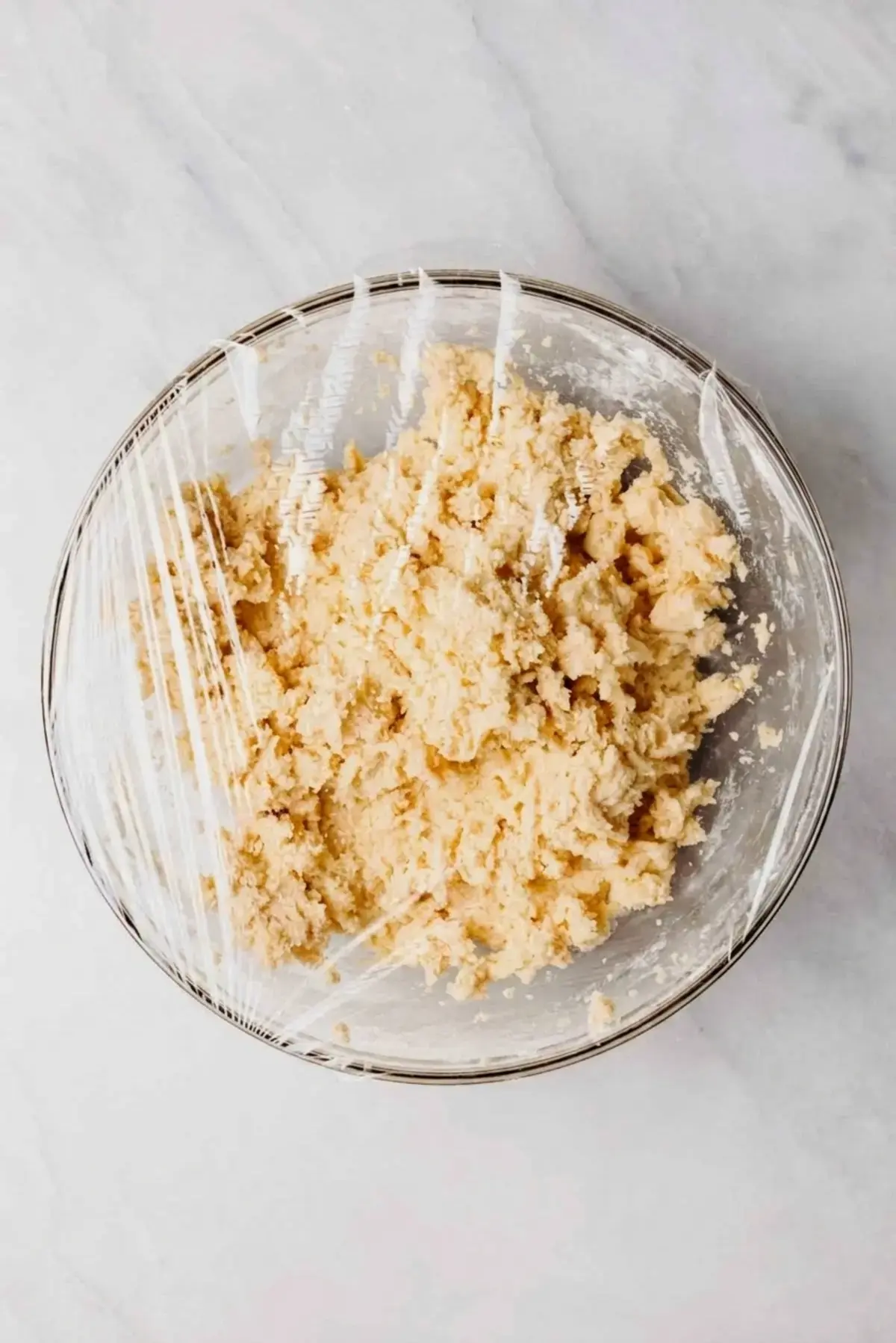
Wrap the dough in plastic and chill for at least 1 hour. This first chill solidifies the butter and makes the dough easy to handle.
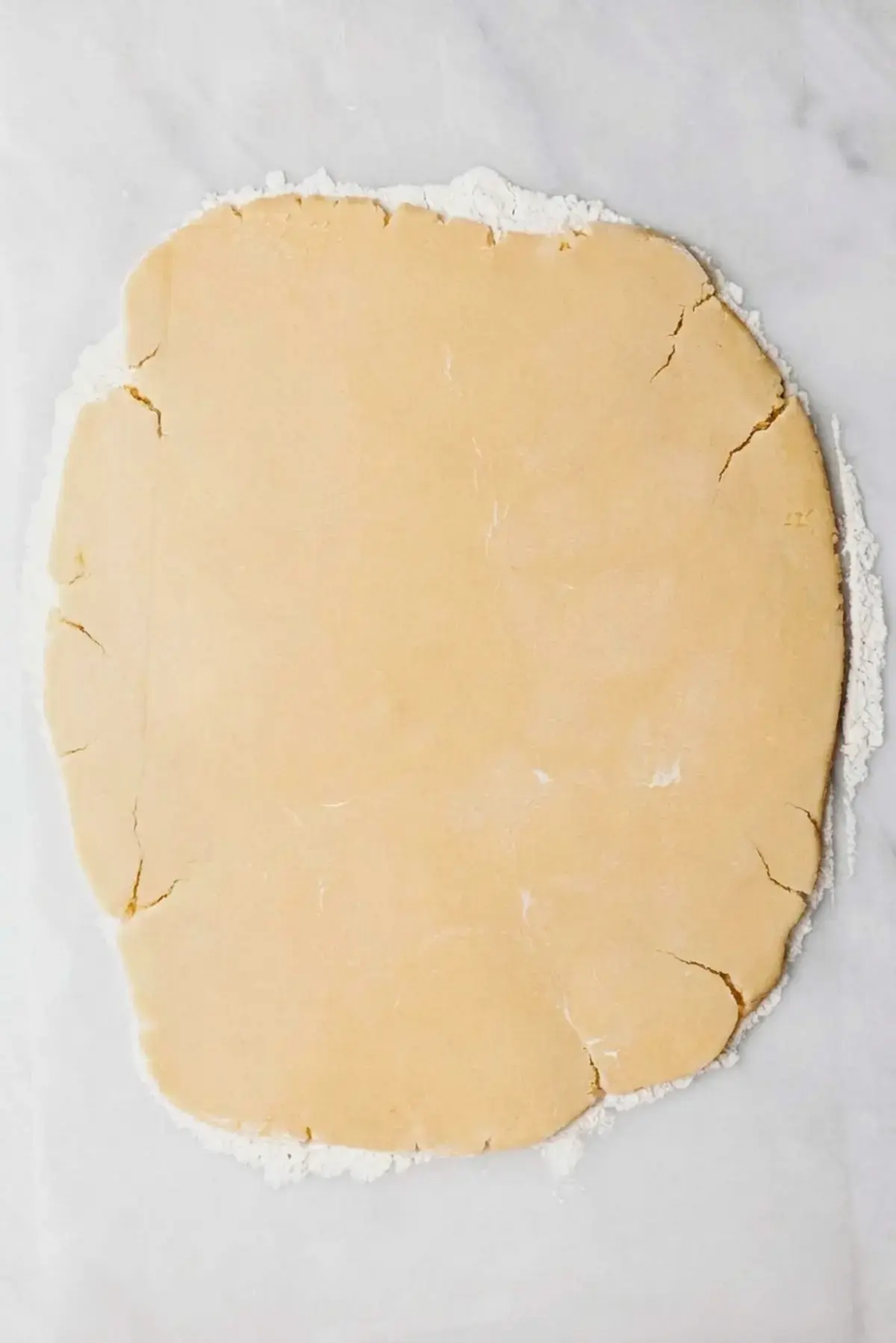
On a lightly floured surface, roll the dough to 1/2 to 5/8 inch thick for stamps or 1/4 inch for cutters. Use a cookie press or plunger stamp for uniform shapes.
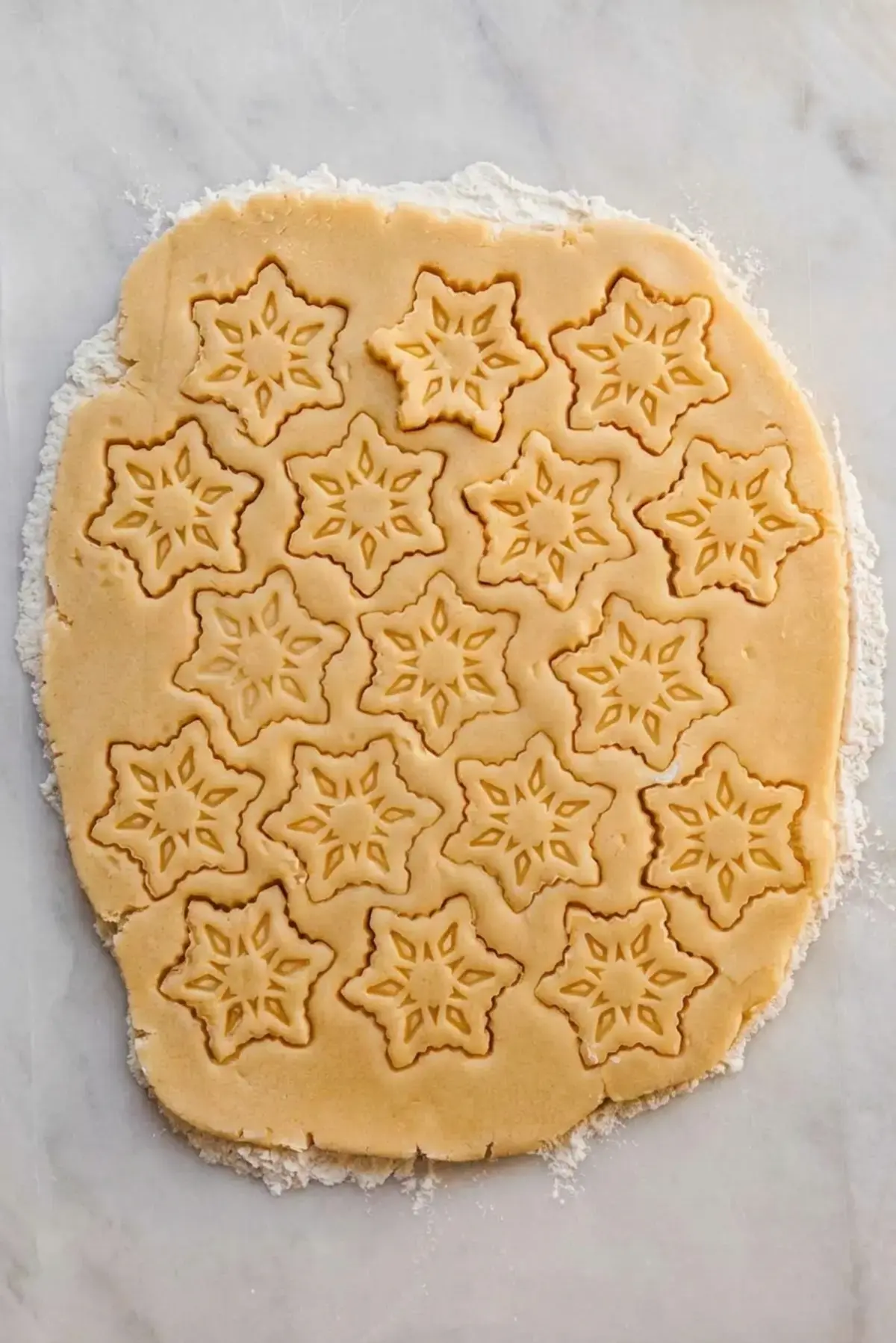
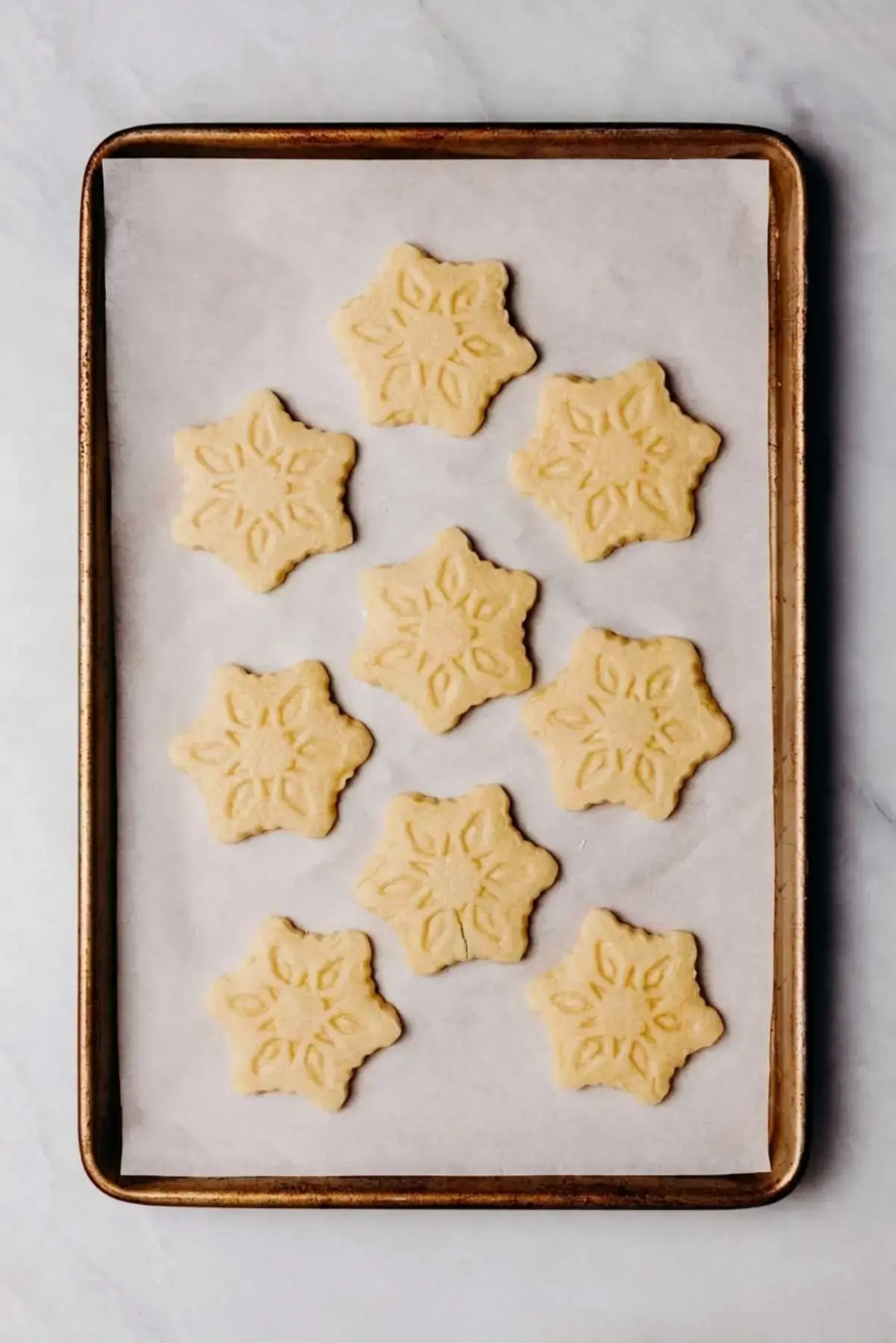
Cut out shapes and place them on parchment lined baking sheets. Chill the cut cookies for 15 20 minutes. This second chill preserves the edges and stamp details.
Preheat your oven to 325°F. Bake for 8 10 minutes, until the edges are light golden brown. The centers will still look soft.
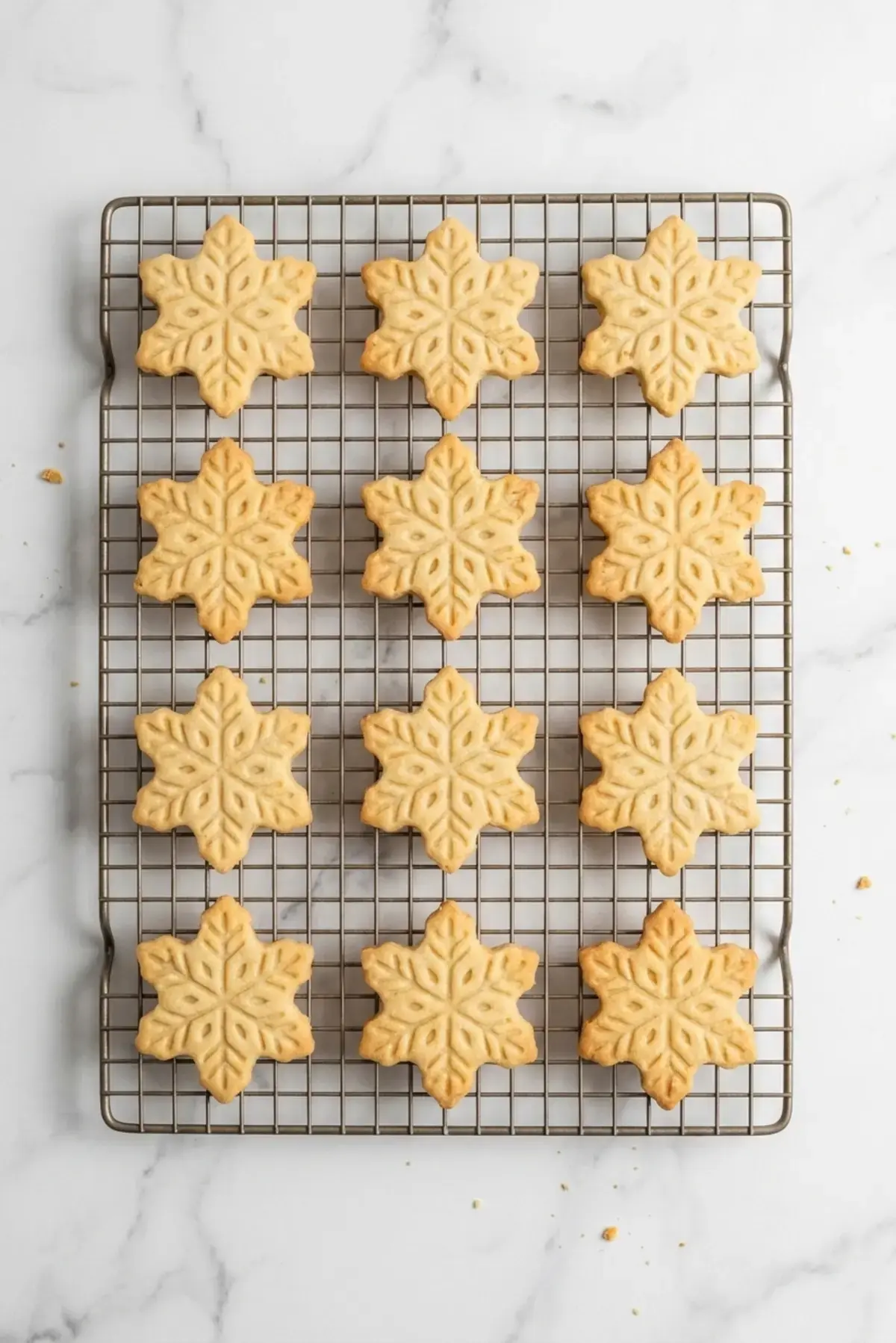
Let the cookies cool on the baking sheet for 5 minutes, then transfer to a wire rack to cool completely.
Baking at 325°F rather than 350°F gives you a softer cookie with a lightly crisp edge. If you prefer a firmer crunch, bake at 350°F for 10 12 minutes. Watch carefully to avoid overbaking, which dries out the cookies.
Chilling the dough twice is the secret to perfectly shaped butter cookies with clean stamped impressions.
For festive occasions, you can tint the dough with food coloring or dip baked cookies in melted chocolate and sprinkles. The dough also freezes beautifully after cutting.
5 Tips for Using Cookie Stamps
Cookie stamps create beautiful embossed designs, but the dough needs to cooperate. Here are five tips to get crisp, clear stamps every time:
Chill the dough thoroughly. A cold, firm dough holds the stamp impression without sticking. Chill for at least 1 hour before rolling.
Flour your work surface lightly. Too much flour makes the dough dry, but a light dusting prevents sticking. Use a gentle hand.
Roll dough thick enough. For plunger stamps, roll to 1/2 to 5/8 inch thick. Thinner dough will lose the design during baking.
Lightly flour the stamp. Dip the stamp in flour and tap off the excess. This stops the dough from sticking to the crevices.
Chill stamped cookies again. After stamping, place the cookies on the baking sheet and refrigerate for 15 20 minutes before baking. This sets the design and prevents spreading.
Shortbread style dough works best with plunger cookie stamps. If you do not have a stamp, a cookie press or a fork tine pattern also gives lovely results. For a classic spritz cookie, use a cookie press fitted with a rosette disc.
Recipe FAQs
Why should I chill butter cookie dough before baking?
Chilling the dough solidifies the butter, which helps cookies hold their shape and prevents excessive spreading. It also deepens the flavor and makes the dough easier to handle, especially when using a cookie press or stamp.
Can I freeze unbaked butter cookie dough?
Yes, butter cookie dough freezes well. Shape the dough into logs or discs, wrap tightly in plastic wrap and foil, and freeze for up to 3 months. Slice and bake directly from frozen, adding 1 2 minutes to the baking time.
How long do homemade butter cookies stay fresh?
Stored in an airtight container at room temperature, homemade butter cookies stay fresh for up to 1 week. For longer storage, keep them in the refrigerator for up to 2 weeks or freeze baked cookies for up to 3 months.
What type of butter works best for butter cookies?
Unsalted butter with a high fat content, such as European style butter, is ideal. It has less water and more butterfat, resulting in richer flavor, better texture, and less spreading during baking.
Why are my butter cookies spreading too much?
Spreading usually happens if the butter is too soft or melted, if the dough wasn't chilled long enough, or if the oven temperature is too low. Use cold butter, chill the dough thoroughly, and always preheat the oven to the correct temperature.
Can I make butter cookies without a cookie press?
Absolutely. Roll the dough into small balls and flatten with a fork or the bottom of a glass, roll and slice from a log, or use cookie stamps and cookie cutters. The dough is versatile for many shapes.
🧈 Rich, buttery cookies with crisp edges and soft centers, made from simple pantry staples.
❄️ The double-chill technique ensures perfectly shaped cookies with clean stamped impressions every time.
Total Time:1 hour 50 minutes
Yield:24 cookies 1x
Ingredients
Scale
1 cup (2 sticks) unsalted butter, at room temperature
3/4 cup granulated sugar
1 large egg
1 teaspoon vanilla extract (or vanilla bean paste for a stronger flavor)
2 cups all purpose flour
1/2 teaspoon baking powder
1/4 teaspoon salt
Instructions
1-Whisk dry ingredients: In a small bowl, whisk together flour, baking powder, and salt; set aside.
2-Cream butter and sugar: In a large bowl, beat room temperature butter and sugar with an electric mixer on medium speed for 3-5 minutes until light and fluffy.
3-Add egg and vanilla: Beat in the egg and vanilla extract until combined.
4-Add dry ingredients: Gradually add the dry ingredients, mixing on low just until no streaks of flour remain.
5-Adjust dough consistency: If dough is sticky, chill for 10 minutes; if too dry, add a teaspoon of milk.
6-First chill: Wrap dough in plastic and chill for at least 1 hour to solidify butter.
7-Roll out dough: On a lightly floured surface, roll to 1/2-5/8 inch thick for stamps or 1/4 inch for cutters; use a cookie press or plunger stamp for uniform shapes.
8-Cut and second chill: Cut out shapes onto parchment-lined baking sheets and chill cut cookies for 15-20 minutes to preserve edges and stamp details.
9-Bake: Preheat oven to 325°F and bake for 8-10 minutes until edges are light golden brown and centers still look soft.
10-Cool: Let cookies cool on the baking sheet for 5 minutes, then transfer to a wire rack to cool completely.
Last Step:
Please leave a rating and comment letting us know how you liked this recipe! This helps our business to thrive and continue providing free, high-quality recipes for you.
Notes
🧈 Use high-fat unsalted butter with 82-85% butterfat, such as European-style butter, for the richest flavor and best texture.
❄️ Chilling the dough twice — once after mixing and once after shaping — is essential for cookies that hold their shape and keep stamped details sharp.
🧊 The dough freezes beautifully for up to 3 months; slice and bake directly from frozen, adding 1 to 2 extra minutes to the baking time.