
Orange Jam with Warm Spices
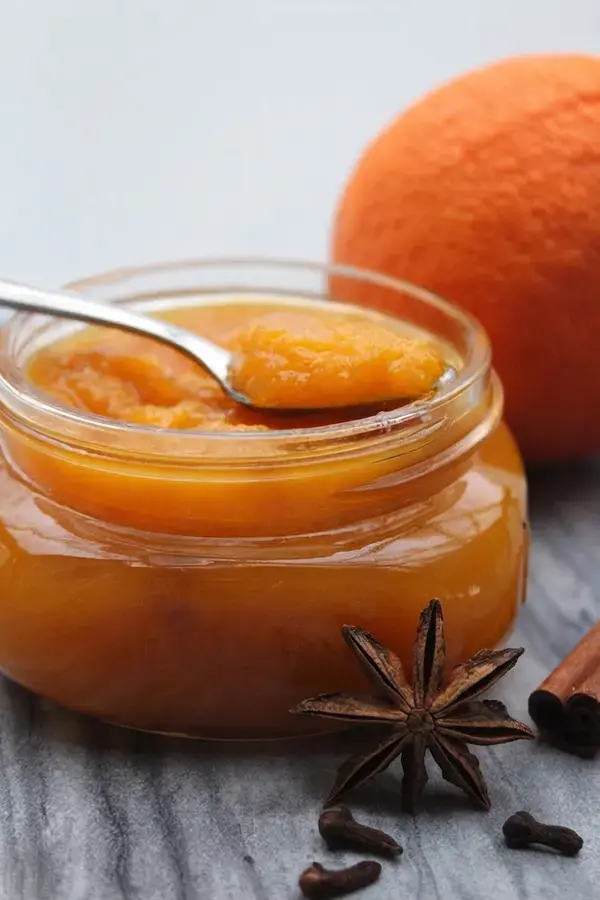
Orange jam captures bright, sunny citrus flavor without the bitterness that turns so many people away from marmalade. There is no boxed pectin in this recipe.
The set comes from the natural pectin in the fruit, and cinnamon, clove and star anise simmer along to add cozy winter warmth. The finished jam is soft and spoonable.
This small batch version keeps the method simple, and once you understand how fruit, sugar and acid work together, you can make jam from almost any fruit you bring home.

Jump to:
- Orange Jam with Warm Spices
- Notes from My Kitchen
- Ingredients for Orange Jam
- How to Make Orange Jam
- Preparing the Oranges
- Cooking the Jam
- Testing for Gel Stage
- Canning Orange Jam
- Altitude Adjustments
- Yield Notes
- Storage Options
- Recipe Tips and Variations
- Ways to Use Orange Jam
- Ways to Preserve Citrus
- Kumquat Jam
- Canning Oranges
- How to Make Preserved Lemons (Lemon Confit)
- Jam Recipes
- Raspberry Jam (without Added Pectin)
- Old Fashioned Strawberry Jam (Without Pectin)
- Tomato Jam
- FAQs
- Do you need pectin to make orange jam?
- How do you test for gel stage in orange jam?
- Can you water bath can orange jam?
- Why is my orange jam bitter?
- Orange Jam
- Ingredients
- Instructions
- Last Step:
- Nutrition
- Did you make this recipe?
Notes from My Kitchen
In her kitchen notes, the recipe’s author explains that her children never took to marmalade. Bitter peel is hard on young palates, even for kids who love citrus in every other form.

So a few winters ago she built a smooth, peel free orange preserve with all of the brightness and none of the bitter rind, then tucked cinnamon, clove and star anise into the pot for gentle warmth.
It has been a winter breakfast staple ever since. It disappears fastest on toast. One memorable jar went between layers of vanilla cake under cream cheese frosting, and the result tasted almost exactly like an orange creamsicle. She now sets aside a couple of jars each winter in case she bakes again.
Ingredients for Orange Jam
Only three ingredients are essential here, and the balance between two of them is what makes the jam set. Get that ratio right and the rest of the process is forgiving.
| Ingredient | Amount | What it does |
|---|---|---|
| Orange puree | 5 cups | Sweet base and the natural pectin that sets the jam |
| Lemon juice | 1/2 cup | Balances sweetness and helps the gel form |
| Granulated sugar | 3 cups | Structure for the set, not only sweetness |
| Spice bag, optional | 1 cinnamon stick, 3 to 4 whole cloves, 1 to 2 star anise pods | Warm spice that gets lifted out before jarring |
The ratio is 3 parts sugar to 4 parts prepared fruit by volume, and it should not be reduced. The sugar is doing structural work.
It helps the pectin network form the gel, so cutting it back without changing anything else usually leaves you with syrup instead of jam. If you truly want a lower sugar preserve, use a low sugar pectin such as Pomona’s and follow that package’s instructions.
Lemon juice is not optional either. It works out to about 1 tablespoon per cup of prepared fruit. It balances the sweetness, keeps the jam from tasting cloying, and helps the set along. Fresh juice gives the brightest flavor, though bottled lemon juice is fine in a pinch.
Choose sweet oranges and weigh them whole. Seedless fruit is the easiest to work with. Navel oranges are the standard, easy to peel and reliably sweet.
Cara Caras are a little milder. Blood oranges give a deeper color and a more complex flavor. If your oranges do have seeds, remove them before pureeing so you do not end up with hard flecks in the jar.
Cinnamon, clove and star anise go into a spice bag so you can lift them out before the jam goes into jars. Go easy on the cloves. They are powerful, and a heavy hand turns a bright preserve into something that tastes like medicine.
No boxed pectin is needed here because citrus is naturally high in pectin, the same source used in some commercial pectins. Fruit pectin, the right sugar ratio and the lemon juice together give you a reliable set.
How to Make Orange Jam
The method comes in two stages. First you peel and puree the oranges, then you cook that puree with lemon juice and sugar until it reaches gel stage. This recipe is adapted from the original orange jam recipe at Practical Self Reliance.
Preparing the Oranges
Start by stripping away the zest and as much of the white pith as you can. Pith is where the bitterness lives, and this is the step that separates this jam from marmalade.
Go back over each orange with a paring knife to clean off the last white bits. If the fruit is hard to peel by hand, cut the peel away with a sharp knife instead.
Save the peels if you want to make candied orange peel later.
Then puree the peeled oranges until smooth. An immersion blender right in the pot works well, or use a countertop blender in batches. Blending breaks down the membranes, so you do not have to segment the fruit or pull membranes out by hand. That is what keeps the finished jam smooth instead of stringy.
Cooking the Jam
Measure the puree before you add sugar. You are aiming for 4 cups. If you have more or less, adjust the sugar to keep 3 parts sugar to 4 parts puree. For a 4 cup batch, that means 3 cups of sugar and 1/2 cup of lemon juice.
Put the puree, lemon juice and sugar into a wide, heavy bottomed pot and drop in the spice bag. A wide pot gives more surface area, which means faster evaporation and a quicker set. Bring everything to a boil over medium high heat, stirring often. Thick puree likes to scorch on the bottom, so keep the spoon moving.
Cook until the jam reaches 220 degrees F on an instant read thermometer. Puree holds more water than trimmed segments, so this can take a little longer than a chunky jam. Trust the thermometer over the clock. When it hits temperature, pull out and discard the spice bag and ladle the hot jam into prepared jars.
Testing for Gel Stage
A thermometer is the most reliable test here, because this jam sets by reaching temperature rather than by time. Gel stage is 220 degrees F at sea level. That number drops about 1 degree for every 500 feet of elevation, so at 1,000 feet you are looking for 218 degrees F.
If you want a backup check, chill a small plate in the freezer before you start. Drop a little jam on the cold plate, wait a few seconds, and push it with your finger. If the surface wrinkles, it is ready.
The set also depends on holding that 3 to 4 ratio. Extra puree without matching sugar can leave you with a runny jar.
This is a soft set jam. It firms as it cools and keeps thickening in the jar overnight, so do not chase a firm set on the stove.
Canning Orange Jam
Canning is optional. You can keep this as a refrigerator jam for a few weeks or freeze it for up to 6 months. Canning just gives you shelf stable jars.
Oranges are naturally high acid, so this jam is safe for water bath canning with no added acid beyond the lemon juice already in the pot. Have your canner ready before the jam finishes.
Ladle the hot jam into clean, hot half pint jars, leaving 1/4 inch headspace. Wipe the rims, apply two part lids, and tighten them fingertip tight. Process for 10 minutes.
When the time is up, turn off the heat and let the jars sit in the canner for 5 more minutes. Then lift them out and let them cool undisturbed for 12 to 24 hours.
Check every seal before you store, and refrigerate any jar that did not seal.
Altitude Adjustments
Processing time changes with elevation. At 0 to 6,000 feet, process the jars for 10 minutes. Above 6,000 feet, process for 15 minutes.
Yield Notes
This is a small batch built around the volume of prepared fruit. About 2 1/2 pounds of whole oranges, weighed before peeling, gives you roughly 4 cups of puree.
Keep the balance at 3 cups of sugar to 4 cups of puree, plus 1/2 cup of lemon juice, and adjust the sugar if your puree comes in over or under 4 cups. Expect about 3 to 4 half pint jars.
Juicier oranges and a longer cook can shift that number a little.
Storage Options
In the refrigerator, the jam keeps 3 to 4 weeks in a covered jar. Frozen, it holds for up to 6 months. Properly canned and sealed jars keep 12 to 18 months at room temperature. Once you open a jar, refrigerate it and use it within 3 to 4 weeks.
Recipe Tips and Variations
Want plain orange jam? Leave the spice bag out and let the citrus speak for itself.
Navel, Cara Cara, tangerine and clementine oranges all work well. Blood oranges are juicier, take a bit longer to cook down, and give you a deeper color. Skip thin skinned juice oranges. They are seedier and less flavorful.
Do not skip the lemon and do not cut the sugar. Both are part of the set, and leaving either out often means a runny jar. For a genuinely lower sugar jam, use a low sugar pectin such as Pomona’s. If you enjoy comparing approaches, there are other takes on cinnamon clove orange preserves worth reading.
Save those peels. They can become candied orange peel, or you can use them to make orange peel vinegar.
Ways to Use Orange Jam
Toast is the classic, especially crusty sourdough with plenty of salted butter. Biscuits and English muffins are close behind. Swirl a spoonful into yogurt or oatmeal, or spoon it over a warm wheel of brie on a winter cheese board.
The soft set makes this an easy cake filling. It spreads between layers without turning stiff or gummy, which is exactly why it worked so well under cream cheese frosting. If you like baking with citrus, an Orange Juice Cake is a natural companion.
For a savory turn, thin a spoonful with a splash of white wine or water and brush it over roasting chicken or pork in the last few minutes. The sugar caramelizes and the citrus cuts through the richness.
Ways to Preserve Citrus
Orange jam is one way to put citrus by for the year, but it is not the only one.
If you have a box of fruit and a free afternoon, these projects are worth your time.
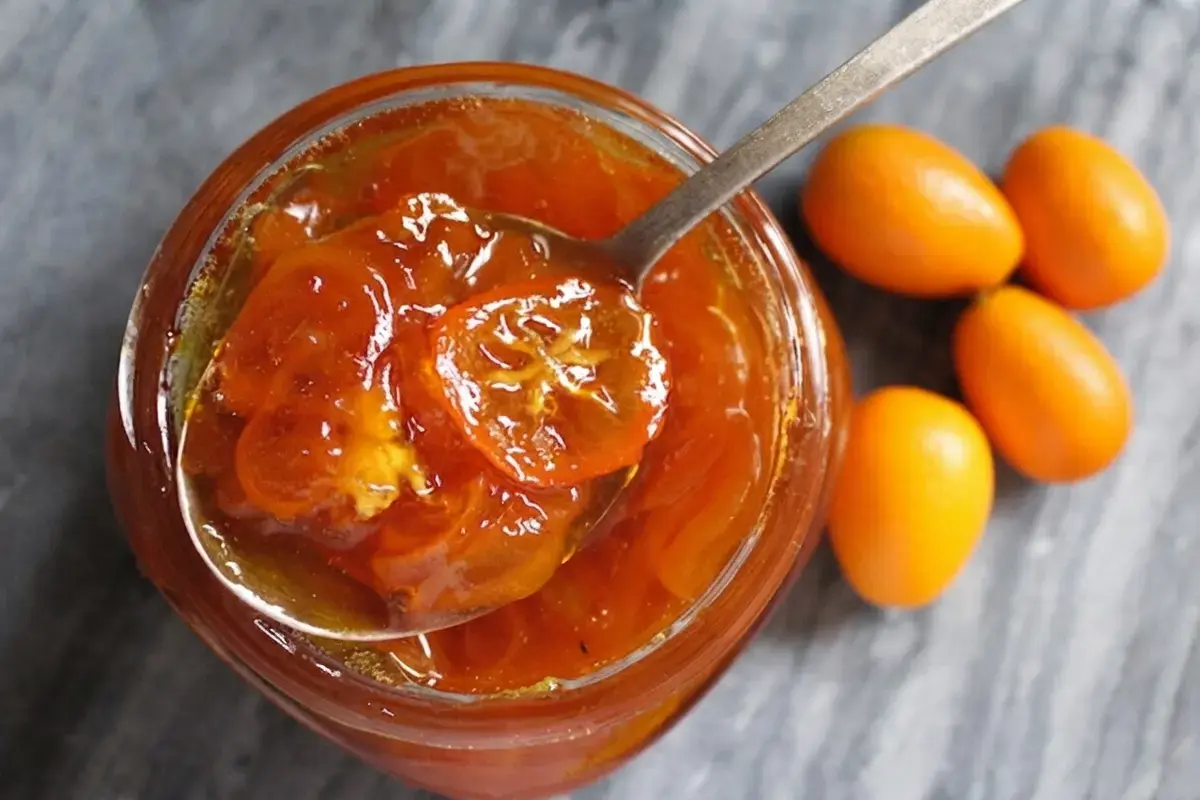
Kumquat Jam
Kumquats are eaten whole, peel and all, which makes them a natural fit for a small batch jam. Unlike this orange jam, there is no pith to chase down.
They are tart and bright, and a spoonful is lovely on a cheese board or stirred into a glaze for roast pork. It is a good next project once you are comfortable with citrus preserves.
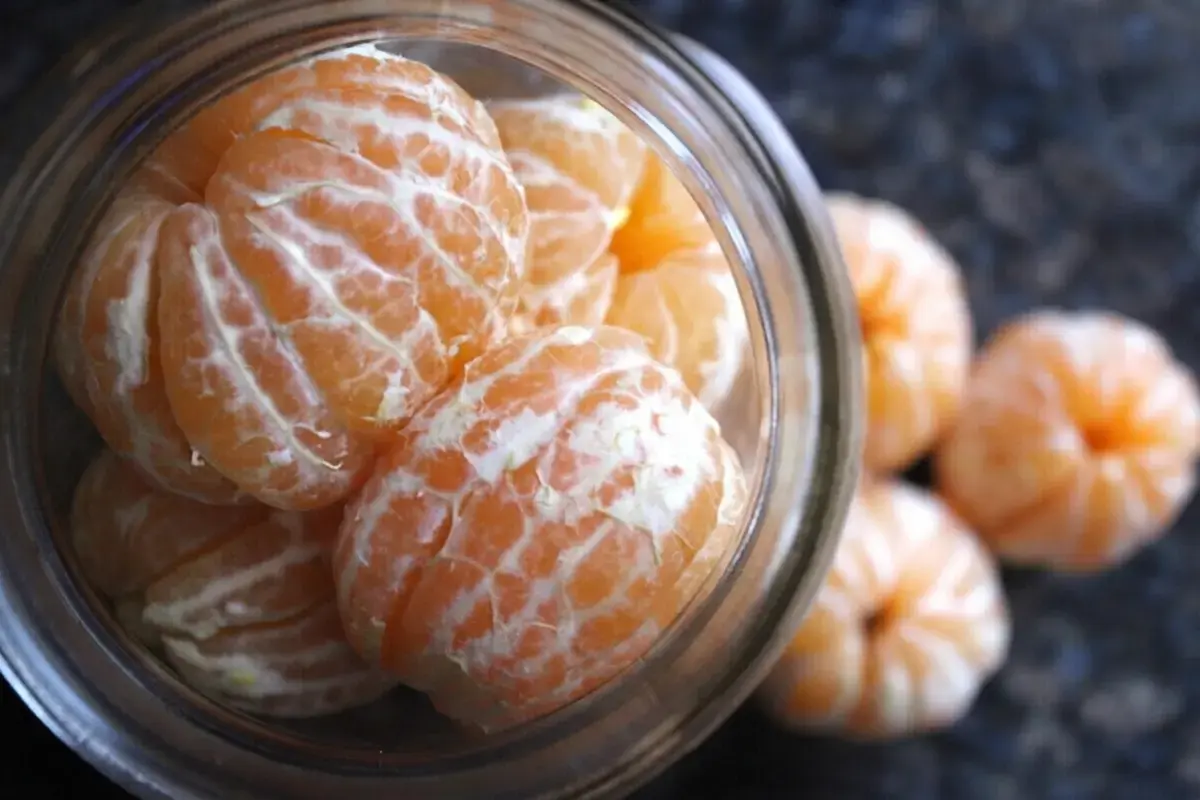
Canning Oranges
Canning oranges gives you jars of ready to eat citrus for the pantry, and the fruit is high acid enough to be safe in a water bath canner. Segments packed in light syrup hold their shape and are handy for salads, cakes and morning bowls.
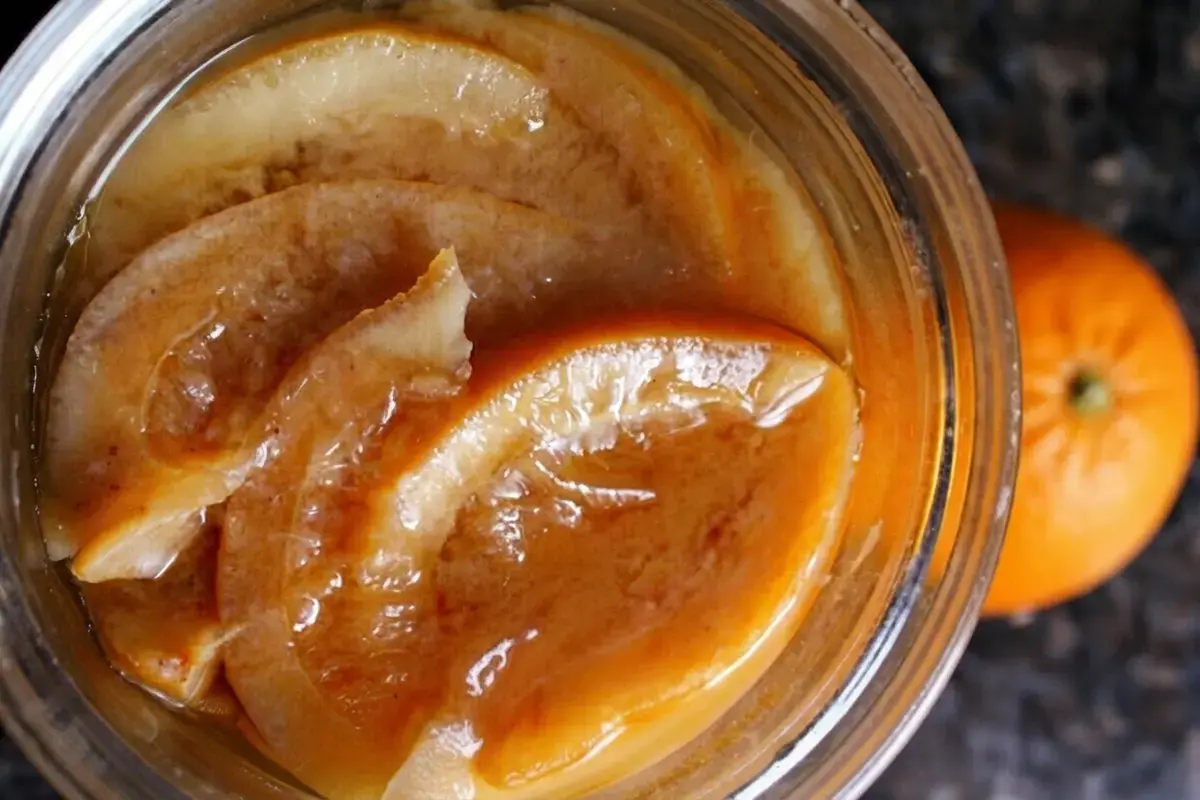
It takes more hands on time than jam because you are segmenting rather than pureeing, but the payoff is fruit you can spoon out any time of year.
How to Make Preserved Lemons (Lemon Confit)
Preserved lemons are the slowest and least fussy of the bunch. Lemons are packed with salt and left to soften for weeks until the rind turns silky and mellow. The result is a savory pantry staple that wakes up tagines, grain bowls, dressings and roasted vegetables. No canner, no thermometer, just salt, lemons, time and a clean jar.
Jam Recipes
If you enjoy this method, the same approach carries over to other fruit. A few favorites are worth trying next.
Raspberry Jam (without Added Pectin)
Raspberries bring their own pectin and plenty of seeds, so the texture depends on whether you press the pulp through a sieve or leave it in. Cooked without added pectin, the jam sets soft and tastes intensely of the fruit. It is a good match for the same thermometer method you used here. Try this Raspberry Jam Without Pectin next.
Old Fashioned Strawberry Jam (Without Pectin)
Strawberries are lower in pectin than citrus or raspberries, so an old fashioned jam without added pectin leans on a long cook and a generous amount of sugar to reach gel stage. The reward is a deep, cooked strawberry flavor that tastes like summer in a jar. Keep the thermometer handy and do not rush the boil.
Tomato Jam
Looking for tomato jam? Use the search box on the site to find the recipe you are after.
FAQs
Do you need pectin to make orange jam?
How do you test for gel stage in orange jam?
Can you water bath can orange jam?
Why is my orange jam bitter?
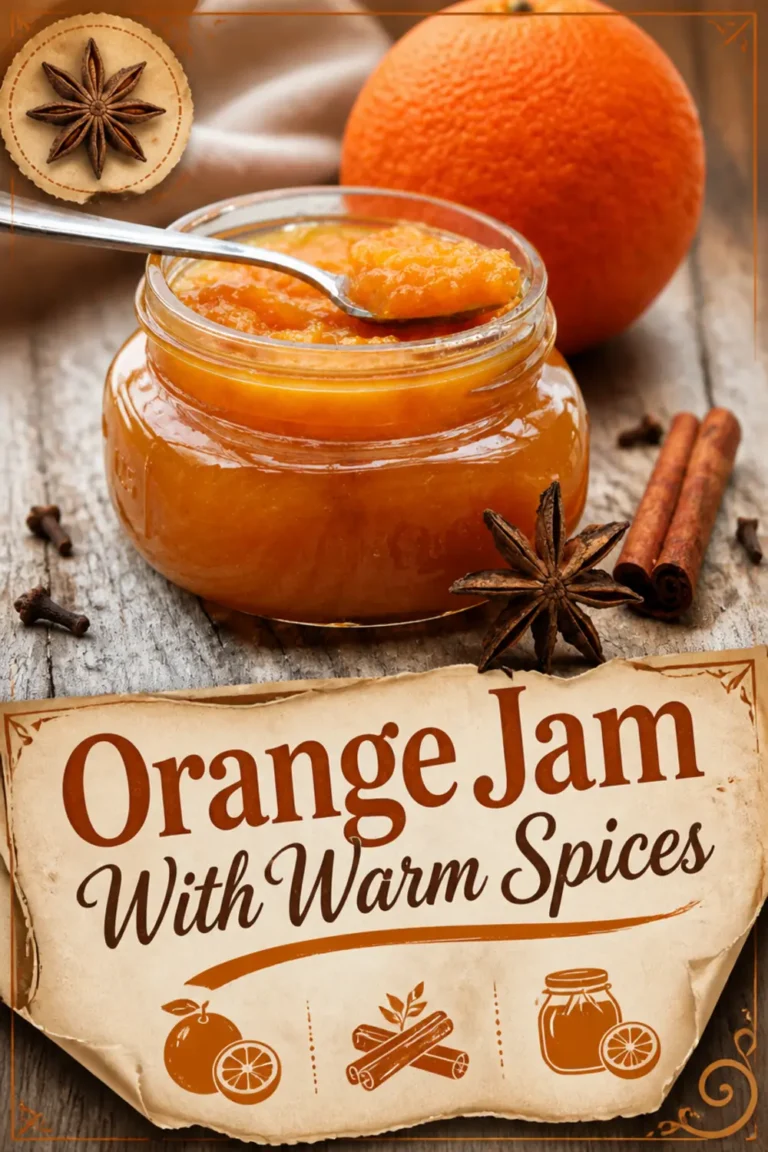
Orange Jam
Orange Jam with Warm Spices Orange jam captures bright, sunny citrus flavor without the bitterness that turns so many people away from marmalade. There is no boxed pectin in this recipe.
- Total Time: 50 min
- Yield: 3 to 4 half-pint jars 1x
Ingredients
Ingredients
5 cups orange puree
1/2 cup lemon juice
3 cups granulated sugar
1 whole cinnamon stick, tied into a spice bag
3 to 4 whole cloves, tied into a spice bag
1 to 2 whole star anise pods, tied into a spice bag
Instructions
Instructions
1-Peel the oranges, removing the zest and: Peel the oranges, removing the zest and as much of the white pith as possible. Go back over each one with a paring knife to remove every last bit of pith, since leftover pith makes the jam bitter. Save the peels for candied orange peel if you like.
2-Puree the peeled oranges until smooth, using: Puree the peeled oranges until smooth, using an immersion blender right in the pot or a countertop blender in batches.
3-Measure the puree: Measure the puree. You are aiming for 4 cups. If you have more or less, adjust the sugar to keep a ratio of 3 parts sugar to 4 parts puree by volume.
4-Tie the cinnamon stick, cloves, and star: Tie the cinnamon stick, cloves, and star anise into a spice bag. Combine the puree, lemon juice, and sugar in a wide, heavy-bottomed pot and add the spice bag. Bring to a boil over medium-high heat, stirring frequently so the puree does not scorch.
5-Cook until the jam reaches gel stage: Cook until the jam reaches gel stage at 220 degrees F on an instant-read thermometer. Because puree holds more water than trimmed segments, this can take a little longer, so trust the thermometer over the clock. Remove and discard the spice bag.
6-Ladle the hot jam into clean, hot: Ladle the hot jam into clean, hot half-pint jars, leaving 1/4 inch headspace. Wipe the rims, apply lids and bands, and tighten to fingertip tight.
7-For immediate use, store in the refrigerator: For immediate use, store in the refrigerator for a few weeks or the freezer for up to 6 months. To can, process in a boiling water bath for 10 minutes, adjusting for altitude. Let the jars rest 5 minutes in the canner, then cool undisturbed for 12 to 24 hours and check the seals before storing.
Last Step:
Please leave a rating and comment letting us know how you liked this recipe! This helps our business to thrive and continue providing free, high-quality recipes for you.- Prep Time: 25 min
- Cook Time: 15 min
- Method: mixed
Nutrition
- Serving Size: 1Tbsp
- Calories: 43
- Sugar: 11
- Sodium: 0.2
- Fat: 0.1
- Saturated Fat: 0.005
- Carbohydrates: 11
- Fiber: 0.4
- Protein: 0.1