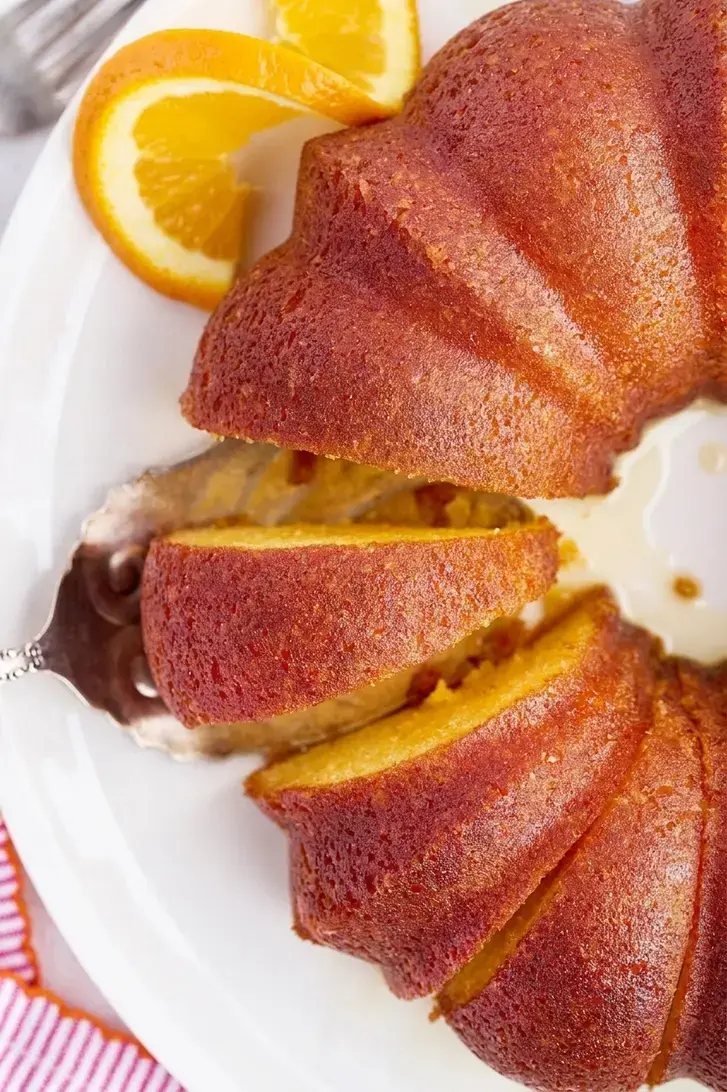
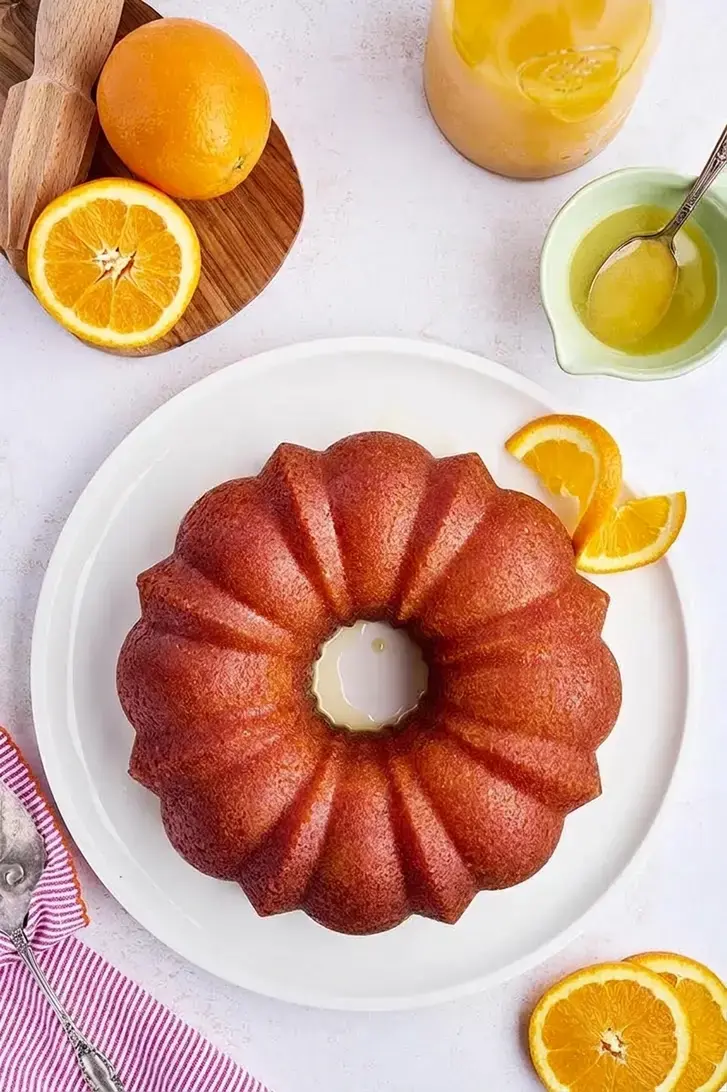
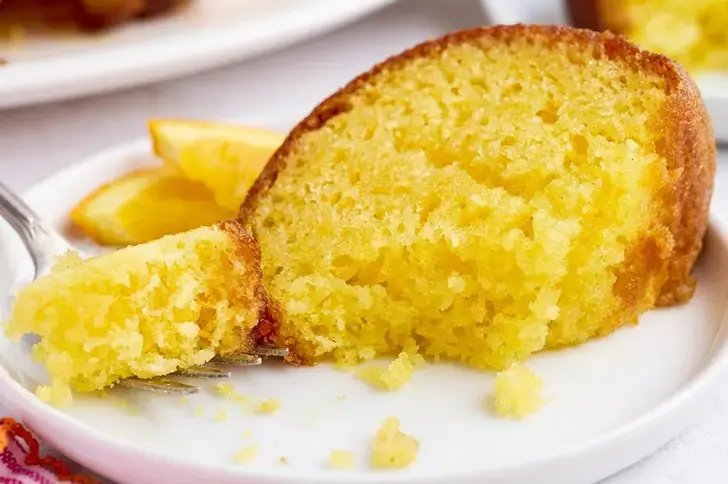
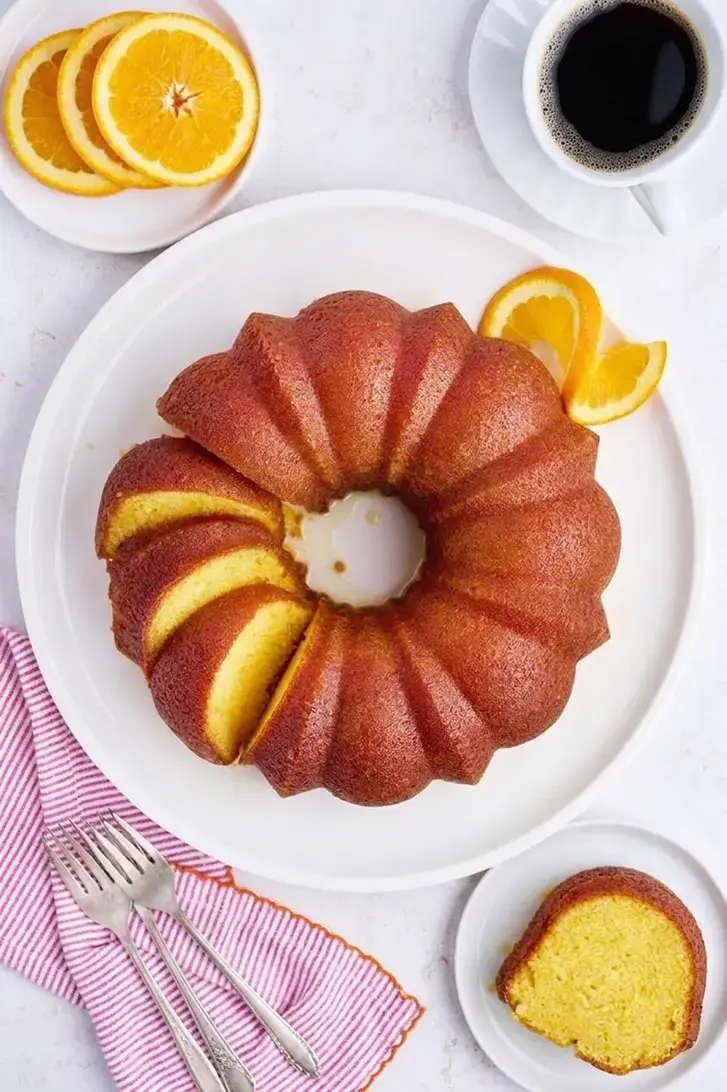
Let me tell you about the cake that shows up at every single family gathering we host, and somehow never comes home with leftovers. This Orange Juice Cake is moist, bright, and about as easy as dessert gets, because it starts with a box of yellow cake mix and finishes like something you fussed over all afternoon.
My mom kept a fat three ring binder stuffed with recipe clippings, handwritten index cards, and pages printed off the computer back when dial up was still a thing. This orange cake was one of those printed pages, and it earned its spot.
The original came to our family years ago, and I have made a few small changes over time, but the heart of it has stayed exactly the same. It has been a frequent treat around here ever since.
What makes this cake special is that orange juice shows up twice. It goes into the batter, and it goes into the warm glaze that gets poured over the cake while it is still sitting in the pan.
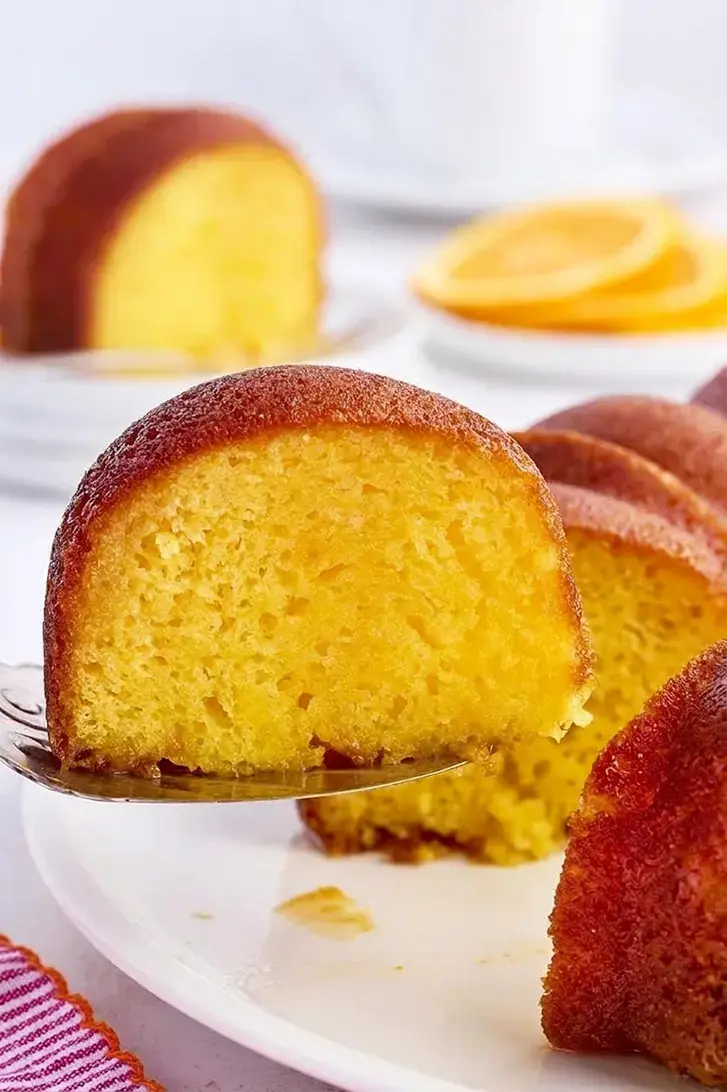
That second pour is where the magic happens. The glaze seeps down into every poke hole and turns a good cake into a super moist one, and every bite tastes like a burst of sunshine.
The whole method is simple. Whisk the cake ingredients together, pour the batter into the pan, bake it, top it with glaze, and enjoy. That is really it. No sifting, no softening butter on the counter, no complicated steps to memorize.
Now I need to give you one very important piece of advice, and I hope you take it. Resist the temptation to serve this cake the minute it comes out of the pan. I know it smells incredible.
I know that glaze is glistening. Serve it too soon, though, and it will be harder to cut and possibly soggy in the middle.
Instead, let the cake cool in the pan and come closer to room temperature before you turn it out of the Bundt pan onto a platter.
Once it has had time to soak up the glaze and let that flavor distribute all the way through, it will be even more tasty than it was when it first came out of the oven.
In our house this is a cake we bake in the evening and serve the next day.
Leftovers keep beautifully, which is one more reason I love it. Store them in the refrigerator in an airtight container, or wrap the cake tightly with plastic wrap.
It will last about a week in the fridge, and it freezes well for up to a month. I like to slice it cold and let the pieces sit on the counter for a few minutes before serving.
A little patience is the secret ingredient here. Give this cake time to rest and the glaze does the rest of the work for you.
If you are new to Bundt baking, this is a friendly place to start. The batter is forgiving, the glaze covers any small imperfections, and the finished cake looks like something from a bakery window. I just know you guys are going to love it.
One more thing worth saying: this cake travels well. It sits happily on a potluck table, it holds up on a dessert buffet, and it is just as welcome at a Sunday lunch as it is at a holiday dinner. If you are asked to bring a dessert, this is the one I reach for.
We usually serve it with coffee in the afternoon, and it holds its own right next to a scoop of vanilla ice cream if you want to dress it up. The citrus keeps it from feeling heavy, so a slice after a big meal never feels like too much.
What kind of orange juice should go in Orange Juice Cake?
Short answer: any brand of orange juice works beautifully here, and fresh squeezed is wonderful if you happen to have the patience for it. The juice is doing real work in this recipe, so it is worth a moment of thought.
There are two things I would gently steer you away from.
Orange juice from concentrate. The frozen kind in a can is not my first choice unless you dilute it properly according to the directions on the can. Skip that step and the flavor, texture, and consistency of your cake can come out uneven.
Orange flavored drinks. Something like Sunny D is not the same thing as orange juice. It brings extra sweetness and a different consistency to the bowl, and it can throw off the texture and taste of the finished cake.
Stick with real orange juice and you will get a consistent result every time, with a clean citrus flavor that comes through in both the cake and the glaze.
If you do squeeze your own, strain out the pulp or leave it in, whichever you prefer. Either way, the flavor will be bright and fresh, and the cake will thank you for it.
Ingredients
Here is everything you need. Most of it is probably in your pantry right now, which is part of why this cake is such an easy win on a busy week.
For the cake:
1 (15.25 ounce) box yellow cake mix, and I prefer Betty Crocker or Pillsbury here
1 (3.4 ounce) box instant lemon pudding mix
3/4 cup vegetable oil
3/4 cup orange juice
4 large eggs
For the glaze:
2 cups powdered sugar
3/4 cup orange juice
4 tablespoons unsalted butter
One shopping note before you head out: the brand of cake mix really does matter with this recipe, and I explain why in the notes below. It is a small detail that makes a big difference.
Instructions
This cake comes together quickly, so go ahead and read through the steps once before you start. Having everything within reach makes the whole process feel calm and easy.
Get the oven and pan ready. Preheat the oven to 350 degrees F and grease and flour a Bundt pan that holds 10 to 12 cups. Take your time with this step so the cake releases cleanly later.
Mix the batter. In a large bowl, use an electric mixer to combine the cake mix, pudding mix, vegetable oil, orange juice, and eggs. Mix for about 2 minutes, then pour the batter into the prepared pan.
Bake. Bake for 35 to 40 minutes, until a toothpick inserted in the center comes out clean and the cake is just starting to pull away from the sides of the pan. Allow the cake to cool in the pan while you make the glaze.
Make the glaze. In a small saucepan, combine the powdered sugar, orange juice, and butter. Cook over medium low heat until the butter has melted, stirring frequently.
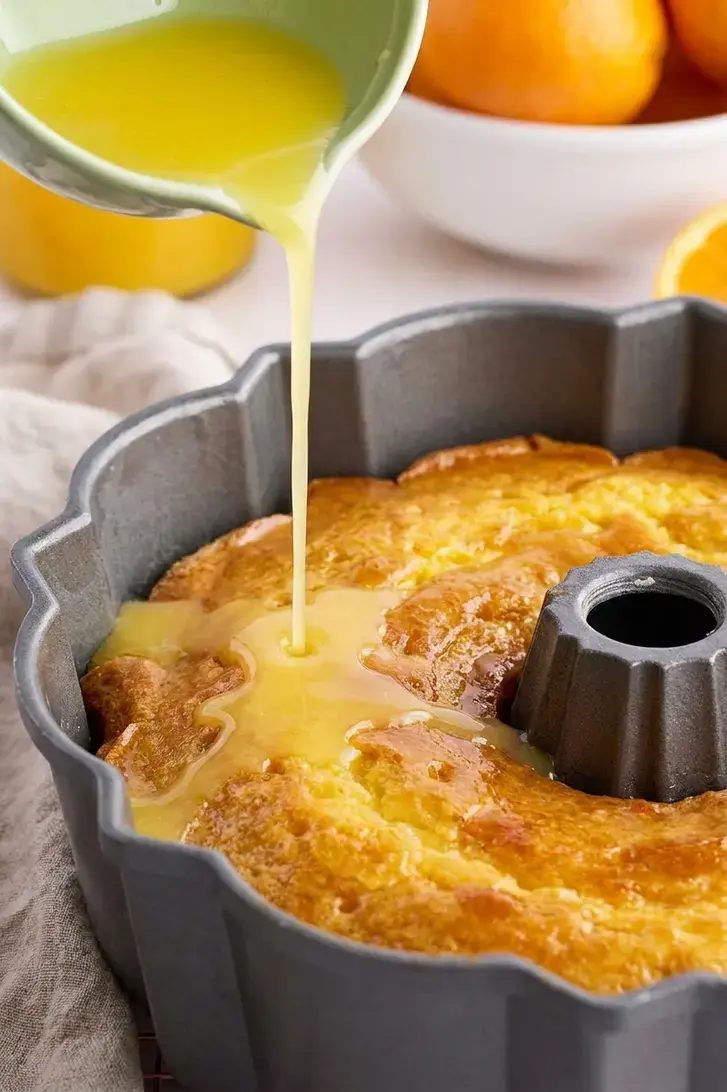
Poke and pour. Use a skewer or toothpick to poke holes all over the cake. Pour the warm glaze over the cake while it is still in the cake pan. It is going to seem like a lot of glaze, but just keep pouring.
Let it soak, then turn it out. Allow the cake to cool for 15 to 20 more minutes, or until the cake is cool and most of the glaze has been absorbed. Then invert the cake onto a serving platter.
Cool completely and let it rest. Allow the cake to cool completely before serving. This cake is best served after it has rested for about 8 hours.
A few things I have learned along the way. Poke more holes than you think you need, spacing them evenly across the top, so the glaze has plenty of places to settle in.
Pour slowly rather than all at once and give the cake a moment between pours. Set your serving platter nearby before you start so you are not scrambling when the pan is still warm.
That glaze is not too much. It is exactly the amount this cake needs, and the pan is where it does its best work.
If your cake needs a little help releasing, run a thin knife or a small spatula around the edge of the pan before you invert it. Then place the platter on top, flip with confidence, and lift the pan straight up.
If you are baking ahead, this cake is a dream. It tastes even better on day two, and it slices cleanly once it has fully cooled.
Notes
After much testing, Duncan Hines cake mixes do not work with this recipe. Betty Crocker or Pillsbury are the brands I reach for, and they give the consistent, tender result this cake depends on. Buy the one that works and save yourself the guesswork.
Recipe details
Here is the quick rundown so you can plan your baking day.
Detail
Value
Prep time
20 minutes
Cook time
35 minutes
Total time
55 minutes
Servings
10
The source nutrition estimate, per serving, is 517 calories, 72 grams of carbohydrates, 4 grams of protein, 24 grams of fat, 7 grams of saturated fat, 1 gram of fiber, 45 grams of sugar, 393 milligrams of sodium, and 86 milligrams of cholesterol. These numbers are an estimate and will shift a bit depending on the cake mix you use.
FAQs
How do you make orange juice cake from a box mix?
To make orange juice cake from a box mix, combine one 15.25-ounce box of yellow cake mix, one 3.4-ounce box of instant lemon pudding mix, 3/4 cup vegetable oil, 3/4 cup orange juice, and 4 large eggs. Beat the batter with an electric mixer for about 2 minutes, then pour it into a greased and floured 10 to 12-cup Bundt pan. Bake at 350°F for 35 to 40 minutes until a toothpick inserted in the center comes out clean.
What kind of orange juice is best for orange cake?
Any brand of standard orange juice works well, including fresh-squeezed orange juice, and will produce excellent results. Orange juice from concentrate is acceptable as long as it is properly diluted according to the can's instructions. Avoid using orange-flavored drinks like Sunny D, as these can alter the cake's flavor, texture, and consistency.
Why did my orange juice cake stick to the pan?
Orange juice cake is prone to sticking because its moist, sugary glaze can bond to the pan surface. To prevent this, thoroughly grease and flour your 10 to 12-cup Bundt pan before adding the batter. Using a baking spray that contains flour is the most reliable method for ensuring the cake releases cleanly after glazing.
How do you store orange juice cake?
Store leftover orange juice cake in an airtight container or tightly wrapped with plastic wrap in the refrigerator, where it will stay moist for about a week. The cake can also be frozen for up to three months. Always allow the cake to cool completely and rest for about 8 hours before storing for the best flavor and texture.
Orange Juice Cake Let me tell you about the cake that shows up at every single family gathering we host, and somehow never comes home with leftovers. This Orange Juice Cake is moist, bright, and about as easy as dessert gets, because it starts with a box of yellow cake mix and finishes like something you fussed over all afternoon.
Total Time:55 min
Yield:10 1x
Ingredients
Scale
1 (15.25-ounce) box yellow cake mix, (I prefer Betty Crocker or Pillsbury) 1 (3.4-ounce) box instant lemon pudding mix 3/4 cup vegetable oil 3/4 cup orange juice 4 large eggs For the glaze 2 cups powdered sugar 3/4 cup orange juice 4 tablespoons unsalted butter
Instructions
1-Preheat the oven to 350°F and grease: Preheat the oven to 350°F and grease and flour a 10 to 12-cup Bundt pan. 2-In a large bowl, using an electric: In a large bowl, using an electric mixer to combine the cake mix, pudding mix, vegetable oil, orange juice, and eggs. Mix for about 2 minutes. Pour the cake mix into the prepared pan. 3-Bake for 35 to 40 minutes or: Bake for 35 to 40 minutes or until a toothpick inserted in the center comes out clean and the cake is just starting to pull away from the sides of the pan. Allow the cake to cool in the pan while you make the glaze. 4-In a small sauce pan, combine the: In a small sauce pan, combine the powdered sugar, orange juice, and butter. Cook over medium-low heat until the butter has melted, stirring frequently. 5-Use a skewer or toothpick to poke: Use a skewer or toothpick to poke holes in the cake. Pour the warm glaze over the cake while it is still in the cake pan. It’s going to seem like a lot of glaze, but just keep pouring. Allow to cool for 15 to 20 more minutes, or until the cake is cool and most of the glaze has been absorbed, then invert the cake onto a serving platter. Allow to cool completely before serving. This cake is best served after it has rested for about 8 hours.
Last Step:
Please leave a rating and comment letting us know how you liked this recipe! This helps our business to thrive and continue providing free, high-quality recipes for you.